
Plasma Chains and NFTs: Scalable Solutions for NonFungible Tokens


Welcome to Blockchain Trends, your compass in the ever-evolving world of decentralized technology. Beyond the hype of cryptocurrencies, lies a universe of potential waiting to be unlocked. Ever wondered how Scalable NFTs blockchain solutions are changing the game? Dive in to explore how plasma chains are revolutionizing the non-fungible token space, making them more accessible and efficient. The future of NFTs is here, and it's surprisingly scalable!
NFTs and Layer-2 Scaling: Overcoming Blockchain Limitations
- Introduction: The NFT Scalability Problem
- Plasma Chains: Layer-2 Scaling for NFTs
- Plasma Chain Implementation for NFT Platforms
- Alternative Scalable NFT Solutions: A Comparison
- Case Studies: NFT Platforms Utilizing Scaling Solutions
- The Future of Scalable NFTs
- Conclusion: Scaling NFTs with Layer-2 Solutions
-
Frequently Asked Questions
- What are Plasma Chains and how do they relate to NFTs?
- How do Plasma Chains improve the scalability of NFTs?
- What are the benefits of using Plasma Chains for NFT projects?
- Are there any security concerns associated with using Plasma Chains for NFTs?
- What is the future of Plasma Chains in the context of "Scalable NFTs blockchain solutions"?
- Final Reflection: Embracing Scalable NFT Futures
- Dive Deeper: Unleash the Power of Scalable NFTs!
Introduction: The NFT Scalability Problem
NFT Popularity and Blockchain Congestion
The surge in popularity of Non-Fungible Tokens (NFTs) has undeniably revolutionized digital ownership and creator economies. From digital art and collectibles to virtual real estate and in-game assets, NFTs have found applications across diverse sectors. This widespread adoption, however, has brought to light a critical challenge: scalability. As NFT marketplaces and platforms experience exponential growth in users and transactions, the underlying blockchain networks, particularly Ethereum, often face significant congestion. This congestion manifests as slow transaction processing times and exorbitant gas fees, hindering the accessibility and usability of NFTs for both creators and collectors.
The issue of blockchain congestion directly impacts the NFT ecosystem. Consider the peak periods of NFT drops or popular marketplace events. During these times, the sheer volume of transactions attempting to be processed simultaneously overwhelms the network's capacity. For example, during a highly anticipated NFT collection launch, users might experience transaction failures or wait hours for confirmations, even after paying significantly inflated gas fees to prioritize their transactions. This bottleneck effect creates a poor user experience, discourages participation, and ultimately limits the full potential of the NFT market.
Mainnet Blockchain Limitations for NFTs
The limitations of mainnet blockchains, especially those employing a Proof-of-Work (PoW) consensus mechanism, become acutely apparent when dealing with high-throughput applications like NFT marketplaces. Blockchains like Ethereum, while foundational to the NFT space, are designed with inherent constraints on transaction processing speed and capacity. The fundamental architecture of these blockchains, which prioritizes security and decentralization, often comes at the cost of scalability. Each transaction needs to be validated and added to a block by a distributed network of nodes, a process that takes time and computational resources.
Furthermore, the block size and block time of mainnet blockchains impose a hard limit on the number of transactions that can be processed within a given timeframe. For Ethereum, historically, the block time has been around 15 seconds, and block sizes have been subject to gas limits.
While upgrades like EIP-1559 and the transition to Proof-of-Stake (PoS) with the Merge aim to improve efficiency, the core issue of scalability for high-volume NFT activities remains. The fixed throughput of the mainnet layer means that as NFT adoption increases, the network becomes increasingly strained, leading to the aforementioned congestion and high fees, making it difficult to achieve truly scalable NFTs blockchain solutions directly on Layer-1.
The Importance of Scalability for NFT Growth
Scalability is not merely a technical concern; it's a fundamental prerequisite for the sustained growth and mainstream adoption of NFTs. Without scalable NFTs blockchain solutions, the potential of this technology to empower creators, democratize access to digital assets, and foster new forms of digital economies will be severely hampered.
High gas fees act as a significant barrier to entry, particularly for smaller creators and collectors who may be priced out of participating in the NFT market. Imagine a budding digital artist wanting to mint and sell their artwork as an NFT but facing gas fees that exceed the value of their piece – this scenario is a direct consequence of scalability limitations.
Moreover, the long-term vision for NFTs extends far beyond digital art and collectibles. Use cases such as ticketing, supply chain management, digital identity, and decentralized gaming all require the ability to handle a massive volume of NFT transactions efficiently and cost-effectively. For NFTs to become truly integrated into everyday digital experiences and unlock their full transformative potential, scalable infrastructure is paramount. Solutions that address the scalability bottleneck are not just desirable but essential for ensuring that NFTs can evolve from a niche market into a robust and accessible technology for everyone, driving the need for scalable NFTs blockchain solutions.
Plasma Chains: Layer-2 Scaling for NFTs
Understanding Plasma Chain Functionality
Plasma chains represent a Layer-2 scaling solution designed to alleviate the burden on mainnet blockchains by handling a significant portion of transaction processing off-chain. Conceived as "child chains" anchored to a "root chain" (typically the main Ethereum blockchain), Plasma chains operate as independent blockchains with their own consensus mechanisms and block structures.
The core principle of Plasma is to allow for the execution of smart contracts and transactions in these child chains, while periodically committing a summary of their state back to the root chain for security and dispute resolution. This offloading of computational and transactional load from the mainnet significantly enhances transaction throughput and reduces gas costs for applications like NFT platforms.
The functionality of Plasma chains hinges on a hierarchical structure. The root chain, in this case, Ethereum mainnet, acts as the security guarantor, ensuring the integrity of the Plasma chain. Child chains, on the other hand, are optimized for specific applications, such as NFT transactions. Users can deposit assets (like ETH or NFTs) into a Plasma chain contract on the root chain and then conduct transactions within the child chain environment.
These transactions are processed and validated by the Plasma chain's consensus mechanism, which can be tailored for efficiency. Crucially, Plasma chains employ fraud proofs, a mechanism that allows users to challenge invalid transactions or state transitions within the child chain by submitting evidence to the root chain. This fraud-proof system is fundamental to Plasma's security model, ensuring that even if a Plasma chain operator acts maliciously, users' assets are protected by the security of the underlying root chain.
Off-Chain NFT Transactions with Plasma
For NFTs, Plasma chains offer a particularly compelling scaling solution by enabling the vast majority of NFT-related transactions to occur off the main Ethereum chain. This includes minting, transferring, and trading NFTs. When an NFT platform utilizes a Plasma chain, users interact with the Plasma chain for their NFT activities.
For instance, minting an NFT would involve a transaction processed and recorded within the Plasma chain, incurring significantly lower fees compared to minting directly on the Ethereum mainnet. Similarly, NFT transfers and trades between users happen within the Plasma chain environment, again benefiting from reduced gas costs and faster transaction times.
The key advantage here is that only a summary of the Plasma chain's state, including periodic updates and any dispute resolutions, is anchored to the root chain. This drastically reduces the load on the mainnet blockchain, allowing it to function more efficiently for other critical operations. Users retain control of their NFTs even within the Plasma chain environment, as the root chain acts as a court of last resort.
In case of any disputes or malicious behavior within the Plasma chain, users can leverage fraud proofs to exit the Plasma chain and reclaim their assets on the root chain. This mechanism ensures that while transactions are processed off-chain for scalability, the security of the underlying blockchain is maintained, making Plasma a viable option for scalable NFTs blockchain solutions.
Plasma Chain Architecture for NFTs
The architecture of a Plasma chain specifically designed for NFTs involves several key components working in concert to provide a scalable and secure environment. These components can be broadly categorized into root chain communication, child chain processes, and fraud proof mechanisms.
Root Chain Communication
The root chain, typically Ethereum, serves as the foundation for the Plasma chain's security. Communication with the root chain is primarily facilitated through smart contracts deployed on the mainnet. These contracts manage the deposit and withdrawal of assets into and out of the Plasma chain. When a user wants to use the Plasma chain, they first deposit ETH or other relevant tokens into a designated Plasma contract on the root chain.
This deposit transaction is recorded on the mainnet, establishing a secure link between the user's assets and the Plasma chain. Similarly, when a user wants to withdraw assets from the Plasma chain, they initiate a withdrawal process through the root chain contract. This communication layer ensures that all fundamental asset movements are anchored to the security of the mainnet.
Child Chain Processes
The child chain itself operates as an independent blockchain, handling the bulk of NFT-related transactions. It typically employs its own consensus mechanism, which can be optimized for speed and efficiency. For NFT platforms, a Proof-of-Authority (PoA) or Delegated Proof-of-Stake (DPoS) consensus might be suitable, allowing for faster block times and lower transaction costs compared to the root chain's Proof-of-Stake. Within the child chain, blocks are created and transactions are validated by designated validators or block producers.
These processes manage NFT minting, transfers, and marketplace interactions within the Plasma chain environment. The child chain maintains its own state, tracking NFT ownership and transaction history, and periodically commits Merkle roots representing the state of the chain to the root chain contract. This periodic commitment serves as a checkpoint and allows for fraud proofs to be effectively implemented.
Fraud Proof Mechanisms
Fraud proofs are the cornerstone of Plasma's security model, ensuring that users are protected against malicious operators or invalid state transitions within the child chain. If a user detects an invalid transaction or block within the Plasma chain, they can submit a fraud proof to the root chain contract. This fraud proof typically includes evidence demonstrating the invalidity, such as cryptographic proofs or transaction data.
Upon successful verification of a fraud proof by the root chain contract, the invalid state is reverted, and appropriate corrective actions are taken, potentially including penalizing malicious actors. For NFTs, fraud proofs could be triggered by invalid NFT transfers, unauthorized minting, or incorrect ownership updates within the Plasma chain. The existence of this fraud-proof mechanism ensures that even though transactions are processed off-chain, users retain the security guarantees of the root chain, making Plasma a secure approach to scalable NFTs blockchain solutions.
Plasma Chain Implementation for NFT Platforms
Benefits of Plasma for NFTs
Implementing Plasma chains for NFT platforms offers a range of compelling benefits, primarily centered around reduced costs, increased throughput, and enhanced security for NFT transactions. These advantages directly address the scalability challenges hindering the wider adoption of NFTs.
Reduced NFT Transaction Costs
One of the most significant benefits of Plasma chains is the dramatic reduction in transaction costs, commonly known as gas fees on Ethereum. By processing NFT transactions off-chain within the Plasma environment, the gas fees associated with each transaction are substantially lower than those on the mainnet. For example, minting an NFT on Ethereum mainnet during peak times can cost anywhere from $50 to hundreds of dollars in gas fees, depending on network congestion.
In contrast, minting an NFT on a Plasma chain could potentially cost fractions of a cent. This cost reduction is crucial for making NFTs accessible to a wider audience, especially smaller creators and collectors who are sensitive to high transaction fees. For NFT marketplaces handling a large volume of trades and minting activities, the cumulative savings in gas costs through Plasma implementation can be enormous, significantly improving profitability and user experience.
Increased NFT Transaction Throughput
Plasma chains are designed to significantly increase transaction throughput compared to mainnet blockchains. By offloading transaction processing to a dedicated child chain, Plasma can handle a much higher volume of NFT transactions per second. Ethereum mainnet, even post-Merge, has limitations on its transaction processing capacity.
Plasma chains, with their optimized consensus mechanisms and independent operation, can achieve throughput orders of magnitude greater than the root chain. This increased throughput translates to faster transaction confirmation times for NFT users, eliminating the frustrating delays often experienced during peak periods on mainnet marketplaces. For NFT platforms aiming to support a large and active user base with high transaction frequency, Plasma's enhanced throughput is a critical advantage, enabling seamless and responsive user experiences essential for scalable NFTs blockchain solutions.
Enhanced NFT Security
While Plasma chains operate off-chain, they are designed to inherit the security of the root chain through the fraud-proof mechanism. This provides a robust security model for NFTs traded and managed within the Plasma environment. Users retain control over their assets and are protected against malicious behavior by Plasma chain operators.
The fraud-proof system ensures that any invalid state transitions or fraudulent transactions can be challenged and reversed through the root chain. This security model is crucial for building trust and confidence in NFT platforms utilizing Plasma. While Plasma chains introduce a layer of complexity compared to mainnet transactions, the security guarantees provided by the root chain anchoring and fraud proofs make it a viable and secure option for scaling NFT platforms, offering a balance between scalability and security for handling sensitive digital assets like NFTs.
Challenges of Plasma-Based NFT Solutions
Despite the numerous benefits, implementing Plasma-based solutions for NFTs also presents certain challenges that need careful consideration and mitigation. These challenges include data availability, implementation complexity, and exit strategies.
Data Availability
Data availability is a critical concern in Plasma designs. Since transaction data is primarily processed and stored off-chain within the Plasma chain, ensuring that this data remains accessible to users for verification and fraud proofs is paramount. If transaction data becomes unavailable, users might be unable to generate fraud proofs in case of malicious activity, potentially compromising the security of their assets.
Plasma implementations need robust mechanisms to guarantee data availability, such as data replication, incentivized data keepers, or specialized data availability layers. NFT platforms considering Plasma must carefully evaluate data availability solutions to ensure the long-term security and integrity of their off-chain NFT operations. Failure to address data availability adequately can undermine the security benefits of Plasma and create vulnerabilities for users.
Implementation Complexity
Implementing Plasma chains is technically complex and requires significant development expertise. Building and deploying a secure and functional Plasma chain involves intricate smart contract development on the root chain, designing and implementing a robust child chain consensus mechanism, and developing efficient fraud-proof mechanisms. Integrating Plasma into existing NFT platforms also requires substantial modifications to the platform's architecture and user interfaces.
The complexity of Plasma implementation can lead to longer development timelines, higher development costs, and potential security vulnerabilities if not handled correctly. NFT platforms considering Plasma need to assess their technical capabilities and resources carefully and potentially engage specialized blockchain development teams with expertise in Layer-2 scaling solutions to navigate this complexity successfully.
Exit Strategies
Exit strategies are crucial for users to be able to withdraw their assets from a Plasma chain back to the root chain securely and efficiently. The standard Plasma exit process involves a challenge period during which other users can submit fraud proofs against a withdrawal attempt. While this challenge period is essential for security, it can also lead to delays in withdrawals, potentially impacting user experience.
Furthermore, in scenarios where the Plasma chain operator becomes unresponsive or malicious, users need reliable mechanisms to initiate mass exits and retrieve their assets. Designing robust and user-friendly exit strategies is essential for Plasma-based NFT platforms to ensure that users retain control over their assets and can exit the Plasma chain when needed without undue delays or complications. Poorly designed exit strategies can lead to user frustration and undermine trust in the Plasma solution.
Alternative Scalable NFT Solutions: A Comparison
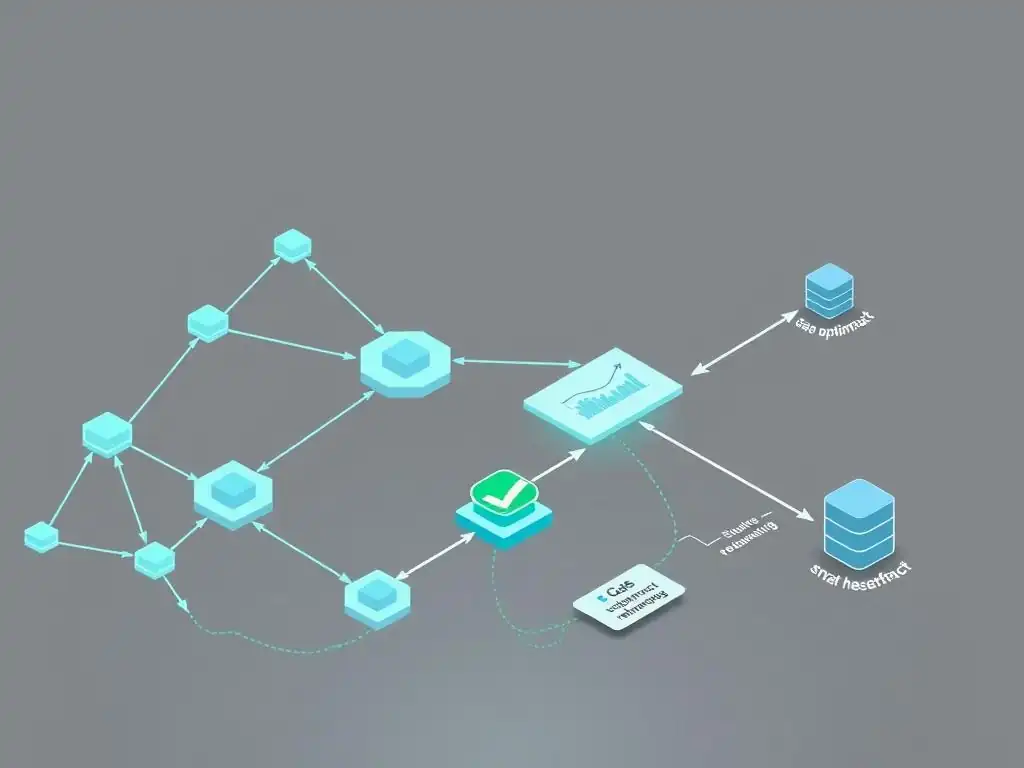
While Plasma chains offer a compelling approach to scaling NFTs, several alternative Layer-2 solutions exist, each with its own trade-offs. Comparing Plasma with State Channels, Sidechains, and Rollups provides a broader perspective on the landscape of scalable NFTs blockchain solutions.
State Channels vs. Plasma for NFTs
State channels and Plasma chains both aim to enhance scalability by moving transactions off the mainnet, but they differ significantly in their approach and suitability for NFT applications. State channels establish direct, private communication channels between participants, allowing them to conduct multiple transactions off-chain and only settle the final state on the mainnet. This approach is highly efficient for scenarios with a fixed set of participants and predictable interaction patterns, such as payment channels or gaming interactions between a limited number of players.
However, state channels are less well-suited for general-purpose NFT marketplaces or platforms with a large and dynamic user base. Setting up and managing channels for each user interaction can become complex and inefficient in such scenarios.
Plasma chains, on the other hand, are designed to handle a broader range of applications and user interactions. They offer a more general-purpose Layer-2 environment where multiple users can transact NFTs off-chain, with security anchored to the root chain via fraud proofs. While state channels excel in specific, limited-participant use cases, Plasma provides a more scalable and versatile solution for NFT platforms needing to support a large and open marketplace. For scalable NFTs blockchain solutions in a marketplace context, Plasma typically offers greater flexibility and applicability compared to state channels.
Sidechains for NFT Platforms
Sidechains represent another approach to scaling NFTs, offering independent blockchains that run in parallel to the mainnet and are connected via bridges. Sidechains can have their own consensus mechanisms, block parameters, and virtual machines, allowing for significant customization and optimization for NFT applications. For example, a sidechain could be designed with faster block times and lower transaction fees specifically tailored for NFT minting and trading. Assets can be transferred between the mainnet and the sidechain through bridges, enabling users to leverage the scalability benefits of the sidechain while still retaining access to the mainnet ecosystem.
However, sidechains operate with their own security models, which are typically independent of the mainnet's security. The security of a sidechain relies on its own validators and consensus mechanism, meaning that sidechain users are trusting the security of a separate blockchain. Bridge vulnerabilities also pose a risk, as exploits in bridge contracts can lead to asset losses.
While sidechains offer greater flexibility and scalability potential, they introduce a different security trade-off compared to Plasma, which inherits security from the root chain. For NFT platforms, the choice between sidechains and Plasma depends on the desired balance between scalability, security, and control over the underlying infrastructure. Sidechains can offer more control but require more responsibility for security, while Plasma leverages the security of the mainnet.
Layer-2 Solutions: Rollups for NFTs
Rollups are gaining significant traction as a promising Layer-2 scaling solution for NFTs. Rollups, unlike Plasma, execute transactions off-chain but post transaction data on the mainnet. This on-chain data availability is a key differentiator and enhances the security and data integrity of Rollups compared to Plasma.
There are two main types of Rollups: Optimistic Rollups and Zero-Knowledge (ZK) Rollups. Optimistic Rollups assume transactions are valid by default and allow for a challenge period during which fraud proofs can be submitted if invalid transactions are detected. ZK-Rollups, on the other hand, use cryptographic proofs to validate transactions off-chain and only post the validity proof to the mainnet, offering stronger security guarantees and faster finality.
For NFT platforms, both Optimistic and ZK-Rollups offer significant scalability improvements over mainnet. Optimistic Rollups are generally easier to implement and have gained early adoption, while ZK-Rollups, although more complex to develop, offer superior security and scalability potential in the long run. Immutable X, for example, is a prominent NFT platform utilizing StarkWare's ZK-Rollup technology. Rollups are considered by many to be a leading Layer-2 solution for achieving scalable NFTs blockchain solutions due to their combination of scalability, security, and data availability, often seen as offering a stronger security profile than Plasma while still providing substantial scalability gains.
Case Studies: NFT Platforms Utilizing Scaling Solutions
While Plasma implementations for NFTs are less prevalent in the current landscape, examining platforms utilizing other Layer-2 scaling solutions provides valuable insights. Immutable X, a prominent NFT platform leveraging StarkWare's ZK-Rollup technology, serves as a compelling case study for understanding the practical benefits and performance of scalable NFT solutions.
Immutable X: Scaling NFT Minting and Trading with StarkWare's ZK-Rollup
Immutable X is a Layer-2 scaling solution specifically designed for NFTs, built using StarkWare's StarkEx ZK-Rollup technology. It addresses the scalability limitations of Ethereum mainnet by enabling near-instant NFT transactions and significantly reducing gas fees. Immutable X focuses on providing a seamless user experience for NFT minting, trading, and transferring, catering to a wide range of NFT applications, including gaming, collectibles, and digital art. By leveraging ZK-Rollups, Immutable X achieves high transaction throughput and low fees without compromising on security, as the validity of transactions is cryptographically proven and verified on the Ethereum mainnet.
The platform provides a developer-friendly environment for building NFT projects with features like batch minting, royalty enforcement, and native marketplace functionality. Immutable X aims to make NFTs more accessible and usable for mainstream adoption by removing the barriers of high gas fees and slow transaction times that are often associated with mainnet NFT interactions. Its adoption by various NFT projects and marketplaces demonstrates the growing demand for scalable NFTs blockchain solutions and the effectiveness of ZK-Rollups in addressing these needs. Immutable X showcases a real-world example of how Layer-2 scaling can transform the NFT ecosystem.
Analyzing Immutable X's Performance: Volume, Fees, and User Experience
Immutable X's performance metrics provide concrete evidence of the benefits of Layer-2 scaling for NFTs. In terms of transaction volume, Immutable X has processed millions of NFT trades, demonstrating its capacity to handle high throughput. Compared to mainnet NFT marketplaces, Immutable X boasts significantly lower transaction fees, often fractions of a cent per trade, making NFT trading and minting economically viable for a wider range of users. This fee reduction is a direct consequence of the ZK-Rollup technology, which drastically reduces the gas costs associated with each transaction.
User experience on Immutable X is also notably improved compared to mainnet platforms. Transactions are confirmed almost instantly, providing a smooth and responsive trading environment. The platform's user interface is designed to be intuitive, further enhancing accessibility for both experienced and novice NFT users. Data from NFT analytics platforms shows Immutable X consistently ranking among the top NFT marketplaces in terms of sales volume, highlighting its success in attracting users and projects seeking scalable NFTs blockchain solutions. The platform’s performance demonstrates the practical impact of Layer-2 scaling on user adoption and market activity in the NFT space.
Key Learnings from Scaling NFT Platforms
The success of platforms like Immutable X and the broader adoption of Layer-2 scaling solutions for NFTs offer several key learnings for the future of scalable NFTs blockchain solutions. Firstly, Layer-2 scaling is not just a theoretical concept but a proven and effective approach to address the scalability bottleneck of mainnet blockchains for NFT applications. Secondly, different Layer-2 solutions, such as ZK-Rollups, offer varying trade-offs in terms of security, complexity, and performance, and the optimal choice depends on the specific requirements of the NFT platform or project.
Thirdly, user experience is paramount. Scalable solutions must not only reduce fees and increase throughput but also provide a seamless and intuitive user experience to drive mainstream adoption. Platforms that prioritize user-friendliness alongside scalability are more likely to succeed. Finally, the continued growth and innovation in the Layer-2 ecosystem suggest that scalable NFTs are not just a future possibility but an ongoing reality. The industry is moving towards a multi-layer blockchain architecture where Layer-2 solutions play a crucial role in enabling the widespread adoption and diverse applications of NFTs.
The Future of Scalable NFTs
The future of NFTs is inextricably linked to the continued development and adoption of scalable solutions. Emerging trends, interoperability efforts, and the growing creator economy all point towards a future where scalable NFTs blockchain solutions are not just desirable but essential for the technology to reach its full potential.
Emerging NFT Scaling Trends
Several emerging trends are shaping the future of scalable NFTs. ZK-Rollups are gaining increasing momentum as a leading Layer-2 solution due to their strong security guarantees and scalability potential. Advancements in ZK-Rollup technology are making them more efficient and easier to implement, paving the way for wider adoption by NFT platforms. Optimistic Rollups are also evolving, with ongoing research and development focused on improving their security and performance. Furthermore, there is growing interest in Layer-3 solutions, which build upon Layer-2 technologies to achieve even greater scalability and customization.
Another trend is the development of specialized blockchains and sidechains specifically designed for NFTs. These chains are optimized for NFT-related operations and can offer tailored features and performance characteristics. Interoperability between different Layer-2 solutions and blockchains is also becoming increasingly important, enabling seamless asset transfers and interactions across various NFT ecosystems. These emerging trends indicate a dynamic and evolving landscape for scalable NFTs blockchain solutions, with continuous innovation driving progress and expanding the possibilities for NFT applications.
Interoperability Between Scaling Solutions
Interoperability is crucial for the long-term success of scalable NFTs. As different Layer-2 solutions and blockchains emerge, the ability to seamlessly transfer and interact with NFTs across these diverse environments will be paramount. Imagine a future where users can easily move their NFTs between different Layer-2 marketplaces, gaming platforms on sidechains, and even across different mainnet blockchains. This level of interoperability would unlock significant value and create a more unified and accessible NFT ecosystem.
Efforts are underway to develop interoperability protocols and standards that facilitate cross-chain NFT transfers and interactions. Bridging technologies, cross-chain messaging protocols, and standardized NFT metadata formats are all playing a role in enabling interoperability. The development of robust and secure interoperability solutions will be essential for realizing the full potential of scalable NFTs and creating a truly interconnected and user-centric NFT landscape. Without interoperability, the benefits of scalable NFTs could be fragmented and limited by siloed ecosystems.
Scalable NFTs and the Creator Economy
Scalable NFTs are poised to play a pivotal role in empowering the creator economy. By reducing transaction costs and increasing throughput, scalable solutions make it economically viable for creators of all sizes to participate in the NFT market. Lower gas fees enable micro-transactions and fractional ownership of NFTs, opening up new revenue streams for creators and allowing fans to support their favorite artists and creators in more accessible ways. Scalable NFT platforms can also facilitate new forms of creator-fan engagement, such as NFT-based memberships, exclusive content access, and community governance mechanisms.
The creator economy thrives on accessibility and inclusivity. Scalable NFTs remove the financial barriers that have previously limited participation, allowing more creators to monetize their work and connect directly with their audiences. As scalable solutions become more widely adopted, NFTs have the potential to become a fundamental building block for the future of the creator economy, fostering innovation, and empowering creators across various domains, from art and music to gaming and content creation, driving demand for scalable NFTs blockchain solutions.
Conclusion: Scaling NFTs with Layer-2 Solutions
Plasma Chains: A Potential Solution for NFT Scalability
Plasma chains offer a viable and potentially cost-effective approach to addressing the scalability challenges of NFTs. By processing transactions off-chain and leveraging fraud proofs anchored to the root chain, Plasma can significantly reduce gas fees and increase transaction throughput for NFT platforms. While Plasma implementations are less prevalent than Rollups currently, the underlying principles of off-chain processing and root chain security remain relevant. Plasma's hierarchical structure and fraud-proof mechanisms provide a framework for building scalable NFT solutions, particularly for applications where cost efficiency is a primary concern and a degree of implementation complexity is acceptable.
However, it is important to acknowledge the challenges associated with Plasma, such as data availability and implementation complexity. Careful consideration and mitigation strategies are needed to address these challenges and ensure the security and usability of Plasma-based NFT solutions. While other Layer-2 solutions like Rollups are currently gaining more traction, Plasma remains a valid option in the toolkit of scalable NFTs blockchain solutions, particularly for specific use cases and platform requirements.
Choosing the Right Scaling Solution for Your NFT Project
Selecting the optimal scaling solution for an NFT project requires careful evaluation of various factors, including security requirements, scalability needs, implementation complexity, and cost considerations. For projects prioritizing strong security guarantees and data availability, ZK-Rollups are often considered the leading option, albeit with higher implementation complexity. Optimistic Rollups offer a more readily implementable solution with good scalability but with slightly different security trade-offs. Plasma chains can be a cost-effective option for projects willing to navigate the implementation complexities and address data availability concerns. Sidechains provide greater customization and control but introduce a separate security model.
The choice ultimately depends on the specific priorities and trade-offs that are acceptable for the NFT project. Understanding the nuances of each scaling solution and aligning them with the project's goals is crucial for making an informed decision. Consulting with blockchain scaling experts and conducting thorough testing and evaluations are recommended steps in the process of selecting the right scalable NFTs blockchain solutions.
The Future of NFTs on Scalable Blockchains
The future of NFTs is undeniably intertwined with the continued advancement and adoption of scalable blockchain solutions. Layer-2 technologies like Rollups and Plasma, along with sidechains and emerging Layer-3 approaches, are paving the way for a more scalable, accessible, and user-friendly NFT ecosystem. As these solutions mature and interoperability improves, NFTs are poised to unlock their full transformative potential across diverse industries and applications.
Scalable blockchains will enable mainstream adoption of NFTs, driving innovation in digital ownership, creator economies, and new forms of digital experiences. The journey towards scalable NFTs blockchain solutions is ongoing, but the progress made so far and the continued innovation in the space indicate a bright and scalable future for NFTs.
Frequently Asked Questions
What are Plasma Chains and how do they relate to NFTs?
Plasma Chains are Layer-2 scaling solutions designed to improve transaction throughput on blockchains. They enable faster and cheaper NFT transactions by processing them off the main chain.
How do Plasma Chains improve the scalability of NFTs?
Plasma chains handle a high volume of NFT transactions independently from the main blockchain. This reduces congestion and lowers gas fees, making NFT interactions more scalable.
What are the benefits of using Plasma Chains for NFT projects?
Using Plasma Chains can lead to significantly lower transaction costs and faster confirmation times for NFTs. This is crucial for projects dealing with high-volume NFT trading.
Are there any security concerns associated with using Plasma Chains for NFTs?
While Plasma Chains offer scalability, it's important to understand their security model. Users must actively monitor the Plasma Chain to ensure the integrity of their NFT assets.
What is the future of Plasma Chains in the context of "Scalable NFTs blockchain solutions"?
Plasma Chains represent one approach to NFT scaling, but other Layer-2 solutions are also emerging. The future likely involves a combination of technologies to create truly scalable NFT ecosystems.
Final Reflection: Embracing Scalable NFT Futures
The exploration of Plasma Chains as a viable solution for scaling NFTs highlights a critical juncture in the evolution of digital ownership. The need for scalable NFTs blockchain solutions is no longer a future aspiration, but a present-day necessity. As the NFT market continues to explode, the limitations of current blockchain infrastructure become increasingly apparent, threatening to stifle innovation and accessibility. Plasma Chains offer a promising pathway towards overcoming these limitations, paving the way for a more inclusive and sustainable NFT ecosystem.
The impact of scalable NFT solutions extends far beyond the realm of digital collectibles. It touches upon the very fabric of how we interact with digital assets, impacting artists, creators, and consumers alike. The ability to transact NFTs efficiently and affordably unlocks new possibilities for decentralized applications and digital economies. The future of NFTs hinges on our ability to scale them effectively, enabling widespread adoption and unlocking their true potential.
This sentiment underscores the urgency and importance of pursuing innovative solutions like Plasma Chains.
Now, as you consider the potential of scalable NFTs, I invite you to reflect on your own role in shaping this emerging landscape. How can you contribute to the development and adoption of solutions like Plasma Chains? How can you advocate for a more sustainable and accessible NFT ecosystem? The future of digital ownership is being written today, and your voice matters. Let us embrace the challenge and build a future where NFTs can truly thrive.
Here's a CTA tailored for the end of an article titled "Plasma Chains and NFTs: Scalable Solutions for NonFungible Tokens" on the website "Blockchain Trends" with the domain "blockchaintrends.org":
Dive Deeper: Unleash the Power of Scalable NFTs!
Thanks for exploring how Plasma chains are revolutionizing the NFT landscape! You've now got a solid grasp on how to overcome scalability challenges and unlock the true potential of non-fungible tokens. Ready to put your knowledge into action?
Here's how you can take the next step:
- Start exploring building your own small-scale NFT using a Layer-2 solution like Polygon and showcase it to our community. It is the future, and you can be the early adopter.
- Delve further into the technical specifications of different Plasma implementations – research a specific project and compare its performance metrics.
- Share this article with fellow blockchain enthusiasts – help spread the word about the exciting possibilities of scalable NFTs!
What innovative application of scalable NFTs are you most excited to explore in the future? Share your thoughts below!
Leave a Reply