
The Unsolved Challenges of Layer2: Areas for Future Research and Development

Welcome to Blockchain Trends, your guide to understanding the revolutionary potential of blockchain beyond the hype.
Ever wondered how blockchain can truly scale to meet the demands of a decentralized future? In this article, we delve deep into the world of Layer 2 scaling solutions, uncovering the unsolved challenges and exciting avenues for future research and development. Join us as we explore the cutting edge of blockchain scalability and interoperability, and discover what it takes to unlock the true potential of this transformative technology. Intrigued? Keep reading to learn more.
The Unsolved Challenges of Layer2: Areas for Future Research and Development
- Introduction: The Promise and Current Limitations of Layer-2 Scaling Solutions
- Key Unsolved Challenges in Layer-2 Development
- Areas for Future Research and Development in Blockchain Layer-2
- Conclusion: The Future of Layer-2 Scaling and Research Directions
-
Frequently Asked Questions
- What are Layer 2 scaling solutions and why are they important?
- What are some of the main challenges currently facing Layer 2 scaling solutions?
- How do Layer 2 solutions differ from Layer 1 solutions?
- What role does decentralization play in the development of Layer 2 scaling solutions?
- What areas of research and development are crucial for the future of Layer 2 scaling solutions?
- Final Reflection: Embracing the Frontier of Layer 2 Innovation
- Decode the Future: Contribute to Layer2 Innovation!
Introduction: The Promise and Current Limitations of Layer-2 Scaling Solutions
Understanding the Role of Layer-2 in Blockchain Scalability
Layer-2 scaling solutions represent a critical evolution in blockchain technology, designed to address the inherent scalability limitations of Layer-1 blockchains like Bitcoin and Ethereum. These base layers, while secure and decentralized, often struggle to handle a high volume of transactions, leading to network congestion, slow transaction speeds, and elevated gas fees.
Layer-2 solutions, operating on top of these base layers, aim to offload transaction processing, thereby increasing throughput and reducing costs without compromising the security and decentralization principles of the underlying blockchain. This approach is crucial for enabling blockchain technology to support mainstream adoption and a wider range of applications, from decentralized finance (DeFi) to enterprise-level systems requiring high transaction capacity.
The necessity of Layer-2 arises from the fundamental trade-off often referred to as the "scalability trilemma," which posits that blockchains struggle to simultaneously achieve scalability, security, and decentralization. Layer-1 improvements, such as sharding, aim to enhance scalability directly on the base layer.
However, Layer-2 solutions offer a more readily deployable and often less disruptive path to scalability by building supplementary frameworks that interact with the main chain. By processing transactions off-chain and only anchoring crucial state changes or proofs back to the Layer-1, Layer-2 solutions drastically reduce the computational and storage burden on the main blockchain, paving the way for more efficient and scalable decentralized ecosystems.
Briefly Reviewing Existing Layer-2 Technologies: Rollups, Channels, Plasma
Currently, several Layer-2 technologies are at varying stages of development and deployment, each with its own set of trade-offs and design principles. Among the most prominent are rollups, channels, and Plasma. Rollups, categorized as either Optimistic Rollups or Zero-Knowledge Rollups (ZK-Rollups), aggregate multiple transactions into a single batch that is then submitted to the Layer-1. Optimistic Rollups assume transactions are valid unless challenged during a fraud-proof window, while ZK-Rollups use cryptographic proofs to ensure transaction validity before submission, offering faster finality but often with higher computational overhead for proof generation.
Channels, such as state channels and payment channels, enable direct, off-chain interaction between participants for a series of transactions. Only the channel's opening and closing states are recorded on the Layer-1, significantly reducing on-chain transaction volume for frequent interactions between known parties. Plasma, another earlier Layer-2 approach, employs a hierarchical structure of child chains anchored to the main chain.
Each child chain operates more independently, handling a subset of transactions, and relies on fraud proofs to ensure security. While each of these technologies offers distinct advantages in terms of scalability and efficiency, they also present unique challenges that are still being actively researched and addressed within the blockchain community.
Key Unsolved Challenges in Layer-2 Development
Data Availability and Security in Layer-2 Solutions
Data availability (DA) stands as a cornerstone challenge in ensuring the security and trustlessness of Layer-2 scaling solutions. For any Layer-2 system to be truly secure, the transaction data must be accessible to all network participants, allowing them to reconstruct the state and verify the correctness of operations. If transaction data is unavailable, users might be unable to detect fraud or exit the Layer-2 system in adverse scenarios, effectively undermining the security guarantees inherited from the Layer-1 blockchain. Therefore, robust and efficient data availability solutions are paramount for the long-term viability and trustworthiness of Layer-2 networks.
The challenge of data availability becomes particularly acute in high-throughput Layer-2 environments where the sheer volume of transaction data can be substantial. Storing all transaction data on-chain, while ensuring availability, can negate the scalability benefits of Layer-2 by reintroducing congestion and high costs on the Layer-1.
Consequently, research and development are heavily focused on exploring off-chain data availability solutions that can maintain security guarantees without overburdening the main chain. This includes exploring different models for data storage and retrieval, as well as innovative techniques to verify data availability without requiring every node to download and store the entire transaction history.
Exploring Different Data Availability Models: Validium vs. Volition vs. On-Chain Data
Various data availability models offer different trade-offs between security, scalability, and complexity. Validiums, for instance, represent an extreme end of the spectrum, opting for off-chain data availability managed by a trusted committee or data availability provider. While potentially offering very high scalability, Validiums inherently introduce a trust assumption regarding the data availability provider. Users must trust that this provider will make the data available when needed, as the data is not inherently guaranteed to be accessible in a permissionless manner. This trade-off can limit their suitability for applications requiring strong censorship resistance and trust minimization.
Volition models represent a hybrid approach, allowing users to choose between on-chain and off-chain data availability for their transactions. This flexibility can cater to different user needs and risk profiles. Users prioritizing absolute data availability guarantees can opt for on-chain DA, while those seeking lower costs and higher throughput may choose off-chain DA options when available.
However, implementing Volition models introduces complexity in terms of system design and user interaction, as users must be able to understand and manage the implications of their data availability choices. On-chain data availability, while the most secure and trustless, can limit scalability, making it essential to find optimal balances and innovative solutions that minimize the data footprint on the main chain while maintaining robust availability guarantees.
Research on Efficient and Secure Data Availability Sampling (DAS)
Data Availability Sampling (DAS) is emerging as a promising technique to enhance the efficiency and scalability of data availability solutions. DAS allows light clients, which do not download the entire transaction data, to probabilistically verify that the data is available without needing to access all of it. This is achieved by having light clients randomly sample chunks of the data.
If enough random samples are available, with high probability, the entire dataset is available. DAS can significantly reduce the bandwidth and storage requirements for nodes participating in data availability verification, making it more feasible to scale Layer-2 solutions without compromising security.
Ongoing research in DAS is focused on optimizing sampling techniques, minimizing the number of samples required for high confidence in data availability, and addressing potential vulnerabilities. For example, researchers are exploring techniques like erasure coding and data dispersal to further enhance data redundancy and resilience against data unavailability attacks. Furthermore, practical implementations of DAS are being tested in various Layer-2 architectures to evaluate their real-world performance and identify potential challenges in integrating them into existing and future scaling solutions. The development and refinement of DAS are crucial for making scalable and secure data availability a reality for Layer-2 blockchains.
Cross-Layer-2 Interoperability: Enabling Seamless Asset Transfers
Cross-Layer-2 interoperability is crucial for realizing the full potential of a multi-Layer-2 ecosystem. As different Layer-2 solutions emerge and specialize in various applications or optimizations, the risk of fragmentation arises. If these Layer-2 networks remain isolated silos, users and developers face friction in moving assets and data between them, limiting network effects and hindering the seamless user experience necessary for widespread adoption of Layer-2 scaling solutions. Enabling smooth and efficient communication and asset transfers across different Layer-2 networks is therefore a key challenge to overcome.
The lack of interoperability between Layer-2 solutions can lead to a fragmented user experience, where users are forced to bridge assets back to Layer-1 and then bridge again to a different Layer-2, incurring higher fees and longer transaction times. This fragmentation can also hinder the composability of decentralized applications (dApps), as developers may find it difficult to build applications that leverage functionalities across multiple Layer-2 environments. Addressing cross-Layer-2 interoperability is not just about technical convenience; it is about fostering a more unified and interconnected blockchain ecosystem where users and developers can seamlessly interact across different scaling solutions.
The Fragmentation Problem: Connecting Isolated Layer-2 Ecosystems
The proliferation of diverse Layer-2 technologies, while beneficial in terms of innovation and specialization, inherently creates a fragmentation challenge. Each Layer-2 solution, with its unique architecture and operational mechanisms, often operates in isolation, forming distinct ecosystems.
This isolation prevents the free flow of assets and information between these networks, creating barriers for users who may want to utilize applications or services deployed on different Layer-2 platforms. Imagine a user wanting to use a DeFi protocol on one rollup and then seamlessly utilize those assets in a gaming application on another rollup – current fragmented Layer-2 landscape makes this complex and inefficient.
This fragmentation problem can be likened to having multiple isolated internet intranets instead of a single interconnected internet. The value of the internet lies in its global interconnectedness, allowing users to access information and services across different networks seamlessly. Similarly, the blockchain ecosystem needs to move towards a more interconnected Layer-2 landscape to maximize its utility and network effects. Overcoming this fragmentation requires developing standardized communication protocols and bridging mechanisms that can securely and efficiently connect different Layer-2 networks, allowing for seamless asset and data transfers.
Developing Standardized Protocols for Cross-L2 Communication
Developing standardized protocols for cross-Layer-2 communication is essential for fostering interoperability and mitigating the fragmentation problem. These protocols need to define how different Layer-2 networks can discover each other, establish secure communication channels, and facilitate the transfer of assets and data in a trust-minimized manner. Standardization efforts can draw inspiration from existing interoperability solutions in other domains, such as internet protocols and cross-chain communication standards. However, Layer-2 interoperability presents unique challenges due to the diverse architectures and security models of different Layer-2 solutions.
Research and development in this area are exploring various approaches, including generalized state channels, atomic swaps across Layer-2 networks, and standardized bridging protocols. Generalized state channels could be extended to facilitate communication and asset transfers not just within a single Layer-2 but also between different Layer-2 networks. Atomic swaps, which enable trustless exchange of assets between different blockchains, could be adapted for Layer-2 environments. Furthermore, the development of standardized bridging protocols that define common interfaces and security assumptions for cross-Layer-2 communication is crucial for enabling developers to build interoperable applications and for users to seamlessly navigate the multi-Layer-2 landscape.
Decentralization and Governance of Layer-2 Networks
Decentralization and governance are fundamental principles of blockchain technology, and maintaining these principles in Layer-2 scaling solutions is a significant challenge. While Layer-2 solutions are designed to inherit security from the Layer-1 blockchain, their operational mechanisms can sometimes introduce centralization points if not carefully designed. Governance mechanisms, which determine how Layer-2 protocols are upgraded, modified, and managed, are equally crucial for ensuring long-term resilience and user trust in these systems. Striking the right balance between performance optimization and decentralized control is a key area of ongoing research and development.
The pursuit of higher throughput and lower latency in Layer-2 solutions can sometimes lead to design choices that compromise decentralization. For instance, relying on centralized sequencers to order transactions in rollups or using trusted operators in certain channel implementations can introduce single points of failure and potential censorship risks. Furthermore, the governance of Layer-2 protocols themselves is often less established compared to Layer-1 blockchains. Defining clear, transparent, and decentralized governance frameworks for Layer-2 networks is essential to prevent undue influence from centralized entities and to ensure that these systems evolve in a way that benefits the broader blockchain community.
Balancing Performance with Decentralized Control
Achieving high performance in Layer-2 solutions while maintaining a high degree of decentralization requires careful architectural design and innovative consensus mechanisms. Optimizing transaction processing speed often involves streamlining processes and reducing redundancy, which can inadvertently lead to centralization if not addressed thoughtfully. For example, the choice of sequencer in rollups – the entity responsible for ordering transactions – significantly impacts both performance and decentralization. A centralized sequencer can offer higher performance but introduces a single point of control, while a decentralized sequencer network might be more resilient but could potentially impact transaction latency.
Research is actively exploring decentralized sequencer solutions, such as using distributed consensus protocols or economic incentives to encourage multiple sequencers to participate in transaction ordering. Furthermore, techniques like sharding and parallel processing are being investigated to enhance the throughput of Layer-2 networks without sacrificing decentralization. The challenge lies in designing systems that can scale efficiently without compromising the fundamental principles of trustlessness and censorship resistance that are core to blockchain technology. Finding innovative ways to balance performance and decentralization is crucial for the long-term sustainability and adoption of Layer-2 scaling solutions.
Novel Governance Mechanisms for Layer-2 Protocols
Establishing robust and decentralized governance mechanisms for Layer-2 protocols is essential for their long-term evolution and community ownership. Traditional on-chain governance models used in Layer-1 blockchains may not be directly applicable to Layer-2 environments due to differences in architecture and operational characteristics. Layer-2 governance needs to address issues such as protocol upgrades, parameter adjustments, and dispute resolution in a transparent, participatory, and decentralized manner. Novel governance mechanisms are needed to ensure that Layer-2 protocols are governed by their users and stakeholders, rather than by a centralized entity or a small group of developers.
Research is exploring various governance models for Layer-2, including decentralized autonomous organizations (DAOs), token-based voting systems, and delegated governance mechanisms. DAOs can provide a framework for community-driven decision-making and resource allocation for Layer-2 protocols. Token-based voting allows token holders to participate in governance decisions proportionally to their stake in the network. Delegated governance enables token holders to delegate their voting power to trusted representatives, potentially enhancing efficiency and expertise in governance processes. Developing and testing these novel governance mechanisms is crucial for ensuring the long-term sustainability, adaptability, and decentralization of Layer-2 scaling solutions.
Smart Contract Compatibility and Execution Environments
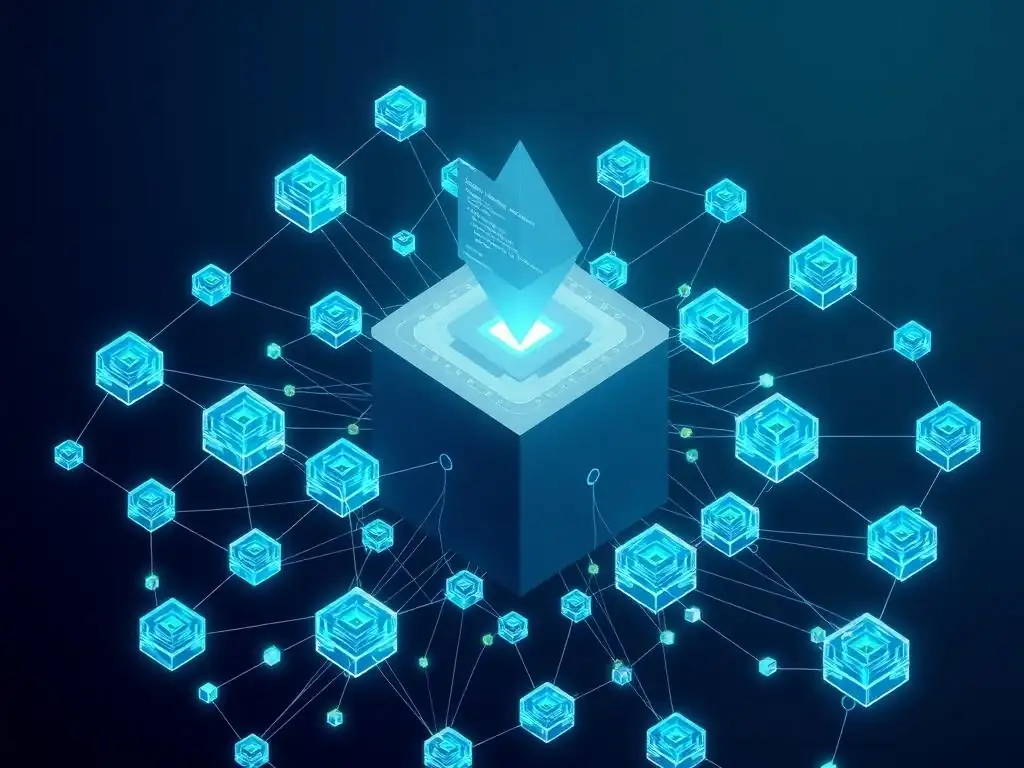
Smart contract compatibility is paramount for Layer-2 solutions aiming to support the rich ecosystem of decentralized applications built on Layer-1 blockchains like Ethereum. While some Layer-2 solutions prioritize simple value transfer, many aim to extend the smart contract capabilities of the base layer to achieve scalability for complex dApps. However, achieving full smart contract compatibility on Layer-2 is not straightforward and presents several technical challenges related to execution environments, virtual machines, and the translation of smart contract logic between Layer-1 and Layer-2.
Limitations in smart contract functionality on Layer-2 can hinder the migration of existing dApps and the development of new, sophisticated applications on these scaling solutions. If Layer-2 environments do not fully support the features and opcodes available on Layer-1, developers may need to rewrite or significantly modify their smart contracts to deploy them on Layer-2. This friction can slow down adoption and limit the composability of dApps across different layers. Therefore, research and development are focused on creating Layer-2 execution environments that are as compatible as possible with existing smart contract standards and virtual machines.
Overcoming Limitations in Smart Contract Functionality on Layer-2
Overcoming limitations in smart contract functionality on Layer-2 requires addressing challenges related to virtual machine compatibility, gas models, and state management. Different Layer-2 solutions may employ different virtual machines or execution environments compared to the Layer-1 blockchain. For example, some rollups use custom virtual machines optimized for rollup execution, which may not be fully compatible with the Ethereum Virtual Machine (EVM). This incompatibility can require developers to adapt their smart contracts or use specialized compilers to target these Layer-2 environments.
Furthermore, gas models, which determine transaction fees based on computational resources, can differ between Layer-1 and Layer-2. Optimizing gas models for Layer-2 to reflect the reduced computational cost of off-chain execution is crucial for lowering transaction fees for users. State management, which involves tracking and updating the state of smart contracts, also presents challenges in Layer-2 environments. Ensuring consistent and efficient state synchronization between Layer-1 and Layer-2 is essential for maintaining the integrity and correctness of smart contract execution. Research is focused on developing techniques to bridge these gaps and create more seamless smart contract compatibility across layers.
Research on Optimizing Virtual Machines for Layer-2 Environments
Optimizing virtual machines (VMs) for Layer-2 environments is crucial for enhancing performance, reducing execution costs, and improving smart contract compatibility. Traditional VMs like the EVM were designed for Layer-1 blockchains and may not be optimally suited for the unique characteristics of Layer-2 solutions. Layer-2 VMs can be tailored to leverage the specific advantages of off-chain computation and batched transaction processing. Research is exploring new VM architectures, instruction sets, and execution models that are specifically designed for Layer-2 environments.
For example, researchers are investigating VMs that are optimized for zero-knowledge proofs, which are heavily used in ZK-Rollups. These VMs can be designed to efficiently execute computations that are easily provable using ZKPs, reducing the overhead of proof generation. Furthermore, VMs can be optimized for parallel execution and hardware acceleration, further enhancing the performance of Layer-2 solutions. The development of Layer-2-optimized VMs is essential for unlocking the full potential of smart contracts in scalable blockchain environments and for enabling more efficient and cost-effective dApp development and deployment.
User Experience (UX) and Onboarding Challenges
User experience (UX) and onboarding are critical factors for the widespread adoption of Layer-2 scaling solutions. Despite the technical advancements and scalability benefits, Layer-2 technologies can introduce complexities that negatively impact the user experience. Navigating different Layer-2 networks, managing assets across layers, and understanding the nuances of Layer-2 security models can be challenging for average users. Simplifying the user journey and addressing onboarding hurdles are essential for making Layer-2 technologies accessible and user-friendly for a broader audience.
Complex user interfaces, confusing bridging processes, and lack of clear educational resources can deter users from adopting Layer-2 solutions, even if they offer significant benefits in terms of transaction speed and cost. If using Layer-2 feels cumbersome or risky, users may prefer to stick with Layer-1, even with its limitations. Therefore, improving UX and streamlining the onboarding process are crucial for unlocking the mass adoption potential of Layer-2 scaling solutions and for realizing the vision of a scalable and user-friendly blockchain ecosystem.
Simplifying the User Journey for Layer-2 Adoption
Simplifying the user journey for Layer-2 adoption requires addressing complexities at various levels, from wallet integration to application design. One key area is simplifying the bridging process between Layer-1 and Layer-2. Current bridging mechanisms can be slow, expensive, and confusing for users. Research is focused on developing faster, cheaper, and more user-friendly bridging solutions, potentially leveraging cross-Layer-2 interoperability protocols and automated bridging services. Furthermore, wallet integration needs to be seamless, allowing users to easily manage assets and interact with dApps across different layers within a single, intuitive interface.
Application design also plays a crucial role in simplifying the user journey. DApps built on Layer-2 should abstract away the underlying complexities of Layer-2 technology and provide a user experience that is as seamless and intuitive as possible. This includes clear visual cues, informative tutorials, and user-friendly error messages.
Education and awareness are also essential. Providing clear and accessible educational resources about Layer-2 technologies, their benefits, and how to use them can empower users to confidently adopt these scaling solutions. A user-centric approach to design and development is crucial for making Layer-2 technologies accessible and appealing to a mainstream audience.
Addressing Wallet Integration and Key Management Issues
Wallet integration and key management are fundamental aspects of user experience in the blockchain space, and they present specific challenges in the context of Layer-2 adoption. Users need wallets that seamlessly support multiple Layer-2 networks and allow them to manage assets across different layers without undue complexity. Current wallet solutions often require users to manually configure networks, switch between layers, and manage separate sets of keys or accounts for each Layer-2, creating friction and confusion. Developing unified wallets that abstract away these complexities is essential for improving user experience.
Key management in Layer-2 environments also presents unique challenges. Users need to securely manage their private keys and access their assets across different layers. Multi-signature schemes, secure multi-party computation, and hardware wallet integrations are important techniques for enhancing key security and usability in Layer-2 wallets.
Furthermore, account abstraction, which aims to decouple accounts from specific key pairs and enable more flexible and user-friendly account management, is a promising area of research that could significantly improve the UX of Layer-2 wallets and onboarding processes. Addressing wallet integration and key management issues is crucial for making Layer-2 technologies more accessible and secure for a wider range of users.
Areas for Future Research and Development in Blockchain Layer-2
Advanced Cryptographic Techniques for Enhanced Security
Exploring Zero-Knowledge Proofs (ZKPs) and Succinct Non-Interactive ARguments of Knowledge (SNARKs)
Zero-Knowledge Proofs (ZKPs) and Succinct Non-Interactive ARguments of Knowledge (SNARKs) are advanced cryptographic techniques that hold immense potential for enhancing the security and privacy of Layer-2 scaling solutions. ZKPs allow one party to prove to another party that a statement is true without revealing any information beyond the validity of the statement itself.
SNARKs are a specific type of ZKP that are particularly efficient, generating proofs that are small in size and quick to verify. These properties make ZKPs and SNARKs ideal for use in Layer-2 solutions, particularly ZK-Rollups, where they can be used to prove the validity of batched transactions without revealing the underlying transaction details.
Future research in this area focuses on improving the efficiency and scalability of ZKP generation and verification, reducing the computational overhead associated with these techniques. Researchers are exploring new cryptographic constructions, hardware acceleration techniques, and optimized implementation strategies to make ZKPs and SNARKs more practical for widespread deployment in Layer-2 environments.
Furthermore, research is ongoing to explore new applications of ZKPs beyond transaction validity proofs, such as privacy-preserving smart contracts, confidential asset transfers, and secure multi-party computation within Layer-2 networks. Advances in ZKP technology are crucial for unlocking the full potential of ZK-Rollups and for building more secure and privacy-preserving Layer-2 scaling solutions.
Research on Post-Quantum Cryptography for Layer-2
The advent of quantum computing poses a potential threat to the security of current cryptographic algorithms used in blockchain technology, including those underpinning Layer-2 solutions. Post-Quantum Cryptography (PQC) is a field of cryptography dedicated to developing cryptographic algorithms that are resistant to attacks from both classical and quantum computers. Research into PQC is becoming increasingly important for ensuring the long-term security of blockchain and Layer-2 systems in the face of potential quantum computing breakthroughs.
Future research in PQC for Layer-2 focuses on identifying and adapting suitable PQC algorithms for use in Layer-2 protocols, particularly in areas such as digital signatures, encryption, and hash functions. This includes evaluating the performance and security characteristics of different PQC algorithms in the context of Layer-2 environments and developing efficient implementations that can be integrated into existing and future Layer-2 solutions.
Furthermore, research is needed to develop migration strategies for transitioning Layer-2 systems to PQC algorithms in a seamless and secure manner, minimizing disruption to users and applications. Proactive research and development in PQC are essential for safeguarding the long-term security of Layer-2 scaling solutions against the potential threats of quantum computing.
Optimizing Layer-2 Performance and Efficiency
Developing New Consensus Mechanisms for Layer-2
Consensus mechanisms are fundamental to the operation of blockchain networks, ensuring agreement among participants on the state of the ledger. While Layer-2 solutions inherit security from the Layer-1 consensus mechanism, they can benefit from optimized consensus mechanisms tailored to their specific architectures and operational requirements. Traditional consensus mechanisms like Proof-of-Work (PoW) and Proof-of-Stake (PoS) may not be the most efficient or suitable for Layer-2 environments, particularly those focused on high throughput and low latency.
Future research in this area focuses on developing new consensus mechanisms specifically designed for Layer-2 solutions, exploring alternatives that offer improved performance, scalability, and energy efficiency. This includes investigating variations of existing consensus mechanisms, such as Delegated Proof-of-Stake (DPoS) and Proof-of-Authority (PoA), as well as exploring novel consensus approaches tailored to specific Layer-2 architectures like rollups and channels.
Furthermore, research is needed to analyze the security trade-offs of different Layer-2 consensus mechanisms and to ensure that they maintain the desired level of decentralization and fault tolerance. Optimizing consensus mechanisms for Layer-2 is crucial for maximizing their performance and efficiency, enabling them to support a wider range of applications and higher transaction volumes.
Exploring Hardware Acceleration for Layer-2 Computation
Hardware acceleration offers a promising avenue for significantly boosting the performance and efficiency of Layer-2 computations. Certain computationally intensive tasks in Layer-2 systems, such as ZKP generation, transaction processing, and virtual machine execution, can be significantly accelerated by utilizing specialized hardware, such as GPUs, FPGAs, and ASICs. Hardware acceleration can reduce latency, increase throughput, and lower energy consumption, making Layer-2 solutions more scalable and cost-effective.
Future research in this area focuses on identifying computationally intensive bottlenecks in Layer-2 protocols and developing hardware acceleration solutions to address these bottlenecks. This includes designing specialized hardware architectures optimized for specific Layer-2 computations, as well as developing software frameworks and APIs that enable seamless integration of hardware accelerators into Layer-2 systems.
Furthermore, research is needed to evaluate the cost-effectiveness and security implications of hardware acceleration in Layer-2 environments, considering factors such as hardware development costs, deployment complexity, and potential security vulnerabilities. Exploring and harnessing the potential of hardware acceleration is crucial for pushing the performance boundaries of Layer-2 scaling solutions and enabling them to meet the demands of increasingly complex and high-throughput blockchain applications.
Integration with Enterprise Blockchain Applications
Tailoring Layer-2 Solutions to Specific Enterprise Needs
Enterprise adoption of blockchain technology is growing, and Layer-2 scaling solutions can play a crucial role in enabling enterprises to leverage blockchain for a wide range of applications. However, enterprise requirements often differ from those of public blockchain networks, with a greater emphasis on factors such as privacy, compliance, performance, and customization. Tailoring Layer-2 solutions to meet specific enterprise needs is essential for fostering wider enterprise adoption of blockchain technology.
Future research and development in this area focus on adapting existing Layer-2 technologies and designing new solutions that address the unique requirements of enterprise use cases. This includes developing Layer-2 solutions with enhanced privacy features, such as confidential transactions and access control mechanisms, to meet enterprise data privacy regulations. Furthermore, research is needed to optimize Layer-2 performance for enterprise-scale deployments, ensuring high throughput, low latency, and reliable operation under heavy loads.
Customization options and interoperability with existing enterprise IT systems are also important considerations. Tailoring Layer-2 solutions to specific enterprise needs will unlock significant opportunities for blockchain adoption in various industries and sectors.
Addressing Regulatory Compliance and Data Privacy Requirements
Regulatory compliance and data privacy are paramount concerns for enterprises considering adopting blockchain technology. Layer-2 solutions operating within enterprise environments must adhere to relevant regulations, such as data privacy laws and industry-specific compliance standards. Addressing these regulatory and data privacy requirements is crucial for enabling wider enterprise adoption of Layer-2 blockchain solutions.
Future research in this area focuses on designing Layer-2 solutions that incorporate built-in compliance features and privacy-enhancing technologies. This includes developing Layer-2 protocols that support selective disclosure of information, allowing enterprises to share data with authorized parties while maintaining confidentiality for sensitive information. Furthermore, research is needed to develop auditing and monitoring tools that enable enterprises to demonstrate compliance with regulatory requirements when using Layer-2 blockchain solutions.
Exploring techniques like zero-knowledge proofs, secure multi-party computation, and homomorphic encryption for privacy-preserving data processing within Layer-2 environments is also crucial. Addressing regulatory compliance and data privacy concerns will build trust and confidence in Layer-2 solutions among enterprises and accelerate their adoption.
Exploring Novel Layer-2 Architectures and Designs
Research on Hybrid Layer-2 Solutions
Hybrid Layer-2 solutions, combining the strengths of different Layer-2 technologies, represent a promising direction for future research and development. Different Layer-2 approaches, such as rollups, channels, and Plasma, offer distinct advantages and trade-offs. Hybrid solutions aim to combine these approaches to create more versatile and optimized scaling solutions that can adapt to different application requirements and network conditions.
Future research in this area focuses on exploring different combinations of Layer-2 technologies and designing hybrid architectures that leverage their synergistic effects. For example, combining rollups with state channels could allow for efficient handling of both high-volume, low-value transactions (using rollups) and frequent interactions between known parties (using state channels).
Furthermore, research is needed to develop frameworks and tools that simplify the deployment and management of hybrid Layer-2 solutions, making them more accessible and user-friendly for developers and users. Exploring the design space of hybrid Layer-2 architectures will unlock new possibilities for creating more flexible, efficient, and scalable blockchain solutions.
Investigating the Potential of Layer-3 Solutions
Beyond Layer-2, the concept of Layer-3 solutions is emerging as a potential next step in blockchain scaling and functionality. Layer-3 solutions are envisioned as building upon Layer-2 networks, further enhancing scalability, interoperability, and application-specific functionalities. While the definition of Layer-3 is still evolving, it generally refers to application-specific layers built on top of Layer-2, potentially focusing on areas like data availability layers, interoperability layers, or application-specific virtual machines.
Future research in this area focuses on exploring the potential architectures, functionalities, and benefits of Layer-3 solutions. This includes investigating how Layer-3 can further enhance scalability beyond Layer-2 limitations, enable seamless interoperability across different Layer-2 networks, and provide specialized execution environments for specific types of applications. Furthermore, research is needed to define clear boundaries and relationships between Layer-1, Layer-2, and Layer-3, and to develop frameworks for designing and deploying multi-layer blockchain architectures. Investigating the potential of Layer-3 solutions is crucial for charting the future evolution of blockchain scaling and for unlocking new possibilities for decentralized applications and ecosystems.
Conclusion: The Future of Layer-2 Scaling and Research Directions
Summarizing the Key Unsolved Challenges
Layer-2 scaling solutions represent a significant advancement in blockchain technology, yet several key challenges remain unsolved and require ongoing research and development. Data availability and security remain paramount, demanding innovative solutions like Data Availability Sampling and hybrid models to ensure trustlessness and efficiency. Cross-Layer-2 interoperability is crucial to prevent fragmentation and enable seamless asset transfers across diverse Layer-2 ecosystems, requiring standardized protocols and bridging mechanisms.
Maintaining decentralization and robust governance in Layer-2 networks is a delicate balance, necessitating novel consensus mechanisms and governance frameworks. Smart contract compatibility and optimized execution environments are essential for supporting complex dApps, requiring advancements in Layer-2 virtual machines and smart contract tooling. Finally, user experience and onboarding remain critical hurdles, demanding simplified user journeys, intuitive wallet integrations, and user-friendly key management solutions.
Emphasizing the Importance of Continued Research and Development for Widespread Adoption of Layer-2 Blockchain Technology.
Continued research and development in Layer-2 scaling solutions are paramount for realizing the full potential of blockchain technology and enabling its widespread adoption. Addressing the unsolved challenges outlined above is not merely a technical exercise; it is essential for creating a scalable, secure, user-friendly, and truly decentralized blockchain ecosystem.
The future of blockchain scalability hinges on the success of Layer-2 solutions, and sustained innovation in cryptography, consensus mechanisms, interoperability protocols, and user experience design will pave the way for a future where blockchain technology can seamlessly support a global user base and a diverse range of applications, from decentralized finance to enterprise-grade systems. Investing in and prioritizing research and development in Layer-2 is an investment in the future of a more open, efficient, and accessible digital world powered by blockchain technology.
Frequently Asked Questions
What are Layer 2 scaling solutions and why are they important?
Layer 2 solutions are off-chain scaling techniques designed to increase the transaction throughput and reduce the cost of using blockchain networks like Ethereum. They are important because they address the scalability issues that hinder wider adoption.
What are some of the main challenges currently facing Layer 2 scaling solutions?
Some key challenges include complexity in implementation, security vulnerabilities that can be exploited, and difficulties in achieving cross-chain interoperability between different Layer 2 systems.
How do Layer 2 solutions differ from Layer 1 solutions?
Layer 1 solutions modify the base blockchain protocol itself, while Layer 2 solutions build on top of the existing blockchain without altering its core structure, offering a less disruptive approach to scaling.
What role does decentralization play in the development of Layer 2 scaling solutions?
Maintaining a high degree of decentralization is crucial, as it ensures that Layer 2 solutions don't compromise the core principles of blockchain technology, such as censorship resistance and trustlessness.
What areas of research and development are crucial for the future of Layer 2 scaling solutions?
Future development should focus on improving security audits, enhancing interoperability protocols, and exploring novel zero-knowledge proof applications to further optimize performance and user experience.
Final Reflection: Embracing the Frontier of Layer 2 Innovation
The exploration of Layer 2 scaling solutions, as we've seen, is far from complete. The ongoing quest for efficient, secure, and user-friendly scaling solutions is not just a technical pursuit, but a fundamental requirement for the widespread adoption of blockchain technology. The challenges we've outlined – from data availability and cross-chain interoperability to user experience and security vulnerabilities – represent critical areas where future research and development must focus to unlock the full potential of decentralized applications.
The evolution of Layer 2 solutions is inextricably linked to the future of Web3 and its ability to empower individuals and reshape industries. Witnessing the rapid advancements in this space, and the dedication of developers pushing the boundaries of what's possible, fills me with optimism. The best way to predict the future is to create it.
- Peter Drucker. This quote resonates deeply as we consider the transformative power of Layer 2 scaling, and the responsibility we have to shape its development in a way that benefits all.
As you reflect on the unsolved challenges we've discussed, consider your own role in this burgeoning ecosystem. How can you contribute to the advancement of Layer 2 technology, whether through research, development, investment, or simply by advocating for its adoption? The future of blockchain scalability is not predetermined; it's a future we are actively building, one innovation at a time. Let us embrace the challenge and strive to create a more accessible, efficient, and decentralized world.
Decode the Future: Contribute to Layer2 Innovation!
Thank you for exploring the critical challenges facing Layer2 scaling solutions. You've gained valuable insights into the obstacles hindering widespread adoption. Now, it's time to turn knowledge into action and help shape the next generation of blockchain technology.
Here's how you can get involved:
- Dive Deep: Choose an unresolved challenge discussed and start researching potential solutions. This is your opportunity to make a meaningful contribution to the advancement of Layer2 technology.
- Share Your Vision: Discuss innovative research ideas with your network and participate in online communities dedicated to blockchain development to encourage debate and collaboration.
- Become a Builder: If you're a developer, consider contributing to open-source Layer2 projects or creating your own to experiment with new approaches.
Which Layer2 challenge excites you the most, and what initial research path will you pursue? Let's work together to build a better blockchain future!
Leave a Reply