
ZeroKnowledge Proofs in Gaming: Enhancing Privacy and Fairness in Blockchain Games

Welcome to Blockchain Trends, your premier source for unraveling the ever-evolving world of blockchain technology. Beyond the hype of cryptocurrencies, we delve into the real-world applications and transformative potential of this groundbreaking innovation.
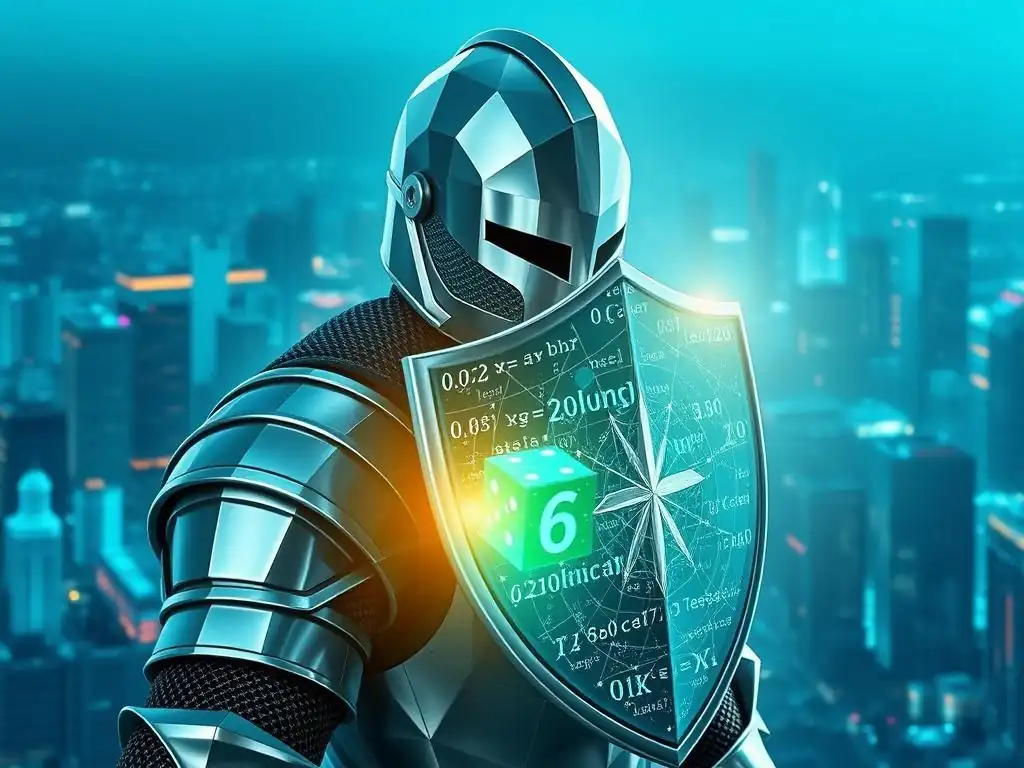
Ever wondered how blockchain could revolutionize gaming, ensuring both privacy and fairness? Our latest article explores just that, focusing on the innovative use of zero-knowledge proofs gaming. Dive in to discover how this cutting-edge technology is poised to reshape the future of decentralized gaming and create truly trustless experiences. Intrigued? Let's explore how zero-knowledge proofs are changing the game!
Zero-Knowledge Proofs in Gaming: Enhancing Privacy and Fairness in Blockchain Games
- Introduction to Zero-Knowledge Proofs (ZKPs) and Blockchain Gaming
- Zero-Knowledge Proofs: A Deep Dive into Privacy Enhancement in Games
- Ensuring Fairness with Zero-Knowledge Proofs in Gaming Environments
- Benefits of Integrating Zero-Knowledge Proofs into Blockchain Games
- Challenges and Considerations for ZKP Implementation in Games
- Use Cases: Real-World Examples of Zero-Knowledge Gaming
- The Future of Zero-Knowledge Proofs in the Gaming Industry
- Conclusion: Zero-Knowledge Proofs - A Paradigm Shift for Blockchain Gaming
-
Frequently Asked Questions
- How do zero-knowledge proofs (ZKPs) enhance privacy in blockchain gaming?
- How can ZKPs contribute to fairness in blockchain games?
- What are some potential applications of ZKPs in decentralized finance (DeFi) gaming?
- What are the current challenges hindering the widespread adoption of ZKPs in gaming?
- What is the future outlook for ZKPs in the context of blockchain gaming and the metaverse?
- Final Reflection: Embracing Trustless Gaming
- Unlock Fairer Gaming: Begin Your Zero-Knowledge Proof Journey!
Introduction to Zero-Knowledge Proofs (ZKPs) and Blockchain Gaming
Understanding the Basics of Zero-Knowledge Proof Technology
Zero-knowledge proofs (ZKPs) are cryptographic protocols that allow one party (the prover) to prove to another party (the verifier) that a statement is true, without revealing any information beyond the validity of the statement itself. Imagine proving you know the solution to a complex puzzle without revealing the solution itself, only confirming that you do possess it. This is the essence of zero-knowledge.
Developed initially in the 1980s, ZKPs have seen a resurgence in interest thanks to blockchain technology, which provides a fertile ground for their application, particularly in areas requiring privacy and trust. The core principle revolves around mathematical techniques that enable verification without disclosure, making them incredibly powerful tools for enhancing security and confidentiality in digital systems.
There are different types of zero-knowledge proofs, such as zk-SNARKs (Zero-Knowledge Succinct Non-Interactive Argument of Knowledge) and zk-STARKs (Zero-Knowledge Scalable Transparent Argument of Knowledge). zk-SNARKs are known for their efficiency in verification and small proof sizes, making them suitable for applications where speed and conciseness are paramount. zk-STARKs, on the other hand, offer greater scalability and do not require a trusted setup, enhancing transparency and security.
Both types, and other variants, share the fundamental property of zero-knowledge, ensuring that only the validity of the claim is revealed, and nothing more. This characteristic is particularly attractive in blockchain environments where transparency is often desired, but privacy is equally crucial for certain applications and user data.
The Intersection of Blockchain and Gaming: Opportunities and Challenges
Blockchain technology, with its inherent properties of decentralization, transparency, and immutability, presents a transformative landscape for the gaming industry. The integration of blockchain allows for true digital ownership of in-game assets through NFTs (Non-Fungible Tokens), creating new economies and empowering players with control over their virtual possessions. Players can earn cryptocurrency rewards, trade digital items on open marketplaces, and participate in decentralized gaming ecosystems, fostering a more engaging and rewarding gaming experience. Blockchain also facilitates provably fair game mechanics, ensuring transparency in random number generation and game outcomes, which can significantly increase player trust.
However, the intersection of blockchain and gaming is not without its challenges. Scalability issues on certain blockchains can lead to high transaction fees and slow processing times, impacting the real-time nature of many games. Transparency, while beneficial in many aspects, can also be a drawback in gaming where strategic information and player data should remain private.
Furthermore, the current blockchain gaming space is often perceived as complex and inaccessible to mainstream gamers, requiring a smoother user experience and more intuitive interfaces. Addressing these challenges is crucial for realizing the full potential of blockchain in gaming and achieving widespread adoption. This is where technologies like zero-knowledge proofs come into play, offering solutions to privacy and fairness concerns within blockchain gaming environments.
Why Privacy and Fairness are Crucial for Blockchain Game Adoption
Privacy and fairness are paramount for the widespread adoption of blockchain games. In traditional online games, players often express concerns about data privacy, with centralized game operators having access to vast amounts of personal information and gameplay data. Blockchain games, while offering transparency in transactions, can inadvertently expose player strategies and sensitive data on public ledgers, hindering user privacy. For example, revealing a player's inventory or betting patterns on-chain could be exploited by opponents or malicious actors, undermining the competitive integrity of the game.
Fairness is equally critical. Players need assurance that game mechanics are genuinely random and that no player has an unfair advantage due to cheating or manipulation. In traditional centralized games, fairness relies on the integrity of the game developers and operators. Blockchain, with its potential for provably fair systems, can address these trust issues.
However, simply using blockchain does not automatically guarantee fairness or privacy. Without mechanisms to protect sensitive information and ensure verifiable randomness, blockchain games risk replicating or even exacerbating existing issues of trust and transparency. Zero-knowledge proofs offer a powerful solution to bridge this gap, enabling blockchain games to achieve both transparency in verifiable outcomes and confidentiality in player actions and data, thereby fostering a more trustworthy and engaging gaming environment.
Zero-Knowledge Proofs: A Deep Dive into Privacy Enhancement in Games
How ZKPs Protect Player Data and Strategies in Blockchain Games
Zero-knowledge proofs provide a robust mechanism for protecting player data and strategies within blockchain games. By leveraging ZKPs, games can allow players to prove certain aspects of their gameplay or status without revealing the underlying information itself. For instance, a player could prove they possess a specific in-game item required to access a certain area or feature, without disclosing which item it is exactly or their entire inventory.
This selective disclosure is crucial for maintaining strategic depth and preventing information leakage that could be exploited by opponents. In strategy games, where concealing information is a core element of gameplay, ZKPs can ensure that only necessary game states are revealed on the blockchain, preserving the fog of war and strategic uncertainty.
Consider a scenario in a blockchain-based trading card game. Using ZKPs, a player could prove they have a card with a specific power level without revealing the card's name or full attributes. This prevents opponents from gaining an unfair advantage by knowing exactly which card is being played before it's revealed in the game.
Furthermore, ZKPs can protect sensitive player data such as their in-game progress, earnings, or personal information from being publicly accessible on the blockchain. This level of privacy is essential for building trust and encouraging wider adoption of blockchain games, particularly among players who are concerned about data security and strategic confidentiality. The application of zero-knowledge proofs in this context shifts the paradigm from complete on-chain transparency to selective and verifiable disclosure, empowering players with greater control over their data and strategic information.
Implementing ZKPs for Anonymous Transactions and Secure Betting
Zero-knowledge proofs are instrumental in enabling anonymous transactions and secure betting within blockchain gaming ecosystems. In traditional blockchain games, transaction details, including sender, receiver, and amounts, are often publicly visible on the blockchain. This transparency, while inherent to blockchain, can be detrimental to user privacy in gaming contexts, particularly in betting or wagering scenarios.
ZKPs can be implemented to create shielded transactions, allowing players to engage in betting and in-game purchases without revealing their transaction history or betting patterns to the public. This is particularly relevant in play-to-earn games where players may be earning and spending cryptocurrency; maintaining financial privacy becomes a significant concern.
For example, in a blockchain-based poker game, ZKPs can be used to ensure that players' bets and winnings are kept private from other players and observers. A player can prove to the smart contract that they have sufficient funds to place a bet without revealing their wallet balance. Similarly, when winnings are distributed, the transaction can be shielded, ensuring that the amount won and the recipient remain confidential.
This level of anonymity enhances user privacy and security, especially in gaming environments that involve financial transactions or competitive wagering. Furthermore, ZKPs can facilitate secure and private betting mechanisms where the odds and payout structures are verifiable without revealing the underlying algorithms or proprietary information of the game operator, enhancing trust and fairness in the betting process.
Examples of ZKP Applications in Existing Blockchain Games
While still in relatively early stages of widespread adoption in gaming, zero-knowledge proofs are starting to see practical applications in various blockchain game projects. One notable example is in the realm of private on-chain voting within decentralized autonomous organizations (DAOs) associated with games. ZKPs can allow players to vote on game governance proposals or community decisions without revealing their individual votes, ensuring voter privacy while maintaining the integrity and verifiability of the voting process. This is crucial for preventing coercion or undue influence in decentralized game governance.
Another emerging application is in the development of private and scalable blockchain game infrastructure. Projects are exploring the use of ZK-rollups, a layer-2 scaling solution that leverages zero-knowledge proofs, to increase transaction throughput and reduce gas fees for blockchain games. These rollups bundle multiple transactions together and generate a single ZKP to prove their validity to the main blockchain.
This allows for faster and cheaper transactions, which are essential for the performance demands of many games. Furthermore, some blockchain games are experimenting with ZKPs for private matchmaking systems, where player skill levels and preferences can be matched without publicly disclosing this information, protecting player privacy and ensuring fairer matchmaking. These early examples demonstrate the growing recognition of ZKPs' potential to address privacy and scalability challenges in blockchain gaming and pave the way for more sophisticated and privacy-preserving game experiences.
Ensuring Fairness with Zero-Knowledge Proofs in Gaming Environments
Verifiable Randomness and Provably Fair Mechanics using ZKPs
Zero-knowledge proofs play a critical role in establishing verifiable randomness and provably fair mechanics within blockchain gaming environments. Randomness is fundamental to many game mechanics, from card shuffling and loot drops to determining game outcomes. In traditional online games, the randomness generation is often opaque, relying on the game server's integrity, which can raise concerns about fairness and potential manipulation. Blockchain, combined with ZKPs, can offer provably fair randomness, where players can cryptographically verify that the random outcomes are indeed unbiased and unpredictable, without needing to trust a central authority.
ZKPs can be used to create verifiable random functions (VRFs). A VRF generates a random output along with a proof that anyone can verify, ensuring that the randomness source is legitimate and has not been tampered with. In a blockchain game, this VRF can be integrated into smart contracts to handle random events. For example, when a player opens a loot box, the game can use a VRF to determine the items inside.
The VRF output and its associated ZKP are recorded on the blockchain, allowing players to independently verify that the loot drop was indeed random and fair. This transparency builds player trust and eliminates suspicions of rigged game mechanics, fostering a more equitable and enjoyable gaming experience. Provably fair mechanics, powered by ZKPs, are essential for establishing the credibility and long-term sustainability of blockchain games.
Preventing Cheating and Collusion in Multiplayer Blockchain Games
Cheating and collusion are persistent challenges in multiplayer online games. In blockchain games, the transparent nature of the blockchain can paradoxically create new avenues for exploitation if not carefully managed. For example, knowing opponents' on-chain actions or holdings in real-time might facilitate strategic advantages or collusion. Zero-knowledge proofs offer powerful tools to mitigate cheating and collusion by enabling players to prove certain game actions or states without revealing sensitive information that could be exploited.
Consider a multiplayer strategy game where players need to explore and claim territories. Using ZKPs, a player could prove to the game smart contract that they have discovered a new territory and are entitled to claim it, without revealing the exact location of the territory to other players until the claim is verified and processed.
This prevents other players from intercepting or front-running the claim based on publicly visible on-chain data. In competitive games, ZKPs can also be used to verify player actions or skill levels without exposing detailed gameplay data that could be used for cheating or reverse engineering strategies.
Furthermore, ZKPs can help detect and prevent collusion by enabling verifiable audits of game logs and player interactions without compromising the privacy of individual players who are not involved in suspicious activities. By enhancing privacy and enabling verifiable actions, ZKPs create a more secure and fair environment, discouraging cheating and promoting genuine competition in blockchain games.
ZKPs as a Solution for Trustless Game Outcomes
Zero-knowledge proofs are fundamental in achieving trustless game outcomes in blockchain gaming. "Trustless" in this context means that players do not need to rely on the integrity or benevolence of a central game operator to ensure fair game outcomes. Instead, the game mechanics and outcomes are enforced by cryptographic proofs and smart contracts, which are inherently transparent and verifiable. ZKPs contribute to trustless outcomes by enabling verifiable computation and state transitions within games without revealing the underlying details of these computations or states.
In a complex blockchain game with intricate rules and interactions, ZKPs can be used to prove the correctness of game state transitions. For example, after a game turn, a ZKP can be generated to prove that the game state has been updated according to the defined game rules and that all player actions were valid.
This proof can be verified by anyone, ensuring that the game progression is legitimate and not manipulated. Similarly, in games involving skill-based challenges or puzzles, ZKPs can allow players to prove they have correctly solved a challenge without revealing the solution itself, enabling verifiable skill-based gameplay.
By making game outcomes provably correct and verifiable through ZKPs, blockchain games can establish a higher level of trust and transparency compared to traditional centralized games, where fairness is often based on implicit trust in the game operator. This trustless approach is a key differentiator and a major advantage of leveraging zero-knowledge proofs in blockchain gaming.
Benefits of Integrating Zero-Knowledge Proofs into Blockchain Games
Enhanced Player Privacy and Data Security
One of the most significant benefits of integrating zero-knowledge proofs into blockchain games is the enhanced player privacy and data security. As previously discussed, traditional blockchain transparency can expose sensitive player information and strategic details. ZKPs address this by allowing players to interact with the game and the blockchain without revealing unnecessary data. Players can prove their eligibility for rewards, verify their in-game achievements, or participate in transactions without publicly disclosing their identity, game progress, or financial details. This privacy layer is crucial for attracting mainstream gamers who are increasingly concerned about data security and online privacy.
By minimizing the amount of personal and strategic data exposed on the public blockchain, ZKPs reduce the risk of data breaches, identity theft, and exploitation of player information. This is particularly important in play-to-earn games where players' earnings and in-game assets have real-world financial value, making them attractive targets for malicious actors.
Furthermore, enhanced privacy fosters a more comfortable and secure gaming environment, encouraging players to engage more freely and deeply with blockchain games without fear of compromising their personal information or strategic advantages. This focus on privacy can be a key differentiator for blockchain games, setting them apart from traditional online games and attracting a broader player base.
Increased Trust and Transparency in Game Mechanics
While enhancing privacy, zero-knowledge proofs paradoxically also contribute to increased trust and transparency in game mechanics. This might seem counterintuitive, but ZKPs allow for selective transparency, where only the validity of game operations is revealed, not the underlying sensitive data.
For example, as discussed earlier, provably fair randomness using VRFs and ZKPs ensures that players can verify the fairness of random events without needing to trust the game operator's word. Similarly, verifiable game state transitions and outcome proofs provide transparency into the integrity of the game logic, assuring players that the game is operating as intended and is not being manipulated.
This form of transparency is different from the full data transparency often associated with blockchains. Instead, it's a transparency of process and outcome. Players gain confidence that the game mechanics are fair and verifiable, not because they see all the details of every operation, but because they can cryptographically verify the validity of key processes and outcomes.
This increased trust in game mechanics is crucial for building player loyalty and fostering a positive gaming community. By combining privacy with verifiable fairness, ZKPs offer a unique approach to building trust in blockchain games, addressing a critical concern for players transitioning from traditional gaming models.
Improved User Experience through Reduced Gas Fees
Indirectly, zero-knowledge proofs can contribute to an improved user experience in blockchain games, particularly through the use of ZK-rollups and other scaling solutions. As mentioned earlier, ZK-rollups bundle multiple transactions off-chain and then use a ZKP to prove their validity on the main blockchain. This significantly reduces the amount of data and computation required on the main chain, leading to lower gas fees and faster transaction processing times. High gas fees are a major barrier to entry for many players in blockchain gaming, making even simple in-game actions costly and cumbersome.
By enabling cheaper and faster transactions, ZK-rollups and other ZKP-based scaling solutions make blockchain games more accessible and user-friendly. Players can engage in in-game economies, trade NFTs, and participate in game activities without being burdened by excessive transaction costs. This improved user experience is essential for attracting and retaining players, especially in competitive gaming markets where smooth and seamless gameplay is paramount. While ZKPs themselves are computationally intensive, their application in scaling solutions ultimately leads to a more efficient and cost-effective blockchain gaming experience, benefiting both players and game developers.
Competitive Advantage for Game Developers Adopting ZKPs
Game developers who embrace zero-knowledge proofs in their blockchain games can gain a significant competitive advantage in the burgeoning blockchain gaming market. By offering enhanced privacy, provable fairness, and improved user experience through ZKP integration, developers can differentiate their games and attract a larger player base. Privacy is becoming an increasingly important factor for gamers, and blockchain games that prioritize player privacy are likely to resonate more strongly with privacy-conscious players. Similarly, provably fair mechanics address a key concern in online gaming, building trust and credibility for games that adopt ZKP-based fairness solutions.
Furthermore, developers who leverage ZKP-based scaling solutions can offer smoother and more affordable gameplay experiences, giving them an edge over games that suffer from high gas fees and slow transaction times. Being at the forefront of adopting cutting-edge technologies like zero-knowledge proofs also positions game developers as innovators in the blockchain gaming space, attracting attention from players, investors, and the broader blockchain community.
This early adoption can lead to stronger brand recognition, greater player loyalty, and ultimately, a more successful and sustainable blockchain game project. As the blockchain gaming market matures, the competitive advantage offered by ZKP integration is likely to become even more pronounced.
Challenges and Considerations for ZKP Implementation in Games
Computational Complexity and Performance Optimization
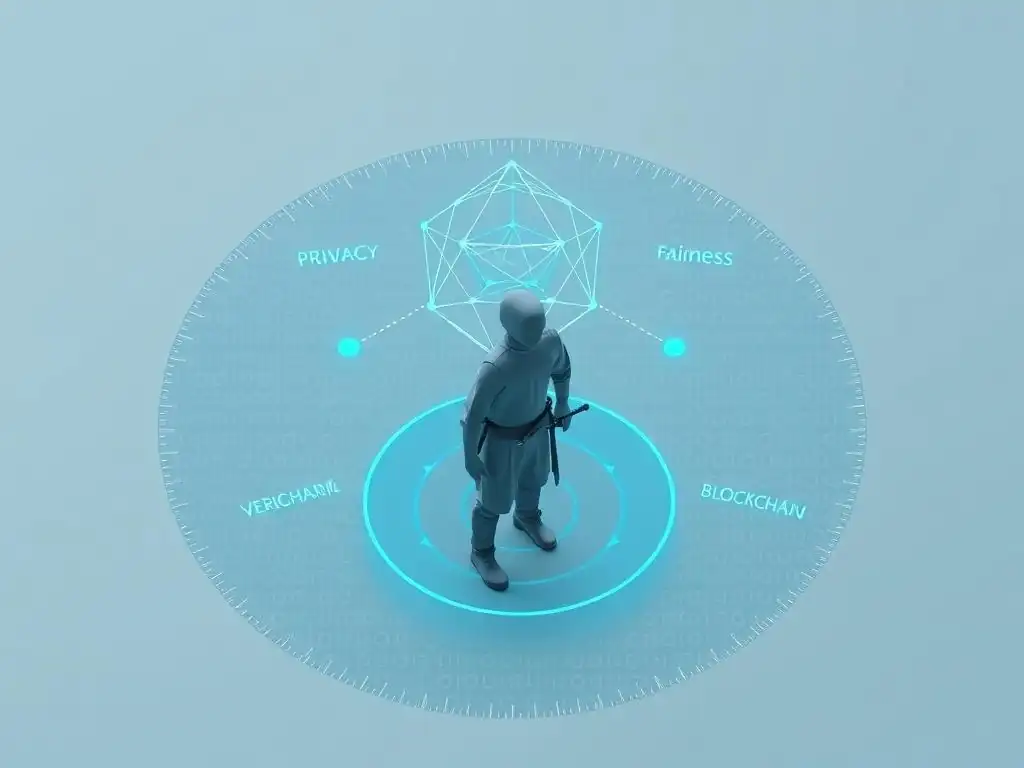
One of the primary challenges in implementing zero-knowledge proofs in games is their computational complexity. Generating and verifying ZKPs can be computationally intensive, especially for complex statements or large datasets. This can lead to performance bottlenecks and increased latency, which are critical concerns for real-time gaming applications. Game developers need to carefully consider the computational overhead of ZKPs and optimize their implementation to ensure smooth and responsive gameplay. This may involve choosing the right type of ZKP protocol, optimizing cryptographic algorithms, and leveraging hardware acceleration where possible.
Furthermore, the computational complexity of ZKPs can impact the scalability of blockchain games. As the number of players and transactions increases, the computational burden of generating and verifying ZKPs can become a limiting factor. Developing efficient ZKP implementations and exploring scaling solutions like ZK-rollups is crucial for addressing this challenge. Research and development efforts are continuously focused on improving the efficiency and performance of ZKP technologies, making them more practical for real-world applications, including gaming. Balancing the benefits of privacy and fairness with the performance requirements of games is a key consideration for developers considering ZKP integration.
Regulatory Landscape and Compliance Issues
The regulatory landscape surrounding blockchain technology and cryptocurrencies is still evolving, and this uncertainty extends to blockchain gaming and the use of technologies like zero-knowledge proofs. Depending on the jurisdiction and the specific nature of the game, developers may need to navigate complex regulatory requirements related to data privacy, gambling, and financial transactions. Implementing ZKPs to enhance privacy may raise questions about compliance with data protection regulations like GDPR or CCPA, as regulators may seek to understand how ZKPs impact data traceability and auditability.
Similarly, blockchain games that involve betting or wagering using cryptocurrencies may fall under gambling regulations in certain jurisdictions. While ZKPs can enhance the privacy and fairness of betting mechanisms, developers need to ensure compliance with applicable gambling laws and licensing requirements. Furthermore, the use of cryptocurrencies and blockchain-based in-game economies may also trigger financial regulations related to money laundering and securities laws.
Game developers need to carefully consider the regulatory implications of ZKP implementation and seek legal counsel to ensure compliance and mitigate potential risks. Navigating the evolving regulatory landscape is a crucial consideration for the widespread adoption of ZKPs in blockchain gaming.
The Learning Curve for Developers: ZKP Integration Best Practices
Integrating zero-knowledge proofs into game development requires specialized expertise in cryptography and blockchain technologies. The learning curve for developers who are not familiar with ZKPs can be steep. Understanding the different types of ZKP protocols, choosing the appropriate protocol for a specific use case, and implementing ZKPs securely and efficiently requires significant technical knowledge. Game development teams may need to invest in training, hire specialized developers, or partner with cryptography experts to effectively integrate ZKPs into their projects.
Furthermore, best practices for ZKP implementation in games are still emerging. There is a need for more readily available tools, libraries, and documentation to simplify the integration process for developers. Community collaboration, open-source projects, and educational resources are crucial for lowering the barrier to entry and fostering wider adoption of ZKPs in blockchain gaming.
Developing robust and secure ZKP implementations requires careful attention to cryptographic security principles and vulnerability analysis. Developers need to be aware of potential security risks and follow best practices to ensure the integrity and reliability of their ZKP-based gaming systems. Addressing the learning curve and providing adequate developer support are essential for accelerating the adoption of zero-knowledge proofs in the gaming industry.
Use Cases: Real-World Examples of Zero-Knowledge Gaming
Case Study 1: Dark Forest - ZKP for Private Resource Discovery
Dark Forest is a notable example of a blockchain game that leverages zero-knowledge proofs to create a unique and strategic gameplay experience centered around private resource discovery. In Dark Forest, players explore a vast, procedurally generated universe and compete for resources. Crucially, the locations of planets and player actions are initially hidden, creating a "fog of war" that is central to the game's strategy. Zero-knowledge proofs are used to enable players to interact with the game world and make moves without revealing their locations or strategies to other players until necessary.
Specifically, Dark Forest utilizes zk-SNARKs to allow players to prove to the game smart contract that they are making a valid move, such as exploring a planet or attacking another player, without revealing the coordinates of their actions on-chain until the move is processed. This privacy mechanism is fundamental to the game's strategic depth, as it prevents players from immediately knowing each other's positions and plans, forcing them to rely on scouting, deception, and long-term strategic thinking.
Dark Forest demonstrates how ZKPs can be used to create novel gameplay mechanics that would be difficult or impossible to achieve in traditional online games or in blockchain games without privacy-enhancing technologies. The game has garnered significant attention within the blockchain and gaming communities for its innovative use of ZKPs to enhance strategic complexity and player privacy.
Case Study 2: Proof of Humanity - ZKP for Sybil Resistance in Gaming
Proof of Humanity, while not strictly a game, serves as an interesting case study for how zero-knowledge proofs can be used to enhance Sybil resistance in online platforms and potentially in gaming contexts. Proof of Humanity is a decentralized identity verification system that aims to create a registry of unique human individuals using video submissions and social verification. One of the challenges in such systems is ensuring Sybil resistance, i.e., preventing malicious actors from creating multiple fake identities to gain an unfair advantage or manipulate the system.
Zero-knowledge proofs are being explored as a way to enhance the privacy and scalability of Proof of Humanity while maintaining its Sybil resistance properties. Specifically, ZKPs could allow users to prove that they are registered in the Proof of Humanity registry without revealing their identity or linking their on-chain actions to their verified human status. This could be particularly relevant in gaming scenarios where Sybil resistance is crucial for preventing bots or malicious actors from flooding the game and disrupting the player experience.
For example, in a play-to-earn game, ZKPs could be used to ensure that only verified human players are eligible to earn rewards, preventing bot farms from exploiting the game economy. While still under development and exploration, the potential application of ZKPs in Proof of Humanity highlights their utility in addressing Sybil resistance challenges in online systems, including gaming platforms.
Examining the Impact of ZKPs on Player Engagement and Retention
The integration of zero-knowledge proofs into blockchain games has the potential to significantly impact player engagement and retention. By addressing key concerns related to privacy, fairness, and user experience, ZKPs can create a more attractive and compelling gaming environment. Enhanced player privacy can foster a greater sense of security and trust, encouraging players to invest more time and resources into the game. Knowing that their data and strategies are protected can lead to a more relaxed and enjoyable gaming experience, increasing player engagement.
Provably fair game mechanics, enabled by ZKPs, can also boost player confidence and satisfaction. Players are more likely to remain engaged in games where they believe the outcomes are fair and not rigged. This transparency and verifiable fairness can build long-term player loyalty and retention.
Furthermore, improved user experience through reduced gas fees and faster transactions, facilitated by ZKP-based scaling solutions, can make blockchain games more accessible and enjoyable for a wider audience. Lowering the barriers to entry and providing a smoother gameplay experience are crucial for attracting and retaining players in the competitive gaming market. While the long-term impact of ZKPs on player engagement and retention is still being evaluated, early indications suggest that these privacy and fairness enhancing technologies have the potential to positively influence player behavior and contribute to the success of blockchain games.
The Future of Zero-Knowledge Proofs in the Gaming Industry
Emerging Trends and Innovations in ZKP Technology
The field of zero-knowledge proof technology is rapidly evolving, with numerous emerging trends and innovations that are likely to further enhance its applicability and impact in the gaming industry. One key trend is the development of more efficient and performant ZKP protocols. Researchers are continuously working on optimizing cryptographic algorithms and proof systems to reduce computational overhead and improve proof generation and verification speeds. This progress is crucial for making ZKPs more practical for real-time gaming applications and large-scale blockchain games.
Another significant innovation is the development of more user-friendly ZKP tools and libraries. Efforts are underway to create developer-friendly SDKs (Software Development Kits) and frameworks that simplify the integration of ZKPs into game development workflows. These tools aim to lower the barrier to entry for game developers and accelerate the adoption of ZKPs in the gaming industry.
Furthermore, there is growing interest in combining ZKPs with other privacy-enhancing technologies, such as homomorphic encryption and secure multi-party computation, to create even more sophisticated and privacy-preserving gaming systems. These emerging trends and innovations suggest a promising future for zero-knowledge proofs in gaming, with the potential to unlock new possibilities for privacy, fairness, and user experience.
The Potential for ZKPs to Revolutionize eSports and Competitive Gaming
Zero-knowledge proofs hold significant potential to revolutionize eSports and competitive gaming, addressing key challenges related to fairness, cheating prevention, and spectator experience. In eSports, ensuring fair play and preventing cheating are paramount. ZKPs can provide verifiable mechanisms to detect and prevent cheating, such as using ZKPs to verify player actions and game states without revealing sensitive information that could be exploited. This can enhance the integrity of eSports competitions and build trust among players and spectators.
Furthermore, ZKPs can enhance the spectator experience in eSports by enabling new forms of engagement and interaction. For example, ZKPs could allow spectators to verify the fairness of game outcomes in real-time, enhancing transparency and building confidence in the competition. ZKPs could also facilitate new forms of betting and wagering in eSports, with provably fair and private betting mechanisms.
In competitive gaming, ZKPs can create more balanced and skill-based matchmaking systems by enabling private skill level verification and anonymous matchmaking. By addressing fairness concerns and enhancing transparency and engagement, ZKPs have the potential to transform eSports and competitive gaming into more trustworthy and exciting ecosystems.
Predictions for the Adoption of ZKPs in Mainstream Blockchain Games
While currently in the early stages of adoption, zero-knowledge proofs are predicted to become increasingly prevalent in mainstream blockchain games in the coming years. As the blockchain gaming market matures and players become more aware of privacy and fairness concerns, the demand for ZKP-based solutions is expected to grow. Game developers who prioritize privacy and fairness are likely to adopt ZKPs to differentiate their games and attract a larger player base. The increasing availability of user-friendly ZKP tools and libraries will also facilitate wider adoption by simplifying the integration process for developers.
Furthermore, the continued development of ZKP-based scaling solutions, such as ZK-rollups, will make blockchain games more scalable and user-friendly, further driving adoption. As computational efficiency and performance of ZKP technologies improve, their applicability to real-time gaming applications will expand.
It is predicted that ZKPs will become a standard component of many mainstream blockchain games, particularly those that involve competitive gameplay, in-game economies, or sensitive player data. The long-term trend points towards a future where zero-knowledge proofs play a crucial role in shaping a more private, fair, and trustworthy blockchain gaming ecosystem, becoming an integral part of the technology stack for successful and engaging blockchain games.
Conclusion: Zero-Knowledge Proofs - A Paradigm Shift for Blockchain Gaming
Recap of Key Benefits and Challenges
Zero-knowledge proofs offer a paradigm shift for blockchain gaming by providing powerful tools to enhance privacy, fairness, and trust. Key benefits include enhanced player privacy and data security, increased trust and transparency in game mechanics, improved user experience through reduced gas fees (indirectly via scaling solutions), and a competitive advantage for game developers. ZKPs enable private resource discovery, anonymous transactions, verifiable randomness, and cheat prevention, creating more engaging and equitable gaming environments.
However, challenges remain. Computational complexity and performance optimization are critical considerations. Navigating the evolving regulatory landscape and ensuring compliance is essential. The learning curve for developers in ZKP integration requires attention and resources. Despite these challenges, the potential benefits of ZKPs in gaming are significant, making them a worthwhile investment for developers seeking to build next-generation blockchain games.
The Role of ZKPs in Building a More Trustworthy and Engaging Gaming Ecosystem
Zero-knowledge proofs are instrumental in building a more trustworthy and engaging blockchain gaming ecosystem. By addressing core concerns related to privacy and fairness, ZKPs foster player confidence and encourage wider adoption of blockchain games. They enable a shift from reliance on central authorities to verifiable and trustless game mechanics, enhancing transparency and accountability. ZKPs empower players with greater control over their data and strategic information, creating a more secure and player-centric gaming environment.
Furthermore, ZKPs facilitate the development of novel gameplay mechanics and innovative game designs that were previously unattainable. From private strategy games like Dark Forest to Sybil-resistant play-to-earn models, ZKPs unlock new possibilities for creativity and engagement in blockchain gaming. By fostering trust, enhancing privacy, and enabling innovation, zero-knowledge proofs are playing a crucial role in shaping the future of blockchain gaming and creating a more vibrant and sustainable gaming ecosystem.
Final Thoughts on the Future of Zero-Knowledge Gaming and Blockchain Trends
The future of zero-knowledge gaming is bright. As ZKP technology continues to mature and become more accessible, its adoption in mainstream blockchain games is expected to accelerate. The convergence of blockchain technology and zero-knowledge proofs is creating a powerful synergy, enabling the development of truly decentralized, private, and fair gaming experiences. This trend aligns with the broader blockchain industry's focus on privacy and scalability, with ZKPs emerging as a key technology for achieving these goals.
Zero-knowledge proofs are not just a niche technology for privacy enthusiasts; they are becoming a fundamental building block for the next generation of blockchain applications, including gaming. Game developers who embrace ZKPs and explore their full potential are poised to lead the way in creating innovative and engaging gaming experiences that will shape the future of the gaming industry. As blockchain technology continues to evolve and mature, zero-knowledge proofs will undoubtedly play a central role in driving its transformative potential in gaming and beyond, ushering in a new era of trust, privacy, and innovation in the digital world.
Frequently Asked Questions
How do zero-knowledge proofs (ZKPs) enhance privacy in blockchain gaming?
ZKPs allow players to prove the validity of their actions without revealing the underlying information. This means players can prove they've met game conditions without disclosing their strategies or assets, enhancing their privacy. This is especially important when dealing with sensitive game data.
How can ZKPs contribute to fairness in blockchain games?
ZKPs can enable players to verify that game mechanics and random number generation are truly fair and unbiased. They can prove that the game's logic is being followed without revealing the exact algorithm, ensuring transparency and trust. This creates a more equitable gaming environment.
What are some potential applications of ZKPs in decentralized finance (DeFi) gaming?
ZKPs can facilitate private transactions and hidden balances within DeFi-integrated games. They can also enable confidential bidding in in-game auctions or private participation in decentralized governance, enhancing the security and privacy of financial interactions.
What are the current challenges hindering the widespread adoption of ZKPs in gaming?
ZKPs can be computationally intensive, leading to performance bottlenecks in games. The complexity of implementing ZKP systems also requires specialized expertise, and there are concerns about scalability on blockchain networks.
What is the future outlook for ZKPs in the context of blockchain gaming and the metaverse?
ZKPs are poised to become a crucial component for building privacy-preserving and fair metaverse experiences. As technology advances, ZKP implementations will likely become more efficient, enabling more complex and immersive games with enhanced user control over their data.
Final Reflection: Embracing Trustless Gaming
The exploration of Zero-Knowledge Proofs (ZKPs) in gaming reveals a potent blend of technological innovation and ethical imperative. The promise of verifiable fairness and enhanced privacy, once a distant aspiration, is now within reach, poised to revolutionize the gaming landscape. This shift is not merely about technological advancement; it’s about fostering trust and empowering players in a digital ecosystem increasingly reliant on transparency and security.
The impact of ZKPs extends far beyond the technical specifications of blockchain games. It touches upon the very core of what makes gaming enjoyable: the sense of fair play and the freedom to explore without undue surveillance. This technology has the potential to reshape player expectations and redefine the relationship between developers and their audience. Trust, but verify,
a sentiment often attributed to Ronald Reagan, perfectly encapsulates the essence of ZKPs. They allow us to trust the system, not because we blindly believe it, but because we can independently verify its integrity.
As we stand on the cusp of this new era in gaming, let us not only marvel at the technological ingenuity of Zero-Knowledge Proofs but also embrace the ethical responsibility that comes with it. Consider how you, as a player, developer, or enthusiast, can champion the adoption of these technologies to build a more equitable and enjoyable gaming future for all. Let us strive to create games where fairness is not just promised, but provably guaranteed.
Unlock Fairer Gaming: Begin Your Zero-Knowledge Proof Journey!
Thank you for exploring how Zero-Knowledge Proofs can transform blockchain gaming by enhancing privacy and fairness. You've seen how these innovative tools can create a more trustworthy and engaging gaming experience. Are you ready to get involved?
Here are some ways to deepen your understanding:
- Try out a blockchain game that incorporates Zero-Knowledge Proofs! Experience firsthand how privacy and fairness are improved through these technologies.
- Learn more about the technology behind Zero-Knowledge Proofs. Explore tutorials and guides on implementing them in smart contracts—even a basic grasp can be highly beneficial.
- Share this article with fellow gamers and start discussions about how Zero-Knowledge Proofs could shape the future of blockchain games.
What exciting application of Zero-Knowledge Proofs in gaming interests you the most? Share your thoughts in the comments below!
Leave a Reply