
Beyond Budget: BlockchainDriven Efficiency for Leaner Logistics Operations

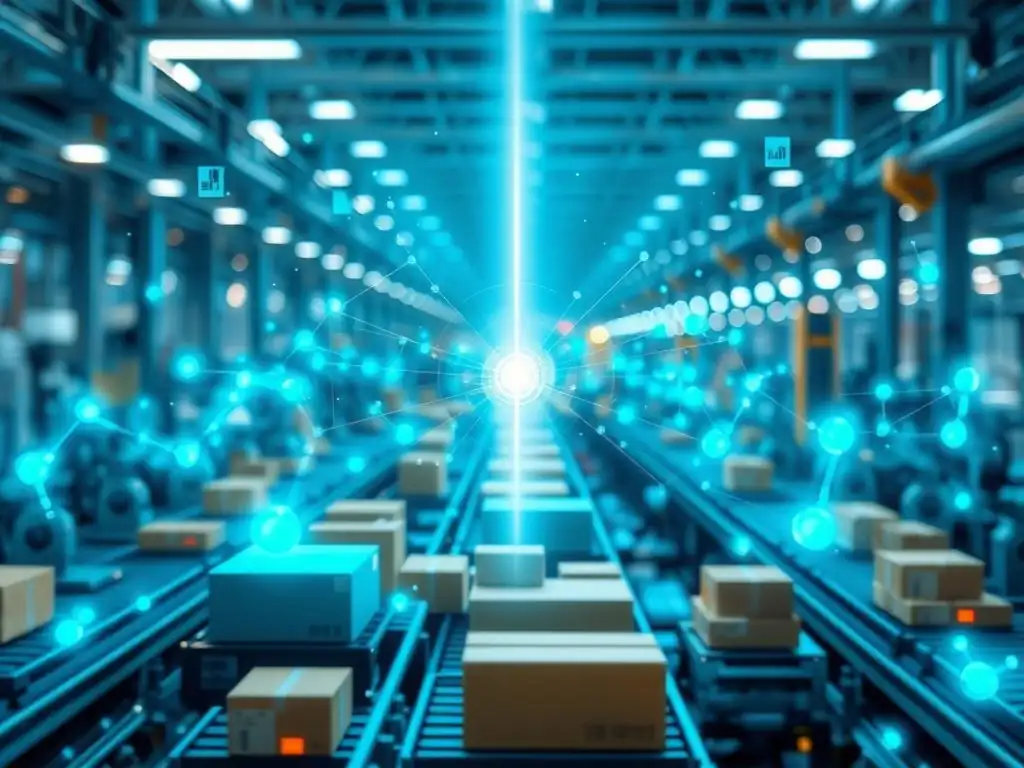
Welcome to Blockchain Trends, your go-to resource for understanding the evolving landscape of blockchain technology. Beyond the buzzwords, delve into its real-world applications and transformative potential. Ever wondered how blockchain can revolutionize supply chains? This article unveils the secrets to Blockchain logistics efficiency gains, exploring how this technology is driving unprecedented transparency and cost reduction. Discover the strategies and insights that are reshaping the future of logistics, and unlock the key to a leaner, more efficient operation.
- Beyond Budget: Blockchain-Driven Efficiency for Leaner Logistics Operations
- The Core Benefits of Blockchain in Logistics Operations
- Blockchain-Driven Solutions for Specific Logistics Challenges
- Implementing Blockchain for Logistics Efficiency: A Step-by-Step Approach
- Real-World Examples of Blockchain Logistics Efficiency Gains
- Overcoming the Challenges of Blockchain Adoption in Logistics
- The Future of Blockchain in Logistics: Emerging Trends and Innovations
- Conclusion: Embracing Blockchain for a More Efficient and Resilient Logistics Ecosystem
-
Frequently Asked Questions
- How can blockchain technology enhance logistics operations beyond just cost reduction?
- What are some specific examples of blockchain applications in logistics that drive efficiency gains?
- How does blockchain contribute to transparency in logistics, and why is this important for efficiency?
- What role does DeFi (Decentralized Finance) play in improving logistics efficiency through blockchain?
- How will regulation impact the adoption of blockchain for logistics efficiency gains?
- Final Reflection: Unlocking Untapped Potential
- Unlock Logistics Efficiency: Start Your Blockchain Journey Now!
Beyond Budget: Blockchain-Driven Efficiency for Leaner Logistics Operations
The Current State of Logistics: Challenges and Inefficiencies
The global logistics industry, a complex web of carriers, warehouses, suppliers, and customers, faces persistent challenges that hinder efficiency and inflate costs. Traditional systems often rely on disparate databases, manual processes, and extensive paperwork, leading to delays, errors, and a significant lack of real-time visibility. Estimates suggest that administrative costs in logistics can account for a substantial portion of total expenditure, sometimes reaching 10-15% of freight costs due to redundant data entry, reconciliation issues, and disputes.
Furthermore, the lack of a single, trusted source of truth across the supply chain creates opportunities for fraud, complicates auditing, and makes it difficult to quickly identify and resolve issues like lost shipments or damaged goods. This fragmented landscape necessitates significant manual effort to track goods, verify documents, and process payments, ultimately slowing down operations and making it difficult for companies to achieve optimal blockchain logistics efficiency gains. The inherent opacity in many traditional supply chains also makes it challenging to build trust and collaborate effectively among participants.
Blockchain: A Paradigm Shift for Supply Chain Management
Blockchain technology, originally popularized by cryptocurrencies, offers a decentralized, distributed ledger that records transactions across many computers. Once recorded, a transaction is incredibly difficult to alter, creating an immutable and transparent history of events. This fundamental characteristic makes blockchain uniquely suited to address many of the inherent inefficiencies and trust issues prevalent in traditional supply chain and logistics operations.
By providing a shared, secure, and transparent record of transactions and events – from product origin and movement to ownership transfers and payment confirmations – blockchain can fundamentally transform how goods are tracked, verified, and managed. It moves away from siloed systems where each party holds its own incomplete version of the truth, towards a collaborative ecosystem built on verifiable data. This shift is poised to unlock significant blockchain logistics efficiency gains by reducing friction, enhancing trust, and automating processes across the entire value chain.
Focus: Blockchain Logistics Efficiency Gains
This article delves specifically into the concrete ways blockchain technology drives efficiency improvements within logistics operations. We will explore how the core features of blockchain translate into tangible benefits such as enhanced transparency, streamlined processes, improved security, and ultimately, significant cost reductions. Understanding these specific blockchain logistics efficiency gains is crucial for businesses looking to move beyond the hype and implement practical solutions that deliver real value in their supply chain management.
By examining the mechanisms through which blockchain addresses common logistics pain points, we can see how it creates a leaner, more agile, and more resilient operational framework. The focus is on quantifiable improvements and practical applications that demonstrate the transformative potential of this technology in achieving measurable efficiency enhancements in logistics.
The Core Benefits of Blockchain in Logistics Operations
Enhanced Transparency and Traceability in the Supply Chain
Real-Time Tracking and Monitoring
Blockchain enables the creation of a shared, distributed ledger where every event related to a shipment or product – such as location updates, temperature readings, or ownership changes – can be recorded in near real-time. Unlike traditional tracking systems that may rely on periodic updates from individual carriers or intermediaries, a blockchain solution can integrate data from various sources (like IoT sensors) onto a single, accessible platform for authorized participants. This provides unprecedented visibility into the movement and condition of goods as they travel through the supply chain, allowing stakeholders to monitor progress and identify deviations instantly.
This constant, verifiable stream of data significantly enhances decision-making capabilities. For example, knowing the precise location and status of goods reduces uncertainty, allows for more accurate estimated times of arrival, and enables proactive responses to disruptions. This level of transparency, facilitated by blockchain's distributed nature, is a key driver of blockchain logistics efficiency gains, reducing the time spent manually querying different systems and improving coordination among parties.
Immutable Record Keeping for Enhanced Accountability
One of the most powerful features of blockchain is its immutability. Once a transaction or data point is added to the ledger and validated, it is extremely difficult, if not impossible, to alter or delete. This creates a tamper-proof history of every step a product takes, from its origin to its final destination. This secure and verifiable record-keeping is fundamental for building trust among disparate parties in a complex logistics network.
The immutable ledger ensures that all participants are working with the same, accurate information, eliminating disputes arising from conflicting records. It also significantly enhances accountability; if an issue arises (e.g., damage during transit, delayed delivery), the blockchain record provides a clear audit trail to identify where and when the event occurred and which party was responsible. This level of verifiable truth reduces administrative overhead associated with investigations and disputes, directly contributing to overall blockchain logistics efficiency gains.
Streamlined Processes and Reduced Paperwork
Smart Contracts for Automated Logistics Agreements
Smart contracts are self-executing contracts with the terms of the agreement directly written into code. Hosted on a blockchain, they automatically execute predefined actions when specific conditions are met and verified on the ledger. In logistics, smart contracts can automate various processes that traditionally require manual intervention and paper documentation, such as freight payments triggered upon verified delivery, or the automatic release of goods from a warehouse once payment is confirmed on the blockchain.
Implementing smart contracts eliminates the need for intermediaries to verify conditions and manually process transactions, drastically reducing processing times and associated costs. Consider the time and effort involved in manually checking delivery receipts against invoices before releasing payment; a smart contract can do this instantly and automatically based on data recorded on the shared ledger. This automation is a major source of blockchain logistics efficiency gains, minimizing human error and accelerating the flow of goods and payments.
Eliminating Manual Errors and Delays
Traditional logistics processes are often heavily reliant on manual data entry, paper documents (like bills of lading, customs forms, invoices), and human verification steps. Each manual touchpoint introduces the potential for errors – typos, misfiling, lost documents – which can lead to significant delays, incorrect shipments, and costly rectifications. The need to physically transport and verify paper documents also adds considerable time to transit and clearance processes.
By digitizing documentation and recording transactions on a shared, immutable ledger via blockchain, the reliance on manual data handling is dramatically reduced. Data is entered once and shared securely with all authorized parties. Smart contracts automate verification and execution, removing human intervention from routine tasks. This shift minimizes errors, accelerates document flow, and reduces the delays historically associated with paper-based systems, directly contributing to enhanced blockchain logistics efficiency gains across the network.
Improved Security and Reduced Fraud
Preventing Counterfeiting and Theft
The transparency and immutability of blockchain make it a powerful tool in combating counterfeiting and theft within the supply chain. By creating a secure, verifiable record of a product's journey from manufacturing to delivery, including origin, ownership transfers, and handling, blockchain makes it extremely difficult for counterfeit goods to enter the legitimate supply chain undetected. Each product or batch can be assigned a unique digital identity on the blockchain, allowing its authenticity to be verified at any point.
This verifiable provenance makes it easier to identify fake products and trace them back to their point of entry into the chain. Similarly, by tracking the precise location and custody of goods at every step, blockchain reduces opportunities for theft and diversion. Any unauthorized movement or discrepancy would be recorded on the immutable ledger, providing immediate alerts and an undeniable audit trail. This enhanced security reduces losses and builds consumer trust, contributing to overall blockchain logistics efficiency gains by mitigating risks and associated costs.
Secure Data Sharing Among Supply Chain Partners
Sharing sensitive logistics data among multiple, often competing, parties in a supply chain is a significant challenge in traditional systems. Companies are often reluctant to share proprietary information, leading to data silos and hindering collaboration. Blockchain offers a solution by providing a secure, permissioned framework for data sharing. While the ledger is distributed, access can be controlled, allowing participants to share only the necessary data with specific partners based on predefined rules.
Data recorded on the blockchain is cryptographically secured, ensuring its integrity and preventing unauthorized access or modification. This secure environment fosters trust and encourages greater data exchange among supply chain partners, enabling better coordination, joint planning, and faster problem resolution. The ability to share verified data securely and efficiently is a critical enabler of blockchain logistics efficiency gains, allowing for more collaborative and optimized operations across the entire network.
Cost Reduction Through Blockchain-Enabled Efficiencies
Lower Transaction Costs
Traditional logistics and supply chain transactions often involve numerous intermediaries, fees, and administrative overhead associated with verification, reconciliation, and payment processing. Each handoff and verification step adds costs and potential delays. Blockchain, particularly through the use of smart contracts and a shared ledger, can significantly reduce these transaction costs.
By automating processes and providing a single, shared source of truth, blockchain minimizes the need for intermediaries and reduces the manual effort required for verification and reconciliation. Smart contracts can trigger payments automatically upon verified delivery, cutting down on invoicing and collection cycles. This streamlined process reduces administrative expenses, bank fees, and the costs associated with disputes, directly contributing to lower operating costs and enhancing blockchain logistics efficiency gains.
Optimized Inventory Management
Improved transparency and real-time visibility into the movement and location of goods enabled by blockchain technology have a direct impact on inventory management. With accurate, verifiable data on stock levels, goods in transit, and demand signals shared across the network, companies can gain a much clearer picture of their inventory status at any given moment. This enhanced visibility reduces uncertainty and the need for large safety stocks held at various points in the supply chain.
Better forecasting and planning based on shared, reliable data lead to more optimized inventory levels, reducing warehousing costs, minimizing the risk of obsolescence, and preventing stockouts. By enabling just-in-time inventory strategies with greater confidence, blockchain contributes significantly to cost savings and operational efficiency, highlighting another key area of blockchain logistics efficiency gains.
Blockchain-Driven Solutions for Specific Logistics Challenges
Tackling Supply Chain Visibility Issues with Blockchain
Tracking Seafood from Ocean to Table: A Blockchain Solution
Visibility is paramount in food supply chains, particularly for perishable goods like seafood, where origin, handling, and cold chain integrity are critical for safety and quality. Traditional systems often lack end-to-end visibility, making it difficult to trace fish back to its source or verify its journey. A blockchain solution can address this by creating an immutable record for each batch or even individual fish, starting from the moment it is caught.
Data points such as catch location, vessel details, processing facility, transport conditions (temperature, time), and distribution points are recorded on the blockchain. This allows distributors, retailers, and even consumers to scan a QR code and access the verifiable history of the seafood. This enhanced traceability ensures authenticity, supports sustainable fishing practices, and allows for rapid identification and recall of contaminated products, significantly improving supply chain visibility and contributing to blockchain logistics efficiency gains in terms of risk management and consumer trust.
Overcoming Data Silos with Decentralized Data Sharing
Pharmaceutical Supply Chain Integrity Through Shared Blockchain Ledgers
The pharmaceutical supply chain is highly complex, involving manufacturers, distributors, pharmacies, and regulatory bodies, each often operating with their own siloed data systems. This fragmentation makes it challenging to track prescription drugs effectively, verify their authenticity, and prevent counterfeiting or diversion, issues that pose serious public health risks. A decentralized data sharing model built on blockchain can overcome these silos.
By implementing a permissioned blockchain, authorized participants can share crucial data points – such as drug serial numbers, batch information, manufacturing dates, expiration dates, and transaction histories – on a secure, shared ledger. This allows for a single, verifiable source of truth for each drug package as it moves through the supply chain. Manufacturers, distributors, and regulators can all access the relevant, shared data, enabling better tracking, verification, and compliance, thereby enhancing the integrity and efficiency of the pharmaceutical supply chain and demonstrating clear blockchain logistics efficiency gains in terms of data management and security.
Enhancing Cross-Border Trade with Blockchain Solutions
Streamlining Customs Clearance with Blockchain-Based Documentation
Cross-border trade logistics is notoriously complex and time-consuming, largely due to the vast amount of documentation required (bills of lading, invoices, packing lists, certificates of origin) and the need for multiple parties (exporters, importers, carriers, banks, customs agencies) to exchange and verify this information. This manual, paper-based process often leads to delays, errors, and high administrative costs.
Blockchain can significantly streamline customs clearance by providing a secure, shared platform for digitizing and managing trade documentation. All required documents can be uploaded and verified on the blockchain, creating an immutable record accessible to relevant parties based on permissions. Smart contracts can automate the release of goods once customs duties are confirmed as paid on the ledger. This reduces the need for physical paper handling, minimizes errors, and accelerates the verification process, potentially cutting down clearance times from days to hours, a major contributor to blockchain logistics efficiency gains in international trade.
Implementing Blockchain for Logistics Efficiency: A Step-by-Step Approach

Assessing Your Logistics Needs and Identifying Pain Points
The first critical step in leveraging blockchain for logistics efficiency is a thorough assessment of your current operations. Identify the specific areas within your supply chain that suffer from inefficiencies, lack of transparency, high costs, or security vulnerabilities. Are delays primarily caused by manual data entry or document verification? Are there significant issues with tracking goods in transit? Is fraud or counterfeiting a major concern?
Conducting a detailed audit of your existing processes, technologies, and inter-party interactions will highlight the most impactful areas where blockchain could offer solutions. This involves mapping out current workflows, identifying bottlenecks, and quantifying the costs associated with existing inefficiencies. Understanding your specific pain points will help define the scope and objectives for a blockchain implementation aimed at achieving targeted blockchain logistics efficiency gains.
Selecting the Right Blockchain Platform for Your Business
Not all blockchain platforms are created equal, and choosing the right one is crucial for a successful implementation. Consider factors such as the type of network required (public, private, or consortium), scalability needs, consensus mechanism, smart contract capabilities, and interoperability with existing systems. Platforms like Hyperledger Fabric, Ethereum (for enterprise solutions like Baseline Protocol), and Corda are designed with enterprise use cases in mind, offering features like permissioned access and data privacy.
Evaluate potential platforms based on their ability to meet the specific requirements identified in your needs assessment. Consider the maturity of the technology, the availability of development resources, security features, and the potential for ecosystem adoption among your supply chain partners. A careful selection process ensures that the chosen technology stack is robust, scalable, and aligned with your goals for driving blockchain logistics efficiency gains.
Integrating Blockchain with Existing Logistics Systems
Implementing blockchain does not typically mean replacing all your existing logistics systems overnight. A more practical approach involves integrating the blockchain platform with your current enterprise resource planning (ERP), warehouse management systems (WMS), transportation management systems (TMS), and IoT devices. This integration allows data from existing systems to be recorded on the blockchain while continuing to use familiar operational interfaces.
Integration requires developing APIs and connectors to ensure seamless data flow between legacy systems and the blockchain ledger. Careful planning is needed to determine which data points should be recorded on the blockchain (e.g., key events, ownership transfers, sensor readings) and how this data interacts with existing databases. Successful integration is key to leveraging the benefits of blockchain without disrupting established workflows, thus facilitating the realization of tangible blockchain logistics efficiency gains.
Pilot Projects and Scalable Implementation Strategies
Given the complexity of supply chains and the need for collaboration among multiple parties, a phased approach starting with pilot projects is often recommended. Select a specific, well-defined use case or segment of your supply chain to test the blockchain solution. This could involve tracking a particular product line, automating a specific cross-border route, or managing documentation for a key supplier relationship.
The pilot project allows you to test the technology, refine processes, onboard partners, and demonstrate tangible blockchain logistics efficiency gains on a smaller scale. Based on the results and lessons learned from the pilot, you can then develop a strategy for scaling the implementation across more segments of your supply chain and involving a wider network of partners. This iterative approach minimizes risk and ensures that the full-scale deployment is based on proven success and stakeholder buy-in.
Real-World Examples of Blockchain Logistics Efficiency Gains
Maersk and IBM's TradeLens: Streamlining Global Trade
One of the most prominent examples of blockchain in logistics is TradeLens, a platform developed by Maersk and IBM. Aimed at digitizing and streamlining global container shipping, TradeLens connects shippers, freight forwarders, ocean carriers, ports, terminals, and customs authorities on a shared blockchain network. By providing a single, shared source of truth for container movements and documentation, the platform seeks to replace fragmented, paper-based processes.
Reports indicate that TradeLens has demonstrated significant potential for blockchain logistics efficiency gains. By enabling secure, real-time sharing of shipping data and documentation, it can reduce the time required for goods to travel by up to 50% and cut administrative costs by up to 20%. The platform facilitates faster customs clearance, reduced manual errors, and greater predictability in supply chain operations, showcasing the power of collaboration on a shared ledger.
Walmart's Blockchain Initiative: Tracking Mangoes for Food Safety
Walmart has been a pioneer in using blockchain for food traceability, initially focusing on tracking mangoes and later expanding to leafy greens. The initiative was driven by the need to improve food safety and quickly trace the origin of contaminated produce during outbreaks. Traditionally, tracing the origin of a food item could take days or even weeks, involving manual searches through paper records.
Using blockchain, Walmart was able to reduce the time it takes to trace a package of mangoes from the store shelf back to the farm from potentially weeks to just seconds. This rapid traceability is a critical blockchain logistics efficiency gain in terms of recall management and public health response. By creating an immutable record of each product's journey, including farm origin, processing, and distribution, Walmart significantly enhanced the efficiency and reliability of their food supply chain traceability system.
Provenance's Use Case: Tracing Tuna Supply Chains
Provenance, a technology company, has used blockchain to bring transparency to complex and often opaque supply chains, including the tuna industry. Illegal fishing, mislabeling, and unethical labor practices are significant issues in seafood supply chains. Provenance's solution uses blockchain to track tuna from the point of catch through processing, distribution, and sale.
Fishermen use mobile apps to record catch data, which is then linked to unique digital tokens on the blockchain representing the tuna. This data, along with information from processors and distributors, creates a verifiable history of the fish. Consumers and businesses can access this history by scanning a code, verifying the origin, authenticity, and ethical sourcing of the product. This application demonstrates how blockchain fosters transparency and accountability, driving blockchain logistics efficiency gains by reducing risks associated with fraud and improving consumer trust.
Overcoming the Challenges of Blockchain Adoption in Logistics
Addressing Scalability Concerns
While blockchain technology offers significant benefits, scalability remains a key challenge, particularly for public blockchains or large-scale enterprise implementations handling millions of transactions daily. Traditional blockchain architectures can sometimes struggle with processing high volumes of data quickly and cost-effectively, which is essential for the fast-paced world of logistics.
However, significant progress is being made in developing more scalable blockchain solutions. Enterprise-grade platforms are designed with higher transaction throughput in mind. Layer 2 solutions, sharding, and more efficient consensus mechanisms are constantly being developed to increase processing capacity. For logistics, carefully selecting a platform built for enterprise scale and designing the solution to record only critical, high-value data on the chain (while linking to off-chain storage for bulk data) can help mitigate scalability issues and ensure that blockchain logistics efficiency gains are not hampered by technical limitations.
Ensuring Data Privacy and Security
Although blockchain provides inherent security through cryptography and distributed consensus, ensuring data privacy, especially in permissioned networks, requires careful consideration. Not all participants in a supply chain should have access to all data. For example, a carrier doesn't necessarily need to know the cost price a manufacturer sells to a distributor. Protecting sensitive commercial data while maintaining the transparency required for verification is a delicate balance.
Permissioned blockchains address this by allowing only authorized participants to view specific types of data. Techniques like zero-knowledge proofs and private data collections (as used in platforms like Hyperledger Fabric) enable parties to verify transactions or data points without revealing the underlying sensitive information. Implementing robust access controls and data encryption is vital to ensure that blockchain solutions enhance security without compromising privacy, thus building trust necessary for widespread adoption and realizing full blockchain logistics efficiency gains.
The regulatory landscape surrounding blockchain technology is still evolving in many jurisdictions. Lack of clear legal frameworks regarding the legal status of blockchain records, smart contracts, and data ownership can create uncertainty for businesses adopting the technology. Cross-border logistics adds another layer of complexity, as regulations vary significantly from country to country, particularly concerning data privacy and customs procedures.
Businesses must stay informed about relevant regulations in the regions where they operate and engage with legal experts to ensure compliance. Industry consortia and pilot programs often work with regulators to demonstrate the technology's benefits and help shape future policies. While regulatory uncertainty exists, the demonstrable blockchain logistics efficiency gains and the potential for improved compliance and auditability offered by the technology are strong motivators for businesses to navigate this challenge proactively.
Fostering Collaboration and Interoperability
Implementing a blockchain solution for logistics requires collaboration among multiple, often competing, parties in the supply chain. Getting all necessary stakeholders – suppliers, manufacturers, carriers, distributors, retailers, and even financial institutions – to agree on a single platform or standard and participate actively is a significant hurdle. Each party may have existing systems, established processes, and concerns about sharing data.
Furthermore, ensuring interoperability between different blockchain networks and between blockchain solutions and legacy systems is crucial for creating truly connected supply chains. Industry-wide standards for data formats and protocols are needed. Overcoming these challenges requires strong leadership, clear communication of the mutual benefits (e.g., shared blockchain logistics efficiency gains), and a willingness from all parties to invest in integration and adapt their processes. Building a consortium or joining an existing industry initiative can facilitate collaboration and drive towards interoperability.
The Future of Blockchain in Logistics: Emerging Trends and Innovations
The Rise of Decentralized Logistics Networks
Looking ahead, blockchain is poised to enable the creation of truly decentralized logistics networks. Instead of relying on central authorities or platforms controlled by a single dominant player, future logistics ecosystems could operate on open, permissioned blockchains where participants directly interact and share resources based on predefined rules and smart contracts. This could lead to more resilient, flexible, and equitable logistics systems.
Decentralized networks could facilitate peer-to-peer logistics arrangements, optimize resource utilization (like truck space or warehouse capacity) across multiple companies, and create liquid marketplaces for logistics services. This shift towards decentralization, powered by blockchain's trustless environment, holds the promise of unlocking unprecedented levels of collaboration and efficiency, pushing the boundaries of blockchain logistics efficiency gains even further.
Integration with IoT and Other Technologies
The synergy between blockchain and other emerging technologies like the Internet of Things (IoT), Artificial Intelligence (AI), and 5G networks is set to drive further innovation in logistics. IoT sensors on shipments and vehicles can collect real-time data (location, temperature, humidity, shock), which can then be securely recorded on the blockchain, creating an immutable audit trail of conditions during transit.
AI algorithms can analyze this verifiable blockchain data to optimize routes, predict potential disruptions, or identify fraudulent patterns. 5G connectivity will enable faster and more reliable transmission of data from IoT devices to the blockchain. This integration creates a powerful ecosystem where real-world data is securely captured, verified, and analyzed on a decentralized ledger, leading to highly automated, intelligent, and efficient logistics operations, significantly amplifying blockchain logistics efficiency gains.
The Potential of Blockchain for Sustainable Logistics
Blockchain technology can also play a crucial role in enabling more sustainable logistics practices. By providing transparent and verifiable data on product origins, manufacturing processes, carbon emissions associated with transportation, and ethical sourcing, blockchain empowers businesses and consumers to make more informed choices.
Tracking carbon footprints or verifying the use of sustainable materials throughout the supply chain becomes feasible with an immutable blockchain record. Smart contracts could potentially be used to automate payments for carbon credits or incentivize eco-friendly logistics choices based on verifiable data. This ability to track and verify sustainability metrics adds another dimension to the value proposition of blockchain, contributing to efficiency not just in terms of cost and speed, but also in achieving environmental and social responsibility goals, which are increasingly important aspects of overall blockchain logistics efficiency gains.
Conclusion: Embracing Blockchain for a More Efficient and Resilient Logistics Ecosystem
Key Takeaways: Blockchain Logistics Efficiency Gains
Blockchain technology offers a compelling solution to many of the long-standing challenges plaguing the logistics industry. Its core features – decentralization, immutability, transparency, and cryptographic security – translate into tangible benefits that drive significant efficiency improvements. From enhancing end-to-end visibility and traceability to automating complex processes via smart contracts, reducing errors, improving security against fraud, and ultimately lowering operational costs, the potential for blockchain logistics efficiency gains is substantial and multifaceted.
The ability to create a shared, verifiable source of truth among disparate parties fosters trust and collaboration, breaking down data silos and enabling more coordinated and agile supply chains. Real-world examples demonstrate that companies are already leveraging this technology to streamline global trade, improve food safety traceability, and ensure product authenticity. While challenges like scalability, data privacy, and regulatory uncertainty exist, ongoing technological advancements and collaborative industry efforts are paving the way for wider adoption.
The Long-Term Impact of Blockchain on the Supply Chain
The long-term impact of blockchain on the supply chain is profound. It is not merely an incremental improvement but a foundational technology capable of reshaping the entire ecosystem. By enabling decentralized networks, integrating seamlessly with IoT and AI, and supporting sustainability initiatives, blockchain is setting the stage for logistics operations that are not only more efficient but also more resilient, transparent, and trustworthy.
Embracing blockchain allows businesses to move beyond traditional budget-constrained thinking, unlocking new levels of operational excellence and creating leaner, more responsive supply chains. As the technology matures and adoption grows, the blockchain logistics efficiency gains achieved today will likely be just the beginning of a transformative journey towards a more connected, automated, and intelligent global logistics network.
Frequently Asked Questions
How can blockchain technology enhance logistics operations beyond just cost reduction?
Blockchain offers traceability and transparency that goes beyond mere cost savings. It can improve efficiency by streamlining processes, reducing errors, and fostering better collaboration between stakeholders. This leads to leaner operations and faster delivery times.
What are some specific examples of blockchain applications in logistics that drive efficiency gains?
Examples include using blockchain for supply chain tracking to monitor goods from origin to delivery, smart contracts to automate payments and enforce agreements, and identity management to verify the authenticity of products and participants.
How does blockchain contribute to transparency in logistics, and why is this important for efficiency?
Blockchain creates a shared, immutable record of all transactions, making it easier to track the movement of goods and verify their authenticity. This transparency reduces fraud and disputes, leading to faster resolution times and improved efficiency.
What role does DeFi (Decentralized Finance) play in improving logistics efficiency through blockchain?
DeFi solutions can automate payment processes and reduce transaction costs in logistics. Smart contracts can release payments automatically when goods are delivered or milestones are met, eliminating delays and improving cash flow for all parties involved.
How will regulation impact the adoption of blockchain for logistics efficiency gains?
Clear and consistent regulations are crucial for fostering trust and encouraging widespread adoption. Well-defined rules around data privacy and security will be essential to ensure that blockchain-based logistics solutions are compliant and legally sound.
Final Reflection: Unlocking Untapped Potential
The exploration of blockchain's transformative power in logistics, as detailed in this article, underscores a critical truth: efficiency gains are no longer just about cutting costs, but about fundamentally reimagining operational workflows. The potential for blockchain to revolutionize logistics, moving beyond traditional budgeting constraints, is not a futuristic fantasy, but a tangible reality being shaped today. This shift demands a proactive approach, embracing innovation to unlock the untapped potential within our supply chains.
The impact of blockchain on logistics extends far beyond mere cost reduction; it fosters transparency, builds trust, and ultimately, reshapes the entire ecosystem. This journey towards greater efficiency and resilience is not just a professional pursuit, but a personal commitment to building a more sustainable and equitable future. The future of logistics is not about moving faster, but about moving smarter, with greater transparency and accountability.
This quote encapsulates the essence of blockchain's promise, urging us to prioritize intelligent solutions over simply accelerating existing processes.
As we conclude this exploration of blockchain logistics efficiency gains, I invite you to reflect on your own role in this evolving landscape. How can you champion the adoption of blockchain within your organization or community? What steps can you take to embrace this transformative technology and contribute to a more efficient, transparent, and resilient future for global logistics? The power to unlock this potential lies within each of us.
Unlock Logistics Efficiency: Start Your Blockchain Journey Now!
Thank you for exploring how blockchain can revolutionize logistics operations. You've gained valuable insights into streamlining processes and reducing costs. Now it's time to put that knowledge into action.
Are you ready to take the next step?
- Launch a pilot blockchain project: Begin by tracking a specific shipment or improving a single supplier relationship with blockchain technology. Evaluate the impact on efficiency and savings. This practical step will help you see tangible results!
- Research blockchain-based logistics platforms: Compare different solutions to find one that best fits your company's needs.
- Share this article with your logistics team: Help others discover how blockchain can transform their operations.
What will be the first blockchain-enabled improvement you implement in your logistics process? Share your plans in the comments below!
Leave a Reply