
Quantum Key Distribution and Blockchain: A Synergistic Approach to Security?


Welcome to Blockchain Trends, your trusted source for understanding the evolving landscape of blockchain technology.
Intrigued by the potential of blockchain extending far beyond cryptocurrencies? Dive into our latest exploration of how this revolutionary technology is shaping DeFi, enterprise solutions, and the very fabric of decentralized systems. But what about security? Prepare to unravel the fascinating intersection of quantum mechanics and blockchain as we delve into the future of secure communication with Blockchain Quantum Key Distribution Security. Can these two seemingly disparate fields converge to create an impenetrable shield against cyber threats? Read on to discover the synergistic possibilities.
Quantum Key Distribution and Blockchain: A Synergistic Approach to Security?
- Introduction: The Convergence of Quantum Key Distribution and Blockchain for Enhanced Security
- Understanding Quantum Key Distribution (QKD)
- Blockchain Security Vulnerabilities and the Need for Quantum-Resistant Solutions
- Integrating Quantum Key Distribution with Blockchain: A Synergistic Approach
- Use Cases of QKD and Blockchain Integration
- Challenges and Opportunities in Implementing QKD and Blockchain
- The Future of Blockchain Quantum Key Distribution Security
- Conclusion: Embracing the Quantum Era for Blockchain Security
-
Frequently Asked Questions
- What is the main problem Quantum Key Distribution (QKD) aims to solve within the context of blockchain security?
- How does Blockchain benefit from incorporating Quantum Key Distribution (QKD)?
- What are the potential hurdles in implementing QKD with existing Blockchain infrastructures?
- Does the integration of QKD eliminate all security risks associated with Blockchain technology?
- What is the current status of the Blockchain quantum key distribution security field? Is it ready for widespread deployment?
- Final Reflection: Securing the Future with Quantum Resilience
- Unlock Unbreakable Security: Start Building Your Quantum-Safe Future!
Introduction: The Convergence of Quantum Key Distribution and Blockchain for Enhanced Security
Exploring the Synergistic Potential of QKD and Blockchain
The relentless march of technological advancement has brought forth two revolutionary paradigms poised to redefine digital security: Quantum Key Distribution (QKD) and Blockchain. While blockchain technology has gained prominence for its decentralized and transparent nature, particularly in cryptocurrencies and supply chain management, QKD offers an entirely different dimension of security rooted in the fundamental laws of quantum physics.
The convergence of these two seemingly disparate technologies presents a compelling opportunity to create security systems far more robust and resilient than either could achieve independently. This synergy aims to address the ever-growing sophistication of cyber threats and the looming challenge of quantum computing, promising a future where digital information is safeguarded with unprecedented efficacy.
The potential of integrating Blockchain and Quantum Key Distribution lies in leveraging the strengths of each technology to overcome the limitations of the other. Blockchain excels at ensuring data integrity and immutability through its distributed ledger system, while QKD provides a provably secure method for generating and distributing cryptographic keys. By combining these attributes, we can envision systems where the secure exchange of cryptographic keys, facilitated by QKD, fortifies the already robust security framework of blockchain. This integration could lead to enhanced confidentiality, integrity, and availability of sensitive data across various applications, marking a significant leap forward in cybersecurity.
Addressing Security Challenges in Blockchain
Despite its inherent security features, blockchain technology is not immune to vulnerabilities. Current blockchain security relies heavily on classical cryptographic algorithms, which, while robust against today's computational capabilities, are increasingly threatened by the advent of quantum computers. Furthermore, weaknesses in key management, consensus mechanisms, and smart contract vulnerabilities present ongoing challenges to blockchain security. For example, private key compromise remains a significant risk in cryptocurrency wallets and exchanges, leading to substantial financial losses. Attacks on smart contracts, exploiting coding errors or design flaws, have also resulted in millions of dollars in stolen assets.
To address these multifaceted security challenges, a multi-layered approach is necessary. While advancements in quantum-resistant cryptography are crucial for mitigating the long-term threat posed by quantum computers, immediate enhancements are needed to fortify existing blockchain infrastructure against current threats. This is where Quantum Key Distribution steps in, offering a complementary security layer that can significantly bolster blockchain's defenses.
By providing a secure channel for key exchange and management, QKD can mitigate key compromise risks and enhance the overall resilience of blockchain systems against both classical and future quantum attacks. The integration of QKD with blockchain is not merely an incremental improvement but a fundamental shift towards a more secure and future-proof digital infrastructure.
Understanding Quantum Key Distribution (QKD)
What is Quantum Key Distribution?
Quantum Key Distribution (QKD) is a groundbreaking cryptographic technique that leverages the principles of quantum mechanics to securely distribute encryption keys. Unlike traditional cryptographic methods that rely on mathematical algorithms, QKD's security is based on the fundamental laws of physics, specifically quantum mechanics. This means that any attempt to eavesdrop on a QKD communication channel will inevitably introduce detectable disturbances, alerting legitimate parties to the presence of an eavesdropper. In essence, QKD allows two parties to generate and share cryptographic keys with guaranteed security, making it impervious to eavesdropping attempts by even the most powerful computers.
At its core, QKD is not about encrypting the data itself but about establishing a shared secret key that can then be used with classical encryption algorithms like Advanced Encryption Standard (AES) for secure communication. Think of QKD as a secure key courier service, ensuring that only the intended recipients receive the key, and any attempt to intercept the delivery is immediately noticed.
This fundamental difference from traditional cryptography, which relies on computational hardness, positions QKD as a critical technology for securing sensitive information in an era where computational power is rapidly increasing and quantum computers are on the horizon.
Principles of Quantum Cryptography
The security of Quantum Key Distribution rests on two fundamental principles of quantum mechanics: Heisenberg's Uncertainty Principle and the No-Cloning Theorem. Heisenberg's Uncertainty Principle states that certain pairs of physical properties, like position and momentum, cannot both be known with perfect accuracy. In the context of QKD, this principle is applied to the properties of photons, the particles of light used to transmit quantum information. The No-Cloning Theorem dictates that it is impossible to create an identical copy of an arbitrary unknown quantum state. This prevents an eavesdropper from perfectly copying the quantum key without being detected.
QKD protocols, such as BB84 and E91, exploit these principles by encoding key information onto the quantum states of photons, typically their polarization. For example, in the BB84 protocol, Alice (the sender) randomly chooses between two sets of polarization bases (rectilinear and diagonal) to encode bits as photons and sends them to Bob (the receiver). Bob also randomly chooses bases to measure the incoming photons.
By comparing a subset of their bases over a public channel, Alice and Bob can identify matching bases and establish a shared sequence of bits. Any eavesdropping attempt by Eve would inevitably disturb the quantum states, leading to errors in the received bits and revealing her presence. This error rate, known as the Quantum Bit Error Rate (QBER), is a crucial metric for detecting eavesdropping attempts in QKD systems.
Advantages of QKD
Quantum Key Distribution offers several compelling advantages over classical key exchange methods, primarily stemming from its information-theoretic security. The most significant advantage is its provable security against any eavesdropping attempt, regardless of the eavesdropper's computational power. This is because any attempt to measure or intercept the quantum keys inevitably disturbs the quantum states, leaving detectable traces. This "eavesdropping detection" capability is a fundamental departure from classical cryptography, where security relies on the computational difficulty of breaking algorithms, which could be rendered obsolete by future technological advancements like quantum computers.
Furthermore, QKD provides forward security. Even if an eavesdropper records all the quantum transmissions, they cannot retroactively decrypt the keys if they do not have the correct measurement basis at the time of transmission. This contrasts with classical cryptography, where passively recorded encrypted communication could be decrypted if the key is compromised at a later point.
Another advantage of QKD is its potential for long-term security. As it relies on fundamental physics rather than computational assumptions, it is expected to remain secure even as computational power evolves, including the advent of quantum computers. This makes QKD a particularly attractive solution for securing highly sensitive information that needs to remain confidential for decades.
Limitations of QKD
Despite its groundbreaking security advantages, Quantum Key Distribution also faces several limitations that currently restrict its widespread adoption. One significant limitation is the range of QKD systems. Due to signal loss in optical fibers, current fiber-based QKD systems are typically limited to distances of around 100-200 kilometers. While free-space QKD can potentially achieve longer distances, it is susceptible to atmospheric conditions and requires line-of-sight. This range limitation necessitates the use of trusted nodes or quantum repeaters to extend the reach of QKD networks, which introduces new security and infrastructure challenges.
Another limitation is the cost of QKD systems. Implementing QKD requires specialized hardware, including single-photon sources and detectors, which are currently expensive compared to classical cryptographic hardware. The complexity of setting up and maintaining QKD infrastructure also adds to the overall cost. Furthermore, the key generation rate of QKD systems, while improving, is still relatively lower than classical key exchange methods in many practical scenarios.
This can be a bottleneck for applications requiring high bandwidth secure communication. Finally, QKD only addresses the key exchange aspect of cryptography. It does not provide authentication, data encryption, or integrity verification directly. Therefore, QKD needs to be integrated with classical cryptographic protocols and security mechanisms to provide a comprehensive security solution.
Blockchain Security Vulnerabilities and the Need for Quantum-Resistant Solutions
Current Security Risks in Blockchain Technology
While blockchain technology is lauded for its inherent security features like decentralization and cryptographic hashing, it is not impervious to vulnerabilities. Several security risks persist within blockchain ecosystems, ranging from weaknesses in smart contracts to vulnerabilities in consensus mechanisms and end-user security practices. Smart contracts, the self-executing agreements on blockchain, are a significant area of concern.
Coding errors, design flaws, and vulnerabilities in smart contract logic can be exploited by attackers to drain funds or manipulate contract execution, as evidenced by numerous DeFi exploits. The immutability of blockchain means that once a vulnerable smart contract is deployed, fixing it can be complex and sometimes impossible without contentious hard forks.
Another critical area of risk lies in the security of private keys. Loss or theft of private keys grants attackers complete control over associated cryptocurrency holdings or digital assets. Phishing attacks, malware, and insecure key storage practices remain common vectors for private key compromise. Furthermore, vulnerabilities in consensus mechanisms, although less frequent, can potentially disrupt blockchain operations.
For example, 51% attacks, where a single entity gains control of more than half of the network's hashing power, can theoretically allow for transaction manipulation. While practically challenging and costly for major blockchains like Bitcoin and Ethereum, this remains a theoretical risk, especially for smaller blockchains. Finally, vulnerabilities in the underlying infrastructure, including node software and network protocols, can also be exploited to compromise blockchain security.
The Threat of Quantum Computing to Blockchain Security
The emergence of quantum computing poses a significant long-term threat to the security of blockchain technology. Many blockchain systems rely on classical cryptographic algorithms, such as RSA and Elliptic Curve Cryptography (ECC), for secure key generation, digital signatures, and encryption. These algorithms are considered computationally hard for classical computers to break, forming the foundation of blockchain security.
However, quantum computers, leveraging the principles of quantum mechanics, possess the potential to solve certain computational problems exponentially faster than classical computers. Specifically, Shor's algorithm, a quantum algorithm, is capable of efficiently factoring large numbers and solving discrete logarithm problems, which are the mathematical foundations of RSA and ECC respectively.
If sufficiently powerful quantum computers are developed, they could render these widely used cryptographic algorithms insecure. This "quantum threat" could have devastating consequences for blockchain security. Attackers with access to quantum computers could potentially break the cryptographic keys used to secure blockchain transactions, forge digital signatures, and compromise the confidentiality of encrypted data stored on blockchain.
While large-scale, fault-tolerant quantum computers are not yet a reality, the rapid advancements in quantum computing research necessitate proactive measures to mitigate this future threat. The transition to quantum-resistant cryptography is becoming increasingly critical for ensuring the long-term security and viability of blockchain technology in the quantum era.
Quantum-Resistant Cryptography for Blockchain
In response to the looming threat of quantum computing, the field of quantum-resistant cryptography, also known as post-quantum cryptography (PQC), has emerged as a crucial area of research and development. PQC aims to develop cryptographic algorithms that are resistant to attacks from both classical and quantum computers. These algorithms are designed to replace or supplement existing classical cryptographic methods currently used in blockchain systems.
The National Institute of Standards and Technology (NIST) has been leading a standardization process to identify and standardize PQC algorithms. Several promising families of PQC algorithms are under consideration, including lattice-based cryptography, code-based cryptography, multivariate cryptography, and hash-based cryptography.
Lattice-based cryptography, for example, is considered a leading candidate due to its strong security properties and relatively good performance. Algorithms like CRYSTALS-Kyber and CRYSTALS-Dilithium, based on lattice problems, have been selected by NIST for standardization. These algorithms are designed to be computationally hard for both classical and quantum computers to break, providing a potential pathway to quantum-safe blockchain security.
The adoption of PQC algorithms in blockchain will require significant upgrades to existing blockchain protocols and infrastructure. This includes replacing vulnerable cryptographic libraries, updating transaction formats, and potentially modifying consensus mechanisms to accommodate the computational requirements of PQC algorithms. The transition to quantum-resistant cryptography is a complex but essential undertaking to ensure the continued security and trustworthiness of blockchain technology in the face of quantum computing advancements.
Integrating Quantum Key Distribution with Blockchain: A Synergistic Approach
How QKD Enhances Blockchain Security
The integration of Quantum Key Distribution (QKD) with blockchain offers a powerful synergistic approach to enhance security across various dimensions. QKD primarily addresses the critical aspect of secure key exchange and management, which is a fundamental vulnerability in many cryptographic systems, including blockchain. By providing a provably secure channel for distributing cryptographic keys, QKD strengthens the foundation upon which blockchain security is built.
In traditional blockchain systems, keys are often exchanged using classical methods that are susceptible to interception or compromise. QKD eliminates this vulnerability by ensuring that any attempt to eavesdrop on the key exchange process is immediately detectable, guaranteeing the confidentiality and integrity of the keys.
Furthermore, QKD can enhance the resilience of blockchain against both classical and future quantum attacks. While quantum-resistant cryptography focuses on replacing vulnerable algorithms, QKD offers an orthogonal layer of security by securing the key exchange process itself. This is particularly crucial in the context of quantum computing, where even PQC algorithms may face unforeseen vulnerabilities in the future.
By combining QKD with PQC, blockchain systems can achieve a multi-layered security architecture that is robust against both known and unknown threats. This synergistic approach provides a more comprehensive and future-proof security solution for blockchain technology, ensuring the long-term confidentiality, integrity, and availability of sensitive data and transactions.
Utilizing QKD for Secure Key Management
Secure key management is paramount for the overall security of any cryptographic system, and blockchain is no exception. Traditional key management practices in blockchain often rely on software-based key generation and storage, which can be vulnerable to malware attacks, insider threats, and physical compromise. QKD offers a significant improvement in key management by providing a secure and verifiable method for generating and distributing encryption keys.
Integrating QKD into blockchain key management systems can enhance the security of private key generation, distribution, and storage. For instance, QKD can be used to securely distribute private keys to authorized users or nodes in a blockchain network, ensuring that only legitimate parties have access to sensitive cryptographic material.
Moreover, QKD can facilitate more robust key rotation and revocation mechanisms. Regular key rotation is a crucial security practice to limit the impact of potential key compromise. QKD enables frequent and secure key updates without relying on vulnerable classical key exchange methods.
In the event of a suspected key compromise or insider threat, QKD can be used to securely revoke compromised keys and distribute new keys to authorized parties, minimizing the window of vulnerability. By integrating QKD into blockchain key management infrastructure, organizations can significantly reduce the risk of key compromise and enhance the overall security posture of their blockchain applications. This is particularly critical for applications handling highly sensitive data, such as financial transactions, healthcare records, and government secrets.
Implementing QKD in Blockchain Architectures
Integrating Quantum Key Distribution into existing blockchain architectures requires careful consideration of various factors, including network topology, communication protocols, and security requirements. One approach is to utilize QKD to secure the communication channels between blockchain nodes. In a permissioned blockchain network, where nodes are pre-selected and trusted to some extent, QKD can be deployed to establish secure communication links between these nodes.
This can enhance the confidentiality and integrity of transaction propagation and consensus messaging within the network. For public blockchains, where nodes are more distributed and less trusted, implementing QKD presents greater challenges but also potential opportunities. QKD could be used to secure communication between critical infrastructure components, such as key management servers or secure enclaves, even in a public blockchain environment.
Another implementation strategy involves using QKD to secure the key exchange process for specific blockchain applications, such as secure multi-party computation (MPC) or confidential transactions. In these scenarios, QKD can be used to distribute secret keys among participants involved in MPC computations or to establish secure channels for exchanging encryption keys for confidential transactions. The choice of QKD implementation approach will depend on the specific blockchain architecture, security goals, and practical constraints.
Factors such as cost, range limitations of QKD systems, and integration complexity need to be carefully evaluated. Hybrid approaches, combining QKD with classical cryptographic methods and PQC algorithms, may offer the most practical and cost-effective solutions for integrating quantum security into blockchain.
Beyond secure key exchange, Quantum Key Distribution can also contribute to enhanced authentication and authorization mechanisms within blockchain systems. Traditional authentication methods often rely on passwords or digital signatures, which can be vulnerable to phishing attacks, key compromise, or brute-force attacks. QKD can provide a more robust and secure foundation for authentication by leveraging its inherent eavesdropping detection capability. One approach is to use QKD to establish shared secret keys between users and the blockchain network for mutual authentication. This can replace or supplement password-based authentication with a more secure quantum-based authentication mechanism.
Furthermore, QKD can enhance the security of authorization processes in blockchain. Authorization determines which users or entities have access to specific resources or functionalities within the blockchain system. By using QKD to securely distribute authorization keys or credentials, blockchain systems can strengthen access control and prevent unauthorized access to sensitive data or operations.
QKD-based authentication and authorization can be particularly beneficial for applications requiring high levels of security, such as secure voting systems, identity management platforms, and access control for sensitive blockchain data. Integrating QKD into blockchain authentication and authorization frameworks can significantly reduce the risk of unauthorized access and improve the overall security posture of blockchain applications.
Use Cases of QKD and Blockchain Integration
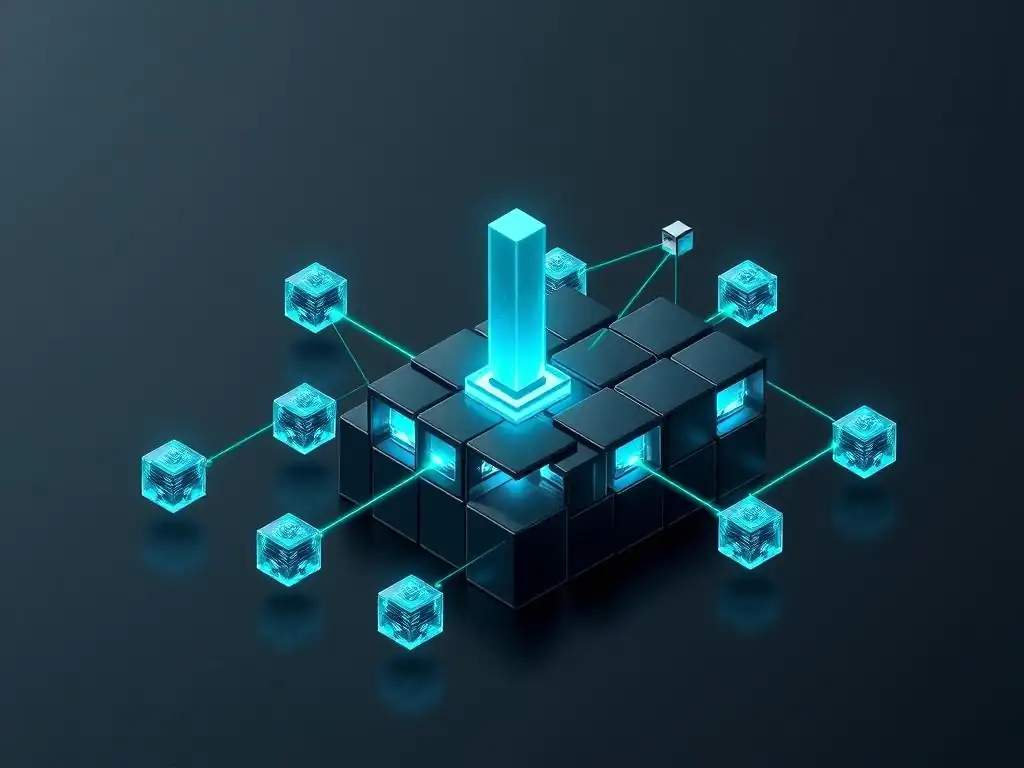
Securing Cryptocurrency Transactions
Cryptocurrency transactions, by their very nature, demand the highest levels of security due to the significant financial value at stake. The integration of Quantum Key Distribution with blockchain technology offers a powerful solution to enhance the security of cryptocurrency transactions and mitigate various threats, including key theft and transaction manipulation. QKD can be used to secure the private keys used to authorize cryptocurrency transactions.
By generating and distributing private keys using QKD, the risk of key compromise through traditional methods like software vulnerabilities or network interception is significantly reduced. This is particularly crucial for securing cryptocurrency wallets, exchanges, and custodial services that hold large amounts of digital assets.
Moreover, QKD can enhance the security of the transaction broadcasting and verification process in cryptocurrency networks. By establishing QKD-secured channels between nodes in the network, the integrity and confidentiality of transaction data can be strengthened. This can help prevent man-in-the-middle attacks or transaction tampering attempts.
For high-value cryptocurrency transactions, QKD could be employed to provide an extra layer of security assurance, particularly in scenarios where the risk of quantum attacks is a concern in the long term. While the cost of implementing QKD may currently be prohibitive for everyday cryptocurrency transactions, it is increasingly relevant for securing critical infrastructure and high-value transactions within the cryptocurrency ecosystem.
Enhancing Data Privacy in Healthcare Systems
Healthcare systems handle vast amounts of highly sensitive patient data, making data privacy and security paramount. Blockchain technology is being explored for various healthcare applications, including electronic health records (EHRs), drug supply chain management, and clinical trial management. Integrating Quantum Key Distribution with blockchain in healthcare can significantly enhance data privacy and security, addressing critical concerns related to patient confidentiality and regulatory compliance, such as HIPAA in the United States or GDPR in Europe.
QKD can be used to secure the access control mechanisms for patient data stored on blockchain. By using QKD to distribute encryption keys for accessing EHRs, healthcare providers can ensure that only authorized personnel with the correct keys can access sensitive patient information.
Furthermore, QKD can enhance the security of data sharing and interoperability in healthcare blockchain networks. Securely sharing patient data between different healthcare providers or institutions is crucial for improving patient care and research. QKD can facilitate secure data exchange by providing a confidential channel for distributing decryption keys to authorized recipients, ensuring that patient data remains private and protected during transit and at rest.
In applications like remote patient monitoring or telemedicine, where data is transmitted over potentially insecure networks, QKD can provide an essential security layer to protect patient data from eavesdropping and unauthorized access. The integration of QKD with blockchain in healthcare can contribute to building more trustworthy and privacy-preserving healthcare systems.
Strengthening Supply Chain Security
Supply chains are increasingly complex and globalized, making them vulnerable to various security threats, including counterfeiting, theft, and data breaches. Blockchain technology is being adopted to improve supply chain transparency, traceability, and security. Integrating Quantum Key Distribution with blockchain can further strengthen supply chain security by enhancing data integrity and confidentiality throughout the supply chain lifecycle.
QKD can be used to secure the communication channels between different participants in a blockchain-based supply chain network, such as manufacturers, distributors, retailers, and logistics providers. This can protect sensitive supply chain data, including product provenance, shipment details, and pricing information, from eavesdropping and tampering.
Moreover, QKD can enhance the security of smart contracts used to automate supply chain processes, such as order fulfillment, payment processing, and inventory management. By securing the key exchange for smart contract execution using QKD, the risk of unauthorized manipulation or fraudulent activities within the supply chain can be reduced.
For industries dealing with high-value goods or sensitive products, such as pharmaceuticals, luxury goods, and electronics, QKD can provide an additional layer of security to combat counterfeiting and ensure product authenticity. The integration of QKD with blockchain in supply chain management can contribute to building more resilient, transparent, and secure supply chains, reducing risks and enhancing trust among stakeholders.
Protecting Sensitive Data in Government Blockchains
Governments handle vast amounts of highly sensitive data, ranging from citizen records and national security information to critical infrastructure data. Blockchain technology is being explored for various government applications, including digital identity management, secure voting systems, and land registry. Integrating Quantum Key Distribution with blockchain in government applications is crucial for protecting sensitive data and ensuring the security and integrity of government services.
QKD can be used to secure government blockchain networks that handle classified or confidential information. By deploying QKD to establish secure communication channels between government agencies and departments, the risk of data breaches and espionage can be significantly reduced.
Furthermore, QKD can enhance the security of digital identity systems built on blockchain. Securely managing and verifying digital identities is critical for various government services, such as online voting, social benefits distribution, and citizen access to government portals. QKD can be used to secure the private keys associated with digital identities, protecting them from theft or unauthorized access.
For critical infrastructure applications, such as securing power grids or transportation networks, blockchain combined with QKD can provide a robust security framework to protect against cyberattacks and ensure the resilience of essential services. The integration of QKD with blockchain in government applications can contribute to building more secure, trustworthy, and citizen-centric digital government services.
Challenges and Opportunities in Implementing QKD and Blockchain
Technical Challenges of Integration
Integrating Quantum Key Distribution (QKD) with blockchain technology presents several technical challenges that need to be addressed for successful deployment. One primary challenge is the inherent difference in the maturity and deployment readiness of the two technologies. Blockchain, while still evolving, has seen significant real-world deployments and standardization efforts. QKD, on the other hand, is a relatively nascent technology, with limited commercial deployments and ongoing research and development efforts. Bridging this maturity gap requires significant engineering effort to adapt QKD systems to the specific requirements of blockchain architectures and protocols.
Another technical challenge lies in the range limitations of current QKD systems. Fiber-based QKD is typically limited to distances of around 100-200 kilometers, which may not be sufficient for geographically distributed blockchain networks. Extending the range of QKD networks using trusted nodes or quantum repeaters introduces new security and infrastructure complexities.
Integrating QKD into existing network infrastructure, which is often optimized for classical communication, also presents technical hurdles. Compatibility issues between QKD hardware and blockchain software, as well as the need for specialized interfaces and protocols, need to be carefully addressed. Furthermore, ensuring the scalability and reliability of integrated QKD-blockchain systems, particularly in high-throughput blockchain environments, requires significant engineering innovation and optimization.
Cost Considerations for Deployment
The deployment of Quantum Key Distribution systems involves significant cost considerations that can impact its widespread adoption in blockchain applications. QKD hardware, including single-photon sources, detectors, and quantum channels, is currently expensive compared to classical cryptographic hardware. The specialized nature of QKD components and the relatively low production volumes contribute to the high cost.
Installation costs for QKD infrastructure, including fiber optic cables or free-space links, can also be substantial, particularly for geographically dispersed blockchain networks. Operational costs, including maintenance, power consumption, and skilled personnel required to operate and manage QKD systems, need to be factored into the overall cost analysis.
While the initial capital expenditure for QKD deployment can be high, it is important to consider the long-term cost-benefit analysis, especially for applications requiring ultra-high security. For securing highly sensitive data or critical infrastructure, the enhanced security provided by QKD may justify the higher upfront costs. As QKD technology matures and production volumes increase, the cost of QKD systems is expected to decrease over time.
Furthermore, the potential cost savings from preventing data breaches, cyberattacks, and regulatory fines, which QKD can help mitigate, should be considered in the overall economic evaluation of QKD deployment in blockchain applications. Hybrid approaches, selectively deploying QKD for critical security components while using classical cryptography for less sensitive parts of the system, may offer a more cost-effective strategy for integrating quantum security into blockchain.
Regulatory and Standardization Issues
The integration of Quantum Key Distribution and blockchain also faces regulatory and standardization challenges that need to be addressed to facilitate wider adoption and interoperability. QKD is a relatively new technology, and regulatory frameworks governing its deployment and use are still evolving in many jurisdictions.
Issues related to export controls, spectrum allocation for free-space QKD, and data privacy regulations need to be clarified to provide a clear legal and regulatory landscape for QKD implementation. Standardization efforts are crucial for ensuring interoperability between different QKD systems and components, as well as for establishing common security protocols and interfaces for integrating QKD with blockchain platforms.
Organizations like the European Telecommunications Standards Institute (ETSI) and the International Telecommunication Union (ITU) are actively working on developing QKD standards. Collaboration between QKD vendors, blockchain developers, and regulatory bodies is essential to establish robust and internationally recognized standards for QKD-blockchain integration. Addressing regulatory uncertainty and promoting standardization will foster greater confidence in QKD technology and facilitate its seamless integration into blockchain ecosystems. Clear regulatory guidelines and interoperability standards will also encourage innovation and competition in the QKD market, potentially driving down costs and accelerating the adoption of quantum-safe security solutions for blockchain and other critical applications.
Opportunities for Innovation
Despite the challenges, the convergence of Quantum Key Distribution and blockchain presents significant opportunities for innovation across various technological and application domains. One key area for innovation is the development of more cost-effective and compact QKD systems. Research efforts focused on miniaturizing QKD components, improving key generation rates, and extending the range of QKD systems are crucial for making QKD more practical and accessible for wider deployment in blockchain and other applications. Innovation in QKD network architectures, including the development of quantum repeaters and trusted node alternatives, is essential for overcoming range limitations and enabling large-scale QKD networks.
Furthermore, there are opportunities for innovation in hybrid QKD-classical cryptographic systems. Developing efficient and secure methods for integrating QKD with classical cryptography, including PQC algorithms, is crucial for building practical and cost-effective quantum-safe security solutions for blockchain. Innovation in software and protocols for managing and utilizing QKD-generated keys within blockchain environments is also needed.
Developing user-friendly interfaces and tools for deploying and managing QKD-blockchain systems will facilitate wider adoption by organizations and developers. Finally, exploring novel applications of QKD-blockchain integration beyond the initial use cases, such as in secure multi-party computation, decentralized identity management, and quantum-safe voting systems, can unlock new opportunities and drive further innovation in this exciting field.
The Future of Blockchain Quantum Key Distribution Security
Predictions for QKD Adoption
The adoption of Quantum Key Distribution (QKD) in blockchain security is poised for growth in the coming years, driven by increasing awareness of the quantum threat and the growing demand for enhanced security in critical applications. While widespread adoption across all blockchain applications is not expected in the immediate future due to cost and technical limitations, targeted deployment in high-security and high-value use cases is likely to accelerate. Industries such as finance, healthcare, government, and defense, which handle highly sensitive data and are particularly vulnerable to cyberattacks, are expected to be early adopters of QKD-blockchain security solutions.
Predictions from market research firms suggest a significant growth trajectory for the QKD market in the next decade. For example, some reports estimate the global QKD market to reach hundreds of millions of dollars by the late 2020s and continue to expand as technology matures and costs decrease.
The increasing focus on data privacy and security regulations, coupled with the looming threat of quantum computing, will further incentivize organizations to explore and adopt quantum-safe security solutions like QKD. As QKD technology becomes more mature, cost-effective, and easier to integrate, its adoption in blockchain and other critical infrastructure is expected to become increasingly prevalent, contributing to a more secure and resilient digital landscape.
Emerging Trends in Quantum-Safe Blockchain Solutions
Several emerging trends are shaping the future of quantum-safe blockchain solutions, going beyond the initial focus on integrating QKD. One significant trend is the development and standardization of post-quantum cryptography (PQC) algorithms. As NIST's PQC standardization process progresses, blockchain projects are increasingly incorporating PQC algorithms to mitigate the quantum threat to classical cryptography.
Hybrid approaches, combining PQC algorithms with classical cryptography for a layered security approach, are also gaining traction. Another trend is the exploration of quantum-resistant consensus mechanisms for blockchain. Researchers are investigating consensus protocols that are inherently resistant to quantum attacks, potentially offering a more fundamental solution to quantum security concerns at the protocol level.
Furthermore, research is ongoing into quantum blockchain technologies, which leverage quantum computing principles to enhance blockchain functionality and security beyond just quantum resistance. Quantum blockchain concepts, such as quantum-enhanced consensus or quantum-secured transactions, are still in early stages of development but hold promise for future breakthroughs. The integration of other emerging security technologies, such as homomorphic encryption and zero-knowledge proofs, with quantum-safe blockchain solutions is also being explored to provide comprehensive privacy-preserving and quantum-resistant blockchain platforms. These emerging trends indicate a dynamic and evolving landscape for quantum-safe blockchain security, with ongoing innovation across algorithms, protocols, and architectures.
The Role of QKD in Building Trust
Quantum Key Distribution plays a crucial role in building trust in blockchain systems, particularly in applications where security and confidentiality are paramount. The provable security of QKD, based on the laws of physics, provides a higher level of assurance compared to classical cryptography, which relies on computational assumptions. In scenarios where trust is critical, such as financial transactions, healthcare data sharing, or government services, QKD can enhance the credibility and trustworthiness of blockchain platforms. The ability of QKD to detect eavesdropping attempts in real-time provides a transparent and verifiable security mechanism, fostering greater confidence among users and stakeholders.
Moreover, QKD can contribute to building trust in the long-term security of blockchain systems, particularly in the face of the quantum threat. By adopting quantum-safe security solutions like QKD, organizations demonstrate a proactive approach to mitigating future risks and ensuring the longevity of their blockchain applications.
This forward-looking security posture can enhance trust among users and partners who are concerned about the long-term security of their data and assets on blockchain. In a world increasingly concerned about cybersecurity and data breaches, QKD offers a tangible and verifiable way to build trust in the security and resilience of blockchain technology, paving the way for wider adoption in trust-sensitive applications.
Future Research Directions
Future research directions in Blockchain Quantum Key Distribution Security are diverse and promising, spanning both fundamental research and practical applications. One key area is advancing the performance and capabilities of QKD systems. Research efforts focused on increasing the key generation rate, extending the transmission distance, and reducing the cost and size of QKD devices are crucial for making QKD more practical and widely deployable.
Exploring new QKD protocols and architectures, including continuous-variable QKD and integrated photonic QKD systems, can lead to improved performance and scalability. Investigating the integration of QKD with other quantum technologies, such as quantum sensors and quantum memories, can open up new possibilities for enhanced security and functionality in blockchain and related applications.
Furthermore, research is needed to address the practical challenges of deploying and managing QKD-blockchain systems in real-world environments. Developing robust and user-friendly software and tools for QKD key management, integration with blockchain platforms, and security monitoring is essential for facilitating wider adoption.
Research into hybrid QKD-classical cryptographic architectures, including optimal strategies for combining QKD with PQC algorithms, can lead to more cost-effective and practical quantum-safe security solutions. Finally, exploring novel applications of QKD-blockchain integration beyond the initial use cases, and investigating the societal and ethical implications of quantum-enhanced blockchain security, are important directions for future research to ensure responsible and beneficial development of this transformative technology.
Conclusion: Embracing the Quantum Era for Blockchain Security
Recap: The Benefits of Combining QKD and Blockchain
The synergistic combination of Quantum Key Distribution and blockchain technology offers a compelling pathway to enhance digital security in the face of evolving cyber threats and the looming quantum computing era. QKD provides a provably secure method for key exchange, addressing a critical vulnerability in classical cryptographic systems, while blockchain offers a robust and decentralized platform for secure data management and transaction processing.
By integrating QKD with blockchain, we can create security systems that are more resilient, trustworthy, and future-proof. The benefits of this synergy are multifaceted, including enhanced confidentiality of cryptographic keys, improved resistance to both classical and quantum attacks, strengthened authentication and authorization mechanisms, and increased trust in blockchain applications.
QKD addresses the fundamental challenge of secure key distribution, a cornerstone of any cryptographic system, and complements the inherent security features of blockchain. This integration is particularly relevant for high-security applications in sectors like finance, healthcare, government, and supply chain management, where data breaches and security compromises can have severe consequences.
While challenges remain in terms of cost, technical complexity, and standardization, the potential benefits of QKD-blockchain integration for enhancing digital security are undeniable. As quantum computing capabilities advance, the proactive adoption of quantum-safe security solutions like QKD becomes increasingly critical for safeguarding sensitive data and ensuring the continued trust and viability of blockchain technology.
The Importance of Proactive Security Measures
In the rapidly evolving landscape of cybersecurity, proactive security measures are no longer optional but essential for organizations and individuals alike. The threat landscape is becoming increasingly sophisticated, with cyberattacks becoming more frequent, complex, and damaging. The emergence of quantum computing adds a new dimension of urgency to proactive security planning, as quantum computers have the potential to break widely used classical cryptographic algorithms, rendering current security infrastructure vulnerable. Waiting for quantum computers to become a reality before taking action is a risky strategy, as the transition to quantum-resistant cryptography and quantum-safe security solutions requires significant time and effort.
Adopting proactive security measures, including exploring and implementing quantum-safe technologies like QKD, is crucial for mitigating future risks and ensuring long-term security. This proactive approach not only protects against future threats but also enhances current security posture by addressing existing vulnerabilities in key management and cryptographic infrastructure.
Organizations that embrace proactive security measures will be better positioned to adapt to the evolving threat landscape, maintain customer trust, and comply with increasingly stringent data privacy and security regulations. In the context of blockchain, proactive security measures, including the integration of QKD and the adoption of PQC algorithms, are essential for ensuring the long-term security, resilience, and trustworthiness of this transformative technology.
Blockchain and Quantum Key Distribution: A Path Towards Enhanced Security
The convergence of Blockchain and Quantum Key Distribution represents a significant step forward in the quest for enhanced digital security. This synergistic approach offers a path towards building more robust, resilient, and future-proof security systems capable of withstanding both current and emerging threats, including the quantum computing challenge. While the integration of QKD with blockchain is still in its early stages, the potential benefits for enhancing security across various applications are substantial. As QKD technology matures, costs decrease, and standardization efforts progress, its adoption in blockchain and other critical infrastructure is expected to accelerate.
Embracing the quantum era requires a proactive and forward-looking approach to security. Blockchain, with its inherent security features and potential for decentralization and transparency, combined with the quantum-secured key exchange provided by QKD, offers a powerful combination for building next-generation security solutions.
By investing in research, development, and deployment of QKD-blockchain technologies, we can pave the way for a more secure digital future, where sensitive data is protected with unprecedented efficacy, and trust in digital systems is significantly enhanced. The journey towards enhanced security in the quantum era is a collaborative effort, requiring engagement from researchers, developers, industry, and policymakers to realize the full potential of Blockchain and Quantum Key Distribution in creating a safer and more trustworthy digital world.
Frequently Asked Questions
What is the main problem Quantum Key Distribution (QKD) aims to solve within the context of blockchain security?
QKD primarily addresses the threat of future quantum computer attacks that could compromise existing blockchain cryptographic algorithms. It provides a quantum-resistant encryption method.
How does Blockchain benefit from incorporating Quantum Key Distribution (QKD)?
Blockchain benefits by gaining a significantly enhanced level of security against quantum computing threats, making transactions and data more resistant to future attacks. This builds trust in the system.
What are the potential hurdles in implementing QKD with existing Blockchain infrastructures?
Implementing QKD can be costly and require significant infrastructure upgrades. There are also challenges in integrating QKD systems with existing blockchain protocols.
Does the integration of QKD eliminate all security risks associated with Blockchain technology?
No, QKD primarily addresses the quantum computing threat to encryption. Other vulnerabilities, like smart contract bugs or human errors, still need to be addressed separately.
What is the current status of the Blockchain quantum key distribution security field? Is it ready for widespread deployment?
The field is still developing, with ongoing research and pilot projects. Widespread deployment faces challenges related to cost, infrastructure, and standardization. It's an emerging area.
Final Reflection: Securing the Future with Quantum Resilience
The exploration of Quantum Key Distribution (QKD) and Blockchain's synergistic potential reveals a critical intersection in our increasingly digital world. The need for robust, future-proof security solutions has never been more paramount, as the looming threat of quantum computing jeopardizes the very foundations of current cryptographic methods. This article underscores the urgency of exploring and implementing solutions that can withstand the quantum revolution.
This convergence of QKD and Blockchain isn't just a technological advancement; it's a paradigm shift in how we perceive and implement trust and security. The implications extend far beyond mere data protection, influencing everything from financial transactions to secure communication networks. Security is always excessive until it's not enough.
This quote perfectly encapsulates the proactive stance we must adopt in preparing for the quantum era, ensuring our systems are fortified against unforeseen vulnerabilities.
As we stand at the cusp of a new technological age, let us not be complacent. Consider the implications of quantum-resistant security for your own digital footprint, your organization, and the future of secure communication. Embrace the challenge of understanding and implementing these advanced technologies, and contribute to building a more secure and trustworthy digital world for generations to come.
Unlock Unbreakable Security: Start Building Your Quantum-Safe Future!
Thank you for diving into the world of Quantum Key Distribution (QKD) and its potential to revolutionize blockchain security. You've now seen how QKD offers a pathway to defense against quantum computing threats. Now, it's time to translate that knowledge into action!
Here's how you can take the next step:
- Dive deeper into practical QKD applications within your blockchain ecosystem. Explore specific implementation strategies tailored to your needs and identify potential vulnerabilities that QKD can address.
- Share this article with your network! Help spread awareness about the importance of quantum-resistant cryptography and its impact on the future of blockchain.
- Research emerging startups and companies specializing in QKD and quantum-safe cryptographic solutions. Look for potential partnerships or collaborations to enhance your organization's security posture.
Ready to explore which QKD solutions best fit your blockchain infrastructure?
Leave a Reply