
From Origin to Destination: Blockchain's Role in Creating Transparent Supply Chains

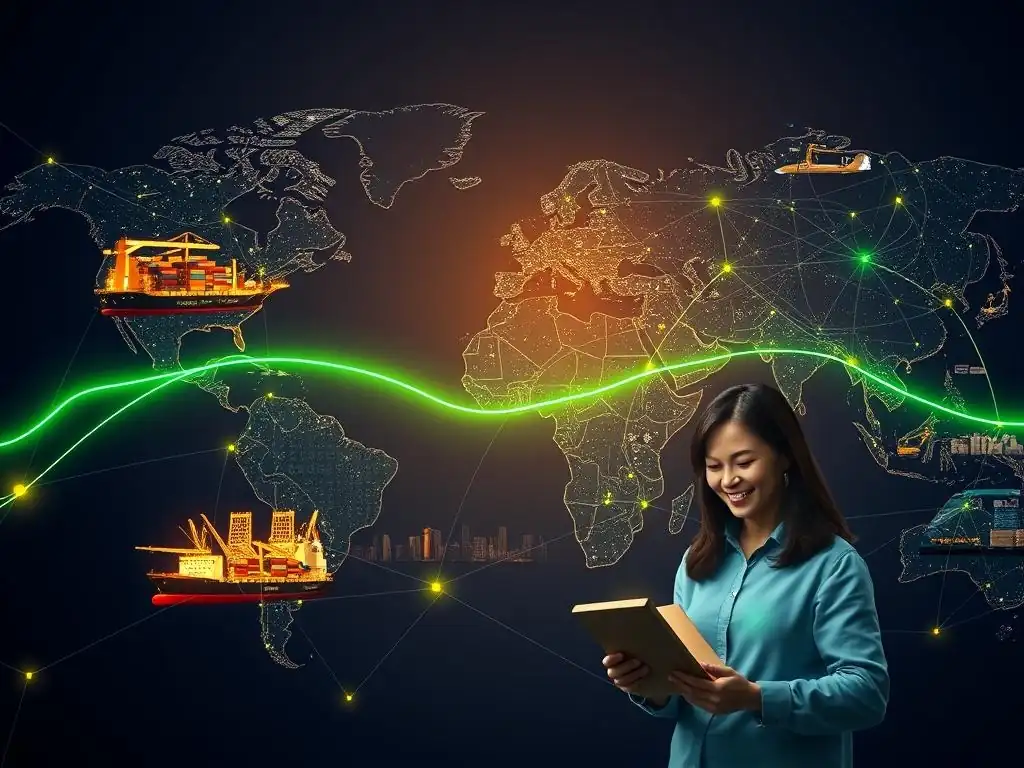
Welcome to Blockchain Trends, where we delve into the revolutionary impact of blockchain technology beyond the hype. Discover how this powerful technology is reshaping industries, from decentralized finance to enterprise solutions.
Are you ready to unravel the complexities of blockchain supply chain transparency solutions? Trace products from origin to destination with unprecedented accuracy, as we explore how blockchain is fostering trust and efficiency in global networks. Dive in to learn more and discover the future of decentralized systems!
From Origin to Destination: Blockchain's Role in Creating Transparent Supply Chains
- Introduction: The Urgent Need for Supply Chain Transparency
- Understanding Blockchain Supply Chain Transparency Solutions
- Benefits of Implementing Blockchain for Supply Chain Management
- Use Cases: Real-World Examples of Blockchain in Supply Chain
-
Implementing Blockchain Supply Chain Transparency Solutions: A Step-by-Step Guide
- Assessing Your Supply Chain Needs and Identifying Pain Points
- Choosing the Right Blockchain Platform: Considering Scalability, Permissioned vs. Permissionless, and Industry-Specific Solutions
- Integrating Blockchain with Existing Systems: Discussing API integration, Data Migration, and IoT Device Integration
- Training and Onboarding Stakeholders: Emphasizing the Importance of Adoption Across the Supply Chain
- Data Governance and Security Considerations
- Overcoming Challenges in Blockchain Supply Chain Adoption
- The Future of Blockchain and Supply Chain Visibility
- Conclusion: Embracing Blockchain for a More Transparent Future
-
Frequently Asked Questions
- How does blockchain enhance supply chain transparency?
- What are some benefits of using blockchain for supply chain management, besides transparency?
- What are some challenges involved in implementing blockchain-based supply chain solutions?
- How can blockchain address the issue of counterfeit goods in the supply chain?
- What is the future outlook for blockchain supply chain transparency solutions and the role of regulatory bodies?
- Final Reflection: Embracing Transparency Through Blockchain
- Unlock the Future: Start Building Transparency Today!
Introduction: The Urgent Need for Supply Chain Transparency
Challenges in Traditional Supply Chains: Lack of Visibility, Counterfeiting, Inefficiencies, and Ethical Sourcing Concerns
Traditional supply chains often suffer from significant blind spots. Products move through numerous intermediaries – suppliers, manufacturers, distributors, logistics providers, retailers – and tracking their journey accurately at each step is notoriously difficult. This lack of end-to-end visibility creates opportunities for errors, delays, and even illicit activities.
For instance, pinpointing the exact origin of a raw material or verifying the authenticity of a finished product becomes a complex, often manual, process prone to inaccuracies. This opacity directly contributes to inefficiencies, making it hard to optimize routes, manage inventory effectively, or quickly identify the source of a problem like a defective batch.
Furthermore, the lack of transparency fuels major issues such as counterfeiting and challenges in ensuring ethical sourcing. The global trade in counterfeit and pirated goods is estimated by some reports to reach trillions of dollars annually, undermining legitimate businesses and posing health and safety risks to consumers, particularly in sectors like pharmaceuticals and electronics. Simultaneously, consumers and regulators are increasingly demanding assurance that products are sourced ethically, free from forced labor or environmentally damaging practices.
Without a clear, verifiable record of provenance, companies struggle to provide this assurance, facing reputational damage and potential legal liabilities. Addressing these multifaceted challenges requires a fundamental shift towards greater visibility and trustworthiness across the entire supply chain.
Blockchain as a Solution: Enhancing Trust and Traceability
Blockchain technology emerges as a powerful tool to address the inherent trust deficit and lack of visibility in traditional supply chains. At its core, a blockchain is a distributed, immutable ledger that records transactions across many computers. Once data is added to the blockchain, it is extremely difficult to alter or delete, creating a permanent and verifiable history. This inherent immutability is crucial for building trust among disparate parties who may not otherwise trust each other directly.
By implementing blockchain supply chain transparency solutions, companies can create a shared, single source of truth regarding a product's journey. Each step – from the sourcing of raw materials, through manufacturing processes, quality checks, shipping, and final delivery – can be recorded as a transaction on the blockchain. This ledger provides a comprehensive, tamper-proof audit trail accessible to authorized participants. This enhanced traceability allows stakeholders to track goods with unprecedented precision, verify their authenticity, and gain insights into the entire lifecycle, ultimately fostering greater accountability and confidence within the network.
Understanding Blockchain Supply Chain Transparency Solutions
What is Blockchain Technology? A Primer
Blockchain is fundamentally a type of distributed ledger technology (DLT). Imagine a shared, continuously updated database that isn't stored in one central location but is replicated and shared across a network of computers. Each 'block' in the chain contains a batch of transactions, and once verified by the network, it's added to the previous block in a chronological chain, secured by cryptographic principles. This structure makes it incredibly resistant to tampering; altering data in one block would require altering all subsequent blocks across the majority of the network participants, a computationally infeasible task.
Unlike traditional databases which are often owned and controlled by a single entity, a blockchain can be decentralized, meaning no single party has complete control. This distribution of power and data enhances security and resilience. When a transaction occurs (e.g., a product lot moving from warehouse A to warehouse B), it is broadcast to the network, validated by participating nodes according to predefined rules (consensus mechanism), and then added to a new block. This process ensures that all authorized parties have access to the same, verified information simultaneously.
How Blockchain Enables Supply Chain Visibility
Blockchain technology provides a robust framework for enhancing supply chain visibility by creating a secure, shared, and transparent record of events as goods move through the network. Each significant event in the supply chain lifecycle – such as a product leaving a factory, arriving at a port, undergoing a quality inspection, or being received by a distributor – can be recorded as a transaction on the blockchain. These transactions are timestamped and linked cryptographically, forming an unbroken chain of custody.
This digital trail allows authorized participants, whether they are the original manufacturer, a logistics provider, a regulator, or even the end consumer (depending on the system's design), to view the history of a specific product or batch. For instance, by scanning a QR code on a product linked to its blockchain entry, one could potentially see where and when it was manufactured, its transport history, and any quality certifications it received.
This level of granular, verifiable data provides unprecedented insight into the product's journey, drastically improving visibility compared to siloed, paper-based, or incompatible digital systems commonly found in traditional supply chains.
Key Features of Blockchain for Supply Chain: Immutability, Decentralization, and Security
Three core features of blockchain technology are particularly beneficial for developing effective blockchain supply chain transparency solutions: immutability, decentralization, and enhanced security. Immutability ensures that once data, like a record of a shipment or a quality check, is added to the blockchain, it cannot be retrospectively altered or deleted. This creates a permanent, tamper-proof audit trail that provides a high degree of trust and accountability, making it difficult for parties to dispute the recorded history of a product.
Decentralization, depending on the specific blockchain architecture used (permissioned or permissionless), means that the ledger is not controlled by a single entity. In a supply chain context, this prevents one participant from manipulating the data for their own benefit. Instead, the network collectively validates transactions, fostering a more collaborative and trustworthy environment among potentially competing or independent parties. Coupled with cryptographic security measures used to verify transactions and link blocks, these features make blockchain a highly robust and reliable foundation for building transparent and secure supply chain management systems.
Benefits of Implementing Blockchain for Supply Chain Management
Enhanced Traceability and Provenance Tracking
One of the most significant advantages of implementing blockchain supply chain transparency solutions is the dramatic improvement in traceability. Companies can track products from their point of origin – be it a farm field, a mine, or a factory floor – through every step of their journey to the final consumer. Each transfer of ownership, change in location, or quality assurance check can be logged on the blockchain, creating a complete and verifiable history.
This detailed provenance tracking is invaluable for various purposes. In the event of a recall, for example, identifying affected products and their specific locations can be done rapidly, potentially reducing the time from weeks to mere hours or minutes, minimizing public health risks and economic losses. It also provides consumers with the ability to verify the origin and journey of the products they purchase, building trust and supporting claims related to ethical sourcing or organic production.
Reduced Counterfeiting and Fraud in Supply Chains
Counterfeiting and fraud are rampant issues costing industries billions globally. Blockchain offers a powerful defense mechanism by providing a secure, verifiable digital identity for products and recording their legitimate journey through the supply chain. By linking physical products to their digital twins on the blockchain, often through unique identifiers like serial numbers, QR codes, or RFID tags, their authenticity can be verified at any point.
If a counterfeit product enters the supply chain, it will lack the corresponding, verifiable blockchain record associated with legitimate goods. This makes it significantly harder for fraudulent items to pass as genuine. Furthermore, the immutable nature of the blockchain prevents malicious actors within the supply chain from falsifying records of origin or handling, thereby reducing opportunities for diversion, theft, or the introduction of unauthorized goods.
Improved Efficiency and Reduced Costs: Streamlining Processes
Implementing blockchain supply chain transparency solutions can lead to substantial improvements in operational efficiency and corresponding cost reductions. By creating a shared, real-time, and accurate ledger, blockchain minimizes reliance on manual data entry, paper-based documentation, and disparate, incompatible systems. This reduces administrative overhead and the potential for human error.
Furthermore, smart contracts – self-executing contracts with the terms of the agreement directly written into code on the blockchain – can automate various processes. For instance, payments could be automatically released upon verified delivery of goods, or insurance claims processed faster based on immutable records of shipment conditions. Streamlining these processes reduces delays, cuts down on disputes, and lowers transaction costs, contributing to a more agile and cost-effective supply chain.
Increased Trust and Collaboration Among Stakeholders
Supply chains involve multiple independent entities, each with their own systems and incentives. Building trust and fostering collaboration among these diverse stakeholders can be challenging. Blockchain's decentralized and transparent nature helps overcome this by providing a neutral, shared platform where all participants can access the same, verifiable information relevant to their role.
This shared truth reduces information asymmetry and the need for intermediaries to verify transactions or validate data. Participants can have greater confidence in the data shared by others, leading to smoother interactions, faster decision-making, and stronger partnerships. Increased trust encourages more open communication and collaboration, which is essential for building resilient and responsive supply networks.
Enhanced Data Security and Integrity in Logistics
Data security and integrity are paramount in supply chain management, involving sensitive information about shipments, inventory, and trading partners. Traditional systems can be vulnerable to hacking and data breaches. Blockchain enhances data security through its cryptographic foundations and distributed nature. Data is encrypted and spread across the network rather than stored in a single, vulnerable database.
The integrity of the data is ensured by the consensus mechanism and the immutable nature of the ledger. Any attempt to tamper with a record would be immediately detectable by the network. This makes blockchain a highly secure method for recording critical supply chain events, protecting sensitive information from unauthorized access or alteration and ensuring that the data used for decision-making is accurate and reliable.
Use Cases: Real-World Examples of Blockchain in Supply Chain
Tracking Coffee Beans: Ensuring Ethical Sourcing and Quality
Several initiatives have leveraged blockchain supply chain transparency solutions to track products like coffee beans from farm to cup. Companies such as Farmer Connect, using IBM Food Trust technology, have implemented systems where farmers record information about their harvest, including location, yield, and quality certifications, onto a blockchain. As the beans move through washing, drying, milling, export, roasting, and retail, each step is recorded.
This allows consumers, by scanning a code on the coffee bag, to access verified information about the beans' origin, the farmer who grew them, and even details about the journey. This transparency not only assures consumers of the coffee's provenance and quality but also helps ensure that farmers receive fair compensation, supporting ethical sourcing claims and building trust in the supply chain.
Pharmaceutical Supply Chain: Combating Counterfeit Drugs
The pharmaceutical industry faces a significant challenge with counterfeit drugs entering the supply chain, posing serious health risks. Regulations like the U.S. Drug Supply Chain Security Act (DSCSA) mandate enhanced traceability. Blockchain is being piloted and implemented by various pharmaceutical companies and consortiums to meet these requirements and combat counterfeiting.
By assigning a unique serial number to each drug package and recording its movement history on a blockchain, stakeholders – manufacturers, distributors, pharmacies, and regulators – can verify the legitimacy of a product at any point. For example, MediLedger is a consortium using blockchain to track pharmaceutical products across the network. This creates an immutable record that makes it extremely difficult for counterfeit products, which lack this verified history, to infiltrate the legitimate supply chain, thereby protecting patient safety.
Luxury Goods Authentication: Protecting Brand Integrity
The luxury goods market is heavily impacted by counterfeiting, which erodes brand value and consumer trust. Blockchain supply chain transparency solutions offer a powerful tool for authenticating luxury items. Companies can create a unique digital identity for each high-value product, linked to its physical form via tamper-proof tags or serial numbers.
This digital identity, recorded on a blockchain, contains information about the product's origin, materials, manufacturing process, and ownership history. When a product is resold, the transfer of ownership can be recorded on the blockchain. Consumers and resellers can verify the authenticity and history of the item by checking its blockchain record. LVMH (Louis Vuitton Moët Hennessy), Prada, and Cartier, among others, are part of the Aura Blockchain Consortium, which uses blockchain to provide provenance and authenticity tracking for luxury goods, protecting their brand integrity and offering verifiable proof of ownership.
Automotive Industry: Tracking Parts and Components
The automotive supply chain is complex, involving thousands of parts sourced from numerous suppliers globally. Ensuring the quality, authenticity, and provenance of each component is critical for vehicle safety and reliability. Blockchain is being explored and implemented to enhance traceability for automotive parts.
Manufacturers can track components from raw material sourcing through manufacturing, assembly, and even into the aftermarket. This helps verify the origin and quality of parts, identify potentially faulty batches quickly for targeted recalls, and combat the use of counterfeit or substandard components which can compromise vehicle safety. BMW and Ford, for instance, have explored blockchain for tracking parts and managing supply chain data, aiming to improve efficiency and transparency in their intricate networks.
Diamond Provenance: Ensuring Conflict-Free Sourcing
Ensuring that diamonds are sourced ethically and are conflict-free has been a major challenge for the industry. Traditional certification processes can be complex and sometimes lack complete transparency. Blockchain supply chain transparency solutions provide a robust way to track diamonds from mine to retail, offering verifiable proof of their origin and journey.
Companies like De Beers, through their Tracr platform, use blockchain to register individual diamonds at the point of extraction and record each subsequent transaction and transformation (cutting, polishing) on an immutable ledger. This creates a permanent, tamper-proof record that verifies the diamond's provenance and assures consumers that it was sourced ethically and responsibly. This level of transparency builds consumer confidence and supports industry efforts to combat the trade in conflict diamonds.
Implementing Blockchain Supply Chain Transparency Solutions: A Step-by-Step Guide
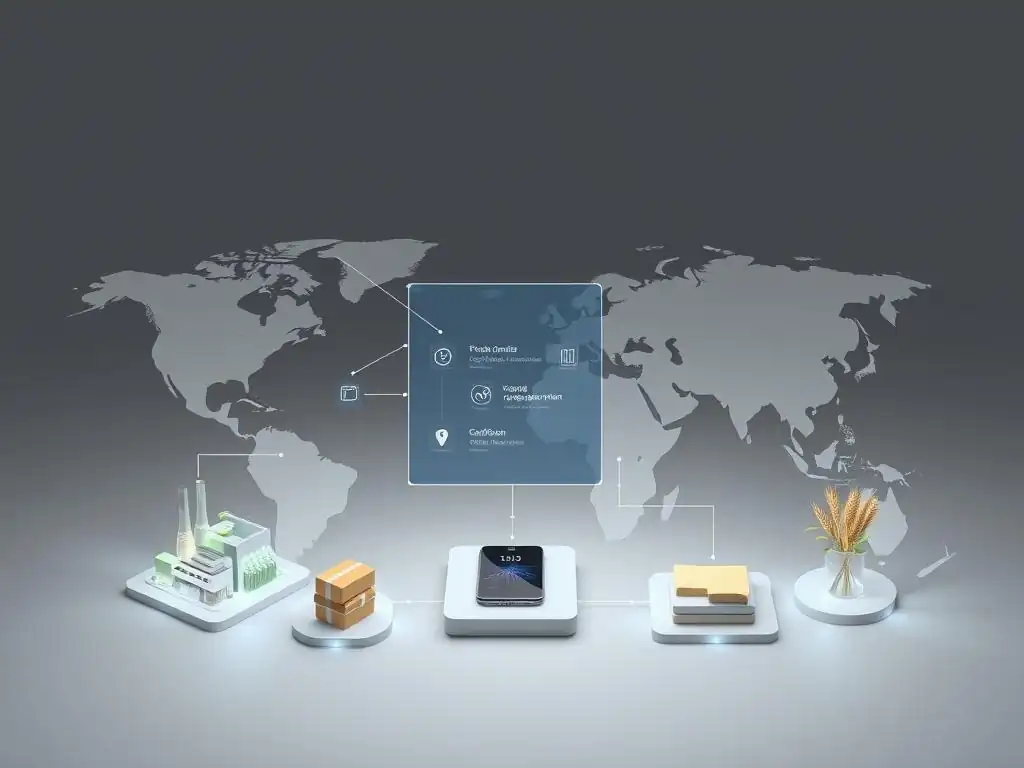
Assessing Your Supply Chain Needs and Identifying Pain Points
The first step in implementing blockchain supply chain transparency solutions is a thorough assessment of your current supply chain operations. Identify the specific areas where lack of transparency, inefficiencies, or risks like counterfeiting or ethical sourcing concerns are most prevalent. What are the key pain points you are trying to solve? Is it improving traceability for high-value goods, ensuring compliance with regulations, enhancing trust with suppliers, or providing provenance information to consumers?
Conducting a detailed analysis of your existing processes, data flows, and stakeholder relationships is crucial. This assessment helps define the scope of the blockchain project, identify which products or processes would benefit most from increased transparency, and establish clear objectives and key performance indicators (KPIs) for the implementation. Understanding your specific needs will guide the selection of the appropriate technology and approach.
Choosing the Right Blockchain Platform: Considering Scalability, Permissioned vs. Permissionless, and Industry-Specific Solutions
Selecting the appropriate blockchain platform is a critical decision. Blockchain platforms vary significantly in their architecture, consensus mechanisms, and features. Key considerations include scalability – can the platform handle the volume of transactions your supply chain generates? Permissioned vs. Permissionless: A permissionless blockchain (like public Bitcoin or Ethereum) allows anyone to join, while a permissioned blockchain (like Hyperledger Fabric or R3 Corda) restricts participation to known, authorized entities, which is often preferred for enterprise supply chains requiring privacy and control over data access.
Evaluate platforms based on their suitability for enterprise use cases, data privacy features, ease of integration, and the maturity of their ecosystem. Some platforms are designed specifically for supply chain applications, offering pre-built modules or connectors. Consider industry-specific solutions that address unique challenges within your sector, such as pharmaceutical track-and-trace or food safety. The choice of platform will impact the system's performance, cost, and ability to meet your defined objectives for blockchain supply chain transparency solutions.
Integrating Blockchain with Existing Systems: Discussing API integration, Data Migration, and IoT Device Integration
Integrating a new blockchain system with existing legacy enterprise resource planning (ERP), warehouse management (WMS), and transportation management (TMS) systems is often the most complex technical challenge. The primary method for integration is typically through Application Programming Interfaces (APIs). These APIs allow the blockchain platform to communicate with existing systems, sending and receiving data about product movements, inventory levels, and transaction details.
Data migration is another hurdle. Determining which data needs to be moved onto the blockchain, how to format it correctly, and ensuring its accuracy during the migration process requires careful planning. Furthermore, integrating with Internet of Things (IoT) devices, such as sensors tracking temperature, humidity, or location during transit, is essential for capturing real-time, verifiable data directly onto the blockchain. This requires developing connectors or middleware to securely transmit data from IoT devices to the blockchain ledger, ensuring that the physical world is accurately reflected in the digital, immutable record.
Training and Onboarding Stakeholders: Emphasizing the Importance of Adoption Across the Supply Chain
Successful implementation of blockchain supply chain transparency solutions hinges on the adoption and active participation of all relevant stakeholders across the supply chain network. This includes internal teams (logistics, procurement, IT) as well as external partners (suppliers, carriers, distributors, retailers). Comprehensive training and onboarding programs are essential to educate participants on how the new system works, its benefits, and their role in contributing accurate data.
Training should cover how to interact with the blockchain platform, enter data correctly, access information, and understand the system's capabilities. Emphasizing the collective benefits – reduced fraud, improved efficiency, enhanced trust – can encourage buy-in. A phased rollout, starting with a pilot project involving key partners, can help identify issues early and demonstrate value before scaling up. Effective change management and continuous support are vital to ensure widespread adoption and realize the full potential of the blockchain solution.
Data Governance and Security Considerations
Establishing clear data governance policies is crucial when implementing blockchain supply chain transparency solutions. This involves defining who has permission to write data to the blockchain, who can view specific types of data (especially sensitive information), and how data accuracy is validated. While blockchain provides immutability, ensuring the initial data entered is accurate is paramount; "garbage in, garbage out" still applies. Implementing data validation checks and establishing clear protocols for data entry are necessary.
Security considerations extend beyond the inherent cryptographic security of the blockchain. This includes securing access points to the network, managing private keys securely, and protecting the systems that interact with the blockchain (like APIs and user interfaces) from cyber threats. Compliance with data privacy regulations, such as GDPR, must also be addressed, particularly regarding what personal or commercially sensitive data is stored on or linked to the blockchain and how it is managed in a way that respects privacy requirements, potentially utilizing off-chain storage for sensitive details while keeping hashes on-chain.
Overcoming Challenges in Blockchain Supply Chain Adoption
Scalability Issues and Potential Bottlenecks
While promising, blockchain technology, particularly public blockchains, has faced challenges with scalability – the ability to handle a large volume of transactions quickly and efficiently. Public blockchains like Bitcoin process a limited number of transactions per second compared to traditional payment systems. While enterprise-focused permissioned blockchains offer significantly higher transaction throughput (potentially thousands per second), large, complex global supply chains can still push the limits of current technology.
Addressing scalability often involves choosing platforms optimized for high transaction volume, utilizing off-chain solutions for less critical transactions, or employing layer-2 scaling techniques. Potential bottlenecks can also arise from the integration points with legacy systems or the speed at which physical goods move compared to digital records. Careful system design and pilot testing are necessary to identify and mitigate these potential performance constraints when deploying blockchain supply chain transparency solutions at scale.
Interoperability with Legacy Systems
One of the most significant hurdles in adopting blockchain supply chain transparency solutions is ensuring seamless interoperability with the diverse range of legacy systems used by different participants in the supply chain (ERP, WMS, TMS, etc.). These systems often use different data formats, communication protocols, and technological architectures, making direct integration challenging.
Bridging the gap requires developing robust APIs, middleware, or data connectors that can translate data between the blockchain platform and existing systems. This often involves significant development effort and can be complex due to the age and rigidity of some legacy systems. Standardized data formats and industry-wide protocols could ease this challenge in the future, but currently, bespoke integration work is frequently required.
Regulatory Uncertainty and Compliance Requirements
The regulatory landscape surrounding blockchain technology is still evolving in many jurisdictions. Uncertainty about legal recognition of blockchain records, smart contracts, and digital assets can create hesitation for businesses. Furthermore, supply chains operate across multiple countries, each with its own set of regulations regarding data privacy, customs, and trade finance.
Ensuring that blockchain supply chain transparency solutions comply with existing and emerging regulations, such as traceability mandates (e.g., DSCSA in the US, similar regulations in the EU for food safety), data protection laws (e.g., GDPR), and industry-specific standards, requires careful legal and compliance review. Companies must navigate this complex landscape and design their blockchain solutions in a way that meets current requirements while remaining adaptable to future regulatory changes.
Cost of Implementation and Maintenance
Implementing blockchain supply chain transparency solutions can involve significant upfront costs. These costs include platform licensing or development fees, integration with existing systems, hardware infrastructure (if needed), training for personnel, and potentially consulting fees. While the long-term benefits in terms of efficiency, reduced fraud, and enhanced trust can justify the investment, the initial expenditure can be a barrier, particularly for smaller businesses or those with tight IT budgets.
Ongoing maintenance costs, including platform updates, network fees (if applicable, though less common in permissioned enterprise chains), and continued support for participants, also need to be considered. Organizations must conduct a thorough cost-benefit analysis and develop a clear business case demonstrating the return on investment to secure funding and justify the expense of adopting blockchain technology.
Data Privacy Concerns and GDPR Compliance
While blockchain enhances transparency, it also raises critical questions about data privacy, especially in light of regulations like the General Data Protection Regulation (GDPR) in Europe. GDPR grants individuals the right to erasure ('right to be forgotten'), which conflicts with the immutable nature of a public blockchain where data, once recorded, cannot be deleted.
For enterprise supply chains, which often use permissioned blockchains, controlling access to sensitive data is possible. However, careful design is required to ensure compliance. Strategies include storing sensitive data off-chain in traditional databases with access controls, while only storing hashes or anonymized transaction data on the blockchain. Companies must develop robust data governance frameworks that balance the need for transparency and traceability with privacy requirements, ensuring that personal or commercially sensitive information is handled in accordance with applicable laws.
The Future of Blockchain and Supply Chain Visibility
Emerging Trends: IoT Integration, AI-Powered Analytics, and Digital Twins
The future of blockchain supply chain transparency solutions is poised for significant advancements through integration with other cutting-edge technologies. The convergence of blockchain with the Internet of Things (IoT) is becoming increasingly important. IoT sensors can collect real-time data on location, temperature, humidity, and shock during transit, feeding this verifiable data directly onto the blockchain to create an even more accurate and dynamic record of conditions throughout the journey.
Artificial intelligence (AI) and machine learning can leverage the vast amounts of immutable data collected on the blockchain to provide predictive analytics. AI can identify potential risks, optimize routes, forecast demand more accurately, and detect anomalies indicative of fraud or inefficiencies by analyzing patterns in the blockchain data. Furthermore, the concept of digital twins – virtual replicas of physical products or supply chain processes – can be enhanced by using blockchain to provide a trusted, real-time data layer for the digital twin, offering unprecedented visibility and simulation capabilities.
The Role of Blockchain in Sustainable Supply Chains
Blockchain is set to play a crucial role in building more sustainable supply chains. By providing verifiable proof of origin and tracking materials through production, blockchain can help companies demonstrate compliance with environmental regulations, track carbon footprints associated with transport, and verify claims related to sustainable sourcing of raw materials (e.g., certified wood, ethically mined minerals).
Consumers and regulators are increasingly demanding verifiable proof of sustainability claims. Blockchain supply chain transparency solutions can provide the necessary audit trail to back up these claims, building trust and enabling companies to differentiate themselves based on their environmental and social responsibility efforts. This immutable record of sustainable practices throughout the supply chain can facilitate green finance and investment decisions.
Predictions for Blockchain's Impact on Global Trade
Blockchain is predicted to have a transformative impact on global trade, moving towards more efficient, transparent, and secure cross-border transactions. By providing a shared, trusted ledger for tracking goods and potentially integrating with trade finance and customs processes, blockchain can reduce delays, minimize paperwork, and lower costs associated with international shipping and trade.
The World Economic Forum has estimated that blockchain could increase global trade by $1 trillion by reducing barriers and increasing efficiency. Pilots are underway involving major shipping companies, banks, and customs agencies exploring how blockchain can streamline processes like bills of lading, letters of credit, and customs clearance. As blockchain adoption grows and interoperability between different platforms improves, it is expected to facilitate smoother, more transparent, and more resilient global supply networks.
Conclusion: Embracing Blockchain for a More Transparent Future
Blockchain: A Catalyst for Revolutionizing Supply Chain Management
Blockchain technology is not merely an incremental improvement; it acts as a catalyst for revolutionizing supply chain management. By fundamentally changing how data is recorded, shared, and trusted among disparate parties, it addresses core weaknesses inherent in traditional, siloed systems. The immutable, decentralized, and secure nature of blockchain provides the foundation for building truly transparent and trustworthy supply chains.
From enhancing traceability and combating counterfeiting to improving efficiency and fostering collaboration, the benefits of adopting blockchain are significant. While challenges related to scalability, integration, and regulation exist, ongoing development and real-world implementations are demonstrating the technology's potential to transform logistics and supply chain operations across various industries.
The Importance of Investing in Blockchain Supply Chain Transparency Solutions
Investing in blockchain supply chain transparency solutions is becoming increasingly important for businesses seeking to thrive in a complex and demanding global market. Consumers demand greater visibility into product origins and ethical practices. Regulators are imposing stricter traceability requirements. The risk of counterfeiting and fraud continues to grow.
Implementing blockchain provides a strategic advantage by building trust with consumers and partners, mitigating risks, improving operational efficiency, and ensuring compliance. While it requires careful planning and investment, the long-term benefits of enhanced transparency, increased security, and improved collaboration position companies for greater resilience and success in the future of global commerce. Embracing blockchain is an investment in a more transparent, secure, and efficient supply chain ecosystem.
Frequently Asked Questions
How does blockchain enhance supply chain transparency?
Blockchain provides a shared, immutable ledger accessible to authorized participants. This enables real-time tracking and verification of product movement, creating a verifiable history.
What are some benefits of using blockchain for supply chain management, besides transparency?
Beyond transparency, blockchain enhances supply chain efficiency by automating processes and reducing paperwork. It also improves security by preventing counterfeiting and fraud.
What are some challenges involved in implementing blockchain-based supply chain solutions?
Scalability and interoperability with existing systems can be significant hurdles. Establishing industry-wide standards and governance is also crucial for widespread adoption.
How can blockchain address the issue of counterfeit goods in the supply chain?
Blockchain's immutable record makes it difficult to introduce counterfeit products without detection. Each product can be assigned a unique digital identity, verifiable at each stage.
What is the future outlook for blockchain supply chain transparency solutions and the role of regulatory bodies?
The future involves wider adoption, driven by regulatory pressures and consumer demand for ethical sourcing. Expect increased integration with other technologies like IoT and AI.
Final Reflection: Embracing Transparency Through Blockchain
The journey from opaque origins to verifiable destinations is no longer a distant dream, but a tangible reality powered by blockchain technology. The potential of blockchain to revolutionize supply chain transparency is not just a technological advancement, but a paradigm shift in how we understand and interact with the products we consume. The implications of this shift extend far beyond efficiency gains, impacting ethical sourcing, consumer trust, and ultimately, a more responsible global economy.
This exploration of blockchain's role has underscored its profound influence on the cultural and social landscape. The ability to trace a product's journey, from raw material to finished good, empowers consumers to make informed choices and holds businesses accountable for their practices. Transparency is not about exposing everything, but about creating trust and accountability.
This quote perfectly encapsulates the essence of blockchain's transformative power, fostering a world where trust is earned through verifiable data, not blind faith.
Now, as we stand at the cusp of this new era of transparency, I invite you to reflect on your own role in shaping a more ethical and sustainable future. Consider how you can leverage your purchasing power to demand transparency, support businesses committed to responsible practices, and advocate for the wider adoption of blockchain supply chain transparency solutions. The future of our global economy depends on our collective commitment to embracing transparency and holding ourselves accountable for the choices we make.
Unlock the Future: Start Building Transparency Today!
Thank you for exploring how blockchain can transform supply chains. You now understand how this technology can bring unprecedented clarity and trust to the journey of goods, from their source to your hands. It's time to turn this knowledge into action and become a catalyst for change.
Here’s how you can begin making a difference:
- Take the first step: Research blockchain platforms focused on supply chain management and identify a pilot project you can implement within your business or advocate for within your network.: This is your opportunity to lead the adoption of this innovative technology.
- Share this article with colleagues and industry peers to promote a conversation about the importance of transparency and traceability in modern supply chains. Let’s spread the message and encourage wider adoption.
- Explore lesser-known applications: Investigate how blockchain can be used to prevent counterfeiting and safeguard intellectual property within your industry, adding an extra layer of security and authenticity.
What immediate action will you take to promote blockchain-based transparency in your industry, and what challenges do you foresee along the way?
Leave a Reply