
The Future of Luxury Goods Supply Chains: Blockchain for Brand Protection and Consumer Trust

Welcome to Blockchain Trends, your source for understanding the real-world impact of blockchain technology!
Ever wondered how luxury brands are combating counterfeiting and building unshakeable consumer trust? Dive into our latest article to explore how blockchain luxury brand protection is revolutionizing supply chains, ensuring authenticity, and safeguarding the future of high-end goods. Discover the innovative solutions being implemented and the profound implications for both businesses and consumers. Intrigued? Read on to unravel the complex world of decentralized brand security.
The Future of Luxury Goods Supply Chains: Blockchain for Brand Protection and Consumer Trust
- Introduction: The Growing Need for Luxury Brand Protection in the Digital Age
- Understanding Blockchain Technology for Luxury Goods
- Blockchain for Luxury Brand Protection: A Deep Dive
- Use Cases: Blockchain Implementation in the Luxury Goods Sector
- Building Consumer Trust Through Blockchain-Enabled Transparency
- Overcoming Challenges to Blockchain Adoption in Luxury Supply Chains
- The Future of Blockchain in Luxury Goods: Trends and Predictions
- Conclusion: Blockchain – A Cornerstone for the Future of Luxury
-
Frequently Asked Questions
- How can blockchain technology help luxury brands combat counterfeiting?
- What are the key benefits of using blockchain for luxury brand protection?
- What types of information can be stored on a blockchain for luxury goods?
- How does blockchain contribute to building consumer trust in the luxury goods market?
- What are the potential challenges of implementing blockchain for luxury brand protection?
- Final Reflection: Securing Luxury's Legacy with Blockchain
- Unveil Your Role in the Future of Trust!
Introduction: The Growing Need for Luxury Brand Protection in the Digital Age
The Challenge of Counterfeiting and Gray Market Goods in Luxury Industries
The luxury goods sector, renowned for its exclusivity, craftsmanship, and high value, faces a persistent and escalating threat from counterfeiting and gray market activities. Counterfeit luxury items, ranging from handbags and watches to apparel and jewelry, not only cost brands billions in lost revenue but also severely damage their reputation and erode consumer trust.
Estimates from various sources, such as the OECD and EUIPO, place the global trade in counterfeit and pirated goods at hundreds of billions of dollars annually, with luxury items being a prime target due to their high-profit margins and strong brand recognition. This illicit trade is sophisticated, often involving organized crime, and its proliferation through online marketplaces makes it increasingly difficult to combat using traditional methods alone.
Beyond outright counterfeiting, the gray market, where genuine products are sold outside authorized distribution channels, also poses significant challenges. While not illegal in the same way as counterfeiting, gray market sales can disrupt pricing strategies, dilute brand control, and confuse consumers regarding authenticity, warranty, and service.
For luxury brands that meticulously cultivate their image and control their distribution, unauthorized sales channels undermine their carefully managed brand experience and can signal a lack of control over their supply chain. Both counterfeiting and gray market issues highlight a fundamental problem: a lack of verifiable, end-to-end transparency and control within the complex journey of a luxury item from its origin to the final customer.
Why Traditional Supply Chains Struggle with Luxury Brand Security
Traditional luxury supply chains are often characterized by their complexity and opacity. They typically involve numerous intermediaries, including raw material suppliers, manufacturers, distributors, wholesalers, and retailers, often across multiple continents. Information flow in these systems is often fragmented, relying on paper documentation, disparate databases, and manual processes. This creates blind spots at various stages, making it difficult to track the provenance of goods, verify their authenticity, or detect fraudulent activities effectively. The lack of a single, immutable record of a product's journey allows counterfeiters to insert fake goods into the supply chain or create convincing, albeit false, documentation.
Furthermore, traditional methods of authentication, such as serial numbers, holograms, or RFID tags, can often be replicated, tampered with, or transferred to counterfeit items. Once a product leaves the controlled environment of the brand or its authorized partners, its subsequent history becomes challenging to verify definitively. This inherent vulnerability in traditional supply chain structures makes robust blockchain luxury brand protection incredibly difficult. The lack of a secure, shared, and transparent ledger means that verifying the history and legitimacy of a luxury item often relies on trust in various intermediaries, a trust that is easily exploited by malicious actors.
Blockchain's Potential to Revolutionize Luxury Supply Chain Management
Blockchain technology offers a transformative solution to the long-standing security and transparency issues plaguing the luxury goods supply chain. By providing a decentralized, immutable, and transparent ledger, blockchain can create a secure digital record of every transaction and touchpoint a product encounters throughout its lifecycle. This includes tracking raw materials, manufacturing details, shipping information, changes in ownership, and even repair history. Each step is recorded as a block on the chain, time-stamped and cryptographically linked to the previous one, making it virtually impossible to alter past records without consensus from the network.
This inherent security and transparency enable genuine blockchain luxury brand protection. Brands can create a unique digital identity for each product, linked to its physical counterpart via secure identifiers like QR codes or NFC tags. Consumers can then scan these identifiers to access the product's verified history on the blockchain, confirming its authenticity, origin, and ethical sourcing information. This level of end-to-end visibility not only helps combat counterfeiting and gray market sales but also empowers consumers with unprecedented access to information, fostering trust and enhancing the perceived value of the luxury item.
Understanding Blockchain Technology for Luxury Goods
What is Blockchain and How Does it Work?
At its core, a blockchain is a distributed, digital ledger that records transactions across many computers. Instead of storing data in a single, centralized database, copies of the ledger are shared and synchronized across a network of participants. When a new transaction occurs – for example, a luxury handbag moving from the manufacturer to a distributor – it is grouped with other recent transactions into a "block."
This block is then validated by participants in the network through a consensus mechanism, such as Proof-of-Work or Proof-of-Stake. Once validated, the block is added to the existing chain of blocks, forming a chronological and permanent record.
The power of blockchain lies in its cryptographic security and distributed nature. Each block contains a unique digital fingerprint (a hash) of the previous block, creating a secure link that makes it extremely difficult and computationally expensive to alter any historical data without invalidating all subsequent blocks. Because the ledger is distributed across many nodes, there is no single point of failure or control, making it highly resistant to tampering or censorship. This inherent immutability and transparency make blockchain an ideal technology for creating a trustworthy and verifiable history for high-value items, crucial for effective blockchain luxury brand protection.
Key Benefits of Blockchain in Supply Chain Traceability and Transparency
Implementing blockchain in luxury supply chains unlocks several significant benefits, primarily centered around enhanced traceability and transparency. Traceability is dramatically improved as every movement, transfer of ownership, or significant event in a product's journey can be recorded on the immutable ledger.
This creates a comprehensive and verifiable audit trail from the source of raw materials (e.g., a specific mine for gold or diamonds, a particular farm for leather) through manufacturing, distribution, and sale. If a problem arises, such as a quality issue or a suspected counterfeit, brands can quickly trace the product's history back to its origin to identify the source of the issue.
Transparency is another major advantage. While the full blockchain ledger might be private or permissioned in a luxury supply chain context (meaning only authorized participants can add data), certain information can be made publicly accessible or available to specific parties, such as consumers. By scanning a QR code on their luxury item, a customer could access a curated view of its history, including proof of origin, manufacturing details, and ownership transfers. This level of openness builds trust and allows consumers to verify claims about authenticity and ethical sourcing directly, reinforcing the value proposition of genuine blockchain luxury brand protection.
Smart Contracts and Their Role in Luxury Goods Authentication
Smart contracts are self-executing contracts with the terms of the agreement directly written into lines of code. They run on the blockchain, automatically executing predefined actions when specific conditions are met. In the context of luxury goods, smart contracts can play a crucial role in automating and securing various processes, particularly authentication and ownership transfer. For example, a smart contract could be programmed to release payment to a supplier automatically once the receipt of materials is verified on the blockchain, or to update the ownership record of a luxury watch upon completion of a secure transaction.
For authentication, a smart contract can be linked to a product's unique digital identity on the blockchain. This contract could define the rules for verifying the product's legitimacy, such as requiring specific data points (like manufacturing date, material origin, and initial sale location) to match the on-chain record.
When a consumer scans a product's identifier, the associated smart contract could execute a verification process against the blockchain data and instantly confirm whether the item is genuine and its history aligns with expectations. This automated, secure verification process is a cornerstone of robust blockchain luxury brand protection, removing reliance on manual checks or easily forged certificates.
Blockchain for Luxury Brand Protection: A Deep Dive
Preventing Counterfeiting with Blockchain-Based Authentication
Blockchain technology provides a powerful new weapon in the fight against counterfeit luxury goods. By creating a unique, immutable digital identity for each luxury item on the blockchain, brands can establish an undeniable proof of authenticity. This digital identity, often linked to the physical product via secure, tamper-evident tags (like encrypted QR codes, NFC chips, or even physical-digital anchors), serves as a digital twin on the distributed ledger. When a product is manufactured, its key attributes, origin, and initial ownership are recorded in a transaction on the blockchain.
Subsequent events, such as shipping, retail sale, or even repair services, can be added to this product's blockchain history. A consumer purchasing a luxury item can then scan the secure tag on the product to access this verified history. The blockchain record confirms the item's provenance, manufacturing details, and legitimate path through the supply chain.
Unlike paper certificates or easily copied serial numbers, the blockchain record is virtually impossible to forge or alter retrospectively. This transparent and verifiable history provides irrefutable evidence of authenticity, significantly hindering counterfeiters who cannot replicate the valid on-chain history of a genuine product, thereby strengthening blockchain luxury brand protection efforts.
Tracking and Tracing Luxury Goods from Origin to Consumer
Effective tracking and tracing are fundamental to supply chain security, and blockchain excels in providing granular, end-to-end visibility for luxury goods. From the moment raw materials are sourced, their origin can be recorded on the blockchain. As materials move to manufacturing, details about the production process – who made it, when, where – can be added. Each subsequent step, including packaging, shipment from the factory to the distribution center, transfer to a retail store, and finally, sale to a consumer, can be logged as a new block of information linked to the product's unique digital identity.
This creates a complete, transparent, and tamper-proof log of the product's entire journey. Brands gain unprecedented visibility into their distribution channels, enabling them to monitor inventory, identify bottlenecks, and detect anomalies that might indicate diversion or gray market activity.
For example, if a product intended for sale in Europe appears on a blockchain scan in Asia without a recorded legitimate transfer, it signals a potential issue. This detailed, immutable audit trail not only enhances operational efficiency but is also a critical component of blockchain luxury brand protection, allowing brands to authenticate products at any point in their lifecycle and understand exactly where and when they have been.
Enhancing Transparency and Accountability in the Luxury Supply Chain
Transparency and accountability are paramount for luxury brands seeking to maintain their premium status and build consumer trust, especially among younger generations who demand ethical sourcing and sustainability. Blockchain technology inherently promotes transparency by creating a shared, verifiable record accessible to authorized parties. While sensitive business data can remain private, information relevant to authenticity, origin, and ethical practices can be selectively shared. This could include verifying that materials like gold or diamonds are conflict-free, that leather comes from sustainable sources, or that workers involved in manufacturing were treated fairly.
By recording these details on the blockchain, brands can back up their claims with verifiable data, moving beyond marketing rhetoric. This level of transparency holds all participants in the supply chain accountable for their part in the product's journey and the integrity of the data they contribute. If a material supplier claims ethical sourcing, that claim can be recorded and potentially verified on the blockchain.
If a distributor is responsible for unauthorized sales, the blockchain trail can help identify the point of diversion. This increased accountability across the entire ecosystem is vital for maintaining the integrity of luxury brands and is a direct benefit of implementing blockchain luxury brand protection solutions.
Use Cases: Blockchain Implementation in the Luxury Goods Sector
Case Study 1: Diamond Consortium's Blockchain Platform for Verifying Diamond Provenance
The diamond industry, long plagued by issues of provenance, conflict diamonds, and opaque supply chains, has been an early adopter of blockchain technology. Several initiatives have emerged, such as Everledger and Tracr (a platform developed by De Beers). These platforms aim to create a digital twin for individual diamonds, recording their unique characteristics (like carat, cut, color, and clarity) and tracking them from the mine of origin through cutting, polishing, certification, wholesale, and retail sale.
By assigning a unique digital identifier to each stone and logging every significant transfer and certification on a blockchain, these platforms provide an immutable record of a diamond's journey. This allows stakeholders at any point in the supply chain, including the final consumer, to verify the stone's origin and authenticity, ensuring it is conflict-free and ethically sourced. Everledger, for instance, has reportedly tracked millions of diamonds. This use case demonstrates how blockchain can bring unprecedented transparency to a complex and historically opaque luxury commodity, significantly enhancing trust and providing robust blockchain luxury brand protection for high-value assets.
Case Study 2: LVMH's Aura Blockchain Consortium for Luxury Goods Tracking
Recognizing the collective need for a robust, industry-wide solution for blockchain luxury brand protection and traceability, major luxury powerhouses like LVMH, Prada, and Cartier (Richemont) joined forces to create the Aura Blockchain Consortium. Launched in 2021, Aura is a private, permissioned blockchain platform designed to provide traceability and authentication services for luxury goods across multiple brands. The platform allows participating brands to record product information, origin details, manufacturing steps, and subsequent sales and service history on a shared, secure ledger.
Consumers can use a dedicated interface (often via a QR code on the product) to access verified information about their purchased item, confirming its authenticity and learning about its craftsmanship and journey. By pooling resources and establishing a common standard, the Aura Consortium aims to create a scalable and interoperable solution for the luxury sector, making it easier for brands to implement blockchain and build consumer confidence. As of early 2023, the consortium included over 20 member brands, showcasing a significant industry commitment to leveraging blockchain for enhanced transparency and blockchain luxury brand protection.
Case Study 3: Arianee Protocol for Digital Ownership Certificates in Luxury Goods
The Arianee protocol offers a different, yet complementary, approach to using blockchain in the luxury space, focusing on creating unique, secure digital identities and ownership certificates for luxury goods. Instead of just tracking the supply chain, Arianee provides a digital passport for each item, which lives on the blockchain and can be transferred along with physical ownership. This digital passport contains authenticated information about the product, such as its history, authenticity certificates, warranty information, and even service records.
Consumers receive this digital certificate upon purchase, often via a dedicated app, and it serves as verifiable proof of ownership and authenticity. This approach enhances the customer experience, facilitates secure peer-to-peer resale of luxury items (as the digital certificate proves legitimacy), and allows brands to establish a direct, secure communication channel with the current owner. Brands like Vacheron Constantin and Breitling have used the Arianee protocol to issue blockchain-based digital certificates for their watches, providing enhanced security, serviceability, and blockchain luxury brand protection by tying the physical product to an undeniable digital record.
Building Consumer Trust Through Blockchain-Enabled Transparency
Empowering Consumers with Verifiable Product Information
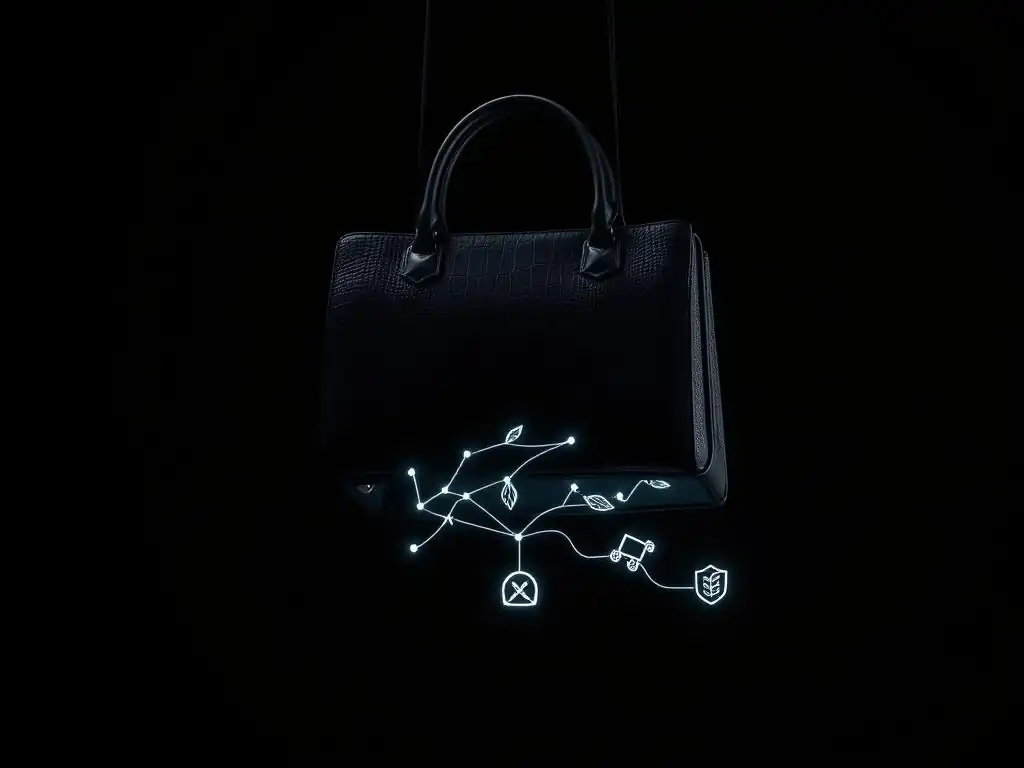
One of the most powerful outcomes of implementing blockchain in the luxury sector is the ability to empower consumers with direct access to verifiable information about the products they purchase. Traditionally, consumers rely on brand reputation, paper certificates, or retail staff assurances for authenticity. With blockchain, this changes fundamentally. By scanning a secure tag on a luxury item, a consumer can access a curated view of its on-chain history, presented through a user-friendly interface.
This interface can display key data points such as the product's origin (e.g., "Handcrafted in Florence, Italy"), details about the materials used (e.g., "Ethically sourced leather"), manufacturing date, and a record of its journey through the supply chain. For high-value items like watches or jewelry, it might include specifics about components or certifications. This direct, transparent access to immutable data builds significant trust, allowing consumers to independently verify the authenticity and provenance of their purchase, thereby strengthening the brand's credibility and reinforcing the value of blockchain luxury brand protection.
Addressing Ethical Sourcing and Sustainability Concerns in Luxury
Increasingly, consumers, particularly younger demographics, are demanding transparency regarding the ethical and environmental impact of the products they buy. The luxury sector, with its high-value materials like precious metals, gems, exotic skins, and fine fabrics, faces particular scrutiny regarding sourcing practices, labor conditions, and environmental footprint. Traditional supply chains make it incredibly difficult to verify claims about ethical sourcing or sustainability beyond the first tier of suppliers.
Blockchain provides a solution by allowing brands to record and verify ethical and sustainable practices at each stage of the supply chain. For instance, details about raw material certification (e.g., Kimberley Process for diamonds, responsible gold standards), fair labor audits at manufacturing facilities, or the use of recycled materials can be logged on the blockchain.
This creates a verifiable audit trail that consumers can access, proving that the brand's claims are backed by data. This transparency around ethical sourcing not only builds consumer trust but also aligns with growing global awareness, positioning brands that adopt blockchain for this purpose as responsible and forward-thinking, further enhancing their blockchain luxury brand protection strategy by safeguarding their image.
Enhancing Brand Reputation and Loyalty through Transparency
In the digital age, brand reputation is fragile and heavily influenced by transparency and authenticity. Counterfeiting and a lack of clarity around sourcing can severely damage a luxury brand's image. By adopting blockchain technology to provide verifiable authenticity and transparency, luxury brands can significantly enhance their reputation. Offering consumers the ability to easily verify the legitimacy and history of their purchase signals a commitment to honesty and quality that resonates deeply with discerning customers.
This enhanced transparency fosters stronger customer loyalty. When consumers feel confident that they are purchasing a genuine, ethically sourced product, and they have the tools to verify this themselves, their trust in and connection to the brand deepen. This can lead to repeat purchases, positive word-of-mouth referrals, and a stronger brand community. Ultimately, blockchain technology allows luxury brands to move beyond simply selling a product; they can sell a verifiable story of craftsmanship, quality, and responsible sourcing, solidifying their premium position in the market and ensuring long-term blockchain luxury brand protection.
Overcoming Challenges to Blockchain Adoption in Luxury Supply Chains
Scalability and Interoperability Issues
While blockchain offers significant benefits, its widespread adoption in complex luxury supply chains faces several technical hurdles. Scalability is a primary concern; some blockchain networks, particularly public ones, have limitations on the number of transactions they can process per second, which could be a bottleneck for tracking millions of individual luxury items and their numerous touchpoints. Private or permissioned blockchains, like those favored by consortiums such as Aura, offer better scalability and control but require careful design to ensure decentralization and trust among participants.
Interoperability is another challenge. The luxury supply chain involves diverse systems used by various partners – suppliers, manufacturers, logistics providers, retailers. Integrating these legacy systems with a blockchain platform requires significant technical effort. Furthermore, different brands or consortiums might choose different blockchain protocols, raising questions about how information might be shared or verified across disparate chains if needed. Addressing these issues requires robust integration solutions and potentially the development of industry-wide standards or cross-chain communication protocols to ensure seamless data flow and comprehensive blockchain luxury brand protection across the entire ecosystem.
Data Privacy and Security Considerations
While blockchain is inherently secure and immutable, implementing it in a supply chain context raises important data privacy questions. What data about a luxury product and its journey should be stored on the blockchain? How can sensitive business information, such as proprietary manufacturing processes or customer purchasing details, be protected while still providing necessary transparency? Putting too much detail on an immutable public ledger could expose sensitive data, while putting too little might undermine the goal of verifiable transparency.
Permissioned blockchains offer more control over data access, allowing brands to define who can view specific information. However, the design requires careful consideration to balance transparency with confidentiality. Furthermore, while the blockchain itself is secure, the points where data enters the blockchain – the "oracles" or physical-digital links (like QR codes or NFC tags) – remain potential vulnerabilities. Ensuring the integrity of data input and the security of physical identifiers is critical to prevent malicious actors from feeding false information onto the chain or cloning tags, which would undermine the entire blockchain luxury brand protection system.
Cost of Implementation and Technological Expertise
Implementing a blockchain solution for a luxury supply chain is a significant undertaking that requires substantial investment and specialized expertise. Brands must invest in developing or adopting a blockchain platform, integrating it with existing enterprise resource planning (ERP) and supply chain management (SCM) systems, and potentially deploying physical-digital linking technologies across potentially millions of products. This can involve considerable upfront costs in software development, hardware, and infrastructure.
Beyond the financial cost, there is a need for technological expertise. Supply chain partners, from raw material suppliers to retailers, need to understand how the blockchain system works, how to interact with it (e.g., logging data, scanning products), and the importance of data accuracy. Training staff across a global, complex network can be challenging.
The total cost of ownership, including ongoing maintenance and updates, also needs careful consideration. While the long-term benefits of enhanced trust and blockchain luxury brand protection are clear, the initial investment and the need for technological readiness across the ecosystem represent significant barriers to adoption for many luxury brands.
The Future of Blockchain in Luxury Goods: Trends and Predictions
The Rise of Decentralized Luxury Marketplaces
Looking ahead, blockchain technology is poised to influence not just the supply chain of new luxury goods but also the secondary and resale markets. Decentralized marketplaces built on blockchain could offer a secure and transparent platform for buying and selling pre-owned luxury items. By leveraging the blockchain-based digital identity and history of a product (like those provided by initiatives such as Arianee or Aura), these platforms can instantly verify the authenticity of an item listed for sale.
This eliminates the need for third-party authenticators, reduces the risk of purchasing counterfeits in the resale market, and provides buyers with confidence in their purchase. Furthermore, blockchain could facilitate fractional ownership of ultra-luxury assets (like rare watches or art) and enable new forms of digital ownership through Non-Fungible Tokens (NFTs), potentially tied to physical luxury items. This convergence of blockchain, luxury, and decentralized finance (DeFi) is likely to create entirely new business models and revenue streams while inherently providing blockchain luxury brand protection in the secondary market.
Integration with IoT and AI for Enhanced Supply Chain Visibility
The future of blockchain in luxury supply chains will likely involve deeper integration with other emerging technologies, particularly the Internet of Things (IoT) and Artificial Intelligence (AI). IoT sensors can be embedded in packaging or storage environments to monitor conditions like temperature, humidity, or location in real-time. This data can be automatically recorded onto the blockchain, providing an immutable record of the product's environmental journey, crucial for preserving the quality of sensitive luxury items like cosmetics or fine wines.
AI can be used to analyze the vast amounts of data collected on the blockchain and from IoT sensors. AI algorithms can identify patterns or anomalies in the supply chain data that might indicate potential issues, such as unusual delays, unexpected routes, or discrepancies between reported and sensor data. This predictive analysis allows brands to proactively address problems, prevent losses, and enhance the overall security and efficiency of the supply chain, complementing blockchain luxury brand protection by adding layers of real-time monitoring and intelligent analysis.
The Impact of Blockchain on Luxury Brand Value and Consumer Perception
Ultimately, the successful adoption of blockchain technology is expected to have a profound impact on luxury brand value and consumer perception. In an era where consumers are increasingly skeptical and demand transparency, the ability to provide verifiable proof of authenticity, origin, and ethical sourcing will become a significant differentiator. Brands that successfully implement blockchain solutions will likely be perceived as more trustworthy, responsible, and innovative.
This enhanced perception translates directly into increased brand value and stronger competitive positioning. As consumers become more aware of the risks of counterfeiting and the importance of sustainable practices, they will gravitate towards brands that offer verifiable assurances. Blockchain technology, by providing the infrastructure for this transparency, is set to become not just a tool for operational efficiency but a fundamental element of the luxury brand promise itself, solidifying blockchain luxury brand protection as a core component of brand identity and market leadership.
Conclusion: Blockchain – A Cornerstone for the Future of Luxury
Re-establishing Trust and Authenticity in the Luxury Market
The luxury market thrives on trust, exclusivity, and the assurance of authenticity. However, the increasing sophistication of counterfeiters and the complexities of global supply chains have eroded this trust for both brands and consumers. Blockchain technology offers a powerful mechanism to re-establish and reinforce this fundamental pillar of the luxury industry. By creating immutable, transparent, and verifiable records of a product's identity and journey, blockchain provides an undeniable proof of authenticity that traditional methods struggle to match.
This ability to definitively prove that a luxury item is genuine, ethically sourced, and has followed a legitimate path from creation to ownership is invaluable. It empowers brands to stand behind their products with confidence and enables consumers to purchase luxury goods with the assurance that they are acquiring a true piece of craftsmanship and value. Blockchain acts as a digital guardian, safeguarding the integrity of luxury items and the reputation of the brands that create them.
Securing the Future of Luxury Brands with Blockchain Technology
For luxury brands looking to secure their future in an increasingly digital and complex world, embracing blockchain technology is becoming less of an option and more of a necessity. The threats of counterfeiting, gray markets, and erosion of trust are existential. Blockchain provides a robust, forward-thinking solution for blockchain luxury brand protection, offering unprecedented levels of security, transparency, and traceability throughout the entire product lifecycle.
Implementing blockchain enables brands to combat illicit trade more effectively, manage their distribution channels with greater control, and build deeper, more trusting relationships with their customers. It positions brands as pioneers in adopting innovative solutions for transparency and responsibility. As the technology matures and industry standards develop, blockchain will likely become a standard feature in the luxury sector, essential for maintaining competitiveness and preserving the intrinsic value of luxury goods.
Call to Action: Embracing Blockchain for a More Transparent and Secure Luxury Ecosystem
The path to a more transparent and secure luxury ecosystem is clear, and blockchain technology is the key enabler. Luxury brands must move beyond pilot programs and explore scalable implementations of blockchain solutions within their supply chains. This requires collaboration, investment, and a commitment to digital transformation.
Brands should investigate consortium models, explore integration with physical-digital identifiers, and develop consumer-facing interfaces that make product history easily accessible. While challenges exist regarding cost, scalability, and integration, the long-term benefits of enhanced blockchain luxury brand protection, increased consumer trust, and strengthened brand reputation far outweigh the hurdles. The future of luxury lies in verifiable authenticity and transparency, and blockchain is the technology that will help build that future. Embracing it now is crucial for any luxury brand serious about protecting its legacy and connecting with the discerning consumer of tomorrow.
Frequently Asked Questions
How can blockchain technology help luxury brands combat counterfeiting?
Blockchain provides an immutable and transparent ledger to track the product's journey from origin to consumer, making it easier to verify authenticity and detect counterfeit products.
What are the key benefits of using blockchain for luxury brand protection?
Using blockchain allows for enhanced transparency, increased consumer trust, and reduced losses from counterfeiting by building a verifiable chain of custody.
What types of information can be stored on a blockchain for luxury goods?
Details such as origin of materials, manufacturing process, ownership history, and certificates of authenticity can be securely stored and accessed on the blockchain.
How does blockchain contribute to building consumer trust in the luxury goods market?
By offering verifiable proof of authenticity and transparent supply chain information, blockchain empowers consumers to make informed purchasing decisions, boosting trust and confidence.
What are the potential challenges of implementing blockchain for luxury brand protection?
Challenges include the cost of implementation, scalability concerns, and the need for industry-wide collaboration to ensure the interoperability of different blockchain solutions.
Final Reflection: Securing Luxury's Legacy with Blockchain
The insights explored throughout this article underscore a critical truth: the future of luxury hinges on trust and transparency. In a world increasingly saturated with counterfeits and ethical concerns, the adoption of blockchain technology isn't merely a technological upgrade; it's a fundamental shift towards safeguarding brand integrity and empowering consumers with verifiable provenance. The stakes are high, and the luxury industry's response to these challenges will define its enduring appeal.
The impact of blockchain on luxury goods extends far beyond authentication. It's about fostering a deeper connection between brands and consumers, built on mutual respect and shared values. This technology has the potential to reshape the very definition of luxury, moving beyond mere exclusivity to encompass ethical sourcing, sustainable practices, and unwavering authenticity. Trust is the new currency of luxury. Blockchain is the ledger that validates it.
This sentiment captures the essence of the transformative power at our fingertips.
As we look ahead, let us not view blockchain as simply a technological solution, but as a catalyst for positive change within the luxury industry. Consider how you, as a consumer, can demand greater transparency and accountability from the brands you support. Reflect on the power of informed choices and the role you play in shaping a future where authenticity reigns supreme. The future of luxury is in our hands; let's build it on a foundation of trust, secured by the immutable power of blockchain.
Unveil Your Role in the Future of Trust!
Thank you for exploring how blockchain is transforming luxury goods supply chains. We hope this article has shown how this technology helps safeguard brands and empower consumers. Now, it's your turn to take action and become part of the solution.
Here are a few ways you can contribute to creating a more transparent and trustworthy luxury market:
- Demand Transparency: When purchasing luxury items, seek out brands that use blockchain technology to verify authenticity and ethical sourcing. Your choice encourages industry change.
- Explore Emerging Platforms: Learn about blockchain-based platforms dedicated to verifying luxury goods. Share your insights and experiences with others.
- Join the Conversation: Talk about the importance of transparency and authenticity in luxury products within your network. Help raise awareness and promote blockchain adoption.
What questions would you ask luxury brands to ensure their supply chains are genuinely transparent and ethical? Share your ideas in the comments below!
Leave a Reply