
IoT Security Breaches Meet Blockchain: A Collision Course or Perfect Storm?

Welcome to Blockchain Trends, your compass in the rapidly evolving world of decentralized technology!
Are you ready to explore how blockchain is moving beyond cryptocurrency, impacting everything from finance to supply chains? In this article, we dive deep into a critical intersection: Blockchain IoT security breaches. Could blockchain be the key to securing our increasingly connected world, or will vulnerabilities in IoT devices create a perfect storm? Uncover the potential solutions and emerging challenges as we analyze the intricacies of this crucial topic and how it impacts the future of secure data transmission.
IoT Security Breaches Meet Blockchain: A Collision Course or Perfect Storm?
- Introduction: The Convergence of IoT Vulnerabilities and Blockchain Solutions
- Understanding the Threat Landscape: IoT Security Breaches Explained
- Blockchain's Potential to Fortify IoT Security
- Blockchain-Based Solutions for IoT Security: A Detailed Overview
- Challenges and Limitations of Implementing Blockchain in IoT Security
- Case Studies: Blockchain Successfully Mitigating IoT Security Breaches
- The Future of Blockchain and IoT Security: Trends and Predictions
- Conclusion: Navigating the Intersection of IoT Security Risks and Blockchain Opportunities
-
Frequently Asked Questions
- How can blockchain technology help mitigate IoT security breaches?
- What are the main vulnerabilities in traditional IoT security that blockchain can address?
- How does blockchain's immutability improve IoT data integrity and security?
- What are the challenges in implementing blockchain solutions for IoT security?
- How might future regulations impact the use of blockchain for IoT security?
- Final Reflection: Navigating the Blockchain IoT Security Breach Landscape
- Unleash Blockchain's Shield: Fortify Your IoT Future!
Introduction: The Convergence of IoT Vulnerabilities and Blockchain Solutions
Exploring the Intersection of IoT and Blockchain: A New Paradigm
The Internet of Things (IoT) has rapidly expanded, connecting billions of devices and transforming industries from healthcare to manufacturing. This interconnectedness, while offering unprecedented convenience and efficiency, has also unveiled a significant attack surface. Simultaneously, blockchain technology, initially known for cryptocurrencies, has emerged as a powerful tool for enhancing security and trust in digital systems.
The convergence of these two technologies – IoT and blockchain – presents a fascinating landscape. We are at a critical juncture where the inherent vulnerabilities of IoT devices are increasingly exposed to sophisticated cyber threats. This article explores whether blockchain can be the much-needed solution to bolster IoT security, transforming potential collision into a synergistic perfect storm of innovation and resilience.
Why Blockchain is Being Considered for IoT Security Enhancement
Traditional security models, often centralized and reliant on perimeter defenses, struggle to effectively secure the distributed and dynamic nature of IoT ecosystems. The sheer volume of devices, diverse communication protocols, and often limited processing power of IoT devices create unique security challenges. Blockchain's decentralized, transparent, and immutable nature offers a compelling alternative.
Its distributed ledger technology can provide a secure and auditable record of transactions and data exchanges within IoT networks, enhancing trust and accountability. Furthermore, blockchain's cryptographic security mechanisms can strengthen device authentication and data integrity, addressing some of the most pressing security concerns in the expanding IoT landscape.
Understanding the Threat Landscape: IoT Security Breaches Explained
Common Types of IoT Security Vulnerabilities
IoT devices, often designed with cost-effectiveness and rapid deployment in mind, frequently lack robust security features. Common vulnerabilities include weak default passwords, insecure firmware, and insufficient data encryption. Many devices also suffer from outdated software and lack regular security updates, leaving them susceptible to known exploits.
Furthermore, the diverse range of communication protocols used in IoT networks, such as MQTT, CoAP, and Zigbee, each presents its own set of potential security weaknesses that attackers can exploit. Insecure APIs and cloud interfaces used to manage and control IoT devices also represent significant entry points for malicious actors seeking to compromise entire IoT ecosystems.
The Increasing Frequency and Severity of IoT Attacks
The number of IoT security breaches is on a stark upward trajectory. Reports from cybersecurity firms indicate a significant year-over-year increase in attacks targeting IoT devices. For example, a study by Palo Alto Networks found a 217% increase in IoT attacks in the first half of 2023 compared to the same period in 2022.
These attacks are not only becoming more frequent but also more sophisticated and impactful. They range from denial-of-service attacks leveraging botnets composed of compromised IoT devices, like the Mirai botnet which famously targeted DNS provider Dyn in 2016, to data breaches exposing sensitive user information collected by smart devices and industrial espionage targeting critical infrastructure controlled by IoT systems.
Real-World Examples of Damaging IoT Security Breaches
The consequences of IoT security breaches can be severe and far-reaching. In 2020, researchers discovered vulnerabilities in popular baby monitors that allowed attackers to remotely access live video and audio feeds, highlighting privacy risks. The healthcare sector, increasingly reliant on connected medical devices, has also been a target.
Hospitals have faced ransomware attacks targeting IoT-enabled medical equipment, disrupting patient care and potentially endangering lives. Furthermore, industrial control systems (ICS) reliant on IoT for automation have been targeted by sophisticated cyberattacks, with potential for significant disruptions to critical infrastructure like power grids and water treatment plants. The Stuxnet worm, discovered in 2010, while predating the current IoT boom, served as an early warning of the potential for cyberattacks to target industrial control systems, a threat that has only amplified with the proliferation of IoT in industrial settings.
Blockchain's Potential to Fortify IoT Security
Blockchain's Decentralized Architecture: A Security Advantage for IoT
Blockchain's decentralized nature offers a significant security advantage over traditional centralized systems commonly used in IoT. In a centralized system, a single point of failure exists, making it a prime target for attackers. Compromising the central server can grant access to the entire network.
Blockchain, on the other hand, distributes data across multiple nodes in a network, eliminating single points of failure. If one node is compromised, the integrity of the overall system remains intact because the majority of nodes must agree on the validity of data. This distributed architecture makes blockchain networks inherently more resilient to attacks and tampering, providing a more robust security foundation for sprawling IoT deployments.
Immutable Ledgers: Ensuring Data Integrity in IoT Networks
Data integrity is paramount in IoT applications, especially in critical sectors like healthcare and supply chain management. Blockchain's immutable ledger technology ensures that once data is recorded on the blockchain, it cannot be altered or deleted. Every transaction or data entry is cryptographically linked to the previous one, creating a tamper-proof audit trail.
In IoT contexts, this immutability can be crucial for verifying the authenticity and provenance of data collected by sensors and devices. For example, in supply chains, blockchain can track the journey of goods from origin to consumer, ensuring data about temperature, location, and handling is accurate and trustworthy, preventing counterfeiting and ensuring product quality.
Smart Contracts: Automating Security Protocols in IoT Devices
Smart contracts, self-executing agreements written in code and stored on the blockchain, can automate security protocols and responses in IoT ecosystems. These contracts can be programmed to automatically enforce access control policies, trigger security alerts based on predefined conditions, or even initiate automated responses to security threats.
For instance, a smart contract could automatically revoke access to a device if it detects anomalous behavior or if a security patch is not applied within a specified timeframe. This automation reduces the need for manual intervention and enhances the speed and efficiency of security responses, crucial in managing the vast and dynamic nature of IoT networks.
Blockchain-Based Solutions for IoT Security: A Detailed Overview
Blockchain for Secure Device Identity and Authentication in IoT
Establishing and verifying the identity of IoT devices is a fundamental security requirement. Blockchain can provide a secure and decentralized identity management system for IoT devices. Each device can be assigned a unique digital identity stored on the blockchain, acting as a cryptographic fingerprint.
This identity can be used for secure authentication, ensuring that only authorized devices can access the network and exchange data. Traditional centralized authentication systems can be vulnerable to single points of failure and spoofing attacks. Blockchain-based identity solutions offer a more robust and tamper-proof approach, enhancing trust and security in device-to-device and device-to-server communications within IoT networks.
Data Encryption and Access Control Using Blockchain in IoT Ecosystems
Blockchain can enhance data encryption and access control in IoT by providing a secure and transparent framework for managing cryptographic keys and permissions. Blockchain-based systems can facilitate the secure exchange and management of encryption keys between IoT devices and authorized users or applications. Furthermore, access control policies can be implemented using smart contracts, defining who can access and interact with specific IoT data streams. This granular control over data access, enforced through blockchain's immutable ledger, significantly reduces the risk of unauthorized data access and data breaches in complex IoT deployments.
Auditing and Traceability of IoT Data with Blockchain Technology
The ability to audit and trace data flows is crucial for identifying and responding to security incidents in IoT environments. Blockchain's inherent audit trail capabilities provide a transparent and immutable record of all data transactions and device activities within an IoT network.
This audit trail can be invaluable for forensic analysis after a security breach, allowing investigators to pinpoint the source and scope of the attack, and to identify compromised devices or data. Furthermore, real-time monitoring of the blockchain ledger can provide early warnings of suspicious activities, enabling proactive security measures to be taken before a major security incident occurs.
Challenges and Limitations of Implementing Blockchain in IoT Security
Scalability Issues: Can Blockchain Handle the Volume of IoT Data?
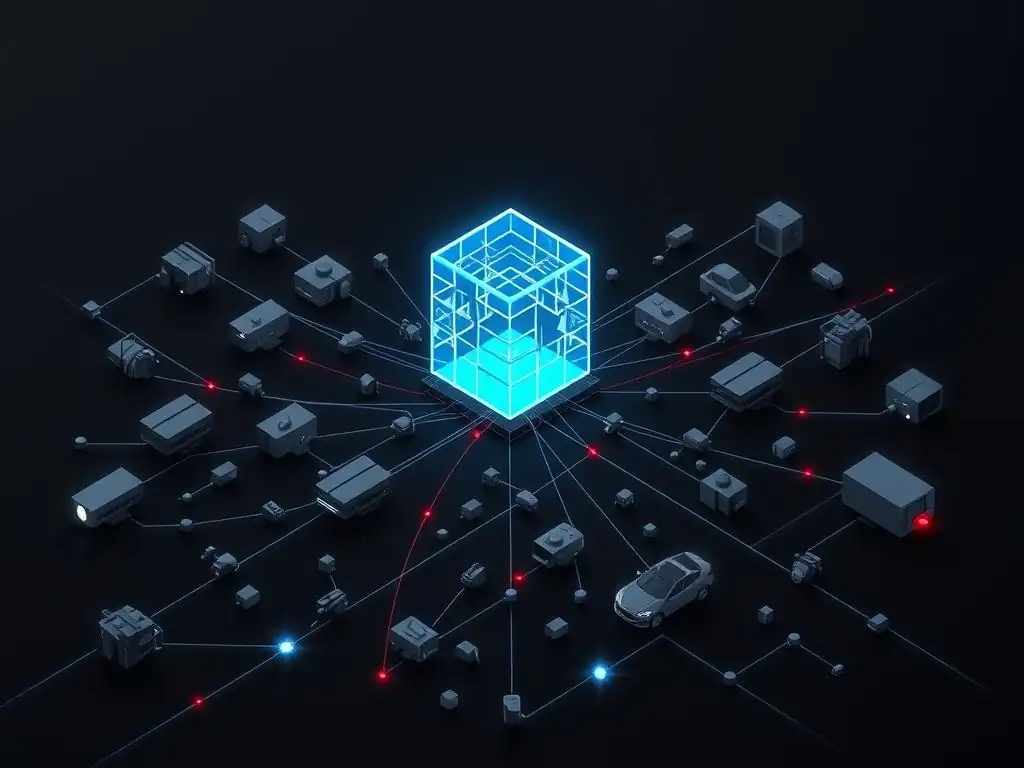
One of the primary challenges in applying blockchain to IoT security is scalability. IoT networks can generate massive volumes of data from billions of devices, often in real-time. Traditional blockchain technologies, particularly those relying on proof-of-work consensus mechanisms, can struggle to handle this high throughput and low latency data flow.
Transaction processing speeds and block sizes in many public blockchains are limited, potentially creating bottlenecks in data processing and network performance if applied directly to large-scale IoT deployments. Research and development are ongoing to explore more scalable blockchain solutions, such as layer-2 scaling solutions and sharding techniques, to address the scalability demands of IoT.
Interoperability Challenges: Integrating Blockchain with Existing IoT Infrastructure
Integrating blockchain with existing, often heterogeneous, IoT infrastructure presents significant interoperability challenges. IoT devices and systems utilize a wide range of communication protocols, data formats, and hardware architectures. Seamlessly integrating blockchain solutions into this diverse ecosystem requires addressing compatibility issues and developing interoperability standards. Furthermore, many legacy IoT devices lack the processing power and memory required to run blockchain clients directly. Solutions like edge computing and blockchain gateways are being explored to bridge the gap between resource-constrained IoT devices and blockchain networks, enabling secure communication and data exchange.
Regulatory and Compliance Considerations for Blockchain-Based IoT Security
The regulatory landscape surrounding blockchain and IoT is still evolving, creating uncertainties and compliance challenges. Data privacy regulations, such as GDPR and CCPA, impose strict requirements on data handling and security, which must be carefully considered when implementing blockchain-based IoT security solutions. Issues such as data residency, right to be forgotten, and data minimization need to be addressed in the context of blockchain's immutable ledger.
Furthermore, industry-specific regulations, such as those in healthcare and finance, may impose additional compliance requirements on the use of blockchain and IoT technologies. Navigating this complex regulatory environment requires careful planning and adherence to best practices to ensure legal and regulatory compliance.
Case Studies: Blockchain Successfully Mitigating IoT Security Breaches
Blockchain-Based Authentication for Smart Home Devices
Consider a smart home scenario where numerous devices, from lights and thermostats to security cameras and door locks, are interconnected. Traditional centralized authentication systems can be vulnerable if the central hub is compromised. A blockchain-based authentication system can enhance security by providing a decentralized and tamper-proof identity management solution for each smart home device.
For example, startups like Filament have explored using blockchain to create secure identities for IoT devices. Each device is registered on a private blockchain, and authentication requests are verified against this distributed ledger, eliminating single points of failure and significantly reducing the risk of unauthorized access to smart home devices and sensitive user data.
Supply Chain Tracking and Integrity Using Blockchain in IoT
In global supply chains, ensuring the authenticity and integrity of goods is crucial. Counterfeit products and compromised supply chains can lead to significant financial losses and safety risks. Integrating blockchain and IoT can provide a powerful solution for enhancing supply chain transparency and security. For instance, companies like IBM and Maersk have collaborated on TradeLens, a blockchain-based platform for supply chain management.
IoT sensors attached to shipping containers and products can transmit real-time data about location, temperature, and humidity to the blockchain. This data is immutably recorded, providing a verifiable and auditable record of the product's journey, ensuring provenance and preventing counterfeiting. This combination of blockchain and IoT improves supply chain efficiency, reduces fraud, and enhances consumer trust.
The Future of Blockchain and IoT Security: Trends and Predictions
Advancements in Blockchain Technology for Enhanced IoT Security
Ongoing advancements in blockchain technology are directly addressing some of the current limitations for IoT security applications. Layer-2 scaling solutions, such as state channels and rollups, are increasing transaction throughput and reducing latency, making blockchain more suitable for high-volume IoT data streams. Furthermore, research into lightweight blockchain protocols, designed specifically for resource-constrained devices, is paving the way for direct integration of blockchain capabilities into IoT devices themselves. Consortium blockchains and private blockchains are also gaining traction for enterprise IoT deployments, offering a balance between decentralization and control, while addressing scalability and privacy concerns.
The Role of AI and Machine Learning in Blockchain-Based IoT Security
The integration of Artificial Intelligence (AI) and Machine Learning (ML) with blockchain is poised to further enhance IoT security. AI and ML algorithms can analyze vast amounts of IoT data recorded on the blockchain to detect anomalies, predict potential security threats, and automate security responses. For example, ML models can be trained to identify unusual device behavior or network traffic patterns that may indicate a security breach. Combined with blockchain's immutability and auditability, AI-powered security analytics can provide a proactive and adaptive defense against evolving IoT threats, moving beyond reactive security measures.
The Evolving Landscape of IoT Security Threats and Blockchain Defenses
The landscape of IoT security threats is constantly evolving, with attackers continuously developing new exploits and attack vectors. As IoT devices become more pervasive and interconnected, the potential attack surface expands, and the consequences of security breaches become more significant. Blockchain technology, while not a silver bullet, offers a powerful set of tools to strengthen IoT security defenses. The future will likely see a hybrid approach, combining blockchain-based security solutions with traditional security measures and AI-powered threat detection, to create a layered and resilient security architecture for the ever-expanding Internet of Things.
Key Takeaways: Blockchain as a Tool for Mitigating IoT Security Breaches
Blockchain technology presents a compelling approach to mitigating many of the inherent security risks in IoT ecosystems. Its decentralized architecture, immutable ledger, and smart contract capabilities offer significant advantages in enhancing device identity management, data integrity, access control, and auditability in IoT networks. While challenges related to scalability, interoperability, and regulatory compliance remain, the potential benefits of blockchain for IoT security are substantial. Blockchain is not intended to replace all existing security measures but rather to complement and strengthen them, providing a more robust and trustworthy foundation for the future of the Internet of Things.
The Path Forward: Integrating Blockchain for a More Secure IoT Future
The path forward involves a strategic and phased approach to integrating blockchain into IoT security architectures. This includes developing interoperable blockchain solutions that can seamlessly integrate with existing IoT infrastructure, addressing scalability concerns through technological advancements and optimized implementations, and proactively navigating the evolving regulatory landscape.
Collaboration between blockchain developers, IoT device manufacturers, cybersecurity experts, and policymakers is crucial to realize the full potential of blockchain in creating a more secure, resilient, and trustworthy Internet of Things. By embracing innovation and addressing the challenges head-on, we can harness the power of blockchain to transform the collision course of IoT security breaches into a perfect storm of security and opportunity.
Frequently Asked Questions
How can blockchain technology help mitigate IoT security breaches?
Blockchain offers a decentralized and immutable ledger, making it harder for hackers to tamper with data. This enhanced security can help prevent unauthorized access and manipulation of IoT device data. It also provides improved data integrity which helps in detecting breaches.
What are the main vulnerabilities in traditional IoT security that blockchain can address?
Traditional IoT security often relies on centralized servers, creating a single point of failure. Blockchain's distributed nature eliminates this vulnerability. Furthermore, blockchain can improve device authentication making it harder for attackers to impersonate devices.
How does blockchain's immutability improve IoT data integrity and security?
Blockchain's immutability means that once data is recorded, it cannot be altered. This creates a verifiable audit trail for all IoT device interactions. This is extremely valuable in detecting and preventing malicious activities that lead to security breaches.
What are the challenges in implementing blockchain solutions for IoT security?
Implementing blockchain in IoT faces challenges like scalability, as IoT networks can involve millions of devices. There are also resource constraints in many IoT devices, making it difficult to run complex blockchain protocols. Finally, there's the issue of standardization and interoperability between different blockchain and IoT systems.
How might future regulations impact the use of blockchain for IoT security?
Future regulations could either encourage or hinder the adoption of blockchain for IoT. Clear regulatory guidelines regarding data privacy and security are needed. Standards for blockchain-based IoT solutions would also be beneficial to widespread adoption, but overregulation could stifle innovation.
The exploration of Blockchain's potential to mitigate IoT security breaches reveals a critical juncture in our technological evolution. While the promise of decentralized security offers a beacon of hope, the complexities of implementation and the ever-evolving threat landscape demand a cautious and informed approach. The collision course, or perhaps the perfect storm, we've examined underscores the urgent need for proactive measures and collaborative innovation.
The intersection of Blockchain and IoT security isn't just a technical challenge; it's a reflection of our growing reliance on interconnected devices and the inherent vulnerabilities that come with that dependence. This exploration has reinforced the importance of prioritizing security at every stage of IoT development, not as an afterthought, but as a fundamental principle. Security is always seen as too expensive until you aren't secure anymore.
This quote perfectly encapsulates the reactive approach that often plagues cybersecurity, highlighting the necessity for a paradigm shift towards proactive and preventative strategies.
As we move forward, let us not be passive observers of this technological convergence. Instead, let us actively engage in shaping a future where the benefits of IoT are not overshadowed by the risks of security breaches. Consider how you, as a developer, a consumer, or a policymaker, can contribute to building a more secure and resilient IoT ecosystem. The power to navigate this landscape responsibly lies within each of us.
Unleash Blockchain's Shield: Fortify Your IoT Future!
Thank you for exploring the intersection of IoT security and blockchain with us. We hope you now have a clearer understanding of the challenges and opportunities that lie ahead. Are you ready to strengthen your IoT security measures?
Here are some actionable steps you can take right now:
- Investigate practical blockchain applications for IoT security by reviewing real-world case studies and identifying solutions relevant to your industry or specific needs.
- Explore the emerging landscape of decentralized IoT security platforms. Evaluate the advantages and disadvantages of different options and consider contributing to open-source projects in this area.
- Share this article with your colleagues to spark a discussion about proactive IoT security strategies. Together, we can work towards a more secure future!
What is one blockchain solution you believe has the greatest potential to transform IoT security in the coming year? Share your thoughts in the comments below!
Leave a Reply