
Data Ownership Dilemmas: Who Controls IoT Data Secured by Blockchain?


Welcome to Blockchain Trends, your definitive source for understanding the evolving world of blockchain technology. Are you ready to delve into the fascinating intersection of blockchain and the Internet of Things? This week, we're unraveling the complexities of Blockchain IoT data control, exploring who truly owns and manages the vast streams of information generated by interconnected devices. Prepare to question conventional wisdom and discover the innovative solutions shaping the future of data security and ownership. Curious to know who holds the keys to this decentralized data kingdom? Read on and find out!
Data Ownership Dilemmas: Who Controls IoT Data Secured by Blockchain?
- Introduction: The Intersection of Blockchain, IoT, and Data Ownership
- The Promise of Blockchain for Securing IoT Data
- The Data Ownership Dilemma in Blockchain-Secured IoT
- Different Perspectives on Blockchain IoT Data Control
- Potential Solutions and Frameworks for Data Ownership
- Use Cases Highlighting Data Ownership Issues
- Regulatory Landscape and the Future of Blockchain IoT Data Control
- Overcoming the Challenges: A Path Forward for Ethical Data Control
- Conclusion: Navigating the Complexities of Blockchain IoT Data Control
-
Frequently Asked Questions
- What are the primary data ownership dilemmas arising from the intersection of IoT and blockchain?
- How can blockchain technology help improve IoT data control and security?
- What are some potential enterprise applications of blockchain for managing IoT data?
- What are the regulatory challenges surrounding blockchain and IoT data ownership?
- How can decentralized systems powered by blockchain shape the future of IoT data ownership?
- Final Reflection: Reclaiming Control in the Data Deluge
- Empower Your IoT Future: Take Control of Your Data!
Introduction: The Intersection of Blockchain, IoT, and Data Ownership
Exploring the Convergence of IoT and Blockchain Technologies
The Internet of Things (IoT) has exploded in recent years, connecting billions of devices from smart refrigerators to industrial sensors. This proliferation generates unprecedented volumes of data, offering immense potential for efficiency, innovation, and new services. However, the sheer scale and decentralized nature of IoT networks present significant challenges in data security and management. Enter blockchain technology, with its inherent properties of decentralization, immutability, and transparency, offering a compelling solution to address these IoT data challenges. The convergence of IoT and blockchain promises to revolutionize data handling, moving away from centralized, vulnerable systems towards more secure and user-centric models.
This intersection is not merely theoretical. Consider the supply chain industry, where IoT sensors track goods in transit, generating real-time location and condition data. Traditionally, this data is siloed within individual company databases, creating inefficiencies and trust issues between partners. By leveraging blockchain, this data can be recorded on a shared, immutable ledger, providing all stakeholders with a verifiable and transparent record of the goods' journey. This example highlights how blockchain's capabilities are directly applicable to solving real-world IoT data management problems, driving efficiency and building trust across complex ecosystems.
The Growing Importance of Data Security in IoT Ecosystems
As IoT devices become increasingly integrated into our daily lives and critical infrastructure, the importance of data security cannot be overstated. From smart homes controlling access and energy consumption to industrial control systems managing power grids and manufacturing plants, the potential consequences of data breaches and unauthorized access are severe.
A compromised smart home device could expose personal routines and vulnerabilities, while a security flaw in an industrial IoT system could lead to catastrophic failures and economic disruption. The Verizon 2023 Data Breach Investigations Report highlighted that attacks on IoT devices are on the rise, emphasizing the urgent need for robust security measures in these interconnected environments.
Moreover, the value of data generated by IoT devices is immense and constantly growing. Market research firm IDC projects that the global datasphere will reach 175 zettabytes by 2025, with a significant portion originating from IoT devices. This data fuels artificial intelligence, predictive analytics, and a host of data-driven services. Securing this data is not just about preventing breaches; it's about protecting a valuable asset and ensuring the continued growth and innovation within the IoT ecosystem. Without robust security, the potential of IoT to transform industries and improve lives will be severely hampered by concerns over privacy and vulnerability.
Defining the Central Challenge: Blockchain IoT Data Control
The promise of blockchain to secure IoT data is clear, but it also introduces a complex question: who controls this data when secured by a decentralized and distributed ledger? While blockchain enhances security and transparency, it does not inherently solve the data ownership dilemma. In traditional IoT systems, data ownership is often implicitly or explicitly defined by service providers or device manufacturers. However, the decentralized nature of blockchain challenges this centralized control model. The very technology designed to secure IoT data also raises fundamental questions about who has the right to access, use, and monetize this information.
This central challenge of blockchain IoT data control is multifaceted, encompassing technical, legal, and ethical dimensions. Technically, how can access control be implemented on a blockchain to ensure only authorized parties can view or utilize IoT data? Legally, existing data privacy regulations like GDPR and CCPA need to be adapted to the decentralized and distributed nature of blockchain-secured IoT data.
Ethically, how do we balance the benefits of data-driven innovation with the fundamental rights of individuals to control their personal data generated by IoT devices? Addressing these questions is crucial for realizing the full potential of blockchain in IoT while ensuring responsible and user-centric data management.
The Promise of Blockchain for Securing IoT Data
Blockchain's Role in Enhancing IoT Security and Integrity
Blockchain technology offers a suite of features that directly address key security vulnerabilities prevalent in traditional IoT systems. Its decentralized nature eliminates single points of failure, making it significantly harder for attackers to compromise the entire system. Unlike centralized databases that can be attractive targets for hackers, a blockchain is distributed across multiple nodes, requiring attackers to compromise a vast majority of the network to gain control. This distributed architecture inherently enhances resilience and reduces the risk of widespread data breaches.
Furthermore, the cryptographic principles underpinning blockchain ensure data integrity and authenticity. Each block in the chain is cryptographically linked to the previous one, creating an immutable record of transactions or data. Any tampering with data within a block would require altering all subsequent blocks, which is computationally infeasible for a well-established blockchain network.
This immutability is crucial for IoT applications where data integrity is paramount, such as in supply chain tracking or industrial monitoring. For example, in pharmaceutical supply chains, blockchain can ensure the authenticity of drugs by providing an unalterable record of their origin and journey, combating counterfeit medications and protecting patient safety.
Decentralized Data Storage and Immutable Records: Benefits for IoT
Decentralized data storage, a core tenet of blockchain, offers significant advantages for IoT ecosystems. Traditional centralized cloud storage solutions, while convenient, create potential bottlenecks and single points of vulnerability. In contrast, blockchain-based decentralized storage distributes data across a network of nodes, increasing resilience and reducing reliance on a single provider. This is particularly beneficial for IoT networks that often involve a vast number of devices and generate massive data volumes, making centralized storage solutions potentially less scalable and more vulnerable.
Immutable records on a blockchain provide an auditable and transparent history of IoT data. Every data entry, whether it's a sensor reading or a device command, is permanently recorded and timestamped on the blockchain. This immutability is invaluable for applications requiring accountability and traceability, such as in smart contracts governing IoT device interactions or in regulatory compliance for data logging. For instance, in the energy sector, smart grids utilizing blockchain can record energy consumption and generation data immutably, facilitating accurate billing and transparent energy trading. This transparency and immutability build trust among participants in the IoT ecosystem.
Smart Contracts and Automated Data Management in IoT Networks
Smart contracts, self-executing agreements coded on a blockchain, automate data management and interactions within IoT networks, enhancing efficiency and security. In traditional IoT systems, data exchange and device interactions often rely on complex APIs and centralized intermediaries, introducing potential points of failure and security risks. Smart contracts, on the other hand, enable pre-defined rules and conditions to be automatically enforced on the blockchain, eliminating the need for intermediaries and reducing the risk of manipulation.
Consider a scenario in smart agriculture where IoT sensors monitor soil conditions and weather patterns. A smart contract can be programmed to automatically trigger irrigation systems based on sensor data and pre-defined thresholds. This automation not only optimizes resource utilization but also ensures that actions are taken based on verified data recorded on the blockchain, enhancing the reliability and efficiency of the entire agricultural process. Smart contracts can also automate data access permissions, ensuring that only authorized devices or users can access specific IoT data streams, strengthening data security and privacy within the network.
The Data Ownership Dilemma in Blockchain-Secured IoT
Identifying the Key Stakeholders in IoT Data Generation and Usage
In a typical IoT ecosystem, various stakeholders are involved in the generation, transmission, and utilization of data. These stakeholders include device manufacturers who create the IoT devices, users who own and operate these devices, service providers who offer applications and services leveraging IoT data, and potentially data aggregators and third-party analytics firms.
Each stakeholder has a different relationship with the IoT data and potentially different expectations regarding data ownership and control. For example, a smart thermostat manufacturer might collect usage data for product improvement, while the homeowner using the thermostat might expect privacy and control over their energy consumption data.
Understanding the roles and interests of each stakeholder is crucial for addressing the blockchain IoT data control dilemma. Consider a smart city initiative deploying IoT sensors for traffic management and environmental monitoring. Stakeholders could include the city government deploying the sensors, citizens whose movements are tracked, transportation companies utilizing traffic data, and environmental agencies analyzing air quality data. Each of these stakeholders has a legitimate interest in the data, but their perspectives on data ownership and control may differ significantly, highlighting the complexity of defining data ownership in these interconnected ecosystems.
Defining Data Ownership: Legal and Technical Perspectives
Defining data ownership is not straightforward, especially in the context of blockchain and IoT. From a legal perspective, data ownership is often tied to data privacy regulations like GDPR and CCPA, which grant individuals rights over their personal data. However, these regulations primarily focus on personal data and may not fully address the complexities of machine-generated data in IoT networks. Furthermore, legal frameworks regarding data ownership vary across jurisdictions, creating challenges for globally deployed IoT systems. The legal definition of data ownership often revolves around control and rights related to processing, access, and transfer of data.
Technically, data ownership in a blockchain context can be interpreted through the lens of cryptographic keys and access control mechanisms. In a permissioned blockchain, data access can be controlled through access control lists and encryption, allowing data owners to grant or revoke access to specific parties. In permissionless blockchains, data ownership might be linked to the private keys associated with the addresses where data is stored.
However, technical mechanisms alone do not fully resolve the legal and ethical dimensions of data ownership. A comprehensive approach requires aligning technical solutions with legal frameworks and ethical considerations to establish clear and enforceable data ownership models in blockchain-secured IoT.
The Challenge of Balancing Decentralization with Data Control
Blockchain's inherent decentralization, while enhancing security and resilience, presents a challenge when it comes to data control. The very nature of a distributed ledger makes it difficult for any single entity to exert centralized control over the data stored on it. This decentralization can be at odds with traditional notions of data ownership, where individuals or organizations expect to have exclusive control over their data. The challenge lies in finding a balance between the benefits of decentralization offered by blockchain and the need for effective data control mechanisms to ensure privacy, security, and compliance.
This balancing act requires innovative approaches to data governance in blockchain-secured IoT. Solutions might involve hybrid models that combine decentralized infrastructure with centralized control mechanisms for specific aspects of data management, such as access permissions or data usage policies. Furthermore, technologies like zero-knowledge proofs and homomorphic encryption can enable data processing and analysis on blockchain without revealing the underlying data, offering a way to leverage the benefits of decentralized data sharing while preserving data privacy and control. Addressing this challenge is crucial for making blockchain-secured IoT systems both secure and user-centric, fostering trust and adoption.
Different Perspectives on Blockchain IoT Data Control
The Device Manufacturer's Perspective: Limited Access for Maintenance and Updates
From the perspective of an IoT device manufacturer, data access is primarily needed for device maintenance, performance monitoring, and software updates. Manufacturers typically require diagnostic data to identify and resolve technical issues, ensure devices are functioning correctly, and push firmware updates to improve functionality and security. However, manufacturers generally have limited interest in accessing user-generated data unrelated to device performance. Their focus is on maintaining the functionality and security of their products, not necessarily exploiting user data for other purposes.
For instance, a smart refrigerator manufacturer might need access to temperature sensor data and error logs to diagnose malfunctions remotely and provide timely support. They might also need to push software updates to improve energy efficiency or add new features. However, the manufacturer likely has no legitimate need to access data about the food stored inside the refrigerator or the user's dietary habits. Therefore, manufacturers advocate for limited and purpose-specific data access, primarily focused on device-centric data required for maintenance and updates, while respecting user privacy regarding personal or usage data.
The User's Perspective: Full Control and Portability of Personal Data
Users, as the individuals generating data through their interactions with IoT devices, generally expect to have full control over their personal data and demand data portability. This perspective aligns with data privacy principles enshrined in regulations like GDPR, which grants individuals the right to access, rectify, erase, and port their personal data.
Users want to be able to decide who has access to their data, how it is used, and to be able to move their data between different services and platforms. This expectation of user-centric data control is paramount for building trust in IoT ecosystems and ensuring ethical data handling.
Consider a user of a wearable fitness tracker. They generate personal health data, including heart rate, sleep patterns, and activity levels. From a user's perspective, this data belongs to them, and they should have the right to access it, control who else can access it (e.g., doctors, fitness coaches), and port it to different fitness apps or platforms. Users are increasingly concerned about data privacy and expect IoT devices and services to respect their data rights, providing them with transparency and control over their personal information generated by these devices.
Service providers, offering applications and services that leverage IoT data, require secure and authorized data access to deliver value-added services to users. These services often rely on analyzing aggregated and anonymized data to provide insights, personalize experiences, or optimize service delivery. Service providers need to ensure they have legitimate and authorized access to the necessary data to provide their services effectively, while also respecting user privacy and complying with data protection regulations. Their perspective emphasizes the need for secure data sharing mechanisms and clear consent frameworks to enable data-driven innovation while maintaining user trust.
For example, a smart home energy management service provider needs access to data from smart thermostats, smart meters, and weather sensors to optimize energy consumption and provide personalized energy-saving recommendations to users. They require secure data access to analyze energy usage patterns and deliver these services. However, this access must be authorized by the user, transparent, and compliant with privacy regulations. Service providers aim to strike a balance between leveraging IoT data to deliver valuable services and respecting user privacy and data control preferences.
Potential Solutions and Frameworks for Data Ownership
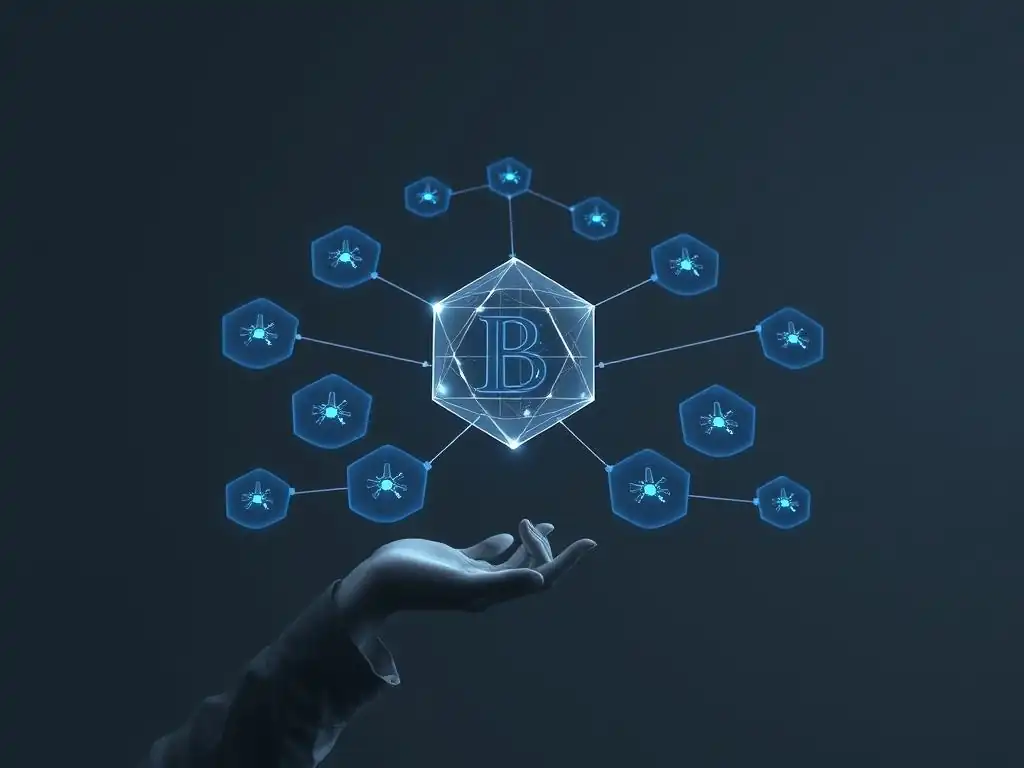
Decentralized Identity (DID) Solutions for User Empowerment
Decentralized Identity (DID) solutions offer a promising approach to empower users with greater control over their IoT data. DIDs enable individuals to create and control their own digital identities, independent of centralized authorities. In the context of blockchain IoT, DIDs can be used to manage access control to IoT data, allowing users to grant or revoke permissions to specific devices, applications, or service providers. This user-centric approach to identity management can shift data control from centralized entities to individual users, aligning with the principles of data sovereignty and user empowerment.
For instance, a user could use a DID to grant a smart home application access to their smart lock data for a limited time or for a specific purpose, and then revoke that access at any time. DIDs can be integrated with blockchain-based access control mechanisms to enforce these user-defined permissions, ensuring that only authorized parties can access IoT data. Standards like W3C DID specifications are gaining traction, promoting interoperability and wider adoption of DID solutions in various domains, including IoT, offering a pathway to user-centric data control.
Data Governance Frameworks for Blockchain IoT Applications
Establishing robust data governance frameworks is crucial for addressing data ownership dilemmas in blockchain IoT applications. These frameworks define policies, procedures, and responsibilities for data management, access control, and data usage within an IoT ecosystem. A well-defined data governance framework should clearly articulate data ownership rights, data access permissions, data usage policies, and mechanisms for dispute resolution. It should also incorporate principles of transparency, accountability, and user consent, ensuring ethical and responsible data handling.
Such frameworks can be tailored to specific IoT use cases and industry sectors, considering the unique data characteristics and stakeholder requirements. For example, a data governance framework for healthcare IoT devices would need to prioritize patient data confidentiality and comply with HIPAA regulations, while a framework for industrial IoT might focus on protecting sensitive manufacturing data and ensuring data integrity for operational efficiency. Developing and implementing effective data governance frameworks is essential for building trust and fostering responsible innovation in blockchain-secured IoT.
Implementing Fine-Grained Access Control Mechanisms
Fine-grained access control mechanisms are necessary to ensure that data access in blockchain IoT systems is granular and purpose-specific. Traditional access control models often rely on coarse-grained permissions, granting broad access to entire datasets. However, in IoT, where data sensitivity and usage scenarios vary widely, fine-grained control is essential to protect user privacy and prevent unauthorized data access. Blockchain, combined with technologies like attribute-based access control (ABAC) and policy-based access control (PBAC), can enable sophisticated and flexible access control mechanisms.
For example, in a smart vehicle ecosystem, fine-grained access control can be implemented to allow a mechanic access to diagnostic data for vehicle maintenance but restrict access to personal location history or driving behavior data. Similarly, a parent might grant a child limited access to smart home devices for controlling lights or entertainment systems but restrict access to security settings or financial information. Implementing fine-grained access control, leveraging blockchain's security and transparency, is crucial for enabling secure and privacy-preserving data sharing in IoT environments.
Exploring Data Tokenization and Monetization Models
Data tokenization and monetization models offer innovative approaches to address data ownership and incentivize data sharing in blockchain IoT. Data tokenization involves representing data assets as digital tokens on a blockchain, enabling granular control and tradability of data. Users who generate IoT data can tokenize their data and control who can access it, potentially earning rewards for sharing their data with authorized parties. This approach can empower individuals and incentivize data contribution, fostering a more equitable and data-driven IoT ecosystem.
For instance, users of smart city sensors could tokenize their anonymized location data and earn tokens for contributing to traffic optimization or urban planning initiatives. Similarly, industrial sensor data from manufacturing plants could be tokenized and traded on data marketplaces, creating new revenue streams for data generators and enabling data-driven innovation across industries. Exploring data tokenization and monetization models can incentivize data sharing, promote data liquidity, and empower data owners in blockchain-secured IoT, creating a more vibrant and user-centric data economy.
Use Cases Highlighting Data Ownership Issues
Smart Home Data: Privacy vs. Convenience
Smart homes, equipped with numerous IoT devices, generate vast amounts of personal data, raising significant privacy concerns and highlighting data ownership issues. From smart speakers recording conversations to smart cameras monitoring activities, smart home devices collect intimate details about users' lives, routines, and preferences. While smart home devices offer convenience and automation, the collection and potential misuse of this personal data pose risks to user privacy. The data ownership question becomes crucial: who controls this highly sensitive personal data, and how is it protected?
Consider a smart home user who relies on voice assistants for daily tasks. The voice assistant records and processes voice commands, potentially storing transcripts and audio recordings. Users may be unaware of the extent of data collection or how this data is used by device manufacturers or service providers. Data breaches or unauthorized access to smart home data could expose sensitive personal information, leading to privacy violations and potential harm. Balancing the convenience of smart home technology with robust data privacy and user control is a critical challenge, requiring clear data ownership models and transparent data handling practices.
Industrial IoT: Protecting Sensitive Manufacturing Data
Industrial IoT (IIoT) deployments in manufacturing generate highly sensitive operational data, including production processes, equipment performance, and intellectual property. Protecting this data from unauthorized access and ensuring data integrity is paramount for maintaining competitive advantage and preventing industrial espionage. Data ownership in IIoT is complex, involving manufacturers, equipment vendors, and potentially third-party service providers. Establishing clear data ownership and access control policies is crucial for securing sensitive manufacturing data in blockchain-secured IIoT environments.
Imagine a manufacturing plant using IIoT sensors to monitor production line efficiency and predict equipment failures. This data is critical for optimizing operations and preventing downtime. However, if this data falls into the wrong hands, competitors could gain valuable insights into the manufacturer's processes and technologies. Blockchain's security features and access control mechanisms can enhance the protection of sensitive manufacturing data, but clear data ownership frameworks are necessary to define who has the right to access and utilize this data, ensuring both security and operational efficiency.
Healthcare IoT: Ensuring Patient Data Confidentiality and Control
Healthcare IoT devices, such as wearable health trackers and remote patient monitoring systems, collect highly personal and sensitive patient data. Ensuring patient data confidentiality, integrity, and control is paramount in healthcare IoT, complying with regulations like HIPAA and GDPR. Data ownership in healthcare IoT is primarily vested in the patient, who has the right to control their health data and decide who can access it. Blockchain's security and privacy-enhancing features can play a crucial role in securing patient data and empowering patients with greater control over their health information.
Consider a patient using a wearable device to monitor their vital signs and share data with their physician for remote monitoring. This data is highly sensitive and requires robust protection. Blockchain-based solutions can ensure data integrity, prevent unauthorized access, and provide patients with a transparent audit trail of who has accessed their data. Implementing blockchain-secured healthcare IoT systems with user-centric data ownership models is essential for building trust and promoting the adoption of these technologies while safeguarding patient privacy and confidentiality.
Regulatory Landscape and the Future of Blockchain IoT Data Control
Current Regulations Impacting Data Ownership in IoT (e.g., GDPR)
Current data privacy regulations, such as the General Data Protection Regulation (GDPR) in Europe and the California Consumer Privacy Act (CCPA) in the US, significantly impact data ownership in IoT. These regulations grant individuals rights over their personal data, including the right to access, rectify, erase, and port their data. They also impose obligations on organizations processing personal data, requiring them to implement appropriate security measures and obtain valid consent for data processing. These regulations provide a legal framework for user-centric data ownership and control, influencing the design and deployment of IoT systems.
GDPR, in particular, has a broad extraterritorial scope, applying to organizations processing personal data of individuals in the EU, regardless of where the organization is located. This has a global impact on companies developing and deploying IoT devices and services, requiring them to comply with GDPR principles when handling personal data. These regulations are driving a shift towards greater user control over data and influencing the development of privacy-enhancing technologies and data governance frameworks in the IoT domain.
The Need for Clear Legal Frameworks for Blockchain Data
While existing regulations like GDPR address data privacy in general, there is a growing need for clearer legal frameworks specifically addressing data ownership and control in the context of blockchain technology. Blockchain's decentralized and distributed nature presents unique challenges to traditional legal concepts of data ownership and jurisdiction. Current legal frameworks may not fully address issues such as data immutability, cross-border data flows in decentralized networks, and the roles and responsibilities of different participants in blockchain ecosystems.
The lack of legal clarity can create uncertainty and hinder the widespread adoption of blockchain in IoT and other domains. Policymakers and legal experts are actively working on developing new legal frameworks or adapting existing ones to address the specific characteristics of blockchain data. These frameworks need to clarify data ownership rights in decentralized contexts, establish clear rules for data access and usage on blockchains, and provide mechanisms for dispute resolution and legal enforcement in decentralized environments. Clear legal frameworks are essential for fostering trust and enabling responsible innovation in blockchain-based systems.
The Role of Standards and Interoperability in Data Governance
Standards and interoperability play a crucial role in enabling effective data governance and addressing data ownership challenges in blockchain IoT. Standardized protocols and data formats are essential for ensuring interoperability between different IoT devices, platforms, and blockchain networks. Interoperability facilitates data sharing, data portability, and the development of open and user-centric data ecosystems. Standards bodies and industry consortia are actively working on developing standards for blockchain IoT data governance, focusing on areas such as identity management, access control, data security, and data privacy.
For example, standards for decentralized identifiers (DIDs) and verifiable credentials (VCs) are crucial for enabling user-centric identity management and data control in blockchain IoT. Standardized APIs and data exchange protocols are needed to facilitate seamless data sharing between different IoT platforms and blockchain networks. Promoting interoperability through open standards is essential for breaking down data silos, fostering innovation, and empowering users with greater control over their IoT data, while also facilitating compliance with data privacy regulations and promoting ethical data handling practices.
Overcoming the Challenges: A Path Forward for Ethical Data Control
Prioritizing User Privacy and Data Security in IoT Design
Overcoming the challenges of blockchain IoT data control requires a fundamental shift towards prioritizing user privacy and data security from the outset of IoT system design. This "privacy by design" and "security by design" approach emphasizes embedding privacy and security considerations into every stage of the IoT development lifecycle, from device design to application deployment. It involves implementing privacy-enhancing technologies, such as data anonymization, differential privacy, and homomorphic encryption, to minimize data collection and protect user privacy.
Furthermore, secure coding practices, robust authentication mechanisms, and regular security audits are essential for ensuring the security of IoT devices and systems. Manufacturers and developers need to adopt a proactive approach to security, anticipating potential vulnerabilities and implementing countermeasures to mitigate risks. Prioritizing user privacy and data security is not just a compliance requirement; it is a fundamental ethical imperative and a key factor in building trust and fostering the sustainable growth of the IoT ecosystem.
Fostering Transparency and Accountability in Data Handling
Transparency and accountability are cornerstones of ethical data control in blockchain IoT. Users need to be informed about what data is being collected, how it is being used, and who has access to it. Transparent data handling practices build trust and empower users to make informed decisions about their data. Accountability mechanisms are essential for ensuring that organizations are responsible for their data handling practices and can be held accountable for data breaches or privacy violations.
Blockchain technology itself can enhance transparency by providing an immutable audit trail of data transactions and access logs. Smart contracts can be used to enforce data usage policies and ensure accountability. Organizations deploying blockchain IoT systems should strive for transparency in their data governance policies, clearly communicating data collection practices, usage policies, and user rights to data control. Fostering transparency and accountability is crucial for building ethical and user-centric blockchain IoT ecosystems.
Collaborative Approaches to Developing Data Ownership Solutions
Developing effective data ownership solutions for blockchain IoT requires collaborative approaches involving diverse stakeholders. This includes device manufacturers, service providers, users, policymakers, legal experts, and technology developers. Collaboration is essential for addressing the multifaceted challenges of data ownership, encompassing technical, legal, ethical, and societal dimensions. Open dialogues, industry consortia, and multi-stakeholder initiatives are needed to foster innovation, develop best practices, and create shared understanding and consensus on data ownership models.
Collaborative efforts can focus on developing standardized data governance frameworks, interoperable technologies, and user-friendly tools for data control. Sharing knowledge, expertise, and resources across different stakeholder groups can accelerate the development and adoption of ethical and user-centric data ownership solutions for blockchain IoT. A collaborative and inclusive approach is crucial for navigating the complexities of data ownership and realizing the full potential of blockchain and IoT for societal benefit, while ensuring responsible and ethical data handling practices.
The Importance of Addressing Data Ownership Dilemmas
Addressing data ownership dilemmas in blockchain IoT is of paramount importance for realizing the full potential of this transformative technology. Unresolved data ownership issues can hinder trust, stifle innovation, and create barriers to the widespread adoption of blockchain IoT solutions. Clear and equitable data ownership models are essential for fostering a sustainable and user-centric IoT ecosystem, where individuals and organizations can confidently participate and benefit from the data-driven opportunities offered by this technology. Ignoring these dilemmas risks creating a fragmented and potentially exploitative data landscape, undermining the positive impact that blockchain and IoT can deliver.
The complexities of data ownership in blockchain IoT require careful consideration of technical, legal, ethical, and societal factors. A holistic approach that integrates these perspectives is crucial for developing effective solutions. Failing to address these dilemmas adequately could lead to unintended consequences, such as user distrust, regulatory backlash, and the emergence of centralized control models that undermine the decentralized promise of blockchain. Therefore, prioritizing the resolution of data ownership dilemmas is not just a technical challenge; it is a fundamental prerequisite for building a responsible and thriving blockchain IoT ecosystem.
Key Takeaways and Recommendations for Stakeholders
Several key takeaways emerge from the exploration of blockchain IoT data control. Firstly, data ownership is not a binary concept but rather a spectrum of rights and responsibilities that need to be carefully defined and balanced across different stakeholders. Secondly, user empowerment and data privacy should be central tenets of any data ownership model in blockchain IoT. Thirdly, technological solutions alone are insufficient; effective data governance frameworks, clear legal frameworks, and collaborative approaches are equally crucial.
Recommendations for stakeholders include: Device manufacturers should prioritize privacy and security by design, implementing robust security measures and transparent data handling practices. Service providers should focus on building user trust by offering transparent data usage policies and providing users with meaningful control over their data. Users should actively engage in understanding their data rights and demanding greater control and transparency from IoT providers.
Policymakers and legal experts should collaborate to develop clear legal frameworks for blockchain data ownership and promote interoperability through open standards. A multi-faceted and collaborative approach is essential for navigating the complexities of blockchain IoT data control and building a responsible and sustainable ecosystem.
The Future of Data Governance in the Decentralized IoT Landscape
The future of data governance in the decentralized IoT landscape hinges on the successful resolution of data ownership dilemmas and the development of user-centric and ethical data control models. Blockchain technology offers a powerful toolkit for enhancing data security, transparency, and user empowerment in IoT. However, realizing this potential requires a concerted effort from all stakeholders to address the challenges of data ownership and build trust in decentralized systems. The future likely involves hybrid models that combine the benefits of decentralization with pragmatic approaches to data governance, access control, and regulatory compliance.
Emerging technologies like decentralized identity (DID), verifiable credentials (VCs), and data tokenization hold promise for empowering users with greater control over their data and fostering a more equitable data economy in IoT. Open standards, interoperable platforms, and collaborative governance frameworks will be crucial for enabling seamless data sharing, data portability, and innovation in the decentralized IoT landscape. The journey towards ethical and user-centric data control in blockchain IoT is ongoing, requiring continuous innovation, collaboration, and a commitment to building a future where data empowers individuals and benefits society as a whole.
Frequently Asked Questions
What are the primary data ownership dilemmas arising from the intersection of IoT and blockchain?
The main dilemmas involve determining who has the right to access, use, and monetize the data generated by IoT devices secured by blockchain. This often depends on the agreements between device owners, data processors, and service providers.
How can blockchain technology help improve IoT data control and security?
Blockchain offers immutable records and decentralized control, which can enhance data security and transparency. This enables better audit trails and reduces the risk of unauthorized data alteration.
What are some potential enterprise applications of blockchain for managing IoT data?
Enterprises can use blockchain for supply chain tracking, asset management, and data sharing with improved security and provenance. This increases efficiency and reduces the risk of data breaches.
What are the regulatory challenges surrounding blockchain and IoT data ownership?
Regulations are still evolving and often struggle to address the unique challenges posed by decentralized data. This includes issues of data privacy, cross-border data transfer, and legal liability.
How can decentralized systems powered by blockchain shape the future of IoT data ownership?
Decentralized systems can empower individuals and organizations to have greater control over their data. This fosters trust and transparency, potentially leading to more equitable data sharing models.
Final Reflection: Reclaiming Control in the Data Deluge
The proliferation of IoT devices, coupled with the promise of blockchain security, presents a paradox: while data is ostensibly more secure, the question of true data ownership remains stubbornly unresolved. The insights explored throughout this article highlight the urgent need for clarity and control in a world increasingly defined by interconnected devices and the vast streams of data they generate.
This complex interplay between technology and ownership has profoundly shaped, and continues to shape, our understanding of privacy and autonomy. The feeling of losing control over personal data, especially when it's generated by devices we own, is a deeply unsettling one. Data is the new oil,
as Clive Humby famously stated, but unlike oil, data is intimately tied to our lives, our habits, and our very identities. We must strive to ensure that this "oil" benefits the individuals who generate it, not just the corporations who collect it.
Therefore, I invite you to reflect on your own relationship with the data you generate. Consider the devices you use, the information they collect, and the extent to which you truly control that information. Let us all become more conscious consumers and advocates for a future where blockchain technology empowers individuals to reclaim control over their IoT data, fostering a more equitable and transparent digital landscape.
Empower Your IoT Future: Take Control of Your Data!
Thank you for exploring the complexities of IoT data ownership and blockchain security. We hope this article has shed light on the challenges and opportunities ahead. Now, it's time to turn your knowledge into action.
Are you ready to shape the future of data ownership?
- Identify the key stakeholders in your IoT data ecosystem. Who generates data? Who uses it? Mapping this out is the first step toward making informed decisions.
- Research current blockchain solutions for IoT data management and evaluate their suitability for your needs.
- Share this article with colleagues and start a conversation. Educating others is essential for promoting wider adoption of secure and fair data practices.
What practical steps will you take to advocate for better data ownership in the IoT space? Share your thoughts in the comments below!
Leave a Reply