
Pharmaceutical Supply Chain Security: Blockchain's Role in Combating Counterfeit Drugs

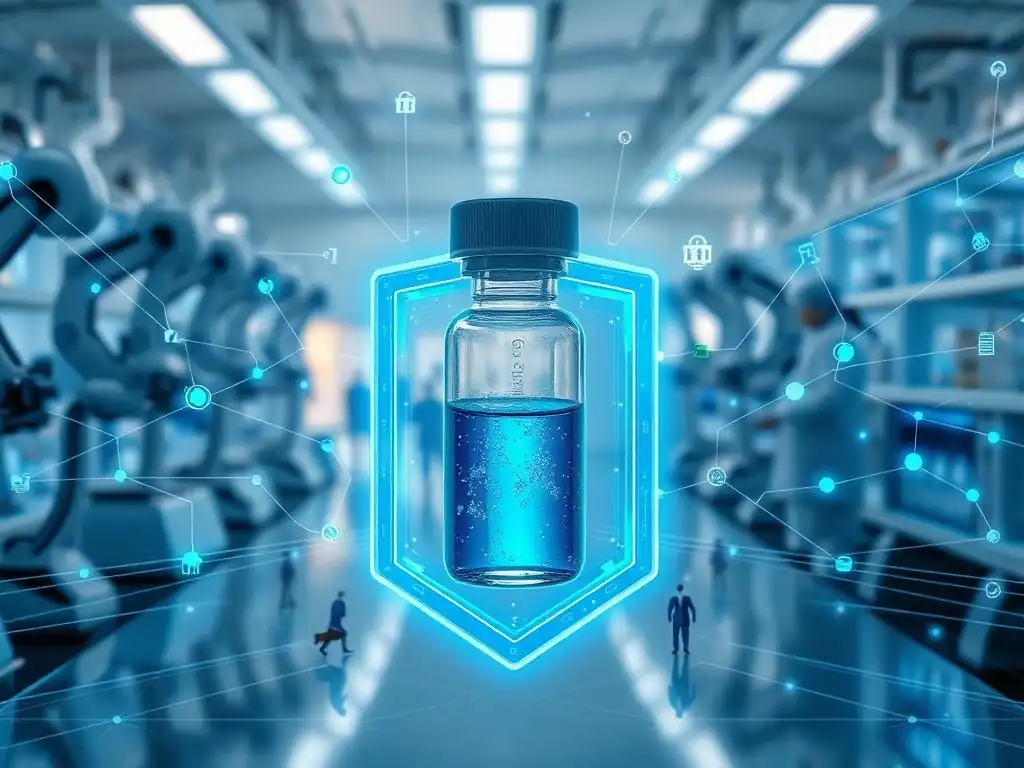
Welcome to Blockchain Trends, your compass in the rapidly evolving world of decentralized innovation! Dive into an exploration of blockchain's transformative power, extending far beyond the realm of cryptocurrencies. This week, we unravel a critical application: how blockchain technology is revolutionizing blockchain drug supply chain security. But can a digital ledger truly combat the pervasive threat of counterfeit pharmaceuticals? Uncover the answer within and discover how this innovative solution is shaping a safer, more transparent future.
- Blockchain Drug Supply Chain Security: Combating Counterfeit Pharmaceuticals
- Blockchain Technology: A Solution for Enhanced Pharmaceutical Supply Chain Security
- Implementing Blockchain for Drug Supply Chain Security: A Step-by-Step Approach
- Benefits of Blockchain in Pharmaceutical Supply Chain Security
- Challenges and Considerations for Blockchain Adoption in the Pharmaceutical Industry
- Real-World Examples and Case Studies of Blockchain in Pharmaceutical Supply Chain Security
- The Future of Blockchain in Pharmaceutical Supply Chain Security
-
Frequently Asked Questions
- What is the primary reason for implementing blockchain in the pharmaceutical supply chain?
- How can blockchain help prevent counterfeit drugs from entering the market?
- What are some of the main benefits of using blockchain for pharmaceutical traceability?
- How does blockchain address the challenges of data silos in the pharmaceutical industry?
- What are some of the potential challenges to widespread blockchain adoption in the pharmaceutical supply chain?
- Final Reflection: Securing Health, One Block at a Time
- Secure Lives: Implement Blockchain's Promise Now!
Blockchain Drug Supply Chain Security: Combating Counterfeit Pharmaceuticals
Introduction: The Growing Threat of Counterfeit Drugs and Supply Chain Vulnerabilities
The global pharmaceutical supply chain is a complex, multi-tiered network designed to deliver life-saving medications from manufacturers to patients. However, its inherent complexity and traditional reliance on disparate systems create significant vulnerabilities. These weaknesses provide fertile ground for the infiltration of counterfeit and substandard drugs, posing a severe threat to public health worldwide. The lack of end-to-end visibility and the difficulty in verifying product authenticity at each stage contribute significantly to this problem.
Addressing these vulnerabilities is paramount to ensuring patient safety and maintaining trust in pharmaceutical products. The current landscape demands innovative solutions that can provide immutable records, enhance transparency, and facilitate rapid, accurate verification of drug provenance. Traditional methods, often involving paper trails and siloed databases, are simply not robust enough to combat sophisticated counterfeiting operations that exploit gaps in the supply chain.
The Crisis of Counterfeit Pharmaceuticals: A Global Health Risk
Statistics on Counterfeit Drug Prevalence and Impact
The scale of the counterfeit drug problem is staggering and its impact is felt globally, particularly in developing regions but increasingly in regulated markets as well. According to various estimates, the illegal trade in counterfeit medicines is a multi-billion dollar industry, potentially exceeding $200 billion annually. The World Health Organization (WHO) has estimated that in some areas of Africa, Asia, and Latin America, over 10% of medical products are substandard or falsified.
This percentage can be significantly higher for specific categories of drugs or in certain distribution channels. The economic impact extends beyond lost revenue for legitimate manufacturers, encompassing the costs of treating patients harmed by fake drugs, investigations, and supply chain disruptions.
Beyond the financial aspect, the human cost is immense. Substandard and falsified medical products contribute to antimicrobial resistance, lead to treatment failures for serious diseases like malaria and tuberculosis, and can cause severe adverse effects, including death. It is estimated that hundreds of thousands of deaths occur annually due to the use of falsified medicines, especially those intended to treat life-threatening conditions. The lack of effective blockchain drug supply chain security measures exacerbates this crisis by making it difficult to intercept these dangerous products before they reach consumers.
The Dangers of Fake Medications to Public Health
Fake medications pose a direct and severe threat to public health because their contents are unknown, inconsistent, or deliberately harmful. They may contain incorrect active ingredients, insufficient dosages of the correct ingredients (leading to treatment failure and resistance), harmful substances, or no active ingredient at all. For instance, a counterfeit antibiotic might contain too little active compound, failing to clear an infection and contributing to the development of antibiotic-resistant bacteria. A fake chemotherapy drug could contain chalk or other inert substances, denying a cancer patient crucial treatment.
Furthermore, the manufacturing conditions of counterfeit drugs are unregulated and often unsanitary, introducing contaminants. Patients taking these products are not only deprived of necessary treatment but are also exposed to potentially toxic substances, leading to new health problems or exacerbating existing ones. The erosion of trust in legitimate healthcare systems and medications is another critical danger, discouraging people from seeking necessary medical care and potentially leading them to unsafe sources. Effective blockchain drug supply chain security is vital to protect patients from these life-threatening risks.
Vulnerabilities in the Traditional Pharmaceutical Supply Chain
Lack of Transparency and Traceability
Traditional pharmaceutical supply chains often suffer from a fundamental lack of end-to-end transparency. Information about a drug's journey from manufacturing plant through multiple distributors, wholesalers, and pharmacies is frequently siloed within the systems of individual entities. There is no single, unified record accessible to all authorized participants. This makes it incredibly difficult to trace a specific product back to its origin quickly and accurately, especially across international borders and through complex distribution networks involving numerous intermediaries.
This opacity creates blind spots that counterfeiters can exploit. Once a product leaves the direct control of the manufacturer, its path can become obscure, making it easier for fake products to be introduced or for legitimate products to be diverted. Without a clear, shared view of the product's location, ownership changes, and handling conditions at every step, identifying the point of infiltration or diversion becomes a time-consuming and often impossible task. This lack of comprehensive traceability is a major hurdle in ensuring blockchain drug supply chain security.
Inefficient Verification Processes
Verifying the authenticity of a drug in the traditional supply chain often relies on manual checks, paper documentation, and fragmented databases. Processes like verifying lot numbers, expiration dates, and manufacturer information can be cumbersome and prone to human error. While some regions have implemented serialization requirements, the systems for sharing and verifying this data across the entire supply chain can be inefficient and not universally adopted or interoperable.
This inefficiency means that counterfeit drugs can pass through verification points undetected, especially when inspections are infrequent or superficial due to time and resource constraints. The process of recalling a potentially compromised batch of drugs also becomes significantly more complex and slower when relying on disparate, non-real-time data sources. Streamlining and automating verification is crucial for effective blockchain drug supply chain security.
Opportunities for Counterfeiters to Infiltrate the Supply Chain
The vulnerabilities discussed above create numerous opportunities for counterfeiters. They can introduce fake products at various points:
- During transit between manufacturer and primary distributor.
- Within the wholesale distribution network, mixing fake products with legitimate ones.
- Through illegal online pharmacies or unregulated retail outlets.
- Via the diversion of legitimate products which are then tampered with or repackaged.
The lack of robust authentication mechanisms and the difficulty in tracing products back to source make these points of entry attractive. Counterfeiters often target high-value drugs or those in high demand, knowing that their products are more likely to be quickly distributed. The fragmented nature of traditional supply chain data means that even if a problem is detected at one point, it is challenging to quickly identify the scope of the infiltration and prevent further distribution across the entire network. Enhancing blockchain drug supply chain security aims to close these loopholes.
Blockchain Technology: A Solution for Enhanced Pharmaceutical Supply Chain Security
Understanding Blockchain's Core Principles for Supply Chain Applications
Immutability and Tamper-Proof Records
One of blockchain's most powerful attributes is its immutability. Once a transaction or data record is added to the blockchain, it is cryptographically linked to the previous block, forming a chain. Altering any information in a block would require altering all subsequent blocks, which is computationally infeasible, especially on a large, distributed network. This creates a tamper-proof ledger of all transactions and events recorded on the chain.
In the context of the pharmaceutical supply chain, this means that every step a drug takes – from manufacturing to dispensing – can be recorded as a transaction on the blockchain. This includes details like ownership transfer, location updates, temperature readings, and authentication checks. Because these records are immutable, they provide a trustworthy and verifiable history of the product, making it virtually impossible for counterfeiters to insert fake transaction data or alter legitimate records without detection. This immutability is fundamental to blockchain drug supply chain security.
Decentralization and Distributed Ledger Technology (DLT)
Blockchain operates as a distributed ledger technology (DLT). This means that copies of the ledger are maintained and synchronized across a network of participants (nodes), rather than being stored in a single, central database controlled by one entity. In a permissioned blockchain, like those typically used in enterprise supply chains, participants are known and authorized, such as manufacturers, distributors, pharmacies, and regulators.
This decentralization eliminates single points of failure and reduces reliance on individual trust between parties. All participants on the network can access the same shared, synchronized ledger (based on their permissions). This distributed nature makes the system more resilient to cyberattacks and data breaches compared to centralized databases. It ensures that no single entity can unilaterally alter the historical record, fostering a shared source of truth for the entire supply chain. This distributed nature is key to robust blockchain drug supply chain security.
Transparency and Enhanced Visibility
Blockchain technology inherently offers enhanced transparency, though the level of transparency can be controlled in permissioned networks. All authorized participants on the network can view the transactions relevant to them or the overall supply chain flow, depending on the network's design and their granted permissions. This shared visibility allows stakeholders to see the entire journey of a drug product from origin to destination.
This shared, real-time visibility significantly improves oversight and accountability. Participants can track ownership changes, verify compliance with handling requirements (like temperature), and quickly identify bottlenecks or discrepancies. This transparency makes it much harder for illicit activities, such as introducing counterfeit goods or diverting legitimate products, to go unnoticed. It provides a clear, auditable trail for regulators and participants alike, strengthening blockchain drug supply chain security.
How Blockchain Improves Drug Supply Chain Traceability
Tracking Drug Provenance from Manufacturer to Consumer
Blockchain enables granular tracking of a drug's provenance by recording every significant event in its lifecycle. Each batch or even individual serialized unit can be associated with a unique digital identity on the blockchain. As the drug moves through the supply chain, each transfer of custody or change in status is recorded as a transaction. This creates an unbroken chain of custody record, accessible and verifiable by authorized parties.
For example, when a manufacturer ships a batch, a transaction is recorded. When a distributor receives it, another transaction is added, confirming receipt and potentially recording storage conditions. When a pharmacy receives it and dispenses it, further transactions are added. This ledger provides a verifiable history showing exactly where the drug has been, who has handled it, and when. This level of detail makes it straightforward to trace a specific product back to its manufacturing origin in moments, a vast improvement over traditional systems and critical for blockchain drug supply chain security.
Real-Time Monitoring of Drug Movement and Storage Conditions
Integrating blockchain with IoT (Internet of Things) devices further enhances traceability and security. Sensors attached to shipping containers or product packaging can monitor conditions like temperature, humidity, and location in real-time. This data can be automatically recorded onto the blockchain, linked to the specific batch or product.
This capability is crucial for ensuring that sensitive medications, like vaccines or biologics, are maintained within required temperature ranges throughout their journey. Any deviation from acceptable conditions is instantly recorded on the immutable ledger, providing an alert and a permanent record that can be used to determine if the product's integrity has been compromised. This real-time, verifiable data stream adds another layer to blockchain drug supply chain security, ensuring product quality as well as authenticity.
Verification of Authenticity at Each Stage of the Supply Chain
Blockchain facilitates robust authentication at every touchpoint. Using the unique digital identity of a serialized drug product, participants (like distributors, pharmacists, or even patients via a mobile app) can query the blockchain to verify its legitimacy. They can check its history, confirm it originated from a legitimate manufacturer, and verify that its recorded journey aligns with expectations.
Smart contracts can automate this verification process. For instance, a smart contract could automatically flag a product if its recorded path deviates from the expected distribution channel or if it appears in a location it shouldn't be. This automated verification process is significantly faster and more reliable than manual checks, allowing for the rapid identification and isolation of potentially counterfeit or compromised products anywhere in the supply chain. This capability is transformative for blockchain drug supply chain security.
Implementing Blockchain for Drug Supply Chain Security: A Step-by-Step Approach
Step 1: Onboarding Pharmaceutical Supply Chain Participants onto the Blockchain Network
Identifying and Verifying Key Stakeholders
The first critical step in implementing blockchain drug supply chain security is to identify and onboard all relevant stakeholders. This includes pharmaceutical manufacturers (originators and generics), third-party logistics providers (3PLs), wholesalers, distributors, pharmacies, hospitals, clinics, and potentially regulatory bodies. Each participant needs to be verified to ensure they are legitimate and authorized entities within the pharmaceutical ecosystem. This often involves a rigorous vetting process.
Once identified and verified, these stakeholders are granted access to the blockchain network. In a permissioned blockchain, access levels and roles are defined for each participant, determining what data they can see and what actions they can perform on the ledger (e.g., adding transaction records for products they handle). Establishing a governance model for the network, agreed upon by participants, is also crucial at this stage to define rules, responsibilities, and decision-making processes.
Establishing Data Sharing Protocols and Permissions
With participants onboarded, it is essential to define clear data sharing protocols. What information will be recorded on the blockchain? This typically includes serialization data (unique identifiers for each product unit or batch), manufacturing details, transaction records (shipment, receipt, sale), ownership changes, and potentially environmental data from IoT sensors. Agreements must be made on data formats and standards to ensure interoperability.
Permissions must be carefully configured to balance the need for transparency with data privacy and business confidentiality. For example, a regulator might have visibility into the entire supply chain history of a product, while a distributor might only see the steps involving their own custody transfers and those of their direct upstream and downstream partners. Manufacturers might control access to sensitive intellectual property related to manufacturing processes, only exposing necessary traceability data. Defining these granular permissions is vital for the successful and secure operation of blockchain drug supply chain security initiatives.
Step 2: Creating a Unique Digital Identity for Each Drug Product
Using Serialized Numbers and Unique Identifiers
A cornerstone of modern drug traceability is product serialization, mandated by regulations like the US Drug Supply Chain Security Act (DSCSA) and the EU Falsified Medicines Directive (FMD). Each saleable unit of a prescription drug is assigned a unique serial number, often combined with a Global Trade Item Number (GTIN), lot number, and expiration date. This combination creates a unique product identifier.
On a blockchain, this unique identifier serves as the digital identity for that specific drug unit or batch. This identifier is the key link between the physical product and its corresponding digital record on the distributed ledger. By scanning this identifier (e.g., using a 2D barcode), supply chain participants can access the immutable history of that specific item stored on the blockchain, forming the backbone of blockchain drug supply chain security.
Encoding Product Information onto the Blockchain
The unique digital identity is initiated on the blockchain, typically by the manufacturer or initial packager. Key information about the product is encoded and linked to this identifier. This includes:
- Manufacturer name and location
- Product name and strength
- Dosage form and package size
- Unique serial number
- Lot number
- Expiration date
This initial record establishes the legitimate origin of the product on the immutable ledger. As the product moves, subsequent transactions are linked to this digital identity, building a complete, verifiable history. This process ensures that the digital representation of the drug is accurate and directly tied to the physical item, a critical element for effective blockchain drug supply chain security.
Step 3: Tracking and Verifying Drug Movement Through the Supply Chain
Recording Transactions at Each Touchpoint (Manufacturing, Distribution, Dispensing)
As a drug product moves through the supply chain, every significant event or change in custody is recorded as a transaction on the blockchain. This includes:
- Manufacturing and packaging completion (creating the initial record)
- Shipment from manufacturer to distributor
- Receipt by distributor
- Transfer between distribution centers
- Shipment from distributor to pharmacy/hospital
- Receipt by pharmacy/hospital
- Dispensing to patient (optional, depending on privacy considerations and regulation)
- Returns or recalls
Each transaction includes details such as the unique product identifier(s), parties involved (sender and receiver), date and time, location, and potentially condition data (e.g., temperature logs). These records are cryptographically signed by the transacting parties, ensuring accountability and non-repudiation. This granular, step-by-step recording builds the full, immutable chain of custody essential for blockchain drug supply chain security.
Utilizing Smart Contracts for Automated Verification and Compliance
Smart contracts are self-executing contracts with the terms of the agreement directly written into code. They reside on the blockchain and automatically execute predefined actions when specific conditions are met. In a pharmaceutical supply chain, smart contracts can automate verification and compliance checks.
Examples include:
- Automatically verifying that a product's serial number is legitimate and has not been previously dispensed.
- Triggering alerts if a shipment deviates from its expected route or timeline.
- Checking if temperature logs from IoT devices remain within acceptable ranges; if not, the smart contract could automatically flag the product as potentially compromised.
- Automating payments or inventory updates upon successful receipt and verification of goods.
This automation reduces the need for manual checks, speeds up processes, and enforces compliance with predefined rules consistently across the network, significantly enhancing blockchain drug supply chain security.
Integrating IoT Devices for Temperature and Environmental Monitoring
As mentioned earlier, integrating IoT sensors with the blockchain allows for the automatic capture and recording of environmental data critical for drug integrity. Sensors can be placed in shipping containers, storage areas, or even attached to individual high-value packages.
These sensors continuously collect data such as temperature, humidity, light exposure, and even shock. This data is then transmitted and immutably recorded on the blockchain, linked to the specific products being monitored. If conditions exceed predefined thresholds (e.g., temperature goes above 8°C for a refrigerated vaccine), this event is permanently logged. This provides indisputable evidence of proper handling or mishandling, crucial for maintaining product quality and supporting blockchain drug supply chain security by ensuring the integrity of authentic products.
Step 4: Enhancing Data Security and Access Control
Implementing Cryptographic Measures to Protect Sensitive Data
While blockchain provides inherent security through cryptography (hashing, digital signatures), additional measures are needed to protect sensitive business and patient data. In a permissioned blockchain, data access is controlled, but the data itself, if stored directly on the chain, might be visible to authorized participants. For highly sensitive information (like patient data or proprietary manufacturing details), it's often preferable to store this data off-chain in secure databases.
The blockchain then stores a cryptographic hash of this off-chain data. This hash acts as a unique fingerprint. Any change to the off-chain data would result in a different hash. By periodically verifying the hash on the blockchain against the hash of the current off-chain data, the integrity of the off-chain data can be verified without exposing the data itself on the distributed ledger. This hybrid approach balances the need for verifiable records with data privacy requirements, crucial for blockchain drug supply chain security.
Defining Role-Based Access Controls for Different Stakeholders
In a permissioned blockchain network for pharmaceuticals, not all participants require access to all data. Implementing strict, role-based access controls is essential. For example:
- Manufacturers might have full visibility of their products' journey but limited visibility into other manufacturers' products.
- Distributors see the products they handle and information shared by their direct partners.
- Pharmacies verify the authenticity of products they receive and dispense.
- Regulators might have broader access to audit data across the network.
- Patients might have access to verify the authenticity and history of the specific medication they receive.
These access controls ensure that participants only see the information necessary for their role, protecting competitive data and patient privacy. They are configured during the network setup and enforced by the blockchain platform and accompanying applications. Properly implemented access control is a cornerstone of secure blockchain drug supply chain security solutions.
Benefits of Blockchain in Pharmaceutical Supply Chain Security
Enhanced Traceability and Transparency in the Drug Supply Chain
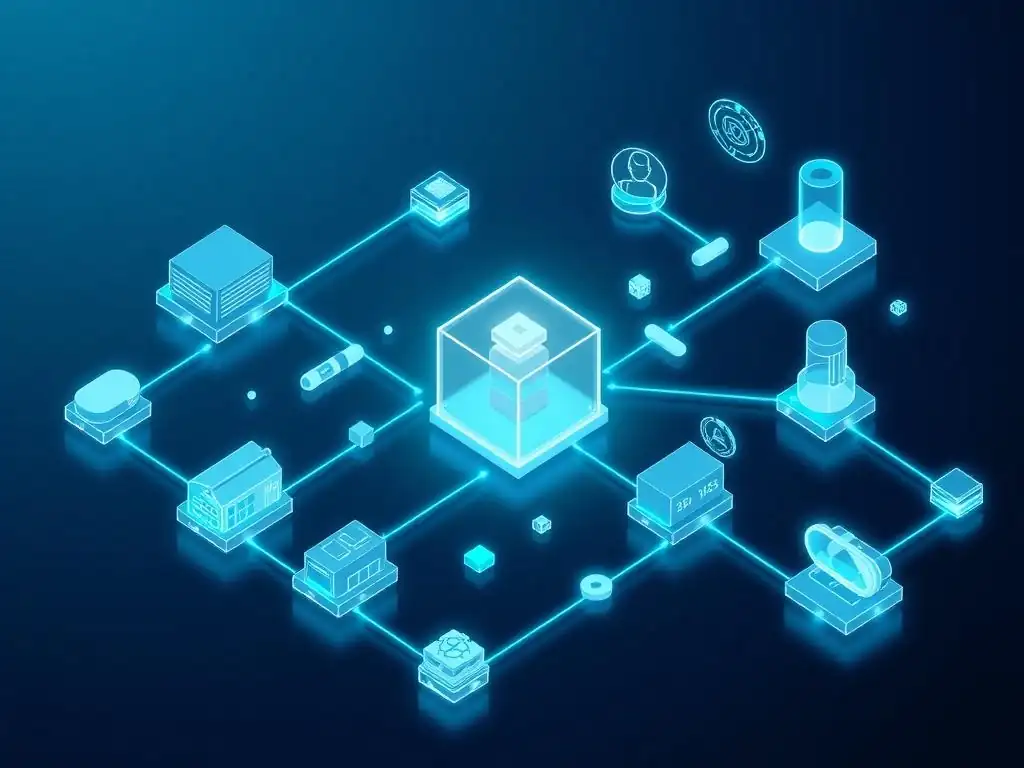
One of the most significant benefits of using blockchain for pharmaceutical supply chain security is the unparalleled level of traceability and transparency it provides. As described earlier, the immutable, step-by-step recording of a drug's journey creates a comprehensive and verifiable audit trail from manufacturer to endpoint. This detailed history is accessible (based on permissions) to all network participants, replacing fragmented, opaque systems.
This enhanced visibility allows stakeholders to pinpoint the exact location and status of any product in the supply chain in near real-time. If a problem arises – such as a suspected counterfeit, a quality issue, or a recall – the affected products can be identified and located quickly and accurately. This rapid identification is critical for minimizing the distribution of harmful products and executing targeted, efficient recalls, thereby significantly improving blockchain drug supply chain security.
Reducing Counterfeit Drug Penetration
By providing an immutable, shared record of legitimate products and their journey, blockchain makes it significantly harder for counterfeit drugs to enter and move undetected within the supply chain. Any product introduced without a corresponding, verifiable record on the blockchain, or whose recorded history deviates from the norm, can be immediately flagged as suspicious.
The ability for participants at any point – from a receiving warehouse to a dispensing pharmacist – to quickly verify a product's authenticity by scanning its unique identifier and checking its blockchain record acts as a powerful deterrent and detection mechanism. This increased difficulty in infiltrating the legitimate supply chain channel forces counterfeiters to rely on riskier, less effective distribution methods, thereby reducing the volume of fake drugs reaching consumers through established channels. This is a core outcome of improved blockchain drug supply chain security.
Improving Patient Safety and Trust
Ultimately, the goal of enhancing blockchain drug supply chain security is to protect patients. By ensuring that the medications reaching patients are authentic, have been handled correctly, and have not been tampered with, blockchain directly contributes to patient safety. Patients can have increased confidence in the integrity of the drugs they receive, potentially even being able to verify the authenticity of their specific medication using a simple app that queries the blockchain (without revealing sensitive patient data).
Reducing the incidence of treatment failures, adverse reactions, and deaths caused by counterfeit drugs saves lives and improves health outcomes. This renewed trust in the pharmaceutical supply chain benefits patients, healthcare providers, and legitimate drug manufacturers alike.
Streamlined Verification and Authentication Processes
Blockchain significantly streamlines the processes for verifying and authenticating pharmaceutical products compared to manual or fragmented digital systems. The information needed for verification – the product's unique identifier and its transaction history – is readily available on the shared ledger (subject to permissions).
Using blockchain-based applications, participants can scan a product's identifier and instantly receive confirmation of its legitimacy and history. This process is automated and relies on the integrity of the immutable ledger, reducing the potential for human error or deliberate falsification of verification records.
Faster and More Accurate Identification of Fake Medications
The speed and accuracy of blockchain-based verification mean that potentially fake medications can be identified much faster at any point in the supply chain. If a product's identifier is not found on the blockchain, or if its history shows inconsistencies (e.g., it appears in a location it shouldn't, or its manufacturing details don't match), it can be immediately flagged and quarantined.
This rapid identification minimizes the time fake products spend circulating within the legitimate supply chain, reducing the risk of them reaching patients. The accurate, verifiable data provided by the blockchain also supports investigations into the origin of counterfeit products and the points of infiltration. This is a critical function of effective blockchain drug supply chain security.
Reduced Costs Associated with Manual Verification
Automating verification and authentication processes through blockchain can lead to significant cost reductions. Manual checks and the management of paper-based documentation are labor-intensive and expensive. Fragmented digital systems require complex integrations and ongoing maintenance.
By providing a unified, automated platform for verification, blockchain reduces the need for manual handling of verification data, minimizes administrative overhead, and lowers the costs associated with compliance reporting and audits. While initial implementation costs exist, the long-term operational efficiencies and reduced losses from counterfeit trade contribute to a positive return on investment for blockchain drug supply chain security solutions.
Increased Efficiency and Reduced Risk of Errors
The automation and data integrity provided by blockchain technology lead to increased overall efficiency in the pharmaceutical supply chain. Manual data entry, reconciliation across disparate systems, and paper-based processes are sources of delay and error.
By recording transactions directly onto the blockchain and using smart contracts to automate checks and workflows, many of these manual steps can be eliminated or significantly reduced. This speeds up logistics, reduces administrative burdens, and minimizes the risk of errors associated with data handling.
Automated Processes and Reduced Paperwork
Blockchain enables the automation of various supply chain processes. For example, smart contracts can automate the change of ownership records upon physical receipt of goods, or trigger downstream processes like invoicing. The shared, digital ledger reduces reliance on physical paperwork, which is prone to loss, damage, and manual errors.
This shift towards automated, digital processes streamlines operations, reduces lead times, and frees up personnel to focus on higher-value activities. The reduction in paperwork also contributes to environmental sustainability. This move towards automated workflows is a key efficiency gain from implementing blockchain drug supply chain security.
Improved Inventory Management and Supply Chain Optimization
The real-time visibility provided by blockchain enhances inventory management. Participants can have a more accurate and up-to-date view of product quantities and locations throughout the supply chain. This improved visibility helps optimize inventory levels, reduce stockouts and overstocking, and minimize waste due to expiration or damage.
Furthermore, the data collected on the blockchain about product flow and handling conditions can be analyzed to identify bottlenecks, inefficiencies, and areas for optimization within the supply chain network. This data-driven approach allows companies to make more informed decisions to improve logistics, reduce costs, and strengthen the resilience of the supply chain, contributing to overall blockchain drug supply chain security and efficiency.
Building Trust and Collaboration Among Stakeholders
Blockchain's distributed and transparent nature fosters trust among supply chain participants. Because all authorized parties share access to the same, immutable ledger, there is a single source of truth regarding product movements and transactions. This eliminates disputes over data accuracy and provides a foundation for collaboration.
Participants can trust the data recorded on the blockchain without needing to place blind trust in individual partners' systems or records. This shared trust enables more seamless interaction and data exchange across the network.
Shared Visibility and Accountability
The shared ledger provides unprecedented visibility into the actions of all participants concerning product handling. While access is permissioned, the fact that transactions are immutably recorded and linked to specific participants creates a high level of accountability. Any discrepancies or issues can be traced back to the responsible party based on the timestamped records.
This shared accountability encourages best practices and compliance throughout the supply chain. Knowing that actions are recorded on a transparent, verifiable ledger motivates participants to adhere strictly to protocols for handling, storage, and transfer, thereby strengthening blockchain drug supply chain security.
Facilitating Data Sharing and Collaboration
Blockchain facilitates secure and controlled data sharing among supply chain partners who might otherwise be hesitant to share sensitive information directly with competitors or third parties. The permissioned nature of enterprise blockchains allows companies to share only the necessary traceability data on the ledger, while keeping proprietary information private.
This ability to selectively share verifiable data supports greater collaboration on initiatives like recalls, quality investigations, and supply chain planning. It creates a networked ecosystem where information flows more freely and reliably, enabling participants to work together more effectively to combat counterfeiting and improve overall supply chain performance. This collaborative potential is a significant benefit for blockchain drug supply chain security.
Challenges and Considerations for Blockchain Adoption in the Pharmaceutical Industry
Scalability and Performance of Blockchain Networks
One significant challenge for implementing blockchain drug supply chain security solutions is ensuring the scalability and performance of the network. The pharmaceutical supply chain generates a massive volume of data, especially with unit-level serialization. Recording every transaction for every single drug package globally requires a blockchain platform capable of handling a very high transaction throughput.
Public blockchains like Bitcoin or Ethereum (in their current state) may not be suitable due to transaction speed limitations and costs. Permissioned blockchains are generally faster and more scalable for enterprise use, but selecting the right platform and optimizing its configuration for the specific needs of the pharmaceutical industry remains a critical consideration. Addressing transaction latency and ensuring the network can handle peak loads without performance degradation is essential for widespread adoption.
Addressing Transaction Throughput and Latency Issues
Achieving the necessary transaction throughput to record millions or billions of drug movements daily requires careful design of the blockchain architecture. Factors include the consensus mechanism used, the size of the network, and the efficiency of the smart contracts. Solutions might involve using faster consensus algorithms, implementing layer-2 scaling solutions, or optimizing data structures.
Latency – the time it takes for a transaction to be confirmed on the ledger – is also crucial. Supply chain operations are time-sensitive. Delays in recording or verifying transactions can disrupt logistics. Pharmaceutical blockchain drug supply chain security platforms must demonstrate low latency to support real-time tracking and verification requirements.
Optimizing Blockchain Infrastructure for High-Volume Data
Managing the storage and processing of high-volume data is another aspect of scalability. As the blockchain grows with every transaction, the storage requirements for nodes increase. Efficient data management strategies, such as archiving older data off-chain while retaining cryptographic proofs on the blockchain, or using specialized database solutions integrated with the ledger, are necessary.
Optimizing the underlying infrastructure – including network architecture, server capacity, and database management – is vital to ensure the blockchain solution can reliably handle the immense data flow of the global pharmaceutical supply chain without becoming slow or prohibitively expensive to operate.
Interoperability with Existing Systems and Standards
The pharmaceutical industry relies heavily on legacy systems (e.g., Enterprise Resource Planning (ERP), Warehouse Management Systems (WMS), serialization repositories) that have been in place for years. Integrating a new blockchain solution with this existing IT infrastructure is a significant challenge. Blockchain platforms need robust APIs and integration capabilities to connect seamlessly with these diverse systems across different companies.
Furthermore, the industry operates under strict regulatory requirements and uses established data standards (like GS1 standards for serialization). A blockchain solution must be designed to integrate with these existing standards and comply with regulations like DSCSA and FMD, rather than requiring companies to rip and replace their entire IT landscape. Ensuring interoperability is key to facilitating adoption of blockchain drug supply chain security.
Integrating Blockchain with Legacy Systems
Integrating blockchain with legacy systems often requires developing middleware or connectors that can translate data between the blockchain's format and the format used by older systems. This can be complex and resource-intensive, requiring significant development effort and testing to ensure data consistency and reliability across different platforms.
Companies need to assess the compatibility of their existing systems with blockchain platforms and plan for the necessary integration work. The cost and complexity of these integrations can be a barrier to entry for some organizations, particularly smaller ones.
Adhering to Regulatory Requirements and Industry Standards
Pharmaceutical supply chains are among the most heavily regulated in the world. Any blockchain drug supply chain security solution must fully comply with existing and evolving regulations regarding serialization, traceability, data reporting, and data privacy. The design of the blockchain network, including data stored on-chain vs. off-chain, access controls, and audit capabilities, must meet these stringent requirements.
Adhering to industry standards, such as those from GS1, ensures that data formats and identifiers are consistent across the network, facilitating interoperability and compliance. Working closely with regulatory bodies and industry associations during the design and implementation phases is crucial to ensure the solution meets all necessary legal and operational requirements.
Data Privacy and Security Concerns
While blockchain offers inherent security features, implementing it in the pharmaceutical industry raises specific data privacy and security concerns, especially regarding sensitive patient data and valuable intellectual property.
Protecting Sensitive Patient Data and Intellectual Property
Directly storing sensitive patient information (like prescription details or health records) on a shared blockchain is generally not advisable due to privacy regulations like HIPAA and GDPR. Blockchain drug supply chain security solutions must be designed to handle patient data off-chain in secure, compliant databases, using the blockchain only for linking identifiers and verifying the integrity of the associated record via cryptographic hashes.
Similarly, manufacturers' proprietary information, such as specific manufacturing processes or formulations, should not be exposed on the blockchain. The system must distinguish between data necessary for traceability and verification (which can be on-chain or linked via hashes) and confidential business information, which must be kept private and secure.
Complying with Data Privacy Regulations (e.g., GDPR, HIPAA)
Strict adherence to data privacy regulations is paramount. Blockchain designs must incorporate features that support compliance, such as data minimization (only storing essential traceability data on-chain), access controls, and potentially mechanisms for handling data deletion requests (though the immutable nature of blockchain makes "deletion" challenging; alternatives involve cryptographic techniques to make data unreadable or storing data off-chain). Legal and technical expertise is required to navigate the complexities of applying these regulations to blockchain technology.
Cost and Complexity of Implementation
Implementing a comprehensive blockchain drug supply chain security solution is a significant undertaking that involves considerable costs and technical complexity.
Evaluating the Return on Investment (ROI) of Blockchain Solutions
The initial investment required to design, develop, test, and deploy a blockchain network for the pharmaceutical supply chain can be substantial. Costs include platform development, integration with existing systems, hardware and infrastructure, participant onboarding, training, and ongoing maintenance and governance. Companies need to carefully evaluate the potential return on investment, considering not only the direct costs of implementation but also the potential savings from reduced losses due to counterfeiting, improved efficiency, faster recalls, and enhanced compliance. Quantifying these benefits can sometimes be challenging but is necessary for justifying the investment.
Managing the Complexity of Blockchain Integration
Integrating blockchain technology into the existing, complex pharmaceutical ecosystem requires specialized technical expertise in blockchain development, cybersecurity, and supply chain management. Managing the project involves coordinating multiple stakeholders across different companies and potentially different countries, each with their own systems and processes. The complexity of integrating the distributed ledger with centralized legacy systems, defining governance models, and ensuring regulatory compliance requires careful planning, phased implementation, and robust project management.
Real-World Examples and Case Studies of Blockchain in Pharmaceutical Supply Chain Security
Case Study 1: MediLedger Network for Drug Supply Chain Integrity
The MediLedger Network, developed by Chronicled, is one of the most prominent examples of blockchain being applied to pharmaceutical supply chain security in the United States. It is a permissioned blockchain network designed specifically to meet the requirements of the US Drug Supply Chain Security Act (DSCSA), which mandates an interoperable system for tracing prescription drugs.
Traceability of Prescription Medications
The MediLedger Network focuses on creating a secure, verifiable network for tracing the ownership and movement of serialized prescription drugs between trading partners (manufacturers, wholesalers, distributors). When a manufacturer ships products, they record the transaction details (including serialized identifiers) on the MediLedger blockchain. When a downstream partner receives the shipment, they verify the product identifiers against the blockchain record and record their receipt.
This creates a shared, immutable history of the product's transfer between authorized parties. The network facilitates the secure exchange of data required for traceability, such as Transaction Information (TI), Transaction History (TH), and Transaction Statement (TS), in a way that enhances trust and automation.
Verification of Returns and Chargebacks
Beyond basic traceability, MediLedger also tackles complex industry processes like verifying returned prescription drugs. Under DSCSA, pharmacies returning drugs to wholesalers need to verify the authenticity of those products. MediLedger provides a blockchain-based system for pharmacies to query the manufacturer's data securely via the network to verify that the product serial number was legitimately manufactured and shipped.
This automated verification process is faster and more reliable than traditional methods, reducing the risk of counterfeit or illegitimate products re-entering the supply chain via returns. It also addresses chargeback processes between manufacturers and wholesalers by providing a shared, verifiable record of sales and returns. MediLedger demonstrates a practical application of blockchain drug supply chain security.
Case Study 2: IBM Food Trust for Pharmaceutical Tracking
While primarily known for its application in the food industry, the IBM Food Trust platform, built on IBM Blockchain (Hyperledger Fabric), demonstrates capabilities highly relevant to pharmaceutical supply chain security. Its design principles around multi-party collaboration, data sharing, and traceability are directly transferable.
Multi-Tiered Supply Chain Visibility
IBM Food Trust enables participants across a complex, multi-tiered supply chain to share data and gain visibility into the origin and journey of products. Like in the food sector where it tracks items from farm to fork, it could track pharmaceutical products from API manufacturer through formulation, packaging, distribution, and dispensing. Each participant uploads data relevant to their role (e.g., manufacturer uploads production data, carrier uploads shipping data, distributor uploads receipt data). This data is stored securely, often off-chain, with cryptographic hashes on the blockchain.
The platform allows authorized participants to access this shared, verifiable data, providing end-to-end visibility. A distributor could see details about when a batch was manufactured and shipped, while a pharmacy could verify its receipt by the distributor and its subsequent shipment to them. This shared, permissioned view across multiple tiers significantly improves transparency, a key component of blockchain drug supply chain security.
Secure Data Sharing Among Participants
IBM Food Trust emphasizes secure and controlled data sharing. Participants retain ownership of their data and decide who on the network can access it, based on predefined permissions. This is crucial in competitive industries like pharmaceuticals, where companies are hesitant to share sensitive business data. The platform uses the blockchain to manage these permissions and provide an immutable record of all data sharing transactions.
This approach allows necessary traceability data to be shared for verification and supply chain management purposes, while protecting confidential information. The use of Hyperledger Fabric, a permissioned blockchain, supports the enterprise requirements for identity management, access control, and transaction privacy among known participants. This case study, though outside pharma initially, illustrates how a blockchain framework can be adapted to provide robust blockchain drug supply chain security through collaborative, secure data sharing.
The Future of Blockchain in Pharmaceutical Supply Chain Security
Emerging Trends and Innovations
The application of blockchain in pharmaceutical supply chain security is still evolving, with several emerging trends and innovations set to further enhance its capabilities.
Integration with Artificial Intelligence (AI) and Machine Learning (ML)
Combining blockchain's secure, verifiable data with AI and ML offers powerful possibilities. AI/ML algorithms can analyze the vast amounts of immutable data recorded on the blockchain to identify patterns indicative of fraudulent activity, supply chain anomalies, or potential risks that might not be obvious through simple rule-based checks. For example, AI could detect unusual shipping routes, inconsistent transaction timing, or statistical deviations in product flow that suggest potential diversion or counterfeiting attempts.
ML models can also predict potential supply chain disruptions or quality issues based on historical data patterns, enabling proactive intervention. This integration moves beyond simple traceability to predictive security and optimization, significantly enhancing blockchain drug supply chain security.
Use of Blockchain for Clinical Trial Data Management
Beyond the commercial supply chain, blockchain is being explored for managing clinical trial data. The integrity and immutability of blockchain make it ideal for creating a secure, auditable record of clinical trial protocols, patient consent, data collection, and results. This can improve the transparency and trustworthiness of clinical trial data, which is critical for drug development and regulatory approval.
While not directly related to commercial drug distribution, ensuring the integrity of the data underpinning new medications is fundamentally linked to patient safety and the overall pharmaceutical ecosystem's integrity. Secure clinical trial data management is a related application of blockchain's core strengths that complements blockchain drug supply chain security.
Development of Decentralized Pharmaceutical Marketplaces
Looking further ahead, blockchain could potentially facilitate the creation of decentralized marketplaces for pharmaceutical products. These platforms could connect manufacturers directly with healthcare providers or even patients, reducing the layers of intermediaries and potentially lowering costs. A blockchain-based marketplace would provide transparency on pricing, inventory, and product authenticity, reducing opportunities for price gouging and the introduction of counterfeit goods.
Such marketplaces would rely heavily on robust blockchain drug supply chain security mechanisms to ensure that only legitimate, verified products are traded and that transactions are transparent and secure. This represents a more transformative future application, potentially reshaping how pharmaceutical products are bought and sold.
Regulatory Landscape and Government Initiatives
The regulatory landscape is a critical factor influencing the adoption of blockchain in pharmaceuticals. Governments and regulatory bodies are increasingly recognizing the potential benefits of the technology.
Government Support for Blockchain Adoption in Healthcare
Governments and international organizations like the WHO are actively exploring how digital technologies, including blockchain, can combat counterfeit drugs and improve supply chain integrity. Initiatives like the DSCSA in the US are driving the need for interoperable electronic systems, creating a favorable environment for blockchain solutions that meet these requirements. Some government agencies are piloting blockchain projects or issuing guidance on its use in healthcare.
This governmental interest and support are crucial for driving industry adoption and potentially providing frameworks or incentives for implementing blockchain drug supply chain security.
Development of Regulatory Frameworks for Blockchain-Based Solutions
As blockchain adoption grows, there is a need for clear regulatory frameworks specifically addressing its use in the pharmaceutical supply chain. This includes clarifying how existing regulations apply to blockchain data and transactions, establishing standards for blockchain interoperability, and addressing legal aspects like data ownership, liability, and the legal standing of smart contracts.
Regulatory clarity is essential to provide confidence to pharmaceutical companies to invest in and deploy blockchain solutions. Ongoing dialogue between industry stakeholders, technology providers, and regulators is necessary to develop appropriate frameworks that promote innovation while ensuring patient safety and compliance.
Conclusion: Blockchain as a Key Enabler for a Secure and Transparent Pharmaceutical Supply Chain
The challenges posed by counterfeit drugs and supply chain vulnerabilities are significant and require advanced technological solutions. Traditional systems lack the necessary transparency, traceability, and security features to effectively combat these threats on a global scale.
Blockchain technology, with its core principles of immutability, decentralization, and transparency, offers a powerful foundation for building a more secure and trustworthy pharmaceutical supply chain. By enabling granular, verifiable tracking of drugs from origin to patient, streamlining authentication processes, and fostering collaboration among stakeholders, blockchain can dramatically reduce the opportunities for counterfeit products to infiltrate the legitimate supply chain.
While challenges related to scalability, interoperability, cost, and regulatory clarity remain, ongoing developments and successful pilot projects demonstrate the viability and significant potential of blockchain. As the technology matures and industry-wide networks like MediLedger expand, blockchain drug supply chain security is poised to become a standard practice, ultimately leading to safer medications for patients worldwide and greater trust in the integrity of the pharmaceutical ecosystem. Blockchain is not just an incremental improvement; it is a key enabler for a fundamentally more secure and transparent future for pharmaceutical distribution.
Frequently Asked Questions
What is the primary reason for implementing blockchain in the pharmaceutical supply chain?
The primary reason is to enhance drug supply chain security and combat the proliferation of counterfeit drugs. This enhances patient safety.
How can blockchain help prevent counterfeit drugs from entering the market?
Blockchain creates a transparent and immutable record of each drug's journey. This allows for easy verification of a drug's authenticity.
What are some of the main benefits of using blockchain for pharmaceutical traceability?
Benefits include improved supply chain visibility, enhanced data integrity, and increased trust among stakeholders.
How does blockchain address the challenges of data silos in the pharmaceutical industry?
Blockchain provides a shared and decentralized ledger, enabling different stakeholders to access the same information in real-time.
What are some of the potential challenges to widespread blockchain adoption in the pharmaceutical supply chain?
Challenges include regulatory hurdles, scalability issues, and the need for industry-wide collaboration to establish common standards.
Final Reflection: Securing Health, One Block at a Time
The journey through the intricacies of pharmaceutical supply chain security, illuminated by the potential of blockchain technology, underscores a critical truth: patient safety hinges on the integrity of our drug supply. The prevalence of counterfeit drugs, a silent epidemic threatening lives globally, demands innovative solutions, and blockchain offers a powerful tool to combat this menace. Its inherent transparency and immutability provide a foundation for trust and accountability, transforming a traditionally opaque system into a verifiable network.
This exploration into blockchain's role has profoundly impacted my understanding of the interconnectedness within the healthcare ecosystem. The realization that a single, secure transaction can represent a life saved is a powerful motivator. The potential to empower patients with verifiable information about their medications, fostering confidence and trust, is a future worth striving for. The best way to predict the future is to create it.
- Peter Drucker. This quote resonates deeply, urging us to actively shape a future where access to safe and authentic medications is a fundamental right, not a privilege.
As we conclude this exploration, I invite you to consider your own role in securing the future of healthcare. Reflect on how you can advocate for greater transparency and accountability within the pharmaceutical supply chain. Whether it's through supporting initiatives that promote blockchain adoption, educating yourself and others about the dangers of counterfeit drugs, or simply demanding greater transparency from pharmaceutical companies, your actions can contribute to a safer, healthier world for all. Let us embrace innovation and work together to build a future where trust and security are the cornerstones of our pharmaceutical supply chain.
Secure Lives: Implement Blockchain's Promise Now!
Thank you for exploring how blockchain technology can help safeguard the pharmaceutical supply chain. This innovative approach offers unparalleled transparency and traceability, which can significantly reduce the risk of counterfeit drugs and save lives. The opportunity to make a meaningful impact is within your reach—it's time to turn knowledge into action.
Here's how you can contribute to a safer, healthier future:
- Advocate for integrating blockchain technology within your organization or network. Begin by identifying key stakeholders and supporting pilot projects to showcase its effectiveness. This is the most direct way to drive change.
- Research the latest blockchain platforms and applications tailored for pharmaceutical supply chain management. Educate yourself about available tools and share insights with colleagues.
- Join industry forums and discussions focused on adopting blockchain in pharmaceuticals. Share your experiences and learn from others. Consider contributing a case study based on your own implementations.
What specific step will you take today to promote blockchain for pharmaceutical supply chain security? Share your commitment in the comments below!
Leave a Reply