
Vaccine Traceability: A Blockchain Case Study in Ensuring Safe and Authentic Vaccine Distribution


Welcome to Blockchain Trends, your go-to source for unraveling the real-world impact of blockchain technology! Beyond the hype of cryptocurrencies, we delve into the transformative applications shaping industries worldwide. In this article, we explore a critical use case: How blockchain is revolutionizing vaccine distribution. Discover how blockchain vaccine traceability solutions are being implemented to combat counterfeiting, ensure safe storage, and build trust in the global supply chain. But is it truly effective? Read on to uncover the challenges and opportunities in this vital application of decentralized technology.
- Introduction to Blockchain Vaccine Traceability Solutions
-
Frequently Asked Questions
- What is the fundamental problem that blockchain vaccine traceability solutions aim to solve?
- How does blockchain technology specifically enhance vaccine traceability compared to traditional methods?
- What are some of the key benefits for pharmaceutical companies in implementing blockchain-based vaccine traceability?
- What are the main regulatory considerations that need to be addressed when implementing blockchain vaccine traceability solutions?
- Beyond vaccine distribution, what other areas of the pharmaceutical industry could benefit from blockchain traceability solutions?
- Final Reflection: Securing Health Through Trust
- Secure the Future: Advocate for Transparent Vaccine Supply Chains!
Introduction to Blockchain Vaccine Traceability Solutions
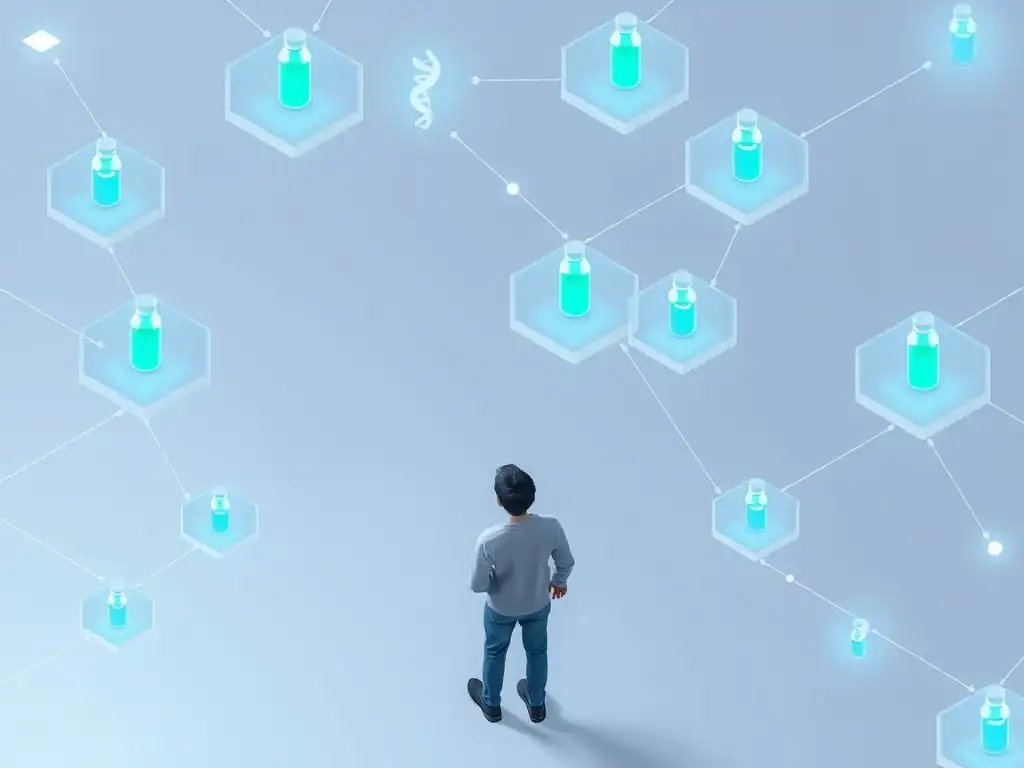
The Importance of Vaccine Traceability in Global Health
Ensuring the safety and efficacy of vaccines is paramount to global public health initiatives. Vaccines are sensitive biological products requiring precise handling, storage, and distribution conditions, often involving strict temperature controls known as the "cold chain." Any failure in this complex journey from manufacturer to patient can render a vaccine ineffective or, worse, harmful. The ability to accurately track each dose is therefore not merely an administrative task but a critical component of disease prevention strategies worldwide.
The global vaccine market is substantial, estimated to be worth tens of billions of dollars annually, and its integrity is constantly threatened by issues such as counterfeiting, diversion, and improper storage. The World Health Organization (WHO) has highlighted the dangers of falsified medical products, estimating that up to 10% of medical products in low- and middle-income countries are substandard or falsified.
For vaccines, the consequences of such failures can be catastrophic, leading to outbreaks of preventable diseases, loss of public trust in immunization programs, and significant economic costs. Robust traceability systems are essential to mitigate these risks, providing visibility and accountability across the entire supply chain to protect vulnerable populations.
Limitations of Traditional Vaccine Distribution Tracking Methods
Traditional methods for tracking vaccine distribution often rely on a patchwork of disparate systems, including paper manifests, spreadsheets, and centralized databases managed by individual stakeholders. This creates significant data silos, making it incredibly challenging to maintain a single, authoritative record of a vaccine's journey. Information handoffs between manufacturers, national distributors, regional logistics providers, and healthcare facilities are prone to delays, errors, and potential manipulation.
These legacy systems lack the transparency and security required for high-stakes pharmaceutical supply chains. Data stored in centralized databases can be vulnerable to cyberattacks or internal tampering. Manual data entry increases the risk of human error, leading to inaccuracies in inventory counts, location tracking, and cold chain monitoring records.
Furthermore, verifying the authenticity of a vaccine dose across multiple intermediaries using traditional methods is often a cumbersome and time-consuming process, hindering rapid response to issues like recalls or suspected counterfeits. The inherent opacity and fragmentation of these systems underscore the need for a more secure, transparent, and efficient approach to vaccine traceability.
How Blockchain Technology Revolutionizes Vaccine Supply Chains
Blockchain technology offers a transformative solution to the long-standing challenges in vaccine distribution and tracking. At its core, a blockchain is a distributed, immutable ledger that records transactions across a network of computers. Once data is added to the blockchain, it is exceptionally difficult to alter or delete, creating a tamper-evident history of events. This inherent security and transparency are precisely what complex supply chains, especially those involving sensitive medical products like vaccines, desperately need.
Implementing Blockchain vaccine traceability solutions creates a shared, secure, and transparent record of every step in the vaccine's lifecycle. From the moment a batch leaves the manufacturing plant to its administration to a patient, key information – such as origin, handling temperature, location changes, and ownership transfers – can be recorded on the blockchain.
This distributed ledger provides all authorized participants in the supply chain with access to the same real-time information, eliminating data silos and fostering unprecedented levels of trust and collaboration. This revolutionary approach enhances visibility, ensures the authenticity of each dose, and significantly improves the overall safety and efficiency of vaccine distribution networks.
Frequently Asked Questions
What is the fundamental problem that blockchain vaccine traceability solutions aim to solve?
The primary problem is ensuring the authenticity and safety of vaccines throughout the supply chain, combating counterfeit products and maintaining cold chain integrity. This builds public trust and prevents potentially harmful consequences.
How does blockchain technology specifically enhance vaccine traceability compared to traditional methods?
Blockchain provides a transparent and immutable record of vaccine movement. This allows for real-time tracking and verification at each stage, reducing the risk of tampering or fraud, which traditional methods struggle with.
What are some of the key benefits for pharmaceutical companies in implementing blockchain-based vaccine traceability?
Pharmaceutical companies benefit from improved supply chain visibility, reduced losses due to counterfeit products, and enhanced brand reputation. This leads to greater consumer confidence in their vaccine products.
What are the main regulatory considerations that need to be addressed when implementing blockchain vaccine traceability solutions?
Regulatory compliance includes data privacy laws (like GDPR), ensuring data security and integrity, and adhering to pharmaceutical regulations. Compliance requires careful planning and robust security protocols.
Beyond vaccine distribution, what other areas of the pharmaceutical industry could benefit from blockchain traceability solutions?
Other areas include tracking pharmaceuticals, managing clinical trials, and verifying the authenticity of medical devices. Blockchain offers enhanced transparency and security across various aspects of the industry.
Final Reflection: Securing Health Through Trust
The journey of vaccines from lab to arm is a complex and often opaque process, but the principles of transparency and accountability are now more crucial than ever. The potential of blockchain vaccine traceability solutions, as explored in this article, offers a powerful mechanism to build trust in a system that directly impacts global health and well-being. This isn't just about technology; it's about safeguarding lives and fostering confidence in the medical advancements that protect us.
The implementation of blockchain technology to track vaccines has the potential to revolutionize the way we approach public health crises. This article underscores the importance of secure and transparent systems, not just for vaccines, but for all critical supply chains. The ability to verify the authenticity and provenance of vaccines is paramount, especially in a world grappling with misinformation and distrust. Trust is the glue of life. It's the most essential ingredient in effective communication. It's the foundational principle that holds all relationships together.
- Stephen Covey. This quote perfectly encapsulates the core need for blockchain in this context: to build and maintain trust in a system that directly impacts our health.
As we move forward, let us not only embrace the technological advancements that offer solutions like blockchain vaccine traceability, but also commit to fostering a culture of transparency and accountability in all aspects of healthcare. Consider how you can advocate for the adoption of these solutions in your own community, and reflect on the role you can play in ensuring that everyone has access to safe and authentic vaccines. The future of global health depends on our collective commitment to building systems we can all trust.
Secure the Future: Advocate for Transparent Vaccine Supply Chains!
Thank you for exploring how blockchain is transforming vaccine distribution and helping ensure safer, more authentic healthcare. You've gained valuable insights into the potential of decentralized solutions. Now, it's time to take action!
You can contribute to building a more transparent and trustworthy vaccine ecosystem by:
- Becoming an Advocate: Share this article with your network to promote awareness of blockchain's role in healthcare, particularly in enhancing vaccine safety and distribution.
- Learning More: Delve deeper into blockchain technology and explore various platforms and solutions currently being used in healthcare. Understanding these details will enable you to advocate effectively.
- Engaging with Policymakers: Reach out to your local representatives and encourage support for blockchain initiatives focused on vaccine traceability and verification. Your voice can make a difference!
Together, how can we leverage blockchain to eliminate counterfeit vaccines and create a healthier, more secure future? Share your ideas in the comments below!
Leave a Reply