
Blockchain Sharding: From Theory to Practice RealWorld Implementations and Results


Welcome to Blockchain Trends, your gateway to understanding the revolutionary impact of blockchain technology. Beyond the buzzwords and cryptocurrencies, lies a world of transformative potential. Are you ready to delve into how blockchain is reshaping industries?
In this article, we unpack the complexities of blockchain sharding, moving beyond theoretical concepts to examine real-world implementations and their tangible results. Discover how this crucial scaling solution is addressing the challenges of blockchain adoption and paving the way for a truly decentralized future. Curious to see how sharding is making a difference? Read on to explore the latest advancements in blockchain scalability and interoperability.
Blockchain Scalability Solutions: Real-World Implementations and Results
- Understanding Blockchain Scalability Challenges
- Real-World Blockchain Scaling Implementations: A Deep Dive
- Analyzing the Results: Performance, Security, and Decentralization
- Layer-1 vs. Layer-2 Scaling Solutions
- The Future of Blockchain Scaling: Trends and Predictions
- Conclusion: Potential to Unlock Mass Adoption
-
Frequently Asked Questions
- What is blockchain sharding and why is it needed?
- How does sharding improve blockchain scalability?
- What are some of the challenges associated with implementing blockchain sharding?
- Can you provide examples of real-world implementations of blockchain sharding?
- How will blockchain sharding impact the future of decentralized systems?
- Final Reflection: Unlocking Blockchain's Scalability
- Dive Deeper: Architect Your Blockchain Future!
Understanding Blockchain Scalability Challenges
The Blockchain Scalability Problem: A Barrier to Widespread Adoption
The blockchain scalability problem arises from the inherent design of most early blockchain networks, where each node must process and validate every transaction. This consensus mechanism, while crucial for security and decentralization, creates a bottleneck as the network grows. Bitcoin, for instance, famously processes around 7 transactions per second (TPS), and Ethereum, before its major upgrades, hovered around 15-20 TPS.
These figures are dwarfed when compared to traditional payment processors like Visa, which can handle thousands of TPS. This limitation hinders the widespread adoption of blockchain technology for applications requiring high throughput, such as global payment systems, high-frequency trading platforms, or social media networks with millions of active users. The inability to scale effectively translates to slower transaction processing times, increased transaction fees due to network congestion, and ultimately, a poorer user experience, making blockchain less attractive compared to centralized alternatives for many use cases.
The consequences of poor scalability extend beyond mere inconvenience. For businesses considering blockchain adoption, scalability concerns directly impact operational costs and efficiency. Higher transaction fees can erode profit margins, and slower processing times can disrupt workflows and customer service. For decentralized applications (dApps), limited scalability can restrict user growth and functionality, preventing them from reaching their full potential.
Furthermore, the scalability bottleneck also affects the long-term sustainability and security of blockchain networks. As transaction volume increases without corresponding scaling solutions, the network becomes more vulnerable to congestion attacks and centralization pressures, undermining the core principles of decentralization and trust that blockchain technology aims to uphold. Therefore, addressing the scalability problem is paramount to unlocking the true potential of blockchain and enabling its mainstream adoption across diverse industries.
Layer-1 Scaling Solutions: A Comprehensive Overview
Layer-1 scaling solutions refer to modifications and improvements made directly to the main blockchain protocol itself to increase its transaction processing capacity and overall throughput. These solutions aim to fundamentally enhance the base layer of the blockchain, allowing it to handle more transactions and users without relying on external or secondary layers. Layer-1 scaling is considered crucial for achieving sustainable and long-term scalability while maintaining the security and decentralization properties of the blockchain. Unlike Layer-2 solutions, which build upon existing blockchains, Layer-1 solutions directly alter the core architecture and consensus mechanisms.
Several approaches fall under the umbrella of Layer-1 scaling, each with its own set of trade-offs and complexities. Increasing the block size, for example, allows for more transactions to be included in each block, thereby potentially increasing throughput. However, larger block sizes can lead to increased storage requirements for nodes and potentially impact network propagation times, potentially centralizing the network.
Another approach involves optimizing the consensus mechanism, moving away from computationally intensive Proof-of-Work (PoW) to more efficient alternatives like Proof-of-Stake (PoS) or Delegated Proof-of-Stake (DPoS). These consensus mechanisms can significantly reduce the time and resources required to validate transactions and create new blocks, leading to improved scalability.
Sharding, the primary focus of this article, is a more complex Layer-1 scaling technique that involves dividing the blockchain network into smaller, manageable pieces, allowing for parallel processing of transactions and significantly increasing overall throughput. Layer-1 solutions represent a fundamental approach to blockchain scalability, addressing the issue at its core by enhancing the base protocol itself.
Types of Layer-1 Scaling Techniques: Sharding, Consensus Mechanisms, and Optimized Data Structures
Layer-1 scaling encompasses a range of techniques designed to enhance a blockchain's base protocol. Among the most prominent are sharding, improvements to consensus mechanisms, and optimizations in data structures. Sharding, inspired by database sharding, partitions the blockchain into smaller, independent shards, each capable of processing transactions concurrently. This parallel processing dramatically increases the network's overall transaction throughput, as different shards can validate transactions simultaneously instead of sequentially. For example, if a blockchain is divided into four shards, theoretically, it could process transactions roughly four times faster than a non-sharded chain, assuming even distribution of transactions across shards.
Consensus mechanism upgrades represent another significant area of Layer-1 scaling. The shift from Proof-of-Work (PoW) to Proof-of-Stake (PoS) is a prime example. PoW, while secure, is energy-intensive and slow, limiting transaction processing speed.
PoS, on the other hand, reduces reliance on computational power, allowing for faster block creation and validation, contributing to higher TPS. Blockchains like Ethereum have transitioned to PoS (specifically, its variant called Casper) as a crucial step in their scalability roadmap. Furthermore, consensus mechanisms like Delegated Proof-of-Stake (DPoS), used by blockchains like EOS (though EOS's actual decentralization is debated), and variations like Proof-of-History (PoH) in Solana, are designed for faster block times and higher throughput.
Optimized data structures also play a role in Layer-1 scaling. Techniques like Merkle trees and state pruning can reduce the amount of data nodes need to store and process, leading to efficiency gains and improved scalability. These Layer-1 techniques, often used in combination, aim to create more efficient and scalable blockchain networks capable of handling increasing demands.
Real-World Blockchain Scaling Implementations: A Deep Dive
Ethereum's Transition to Proof-of-Stake and Sharding
Ethereum, the second-largest cryptocurrency and a leading platform for decentralized applications, has been actively tackling its scalability challenges. Its initial architecture, based on Proof-of-Work, struggled to handle the growing transaction volume, leading to network congestion and high gas fees. To address this, Ethereum embarked on a multi-phased upgrade, often referred to as Ethereum 2.0, with Proof-of-Stake (PoS) and sharding as central components.
The transition to PoS, finalized with "The Merge" in September 2022, was the first major step. This shift from PoW to PoS significantly reduced Ethereum's energy consumption by over 99% and paved the way for further scaling improvements. While PoS itself provides some scalability benefits by reducing block times compared to PoW, it is not the ultimate scalability solution Ethereum aims for.
Sharding is the next major phase in Ethereum's scalability roadmap. Ethereum's sharding implementation, initially planned to be rolled out in phases starting around 2023-2024, aims to divide the Ethereum network into 64 shards. These shards will operate in parallel, each processing a subset of transactions and smart contracts.
This parallel processing is projected to drastically increase Ethereum's transaction throughput, potentially reaching tens of thousands of TPS. However, the exact timeline and technical specifications of Ethereum's sharding implementation have evolved and continue to be refined.
As of late 2023 and early 2024, the focus has shifted towards "danksharding" and "proto-danksharding," which are refined approaches to sharding aimed at optimizing data availability and scalability, particularly for Layer-2 rollups. While full sharding is still under development, Ethereum's transition to PoS and ongoing work on sharding technologies demonstrate a real-world, large-scale effort to implement Layer-1 scaling solutions and address the limitations of its initial architecture.
Zilliqa: Implementation of Sharded Architecture
Zilliqa is one of the earliest blockchain projects to successfully implement sharding at the protocol level. Recognizing the limitations of traditional monolithic blockchain architectures, Zilliqa was designed from the ground up with sharding as a core feature. Launched in its mainnet form in 2019, Zilliqa's architecture is built around the concept of network sharding, dividing the network into multiple shards that can process transactions in parallel. This approach allows Zilliqa to achieve significantly higher transaction throughput compared to non-sharded blockchains, making it suitable for applications requiring high scalability.
Zilliqa's Architecture: Integrating Sharding for Scalability
Zilliqa's architecture employs a network sharding approach, where the network is divided into groups of nodes called shards. Each shard is responsible for processing a subset of transactions. This division is achieved through a process called Distributed Key Generation (DKG), which randomly assigns nodes to different shards.
Transactions are then routed to the appropriate shard based on the transaction's sender or recipient address. Within each shard, nodes reach consensus on transactions using a Practical Byzantine Fault Tolerance (pBFT) consensus mechanism. After transactions are processed within a shard, the results are aggregated and finalized on the main chain.
This sharded architecture allows for parallel processing of transactions, as multiple shards can process transactions concurrently, significantly increasing the overall network throughput. Furthermore, Zilliqa employs an innovative consensus mechanism called "Ethash with finality," which combines the security of Ethash (a PoW algorithm) for Sybil resistance with pBFT for efficient consensus within shards. This combination aims to balance security and scalability effectively.
Performance Metrics and Transaction Throughput on Zilliqa
Zilliqa has demonstrated significantly higher transaction throughput compared to many non-sharded blockchains in real-world testing and operational environments. While theoretical maximums are often cited, real-world performance depends on various factors including network conditions and transaction complexity. Zilliqa's whitepaper and subsequent tests have indicated the potential to achieve thousands of transactions per second (TPS).
In controlled testing environments, Zilliqa has reportedly reached over 2,800 TPS. However, it's important to note that sustained real-world TPS may vary. Independent assessments and community reports suggest that Zilliqa typically operates at a significantly higher TPS than older blockchains like Bitcoin or pre-merge Ethereum, often cited in the range of hundreds to over a thousand TPS during periods of network activity.
For example, during peak usage periods, Zilliqa has demonstrably processed transactions much faster and with lower fees compared to networks experiencing congestion due to scalability limitations. While precise, continuously updated real-time TPS figures fluctuate, Zilliqa's sharded architecture has demonstrably enabled it to achieve a significantly higher level of scalability in practice compared to many of its predecessors, making it a real-world example of blockchain sharding in action and showcasing tangible performance improvements.
Near Protocol: Dynamic Sharding for Enhanced Performance
Near Protocol is another blockchain platform that has implemented sharding as a core scaling solution. Near utilizes a dynamic sharding approach, called Nightshade, designed to automatically adjust the number of shards based on network demand. This dynamic nature aims to optimize resource utilization and maintain high performance even as network usage fluctuates. Launched in 2020, Near Protocol focuses on developer and user-friendliness alongside scalability, aiming to provide a platform suitable for building and deploying decentralized applications at scale.
Nightshade Technology: Near's Sharding Implementation
Nightshade is Near Protocol's unique implementation of sharding. Unlike static sharding approaches where the number of shards is fixed, Nightshade uses a dynamic resharding mechanism. This means the number of shards in the Near network can increase or decrease automatically in response to changes in transaction volume and network load. This dynamic adjustment aims to ensure optimal resource allocation and maintain high throughput regardless of network demand fluctuations.
Nightshade shards operate concurrently, processing transactions in parallel, similar to other sharding implementations. A key innovation in Nightshade is its "validator client" design. Instead of requiring validators to track the entire state of the blockchain, each validator only needs to track the state of their assigned shard.
This significantly reduces the computational and storage burden on individual validators, making it easier for more participants to become validators and enhancing decentralization. Furthermore, Nightshade employs a "thresholded proof-of-stake" consensus mechanism and utilizes "Doomslug" finality gadget for fast block finalization. The combination of dynamic resharding, validator client design, and efficient consensus mechanisms contributes to Near Protocol's scalability and performance.
Near Protocol's Scalability Achievements
Near Protocol has demonstrated impressive scalability capabilities due to its Nightshade sharding technology. While precise real-time TPS figures are variable and depend on network usage, Near has showcased the potential to achieve significantly high transaction throughput. In test environments and under simulated load, Near has reportedly reached thousands of TPS.
Near's dynamic sharding architecture is designed to scale linearly with the number of shards, meaning as network demand increases and more shards are added, the overall transaction processing capacity of the network increases proportionally. This dynamic scaling is a key advantage, allowing Near to adapt to fluctuating network conditions and maintain high performance. Independent benchmarks and community reports often cite Near Protocol as being capable of handling hundreds to thousands of TPS in real-world scenarios, comfortably outperforming non-sharded blockchains.
For instance, Near has been observed to process transactions much faster and with lower fees during periods where other networks have experienced congestion. While specific TPS numbers are constantly evolving, Near Protocol's dynamic sharding implementation has demonstrably resulted in a highly scalable blockchain platform, capable of supporting a wide range of decentralized applications and use cases requiring high throughput and low latency, solidifying its position as a real-world example of effective blockchain sharding.
Other Notable Scaling Projects: Avalanche, Solana, and Polkadot
Beyond Ethereum, Zilliqa, and Near, several other blockchain projects have implemented innovative approaches to scalability, although not all are strictly sharding in the same sense. Avalanche, for example, employs a unique consensus mechanism called Avalanche consensus, which allows for very fast transaction finality and high throughput. Avalanche achieves scalability through its architecture that supports multiple subnets, which are essentially application-specific blockchains that can operate independently and customize their parameters. While not traditional sharding, subnets offer a form of horizontal scaling.
Solana is another high-performance blockchain that achieves scalability through a combination of innovations, including Proof-of-History (PoH), a consensus mechanism that drastically speeds up block creation, and other optimizations like Turbine for block propagation and Gulf Stream for transaction forwarding. Solana's architecture is highly optimized for speed and throughput, enabling it to achieve very high TPS, though it is often debated whether this comes at the cost of decentralization. Polkadot takes a different approach to scalability and interoperability through its parachain architecture.
Polkadot acts as a relay chain connecting multiple parachains, which are independent blockchains that can customize their functionality. Parachains can process transactions in parallel, and Polkadot's architecture allows for cross-chain communication and data sharing between parachains.
While Polkadot's parachains are not shards of a single chain in the traditional sharding definition, they provide a scalable and interoperable ecosystem where multiple blockchains can operate concurrently and contribute to overall network capacity. These projects, while employing different techniques, demonstrate the diverse approaches being taken to address blockchain scalability and achieve higher transaction throughput and faster finality in real-world blockchain deployments.
Analyzing the Results: Performance, Security, and Decentralization
Impact on Transaction Throughput and Latency
Blockchain sharding, as implemented in projects like Zilliqa and Near, demonstrably increases transaction throughput. By dividing the network and enabling parallel transaction processing, sharded blockchains can handle significantly more transactions per second compared to traditional non-sharded architectures. Zilliqa, for example, has shown the ability to reach thousands of TPS in test environments, and consistently operates at a higher TPS than older blockchains in real-world conditions.
Similarly, Near Protocol's dynamic sharding architecture is designed for high throughput and linear scalability, adapting to network demand. This increased throughput is crucial for supporting applications requiring high transaction volumes, such as decentralized exchanges, payment systems, and social media platforms.
The impact on latency, or transaction confirmation time, is also significant. Sharding can reduce latency by distributing the processing load and enabling faster consensus within smaller shards. While latency depends on various factors including network conditions and consensus mechanisms, sharded blockchains often achieve faster transaction finality compared to congested non-sharded networks. For example, Zilliqa's pBFT consensus within shards contributes to relatively fast transaction confirmation times.
Near Protocol's Doomslug finality gadget also aims for rapid block finalization. Reduced latency improves the user experience, making blockchain applications more responsive and practical for real-world use cases where speed is critical. However, it's important to note that sharding implementation complexity and inter-shard communication can introduce new latency considerations that need to be carefully managed in the design and operation of sharded blockchains.
Security Considerations in Scalable Blockchains
While sharding offers significant scalability benefits, it also introduces new security considerations that must be carefully addressed. One of the primary concerns is the potential for reduced security within individual shards compared to a single, monolithic blockchain. If a shard has a smaller number of validators, it might be theoretically easier for malicious actors to compromise a single shard, as the cost of attacking a smaller shard could be lower. This is often referred to as the "shard takeover" or "single-shard takeover" problem.
Addressing Vulnerabilities and Maintaining Security
To mitigate security risks in sharded blockchains, various strategies are employed. One approach is to ensure sufficient validator distribution across all shards. Random shard assignment and frequent reshuffling of validators between shards can make it more difficult for attackers to target specific shards consistently. Economic incentives also play a crucial role.
Staking mechanisms and slashing penalties can disincentivize malicious behavior and encourage validators to act honestly within shards. Furthermore, cryptographic techniques like Verifiable Random Functions (VRFs) are used in shard assignment to ensure randomness and prevent predictable shard compositions that attackers could exploit. Inter-shard communication protocols also need to be secured to prevent cross-shard attacks or data manipulation.
Protocols like Zilliqa's use of Merkle proofs for cross-shard communication enhance security. Auditing and formal verification of sharding protocols are essential to identify and address potential vulnerabilities before deployment. The ongoing development and refinement of sharding techniques are focused on balancing scalability gains with robust security measures to ensure the integrity and reliability of sharded blockchain networks.
Data Availability and Consistency in Distributed Systems
Data availability and consistency are critical challenges in distributed systems, including sharded blockchains. In a sharded system, data is partitioned across multiple shards. Ensuring that data is available when needed and that all shards maintain a consistent view of the blockchain state is crucial for the system's functionality and security. The "data availability problem" arises when malicious actors or network failures prevent data from being accessible to validators or users. If shard data becomes unavailable, validators may not be able to verify transactions, potentially halting shard operation or allowing invalid transactions to be included.
To address data availability, techniques like data replication and erasure coding are employed. Data replication involves storing copies of shard data across multiple nodes, increasing redundancy and availability. Erasure coding is a more efficient approach that allows for data reconstruction even if some data fragments are lost.
Furthermore, data availability sampling (DAS) is a technique where nodes randomly sample data from shards to probabilistically verify data availability without needing to download the entire shard data. Ensuring consistency across shards is also vital. Sharded blockchains need mechanisms to guarantee that transactions processed in different shards are consistent with the overall blockchain state and that cross-shard transactions are handled correctly.
Protocols like atomic cross-shard transactions and mechanisms for state synchronization between shards are used to maintain consistency. Addressing data availability and consistency in sharded blockchains requires careful design and implementation of robust protocols and techniques to ensure the reliability and integrity of the distributed system.
Decentralization Considerations in Scaled Architectures
Scalability solutions, including sharding, can have implications for decentralization. Ideally, scaling should enhance or at least maintain the level of decentralization in a blockchain network. However, some scaling approaches might inadvertently lead to centralization if not carefully designed. For example, if sharding reduces the resource requirements for running a node significantly, it could potentially increase the number of validators and enhance decentralization. Conversely, if sharding introduces complexities that make it more difficult or costly to participate as a validator in certain shards, it could lead to centralization within those shards.
The design of sharding architectures needs to carefully consider decentralization. Dynamic sharding and validator client designs, as seen in Near Protocol, aim to reduce the resource burden on validators and encourage broader participation, potentially enhancing decentralization. Random shard assignment and frequent validator reshuffling also contribute to preventing the formation of centralized cliques within shards.
The economic incentives within sharded blockchains, including staking rewards and penalties, should be designed to encourage widespread validator participation and discourage centralization. Transparent governance mechanisms and community involvement in protocol development are also crucial for ensuring that scaling solutions are implemented in a way that aligns with the principles of decentralization. Ultimately, the success of sharded blockchains in maintaining or enhancing decentralization depends on the careful design of their architecture, consensus mechanisms, and economic incentives to foster a robust and distributed validator network.
Layer-1 vs. Layer-2 Scaling Solutions
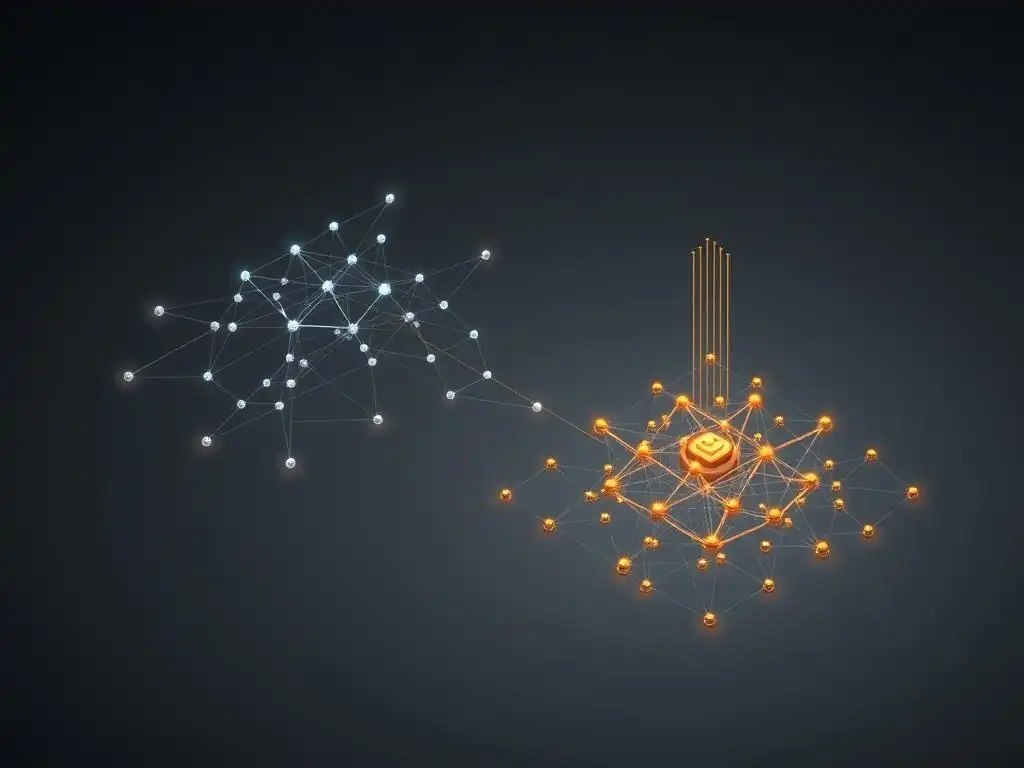
Layer-1 Solutions (Sharding, Consensus Mechanisms) vs. Layer-2 Solutions (Rollups, Channels)
Layer-1 and Layer-2 scaling solutions represent distinct approaches to address blockchain scalability. Layer-1 solutions, like sharding and consensus mechanism improvements, modify the base blockchain protocol itself to increase throughput. These solutions aim for fundamental improvements to the blockchain's core architecture. Sharding, as discussed, divides the network for parallel processing. Consensus mechanism upgrades, such as PoS, enhance efficiency and reduce block times. Layer-1 solutions offer the potential for significant scalability gains directly at the base layer, but they often involve complex protocol changes and can be time-consuming to implement and deploy.
Layer-2 solutions, on the other hand, are built on top of an existing Layer-1 blockchain. They do not alter the base protocol but instead operate as secondary layers that handle transactions off-chain, reducing the load on the main chain. Rollups and channels are prominent examples of Layer-2 solutions.
Rollups, such as Optimistic Rollups and ZK-Rollups, bundle multiple transactions into a single batch and submit them to the Layer-1 chain for verification. This significantly increases transaction throughput while inheriting the security of the Layer-1 chain. Channels, like state channels and payment channels, allow participants to conduct multiple transactions off-chain and only interact with the main chain to open and close the channel, reducing on-chain transaction volume.
Layer-2 solutions are often faster to implement and deploy compared to Layer-1 changes and can provide immediate scalability improvements without requiring fundamental protocol modifications. However, Layer-2 solutions may introduce their own set of complexities and trade-offs, such as reliance on a separate layer and potential security considerations specific to the Layer-2 implementation.
Sidechains and Parachains: Alternative Scaling Approaches
Sidechains and parachains offer alternative scaling approaches that, while sometimes categorized separately, can also be viewed as related to Layer-2 concepts in some contexts. Sidechains are independent blockchains that run parallel to a main chain and are connected to it through a two-way peg. Transactions can be moved between the main chain and the sidechain, allowing for offloading transaction processing to the sidechain and reducing congestion on the main chain.
Sidechains often have their own consensus mechanisms and block parameters, allowing for customization and optimization for specific use cases. However, sidechains typically have their own security models, which may not be as robust as the main chain's security, and security breaches on a sidechain might not directly impact the main chain's security.
Parachains, as implemented in Polkadot, are another form of parallel blockchain architecture. Parachains are independent blockchains that connect to and are secured by a central relay chain, like Polkadot. Parachains can process transactions in parallel and benefit from the shared security and interoperability provided by the relay chain.
Polkadot's parachain model aims to create a scalable and interoperable ecosystem of blockchains, where each parachain can be optimized for specific applications while contributing to the overall network capacity and security. Both sidechains and parachains offer approaches to scale blockchain networks by distributing transaction processing across multiple independent or semi-independent chains, providing alternatives to both Layer-1 sharding and traditional Layer-2 solutions like rollups and channels.
Comparative Analysis: Choosing the Right Scaling Method
Choosing the right scaling method depends on various factors, including the specific requirements of the blockchain application, the desired level of security and decentralization, and the technical complexity and implementation timeline. Layer-1 scaling solutions like sharding offer the potential for fundamental and sustainable scalability improvements directly at the base protocol level, but they are often complex to implement and may require significant protocol upgrades. Layer-2 solutions, like rollups and channels, provide faster and more readily deployable scalability improvements by operating off-chain, but they may introduce their own complexities and trade-offs.
Sidechains and parachains offer alternative approaches by creating parallel blockchain architectures, providing scalability and customization but with different security and interoperability considerations. For applications requiring very high throughput and low latency, Layer-1 sharding or highly optimized Layer-2 solutions like ZK-Rollups might be suitable. For applications prioritizing rapid deployment and lower development complexity, Layer-2 solutions or sidechains might be preferred.
For ecosystems aiming for interoperability and shared security across multiple blockchains, parachains like Polkadot offer a compelling architecture. The choice of scaling method often involves a trade-off between scalability gains, security considerations, decentralization goals, and implementation complexity. A comprehensive evaluation of these factors is crucial for selecting the most appropriate scaling method for a given blockchain project or application.
The Future of Blockchain Scaling: Trends and Predictions
Interoperability in a Multi-Chain Ecosystem
The future of blockchain scaling is increasingly intertwined with interoperability. As various Layer-1 and Layer-2 scaling solutions emerge and different blockchain platforms gain traction, the blockchain landscape is becoming increasingly multi-chain. Interoperability, the ability for different blockchains to communicate and interact with each other, is becoming crucial for realizing the full potential of this diverse ecosystem. Users and applications will likely need to interact with assets and data across multiple chains, and seamless interoperability will be essential for a smooth user experience and efficient cross-chain workflows.
Technologies like cross-chain bridges, atomic swaps, and inter-blockchain communication protocols are being developed to enable interoperability. Cross-chain bridges allow for the transfer of assets and data between different blockchains, enabling users to move value and information across chains. Atomic swaps facilitate direct peer-to-peer exchange of assets between different blockchains without relying on intermediaries.
Inter-blockchain communication protocols, like Polkadot's XCMP or Cosmos's IBC, provide standardized frameworks for blockchains to communicate and exchange data in a secure and trustless manner. The future of blockchain scaling is likely to involve a network of interconnected and interoperable blockchains, where different chains specialize in different areas and users can seamlessly interact with various chains and applications across the ecosystem. This multi-chain future necessitates continued innovation and development in interoperability technologies to create a truly connected and scalable blockchain ecosystem.
The Role of Technology in Optimization
Technology advancements will continue to play a crucial role in optimizing blockchain scaling solutions. Ongoing research and development in cryptography, distributed systems, and computer science are driving innovation in blockchain scaling. Advancements in cryptography are leading to more efficient and secure consensus mechanisms, zero-knowledge proofs, and other cryptographic techniques that can enhance scalability and privacy. Improvements in distributed systems research are contributing to more efficient sharding protocols, data availability solutions, and network communication techniques that can improve the performance and scalability of distributed blockchain networks.
Hardware advancements, such as faster processors, increased memory capacity, and specialized hardware like ASICs and GPUs, can also contribute to blockchain scalability. Optimizations in software engineering and programming languages are also playing a role in improving the efficiency and performance of blockchain implementations. For example, the use of more efficient programming languages and optimized code libraries can reduce computational overhead and improve transaction processing speed. The ongoing evolution of technology, both in software and hardware, will continue to drive innovation in blockchain scaling, leading to more efficient, scalable, and user-friendly blockchain networks in the future.
Challenges and Opportunities for Widespread Adoption
Despite the progress in blockchain scaling, challenges and opportunities remain for widespread adoption. Scalability is still a significant hurdle for many blockchain applications, and further improvements are needed to reach the transaction throughput and latency levels required for truly mass-market applications. Security considerations in scaled architectures, particularly in sharded blockchains, need to be continuously addressed and mitigated to maintain user trust and network integrity. Decentralization remains a core principle of blockchain, and scaling solutions need to be implemented in a way that preserves or enhances decentralization, avoiding centralization risks.
However, the advancements in Layer-1 and Layer-2 scaling, coupled with interoperability solutions, are creating significant opportunities for wider blockchain adoption. Scalable blockchains can support a broader range of applications, including high-volume payment systems, decentralized finance (DeFi) platforms, and social media networks. Improved scalability can also lead to lower transaction fees, making blockchain more accessible and affordable for users.
The development of user-friendly tools and interfaces, combined with scalable infrastructure, can lower the barriers to entry for both developers and users, fostering greater adoption. As blockchain technology matures and scaling solutions become more robust and widely implemented, the potential for blockchain to transform various industries and become a mainstream technology grows significantly.
Conclusion: Potential to Unlock Mass Adoption
Blockchain sharding and other Layer-1 scaling solutions represent crucial advancements in overcoming the scalability limitations that have hindered blockchain's widespread adoption. Real-world implementations like Zilliqa and Near Protocol demonstrate the tangible benefits of sharding in increasing transaction throughput and reducing latency. While security and decentralization considerations remain paramount and require ongoing attention, the progress in scaling technologies is paving the way for blockchain to handle significantly larger transaction volumes and support more complex and demanding applications.
By addressing the scalability bottleneck, these innovations unlock the potential for blockchain to move beyond niche applications and become a foundational technology for various industries and use cases. From enabling faster and cheaper global payments to supporting decentralized social media and high-throughput DeFi platforms, scalable blockchains are essential for realizing the promise of a decentralized and more efficient future. Continued research, development, and real-world deployment of blockchain scaling solutions are critical steps toward achieving mass adoption and fully realizing the transformative potential of blockchain technology.
Frequently Asked Questions
What is blockchain sharding and why is it needed?
Blockchain sharding is a scalability solution that divides a blockchain's workload across multiple smaller, independent shards. This is necessary to address the limitations of traditional blockchains, which can suffer from slow transaction speeds and high fees.
How does sharding improve blockchain scalability?
By distributing the workload, sharding allows for parallel processing of transactions. This significantly increases the overall throughput of the blockchain network, enabling it to handle a larger volume of transactions more efficiently.
What are some of the challenges associated with implementing blockchain sharding?
Implementing sharding introduces complexities such as data consistency, cross-shard communication, and security vulnerabilities. Ensuring the integrity and security of the entire blockchain while operating in a sharded environment is a significant challenge.
Can you provide examples of real-world implementations of blockchain sharding?
Several projects are actively exploring and implementing sharding, including Ethereum 2.0 (formerly Serenity) and Zilliqa. These projects aim to demonstrate the practical benefits of sharding in improving blockchain performance and scalability.
How will blockchain sharding impact the future of decentralized systems?
Blockchain sharding is poised to play a crucial role in the future of decentralized systems by enabling them to scale to meet the demands of mainstream adoption. It paves the way for more efficient and accessible blockchain applications across various industries.
Final Reflection: Unlocking Blockchain's Scalability
The journey from theoretical blockchain sharding to tangible real-world implementations marks a pivotal moment in the evolution of distributed ledger technology. No longer confined to academic papers and proof-of-concept models, sharding is actively reshaping the landscape, offering a viable pathway to overcome the scalability limitations that have long hindered widespread blockchain adoption. This transition from concept to reality is not just a technical achievement; it's a testament to the relentless innovation driving the future of decentralized systems.
This exploration of real-world sharding implementations underscores its profound influence on the cultural and social landscape. The ability to process transactions faster and more efficiently unlocks new possibilities for decentralized applications, empowering individuals and fostering greater transparency across various industries. The future of blockchain is not just about building better blockchains, but about building blockchains that can work together, scale effectively, and truly empower users.
This quote encapsulates the transformative potential of sharding, highlighting its role in realizing the original vision of a decentralized and accessible future.
Now, as you reflect on the advancements and challenges discussed, consider how blockchain sharding might impact your own field or community. What new opportunities might arise from a more scalable and efficient blockchain infrastructure? Embrace the spirit of innovation and explore how you can contribute to the ongoing evolution of this transformative technology. The future of decentralized systems is being written now, and your insights and actions can help shape its trajectory.
Dive Deeper: Architect Your Blockchain Future!
Thank you for exploring the world of blockchain sharding with us! Now that you understand the journey from theory to practice, it's time to consider how this technology can revolutionize your projects. Let's get you started!
Here are a few actionable steps you can take today:
- Begin prototyping a sharded architecture for a current blockchain project. Document your findings and share your initial challenges.
- Explore existing open-source sharding implementations and contribute to their development.
- Join the Blockchain Trends community forum to discuss your sharding implementation strategy and learn from others in the field.
What specific bottleneck in your existing blockchain system could be best addressed by sharding techniques, and what are your initial thoughts on how to tackle it? Share your insights in the comments!
Leave a Reply