
Biometric Authentication on the Blockchain: Balancing Security and User Experience

Welcome to Blockchain Trends, your source for in-depth exploration of the revolutionary power of blockchain beyond the hype.
Is your current authentication method truly secure and user-friendly? Dive into our latest article, "Biometric Authentication on the Blockchain: Balancing Security and User Experience," where we unravel the complexities of achieving a seamless and secure blockchain biometric authentication security UX. Discover how this cutting-edge technology is poised to reshape digital identity and fortify online security, all while enhancing the user experience. Intrigued? Read on to learn more about its potential and the challenges that lie ahead.
- Blockchain Biometric Authentication: A New Era of Secure and User-Friendly Access
- Understanding Biometric Authentication Methods
- The Role of Blockchain in Securing Biometric Data
- Blockchain Biometric Authentication Security UX: Balancing Act
- Use Cases for Blockchain Biometric Authentication
- Challenges and Future Trends in Blockchain Biometric Authentication
- Conclusion: The Future is Secure and User-Friendly
-
Frequently Asked Questions
- What are the primary advantages of using blockchain for biometric authentication?
- How does blockchain improve the user experience (UX) of biometric authentication?
- What are the key security considerations when implementing blockchain biometric authentication?
- What role does DeFi (Decentralized Finance) play in the context of blockchain biometric authentication?
- How are regulatory bodies approaching the use of blockchain biometric authentication?
- Final Reflection: Securing the Future with Seamless Identity
- Unlock the Future: Integrate Biometrics and Blockchain Today!
Blockchain Biometric Authentication: A New Era of Secure and User-Friendly Access
Introduction: The Convergence of Biometrics and Blockchain for Enhanced Security
The digital age demands robust security measures to protect sensitive data and ensure secure access. Traditional password-based systems are increasingly vulnerable to breaches, phishing attacks, and human error, leading to a growing need for more reliable and user-friendly authentication methods. Biometric authentication, which utilizes unique biological traits for identification, offers a compelling alternative.
When combined with the security and transparency of blockchain technology, it creates a powerful synergy that can revolutionize digital security while enhancing user experience. This convergence promises a future where secure access is not only stronger but also more intuitive and seamless for users across various applications.
Blockchain technology, renowned for its decentralized and immutable nature, provides an ideal infrastructure for securing biometric data. Unlike centralized databases that are prime targets for cyberattacks, blockchain distributes data across a network, making it significantly harder to compromise. The cryptographic nature of blockchain ensures data integrity and authenticity, crucial for maintaining the trustworthiness of biometric authentication systems. This combination addresses the core security concerns associated with traditional biometric systems, such as data breaches and single points of failure, paving the way for wider adoption and trust in biometric authentication solutions.
Understanding Biometric Authentication Methods
Types of Biometric Authentication: A Comparative Overview
Biometric authentication encompasses a diverse range of methods, each leveraging unique human characteristics for identification and verification. Fingerprint scanning, one of the most widely adopted forms, analyzes the unique patterns of ridges and valleys on a fingertip. Facial recognition technology maps facial features such as the distance between eyes, nose, and mouth to create a unique facial signature.
Iris scanning, considered highly accurate, analyzes the intricate patterns of the iris, the colored part of the eye. Voice recognition identifies individuals based on unique vocal characteristics, including pitch, tone, and accent. Each method offers varying levels of security, user convenience, and cost-effectiveness.
For instance, fingerprint scanning is relatively inexpensive and user-friendly, commonly found in smartphones and laptops, with an estimated accuracy rate of around 98%. Facial recognition, while convenient for contactless authentication, can be less reliable in varying lighting conditions or with facial changes and has an accuracy rate that can vary between 95% to 99% depending on the system and conditions.
Iris scanning boasts a very high accuracy rate, often exceeding 99.9%, making it suitable for high-security applications, but it can be more expensive to implement and may be perceived as less user-friendly than fingerprint or facial recognition. Voice recognition provides hands-free authentication but can be influenced by background noise and variations in voice due to illness or emotion, with accuracy rates generally ranging from 90% to 98% depending on the system's sophistication and training.
The choice of biometric method often depends on the specific security requirements, user context, and budgetary constraints of the application.
Advantages of Biometric Authentication Over Traditional Passwords
Biometric authentication offers significant advantages over traditional password-based systems, primarily in terms of security and user convenience. Passwords, despite being the most common form of authentication, are inherently vulnerable. They can be forgotten, stolen, phished, or cracked through brute-force attacks. Studies indicate that a significant percentage of users reuse passwords across multiple accounts, and many choose weak, easily guessable passwords, exacerbating security risks. Biometric authentication, on the other hand, leverages unique and difficult-to-replicate biological traits, making it significantly more secure against these common vulnerabilities.
Moreover, biometric authentication enhances user experience by eliminating the need to remember and manage complex passwords. This reduces password fatigue and streamlines the login process, making access faster and more convenient. For example, unlocking a smartphone with a fingerprint or facial scan is significantly quicker and easier than typing in a password or PIN.
This improved user experience can lead to increased adoption of security measures and reduce user frustration associated with password management. Furthermore, biometric authentication can enhance accountability as it directly links actions to individuals, providing a stronger audit trail and reducing the possibility of shared credentials and unauthorized access, which are common weaknesses in password-based systems.
The Role of Blockchain in Securing Biometric Data
Blockchain's Decentralized Ledger: A Foundation for Secure Biometric Storage
Blockchain technology provides a robust and secure foundation for managing and storing biometric data, addressing critical vulnerabilities inherent in centralized systems. Traditional biometric systems often rely on centralized databases to store biometric templates, making them attractive targets for cyberattacks. A successful breach of such a database could expose sensitive biometric information of a large number of users, leading to identity theft and privacy violations. Blockchain's decentralized ledger architecture mitigates this risk by distributing data across a network of nodes, eliminating single points of failure and making it exponentially more difficult for attackers to compromise the entire system.
Importantly, blockchain is not typically used to store the raw biometric data itself, which would be inefficient and privacy-compromising. Instead, it is used to store cryptographic hashes of the biometric data, or pointers to where the biometric data is securely stored off-chain. These hashes act as unique digital fingerprints of the biometric information, ensuring data integrity and authenticity.
Any attempt to tamper with the biometric data or the associated hashes stored on the blockchain would be immediately detectable due to the immutability and transparency of the ledger. This approach combines the security benefits of blockchain with the practical considerations of managing large volumes of biometric data, creating a more secure and scalable biometric authentication infrastructure.
Enhancing Data Privacy with Blockchain-Based Biometric Systems
Beyond security, blockchain technology can significantly enhance data privacy in biometric authentication systems. In traditional centralized systems, users often have limited control over their biometric data once it is collected and stored. Blockchain-based systems can empower users with greater control over their biometric identities through decentralized identity solutions. Users can control who has access to their biometric data and for what purposes, granting permissions on a granular level and revoking access as needed.
Furthermore, blockchain can facilitate the implementation of privacy-enhancing technologies such as zero-knowledge proofs and homomorphic encryption. Zero-knowledge proofs allow for verification of identity without revealing the actual biometric data, minimizing data exposure. Homomorphic encryption enables computations on encrypted biometric data without decrypting it, further protecting privacy during authentication processes.
These technologies, combined with the decentralized and transparent nature of blockchain, can create biometric authentication systems that are not only secure but also prioritize user privacy and data sovereignty. This is particularly crucial in a regulatory landscape increasingly focused on data protection and individual rights, such as GDPR in Europe and CCPA in California.
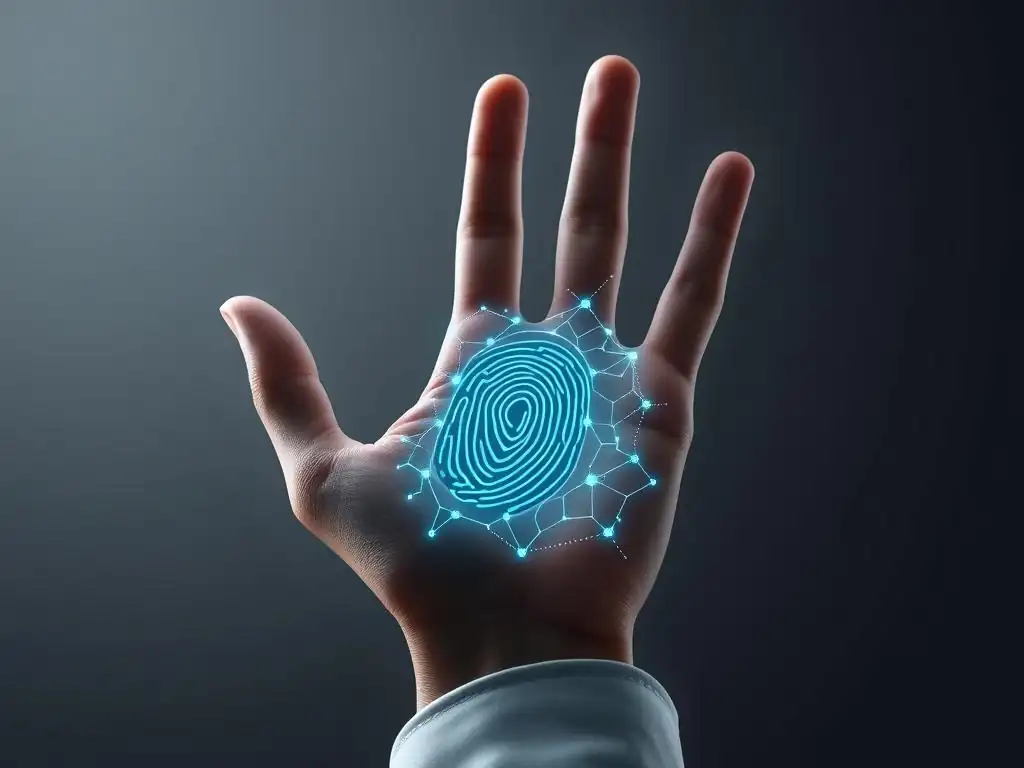
Blockchain Biometric Authentication Security UX: Balancing Act
Addressing the User Experience Challenges of Blockchain Integration
While blockchain offers significant security and privacy advantages for biometric authentication, its integration can introduce user experience (UX) challenges. Blockchain technology, in its current form, can be perceived as complex and unfamiliar to the average user. Concepts like private keys, gas fees, and blockchain addresses can be daunting and create friction in the user journey. Integrating these complexities into a biometric authentication system can lead to a less intuitive and potentially frustrating user experience if not carefully designed.
For instance, requiring users to manage blockchain wallets or understand transaction confirmations for biometric authentication processes can significantly increase the cognitive load and make the system less user-friendly compared to traditional biometric systems. Furthermore, the inherent latency associated with some blockchain networks can impact the speed of authentication, potentially leading to delays and a less seamless user experience. Addressing these UX challenges is crucial for the widespread adoption of blockchain biometric authentication. This requires focusing on abstraction layers that hide the underlying blockchain complexities from the user, intuitive interfaces, and streamlined workflows that prioritize ease of use and speed.
Optimizing UX for Blockchain Biometric Authentication Systems
Optimizing user experience for blockchain biometric authentication systems requires a user-centered design approach that prioritizes simplicity, intuitiveness, and seamless integration. Abstraction layers can play a crucial role in masking the underlying blockchain complexities from the end-user. These layers can handle the blockchain interactions in the background, allowing users to interact with the biometric authentication system in a familiar and straightforward manner, similar to traditional biometric systems they are accustomed to. For example, users might simply enroll their biometrics and authenticate using a familiar interface, without needing to directly interact with blockchain wallets or transaction confirmations.
Furthermore, focusing on speed and efficiency is critical. Optimizing blockchain network performance, utilizing layer-2 scaling solutions, or employing off-chain biometric data processing can help minimize latency and ensure near-instantaneous authentication times. Intuitive user interfaces with clear instructions and visual feedback can also significantly enhance the user experience.
Design principles such as minimal steps for enrollment and authentication, clear error messages, and consistent design language across the application can contribute to a positive and user-friendly experience. By prioritizing UX considerations from the outset, developers can create blockchain biometric authentication systems that are not only secure and private but also accessible and enjoyable for users to interact with.
Use Cases for Blockchain Biometric Authentication
Securing Digital Identities in Decentralized Finance (DeFi)
Decentralized Finance (DeFi) platforms are rapidly transforming the financial landscape, offering users greater control and autonomy over their assets. However, the decentralized nature of DeFi also introduces significant security challenges. DeFi platforms are often targeted by sophisticated cyberattacks, and the irreversible nature of blockchain transactions means that losses due to security breaches can be substantial and difficult to recover. Blockchain biometric authentication can play a crucial role in enhancing the security of digital identities and transactions within the DeFi ecosystem.
By integrating biometric authentication into DeFi wallets and platforms, users can secure their accounts and authorize transactions with a higher level of assurance than traditional password-based methods or even multi-factor authentication which can be vulnerable to SIM swaps and other social engineering attacks. For example, users could use fingerprint or facial recognition to access their DeFi wallets, initiate token swaps on decentralized exchanges, or approve lending and borrowing transactions.
This adds a strong layer of security against unauthorized access and fraudulent activities, protecting users' assets and fostering greater trust in the DeFi space, which currently holds over $50 billion in total value locked according to industry data aggregators.
Enhancing Enterprise Security with Blockchain-Based Biometrics
Enterprises across various sectors are increasingly recognizing the need for robust security measures to protect sensitive data, infrastructure, and intellectual property. Traditional enterprise security systems, often reliant on passwords and centralized access control, are becoming increasingly vulnerable to sophisticated cyber threats. Blockchain biometric authentication offers a powerful solution to enhance enterprise security by providing a more secure and verifiable method for access control, identity management, and data protection.
Enterprises can leverage blockchain biometric authentication for various applications, including secure access to physical facilities, logical access to networks and applications, and employee verification. For instance, employees could use biometric authentication to clock in and out, access restricted areas within the workplace, or log in to corporate networks and applications. Blockchain ensures the immutability and auditability of access logs, providing a transparent and verifiable record of who accessed what and when. This enhances accountability, reduces the risk of insider threats, and strengthens overall enterprise security posture, particularly in sectors handling sensitive data such as healthcare, finance, and government.
Biometric Authentication for Secure Supply Chain Management
Supply chain management involves complex networks of stakeholders and processes, making it vulnerable to inefficiencies, fraud, and security breaches. Ensuring the authenticity and provenance of goods throughout the supply chain is crucial, particularly for industries dealing with high-value goods, pharmaceuticals, and food products. Blockchain biometric authentication can enhance supply chain security and transparency by providing a verifiable method for tracking goods and verifying the identity of personnel involved at different stages of the supply chain.
Biometric authentication can be integrated into various points of the supply chain, from manufacturing and warehousing to logistics and delivery. For example, biometric scans can be used to verify the identity of workers handling goods at each stage, creating an immutable record on the blockchain of custody and responsibility. This can help prevent counterfeiting, reduce theft, and improve traceability.
For sensitive goods like pharmaceuticals, biometric authentication can ensure that only authorized personnel handle the products, maintaining the integrity and security of the supply chain and reducing the risk of tampering or diversion. This enhanced transparency and security can build greater trust and efficiency within the supply chain ecosystem.
Challenges and Future Trends in Blockchain Biometric Authentication
Overcoming Scalability and Performance Issues in Blockchain Biometric Systems
One of the primary challenges facing the widespread adoption of blockchain biometric authentication is scalability and performance. Many existing blockchain networks, particularly those with strong security and decentralization, can experience limitations in transaction throughput and speed. Processing biometric authentication requests on-chain, especially for large-scale applications, could potentially lead to network congestion and delays, impacting user experience and system efficiency.
Addressing these scalability and performance issues is crucial for making blockchain biometric authentication viable for mass adoption. Solutions such as layer-2 scaling technologies, like state channels and rollups, can help offload transaction processing from the main blockchain, significantly increasing throughput and reducing latency. Furthermore, exploring alternative consensus mechanisms and blockchain architectures optimized for speed and scalability is essential. Hybrid approaches that combine on-chain verification with off-chain biometric data processing can also improve performance while maintaining security. Ongoing research and development in blockchain scalability are critical for unlocking the full potential of blockchain biometric authentication.
Addressing Regulatory and Compliance Considerations
The intersection of biometrics and blockchain raises significant regulatory and compliance considerations, particularly concerning data privacy and security. Regulations like GDPR in Europe and CCPA in California impose strict requirements on the collection, processing, and storage of personal data, including biometric data. Blockchain biometric authentication systems must be designed and implemented in a manner that complies with these regulations to ensure user privacy and avoid legal liabilities.
Key compliance considerations include data minimization, purpose limitation, and user consent. Systems should collect only the minimum biometric data necessary for authentication, use it solely for the specified purpose, and obtain explicit user consent for data collection and processing. Furthermore, ensuring data security and preventing unauthorized access or disclosure of biometric data is paramount.
Blockchain's inherent security features can aid in compliance, but careful consideration must be given to data storage, key management, and access control mechanisms. Navigating the evolving regulatory landscape and ensuring compliance with data privacy regulations is crucial for the responsible and ethical development of blockchain biometric authentication technologies.
The Future of Blockchain Biometric Authentication: What to Expect
The future of blockchain biometric authentication is promising, with significant potential to transform digital security and user experience across various sectors. Advancements in both biometric technologies and blockchain infrastructure are expected to drive wider adoption and integration. We can anticipate more sophisticated and accurate biometric methods, such as multimodal biometrics that combine multiple biometric traits for enhanced security and reliability. Furthermore, advancements in blockchain scalability and interoperability will make it easier to deploy and integrate blockchain biometric authentication systems across diverse platforms and applications.
In the coming years, we can expect to see blockchain biometric authentication increasingly adopted in areas such as digital identity management, decentralized finance, enterprise security, supply chain management, and even government services. The focus will likely shift towards creating more user-friendly and seamless experiences, abstracting away the complexities of blockchain technology while leveraging its security and privacy benefits. As regulatory frameworks mature and public awareness of data privacy grows, blockchain biometric authentication is poised to become a mainstream security solution, balancing robust security with enhanced user convenience and control.
Conclusion: The Future is Secure and User-Friendly
Blockchain biometric authentication represents a significant leap forward in digital security, offering a powerful combination of enhanced security and improved user experience. By leveraging the decentralized and immutable nature of blockchain to secure biometric data, this technology addresses the vulnerabilities of traditional password-based systems and centralized biometric databases.
While challenges related to scalability, UX, and regulation remain, ongoing advancements and a user-centric approach are paving the way for wider adoption. The future of authentication is likely to be biometric, secured by the transparency and trust of blockchain, creating a digital world that is both more secure and user-friendly for everyone.
Frequently Asked Questions
What are the primary advantages of using blockchain for biometric authentication?
Using blockchain enhances security by making biometric data tamper-proof and provides decentralized control to users. This reduces the risk of centralized data breaches.
How does blockchain improve the user experience (UX) of biometric authentication?
Blockchain-based systems can streamline authentication processes, potentially offering a faster and more seamless user experience compared to traditional methods, while ensuring data privacy.
What are the key security considerations when implementing blockchain biometric authentication?
Ensuring the security of private keys is crucial, as is protecting against replay attacks and other vulnerabilities specific to blockchain implementations.
What role does DeFi (Decentralized Finance) play in the context of blockchain biometric authentication?
Biometric authentication on the blockchain can improve the security and accessibility of DeFi platforms, offering a more secure way to manage digital assets.
How are regulatory bodies approaching the use of blockchain biometric authentication?
Regulations are still evolving, but concerns around data privacy and compliance are central. Businesses must consider these factors when implementing blockchain biometric solutions.
Final Reflection: Securing the Future with Seamless Identity
The exploration of blockchain biometric authentication security UX reveals a critical intersection in our increasingly digital world. The promise of enhanced security through biometrics, coupled with the transparency and immutability of blockchain, offers a powerful solution to identity management challenges. However, the true potential lies in achieving this without sacrificing the user experience, ensuring accessibility and ease of use for all.
This delicate balance between security and user experience continues to shape the evolution of digital identity. The ongoing debate surrounding data privacy and user control underscores the importance of prioritizing ethical considerations in the development and deployment of these technologies. The key is not to prioritize technology over humanity, but to integrate it in a way that enhances our lives and protects our fundamental rights.
This quote encapsulates the core challenge: to harness the power of blockchain and biometrics responsibly, ensuring that security measures empower, rather than impede, the individual.
As we move forward, let us not only strive for technological innovation but also for a future where digital identity is both secure and empowering. Consider how you can advocate for user-centric design and ethical implementation in the realm of blockchain biometric authentication. The future of digital identity is not just about technology; it's about building a system that reflects our values and protects our shared humanity.
Unlock the Future: Integrate Biometrics and Blockchain Today!
Thank you for exploring the intersection of biometric authentication and blockchain technology with us! We hope this article has highlighted the potential for a more secure and user-friendly digital future. Now, it's time to take the next step.
Here's how you can get started:
- Dive Deeper: Explore existing blockchain projects that incorporate biometric authentication to identify potential use cases for your own initiatives.
- Brainstorm: Collaborate with your team to identify three scenarios where combining blockchain and biometrics could improve data security, simplify user onboarding, or boost system efficiency.
- Share & Discuss: Contribute to industry conversations by sharing this article with your network and engaging in online discussions about the future of biometric blockchain solutions.
What innovative application of biometric authentication on the blockchain will you champion next?
Leave a Reply