
Navigating the Blockchain Landscape: Practical Steps for Logistics Efficiency Gains

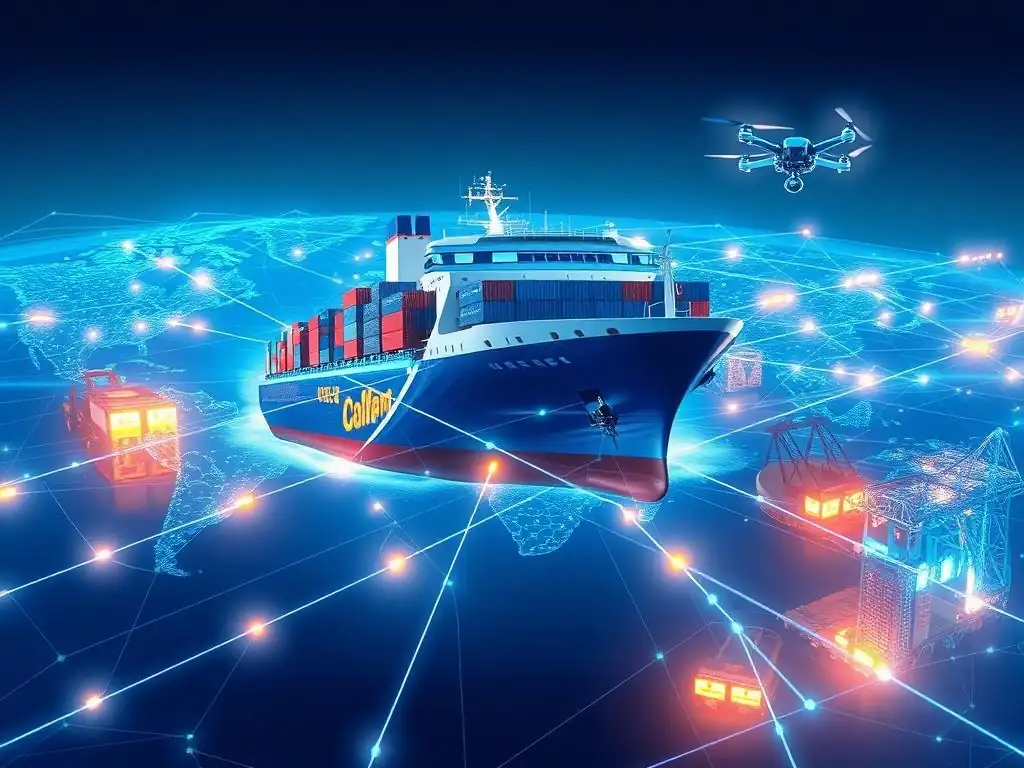
Welcome to Blockchain Trends, your go-to resource for understanding the real-world applications of blockchain technology! Forget just cryptocurrencies; we're diving deep into DeFi, enterprise solutions, and the evolving regulatory landscape. Intrigued by the promise of a more streamlined future? Let's unlock the secrets to achieving significant blockchain logistics efficiency gains and explore how this transformative technology is revolutionizing supply chain management. Prepare to discover practical steps and insightful analysis that will reshape your perspective on decentralized systems. Ready to optimize your operations?
- Navigating the Blockchain Landscape: Practical Steps for Enhanced Supply Chain Efficiency
- Practical Steps to Achieve Blockchain-Driven Supply Chain Efficiency
- Real-World Examples of Blockchain-Enabled Supply Chain Success
- Overcoming Challenges in Blockchain Adoption for Supply Chains
- The Future of Blockchain in Supply Chains: Trends and Predictions
- Measuring the ROI of Blockchain-Driven Supply Chain Efficiency
- Conclusion: Embracing Blockchain for a More Resilient and Sustainable Supply Chain Ecosystem
-
Frequently Asked Questions
- What are the primary blockchain logistics efficiency gains that businesses can expect?
- How does blockchain technology improve traceability in logistics?
- What are some practical steps companies can take to implement blockchain for logistics?
- What regulatory considerations should businesses be aware of when using blockchain in logistics?
- Beyond immediate efficiency gains, what is the future potential of blockchain in logistics?
- Final Reflection: Embracing Blockchain for Logistical Transformation
- Unleash the Power of Blockchain in Your Logistics Today!
The Current Challenges in Global Supply Chain Management
Global supply chains today are complex networks often plagued by inefficiencies, opacity, and fragmentation. A significant challenge is the lack of end-to-end visibility, making it difficult for stakeholders to track goods accurately from origin to destination. This leads to delays, increased costs, and difficulties in managing inventory. For instance, a typical international shipment might involve dozens of parties, each using disparate systems, resulting in data silos and delays in information exchange that can add days or even weeks to transit times and significantly inflate administrative expenses, sometimes by 10-20% of the total logistics cost according to industry reports.
Another critical issue is the prevalence of manual processes and paper-based documentation, such as bills of lading, customs declarations, and certificates of origin. These processes are prone to errors, require significant administrative effort, and are susceptible to fraud.
Resolving disputes arising from discrepancies in documentation can be time-consuming and costly, often taking weeks or months to settle and incurring legal fees that can run into thousands of dollars per incident. Furthermore, the lack of trust among disparate parties – carriers, freight forwarders, customs, and customers – hinders collaboration and innovation, creating an environment ripe for disruption and a clear need for greater blockchain logistics efficiency gains.
How Blockchain Technology Addresses Supply Chain Challenges
Blockchain technology offers a decentralized, immutable, and transparent ledger that can fundamentally transform supply chain operations by providing a single source of truth for all participants. By recording every transaction and movement on a distributed ledger, blockchain creates an unalterable history of a product's journey. This inherent transparency directly combats the lack of visibility in traditional systems, allowing authorized parties to access real-time information about the location, status, and condition of goods, potentially reducing tracking errors by 80-90% compared to manual methods.
Moreover, blockchain facilitates the use of smart contracts, self-executing contracts with the terms of the agreement directly written into code. These smart contracts can automate various supply chain processes, such as payments triggered upon delivery confirmation or automatic release of goods upon customs clearance. This automation minimizes the need for intermediaries, reduces administrative overhead, and accelerates transaction speeds. Studies and pilot programs have shown that blockchain and smart contracts can potentially cut processing times for trade finance documentation from days or weeks down to hours, leading to significant blockchain logistics efficiency gains.
Key Benefits of Blockchain Implementation in Supply Chains
Implementing blockchain in supply chains yields several significant benefits, starting with enhanced traceability and provenance. Companies can track products with unprecedented detail, verifying their origin, handling, and authenticity at every step. This is particularly crucial in industries like pharmaceuticals and food, where counterfeiting and safety issues are paramount. For example, blockchain solutions can allow consumers to scan a QR code on a product and instantly see its entire journey, providing a level of trust and transparency previously impossible and potentially reducing the impact of recalls by isolating affected batches more quickly.
Beyond traceability, blockchain improves trust and collaboration among supply chain partners. The shared, immutable ledger eliminates the need for each party to maintain their own separate records, reducing discrepancies and fostering a more collaborative environment. This shared trust environment can streamline communication and decision-making, potentially reducing administrative costs associated with disputes and reconciliation by 20-30%. Furthermore, the automation capabilities of smart contracts lead to significant operational efficiencies, accelerating transaction cycles, reducing manual data entry, and minimizing the risk of human error, all contributing to substantial blockchain logistics efficiency gains.
Practical Steps to Achieve Blockchain-Driven Supply Chain Efficiency
1. Identifying Key Areas for Blockchain Integration in Your Supply Chain
Assessing Current Supply Chain Processes for Blockchain Suitability
The first step in leveraging blockchain for supply chain efficiency is to conduct a thorough assessment of your existing processes to identify pain points where blockchain's properties (transparency, immutability, automation) can offer the most value. Look for areas characterized by manual data handling, lack of trust among parties, high rates of disputes, or complex documentation requirements.
For instance, if your company frequently deals with delays in customs clearance due to documentation issues or spends significant time verifying the authenticity of goods from suppliers, these are prime candidates for blockchain integration. A detailed process mapping exercise can reveal bottlenecks and areas where a shared, immutable ledger could provide a single source of truth, potentially reducing administrative time in these areas by 25-50%.
Consider processes that involve multiple intermediaries and require extensive reconciliation of data across different systems. These often include international shipping documentation, trade finance processes, or quality assurance verification steps. By analyzing the flow of information and goods in these areas, you can pinpoint specific transactions or data points that would benefit most from being recorded on a blockchain. This initial assessment helps prioritize implementation efforts, focusing resources on areas where the potential for significant blockchain logistics efficiency gains is highest, rather than attempting a broad, unfocused deployment.
Focusing on Specific Use Cases: Traceability, Authentication, and Automation
Based on the process assessment, narrow down the focus to specific use cases that align with your business objectives. Traceability is a common starting point, allowing companies to track the origin, handling, and current location of goods in near real-time. This is particularly valuable for high-value goods, perishables, or regulated products. For example, tracking high-value electronics could help reduce loss due to theft or damage by providing clearer accountability at each transfer point, potentially cutting shrinkage rates by 10-15%.
Authentication is another critical use case, especially for combating counterfeit goods. By creating a secure, verifiable digital identity for products on the blockchain, companies can empower stakeholders, including consumers, to verify authenticity, protecting brand reputation and revenue.
Reports suggest the global cost of counterfeiting could exceed $1.8 trillion annually; blockchain authentication offers a powerful tool against this. Finally, automation through smart contracts can streamline processes like payment upon delivery or automated release of goods based on predefined conditions, reducing manual intervention and speeding up transaction cycles, leading to direct operational cost savings, potentially in the range of 5-15% for specific processes like freight payment.
3. Implementing Blockchain-Based Tracking and Provenance Solutions
Building a Transparent and Immutable Product History
Implementing blockchain for tracking and provenance involves creating a digital twin or record for each product or batch that is updated at key milestones in the supply chain. This record, stored on the blockchain, includes details such as origin, manufacturing date, batch number, quality checks, handling information (e.g., temperature data for perishables), and ownership transfers. Each entry is timestamped and cryptographically secured, making it tamper-proof and providing an immutable history accessible to authorized participants. This transparency is a cornerstone of achieving blockchain logistics efficiency gains.
Consider a shipment of sensitive goods like vaccines. Sensors can record temperature data, and this data, along with location updates and custody transfers, can be automatically written to the blockchain. If a temperature excursion occurs, the immutable record immediately highlights the issue and identifies the point in the supply chain where it happened. This level of detail drastically improves accountability and allows for rapid identification and isolation of affected products, potentially reducing spoilage or loss by 20% or more compared to systems relying on manual checks or disparate logs. The aggregated, verifiable data also simplifies audits and regulatory compliance.
Enhancing Trust and Combating Counterfeiting Through Blockchain
Beyond tracking, blockchain provides a powerful mechanism for enhancing trust and directly combating counterfeiting. By creating a unique, verifiable digital identity for each product on the blockchain at the point of manufacture, companies can link physical products to their digital records. This can be done using serial numbers, QR codes, or even NFC tags. Consumers, regulators, or downstream partners can then scan the physical product and query the blockchain to verify its authenticity and provenance.
This capability is particularly impactful in industries like luxury goods, pharmaceuticals, or electronics, where counterfeiting is rampant. A pilot program by a luxury brand using blockchain for authentication reported a significant reduction in counterfeit products detected in test markets.
By providing a simple, verifiable way to check authenticity, brands can protect their reputation and revenue. Furthermore, the immutable record of ownership transfers on the blockchain makes it much harder for counterfeit goods to enter legitimate distribution channels undetected, thereby securing the supply chain from within and contributing to overall blockchain logistics efficiency gains by reducing the financial and reputational costs associated with fraud.
4. Leveraging Smart Contracts for Streamlined Supply Chain Processes
Automating Order Fulfillment and Payment Settlement with Smart Contracts
Smart contracts are a key component in unlocking automation-driven blockchain logistics efficiency gains. They can automate critical supply chain processes like order fulfillment and payment settlement based on predefined conditions encoded directly into the contract. For example, a smart contract could be programmed to automatically release payment to a supplier the moment a shipment is confirmed as received at the destination and verified against the purchase order details recorded on the blockchain.
This automation significantly reduces manual processing time, minimizes errors associated with invoicing and payment reconciliation, and accelerates cash flow for suppliers. Instead of waiting weeks for manual verification and payment processing, which is common in traditional trade finance, smart contracts can execute payments within minutes or hours of conditions being met. This speed and efficiency can reduce the time and cost associated with financial transactions in the supply chain by up to 30-50%, freeing up working capital and improving relationships with trading partners.
Streamlining Trade Finance and Letter of Credit Processes Using Blockchain
Trade finance, particularly the use of Letters of Credit (LCs), is notoriously complex, paper-intensive, and slow, often requiring multiple banks and parties to exchange and verify dozens of documents. Blockchain, combined with smart contracts, offers a transformative solution by digitizing and automating much of this process. A smart contract can represent the terms of an LC, with the blockchain providing a shared, immutable record of the underlying trade transaction and associated documents.
Conditions for payment release, such as proof of shipment (verified via the blockchain tracking data), customs clearance documents (uploaded and hashed onto the chain), or inspection reports, can be hardcoded into the smart contract. Once these conditions are met and verified on the blockchain, the payment is automatically triggered.
This eliminates the need for physical document exchange, reduces the risk of fraud associated with paper documents, and drastically speeds up the process. Pilot projects have demonstrated that blockchain-based trade finance platforms can reduce the time taken to process LCs from 5-10 days down to less than 24 hours, representing a potential efficiency gain of over 80%.
5. Ensuring Data Integrity and Compliance in Blockchain-Enabled Supply Chains
Implementing Robust Data Governance and Access Controls
While blockchain provides immutability and transparency, ensuring the integrity of data before it is written to the chain is paramount. Robust data governance policies and procedures must be established to define who is responsible for inputting specific data, how data is validated, and what constitutes a valid entry. Access controls on the blockchain network are also crucial. In a permissioned blockchain, participants have specific roles and permissions, controlling what data they can view or add. This ensures that sensitive commercial data is only visible to authorized parties, maintaining confidentiality while still leveraging the benefits of a shared ledger.
Establishing clear rules for data entry and validation, potentially using off-chain or on-chain validation mechanisms, helps prevent "garbage in, garbage out." For example, requiring multiple parties to digitally sign off on certain data points before they are committed to the ledger can add layers of verification.
Implementing granular access controls means that while a regulator might see the full transaction history for compliance purposes, a specific carrier might only see the data relevant to the segment of the journey they are responsible for. This careful management of data access and integrity is fundamental to realizing blockchain logistics efficiency gains securely and reliably.
Adhering to GDPR and Other Relevant Data Privacy Regulations
Integrating blockchain into supply chains must be done in a manner compliant with data privacy regulations such as GDPR (General Data Protection Regulation) in Europe or similar laws globally. A key challenge is the immutable nature of blockchain, which can conflict with the "right to erasure" under GDPR. Therefore, careful consideration is required regarding what type of data is stored directly on the chain. Personal data or commercially sensitive information that might need to be modified or removed should ideally not be stored directly on the public blockchain.
Instead, approaches can involve storing hashes (digital fingerprints) of sensitive documents or data on the blockchain, while the actual data resides off-chain in secure, permissioned databases. The hash provides an immutable link and proof of data integrity on the blockchain, while the data itself can be managed and, if necessary, modified or deleted off-chain in compliance with regulations.
Furthermore, designing the blockchain solution with privacy-enhancing technologies or focusing on storing transactional data (like shipment IDs, timestamps, location codes) rather than personal identifiers can help ensure compliance while still achieving the desired blockchain logistics efficiency gains. Legal consultation is often necessary to navigate these complex data privacy requirements effectively.
Real-World Examples of Blockchain-Enabled Supply Chain Success
Case Study 1: Pharmaceutical Company Enhances Drug Traceability with Blockchain
A major pharmaceutical company implemented a blockchain solution to enhance the traceability of prescription drugs across its supply chain, from manufacturing plants to pharmacies. The initiative aimed to combat the growing problem of counterfeit drugs and improve recall management efficiency. Each product package was assigned a unique identifier, and key events throughout its journey – manufacturing, packaging, shipping, receiving by distributors, and dispensing – were recorded on a permissioned blockchain shared among manufacturers, distributors, pharmacies, and regulators.
The results demonstrated significant improvements in visibility and security. The time required to trace a specific batch of drugs from origin to point of sale was reduced from several days or even weeks using traditional methods to a matter of seconds.
This enhanced traceability allowed the company to quickly identify and isolate potentially compromised batches during a simulated recall exercise, reducing the scope and cost of recalls. Furthermore, the immutable record provided a verifiable history for regulators and built greater trust among supply chain partners regarding product authenticity, contributing directly to blockchain logistics efficiency gains by mitigating risks and improving operational responsiveness.
Case Study 2: Food Producer Improves Food Safety with Blockchain-Based Provenance Tracking
A large food producer implemented a blockchain platform to track produce from farm to table. The primary goal was to improve food safety by providing rapid, accurate provenance information in the event of a foodborne illness outbreak or contamination issue. Participants in the supply chain, including farmers, processors, distributors, and retailers, recorded data about the produce on the shared ledger, such as planting dates, harvesting locations, processing facilities, quality control checks, and shipping routes.
This initiative dramatically reduced the time needed to trace contaminated food items back to their source. In a test scenario, tracing a package of mangoes back to the specific farm and harvest date took only 2.2 seconds using the blockchain system, compared to an average of 7 days using traditional, paper-based and siloed electronic tracking methods.
This rapid traceability allows companies to identify the source of contamination quickly, minimize the distribution of affected products, and conduct targeted recalls, thereby protecting public health, reducing financial losses associated with widespread recalls, and significantly improving overall blockchain logistics efficiency gains related to safety and risk management.
Overcoming Challenges in Blockchain Adoption for Supply Chains
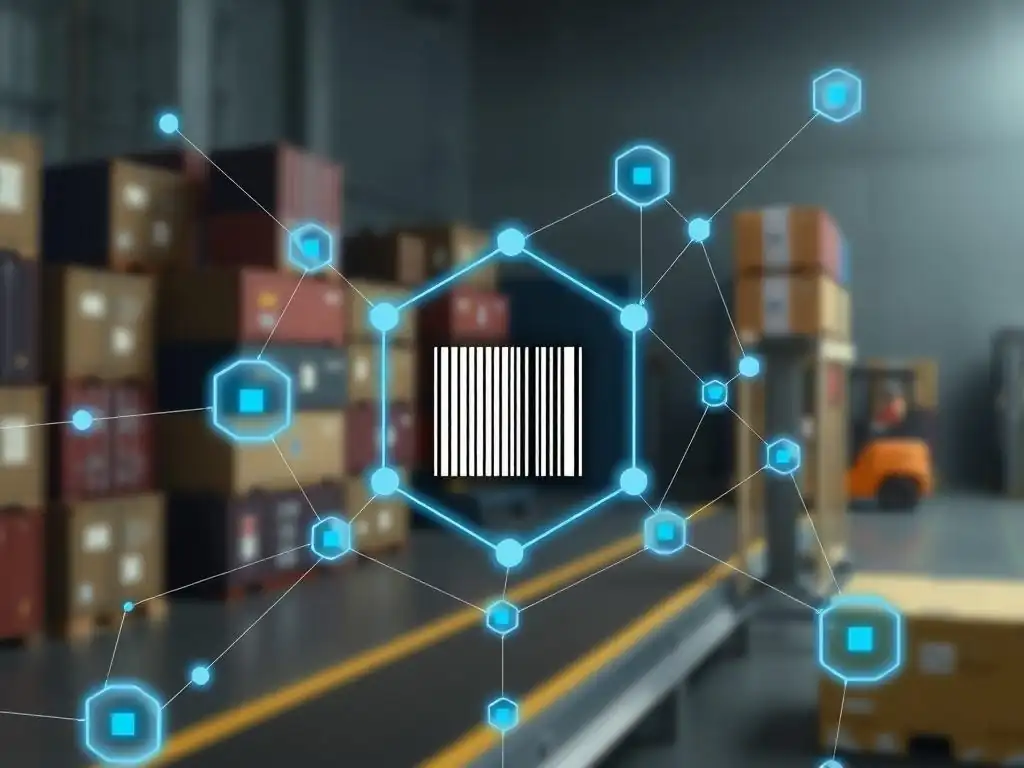
Addressing Scalability Limitations of Blockchain Networks
One significant challenge in widespread blockchain adoption for large-scale supply chains is the scalability limitations of certain blockchain networks. Traditional public blockchains like Bitcoin or Ethereum (prior to its transition to Proof-of-Stake) can process a relatively limited number of transactions per second compared to the vast volume of transactions generated by global supply chains. While public networks might process tens or perhaps a few thousand transactions per second, a major logistics company might require handling hundreds of thousands or millions of transactions daily.
Solutions to address scalability include the use of permissioned blockchains designed for higher throughput, like Hyperledger Fabric or Corda, which can process thousands of transactions per second by limiting participation to known entities. Other approaches involve Layer 2 scaling solutions that process transactions off-chain in batches before settling them on the main chain, or sharding, which divides the network into smaller, more manageable segments. Ongoing research and development in blockchain technology continue to push the boundaries of transaction speed and volume, making blockchain logistics efficiency gains increasingly feasible for high-volume operations.
Integrating Blockchain with Legacy Enterprise Systems
Integrating a new blockchain system with existing legacy Enterprise Resource Planning (ERP), Warehouse Management Systems (WMS), and Transportation Management Systems (TMS) is another major hurdle. Most companies have invested heavily in these established systems, and they form the backbone of current operations. Blockchain solutions need to seamlessly exchange data with these systems without requiring a complete overhaul of the existing IT infrastructure.
This requires developing robust Application Programming Interfaces (APIs) and middleware that can translate data between legacy formats and the blockchain structure. Data synchronization and ensuring consistency between systems can be complex. Often, a phased approach is taken, integrating blockchain with specific modules or processes within the legacy system first, such as integrating tracking data from a TMS onto the blockchain or linking ERP purchase orders to smart contracts. While challenging, successful integration is critical to unlocking the full potential of blockchain logistics efficiency gains without disrupting ongoing operations.
Establishing Industry Standards and Governance Frameworks for Blockchain
The lack of widely adopted industry standards and common governance frameworks for blockchain implementation in supply chains can hinder interoperability and widespread adoption. Different companies or consortia may develop their own proprietary blockchain solutions, using different protocols, data models, and smart contract languages. This can create new data silos, making it difficult for companies to interact with multiple supply chain partners who might be on different blockchain networks.
Efforts are underway by various industry bodies and consortia to establish common standards for data formats, interoperability protocols, and governance models for supply chain blockchains. Participation in such initiatives or adopting standards from established consortia (like those focused on trade finance or specific industry supply chains) is crucial. Developing clear governance frameworks within a blockchain network, defining rules for participation, data access, dispute resolution, and upgrades, is also essential for building trust and ensuring the long-term viability and scalability of the solution, thereby facilitating broader blockchain logistics efficiency gains across ecosystems.
The Future of Blockchain in Supply Chains: Trends and Predictions
The Expansion of Blockchain to Support Circular Economy Initiatives
A significant future trend for blockchain in supply chains is its expansion beyond linear trace-and-track to support circular economy initiatives. As companies focus more on sustainability, blockchain can provide the transparency needed to track materials through their entire lifecycle, including recycling, refurbishment, and reuse. By creating an immutable record of a product's components, materials, and previous uses, blockchain can verify the origin of recycled materials, track the return and processing of used products, and provide data to optimize reverse logistics.
For example, tracking high-value components in electronics or critical materials in manufacturing on a blockchain can ensure they are properly recycled or refurbished, proving compliance with environmental regulations and enabling new business models based on resource recovery. This expands the scope of blockchain logistics efficiency gains to include environmental and sustainability metrics, providing verifiable data on waste reduction and resource utilization, potentially unlocking significant value in managing waste streams and secondary markets.
The Integration of AI and Blockchain for Predictive Supply Chain Management
The combination of Artificial Intelligence (AI) and blockchain is poised to create highly intelligent and predictive supply chains. Blockchain provides a secure, shared, and immutable data layer containing verified transaction histories, provenance data, and potentially IoT sensor readings. AI algorithms can then analyze this rich, trustworthy dataset to identify patterns, predict potential disruptions, optimize routes, forecast demand more accurately, and automate decision-making based on real-time, verified information.
For instance, AI could analyze blockchain data on shipment delays, weather patterns (recorded via IoT and linked to the chain), and port congestion to predict potential disruptions before they occur, allowing logistics managers to reroute shipments proactively. Smart contracts could then automatically execute alternative agreements based on these AI-driven predictions. This integration moves supply chain management from reactive to predictive, leveraging verified blockchain data to enable AI-powered insights that drive substantial operational efficiencies and resilience, representing a new frontier for blockchain logistics efficiency gains.
The Development of Blockchain-Based Digital Identities for Supply Chain Actors
The future will likely see the widespread adoption of blockchain-based digital identities for all actors within the supply chain – companies, vehicles, containers, and even individual products. These verifiable digital credentials, stored and managed on a blockchain, would provide a secure and standardized way to authenticate the identity and permissions of every participant and asset involved in a transaction.
This would streamline processes like onboarding new suppliers or carriers, automating access to facilities or cargo based on verified identity, and ensuring that only authorized entities can interact with specific data or trigger certain smart contracts. For example, a truck's digital identity could be verified on the blockchain to automatically grant it access to a warehouse loading dock upon arrival, provided the associated shipment details match. This layer of verifiable identity enhances security, reduces fraud, and accelerates interactions between parties, further contributing to seamless and efficient supply chain operations and driving significant blockchain logistics efficiency gains across the network.
Measuring the ROI of Blockchain-Driven Supply Chain Efficiency
Key Performance Indicators (KPIs) for Evaluating Blockchain Implementation
Measuring the return on investment (ROI) of blockchain implementation requires defining clear Key Performance Indicators (KPIs) before deployment. These KPIs should directly relate to the specific use cases being addressed. For traceability initiatives, relevant KPIs might include:
- Time to trace a product from origin to destination (e.g., reducing from days to seconds).
- Reduction in counterfeit goods detected.
- Improvement in recall efficiency (e.g., reducing time or cost of recalls).
For automation via smart contracts, KPIs could include:
- Reduction in payment cycle time (e.g., from weeks to days or hours).
- Decrease in administrative costs related to document processing and reconciliation.
- Reduction in dispute resolution time and associated costs.
Other general KPIs for blockchain logistics efficiency gains might involve improvements in data accuracy, reductions in inventory holding times due to better visibility, or increases in overall supply chain throughput. Tracking these metrics rigorously from a baseline before implementation allows companies to quantify the tangible benefits realized.
Demonstrating Tangible Benefits: Reduced Waste, Improved Compliance, and Enhanced Brand Reputation
Beyond direct cost savings and time reductions, blockchain implementation can demonstrate tangible benefits that contribute to ROI, even if they are harder to quantify precisely. Reduced waste is a key benefit, particularly for perishables, where improved temperature monitoring and traceability can significantly lower spoilage rates. For example, a 5% reduction in spoilage for a high-volume perishable product can translate into millions of dollars in savings annually.
Improved compliance is another major benefit. The immutable audit trail provided by blockchain simplifies regulatory reporting and demonstrates adherence to standards, reducing the risk of fines or penalties. Enhanced brand reputation stems from increased transparency and trust with consumers and partners, particularly in industries sensitive to product safety or ethical sourcing. While challenging to put an exact dollar figure on, preventing a major brand damaging incident through improved traceability or building consumer trust through verifiable provenance can have a profound positive impact on long-term business value, solidifying the case for blockchain logistics efficiency gains.
Conclusion: Embracing Blockchain for a More Resilient and Sustainable Supply Chain Ecosystem
The global supply chain landscape is evolving rapidly, demanding greater transparency, efficiency, and resilience. Traditional systems, burdened by manual processes, data silos, and a lack of trust, are increasingly inadequate to meet these demands. Blockchain technology offers a powerful suite of capabilities – immutability, transparency, automation via smart contracts, and enhanced security – that directly address these fundamental challenges.
By implementing blockchain-based solutions for traceability, authentication, and process automation, companies can achieve significant blockchain logistics efficiency gains. Real-world examples across industries demonstrate tangible improvements in speed, accuracy, cost reduction, and risk mitigation. While challenges related to scalability, integration, and standardization exist, ongoing technological advancements and collaborative industry efforts are steadily paving the way for broader adoption. Embracing blockchain is not just about technological innovation; it is a strategic imperative for building supply chains that are more robust, transparent, and sustainable, ultimately creating a more trustworthy and efficient global logistics ecosystem.
Frequently Asked Questions
What are the primary blockchain logistics efficiency gains that businesses can expect?
Businesses can expect improved traceability of goods, reduced paperwork through automation, and enhanced security against fraud and theft in the supply chain.
How does blockchain technology improve traceability in logistics?
Blockchain creates an immutable record of each transaction, allowing for end-to-end tracking of goods. This provides greater visibility and accountability throughout the supply chain.
What are some practical steps companies can take to implement blockchain for logistics?
Start with a pilot project focusing on a specific area, integrate with existing systems gradually, and collaborate with partners to build a blockchain network.
What regulatory considerations should businesses be aware of when using blockchain in logistics?
Businesses must consider data privacy regulations like GDPR, compliance with industry standards, and the legal implications of using smart contracts.
Beyond immediate efficiency gains, what is the future potential of blockchain in logistics?
The future includes fully automated supply chains, autonomous vehicles managed by blockchain, and decentralized marketplaces for logistics services.
Final Reflection: Embracing Blockchain for Logistical Transformation
The journey through the blockchain landscape reveals its profound potential to revolutionize logistics, and the promise of blockchain logistics efficiency gains is no longer a distant dream but a tangible opportunity for businesses ready to embrace innovation. The insights shared throughout this article, from understanding the technology's core principles to implementing practical strategies, underscore the transformative power blockchain holds for streamlining supply chains and fostering unprecedented transparency.
The ongoing influence of blockchain on the logistics sector is undeniable, reshaping how goods are tracked, payments are processed, and trust is established between stakeholders. Witnessing this evolution firsthand has solidified my belief in its power to create more resilient and efficient systems. The best way to predict the future is to create it.
- Peter Drucker. This quote resonates deeply as we actively shape the future of logistics through the adoption and refinement of blockchain technology.
Now, I invite you to reflect on the potential of blockchain to revolutionize your own logistical operations. Consider the challenges you currently face – inefficiencies, lack of transparency, or trust issues – and envision how blockchain's decentralized, secure, and transparent nature could provide solutions. The time to explore and implement these strategies is now, not only to gain a competitive edge but also to contribute to a more efficient and sustainable future for global trade.
Unleash the Power of Blockchain in Your Logistics Today!
Thank you for exploring how blockchain can transform logistics with us. We hope you've gained valuable insights into how this innovative technology can streamline your operations and increase efficiency. Are you ready to take the next step and put these strategies into action?
Here are some steps you can take right now:
- Identify a key area in your logistics operations where blockchain could make the most immediate difference. Start small, but start today.
- Join our exclusive community forum to share your initial thoughts and collaborate with fellow logistics professionals on potential blockchain solutions.
- Download our free Blockchain Implementation Checklist to ensure you have all the essential steps covered for a smooth and successful rollout.
What is the biggest obstacle preventing you from exploring blockchain in your logistics processes? Share your thoughts in the comments below!
Leave a Reply