
Luxury Untarnished: Protecting HighValue Goods with Blockchain Security

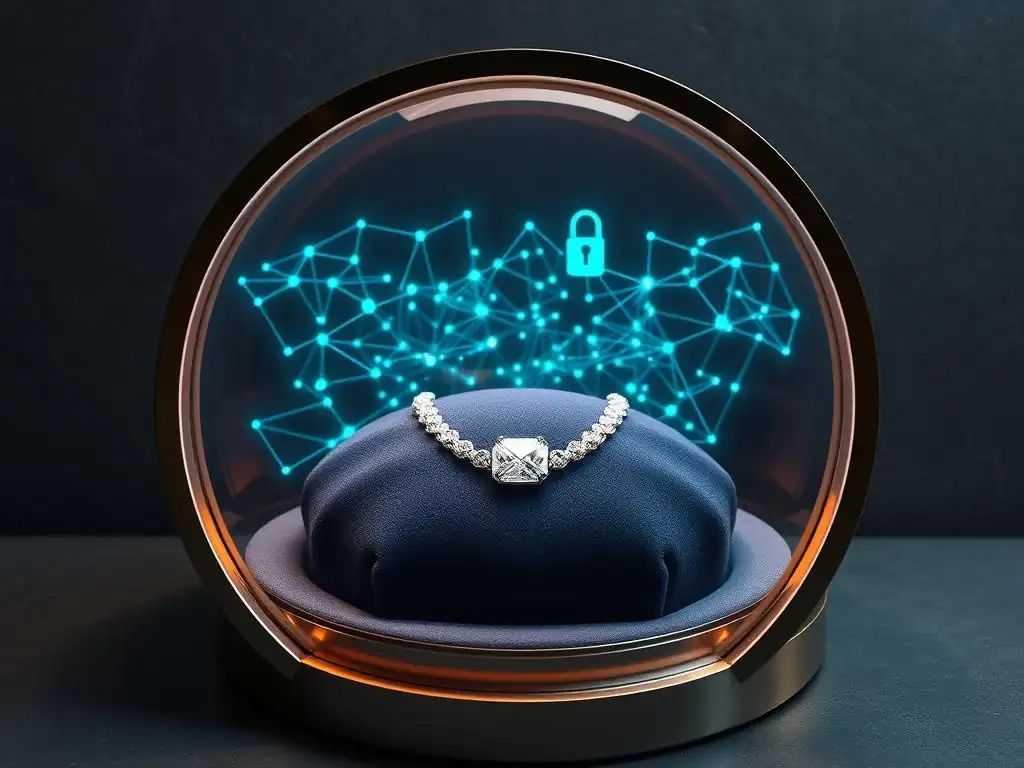
Welcome to Blockchain Trends, your gateway to understanding the real impact of blockchain technology. Ever wondered how blockchain can safeguard more than just your digital assets? Delve into our exploration of blockchain luxury goods security and discover how this revolutionary technology is battling counterfeiting and ensuring authenticity in the high-stakes world of luxury goods. Prepare to be amazed by the innovative applications disrupting traditional supply chains and shaping the future of trust. What secrets will blockchain unlock? Let's find out together...
- Luxury Untarnished: Protecting High-Value Goods with Blockchain Security
- Blockchain: A Secure Solution for Luxury Goods Authentication
- Implementing Blockchain for Luxury Goods Security: A Step-by-Step Guide
- Key Benefits of Blockchain Luxury Goods Security
- Real-World Examples: Blockchain Success Stories in the Luxury Sector
- Overcoming Challenges in Blockchain Adoption for Luxury Brands
- The Future of Blockchain in the Luxury Goods Market
- Blockchain Luxury Goods Security: A Competitive Advantage
-
Frequently Asked Questions
- What specific problems does blockchain address in the luxury goods industry?
- How does blockchain help prove the authenticity of luxury goods?
- Can blockchain track luxury goods throughout the entire supply chain?
- What are the potential regulatory implications of using blockchain for luxury goods?
- How will blockchain impact the future of the luxury goods market?
- Final Reflection: Securing Legacy in the Digital Age
- Unveil the Future of Luxury Security!
Luxury Untarnished: Protecting High-Value Goods with Blockchain Security
The Impact of Fake Goods on Luxury Brands and Consumers
The proliferation of counterfeit luxury goods poses a significant and escalating threat to both established brands and unsuspecting consumers worldwide. For luxury houses, counterfeiting erodes brand value, damages reputation, and directly impacts revenue. It undermines the exclusivity and craftsmanship that define the luxury experience, making it difficult for brands to maintain premium pricing and market positioning.
Furthermore, the illicit trade in fake goods often funds organized crime and can involve unethical labor practices, creating a complex ethical challenge for a sector built on heritage and quality. Consumers, on the other hand, risk purchasing substandard or even dangerous products, losing their money, and experiencing a profound loss of trust in the brand and the marketplace. The perceived risk of encountering fakes also deters potential buyers, dampening market growth.
Beyond the immediate financial and reputational damage, counterfeiting disrupts legitimate supply chains and creates unfair competition. Luxury brands invest heavily in design, materials, and marketing, only to see their intellectual property stolen and replicated cheaply. This not only siphons off sales but also floods the market with inferior products that dilute brand equity.
The scale of the problem is immense, with estimations suggesting that the global trade in counterfeit goods is a multi-billion dollar industry. Securing luxury items with blockchain technology is emerging as a critical defense mechanism against this pervasive threat, offering a path towards verifiable authenticity and enhanced consumer confidence.
Statistics and Trends in Luxury Goods Counterfeiting
Counterfeiting in the luxury sector is not a static problem; it evolves with technology and global trade patterns. While precise, real-time figures are hard to pinpoint due to the illicit nature of the trade, major reports provide alarming estimates. The OECD and the EU Intellectual Property Office (EUIPO) have estimated that trade in counterfeit and pirated goods could account for as much as 2.5% of world trade, totaling around $464 billion annually.
Luxury goods, including fashion, watches, jewelry, leather goods, and perfumes, are disproportionately targeted. For example, estimates suggest that up to 20% of luxury goods sold online could be counterfeit.
Recent trends indicate a significant shift towards online marketplaces and social media platforms as key channels for distributing fake luxury items, making it harder for brands to monitor and control sales. The sophistication of counterfeits is also increasing, with some fakes being difficult to distinguish from genuine articles without expert inspection. This growing challenge underscores the urgent need for robust, verifiable authentication methods. Implementing blockchain luxury goods security solutions offers a way to create immutable records of provenance and ownership, providing a digital shield against the rising tide of sophisticated fakes and helping brands and consumers confidently verify authenticity.
Blockchain: A Secure Solution for Luxury Goods Authentication
Understanding Blockchain Technology for Supply Chain Transparency
Blockchain technology, fundamentally a distributed, immutable ledger, provides a powerful framework for creating transparency and trust within complex supply chains, including those for luxury goods. Each transaction or data point added to the blockchain is grouped into a 'block,' which is then cryptographically linked to the previous block, forming a chain. This chain is replicated and shared across multiple computers or nodes on the network.
Once data is added to a block and confirmed by the network, it is extremely difficult, if not impossible, to alter or delete it without the consensus of the majority of the network participants. This inherent immutability makes blockchain an ideal tool for recording the journey of a luxury item from its origin to the end consumer.
For supply chain transparency, blockchain allows every step – from sourcing raw materials, manufacturing, quality control, shipping, distribution, and even resale – to be recorded as a transaction on the ledger. Each participant in the supply chain can add information relevant to their role, creating a comprehensive and verifiable history for each individual item.
This shared, tamper-evident record ensures that all parties are working from the same set of information, drastically reducing the potential for errors, fraud, or the introduction of counterfeit items at any stage. By leveraging blockchain for luxury authentication, brands can offer consumers unprecedented visibility into the product's lifecycle, building trust through verifiable transparency.
How Blockchain Prevents Counterfeiting: A Deep Dive
Blockchain technology tackles counterfeiting by creating a unique, verifiable, and tamper-proof digital identity for each luxury item. This process often involves assigning a unique identifier (like a serial number or QR code) to a physical product at the point of manufacture or authentication.
This identifier is then linked to a digital token or record on the blockchain, which stores key information about the item, such as its origin, materials, manufacturing date, and ownership history. As the item moves through the supply chain, each legitimate transfer or authentication event can be recorded on the blockchain, creating an immutable ledger of its journey.
When a consumer purchases the item, they can use the physical identifier (e.g., scanning a QR code on the product or its packaging) to access the associated blockchain record. This allows them to instantly verify the item's authenticity by checking its provenance against the secure, distributed ledger. A genuine item will have a complete and consistent history recorded on the blockchain, while a counterfeit will either have no corresponding record or an inconsistent/incomplete one.
Furthermore, blockchain enables secure transfer of ownership, ensuring that the digital identity and history remain tied to the physical product. This robust system of digital verification makes it significantly harder for counterfeiters to inject fake goods into the legitimate supply chain or to pass them off as authentic, thereby enhancing blockchain luxury goods security.
Implementing Blockchain for Luxury Goods Security: A Step-by-Step Guide
Choosing the Right Blockchain Platform for Fine Wine Authentication
Selecting the appropriate blockchain platform is a critical first step when implementing blockchain luxury goods security solutions, especially for highly specific categories like fine wine. The choice depends on factors such as required transaction speed, cost per transaction (gas fees), privacy needs, scalability, and the level of control desired.
Public blockchains like Ethereum or Polygon offer high decentralization and transparency but can have variable transaction costs and speed depending on network congestion. Private or permissioned blockchains, such as Hyperledger Fabric or specialized enterprise solutions, offer more control over network participants, potentially lower and more predictable costs, and enhanced data privacy, which can be crucial for managing sensitive supply chain information in the luxury sector.
For fine wine authentication, specific considerations arise. The platform must be able to handle potentially long storage periods and multiple ownership transfers over decades. It should support robust data storage capabilities for details like vineyard, vintage, bottling date, storage conditions, and ownership history.
Compatibility with IoT sensors for monitoring temperature and humidity during transport and storage could also be a valuable feature. Ultimately, the decision requires careful evaluation of the platform's technical capabilities, its ecosystem of developers and partners, and its ability to meet the specific requirements of the fine wine supply chain while ensuring verifiable provenance and authentication through blockchain technology.
Tokenizing Luxury Assets: Creating Unique Digital Identities
Tokenization is a core process in implementing blockchain luxury goods security. It involves creating a digital representation, or token, on a blockchain that is uniquely linked to a specific physical luxury item. This token acts as the item's digital twin and certificate of authenticity.
Non-Fungible Tokens (NFTs) are particularly well-suited for this purpose because, unlike cryptocurrencies where each unit is interchangeable, each NFT is unique and represents a distinct asset. For a luxury handbag, watch, or piece of jewelry, an NFT can be created that includes metadata such as its serial number, materials, creation date, artisan details, and potentially even associated digital content like images or videos of its production.
Once the token is created and linked to the physical item – often via a secure tag, chip, or unique code embedded in the product or its packaging – its history and ownership can be tracked on the blockchain. This token can then be transferred along with the physical item during sales or resales, providing a verifiable digital history that confirms authenticity and provenance.
This process not only enhances security but also opens up possibilities for digital ownership experiences, fractional ownership (for extremely high-value assets), and streamlined resale markets. By tokenizing luxury assets, brands create a permanent, verifiable digital record that significantly complicates counterfeiting and enhances blockchain luxury goods security.
Integrating Blockchain with Existing Supply Chain Systems
Integrating blockchain technology with existing legacy supply chain management (SCM) and enterprise resource planning (ERP) systems is a significant step in achieving comprehensive blockchain luxury goods security. Luxury brands often rely on established systems for inventory management, logistics, and customer relationship management. A successful blockchain implementation must be able to communicate seamlessly with these systems to pull and push relevant data without disrupting current operations. This typically involves using APIs (Application Programming Interfaces) to connect the blockchain platform to existing databases and software.
The integration process requires careful planning to map data flows and ensure data consistency across systems. Information about product creation, shipment, and location updates from SCM/ERP systems needs to be accurately and securely recorded on the blockchain.
Conversely, blockchain data, such as proof of authenticity or ownership transfer, might need to be accessible within the brand's internal systems or customer-facing applications. While potentially complex and requiring initial investment, effective integration ensures that the blockchain solution becomes an intrinsic part of the brand's operations, providing a unified view of the supply chain and enabling end-to-end traceability for enhanced blockchain luxury goods security.
[ ] Choose appropriate real-world examples for each section.
[ ] Ensure data points (even approximations) are included where required.
[ ] Integrate keyword variations naturally throughout the text.
[ ] Review for fluency, accuracy, and professional tone.
[ ] Verify all prohibited elements are absent.
Key Benefits of Blockchain Luxury Goods Security
Enhanced Traceability and Provenance Tracking
One of the most compelling benefits of implementing blockchain luxury goods security is the significant enhancement in traceability and provenance tracking. Traditional supply chains, especially for luxury items with complex global journeys, often rely on paper trails and disparate digital records, which are susceptible to error, loss, or fraudulent alteration.
Blockchain provides a single, immutable, and transparent ledger where every step of a product's lifecycle can be recorded. From the origin of raw materials – such as conflict-free diamonds or ethically sourced leather – through manufacturing, assembly, quality checks, packaging, shipping, and distribution, each event is time-stamped and verified on the distributed ledger.
This creates an indisputable history, or provenance, for each individual item. Consumers can scan a QR code or unique identifier on their luxury purchase and instantly access this verifiable history, seeing exactly where and when the item was made, who handled it, and its journey to the point of sale. This level of transparency builds immense trust.
For brands, enhanced traceability helps identify bottlenecks or points of failure in their supply chain, improves inventory management, and provides crucial data for sustainability reporting. This detailed, verifiable provenance tracking is a cornerstone of effective blockchain luxury goods security, giving both brands and consumers confidence in the product's authenticity and ethical sourcing.
Improved Consumer Trust and Brand Reputation
In an era where consumers are increasingly concerned about authenticity, sustainability, and ethical production, improved trust is a direct outcome of implementing blockchain luxury goods security. By providing a transparent, immutable record of a product's journey and authenticity, brands can build a stronger relationship with their customers. Consumers can feel confident that the high-value item they are purchasing is genuine and that its history is accurately represented. This verifiable authenticity removes the doubt often associated with luxury purchases, especially in secondary markets.
This enhanced trust directly translates into a stronger brand reputation. Brands that openly share verifiable provenance information demonstrate a commitment to transparency, quality, and fighting counterfeiting. This distinguishes them from competitors who do not offer such assurances. A strong reputation for authenticity and ethical practices can attract discerning customers and foster brand loyalty. In a market saturated with fakes, a brand known for securing luxury items with blockchain effectively positions itself as trustworthy and reliable, ultimately enhancing its perceived value and desirability among consumers.
Reduced Counterfeiting and Revenue Loss
The primary objective of blockchain luxury goods security is to significantly reduce counterfeiting and the associated revenue loss for brands. By creating unique, tamper-evident digital identities for luxury items and recording their verifiable history on an immutable ledger, blockchain makes it exponentially more difficult for counterfeiters to operate. A fake item cannot replicate the unique blockchain token or forge a credible, consistent history on the distributed network. Any attempt to introduce a counterfeit into the supply chain or pass it off as authentic will be easily detectable by checking the blockchain record.
While blockchain may not eliminate counterfeiting entirely, it acts as a powerful deterrent and verification tool. It raises the barrier to entry for counterfeiters by requiring sophisticated digital forgery alongside physical replication. For brands, this means fewer fake goods circulating in the market, protecting their sales and preventing revenue diversion to illicit operations.
Reducing the volume of counterfeits also protects the brand's image and allows them to maintain premium pricing without the constant threat of cheaper, fake alternatives undermining their value proposition. Investing in blockchain luxury goods security is a strategic move to safeguard revenue streams and protect the long-term economic health of the brand.
Real-World Examples: Blockchain Success Stories in the Luxury Sector
Arianee Case Study: Implementing Blockchain for Watch Authentication
Arianee is a notable example of a platform specifically designed to leverage blockchain for luxury authentication, particularly in the watch industry. Recognizing the significant problem of counterfeiting and lack of digital identity for high-value watches, Arianee developed a protocol that allows brands to create unique digital passports for each timepiece. When a watch is manufactured, a unique serial number is linked to an NFT minted on the blockchain using the Arianee protocol. This digital passport contains authenticated information about the watch, such as its model, materials, movement details, and manufacturing date.
Upon purchase, the ownership of this digital passport is transferred to the customer's secure digital wallet. This gives the customer verifiable proof of ownership and authenticity linked to the physical watch.
As the watch is serviced or potentially resold, these events can also be recorded on the digital passport, building a comprehensive and immutable history. Brands like Vacheron Constantin and Breitling have piloted or implemented solutions using the Arianee protocol, demonstrating how blockchain for luxury authentication provides tangible benefits in verifying provenance, facilitating secure transfers of ownership, and enhancing the customer experience through a persistent digital identity for their valuable asset.
Everledger Case Study: Fighting Diamond Counterfeiting with Blockchain
Everledger is a pioneer in using blockchain technology to track and authenticate high-value assets, with a significant focus on the diamond industry – a sector plagued by issues of provenance, ethics, and counterfeiting. Everledger's platform creates a permanent digital record for individual diamonds, often starting at the mine or cutting stage. Key attributes of a diamond, such as its carat weight, cut, color, clarity, unique laser inscription (if applicable), and certification details, are recorded on the blockchain. This creates a 'digital twin' or certificate that is immutable and accessible.
As the diamond moves through the supply chain – from cutter to polisher, wholesaler, jewelry manufacturer, and retailer – each legitimate transfer and transformation can be added to the diamond's blockchain record. This creates an unbroken chain of custody and verifiable history. Consumers purchasing a diamond tracked by Everledger can access this history to confirm its authenticity, ethical sourcing, and ownership lineage.
Everledger has reportedly tracked over a million high-value assets, showcasing the scalability and effectiveness of using blockchain for luxury authentication in fighting counterfeiting and providing transparency in complex global supply chains. Their work highlights the power of blockchain luxury goods security in building trust from mine to market.
Overcoming Challenges in Blockchain Adoption for Luxury Brands
Addressing Data Privacy Concerns in Luxury Supply Chains
Implementing blockchain luxury goods security raises important considerations regarding data privacy, particularly given the sensitive nature of information related to high-profile clients and exclusive products. While blockchain is designed for transparency, not all data needs or should be public. Brands must carefully determine what information is stored directly on the public ledger (e.g., transaction hashes, unique identifiers) and what remains off-chain in secure databases, linked to the blockchain record via cryptographic hashes. Utilizing permissioned blockchains or private data layers can offer greater control over who can access specific information within the supply chain.
Compliance with data protection regulations, such as GDPR, is paramount. Solutions must be designed to handle personal data appropriately, ensuring that sensitive customer information is not exposed on an immutable public ledger. Techniques like zero-knowledge proofs can allow verification of certain data points without revealing the underlying information itself. Brands must work with blockchain providers who understand these privacy nuances and can implement solutions that balance the need for transparency and verifiability with the requirement to protect sensitive business and customer data, a critical aspect of successful blockchain luxury goods security adoption.
Ensuring Interoperability Between Different Blockchain Systems
As blockchain technology matures, a significant challenge for widespread adoption, including in blockchain luxury goods security, is ensuring interoperability between different blockchain platforms and legacy systems. The luxury supply chain is fragmented, involving numerous players potentially using different technologies or even different blockchain networks. For a luxury item to be seamlessly tracked from raw material supplier on one blockchain to a retailer on another, and then potentially resold on a third-party luxury resale platform, these systems need to be able to communicate and share information reliably.
Lack of interoperability can create data silos, hindering the creation of a truly end-to-end verifiable history. Standards and protocols are emerging to address this, such as cross-chain bridges or standardized data formats. Brands considering blockchain implementation should prioritize solutions that adhere to industry standards and offer APIs or frameworks for integration with other systems. Ensuring that the chosen blockchain platform can interact effectively with other relevant networks and existing enterprise systems is crucial for building a robust and scalable blockchain luxury goods security infrastructure that supports the entire product lifecycle.
The Cost of Implementing Blockchain for Luxury Goods Authentication
The cost of implementing blockchain for luxury goods authentication is a significant factor that brands must consider. While the long-term benefits in terms of reduced losses, enhanced brand value, and improved customer trust can outweigh the initial investment, the upfront costs can be substantial. These costs typically include:
- Platform Development/Subscription: Choosing or building a blockchain solution requires investment in technology infrastructure and potentially ongoing subscription fees for managed platforms.
- Integration: Connecting the blockchain system with existing ERP, SCM, and other internal systems requires significant development effort and potential middleware costs.
- Hardware/Tagging: Implementing secure physical identifiers (e.g., NFC tags, QR codes, security seals) linked to the blockchain adds hardware and integration costs into the production process.
- Training and Change Management: Educating staff across different departments (production, logistics, marketing, sales) on the new technology and processes is essential but comes with training costs.
- Minting Fees (Gas Fees): On some public blockchains, creating and transferring tokens incurs transaction costs, which can add up depending on the volume of items being tracked.
While initial pilot projects might be contained, scaling blockchain luxury goods security across entire product lines and global supply chains requires careful budgeting. Brands need to conduct a thorough cost-benefit analysis, considering the potential ROI from reduced counterfeiting, improved efficiency, and enhanced brand equity against the investment required for implementation and ongoing maintenance.
The Future of Blockchain in the Luxury Goods Market
Emerging Technologies and Trends in Blockchain-Based Authentication
The application of blockchain luxury goods security is continually evolving, driven by advancements in related technologies. Emerging trends include the integration of Internet of Things (IoT) devices, such as sensors embedded in packaging or storage facilities, that can automatically record conditions like temperature, humidity, or location directly onto the blockchain, providing verifiable proof of handling and storage conditions crucial for items like fine wine or pharmaceuticals (though the focus here is luxury). This reduces reliance on manual data entry, minimizing human error and increasing the integrity of the provenance record.
Another trend is the development of more sophisticated physical-digital linking technologies. Beyond standard QR codes or NFC tags, researchers are exploring micro-tagging, material-based signatures, or even using the unique characteristics of the product itself (like crystal structures in diamonds) as a physical anchor linked to the digital blockchain identity. Furthermore, advancements in blockchain scalability and interoperability are making it easier and more cost-effective for brands to implement global tracking solutions. These technological advancements are paving the way for even more robust and seamless blockchain luxury goods security systems in the future.
The Role of NFTs in Verifying Luxury Goods Ownership
Non-Fungible Tokens (NFTs) are set to play an increasingly significant role in verifying luxury goods ownership and enhancing the post-sale customer experience. As discussed earlier, NFTs can serve as the digital certificate of authenticity and ownership linked to a physical luxury item. This verifiable digital ownership record can be easily transferred between parties, streamlining the process of reselling or gifting luxury items while maintaining a clear and unbroken chain of custody on the blockchain. This is particularly valuable in the burgeoning secondary luxury market, where authenticity is a major concern.
Beyond mere proof of ownership, NFTs can unlock exclusive digital experiences or benefits for the owner of the physical item. This could include access to VIP events, early previews of new collections, personalized digital content related to the product's creation, or membership in an exclusive brand community. By bundling the physical product with a valuable digital asset (the NFT), brands can enhance customer engagement and loyalty. The use of NFTs in blockchain luxury goods security extends beyond simple anti-counterfeiting, creating a richer, more connected relationship between the brand, the product, and the consumer.
Predictions for the Growth of Blockchain Luxury Goods Security
Industry analysts and market reports predict significant growth in the adoption of blockchain technology for supply chain management and anti-counterfeiting within the luxury sector over the next few years. The increasing sophistication of counterfeiters, coupled with growing consumer demand for transparency and authenticity, is driving brands to seek more robust solutions. While current adoption might still be in relatively early stages for many brands, pilot projects and successful implementations by pioneers like Everledger and platforms like Arianee are demonstrating the tangible benefits.
Predictions vary, but many reports suggest a compound annual growth rate (CAGR) for the blockchain supply chain market that could see it reach tens of billions of dollars within the next five to seven years, with luxury goods being a key vertical. As the technology becomes more accessible, cost-effective, and standardized, its implementation will likely accelerate. We can expect to see blockchain luxury goods security move from a niche application to a standard practice for verifying authenticity and provenance across a wider range of luxury categories, from fashion and accessories to art and collectibles.
Blockchain Luxury Goods Security: A Competitive Advantage
Distinguishing Your Brand with Transparency and Authenticity
In a competitive luxury market, being able to definitively prove the authenticity and provenance of your products provides a powerful competitive advantage. Brands that implement blockchain luxury goods security can distinguish themselves by offering a level of transparency that competitors cannot easily match. By providing consumers with verifiable, immutable proof of origin, materials, and history via a blockchain record, brands demonstrate unwavering confidence in their supply chain and the integrity of their products.
This commitment to transparency builds immediate trust with potential buyers. In a market where discerning consumers are willing to pay a premium for genuine articles and ethical sourcing, the ability to back up claims with verifiable data from a distributed ledger is invaluable. It moves beyond marketing rhetoric to tangible proof. Brands leveraging blockchain for luxury authentication position themselves as leaders in trust and quality, attracting customers who prioritize authenticity and ethical considerations, thereby creating a clear market differentiation.
Building a Loyal Customer Base Through Provenance
Providing detailed, verifiable provenance through blockchain luxury goods security is not just about preventing fakes; it's also about telling the unique story of each product and connecting with customers on a deeper level. Consumers of luxury goods often appreciate the craftsmanship, heritage, and origin story behind their purchases. Blockchain allows brands to share this narrative in a verifiable way, detailing the journey from raw material to finished product, potentially including information about the artisans involved or the specific conditions under which the item was created.
This transparency and shared history foster a sense of connection and value beyond the physical object itself. When customers can easily access and trust the provenance information via the blockchain, it enhances their appreciation of the item and strengthens their bond with the brand. This leads to increased customer satisfaction and loyalty. A loyal customer base, confident in the authenticity and value of their purchases thanks to robust blockchain luxury goods security, is a significant asset for any luxury brand.
Investing in the Future of Luxury Goods Protection
Implementing blockchain luxury goods security is an investment in the future resilience and success of a luxury brand. As counterfeiting methods become more sophisticated and global supply chains grow more complex, traditional authentication methods are increasingly insufficient. Blockchain offers a forward-looking solution that leverages cutting-edge technology to create a secure, scalable, and verifiable system for protecting high-value goods.
Beyond immediate anti-counterfeiting benefits, investing in blockchain positions a brand at the forefront of technological innovation in the luxury sector. It demonstrates a commitment to leveraging technology not just for efficiency but for enhancing trust, transparency, and customer value. As blockchain adoption becomes more widespread, early adopters in the luxury space will have established expertise, infrastructure, and customer familiarity, giving them a significant advantage. Investing in blockchain luxury goods security is investing in a future where authenticity is verifiable, trust is paramount, and luxury remains untarnished.
Frequently Asked Questions
What specific problems does blockchain address in the luxury goods industry?
Blockchain tackles counterfeiting and supply chain opacity by providing a transparent and immutable ledger to track the provenance of luxury items. This ensures authenticity and builds consumer trust.
How does blockchain help prove the authenticity of luxury goods?
Blockchain creates a digital twin for each product, containing unique identifiers and verifiable information. This allows consumers to easily verify the product's origin and history, combating counterfeit goods.
Can blockchain track luxury goods throughout the entire supply chain?
Yes, blockchain can provide end-to-end traceability, from raw materials to the final sale. Every step is recorded on the immutable ledger, preventing fraud and ensuring ethical sourcing.
What are the potential regulatory implications of using blockchain for luxury goods?
Regulations are still evolving, but blockchain can support compliance with anti-money laundering (AML) and know-your-customer (KYC) regulations. It enhances transparency for regulators and consumers.
How will blockchain impact the future of the luxury goods market?
Blockchain is poised to revolutionize the market by fostering trust, transparency, and security. It empowers consumers, protects brands, and ensures the integrity of the entire luxury ecosystem.
Final Reflection: Securing Legacy in the Digital Age
The narrative we've explored highlights the critical intersection of luxury and technology, revealing how blockchain luxury goods security is no longer a futuristic concept, but a present-day necessity. The escalating threat of counterfeiting and the increasing demand for transparency are forcing the luxury industry to embrace innovative solutions, and blockchain stands as a powerful guardian of authenticity and value in an increasingly digital world.
The enduring appeal of luxury lies not just in its material worth, but also in its story, its craftsmanship, and its heritage. Blockchain technology, by providing an immutable record of provenance, strengthens this narrative, ensuring that the legacy of these high-value goods remains untarnished for generations to come. Luxury is in each detail.
- Hubert de Givenchy. This quote encapsulates the essence of luxury, and blockchain ensures that every detail, from origin to ownership, is meticulously preserved and verifiable.
As we conclude this exploration, consider the implications of this technological shift in your own life. How can you apply the principles of transparency and security, exemplified by blockchain in the luxury sector, to protect what is valuable to you, whether it be your personal data, your creative work, or your cherished possessions? Embrace the power of innovation to safeguard your legacy and contribute to a future where authenticity reigns supreme.
Unveil the Future of Luxury Security!
Thank you for exploring how blockchain is revolutionizing the security of high-value goods. You've gained valuable insights into protecting assets and building trust in the luxury market. Now, let's put that knowledge into action!
Here are a few ways you can take the next step:
- Dive deeper: Investigate blockchain security solutions tailored for the luxury goods sector.: Research specific providers and their offerings to understand the practical applications and benefits.
- Share this article with a friend, colleague, or family member to raise awareness about the importance of blockchain in safeguarding valuable possessions.
- Join the conversation! Engage with online communities dedicated to blockchain and luxury goods to exchange ideas and learn from others.
What innovative blockchain application are you most excited to see implemented in the luxury goods market?
Leave a Reply