
Blockchain and AI Synergies in Supply Chain: Enhancing Efficiency and Predictive Analytics

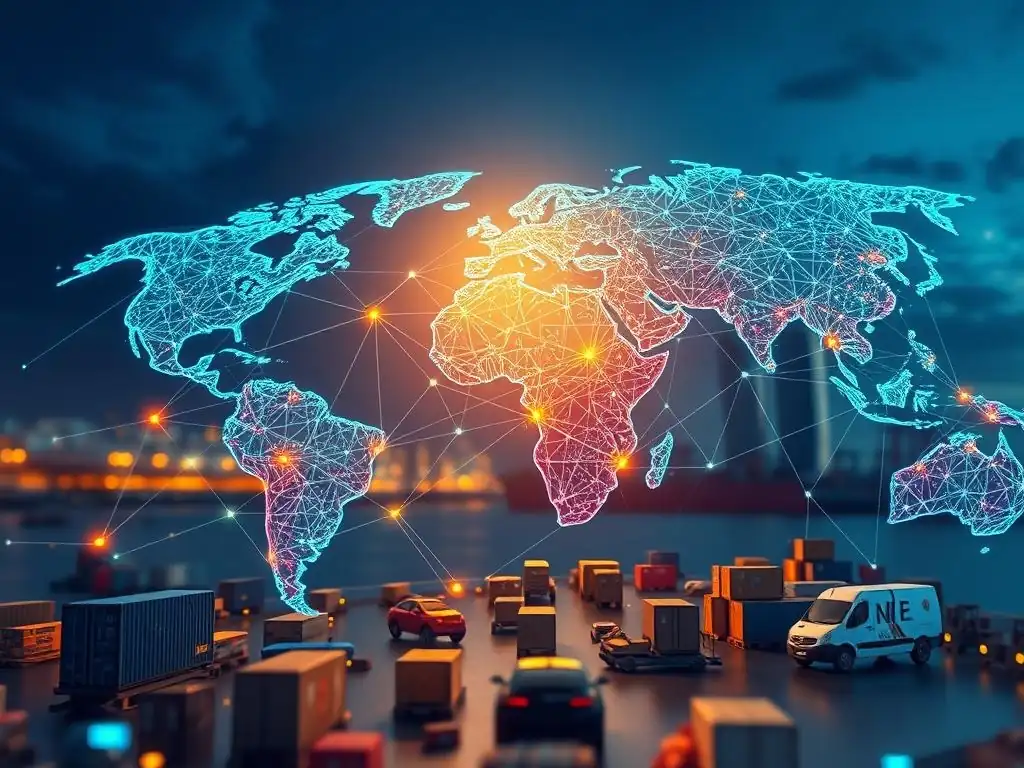
Welcome to Blockchain Trends, your guide to navigating the evolving landscape of blockchain technology. Beyond the hype, discover how blockchain is revolutionizing industries. Are you ready to explore the powerful convergence of technologies transforming supply chains? Dive into our latest article on Blockchain AI supply chain solutions and unlock the secrets to enhanced efficiency and predictive analytics. See how this synergy is reshaping the future of commerce and transparency.
- Blockchain and AI Synergies in Supply Chain: Enhancing Efficiency and Predictive Analytics
- Understanding the Fundamentals: Blockchain and AI in Supply Chain Management
- The Power of Synergy: How Blockchain and AI Work Together in Supply Chain
-
Use Cases: Blockchain and AI Applications in Supply Chain
- Predictive Maintenance and Anomaly Detection in Manufacturing: Identifying Potential Failures in Production Lines Using Sensor Data Analyzed by AI on a Blockchain
- Optimizing Logistics and Transportation with AI-Driven Blockchain Platforms: Reducing Delivery Times and Costs with Smart Routing and Real-Time Tracking Secured by Blockchain
- Enhancing Food Safety and Traceability using Blockchain and AI: Tracking Contaminated Food Sources Quickly and Efficiently, Minimizing Public Health Risks
- Streamlining Pharmaceutical Supply Chains with Blockchain-AI Integration: Combating Counterfeit Drugs and Ensuring Product Integrity from Manufacturing to Patient
- Benefits of Blockchain AI Integration for Supply Chain Efficiency
- Challenges and Considerations for Blockchain AI Implementation in Supply Chain
- Future Trends: The Evolution of Blockchain and AI in Supply Chain
- Conclusion: The Transformative Potential of Blockchain AI in Supply Chain Management
-
Frequently Asked Questions
- How can blockchain enhance supply chain visibility?
- What role does AI play in optimizing blockchain-based supply chains?
- How can the combination of Blockchain and AI improve supply chain security?
- What are some of the challenges in implementing Blockchain AI supply chain solutions?
- What is the future outlook for Blockchain AI in the supply chain industry?
- Final Reflection: Unlocking Supply Chain Potential
- Unlock Your Supply Chain's Potential with Blockchain & AI!
Blockchain and AI Synergies in Supply Chain: Enhancing Efficiency and Predictive Analytics
Introduction: Revolutionizing Supply Chains with Blockchain AI Integration
The global supply chain network is a complex tapestry of processes, participants, and transactions, constantly facing challenges related to transparency, efficiency, and resilience. In recent years, two transformative technologies, blockchain and artificial intelligence (AI), have emerged as potential catalysts for radical change in this domain. Individually, they offer significant improvements: blockchain provides an immutable ledger for enhanced traceability and trust, while AI delivers powerful analytical capabilities for optimization and prediction. The confluence of these technologies, often referred to as the Blockchain AI supply chain integration, promises a new era of intelligent, secure, and hyper-efficient supply networks.
This integration moves beyond the foundational applications of each technology in isolation. It envisions a future where AI analyzes secure, tamper-proof data recorded on a blockchain to generate highly accurate forecasts, automate complex processes, and enable unprecedented levels of visibility. Consider the sheer volume of data generated across a supply chain – from production metrics and logistics movements to transaction records and compliance documents. Leveraging AI to glean insights from this vast, verified dataset, secured by blockchain, unlocks capabilities previously unattainable, paving the way for truly intelligent and autonomous supply chain operations.
Understanding the Fundamentals: Blockchain and AI in Supply Chain Management
Blockchain Technology for Supply Chain Transparency and Traceability
Blockchain technology fundamentally addresses the lack of trust and transparency inherent in traditional, siloed supply chain systems. By providing a distributed, immutable, and cryptographically secured ledger, it creates a single, shared source of truth for all participants involved in a product's journey.
Each transaction, from the sourcing of raw materials to the final delivery to the customer, can be recorded as a block on the chain, linked chronologically and transparently. This inherent structure makes it incredibly difficult, if not impossible, to alter past records without consensus, ensuring data integrity and building trust among disparate parties who may not otherwise trust each other directly.
The primary benefit derived from blockchain in supply chain is unparalleled traceability. Imagine tracking a product through multiple handoffs across different companies and borders. With a blockchain, every transfer of ownership, every quality check, and every logistical milestone can be logged.
This creates a complete, verifiable history of the product. For instance, in the food industry, tracing the origin of produce or meat can take days or even weeks using traditional methods involving paper trails and disparate databases. With a blockchain implementation, this tracing process can often be reduced to mere minutes, enabling rapid identification of contamination sources during outbreaks and significantly improving recall efficiency.
Artificial Intelligence (AI) for Supply Chain Optimization and Predictive Analytics
Artificial intelligence brings sophisticated analytical power to the supply chain, enabling businesses to move from reactive responses to proactive strategies. AI algorithms can process vast amounts of data from various sources – market demand, weather patterns, traffic conditions, production sensor data, and historical performance – to identify patterns, forecast future trends, and make intelligent decisions. This capability is crucial for optimizing complex processes like demand forecasting, inventory management, route planning, and risk assessment.
Predictive analytics, powered by AI, allows companies to anticipate potential disruptions or inefficiencies before they occur. For example, AI can analyze historical sales data combined with external factors like promotional campaigns or economic indicators to predict future demand with greater accuracy, potentially reducing forecasting errors by 20-50% compared to traditional methods. Similarly, by analyzing sensor data from machinery, AI can predict equipment failure, enabling predictive maintenance that minimizes costly unplanned downtime. This ability to foresee and adapt is vital for building a resilient and cost-effective supply chain.
The Power of Synergy: How Blockchain and AI Work Together in Supply Chain
Enhanced Data Integrity and Security with Blockchain-Secured AI
The effectiveness of any AI model is directly proportional to the quality and integrity of the data it consumes. If the data is inaccurate, incomplete, or tampered with, the AI's insights and predictions will be flawed, leading to poor decision-making. This is where blockchain provides a critical foundation for AI in the supply chain.
By recording data on an immutable ledger, blockchain ensures that the information fed into AI algorithms is trustworthy and has not been altered maliciously or accidentally since its creation. This enhanced data integrity is paramount for building reliable AI models for forecasting, optimization, and risk assessment.
Furthermore, the combination provides a secure environment for AI processing. While AI models themselves can be vulnerable to attacks or data poisoning, integrating them with a blockchain can add layers of security.
For instance, the execution of AI models or the recording of their outputs can be managed through smart contracts on the blockchain, ensuring that processes follow predefined rules and that results are transparently recorded. This Blockchain AI supply chain synergy creates a secure data pipeline from collection and validation (via blockchain) to analysis and insight generation (via AI), significantly mitigating risks associated with data manipulation and unauthorized access.
Improved Supply Chain Visibility and Traceability through AI-Powered Blockchain Solutions
Blockchain inherently provides traceability by recording transactions, but AI enhances this capability by providing intelligence on what to trace and how to interpret the tracing data. An AI layer can analyze the vast amount of transactional data on a blockchain to identify trends, anomalies, or potential issues that might be missed by simple ledger checks. For example, AI can cross-reference blockchain records of product movements with external data like weather reports or news events to predict potential delays or disruptions in specific regions, offering a more dynamic and intelligent view of the supply chain than blockchain alone.
This synergy creates AI-powered blockchain solutions that offer unprecedented real-time visibility. AI can process the stream of data from IoT devices (also potentially secured by blockchain) and integrate it with the blockchain transaction history to provide a live, intelligent map of the supply chain.
This allows stakeholders to not only see where goods are but also understand their condition, predict their arrival time, and identify potential risks based on complex data analysis. For instance, an AI could analyze temperature data recorded on a blockchain for a shipment of pharmaceuticals and flag potential spoilage risks based on deviations from required conditions, triggering automated alerts or corrective actions via smart contracts.
Use Cases: Blockchain and AI Applications in Supply Chain
Predictive Maintenance and Anomaly Detection in Manufacturing: Identifying Potential Failures in Production Lines Using Sensor Data Analyzed by AI on a Blockchain
In manufacturing, maintaining operational efficiency is paramount, and unplanned downtime due to equipment failure is a major cost driver. Traditional maintenance relies on scheduled checks or reactive repairs after a breakdown occurs. Blockchain AI supply chain solutions enable a shift to predictive maintenance. IoT sensors on manufacturing equipment collect continuous data points like temperature, vibration, pressure, and output. This data is then securely recorded on a blockchain, creating an immutable log of the machine's performance history.
An AI model then analyzes this blockchain-verified sensor data to detect subtle anomalies and predict potential failures before they happen. For example, AI might identify a pattern of increasing vibration or temperature deviation that correlates with past equipment failures. Based on this analysis, the AI triggers an alert or even initiates a work order via a smart contract recorded on the blockchain. Companies implementing such systems have reported significant reductions in unplanned downtime, with some studies indicating improvements of up to 40% and maintenance cost reductions of 10-30%. This capability ensures production continuity and optimizes maintenance schedules.
Optimizing Logistics and Transportation with AI-Driven Blockchain Platforms: Reducing Delivery Times and Costs with Smart Routing and Real-Time Tracking Secured by Blockchain
Logistics and transportation are inherently complex, involving multiple carriers, routes, and potential delays. Optimizing these processes is critical for reducing costs and improving delivery times. AI-driven blockchain platforms offer powerful tools for this optimization. Blockchain provides a secure and transparent ledger for tracking shipments, recording milestones, and managing interactions between shippers, carriers, and receivers. This eliminates disputes over delivery status or condition.
AI algorithms can leverage this secure, real-time data stream from the blockchain (combined with external data like traffic, weather, and fuel prices) to perform dynamic route optimization, load balancing, and carrier selection. For instance, AI can analyze current traffic conditions reported and verified through a blockchain network to reroute shipments in real-time, avoiding congestion.
Similarly, AI can analyze historical performance data recorded on the blockchain for various carriers to select the most reliable and cost-effective option for a specific route. Pilot programs exploring the use of Blockchain AI supply chain platforms in logistics have shown potential for reducing transit times by 15-25% and lowering transportation costs by 10-20% through improved efficiency and reduced manual processes.
Enhancing Food Safety and Traceability using Blockchain and AI: Tracking Contaminated Food Sources Quickly and Efficiently, Minimizing Public Health Risks
Ensuring food safety from farm to fork is a global challenge, and outbreaks of foodborne illnesses can have devastating consequences. The traditional paper-based or siloed digital systems for tracing food products are often slow and inefficient, making rapid recalls difficult. Blockchain provides an ideal solution for creating an immutable record of every step in the food supply chain – from planting and harvesting to processing, packaging, and distribution. Each transfer and transformation can be logged, providing a complete history.
When a contamination event occurs, AI can quickly analyze the blockchain data to pinpoint the source of contamination and identify all affected products and distribution points within minutes, rather than days or weeks. This rapid identification allows for targeted recalls, minimizing the amount of food wasted and, more importantly, reducing the risk to public health.
For example, Walmart successfully piloted a blockchain system for tracking mangoes and pork, demonstrating that tracing a product from store back to farm could be reduced from seven days to just 2.2 seconds. Integrating AI on top of this blockchain foundation further enhances the system by analyzing patterns in contamination data or predicting risks based on environmental factors recorded on the chain.
Streamlining Pharmaceutical Supply Chains with Blockchain-AI Integration: Combating Counterfeit Drugs and Ensuring Product Integrity from Manufacturing to Patient
The pharmaceutical supply chain faces unique challenges, including the critical need for product integrity, temperature control, and combating the pervasive threat of counterfeit drugs. Counterfeit pharmaceuticals are a significant global problem, estimated to be a multi-billion dollar industry that poses serious health risks. Blockchain AI supply chain solutions offer a robust defense against counterfeiting and enhance overall supply chain security.
Each unit of medication can be serialized and tracked on a blockchain from the point of manufacture, through distributors, pharmacies, and potentially even to the patient. This creates an unbreakable chain of custody. AI can analyze this blockchain data to detect suspicious patterns, such as multiple units with the same serial number appearing in different locations simultaneously, or deviations in the expected route or timing of shipments.
Furthermore, AI can analyze temperature and handling data (recorded on the blockchain via IoT sensors) to verify that product integrity has been maintained throughout transit, which is crucial for temperature-sensitive medications. This combined approach significantly improves the ability to authenticate products, prevent counterfeits from entering the legitimate supply chain, and ensure the quality and safety of medications delivered to patients.
Benefits of Blockchain AI Integration for Supply Chain Efficiency

Reduced Costs and Increased Efficiency through Automation
The integration of blockchain and AI can lead to substantial cost reductions and efficiency gains across the supply chain. Blockchain streamlines processes by providing a single source of truth and reducing the need for intermediaries or manual verification steps. Smart contracts, executable code stored on the blockchain, can automate routine tasks like payments upon delivery verification or triggering the next step in a workflow once certain conditions are met, as verified by AI analysis of blockchain data.
AI further enhances efficiency by optimizing complex processes. AI can manage inventory levels more accurately, reducing holding costs and stockouts. It can optimize transportation routes, lowering fuel consumption and delivery times. By automating data analysis, prediction, and decision-making based on secure blockchain data, companies can significantly reduce manual effort, minimize errors, and accelerate operational speed. Industry reports suggest that companies leveraging Blockchain AI supply chain solutions could see overall supply chain operational cost reductions of 10-25%.
Improved Decision-Making with Real-Time Data and Predictive Insights
Access to accurate, real-time data is crucial for effective decision-making in a dynamic supply chain environment. Blockchain ensures the data's integrity and provides a shared, up-to-the-minute view of transactions and product status for all authorized participants. AI then transforms this raw, trustworthy data into actionable insights.
AI algorithms can analyze the influx of blockchain-verified data, combined with other relevant information, to provide predictive insights into demand fluctuations, potential supply disruptions, optimal inventory levels, and performance bottlenecks. This enables supply chain managers to make more informed, data-driven decisions proactively rather than reactively. For instance, an AI analyzing blockchain-recorded sales and logistics data could predict a potential regional shortage of a product days in advance, allowing the company to reroute shipments or increase production before the issue impacts customers. This improved foresight leads to more agile and resilient supply chains.
Enhanced Supply Chain Resilience and Risk Management
Supply chains are increasingly vulnerable to disruptions, whether from natural disasters, geopolitical events, or unexpected demand shifts. Building resilience and effectively managing risk are paramount. The Blockchain AI supply chain synergy significantly enhances these capabilities. Blockchain provides the transparency needed to quickly identify where goods are located and who is responsible at any given moment during a disruption.
AI leverages this transparency and combines it with external risk data to model potential impacts and suggest mitigation strategies. For example, if a major port is shut down, AI can analyze blockchain records to identify all shipments scheduled to pass through that port, assess their criticality, predict alternative routes or logistics partners based on historical performance data (also potentially on a blockchain), and even simulate the cost and time implications of different contingency plans.
This predictive and analytical power, underpinned by trustworthy blockchain data, allows companies to respond faster and more effectively to disruptions, minimizing financial losses and maintaining business continuity.
Increased Transparency and Accountability Across the Supply Chain
Transparency is a core promise of blockchain technology. By creating a shared, immutable ledger accessible to authorized parties, it breaks down data silos and provides visibility into the entire product journey. This increased transparency fosters greater trust among supply chain partners, as they can verify transactions and data points independently.
When combined with AI, this transparency leads to enhanced accountability. AI can analyze the blockchain record to identify performance deviations, bottlenecks, or instances where agreed-upon conditions (as defined in smart contracts) were not met. For example, AI can flag a carrier if their delivery times consistently exceed contractual agreements recorded on the blockchain, or identify a supplier whose material quality, as recorded and verified on the chain, falls below standards. This data-driven accountability encourages better performance from all participants and helps in identifying and addressing issues promptly, leading to a more reliable and ethical supply chain.
Challenges and Considerations for Blockchain AI Implementation in Supply Chain
Data Privacy and Security Concerns in a Blockchain AI Environment
While blockchain enhances data security through immutability and cryptography, implementing a Blockchain AI supply chain still presents data privacy challenges, especially concerning sensitive commercial information or personal data. Although blockchain transactions are often public or shared among consortium members, the data itself might contain commercially sensitive details that competitors or unauthorized parties should not access. Ensuring that only necessary and anonymized data is placed on the public or consortium blockchain, or implementing privacy-preserving techniques like zero-knowledge proofs, is critical.
Furthermore, training AI models often requires access to vast datasets, which might include proprietary information. Protecting these datasets during the training process and ensuring that the AI model itself doesn't inadvertently reveal sensitive information through its outputs are significant security considerations. Robust access control mechanisms, data encryption both in transit and at rest, and careful design of data sharing protocols within the blockchain network are essential to address these privacy and security concerns effectively.
Scalability and Interoperability Issues with Existing Systems
Implementing blockchain and AI solutions in large, complex supply chains often faces challenges related to scalability and interoperability with legacy systems. Many existing supply chain systems are built on outdated technologies and databases that were not designed to interact seamlessly with distributed ledger technologies or sophisticated AI platforms. Integrating these disparate systems requires significant effort and investment.
Blockchain networks themselves need to be scalable enough to handle the high volume of transactions generated by a global supply chain. While some newer blockchain platforms offer improved transaction speeds compared to early versions, processing millions or billions of transactions daily remains a technical hurdle for certain use cases. Similarly, deploying AI models requires significant computational resources. Ensuring that the integrated Blockchain AI supply chain platform can scale to meet the demands of a growing business and interoperate smoothly with a wide range of existing ERP, WMS, and transportation management systems is a critical factor for successful adoption.
Regulatory Compliance and Legal Frameworks for Blockchain AI in Supply Chain
The regulatory landscape for both blockchain and AI is still evolving, creating uncertainty for businesses implementing these technologies in supply chain operations. Issues such as data ownership, liability in case of automated decisions made by AI via smart contracts, and cross-border data transfer regulations (like GDPR) need careful consideration. The legal status of smart contracts varies across jurisdictions, impacting their enforceability.
Furthermore, industry-specific regulations (e.g., in pharmaceuticals or food safety) must be strictly adhered to. Companies must navigate this complex legal environment to ensure their Blockchain AI supply chain solutions are compliant. This requires close collaboration with legal experts and potentially engaging with regulatory bodies to help shape future frameworks that support technological innovation while ensuring consumer protection and fair practices. Establishing clear governance models for the blockchain network and defining responsibilities for AI model performance and data handling are crucial steps.
Skill Gap and the Need for Specialized Expertise
Implementing and managing sophisticated Blockchain AI supply chain solutions requires a combination of specialized skills that are currently in high demand. Expertise in blockchain development, AI/machine learning engineering, data science, cybersecurity, and supply chain management are all necessary. Finding individuals with proficiency in one of these areas is challenging enough; finding those with a working knowledge of how they intersect is even more difficult.
Companies looking to adopt these technologies must invest significantly in training existing staff or recruiting new talent. This includes not only technical roles but also business leaders who understand the strategic implications of these technologies. The skill gap can slow down implementation, increase costs, and limit the potential benefits realized from the integration. Building internal capabilities or partnering with specialized external providers is essential to overcome this challenge.
Future Trends: The Evolution of Blockchain and AI in Supply Chain
Decentralized Supply Chain Management with Blockchain and AI
The future of the Blockchain AI supply chain points towards increasingly decentralized models. Traditional supply chains are often hierarchical, controlled by large anchor companies. Blockchain's distributed nature inherently supports decentralization, allowing multiple parties to participate and govern the network collaboratively. AI can facilitate this decentralization by automating coordination and decision-making across distributed nodes without relying on a central authority.
In a decentralized supply chain, AI agents or smart contracts, operating on a blockchain, could negotiate terms, manage logistics, and handle payments autonomously based on pre-agreed rules and real-time data. This could lead to more resilient, agile, and equitable supply networks where smaller participants have greater access and influence. Imagine a network of small farmers, logistics providers, and retailers interacting directly through an AI-managed blockchain platform, optimizing the flow of goods and value without needing traditional intermediaries.
AI-Powered Smart Contracts for Automated Supply Chain Processes
Smart contracts are a key application of blockchain in automating agreements, but their capabilities are limited by the data inputs they receive. Integrating AI with smart contracts unlocks a new level of automation and intelligence. AI can analyze complex, real-world data (like sensor readings, market prices, or performance metrics) and feed verified insights into smart contracts, triggering actions based on sophisticated conditions that go beyond simple binary checks.
For instance, an AI could analyze blockchain-recorded data on product quality and delivery timelines and use this analysis to automatically adjust payment terms via a smart contract based on performance metrics. Or, an AI could monitor global events and market sentiment, triggering a smart contract to automatically reroute shipments or adjust inventory orders in response to predicted disruptions. This evolution towards AI-powered smart contracts will enable highly automated, responsive, and self-optimizing supply chain processes.
The Role of Blockchain and AI in Sustainable Supply Chains
Sustainability is becoming an increasingly critical concern for businesses and consumers. Blockchain AI supply chain solutions can play a significant role in achieving sustainability goals. Blockchain provides the transparency needed to track the origin of materials, verify ethical sourcing practices, and monitor the environmental impact of products throughout their lifecycle. Every step, from raw material extraction to disposal or recycling, can be recorded and verified on the chain.
AI can analyze this blockchain-verified sustainability data to identify areas for improvement, optimize resource usage, and predict the environmental footprint of different supply chain configurations. For example, AI could analyze blockchain data on energy consumption during production and logistics to recommend more energy-efficient routes or partners. It could also verify certifications or carbon credits recorded on the blockchain. This combination empowers companies to build truly transparent and verifiable sustainable supply chains, meeting consumer demand and regulatory requirements while reducing their environmental impact.
The Impact of Metaverse and Web3 on Supply Chain Management
Looking further ahead, the emergence of the Metaverse and Web3 concepts could further transform the supply chain landscape, with blockchain and AI at the core. While still nascent, these concepts envision a more immersive, decentralized, and interconnected digital and physical world. In this future, supply chains might be managed and visualized within virtual environments, with digital twins of physical goods and assets tracked on a blockchain and optimized by AI.
Web3, built on decentralized technologies like blockchain, could facilitate tokenization of supply chain assets (e.g., raw materials, finished goods, logistics capacity), enabling more flexible and liquid marketplaces. AI could manage these tokenized assets and optimize their flow within a decentralized network. The Metaverse could provide intuitive interfaces for monitoring complex global supply chains in real-time, allowing stakeholders to interact with digital representations of their goods and processes in a more immersive way. While speculative, this future highlights the potential for Blockchain AI supply chain technologies to underpin entirely new models of global commerce and logistics.
Conclusion: The Transformative Potential of Blockchain AI in Supply Chain Management
The integration of blockchain and artificial intelligence represents a powerful synergy with the potential to fundamentally transform supply chain management. By combining the trust, transparency, and security of blockchain with the analytical power and predictive capabilities of AI, businesses can achieve unprecedented levels of efficiency, visibility, and resilience. From enhancing traceability and combating counterfeits to optimizing logistics and enabling predictive maintenance, the use cases for a Blockchain AI supply chain are diverse and impactful.
While challenges related to data privacy, scalability, regulatory compliance, and the skill gap must be addressed, the trajectory towards more intelligent, automated, and transparent supply chains is clear. As these technologies mature and adoption grows, we can expect to see significant reductions in costs, improvements in decision-making, enhanced risk management, and greater sustainability across global supply networks. The Blockchain AI supply chain is not just an incremental improvement; it is a revolutionary step towards building the agile, trustworthy, and highly efficient supply chains required for the future.
Frequently Asked Questions
How can blockchain enhance supply chain visibility?
Blockchain provides a transparent and immutable record of transactions, making it easier to track products throughout the supply chain. This enhanced visibility helps reduce counterfeiting and improves overall efficiency. It allows for real-time tracking.
What role does AI play in optimizing blockchain-based supply chains?
AI can analyze the vast amounts of data generated by blockchain to predict disruptions, optimize logistics, and improve demand forecasting. This allows for more proactive decision-making and streamlined operations.
How can the combination of Blockchain and AI improve supply chain security?
Blockchain's security features, combined with AI's ability to detect anomalies, create a robust security system. AI can identify potential threats and blockchain provides an immutable audit trail, mitigating risks.
What are some of the challenges in implementing Blockchain AI supply chain solutions?
Challenges include data integration, the need for skilled personnel, and the high initial costs associated with implementing both technologies. Overcoming these hurdles is crucial for successful adoption.
What is the future outlook for Blockchain AI in the supply chain industry?
The future is bright, with increasing adoption expected as companies realize the benefits of improved efficiency, enhanced security, and predictive capabilities. This synergy will likely revolutionize supply chain management.
Final Reflection: Unlocking Supply Chain Potential
The intricate dance between blockchain and AI, as explored throughout this article, is no longer a futuristic fantasy but a tangible reality reshaping global supply chains. The convergence of these technologies promises unprecedented transparency, efficiency, and predictive power, fundamentally altering how goods and information flow across the world. This isn't just about optimizing logistics; it's about building resilient, responsive, and ultimately, more sustainable supply chains for the future.
The impact of blockchain AI supply chain solutions extends far beyond mere cost reduction. It's about fostering trust, empowering stakeholders, and creating a more equitable system for all involved. Witnessing the potential for these technologies to democratize access and improve accountability is truly inspiring, and it underscores the importance of continued exploration and responsible implementation. The supply chain is the only thing that connects everything.
- Michael Scott (humorously highlighting the interconnectedness). This quote, while lighthearted, underscores the profound impact efficient supply chains have on our daily lives.
As we stand on the cusp of this technological revolution, I invite you to consider the role you can play in shaping its trajectory. How can you leverage the insights shared in this article to advocate for greater transparency and efficiency within your own sphere of influence? The future of supply chain management is being written now, and your understanding and engagement are crucial to ensuring that it benefits all of humanity. Let us embrace the potential of blockchain and AI to build a more resilient, equitable, and sustainable world, one supply chain at a time.
Unlock Your Supply Chain's Potential with Blockchain & AI!
Thank you for exploring the powerful synergies between blockchain and AI in supply chain management. We hope you've gained valuable insights into enhancing efficiency and predictive analytics. Now, let's put that knowledge into action!
Here's how you can take the next step:
- Dive deeper: Analyze your current supply chain for opportunities to incorporate blockchain and AI, starting with a pilot project. This is your top priority!
- Share this article with your network on LinkedIn or X and spark a conversation about the future of supply chains.
- Subscribe to our newsletter at BlockchainTrends.org to receive weekly updates on emerging trends and practical case studies in blockchain and AI.
What is one small but impactful area in your supply chain where you could pilot a blockchain and AI integration within the next quarter? Share your ideas in the comments below!
Leave a Reply