
Access Control for IoT Devices: Blockchain's Granular Permission System

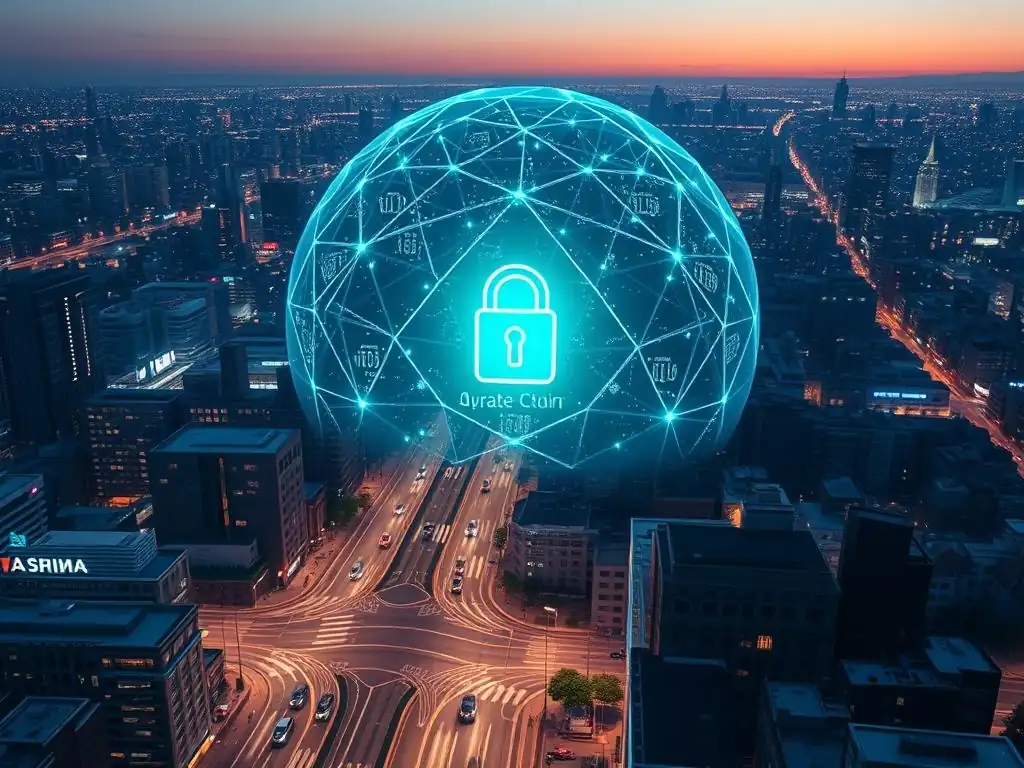
Welcome to Blockchain Trends, your guide to understanding the revolutionary impact of blockchain technology.
Delve into the world beyond cryptocurrencies and discover how blockchain is reshaping industries. This week, we're exploring a particularly fascinating application: Blockchain IoT access control. How can this technology provide a more secure and efficient way to manage access to your smart devices? Uncover the granular permission system that's poised to redefine IoT security, and see how blockchain's inherent features are making it a game-changer. Intrigued? Read on to learn more about this emerging trend!
Access Control for IoT Devices: Blockchain's Granular Permission System
- Introduction: Securing the IoT Landscape with Blockchain-Based Access Management
- Understanding Current IoT Access Control Limitations
- Blockchain Technology: A Decentralized Solution for IoT Security
- Blockchain IoT Access Control: How it Works
- Benefits of Using Blockchain for IoT Access Control
- Use Cases of Blockchain-Based Access Control in IoT
- Implementing Blockchain IoT Access Control: Challenges and Considerations
- Future Trends in Blockchain and IoT Security
- Conclusion: Blockchain's Role in Securing the Future of IoT
-
Frequently Asked Questions
- How does blockchain enhance access control for IoT devices?
- What are the key benefits of using blockchain for IoT access control?
- How can blockchain enable granular access control for IoT devices?
- What are the potential challenges of implementing blockchain-based IoT access control?
- How does blockchain-based access control improve data security in IoT environments?
- Final Reflection: Securing the Future with Decentralized Trust
- Empower Your IoT Security: Implement Blockchain-Based Access Control!
Introduction: Securing the IoT Landscape with Blockchain-Based Access Management
The Growing Need for Robust IoT Security Solutions
The Internet of Things (IoT) is rapidly expanding, connecting billions of devices across homes, businesses, and critical infrastructure. This interconnectedness, while offering unprecedented convenience and efficiency, also presents significant security challenges. Traditional security models often struggle to cope with the scale and complexity of IoT networks, leaving them vulnerable to cyberattacks.
For example, the Mirai botnet in 2016 exploited weak default passwords on IoT devices to launch massive distributed denial-of-service (DDoS) attacks, disrupting major online services and highlighting the urgent need for more robust security measures in the IoT ecosystem. As the number of connected devices continues to grow exponentially, estimated to reach over 75 billion by 2025, the potential attack surface expands, making the need for advanced security solutions like blockchain-based access control increasingly critical.
The escalating sophistication of cyber threats targeting IoT devices further emphasizes the necessity for enhanced security. Attackers are constantly developing new methods to exploit vulnerabilities in IoT systems, ranging from data breaches and ransomware attacks to physical sabotage of critical infrastructure. Consider the increasing prevalence of ransomware targeting industrial control systems (ICS) which are often connected to IoT networks.
These attacks can disrupt essential services, halt production, and even endanger lives. The rise in such sophisticated attacks underscores the limitations of conventional security approaches and necessitates exploring innovative solutions like blockchain to establish stronger and more resilient IoT security frameworks.
Blockchain IoT Access Control: A Paradigm Shift
Blockchain technology offers a transformative approach to securing IoT devices by providing a decentralized and granular permission system. Unlike traditional centralized access control models, blockchain utilizes a distributed ledger to record and verify access permissions, eliminating single points of failure and enhancing overall security. This paradigm shift moves away from relying on a central authority to manage access, distributing trust and control across the network.
Imagine a scenario where a smart city's traffic management system is controlled by a traditional centralized server. A single point of failure in this server could lead to widespread traffic chaos. Blockchain-based access control, on the other hand, distributes this control, making the system more resilient and resistant to attacks.
This decentralized approach inherent in blockchain IoT access control offers significant advantages in terms of security, transparency, and efficiency. By leveraging blockchain's cryptographic security and consensus mechanisms, access permissions can be managed in a tamper-proof and auditable manner. This not only strengthens security against unauthorized access but also provides a clear and verifiable record of all access attempts and permissions changes.
For instance, in a supply chain scenario using IoT sensors to track goods, blockchain ensures that only authorized parties can access sensitive location and condition data, enhancing transparency and accountability throughout the entire supply chain process. This combination of enhanced security and improved transparency makes blockchain a compelling solution for the evolving security challenges of the IoT landscape.
Understanding Current IoT Access Control Limitations
Centralized Access Management: Single Points of Failure
Traditional IoT access control systems often rely on centralized servers to manage device authentication and authorization. This centralized approach, while seemingly straightforward, creates a single point of failure, making the entire system vulnerable. If the central server is compromised, the security of all connected IoT devices is at risk. Consider a large building with a smart access control system managed by a single server. If this server is hacked, an attacker could potentially unlock all doors and gain unauthorized access throughout the building. This single point of failure is a significant weakness in centralized access management models.
Furthermore, centralized systems can struggle to scale effectively with the rapidly growing number of IoT devices. As the network expands, the central server can become a bottleneck, leading to performance issues and potential system downtime. Imagine a city-wide network of smart streetlights managed by a centralized system. As the city grows and more lights are added, the central server may become overloaded, leading to delays in control commands or even system outages. This scalability challenge inherent in centralized systems limits their effectiveness in managing the vast and expanding IoT ecosystem.
Traditional Security Protocols: Vulnerabilities and Scalability Issues
Traditional security protocols used in IoT, such as password-based authentication and Access Control Lists (ACLs), often prove inadequate in addressing the complex security requirements of IoT networks. Password-based authentication is susceptible to brute-force attacks, phishing, and weak password practices by users. Default passwords on IoT devices are a notorious example of this vulnerability, as highlighted by the Mirai botnet. ACLs, while providing access control, can become cumbersome and difficult to manage in large and dynamic IoT environments, especially when dealing with a vast number of devices and users with varying access needs.
Moreover, traditional security protocols often lack the necessary features for fine-grained access control and auditability required for many IoT applications. For instance, in healthcare IoT, it is crucial to control access to patient data based on roles and context, allowing doctors access to medical records but restricting access for unauthorized personnel. Traditional ACLs may struggle to implement such nuanced access control policies effectively.
Additionally, traditional systems often lack robust audit trails, making it difficult to track and investigate security breaches or unauthorized access attempts. These limitations highlight the need for more advanced and flexible security solutions like blockchain-based access control to address the evolving security challenges of IoT.
Blockchain Technology: A Decentralized Solution for IoT Security
Blockchain's Core Principles: Immutability, Transparency, and Security
Blockchain technology, at its core, is a distributed, immutable, and transparent ledger. Immutability ensures that once data is recorded on the blockchain, it cannot be altered or deleted, providing a tamper-proof record of transactions or, in the context of IoT access control, access permissions. Transparency allows all participants in the network to view the recorded data, fostering trust and accountability. Security is achieved through cryptography, specifically hash functions and digital signatures, which secure the integrity and authenticity of the data on the blockchain. These core principles make blockchain inherently well-suited for securing IoT systems.
The decentralized nature of blockchain eliminates the single point of failure inherent in centralized systems. Data is distributed across multiple nodes in the network, making it significantly more resistant to attacks and failures. If one node is compromised, the rest of the network remains operational and secure. Imagine a financial transaction recorded on a blockchain.
This transaction is not stored in a single bank's database but distributed across a network of computers. This distribution makes the blockchain system far more resilient and secure compared to traditional centralized databases. This inherent resilience and security are key advantages of using blockchain for IoT access control.
Decentralized Identity and Access Management (IAM) with Blockchain
Blockchain technology enables the implementation of decentralized Identity and Access Management (IAM) systems, offering a more secure and user-centric approach to managing digital identities and access permissions. In a blockchain-based IAM system, users and devices can control their own digital identities, often represented as Decentralized Identifiers (DIDs), and manage who has access to their data and resources. This puts users in control of their own data and reduces reliance on centralized identity providers.
Consider a scenario where you use a social media platform for authentication across multiple websites. This centralized approach gives the social media platform significant control over your identity. Decentralized IAM, using blockchain, allows you to control your identity and grant access permissions directly, without relying on a central intermediary.
Blockchain-based IAM enhances security by eliminating single points of failure and reducing the risk of identity theft and data breaches. By distributing identity information across the blockchain network, it becomes significantly more difficult for attackers to compromise the entire system. Furthermore, blockchain's transparency and auditability provide a clear record of identity transactions and access grants, improving accountability and facilitating compliance with data privacy regulations. This enhanced security and user control make blockchain-based IAM a powerful tool for securing access in the complex and distributed IoT ecosystem.
Blockchain IoT Access Control: How it Works
Smart Contracts for Granular Permission Management
Smart contracts, self-executing contracts with the terms of the agreement directly written into code, are a crucial component of blockchain IoT access control. These contracts can be used to define and enforce granular access permissions for IoT devices. For example, a smart contract can specify that a particular sensor in a factory can only be accessed by authorized personnel within a specific department and during specific hours. This level of granularity is difficult to achieve with traditional access control methods.
When an IoT device or user attempts to access a resource, the smart contract automatically verifies if the request meets the defined permission rules. If the conditions are met, access is granted; otherwise, it is denied. This automated and rule-based approach ensures consistent and reliable access control enforcement. Imagine a smart home scenario where a smart lock is controlled by a smart contract. The contract can be programmed to allow access to family members during specific times and to cleaning services only on certain days of the week. Smart contracts automate and enforce these complex access rules effectively.
Decentralized Identifiers (DIDs) for IoT Device Authentication
Decentralized Identifiers (DIDs) are a key technology for authenticating IoT devices in a blockchain-based access control system. DIDs are unique, globally resolvable identifiers that do not rely on centralized authorities. Each IoT device can be assigned a DID, which acts as its digital identity on the blockchain network.
This allows devices to securely authenticate themselves and prove their identity without relying on a central server or certificate authority. Consider a network of connected vehicles. Each vehicle can have a DID that uniquely identifies it and allows it to securely communicate with other vehicles and infrastructure elements, like charging stations, without relying on a central vehicle identification system.
DIDs are cryptographically linked to the device's owner or manufacturer, providing a verifiable chain of ownership and enhancing trust in device identity. When an IoT device needs to access resources or data, it can use its DID to authenticate itself to the blockchain network and prove its authorized status. This decentralized authentication mechanism strengthens security and reduces the risk of identity spoofing and unauthorized access. Furthermore, DIDs contribute to user privacy by allowing individuals and organizations to control their digital identities and data without centralized intermediaries.
Healthcare Data Access: A Smart Contract Scenario
In healthcare, securing patient data from IoT medical devices is paramount. Blockchain IoT access control, using smart contracts, can provide a robust solution. Imagine a patient wearing a wearable device that continuously monitors vital signs.
A smart contract can be deployed to manage access to this sensitive patient data. This contract can specify that only the patient, their primary care physician, and authorized medical staff at a specific hospital have permission to access the data. The contract can even define different levels of access, allowing the physician to view all data while limiting access for other staff to specific data points or summaries.
When a doctor attempts to access the patient's data, the smart contract automatically verifies their credentials and role against the defined access permissions. If authorized, the doctor is granted access to the relevant data. All access attempts and data access events are recorded on the blockchain, providing a transparent and auditable log of data access.
This smart contract-based approach ensures granular and secure access control for sensitive healthcare data, enhancing patient privacy and data security while facilitating efficient data sharing among authorized healthcare providers. This real-world example demonstrates the practical application of blockchain IoT access control in a critical sector.
Benefits of Using Blockchain for IoT Access Control
Enhanced Security and Reduced Vulnerabilities
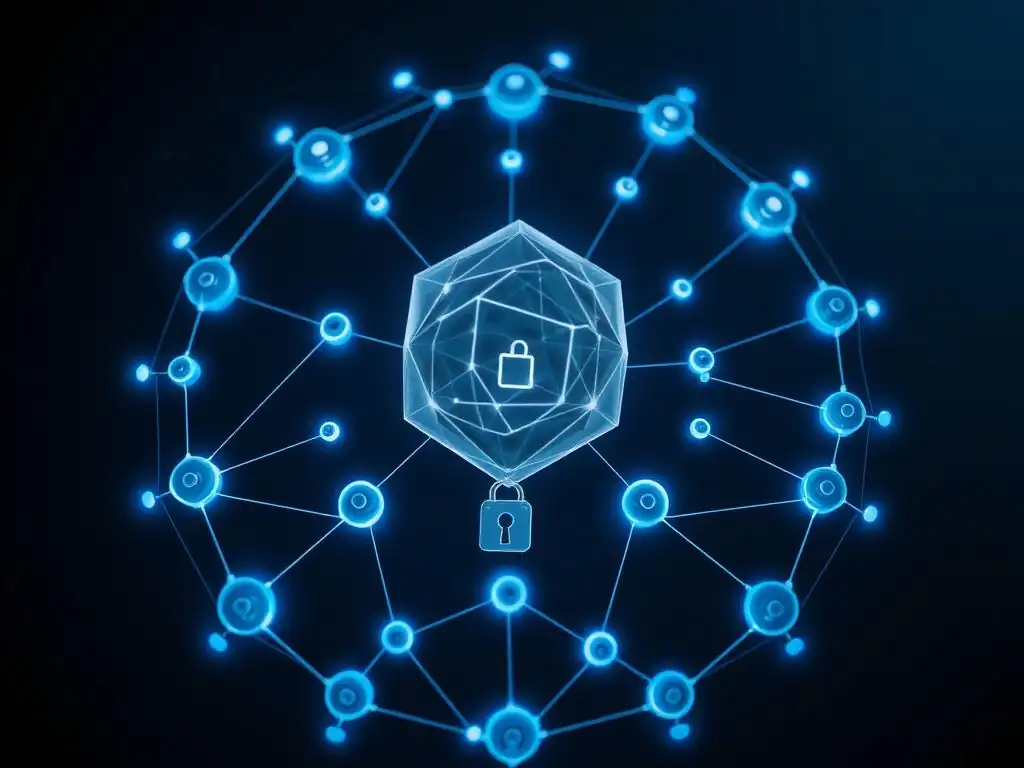
Blockchain-based access control significantly enhances the security of IoT systems by eliminating single points of failure and leveraging cryptographic security mechanisms. The decentralized nature of blockchain distributes the risk, making it much harder for attackers to compromise the entire system compared to centralized models. For instance, in a traditional centralized system, a successful attack on the central server can grant attackers access to all connected devices. In a blockchain system, compromising a single node does not compromise the security of the entire network.
Furthermore, blockchain's cryptographic features, such as hash functions and digital signatures, ensure data integrity and authenticity. Access permissions and audit logs recorded on the blockchain are tamper-proof, providing a higher level of security and trust. This robust security is crucial for protecting sensitive data and critical infrastructure in the increasingly interconnected IoT landscape. The enhanced security offered by blockchain directly translates to reduced vulnerabilities and a more resilient IoT ecosystem.
Improved Data Integrity and Auditability
Blockchain technology inherently provides improved data integrity and auditability for IoT access control systems. The immutable nature of blockchain ensures that access logs and permission changes are permanently recorded and cannot be altered retroactively. This creates a transparent and verifiable audit trail of all access activities. Imagine a pharmaceutical supply chain using blockchain to track temperature-sensitive drugs with IoT sensors. The temperature readings and access logs are recorded on the blockchain. If a temperature excursion occurs, the immutable audit trail provides irrefutable evidence for investigation and accountability.
This enhanced auditability simplifies compliance with data privacy regulations and industry standards that require detailed access logs and data provenance. Organizations can easily demonstrate compliance and track data access history for security audits and investigations. The transparency and immutability of blockchain-based audit trails offer a significant advantage over traditional systems, fostering trust and accountability in IoT data management.
Increased Scalability and Reduced Operational Costs
While initial blockchain implementations faced scalability challenges, advancements in blockchain technology are addressing these limitations and making blockchain-based IoT access control increasingly scalable. Layer-2 solutions and sharding techniques are improving transaction throughput and network capacity, making blockchain suitable for managing large-scale IoT deployments. Furthermore, the decentralized nature of blockchain can reduce operational costs associated with maintaining centralized infrastructure. Organizations can potentially reduce their reliance on expensive centralized servers and IT infrastructure by leveraging a distributed blockchain network.
For example, consider a large logistics company tracking thousands of assets using IoT devices across a vast geographical area. A centralized access control system would require significant investment in server infrastructure and maintenance. A blockchain-based solution can potentially distribute the processing load across a network of nodes, reducing the need for massive centralized infrastructure and associated operational costs. While implementation costs need to be considered, the potential for reduced operational overhead in the long run is a significant benefit of blockchain for IoT access control.
Fine-Grained Access Control for IoT Devices
Blockchain and smart contracts enable fine-grained access control for IoT devices, allowing for highly specific and customizable permission management. Organizations can define intricate access policies based on device identity, user roles, time of day, location, and other contextual factors. This level of granularity is often difficult or impossible to achieve with traditional access control mechanisms.
Imagine a smart factory with numerous robots and sensors. Blockchain-based access control can be configured to grant different levels of access to different personnel based on their roles and responsibilities. For example, maintenance technicians may have access to diagnostic data for specific robots only during maintenance windows, while supervisors have broader access for monitoring overall factory performance.
This fine-grained control enhances security by minimizing the attack surface and preventing unauthorized access to sensitive data or critical functions. It also improves operational efficiency by ensuring that only authorized personnel and devices can access specific resources when needed. The ability to implement highly customized and context-aware access policies is a key advantage of using blockchain for IoT access control, particularly in complex and dynamic IoT environments.
Use Cases of Blockchain-Based Access Control in IoT
Supply Chain Management: Tracking and Verifying Product Authenticity
In supply chain management, blockchain IoT access control can enhance transparency and security in tracking and verifying product authenticity. IoT sensors attached to goods can transmit real-time data on location, temperature, and humidity, with access controlled by blockchain. This ensures that only authorized parties, such as manufacturers, distributors, and retailers, can access and verify this critical data. Consider the pharmaceutical industry where temperature control is crucial for drug efficacy. Blockchain can provide an immutable record of temperature conditions throughout the supply chain, accessible only to authorized stakeholders, ensuring product integrity and preventing counterfeit drugs from entering the market.
Furthermore, blockchain can be used to verify product authenticity by recording unique identifiers, such as serial numbers or QR codes, on the blockchain. Consumers can then scan these codes to verify the authenticity of a product and trace its journey through the supply chain, enhancing trust and combating counterfeiting. This combination of secure tracking and verifiable authenticity makes blockchain IoT access control a powerful tool for improving supply chain transparency and security.
Healthcare: Securely Sharing Patient Data from IoT Medical Devices
As previously discussed, healthcare is a prime use case for blockchain IoT access control. Wearable devices, remote patient monitoring systems, and implantable medical devices generate vast amounts of sensitive patient data. Blockchain can ensure that this data is securely shared and accessed only by authorized healthcare providers, patients, and caregivers. Smart contracts can enforce granular access permissions based on patient consent, doctor roles, and hospital affiliations. For instance, a patient can grant temporary access to their wearable device data to a specialist for a specific consultation, with access automatically revoked after the consultation period.
This secure and patient-centric approach to data sharing enhances patient privacy and trust in healthcare IoT systems. It also facilitates efficient data exchange among healthcare providers, improving care coordination and patient outcomes. Blockchain's ability to provide secure, auditable, and patient-controlled access to medical data makes it a valuable tool for advancing healthcare innovation while protecting patient privacy.
Smart Homes: Controlling Access to Connected Devices
In smart homes, blockchain IoT access control can provide a more secure and user-friendly way to manage access to connected devices. Homeowners can use blockchain-based applications to grant and revoke access to smart locks, security cameras, smart appliances, and other connected devices for family members, guests, and service providers. For example, a homeowner can use a blockchain application to grant temporary access to a house cleaner for a specific day and time, with access automatically revoked afterwards.
This decentralized and user-controlled access management enhances home security and privacy. It eliminates the need for complex password sharing or reliance on centralized cloud services for access control. Furthermore, blockchain can provide an auditable log of access events, enhancing transparency and accountability within the smart home ecosystem. The ease of use and enhanced security offered by blockchain make it an attractive solution for managing access in increasingly connected smart homes.
Industrial IoT (IIoT): Protecting Critical Infrastructure
Industrial IoT (IIoT) applications in critical infrastructure, such as power grids, water treatment plants, and transportation systems, demand the highest levels of security. Blockchain IoT access control can play a vital role in protecting these critical systems from cyberattacks and unauthorized access. Smart contracts can be used to enforce strict access policies for industrial control systems, sensors, and actuators, limiting access to authorized personnel and devices only. For example, access to critical control systems in a power grid can be restricted to authorized engineers during scheduled maintenance windows, preventing unauthorized manipulation and potential disruptions.
The robust security and decentralized nature of blockchain make it well-suited for securing critical infrastructure. The immutability of blockchain audit logs provides a verifiable record of all access activities, aiding in incident response and forensic investigations. By enhancing security and resilience, blockchain IoT access control contributes to the safe and reliable operation of critical infrastructure, minimizing the risk of disruptions and potential catastrophic consequences.
Implementing Blockchain IoT Access Control: Challenges and Considerations
Scalability of Blockchain Networks for IoT
Scalability remains a significant challenge for implementing blockchain IoT access control, particularly for massive IoT deployments with billions of devices generating high volumes of data. Traditional blockchain networks can struggle to process the large number of transactions and data points generated by IoT devices. However, ongoing research and development are addressing these scalability limitations. Layer-2 solutions, such as state channels and sidechains, are being explored to offload transaction processing from the main blockchain, improving throughput. Sharding, which divides the blockchain into smaller, parallel chains, is another promising approach to enhance scalability.
Furthermore, the choice of consensus mechanism for blockchain networks is crucial for IoT scalability. Proof-of-Work (PoW), used by Bitcoin, is energy-intensive and slow, making it unsuitable for most IoT applications. More energy-efficient and faster consensus mechanisms, such as Proof-of-Stake (PoS) and Delegated Proof-of-Stake (DPoS), are better suited for scalable IoT blockchain solutions. Hybrid consensus mechanisms that combine the strengths of different approaches are also being explored. Addressing scalability is crucial for realizing the full potential of blockchain IoT access control in large-scale deployments.
Interoperability with Existing IoT Infrastructure
Interoperability with existing IoT infrastructure is another significant challenge for implementing blockchain IoT access control. Many IoT devices and systems are based on legacy protocols and architectures that may not be easily compatible with blockchain technology. Integrating blockchain-based access control with these legacy systems requires careful planning and potentially significant modifications to existing infrastructure. Standardization efforts are crucial for promoting interoperability between blockchain and IoT systems. Developing common protocols and interfaces will facilitate seamless integration and reduce the complexity of implementation.
Furthermore, addressing data format and communication protocol differences between blockchain networks and various IoT devices is essential. Gateway devices and middleware solutions may be needed to bridge the gap between legacy IoT systems and blockchain networks. Overcoming interoperability challenges is critical for enabling widespread adoption of blockchain IoT access control and ensuring seamless integration with the vast and diverse existing IoT ecosystem.
Regulatory Compliance and Data Privacy
Regulatory compliance and data privacy are paramount considerations for implementing blockchain IoT access control, particularly in sectors like healthcare and finance that are subject to stringent regulations. Blockchain solutions must comply with data privacy regulations such as GDPR and HIPAA, ensuring that personal data is processed and stored in a compliant manner.
While blockchain's transparency can enhance auditability, it also raises concerns about data privacy if sensitive information is stored directly on the public blockchain. Privacy-enhancing technologies, such as zero-knowledge proofs and homomorphic encryption, can be used to address these privacy concerns by enabling secure data processing and verification without revealing the underlying data.
Furthermore, regulatory frameworks for blockchain and IoT technologies are still evolving. Organizations need to stay informed about relevant regulations and ensure that their blockchain IoT access control solutions comply with applicable legal requirements. Working with legal experts and engaging in industry collaborations are crucial for navigating the complex regulatory landscape and ensuring responsible and compliant implementation of blockchain IoT access control.
Data Privacy Considerations and Mitigation Strategies
Data privacy is a primary concern in any IoT system, and blockchain-based access control is no exception. While blockchain enhances security, careful consideration must be given to how sensitive data is handled and stored within the blockchain ecosystem. Storing personally identifiable information (PII) directly on a public blockchain can raise privacy risks. Mitigation strategies include data minimization, storing only essential data on the blockchain, and using off-chain storage for sensitive data with cryptographic links to the blockchain for verification.
Privacy-enhancing technologies (PETs) play a crucial role in mitigating data privacy risks in blockchain IoT access control. Zero-knowledge proofs allow for verifying information without revealing the information itself. Homomorphic encryption enables computations on encrypted data without decryption. These technologies can be used to ensure data privacy while still leveraging the security and transparency benefits of blockchain. Furthermore, implementing robust data governance policies and user consent mechanisms is essential for protecting data privacy in blockchain IoT access control systems.
Future Trends in Blockchain and IoT Security
Integration with Edge Computing
The integration of blockchain with edge computing is a significant trend in the future of IoT security. Edge computing brings computation and data storage closer to the source of data generation, i.e., IoT devices. Combining edge computing with blockchain can enhance scalability, reduce latency, and improve data privacy in IoT systems. Edge devices can perform pre-processing of data before it is recorded on the blockchain, reducing the transaction load on the blockchain network. Edge computing can also enable faster access control decisions by processing access requests locally at the edge, reducing reliance on centralized servers or remote blockchain networks.
Furthermore, edge computing can enhance data privacy by allowing sensitive data to be processed and stored locally at the edge, minimizing the need to transmit raw data to the cloud or blockchain. Blockchain can then be used to securely manage access control policies and audit trails for edge-processed data. This synergy between edge computing and blockchain offers a powerful approach to building secure, scalable, and privacy-preserving IoT systems.
Development of New Consensus Mechanisms for IoT Networks
The development of new consensus mechanisms specifically tailored for IoT networks is another key trend in blockchain and IoT security. Traditional consensus mechanisms, like PoW, are not optimized for the resource-constrained nature of many IoT devices and the high transaction volume of IoT networks. Research is focusing on developing lightweight and energy-efficient consensus mechanisms that are suitable for IoT environments. Proof-of-Authority (PoA), Proof-of-Elapsed-Time (PoET), and Directed Acyclic Graph (DAG)-based consensus mechanisms are being explored for their potential to improve scalability and efficiency in IoT blockchain networks.
Furthermore, context-aware consensus mechanisms that adapt to the specific requirements of IoT applications are being developed. These mechanisms can dynamically adjust consensus parameters based on network conditions, device capabilities, and security requirements. The development of specialized consensus mechanisms optimized for IoT will be crucial for enabling widespread adoption of blockchain in resource-constrained and high-volume IoT deployments.
Standardization of Blockchain-Based IoT Access Control Protocols
Standardization of blockchain-based IoT access control protocols is essential for promoting interoperability, reducing fragmentation, and fostering wider adoption. Currently, the lack of standardized protocols hinders interoperability between different blockchain and IoT platforms, making it difficult to build seamless and scalable solutions. Industry consortia, standards organizations, and open-source communities are working on developing standards for blockchain IoT access control. These standards aim to define common protocols, data formats, and interfaces for blockchain-based IoT security.
Standardization efforts will facilitate the development of interoperable blockchain IoT access control solutions, reduce development costs, and accelerate adoption across various industries. Standardized protocols will also enhance security by promoting best practices and reducing the risk of vulnerabilities arising from proprietary or poorly designed implementations. The emergence of standardized blockchain-based IoT access control protocols will be a crucial step towards realizing the full potential of this technology for securing the future of IoT.
Conclusion: Blockchain's Role in Securing the Future of IoT
The Potential of Decentralized Access Control for a More Secure IoT Ecosystem
Blockchain-based decentralized access control holds immense potential to revolutionize IoT security and create a more secure and trustworthy IoT ecosystem. By moving away from vulnerable centralized models and embracing the inherent security and resilience of blockchain, organizations can significantly enhance the protection of their IoT devices and data. Decentralized access control eliminates single points of failure, improves data integrity and auditability, and enables fine-grained permission management, addressing the limitations of traditional security approaches in the face of the expanding IoT landscape.
The examples across supply chain, healthcare, smart homes, and industrial IoT demonstrate the broad applicability of blockchain IoT access control. As the number and complexity of connected devices continue to grow, decentralized access control will become increasingly critical for ensuring the security, privacy, and reliability of the future of IoT. The shift towards decentralized security models represents a fundamental change in how we approach IoT security, paving the way for a more robust and resilient interconnected world.
Embracing Blockchain for Enhanced IoT Security and Trust
Embracing blockchain for IoT access control is not merely an incremental improvement but a strategic shift towards enhanced security and trust in the IoT ecosystem. The technology offers a unique combination of security features, transparency, and decentralization that are ideally suited to address the evolving challenges of securing billions of interconnected devices. While challenges related to scalability, interoperability, and regulation need to be addressed, ongoing advancements and standardization efforts are paving the way for wider adoption.
By investing in and exploring blockchain-based access control solutions, organizations can proactively strengthen their IoT security posture, mitigate risks, and build trust in their IoT deployments. The future of IoT security is increasingly intertwined with blockchain technology, and embracing this paradigm shift is essential for unlocking the full potential of the Internet of Things while ensuring a secure and trustworthy connected future.
Frequently Asked Questions
How does blockchain enhance access control for IoT devices?
Blockchain provides a decentralized and immutable ledger for managing access permissions. This ensures greater transparency and security compared to traditional centralized systems.
What are the key benefits of using blockchain for IoT access control?
Key benefits include enhanced security through cryptography, improved transparency via the distributed ledger, and reduced reliance on centralized authorities, leading to greater resilience.
How can blockchain enable granular access control for IoT devices?
Blockchain allows for the creation of smart contracts that define specific access rules. These rules can be tailored to individual devices and users, enabling fine-grained control over data and functionality.
What are the potential challenges of implementing blockchain-based IoT access control?
Challenges include scalability issues with blockchain networks, the complexity of smart contract development, and the need for standardized protocols for interoperability between different systems.
How does blockchain-based access control improve data security in IoT environments?
Blockchain utilizes cryptographic techniques to secure data access and prevent unauthorized modifications. The immutable nature of the ledger ensures data integrity and auditability of access events.
Final Reflection: Securing the Future with Decentralized Trust
The exploration of blockchain's potential in IoT access control reveals a critical intersection of security and innovation. The need for robust and granular permission systems in the rapidly expanding IoT landscape is no longer a futuristic concept, but a present-day imperative. As our lives become increasingly intertwined with interconnected devices, the vulnerabilities inherent in centralized access control models become alarmingly apparent, making the decentralized trust offered by blockchain a compelling solution.
The promise of blockchain-based access control extends beyond mere technological advancement; it speaks to a fundamental shift in how we perceive and manage digital trust. The ability to empower individuals with greater control over their data and devices, while simultaneously enhancing security and transparency, is a transformative prospect. The future of IoT security lies in decentralization, empowering users with granular control and verifiable trust.
This vision necessitates a collaborative effort, bridging the gap between blockchain expertise and the practical needs of the IoT ecosystem.
Now, consider the implications of this technology in your own life. How can you advocate for and support the development of secure, decentralized IoT solutions? Reflect on the power of blockchain to not only protect your data but also to foster a more equitable and trustworthy digital future. Embrace the potential of decentralized trust and become an active participant in shaping a safer, more secure, and more empowering IoT landscape for all.
Empower Your IoT Security: Implement Blockchain-Based Access Control!
Thank you for exploring how blockchain can revolutionize IoT access control. You now have a solid understanding of how granular permissions can significantly enhance the security of your devices and networks. Are you ready to take the next step and apply this knowledge?
Here are some ways to start leveraging blockchain for IoT security today:
- Identify the most vulnerable IoT devices in your current infrastructure and develop a proof-of-concept for implementing blockchain-based access control on those devices. Testing on a small scale allows you to refine your approach before a full deployment.
- Explore specific blockchain platforms suitable for IoT, paying attention to their consensus mechanisms and smart contract functionalities. Compare options like Hyperledger Fabric, Ethereum, and IOTA to determine the best fit for your needs.
- Share this article with colleagues and your network to spark conversations about the future of IoT security and blockchain solutions. Together, we can build a more secure, decentralized future.
What immediate steps will you take to explore and implement blockchain-based access control in your IoT ecosystem? Share your thoughts in the comments below!
Leave a Reply