
Case Studies: Successful Implementations of Blockchain for Supply Chain Tracking

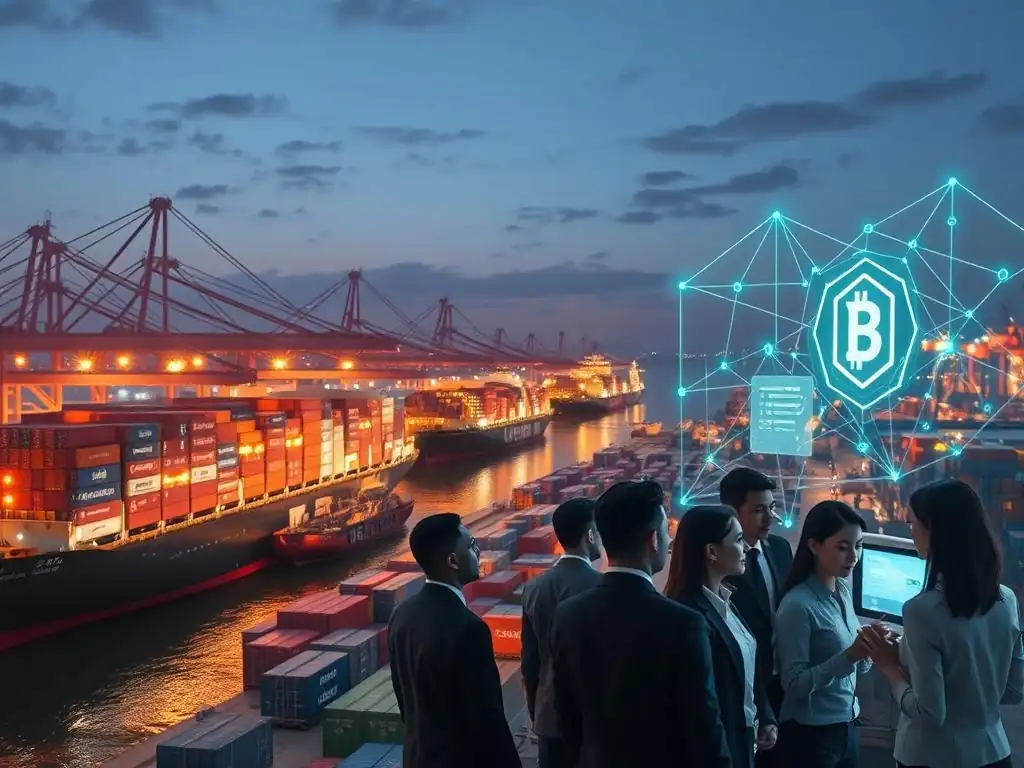
Welcome to Blockchain Trends, your go-to resource for navigating the revolutionary world of blockchain technology. Beyond the buzz of cryptocurrencies, discover its profound impact on industries worldwide. Ready to witness blockchain in action? This article delves into compelling Blockchain supply chain tracking case studies, revealing how companies are leveraging this technology to enhance transparency, efficiency, and security. Uncover the secrets to successful implementation and explore the future of decentralized supply chains. Intrigued? Read on to learn how blockchain is transforming the way goods move across the globe.
Case Studies: Successful Implementations of Blockchain for Supply Chain Tracking
- Introduction: The Power of Blockchain in Revolutionizing Supply Chains
- Case Study 1: Tracking Seafood with Blockchain for Origin Verification
-
Case Study 2: Tracking Diamonds with Blockchain for Ethical Sourcing
- The Problem: Conflict Diamonds and Lack of Transparency in the Diamond Supply Chain
- The Solution: Utilizing Blockchain to Track Diamonds from Mine to Retail
- Results: Improved Transparency, Reduced Conflict Diamond Trade, and Enhanced Consumer Trust
- Key Takeaways: Ensuring Ethical Diamond Sourcing with Blockchain
-
Case Study 3: Streamlining Cross-Border Payments with Blockchain: A Case Study in Automotive Parts
- The Problem: Delays and High Costs in International Payments for Automotive Parts
- The Solution: A Blockchain-Based Platform for Automating Payments and Tracking Shipments
- Results: Reduced Transaction Times and Lower Costs for Cross-Border Payments
- Key Takeaways: Optimizing International Payments with Blockchain Technology
-
Case Study 4: Enhancing Battery Passport Compliance with Blockchain: Tracking Cobalt Sourcing
- The Problem: Ensuring Traceability and Compliance with Battery Passport Regulations
- The Solution: Leveraging Blockchain to Track the Origin and Production of Cobalt in Batteries
- Results: Improved Compliance with Regulations and Enhanced Transparency
- Key Takeaways: Promoting Responsible Battery Sourcing with Blockchain
- Analyzing the Common Threads: Lessons Learned from Blockchain Supply Chain Implementations
- Conclusion: Blockchain's Transformative Impact on Supply Chain Visibility
-
Frequently Asked Questions
- What are the main benefits highlighted in the "Blockchain supply chain tracking case studies"?
- How does blockchain address the issue of counterfeiting in the supply chain, as seen in the "Blockchain supply chain tracking case studies"?
- What industries are most prominently featured in the "Blockchain supply chain tracking case studies" discussed?
- What regulatory considerations are discussed in relation to "Blockchain supply chain tracking case studies"?
- What are some common challenges encountered when implementing blockchain for supply chain tracking, based on the "Blockchain supply chain tracking case studies"?
- Final Reflection: Embracing Transparency in the Supply Chain
- Unleash the Power of Blockchain in Your Supply Chain!
Introduction: The Power of Blockchain in Revolutionizing Supply Chains
Understanding the Challenges of Traditional Supply Chains
Traditional supply chains, often characterized by fragmented systems and manual processes, face numerous challenges that hinder efficiency and transparency. A significant issue is the lack of end-to-end visibility, making it difficult for stakeholders to track goods accurately from origin to destination. This opacity can lead to delays, increased costs, and difficulties in identifying the source of problems, such as product contamination or counterfeit items. The reliance on siloed databases and paper-based records creates data inconsistencies and makes auditing complex and time-consuming.
Furthermore, traditional supply chains struggle with ensuring the authenticity and ethical sourcing of products. Counterfeiting is a multi-billion dollar problem across various industries, from luxury goods to pharmaceuticals and electronics. Verifying compliance with regulations and sustainability standards is also challenging without a reliable, immutable record of a product's journey. These inefficiencies and trust deficits highlight the need for a more robust and transparent system, paving the way for innovative solutions like blockchain supply chain tracking case studies.
Blockchain Technology: A Solution for Transparency and Traceability
Blockchain technology offers a decentralized, immutable ledger that can record every transaction or movement of a product within a supply chain. Each step, from raw material sourcing to manufacturing, shipping, and final delivery, can be logged as a block on the chain, creating a permanent and transparent history. This shared, tamper-proof record is accessible to authorized participants, providing unprecedented visibility and traceability across complex networks.
By replacing disparate systems with a single source of truth, blockchain significantly reduces the potential for errors, fraud, and data manipulation. Smart contracts, self-executing contracts with the terms of the agreement directly written into code, can automate processes like payments or quality checks upon the fulfillment of predefined conditions, further enhancing efficiency and reducing administrative overhead. This inherent transparency and automation capability makes blockchain an ideal technology for revolutionizing supply chain operations, as demonstrated by various blockchain supply chain tracking case studies.
Why Focus on Blockchain Supply Chain Tracking Case Studies?
Examining real-world blockchain supply chain tracking case studies provides tangible evidence of the technology's practical applications and benefits. While the theoretical advantages of blockchain are compelling, seeing how companies have successfully implemented these solutions to overcome specific industry challenges offers valuable insights. These case studies showcase the diverse applications of blockchain, from tracking high-value goods like diamonds and seafood to managing complex logistics and ensuring compliance with regulations.
Analyzing successful implementations allows businesses to understand the specific problems blockchain can solve, the implementation process, the challenges encountered, and the measurable results achieved. It moves the conversation beyond abstract concepts to demonstrate concrete improvements in areas like transparency, efficiency, trust, and cost reduction. These examples serve as blueprints and inspiration for other organizations considering adopting blockchain for their own supply chain needs, highlighting the potential return on investment and strategic advantages.
Case Study 1: Tracking Seafood with Blockchain for Origin Verification
The Problem: Seafood Fraud and Lack of Consumer Trust in Origin
The global seafood industry faces a significant challenge with fraud, particularly concerning species mislabeling and origin obfuscation. Studies have shown that a substantial percentage of seafood sold globally is mislabeled, meaning consumers receive a different, often cheaper or less sustainable, species than advertised. For example, reports in the US market have indicated mislabeling rates sometimes exceeding 20-30% for certain popular fish like snapper or tuna. This deception not only harms consumers but also undermines sustainable fishing efforts and legitimate businesses.
Furthermore, consumers are increasingly demanding to know the origin of their food, including how and where their seafood was caught. Lack of verifiable information makes it difficult for consumers to make informed choices about sustainability, ethical labor practices, or potential health risks associated with specific fishing grounds. The traditional paper trails and fragmented digital systems used to track seafood from catch to plate are easily manipulated or lost, failing to provide the necessary transparency and trust.
The Solution: Implementing a Blockchain-Based System to Track Tuna from Catch to Consumer
Several initiatives have emerged to address seafood traceability using blockchain. One notable example involves tracking tuna, a highly valuable and frequently mislabeled fish. A blockchain platform was developed to create an immutable record of each tuna's journey. When a tuna is caught, data points such as catch location (often recorded via GPS), vessel information, date, and weight are recorded on the blockchain. As the fish moves through processing plants, distributors, and retailers, each transaction and handling step is added to the same digital ledger.
Participants in the supply chain, from fishermen to processors and retailers, use mobile apps or other interfaces to scan tags (like QR codes) attached to the fish or its packaging, updating its status on the blockchain. This creates a continuous, verifiable chain of custody. Consumers can then scan a code at the point of sale to access this blockchain data, viewing the fish's history, including its origin, journey, and even information about the fishing vessel and sustainability certifications. This blockchain supply chain tracking case study for seafood demonstrates the power of shared, immutable data.
Results: Enhanced Transparency, Reduced Fraud, and Increased Consumer Confidence
The implementation of blockchain for tracking seafood has yielded positive results. By creating a tamper-proof record accessible to all authorized parties, the system significantly enhances transparency throughout the supply chain. This increased visibility makes it much harder to mislabel fish or obscure its origin without detection. For instance, pilot programs have shown marked improvements in data accuracy compared to traditional methods.
The reduction in fraud instills greater confidence among consumers who can now verify the authenticity and origin of their seafood directly. This increased trust can translate into a willingness to pay a premium for verifiable, ethically sourced products. Businesses participating in the blockchain platform also benefit from streamlined data management, reduced disputes over origin or quality, and enhanced brand reputation built on transparency. This blockchain supply chain tracking case study highlights the tangible benefits of verifiable traceability.
Key Takeaways: Verifying Seafood Origin with Blockchain
- Problem: Mislabeling and lack of origin transparency in the global seafood supply chain.
- Blockchain Solution: Creating an immutable digital record of a fish's journey from catch to consumer using a shared ledger.
- Implementation: Data points (location, date, vessel) recorded at catch, updated at each handling step via scanning.
- Benefits: Increased transparency, reduced fraud, enhanced consumer trust, streamlined data management.
- Measurable Impact: Improved data accuracy, potential for higher sales of traceable products.
- Identify key stakeholders in the seafood supply chain.
- Outline data points captured at each stage.
- Evaluate the technical feasibility for small-scale fishers.
Case Study 2: Tracking Diamonds with Blockchain for Ethical Sourcing
The Problem: Conflict Diamonds and Lack of Transparency in the Diamond Supply Chain
The diamond industry has long struggled with the issue of "conflict diamonds," rough diamonds mined in war zones and sold to finance insurgencies or warlords. Despite international efforts like the Kimberley Process Certification Scheme (KPCS), which aims to prevent the flow of conflict diamonds, loopholes and challenges in verification persist. The complex, multi-stage nature of the diamond supply chain – involving mining, cutting, polishing, certification, and retail – makes it difficult to trace a diamond's origin definitively and ensure it has not been swapped or mixed with illicit stones.
Consumers are increasingly concerned about the ethical sourcing of their purchases and want assurance that their diamonds are not linked to conflict or human rights abuses. The opacity of traditional tracking methods, often relying on paper certificates and manual reconciliation, makes it challenging for retailers to provide this guarantee with absolute certainty. This lack of transparency erodes consumer trust and poses a significant reputational risk to the industry.
The Solution: Utilizing Blockchain to Track Diamonds from Mine to Retail
Several companies and consortia in the diamond industry have turned to blockchain technology to create a secure and transparent record for each stone. Platforms have been developed to track diamonds from their rough state at the mine, through the cutting and polishing stages, to wholesale and finally to the retail store. Each unique diamond is assigned a digital identity on the blockchain when it is extracted.
As the diamond changes hands or undergoes transformation (e.g., cutting reduces its weight and changes its shape), these events are recorded on the blockchain. Data points include origin mine, weight, color, clarity, cut, unique identifiers, and details of each transaction and party involved. This creates an immutable digital trail that verifies the diamond's provenance and journey. Some platforms also integrate third-party certifications (like KPCS or ethical sourcing audits) onto the blockchain, further enhancing credibility.
Results: Improved Transparency, Reduced Conflict Diamond Trade, and Enhanced Consumer Trust
Implementing blockchain for diamond tracking significantly enhances transparency throughout the supply chain. Every authorized participant can verify the history of a specific stone by accessing its record on the distributed ledger. This makes it significantly harder to introduce conflict diamonds or swap stones without detection, strengthening the effectiveness of ethical sourcing initiatives like the KPCS.
The verifiable, immutable history provided by blockchain builds greater trust among consumers. Retailers can confidently present a diamond's journey, often allowing customers to scan a QR code to view its full provenance story, including its origin mine and cutting location. This enhanced transparency empowers consumers to make ethical purchasing decisions and strengthens the brand reputation of jewelers who adopt blockchain-based tracking. Pilot programs have shown high user engagement with these traceability features.
Key Takeaways: Ensuring Ethical Diamond Sourcing with Blockchain
- Problem: Difficulty tracing diamonds to prevent the trade of conflict diamonds and ensure ethical sourcing.
- Blockchain Solution: Creating a permanent digital identity and tracking record for each diamond from mine to retail.
- Implementation: Recording key data points (origin, characteristics, transactions) on the blockchain at each stage.
- Benefits: Increased transparency, stronger defense against conflict diamonds, improved consumer trust, enhanced brand reputation.
- Measurable Impact: Greater confidence in provenance claims, potential for premium pricing on verified ethical diamonds.
"Blockchain offers an unprecedented level of transparency for tracking high-value assets like diamonds, providing the verifiable provenance that both the industry and consumers demand." - Industry Expert
Case Study 3: Streamlining Cross-Border Payments with Blockchain: A Case Study in Automotive Parts
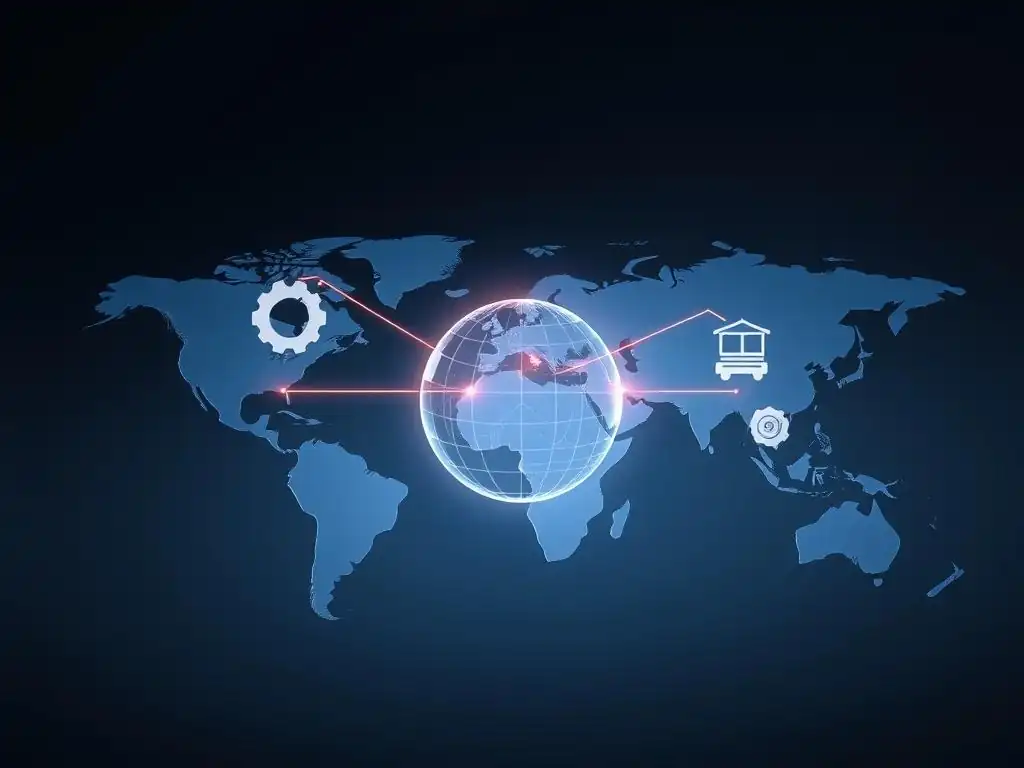
The Problem: Delays and High Costs in International Payments for Automotive Parts
The global automotive supply chain is vast and complex, involving manufacturers, suppliers, and distributors located in numerous countries. A significant operational bottleneck arises from cross-border payments for automotive parts. Traditional international payment systems, often relying on correspondent banking networks, can be slow, taking several days for funds to settle. This delay ties up capital and creates uncertainty for both buyers and sellers.
Furthermore, these traditional systems are typically expensive due to various fees charged by intermediary banks, including transaction fees, foreign exchange markups, and handling charges. For companies dealing with a high volume of international transactions for parts ranging from small components to large assemblies, these costs accumulate significantly, impacting profitability. The lack of real-time visibility into payment status adds another layer of complexity to managing cash flow and supply chain logistics.
The Solution: A Blockchain-Based Platform for Automating Payments and Tracking Shipments
To address these inefficiencies, some players in the automotive sector have explored blockchain-based platforms for cross-border payments and related supply chain tracking. These platforms leverage distributed ledger technology to facilitate near-instantaneous and low-cost international money transfers. By using cryptocurrencies or stablecoins on a blockchain network, intermediary fees are drastically reduced or eliminated, and settlement times are cut down from days to minutes or even seconds.
Crucially, these platforms often integrate payment execution with the physical movement and tracking of goods. Using smart contracts, payments can be automatically triggered when certain conditions are met, such as the confirmation of shipment loading or the successful delivery of parts, as recorded on the same or an interconnected blockchain ledger. This linking of financial and logistical data provides end-to-end visibility and automation, streamlining the entire process from order to delivery and payment.
Results: Reduced Transaction Times and Lower Costs for Cross-Border Payments
The implementation of blockchain for cross-border payments in the automotive supply chain has demonstrated clear efficiency gains. Transaction settlement times have been reduced dramatically, often from 3-5 business days to mere minutes. This allows suppliers to receive payments much faster, improving their cash flow, and enables manufacturers to manage their payment schedules more effectively.
Beyond speed, the cost savings are substantial. By bypassing traditional banking intermediaries, transaction costs can be reduced by 40% to 80%, depending on the volume and specific platform used. For an automotive company making thousands of international parts payments annually, this translates into significant savings. The integrated tracking features also provide real-time status updates, reducing administrative effort and improving supply chain coordination. This blockchain supply chain tracking case study highlights financial as well as logistical benefits.
Key Takeaways: Optimizing International Payments with Blockchain Technology
- Problem: Slow and expensive cross-border payments within the automotive supply chain.
- Blockchain Solution: Using a blockchain platform for near-instant, low-cost payment settlement and integrating it with shipment tracking.
- Implementation: Utilizing cryptocurrencies/stablecoins and smart contracts to automate payments triggered by logistics milestones.
- Benefits: Drastically reduced payment times, significant cost savings on transaction fees, improved cash flow, enhanced payment and shipment visibility.
- Measurable Impact: Payment settlement reduced from days to minutes, transaction costs cut by over 50% in some cases.
// Example of a smart contract function trigger
function triggerPaymentUponDelivery(shipmentID) {
  if (shipmentStatus[shipmentID] == "Delivered") {
    // Execute payment transfer
    transferFunds(buyer, seller, amount);
    return true;
  }
  return false;
}
Case Study 4: Enhancing Battery Passport Compliance with Blockchain: Tracking Cobalt Sourcing
The Problem: Ensuring Traceability and Compliance with Battery Passport Regulations
The growing demand for electric vehicles and renewable energy storage has put a spotlight on battery supply chains, particularly concerning the sourcing of critical minerals like cobalt. Cobalt mining has been linked to significant ethical issues, including child labor and unsafe working conditions, especially in regions like the Democratic Republic of Congo (DRC), which accounts for over 70% of global supply. Regulators, particularly in Europe with the upcoming Battery Passport requirements, are mandating greater transparency regarding the origin and sustainability of battery materials.
Ensuring compliance with these complex regulations and providing verifiable proof of ethical sourcing across a multi-tiered supply chain – from mine to refiner, component manufacturer, battery assembler, and finally to the vehicle OEM – is a daunting task using traditional methods. Data is often siloed, incomplete, or difficult to verify, making it challenging to create a comprehensive and trustworthy record of a battery's material provenance and environmental footprint.
The Solution: Leveraging Blockchain to Track the Origin and Production of Cobalt in Batteries
To meet the demands for battery passport compliance and ethical sourcing, blockchain technology is being implemented to create a digital twin and traceability record for battery materials, specifically cobalt. A blockchain-based platform allows miners, logistics providers, refiners, and battery manufacturers to record data points related to the cobalt's journey from the mine site. This includes location data, weight, purity, processing steps, and compliance certifications (e.g., proof of no child labor, environmental standards).
Each batch or unit of cobalt can be tokenized or assigned a unique digital identity on the blockchain. As it moves through the supply chain, each transaction, transformation (like refining), and quality check is recorded on the immutable ledger. This creates a verifiable history of the cobalt's origin and handling. This data forms the basis for a "digital battery passport," providing a transparent and auditable record accessible to regulators, manufacturers, and eventually, consumers.
Results: Improved Compliance with Regulations and Enhanced Transparency
Implementing blockchain for cobalt tracking significantly enhances the ability of battery manufacturers and automotive OEMs to comply with emerging battery passport regulations. The immutable and transparent record provides verifiable proof of origin and adherence to sustainability and ethical sourcing standards, which is difficult to achieve with traditional systems. This proactive approach helps companies avoid potential fines and reputational damage associated with non-compliance.
The increased transparency benefits not only regulators but also consumers who will eventually be able to access information about the materials in their vehicle batteries. This builds trust and supports the broader goals of responsible sourcing and a circular economy for batteries. Pilot projects tracking cobalt from mines in the DRC have successfully demonstrated the feasibility of creating this level of granular, verifiable traceability using blockchain technology. This blockchain supply chain tracking case study is crucial for future sustainable industries.
Key Takeaways: Promoting Responsible Battery Sourcing with Blockchain
- Problem: Lack of traceability for critical battery minerals like cobalt, hindering compliance with ethical sourcing and future battery passport regulations.
- Blockchain Solution: Creating an immutable digital record tracking cobalt's journey from mine to battery assembly.
- Implementation: Recording origin, processing, weight, and compliance data points on the blockchain at each stage.
- Benefits: Enhanced compliance with regulations, increased transparency, improved ethical sourcing verification, foundation for digital battery passports.
- Measurable Impact: Successful tracking of cobalt from specific mines, creation of verifiable material provenance data.
"Traceability is the cornerstone of responsible sourcing. Blockchain provides the robust, auditable trail needed to assure regulators and consumers about the ethical origin of materials like cobalt in our batteries." - Battery Manufacturer Executive
Analyzing the Common Threads: Lessons Learned from Blockchain Supply Chain Implementations
The Importance of Data Standardization for Blockchain Success
A critical lesson learned across various blockchain supply chain tracking case studies is the absolute necessity of data standardization. For blockchain to effectively track assets and transactions across multiple participants, all parties must agree on and consistently use the same data formats, identifiers, and protocols. Without standardization, integrating data from different systems becomes a complex and costly hurdle, undermining the benefits of a shared ledger.
Organizations implementing blockchain for supply chain tracking must invest time and effort in defining common data standards for product identification (e.g., using GS1 standards), location tracking, event types (e.g., 'shipped', 'received', 'processed'), and participant identities. Establishing data governance frameworks and ensuring data quality at the source are paramount. Collaborative efforts among industry consortia are often required to define and promote these standards across the ecosystem.
The Role of Collaboration and Partnerships in Blockchain Adoption
Blockchain is inherently a network technology, and its value in supply chain tracking is directly proportional to the number and importance of participants on the network. Successful blockchain supply chain tracking case studies invariably involve collaboration and partnerships among different stakeholders – from raw material suppliers and manufacturers to logistics providers, distributors, and retailers. Building trust and achieving consensus among these diverse entities is crucial for network adoption and data sharing.
Forming consortia or joint ventures can help overcome initial hesitation and align incentives. Establishing clear governance models for the blockchain network, including rules for participation, data ownership, and decision-making, is essential for long-term sustainability. Convincing competing businesses to share data, even in a controlled and permissioned environment, requires strong leadership and a clear articulation of the mutual benefits, such as reduced costs, increased efficiency, and enhanced industry-wide transparency.
Overcoming Challenges in Implementing Blockchain for Supply Chain Tracking
Despite the promising results shown in blockchain supply chain tracking case studies, implementation is not without challenges. Technical hurdles include integrating legacy systems with new blockchain platforms, ensuring scalability to handle vast amounts of data, and addressing interoperability between different blockchain networks if necessary. Choosing the right blockchain protocol (e.g., public, private, consortium) based on the specific needs of the supply chain is a critical decision.
Beyond technology, organizational and operational challenges are significant. These include managing change within the organization and across partners, training personnel on new systems and processes, and establishing legal frameworks for smart contracts and data sharing agreements. The initial investment in technology, infrastructure, and development can also be substantial. Successfully navigating these challenges requires careful planning, phased implementation, and strong project management.
The Future of Blockchain in Supply Chain Management
The future of blockchain in supply chain management appears bright, building on the successes demonstrated in blockchain supply chain tracking case studies. As the technology matures and standards evolve, we can expect wider adoption across more industries. The integration of blockchain with other emerging technologies, such as IoT (Internet of Things) sensors for real-time data collection (temperature, location, humidity) and AI (Artificial Intelligence) for predictive analytics based on blockchain data, will further enhance supply chain visibility and efficiency.
We will likely see the expansion of digital twins and digital passports beyond batteries to other complex products, providing comprehensive lifecycle tracking. The tokenization of assets on the blockchain could also facilitate new models of financing and ownership within supply chains. Ultimately, blockchain is poised to create more resilient, transparent, and efficient global supply chains, transforming how goods are tracked, traded, and consumed.
Conclusion: Blockchain's Transformative Impact on Supply Chain Visibility
Embracing Blockchain for a More Transparent and Efficient Future
As highlighted by numerous blockchain supply chain tracking case studies, the technology is no longer a theoretical concept but a proven tool for enhancing visibility and efficiency. By providing an immutable, shared record of transactions and events, blockchain dissolves the opacity inherent in traditional supply chains, fostering trust among participants and with consumers. This increased transparency is vital for verifying product authenticity, ensuring ethical sourcing, complying with regulations, and building resilient supply networks.
The shift towards blockchain-enabled supply chains promises significant operational improvements, including faster payments, reduced administrative burden through automation via smart contracts, and better data quality for improved decision-making. While challenges in implementation related to standardization, collaboration, and integration exist, the tangible benefits demonstrated across diverse industries – from seafood and diamonds to automotive parts and battery materials – underscore the transformative potential of blockchain supply chain tracking. Embracing this technology is becoming essential for businesses aiming to thrive in an increasingly interconnected and demanding global market.
Further Resources: Exploring Blockchain Applications in Supply Chain
Frequently Asked Questions
What are the main benefits highlighted in the "Blockchain supply chain tracking case studies"?
The case studies primarily focus on increased transparency, enhanced traceability, and improved efficiency within supply chains. These benefits lead to better consumer trust and reduced operational costs.
How does blockchain address the issue of counterfeiting in the supply chain, as seen in the "Blockchain supply chain tracking case studies"?
Blockchain provides an immutable record of a product's journey. This makes it easier to verify authenticity and identify counterfeit goods, thus reducing fraud and protecting consumers.
What industries are most prominently featured in the "Blockchain supply chain tracking case studies" discussed?
While diverse, many case studies highlight the pharmaceutical, food and beverage, and luxury goods industries. These sectors benefit greatly from improved product provenance and reduced risk of adulteration.
What regulatory considerations are discussed in relation to "Blockchain supply chain tracking case studies"?
The case studies often touch upon data privacy regulations (like GDPR) and the need for interoperability standards. Compliance and data security are key concerns for widespread blockchain adoption.
What are some common challenges encountered when implementing blockchain for supply chain tracking, based on the "Blockchain supply chain tracking case studies"?
Challenges often include the cost of implementation, the need for industry-wide collaboration, and the complexity of integrating blockchain with existing legacy systems. These can be significant barriers to entry.
Final Reflection: Embracing Transparency in the Supply Chain
The case studies presented herein underscore a powerful truth: blockchain technology is no longer a futuristic concept, but a tangible solution revolutionizing supply chain tracking. From enhancing product provenance to streamlining logistics and combating counterfeiting, these real-world implementations demonstrate the transformative potential of distributed ledger technology in creating more transparent, efficient, and secure supply chains.
The impact of blockchain on supply chain management extends far beyond mere technological advancement. It fosters trust, empowers consumers with verifiable information, and promotes ethical sourcing practices. This shift towards greater transparency is not just a trend, but a fundamental reshaping of how we understand and interact with the products we consume. The supply chain is the new battleground for competitive advantage.
- Thomas Friedman. This quote perfectly encapsulates the urgency and importance of adopting innovative solutions like blockchain to stay ahead in today's globalized marketplace.
Now, consider the implications of these success stories for your own organization. How can you leverage the power of blockchain to build a more resilient, transparent, and ethical supply chain? The future of commerce hinges on our ability to embrace these technologies and create a world where trust and accountability are not just aspirations, but the very foundation of every transaction. Let these case studies inspire you to explore the possibilities and embark on your own journey towards a blockchain-enabled future.
Unleash the Power of Blockchain in Your Supply Chain!
Thank you for exploring how blockchain is transforming supply chain management. You've seen how organizations are achieving greater transparency, efficiency, and security. Are you ready to harness these benefits for your own business?
Start today with these steps:
- Identify a key area within your supply chain where blockchain could deliver immediate improvements. Use successful case studies as inspiration to select a pilot project.
- Research additional case studies to expand your understanding of different blockchain solutions and applications.
- Share this article with colleagues or industry peers to spark conversations about blockchain innovation.
Which aspect of implementing blockchain in supply chain tracking interests you most, and what is the first step you'll take to explore its potential in your industry?
Leave a Reply