
QR Codes and Blockchain for Supply Chain Authentication: Simple Yet Powerful Solutions

Welcome to Blockchain Trends, your source for understanding the real-world impact of blockchain beyond the hype.
Ever wondered how to guarantee the authenticity of products in a world rife with counterfeiting? Dive into our latest exploration of blockchain supply chain authentication QR codes, and discover how this surprisingly simple technology offers a powerful solution to combat fraud and build trust. Learn how easily scanned codes, fortified by the immutability of the blockchain, are revolutionizing supply chain management, and what the future holds for this innovative application. Curious to see how it works? Read on to unlock the potential!
QR Codes and Blockchain for Supply Chain Authentication: Simple Yet Powerful Solutions
- Introduction: Enhancing Supply Chain Security with Blockchain and QR Codes
- Understanding the Fundamentals: Blockchain and QR Codes
- The Power of Combining QR Codes and Blockchain for Authentication
- Benefits of Blockchain Supply Chain Authentication with QR Codes
-
Implementing QR Codes and Blockchain for Supply Chain Authentication: A Step-by-Step Approach
- Step 1: Defining Your Supply Chain Authentication Goals
- Step 2: Choosing the Right Blockchain Platform for Your Needs
- Step 3: Integrating QR Codes into Your Product Packaging and Labeling
- Step 4: Connecting QR Codes to Blockchain Data Records
- Step 5: Implementing a Verification Process for Consumers and Stakeholders
- Real-World Applications of Blockchain and QR Codes in Supply Chain
- Addressing Challenges and Considerations
- The Future of Supply Chain Authentication: Beyond QR Codes
- Conclusion: Embracing Blockchain and QR Codes for a Secure and Transparent Supply Chain Future
-
Frequently Asked Questions
- What role do QR codes play in blockchain-based supply chain authentication?
- How does blockchain enhance the security of supply chain data accessed through QR codes?
- What are the key benefits of using QR codes and blockchain for supply chain authentication over traditional methods?
- How can businesses implement QR code and blockchain-based authentication systems for their supply chains?
- What are the potential challenges or limitations of using QR codes and blockchain for supply chain authentication?
- Final Reflection: Empowering Trust Through Traceability
- Unleash the Power of Trust: Authenticate Your Future Now!
Introduction: Enhancing Supply Chain Security with Blockchain and QR Codes
The Growing Need for Robust Supply Chain Authentication Methods
In today's interconnected global economy, supply chains are more complex and extensive than ever before. This complexity, while enabling efficiency and global reach, also creates vulnerabilities that malicious actors exploit. Counterfeiting, product diversion, and fraud cost industries billions annually. For instance, the global trade in counterfeit goods was estimated by the OECD and EUIPO to be worth as much as $509 billion in 2016, representing 3.3% of world trade. The lack of transparent and verifiable product journeys makes it difficult for businesses and consumers alike to trust the authenticity and origin of goods.
This escalating threat necessitates a fundamental shift towards more secure and reliable authentication mechanisms. Traditional methods, often relying on paper trails, centralized databases, or easily replicable security features, are proving insufficient against sophisticated counterfeiters. The need for real-time, immutable records that track a product from its source to the final consumer is paramount. Businesses are actively seeking innovative solutions that can provide irrefutable proof of authenticity and trace the provenance of goods across multiple stakeholders and geographical borders, driving the demand for advanced blockchain supply chain authentication QR codes solutions.
How Blockchain and QR Codes Address Supply Chain Challenges
Blockchain technology, with its decentralized, immutable ledger, offers a revolutionary approach to recording transactions and data. By distributing data across a network of participants, it eliminates single points of failure and makes it virtually impossible to alter records without the consensus of the network. This inherent security and transparency directly address the issues of fraud and lack of trust in traditional supply chains. Each step in a product's journey – from raw material sourcing to manufacturing, shipping, and retail – can be recorded as a transaction on the blockchain, creating an indelible history.
When combined with QR codes, which provide a simple and universally accessible way to link the physical product to its digital record, blockchain offers a powerful solution for supply chain authentication. A unique QR code can be assigned to each product or batch, encoding a link or identifier that corresponds to its entry on the blockchain.
Scanning the QR code allows instant access to the product's verified history, including its origin, manufacturing details, shipping routes, and even quality control data. This synergy between the physical (QR code) and the digital (blockchain ledger) enables unprecedented levels of transparency and robust blockchain supply chain authentication QR codes capabilities.
Understanding the Fundamentals: Blockchain and QR Codes
Blockchain Technology: A Decentralized Ledger for Supply Chain Transparency
Blockchain is fundamentally a distributed ledger technology that records transactions across many computers. These transactions are grouped into blocks, and each new block is cryptographically linked to the previous one, forming a chain. Once a block is added to the chain, the data within it is extremely difficult to alter or delete, making the ledger immutable. This decentralized and tamper-proof nature is what makes blockchain particularly valuable for supply chain transparency, as it ensures that the history of a product, once recorded, cannot be fraudulently changed by any single party.
In a supply chain context, blockchain creates a shared, single source of truth accessible to all authorized participants – suppliers, manufacturers, distributors, retailers, and even consumers. Each participant on the network can add data relevant to their role, such as proof of origin for materials, manufacturing date and location, quality inspection results, or shipping details. This creates an end-to-end, verifiable history for every item, significantly reducing information silos and increasing overall visibility and trust among stakeholders involved in blockchain supply chain authentication QR codes processes.
Immutability and Traceability in Blockchain-Based Supply Chains
The core strength of blockchain in supply chains lies in its immutability and inherent traceability. Every transaction, representing a step or event in the product's lifecycle, is time-stamped and cryptographically secured. This means that once a record is added – for example, Product ID P12345 was shipped from Warehouse A on 2023-10-27 – it becomes a permanent part of the ledger. Any attempt to tamper with this record would be immediately detectable by the network participants, rendering the fraudulent data invalid.
This immutable trail allows for unparalleled traceability. If a quality issue arises with a product batch, or if there's a recall, businesses can quickly and accurately trace the affected items back to their origin point, identifying specific suppliers, production dates, or shipping containers. This level of granular traceability, enabled by the permanent record on the blockchain, drastically reduces the time and cost associated with traditional track-and-trace methods, which often rely on disparate and easily manipulated databases. The combination with blockchain supply chain authentication QR codes further simplifies access to this powerful traceability data.
QR Codes: Enabling Easy Access to Product Information
QR codes (Quick Response codes) are two-dimensional barcodes that can store a significant amount of information, such as text, URLs, or other data. Their key advantage is that they can be scanned quickly and easily using a smartphone camera, making them a highly accessible tool for interacting with physical objects. Unlike traditional linear barcodes, which typically only store a product identifier (like a UPC), QR codes can encode much richer data, or more commonly, a unique identifier or URL that points to a digital source of information about that specific item.
In the context of supply chain and authentication, a unique QR code applied to each product or packaging serves as a digital gateway. When scanned, it can direct the user (whether a supply chain partner or a consumer) to a specific webpage or application that retrieves data related to that unique item. This data can include details about its manufacturing, batch number, expiration date, and most importantly, its verified history as recorded on a blockchain ledger. This simple scanning action provides an intuitive interface for accessing complex backend data, making blockchain supply chain authentication QR codes solutions user-friendly.
The Versatility of QR Codes in Product Tracking and Verification
The versatility of QR codes extends beyond simple product identification. They can be generated dynamically for individual items or batches, ensuring each physical unit has a unique digital twin linked to its specific journey. This uniqueness is critical for anti-counterfeiting efforts; unlike generic security features that can be copied, a unique QR code linked to a blockchain record is much harder to replicate convincingly. Scanning a counterfeit item's QR code might reveal either that the code is invalid, that it's a duplicate of another code, or that the associated blockchain data shows an inconsistent or non-existent history.
Furthermore, QR codes can be integrated into various points of the supply chain. They can be printed on product labels, packaging, shipping containers, or even embedded within the product itself. This allows for scanning and verification at different stages – at the factory gate, upon arrival at a distribution center, at the retail store, or by the end consumer. This multi-point scanning capability, tied to the immutable blockchain ledger, provides continuous verification and builds a detailed, verifiable history accessible via simple blockchain supply chain authentication QR codes scans.
The Power of Combining QR Codes and Blockchain for Authentication
Creating a Secure and Transparent Supply Chain Ecosystem
The fusion of QR codes and blockchain technology creates a powerful ecosystem for supply chain authentication that is both secure and transparent. The blockchain provides the secure, immutable backbone for recording product histories and transactions. It acts as a trusted, shared ledger where every authorized participant can contribute data about a product's journey, from sourcing materials to final sale. This distributed trust eliminates the need for relying on a single, potentially vulnerable, central authority or database.
QR codes act as the crucial bridge between the physical product and its digital twin on the blockchain. By assigning a unique QR code to each item or batch, businesses create a simple, scannable link that, when accessed, retrieves the relevant, verified data from the blockchain ledger. This combination ensures that the information accessed via the QR code is not only readily available but also guaranteed to be accurate and tamper-proof, as it resides on the blockchain. This synergy forms the core of effective blockchain supply chain authentication QR codes implementations.
How QR Codes Link Physical Products to Blockchain Data
The linking process is straightforward yet effective. When a product is manufactured or enters the supply chain, a unique identifier is generated for it. This identifier, along with initial product details (like manufacturing date, location, and batch number), is recorded in a transaction on the blockchain. Concurrently, a QR code is generated that encodes this unique identifier or a URL that points to a system capable of querying the blockchain using this ID. This QR code is then physically applied to the product or its packaging.
When someone scans the QR code, their device reads the encoded identifier. This identifier is then used to query the blockchain ledger (or an application layer connected to the blockchain) to retrieve the product's history. The application can display details such as the product's origin, its movement through the supply chain, quality certifications, and proof of authenticity, all verified by the blockchain. This seamless link between the physical item and its secure digital history empowers stakeholders and consumers to verify legitimacy with a simple scan, leveraging the power of blockchain supply chain authentication QR codes.
Benefits of Blockchain Supply Chain Authentication with QR Codes
Enhanced Product Authentication and Anti-Counterfeiting Measures
One of the most significant benefits of using blockchain supply chain authentication QR codes is the substantial enhancement of product authentication and anti-counterfeiting efforts. By linking each physical product to a unique, immutable record on a blockchain, it becomes incredibly difficult for counterfeiters to replicate the product's identity. A genuine product's QR code will retrieve a verified, detailed history from the blockchain, showing its legitimate journey through the supply chain.
In contrast, a counterfeit product is unlikely to have a corresponding unique entry on the blockchain. If a counterfeiter attempts to copy a genuine QR code, scanning it will reveal that multiple physical items are linked to the same digital identity, immediately flagging it as suspicious. If they try to create a new QR code, it won't have a verifiable history on the legitimate blockchain ledger.
This makes it significantly harder to pass off fake goods as genuine, protecting brands and consumers alike. Reports suggest that companies implementing such solutions have seen a reduction in counterfeit incidents by notable percentages, sometimes exceeding 20-30% in pilot programs.
Improved Traceability and Visibility Throughout the Supply Chain
Implementing blockchain supply chain authentication QR codes drastically improves traceability and visibility. Every time a product with a QR code moves between hands or locations in the supply chain – from the initial supplier, through manufacturing, distribution, and retail – that event can be recorded as a transaction on the blockchain. Scanning the QR code at each touchpoint updates the product's digital history in real-time, creating a comprehensive and transparent log of its journey.
This granular, real-time traceability allows businesses to pinpoint the exact location and status of any product in the supply chain at any given moment. This is invaluable for inventory management, logistics optimization, and rapid response to issues like recalls. Instead of relying on fragmented or delayed information, stakeholders have access to a shared, continuously updated view of the supply chain flow. This enhanced visibility can reduce lead times, improve forecasting accuracy, and minimize losses due to inefficiencies or delays, contributing to overall operational improvements.
Increased Consumer Trust and Confidence in Product Origin
In an era of increasing consumer awareness about product origin, ethical sourcing, and authenticity, providing verifiable proof of a product's journey is a powerful trust builder. Blockchain supply chain authentication QR codes empower consumers by giving them direct access to the product's history before they even make a purchase. By scanning a QR code on the packaging with their smartphone, consumers can instantly view information about where the product came from, how it was made, and its path through the supply chain.
This transparency builds significant trust and confidence. Consumers can verify claims about organic sourcing, fair trade practices, or manufacturing standards directly from the immutable blockchain record. Knowing that the information is tamper-proof and verified by multiple parties involved in the supply chain provides reassurance against fraudulent claims and counterfeit goods.
Brands that offer this level of transparency can differentiate themselves in the market, build stronger relationships with their customers, and potentially command a premium for their verified, authentic products. Studies indicate that a significant percentage of consumers (often cited around 70-80%) are more likely to trust brands that provide transparent information about their products.
Streamlined Supply Chain Processes and Reduced Costs
Beyond security and transparency, the integration of blockchain supply chain authentication QR codes can lead to significant operational efficiencies and cost reductions. Automating the recording of product movements and verification checks on the blockchain reduces reliance on manual data entry and paper-based processes, which are prone to errors and delays. Scanning QR codes at various checkpoints streamlines tracking and verification workflows, accelerating handling times at warehouses and distribution centers.
Furthermore, improved traceability and reduced counterfeiting lead to fewer losses from damaged goods, expired products (due to better inventory management), and fraudulent returns. Faster recalls, enabled by precise identification of affected batches via blockchain data, minimize the scope and cost of such events. While initial implementation requires investment, the long-term savings from increased efficiency, reduced fraud, and improved inventory management can provide a strong return on investment, making blockchain supply chain authentication QR codes a cost-effective solution over time.
Implementing QR Codes and Blockchain for Supply Chain Authentication: A Step-by-Step Approach
Step 1: Defining Your Supply Chain Authentication Goals
Before embarking on a blockchain and QR code implementation, clearly define what you aim to achieve. Are you primarily focused on combating counterfeiting for high-value goods, improving traceability for perishable items, enhancing consumer trust, or streamlining internal logistics? Understanding your specific pain points and desired outcomes will guide the entire implementation process. Consider the specific products or product lines that would benefit most from enhanced authentication and transparency, perhaps starting with a pilot program on a limited scope.
Identify the key stakeholders involved in your supply chain – from raw material suppliers to manufacturers, distributors, retailers, and potentially consumers. Engage these parties early to understand their needs and potential concerns regarding data sharing and process changes. Documenting your goals and scope, such as targeting a 15% reduction in reported counterfeit incidents within the first year or achieving 95% real-time traceability for specific product categories, provides clear objectives for the project and helps in selecting the right blockchain supply chain authentication QR codes solution.
Step 2: Choosing the Right Blockchain Platform for Your Needs
Selecting the appropriate blockchain platform is a critical decision. Public blockchains like Ethereum or Bitcoin are generally not suitable for private enterprise supply chains due to privacy concerns, transaction costs, and throughput limitations. Permissioned or private blockchains, such as Hyperledger Fabric, R3 Corda, or enterprise versions of Ethereum (like Quorum), are typically better choices. These platforms allow businesses to control who can participate in the network, what data they can access, and often offer higher transaction speeds and lower costs.
Evaluate platforms based on factors such as scalability (can it handle your transaction volume? ), interoperability (can it connect with your existing systems? ), data privacy features (can sensitive data be handled appropriately? ), cost of implementation and maintenance, and the availability of developer support and ecosystem partners. A platform that offers smart contract capabilities is also beneficial, allowing for the automation of certain supply chain processes or verification rules directly on the ledger, enhancing the functionality of your blockchain supply chain authentication QR codes system.
Step 3: Integrating QR Codes into Your Product Packaging and Labeling
The physical integration of QR codes requires careful planning. Decide at what point in the supply chain the unique QR code will be generated and applied to the product or its packaging. This could be at the point of manufacturing, packaging, or even raw material sourcing. Ensure that the QR codes are durable enough to withstand the handling and environmental conditions they will encounter throughout the supply chain journey. They must remain scannable and legible.
Work with packaging and labeling suppliers to incorporate the unique, dynamically generated QR codes into your production process. This might involve implementing new printing technologies or integrating QR code generation software with your manufacturing execution systems (MES) or enterprise resource planning (ERP) systems. The goal is to seamlessly apply a unique QR code to each item or batch that will serve as its digital passport, linking it to its blockchain record and enabling blockchain supply chain authentication QR codes functionality.
Step 4: Connecting QR Codes to Blockchain Data Records
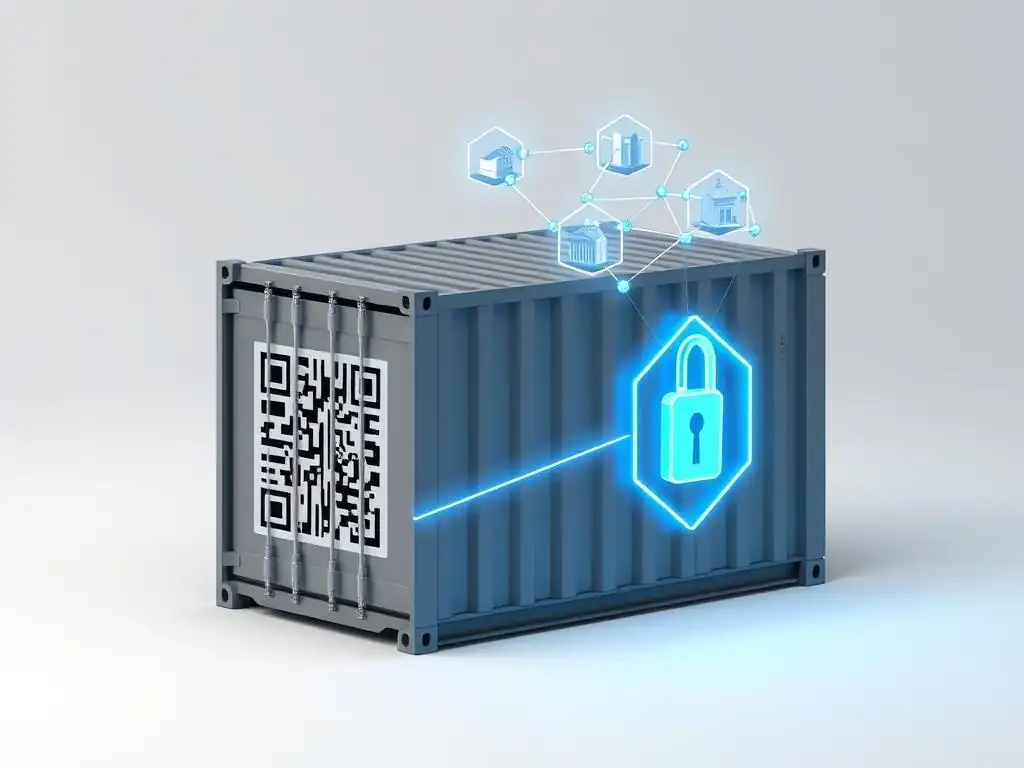
This step involves the technical backend that links the physical QR code to the digital data on the blockchain. When a unique QR code is generated for a product, the unique identifier encoded within it must be associated with the initial transaction data recorded on the blockchain (e.g., manufacturing details). This requires developing or integrating software that can:
- Generate unique identifiers for each product or batch.
- Create and apply unique QR codes encoding these identifiers or corresponding URLs.
- Record the initial product data (manufacturing, etc.) as a transaction on the chosen blockchain platform, linking it to the unique identifier.
- Develop a mechanism (e.g., a web application or API) that, when presented with a scanned QR code's identifier, can query the blockchain ledger to retrieve the product's history and associated data.
This connection ensures that scanning the QR code retrieves the correct, immutable data from the blockchain, facilitating accurate blockchain supply chain authentication QR codes checks.
Step 5: Implementing a Verification Process for Consumers and Stakeholders
The final step is to make the verification process accessible and user-friendly for all intended users, whether they are internal logistics teams, retail partners, or end consumers. This typically involves developing a simple mobile application or a web-based portal where users can scan the QR code and view the product's authenticated history. The interface should be intuitive, clearly presenting the verified data retrieved from the blockchain.
For consumers, the application might display the product's origin story, certifications, and a simple confirmation of authenticity based on its blockchain record. For supply chain partners, it might provide more detailed logistics data or transfer of ownership records. Ensure the verification process is quick and reliable, providing immediate feedback to the user about the product's status and authenticity. Educating users on how to use the QR code and what the verified data means is also crucial for successful adoption of the blockchain supply chain authentication QR codes system.
Real-World Applications of Blockchain and QR Codes in Supply Chain
Case Study 1: De Beers Using Blockchain and QR Codes for Diamond Tracking
De Beers, the world's largest diamond producer, launched its Tracr platform, a blockchain-based system to track high-value diamonds from mine to retailer. The goal was to enhance transparency, build trust, and combat the issue of 'conflict diamonds' by providing an immutable record of a diamond's journey. While not explicitly using QR codes on every tiny diamond, the principle applies: unique identifiers are assigned to individual stones or batches, and their movement and certification data are recorded on the blockchain.
For larger, more valuable diamonds, unique identifiers are recorded, and this data is linked to the physical stone. Retailers and consumers can potentially access this blockchain data (often via a linked certificate or system) to verify the diamond's origin, authenticity, and ethical sourcing. This system has reportedly tracked millions of diamonds, demonstrating the scalability of blockchain for high-value asset tracking and authentication, effectively implementing a form of blockchain supply chain authentication where a unique identifier links the physical asset to its secure digital history.
Case Study 2: Walmart Enhancing Food Supply Chain Traceability with Blockchain
Walmart has been a pioneer in using blockchain technology for supply chain traceability, particularly in the food industry, where rapid traceability is crucial for safety and recalls. Working with IBM Food Trust (built on Hyperledger Fabric), Walmart initially focused on tracking produce like leafy greens. Their goal was to reduce the time it takes to trace a product from farm to store from days or weeks down to seconds.
By requiring suppliers to upload data about their produce onto the blockchain, including farm origin, packing dates, and shipping information, Walmart created an immutable, shared ledger. While direct consumer-facing QR codes on every single apple might be impractical, QR codes on packaging or store displays can link consumers to information about the product's origin and journey, retrieved from the blockchain.
This initiative has successfully demonstrated the ability to trace specific products back to their farm of origin in just seconds, a dramatic improvement over traditional methods, showcasing the power of blockchain supply chain authentication, even if the QR code link is at a batch or display level rather than individual item.
Addressing Challenges and Considerations
Data Privacy and Security Concerns in Blockchain Supply Chain
While blockchain offers inherent security through cryptography and decentralization, implementing it in a supply chain context raises specific data privacy and security concerns. Not all information shared on a supply chain blockchain should be public knowledge. Competitive data, proprietary manufacturing processes, or specific customer information need to be protected. Permissioned blockchains address this by controlling who can join the network and what data they can see, but careful permissioning and access control design are crucial.
Furthermore, the data entered onto the blockchain must be accurate and secure at the source. "Garbage in, garbage out" applies; if incorrect or fraudulent data is entered initially, the blockchain will immutably store it. Implementing strong identity management and data validation processes at the points of data entry is essential. Cryptographic techniques like zero-knowledge proofs can also be explored to verify data without revealing the underlying sensitive details, enhancing privacy within blockchain supply chain authentication QR codes systems.
Scalability and Interoperability Issues
Scalability remains a challenge for many blockchain platforms, particularly as the volume of transactions grows with millions or billions of items being tracked. Enterprise blockchain platforms are continuously improving their throughput, but ensuring the chosen platform can handle the required transaction volume without becoming prohibitively slow or expensive is vital. This is especially true for consumer goods supply chains with massive product quantities.
Interoperability is another significant hurdle. Supply chains often involve numerous disparate systems used by different partners (e.g., different ERP systems, warehouse management systems, IoT devices). Connecting these legacy systems to a blockchain platform and ensuring seamless data flow requires significant integration effort. Furthermore, ensuring different blockchain networks or different implementations can exchange data (interoperability between blockchains) is an ongoing area of development crucial for complex, multi-tier supply chains leveraging blockchain supply chain authentication QR codes.
The Importance of Standardization and Collaboration
For blockchain and QR code solutions to achieve widespread adoption in supply chains, standardization and collaboration are paramount. Different companies using different blockchain platforms and data standards will create new silos, hindering the vision of an interconnected, transparent supply chain. Industry-wide standards for data formats, transaction types, and network protocols are needed to ensure interoperability and ease of participation for all stakeholders.
Collaboration among supply chain partners is equally important. A blockchain's value increases with the number of participants on the network. Encouraging suppliers, manufacturers, logistics providers, and retailers to join and contribute data requires building trust and demonstrating clear benefits for everyone involved. Industry consortia and collaborative initiatives are key to driving adoption and establishing common practices for blockchain supply chain authentication QR codes and related processes.
The Future of Supply Chain Authentication: Beyond QR Codes
Exploring Emerging Technologies for Supply Chain Security
While QR codes provide a simple and effective link to blockchain data, the future of supply chain authentication will likely involve integrating other emerging technologies. NFC (Near Field Communication) tags, for example, can be embedded in products and scanned simply by tapping a smartphone, offering a potentially more seamless user experience than scanning a QR code. RFID (Radio-Frequency Identification) tags allow for scanning multiple items simultaneously without direct line of sight, which is highly beneficial for inventory management and tracking large volumes of goods in warehouses or shipments.
Other technologies like secure elements, physical unclonable functions (PUFs), and holographic security features can be combined with QR codes and blockchain to create multi-layered authentication systems that are even harder to compromise. These physical security features can be linked to the digital identity on the blockchain, providing additional proof of authenticity that is difficult to replicate. The combination of robust physical identifiers with the secure, verifiable digital record on the blockchain represents the next frontier in blockchain supply chain authentication.
The Role of AI and Machine Learning in Enhancing Blockchain-Based Authentication
Artificial intelligence (AI) and machine learning (ML) can play a significant role in enhancing blockchain-based supply chain authentication systems. AI algorithms can analyze the vast amounts of data recorded on the blockchain to identify patterns indicative of fraudulent activity or supply chain anomalies that might not be obvious through simple tracking. For instance, ML can detect unusual shipping routes, unexpected delays, or suspicious inconsistencies in product histories that could signal counterfeiting or diversion.
AI can also improve the efficiency of data validation and entry processes, automatically flagging potentially incorrect or fraudulent data before it is immutably recorded on the blockchain. Furthermore, AI can help optimize the supply chain itself, using the transparent data provided by the blockchain to predict demand, manage inventory more effectively, and identify areas for process improvement. The integration of AI/ML with blockchain supply chain authentication QR codes systems creates a more intelligent, proactive approach to securing and optimizing supply chains.
Conclusion: Embracing Blockchain and QR Codes for a Secure and Transparent Supply Chain Future
Key Takeaways: Blockchain, QR Codes, and Supply Chain Authentication
The combination of blockchain technology and QR codes offers a powerful, yet relatively simple, solution to address critical challenges in modern supply chains, particularly concerning authentication and transparency. Blockchain provides the secure, immutable, and decentralized ledger necessary for creating trustworthy product histories, making it incredibly difficult to alter records or introduce counterfeit goods undetected. QR codes serve as the accessible, user-friendly interface that links the physical product to its unique digital identity and verified history on the blockchain, empowering stakeholders and consumers alike to verify authenticity with ease.
Key benefits include significantly enhanced product authentication and anti-counterfeiting capabilities, improved real-time traceability and visibility across the entire supply chain, increased consumer trust and confidence driven by transparency, and potential for streamlined processes and cost reductions. While challenges like data privacy, scalability, and interoperability exist, they are being actively addressed by ongoing technological advancements and collaborative industry efforts focused on developing robust blockchain supply chain authentication QR codes solutions.
The Potential for Widespread Adoption of Blockchain-Based Solutions
The potential for widespread adoption of blockchain-based supply chain solutions, particularly those leveraging accessible interfaces like QR codes, is significant. As businesses increasingly recognize the costs associated with counterfeiting, fraud, and inefficient traceability, the value proposition of secure, transparent, and verifiable supply chains becomes undeniable. Early adopters in industries like luxury goods, pharmaceuticals, food, and electronics have demonstrated the feasibility and benefits of these technologies.
As blockchain technology matures, becomes more scalable and interoperable, and as industry standards emerge, the barriers to entry will decrease. The simplicity and ubiquity of QR codes lower the technical hurdle for participation, especially for consumers and smaller businesses. The future of supply chain authentication is likely to involve a combination of blockchain's inherent security and transparency with user-friendly access methods like QR codes, creating a more secure, efficient, and trustworthy global trade environment powered by blockchain supply chain authentication QR codes implementations.
Frequently Asked Questions
What role do QR codes play in blockchain-based supply chain authentication?
QR codes act as a digital gateway, linking physical products to their corresponding blockchain records. This allows for easy access to crucial information like origin, manufacturing date, and authenticity.
How does blockchain enhance the security of supply chain data accessed through QR codes?
Blockchain's immutable ledger ensures that the data associated with each QR code is tamper-proof. This prevents counterfeiting and provides verified information to consumers and stakeholders.
What are the key benefits of using QR codes and blockchain for supply chain authentication over traditional methods?
This combination offers enhanced transparency, increased security against counterfeiting, and improved traceability compared to traditional methods that rely on paper records or centralized databases.
How can businesses implement QR code and blockchain-based authentication systems for their supply chains?
Businesses can partner with blockchain solution providers to integrate QR code scanning and blockchain recording into their existing systems. This involves tagging products with QR codes and creating a secure blockchain network.
What are the potential challenges or limitations of using QR codes and blockchain for supply chain authentication?
Challenges can include the initial setup cost, the need for widespread adoption by all stakeholders, and ensuring consistent data quality across the entire supply chain.
Final Reflection: Empowering Trust Through Traceability
The journey through QR codes and blockchain technology reveals a powerful synergy, demonstrating how these seemingly simple tools can revolutionize supply chain authentication. The ability to verify product origin and track its movement with immutable transparency is no longer a futuristic ideal, but a tangible reality within reach of businesses of all sizes. This shift towards verifiable authenticity addresses a critical need in today's market, where counterfeiting and supply chain vulnerabilities erode consumer trust and damage brand reputation.
The impact of this technology extends far beyond mere efficiency; it fosters a culture of accountability and ethical sourcing. Witnessing the potential of blockchain and QR codes to empower consumers and protect vulnerable populations from exploitation is profoundly inspiring. This isn't just about tracking products; it's about building a more just and transparent world. Trust is the glue of life. It's the most essential ingredient in effective communication. It's the foundational principle that holds all relationships.
- Stephen Covey. This quote perfectly encapsulates the core value proposition of blockchain supply chain authentication: building trust in a world increasingly skeptical of traditional systems.
As you reflect on the possibilities presented by blockchain supply chain authentication using QR codes, consider how you can contribute to this transformative movement. Whether you're a business owner, a consumer, or simply a concerned citizen, the power to demand transparency and support ethical practices lies within your grasp. Embrace the potential of these technologies to build a future where authenticity reigns supreme, and trust is not just a hope, but a verifiable reality.
Unleash the Power of Trust: Authenticate Your Future Now!
Thank you for exploring how QR codes and blockchain are revolutionizing supply chain authentication. You've now got insights into how these technologies can build trust and transparency in a world demanding verifiable origins. Ready to put that knowledge to work?
Here's how you can take action today:
- Immediately investigate incorporating QR codes into your product packaging or supply chain process. Brainstorm with your team to identify potential points of vulnerability and how a simple QR code scan could alleviate them.
- Explore a blockchain-based platform for supply chain tracking. Look beyond the buzzwords and focus on solutions that offer practical integration and verifiable data storage.
- Share this article with a colleague or friend who might benefit from these insights. Let's spread the word about the power of verifiable authenticity!
What's one small step you can take this week to explore integrating QR codes or blockchain into your own work or business? Share your ideas in the comments below!
Leave a Reply