
Decentralized Identity for IoT Devices: Enhancing Security and Privacy with BlockchainBased Identities

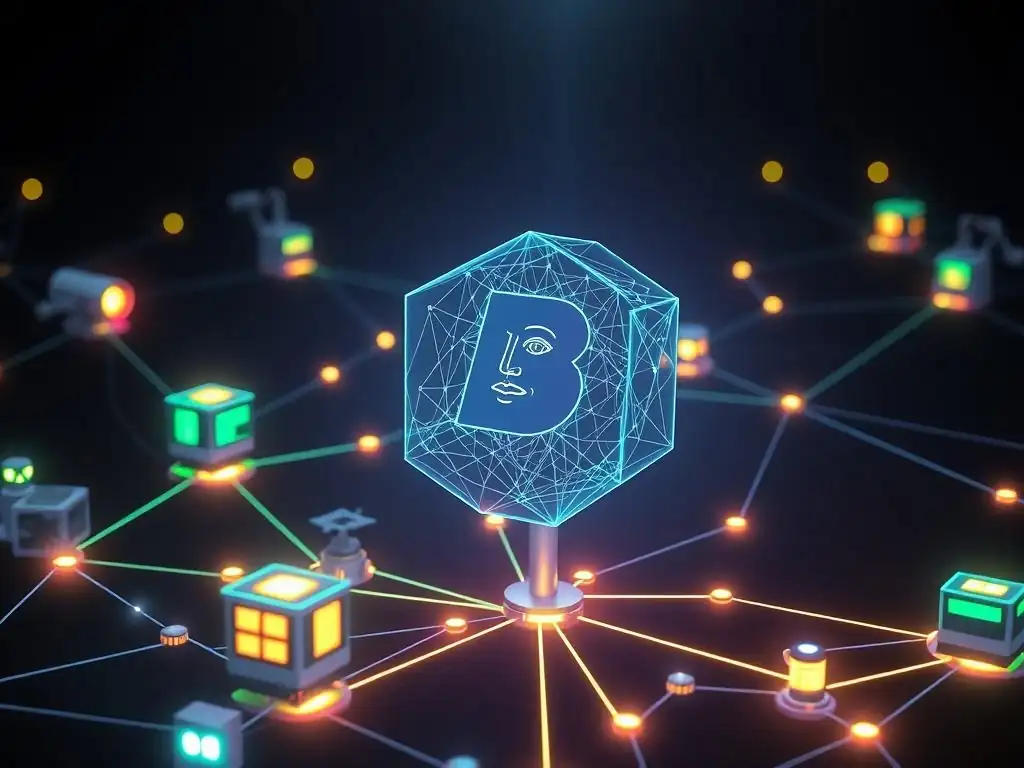
Welcome to Blockchain Trends, your go-to source for understanding the revolutionary world of blockchain technology!
Dive into the future as we explore how blockchain is reshaping industries beyond cryptocurrencies. Are you ready to uncover the potential of blockchain identity IoT security? This article delves into how decentralized identities are revolutionizing IoT security, offering enhanced privacy and control. But how exactly does this intricate system work, and what are the real-world implications? Keep reading to find out!
Decentralized Identity for IoT Devices: Enhancing Security and Privacy with Blockchain-Based Identities
- Introduction: Securing the IoT Ecosystem with Blockchain Identity
- Understanding Decentralized Identity (DID) and Blockchain
- Blockchain Identity IoT Security: Addressing Key Vulnerabilities
- Implementing Blockchain-Based Identities for IoT Devices: A Practical Approach
- Use Cases: Blockchain-Based IoT Identity in Action
- Advantages of Decentralized IoT Identity Solutions
- Challenges and Considerations for Blockchain IoT Identity
- The Future of Blockchain Identity in IoT: Trends and Predictions
- Conclusion: Embracing Blockchain for Secure and Private IoT
-
Frequently Asked Questions
- What are the primary security vulnerabilities of traditional IoT devices that blockchain-based identities aim to address?
- How does blockchain technology improve the privacy of user data collected by IoT devices?
- What role does Decentralized Identity (DID) play in securing IoT ecosystems?
- How can Blockchain Identity improve IoT security within enterprise applications?
- What are the key regulatory considerations for implementing blockchain-based identity solutions for IoT devices?
- Final Reflection: Embracing Secure Autonomy in the IoT Era
- Empower Your IoT: Dive Deeper into Decentralized Security!
Introduction: Securing the IoT Ecosystem with Blockchain Identity
The Growing Need for Enhanced Security in IoT Networks
The Internet of Things (IoT) has experienced exponential growth, connecting billions of devices across various sectors, from smart homes and wearable technology to industrial control systems and critical infrastructure. This proliferation of interconnected devices, while offering unprecedented convenience and efficiency, has also dramatically expanded the attack surface for malicious actors. Each connected device represents a potential entry point into a network, creating a complex web of vulnerabilities that traditional security measures are struggling to manage effectively.
Industry reports indicate a significant surge in IoT-related cyberattacks. For example, a study by Palo Alto Networks found a 217% increase in IoT attacks in 2020 compared to the previous year, highlighting the escalating threat landscape.
The increasing sophistication of cyber threats targeting IoT networks necessitates a paradigm shift in security approaches. Legacy systems, often designed without security as a primary consideration, are proving inadequate against evolving attack vectors. Consider the Mirai botnet attack in 2016, which leveraged vulnerabilities in poorly secured IoT devices like webcams and routers to launch massive distributed denial-of-service (DDoS) attacks.
This event served as a stark reminder of the potential for IoT devices to be weaponized on a large scale, causing significant disruptions and financial losses. Therefore, establishing robust and scalable security mechanisms for IoT devices is no longer optional but a critical imperative for maintaining the integrity and reliability of our increasingly interconnected world.
Challenges of Traditional Identity Management in IoT
Traditional identity management systems, often relying on centralized architectures, face significant challenges when applied to the vast and distributed nature of IoT ecosystems. Centralized systems create single points of failure, making them attractive targets for cyberattacks. A successful breach of a central identity server can compromise the identities of thousands, or even millions, of devices, leading to widespread disruption and data compromise.
Furthermore, these centralized approaches often struggle to scale efficiently to accommodate the rapidly growing number of IoT devices. The sheer volume of devices and the frequency of their interactions generate massive amounts of authentication and authorization requests, potentially overwhelming centralized infrastructure and causing performance bottlenecks.
Another major hurdle lies in the diverse and often resource-constrained nature of IoT devices. Many IoT devices, particularly those deployed in remote or embedded environments, have limited processing power, memory, and battery life. Implementing complex security protocols and cryptographic operations on these devices can be computationally expensive and energy-intensive, hindering their performance and lifespan.
Moreover, managing identities across heterogeneous IoT platforms and protocols creates significant interoperability challenges. Different manufacturers and service providers often employ proprietary identity management solutions, leading to fragmented ecosystems and hindering seamless communication and data exchange between devices from different vendors. This lack of standardization and interoperability further complicates the task of securing the overall IoT landscape, emphasizing the need for a more decentralized and adaptable approach to identity management.
Blockchain's Potential for Decentralized IoT Identity
Blockchain technology, with its inherent characteristics of decentralization, security, and transparency, offers a compelling alternative to traditional, centralized identity management systems for IoT. By leveraging a distributed ledger and cryptographic mechanisms, blockchain can establish a robust and tamper-proof foundation for managing device identities. Decentralized identity (DID) solutions built on blockchain eliminate single points of failure, distributing identity data across a network of nodes, making it significantly more resilient to attacks. This distributed architecture enhances security by making it exponentially harder for malicious actors to compromise the entire identity system.
Furthermore, blockchain's cryptographic features, such as public-key infrastructure and digital signatures, enable strong authentication and authorization mechanisms for IoT devices. Each device can be assigned a unique digital identity anchored on the blockchain, allowing for secure and verifiable authentication without relying on a central authority. This not only enhances security but also promotes device autonomy and privacy.
Blockchain's transparent and auditable nature also provides a clear record of device identity transactions and access permissions, fostering trust and accountability within the IoT ecosystem. This inherent transparency is crucial for compliance and regulatory purposes, particularly in industries dealing with sensitive data or critical infrastructure. By embracing blockchain for IoT identity, organizations can move towards a more secure, scalable, and privacy-preserving IoT environment.
Understanding Decentralized Identity (DID) and Blockchain
What is Decentralized Identity? Key Concepts Explained
Decentralized Identity (DID) represents a paradigm shift in how digital identities are managed and controlled. Unlike traditional identity models where users rely on centralized providers (like social media platforms or email services) to verify their identity, DID empowers individuals and entities, including IoT devices, to own and control their own identities. At its core, DID is about self-sovereign identity, giving the identity holder complete autonomy over their identity data and how it is used. This means individuals or devices are not dependent on intermediaries and can interact directly and securely with other entities.
Key concepts underpinning DID include: Self-Sovereignty: The identity holder has ultimate control over their identity data, deciding who can access it and for what purpose. User-Centricity: Identity management is designed around the needs and rights of the identity holder, prioritizing privacy and control. Verifiability: Identities can be cryptographically verified without relying on a central authority, ensuring authenticity and trust.
Interoperability: DIDs are designed to be portable and usable across different systems and platforms, promoting seamless interaction. Privacy-Preserving: DID minimizes the disclosure of personal or sensitive information, enhancing privacy by design. For IoT devices, DID translates to devices having unique, verifiable identities that they control, allowing them to securely authenticate themselves and interact with other devices and services in a decentralized manner.
How Blockchain Enables Secure and Transparent Identity Management
Blockchain technology serves as a foundational infrastructure for realizing secure and transparent decentralized identity management. Its core features perfectly align with the principles of DID, providing the necessary mechanisms for creating, managing, and verifying identities in a decentralized and trustworthy way. Specifically, blockchain's immutability ensures that once an identity is recorded on the blockchain, it cannot be altered or tampered with, providing a permanent and auditable record. This immutability is crucial for establishing trust and preventing identity theft or manipulation.
Cryptography plays a vital role in securing DID on blockchain. Public-key infrastructure (PKI) allows each identity to be associated with a unique key pair: a public key for verification and a private key for control. Digital signatures, generated using private keys, provide cryptographic proof of identity ownership and authenticity. The distributed nature of blockchain eliminates single points of failure, as identity data is replicated across multiple nodes in the network.
This enhances resilience and makes the system significantly harder to compromise. Furthermore, blockchain's consensus mechanisms ensure that all participants in the network agree on the validity of identity transactions, maintaining data integrity and preventing fraudulent activities. By combining these features, blockchain creates a robust and transparent platform for managing decentralized identities, offering a secure and trustworthy foundation for IoT identity solutions.
The Benefits of DIDs for IoT Security and Privacy
Decentralized Identities offer a multitude of benefits for enhancing security and privacy within IoT ecosystems. For security, DIDs provide stronger authentication mechanisms by enabling devices to cryptographically prove their identity without relying on vulnerable centralized servers. This significantly reduces the risk of device spoofing and unauthorized access. The distributed nature of DID infrastructure makes it more resilient to DDoS attacks and single points of failure, improving the overall security posture of IoT networks. Furthermore, the immutable audit trail provided by blockchain enables better tracking of device activities and access logs, facilitating incident response and accountability.
In terms of privacy, DIDs empower IoT device users with greater control over their data. Devices can selectively disclose identity information and access permissions, minimizing data exposure and enhancing privacy. Decentralization reduces the reliance on centralized data repositories, mitigating the risk of large-scale data breaches and privacy violations. The inherent privacy-preserving nature of DID aligns with growing concerns about data security and regulatory compliance, such as GDPR and CCPA. By adopting DIDs, organizations can build more secure and privacy-centric IoT solutions, fostering greater user trust and enabling responsible data handling in the interconnected world of IoT.
Blockchain Identity IoT Security: Addressing Key Vulnerabilities
Mitigating IoT Device Spoofing with Blockchain-Based Authentication
IoT device spoofing, where malicious actors impersonate legitimate devices to gain unauthorized access or disrupt operations, is a significant security concern. Traditional authentication methods, often relying on easily compromised passwords or shared secrets, are vulnerable to spoofing attacks. Blockchain-based authentication, leveraging Decentralized Identities, offers a robust solution to mitigate this threat. Each IoT device can be assigned a unique DID on the blockchain, acting as its verifiable digital identity. This DID is cryptographically linked to the device and controlled by its private key, providing strong proof of ownership and authenticity.
When a device attempts to connect to a network or access resources, it can use its private key to generate a digital signature, proving its identity without revealing sensitive credentials. This signature can be verified by other devices or network entities using the device's public key, which is securely stored on the blockchain.
Because the private key is only known to the legitimate device owner and the blockchain provides an immutable record of the public key, it becomes exceedingly difficult for attackers to spoof device identities. This cryptographic authentication significantly strengthens IoT security by ensuring that only authorized and verified devices can participate in the network, effectively preventing device spoofing and related attacks.
Preventing Data Breaches Through Decentralized Access Control
Data breaches are a constant threat in IoT environments, often stemming from vulnerabilities in centralized access control systems. These systems, if compromised, can grant attackers access to vast amounts of sensitive data collected by IoT devices. Decentralized access control, enabled by blockchain identity IoT security, offers a more secure and resilient approach. Instead of relying on a central authority to manage access permissions, blockchain allows for decentralized and granular control over data access. Smart contracts, deployed on the blockchain, can define access policies and rules, specifying which devices or entities are authorized to access specific data or resources.
When a device requests access, the smart contract automatically verifies its identity and checks if it meets the defined access criteria. This process is transparent, auditable, and tamper-proof, ensuring that access control is enforced consistently and securely. Because access decisions are decentralized and enforced by smart contracts on the blockchain, there is no single point of failure that attackers can exploit to gain unauthorized access to data.
Furthermore, blockchain's immutability ensures that access logs and permission changes are securely recorded, providing a clear audit trail and enhancing accountability. This decentralized approach to access control significantly reduces the risk of data breaches in IoT systems by distributing control and enhancing transparency.
Enhancing Data Integrity and Trust in IoT Data Streams
The integrity of data generated by IoT devices is paramount, especially in critical applications such as healthcare, industrial automation, and supply chain management. Compromised or manipulated data can lead to inaccurate insights, flawed decisions, and even catastrophic failures. Blockchain technology, coupled with decentralized identity, offers a powerful mechanism to enhance data integrity and build trust in IoT data streams. By anchoring device identities and data transactions on a blockchain, it becomes possible to create a verifiable and auditable record of data provenance and integrity.
Each data point generated by an IoT device can be digitally signed using the device's private key, ensuring its authenticity and non-repudiation. This signature, along with the data itself, can be recorded on the blockchain, creating an immutable timestamped record of data origin. Any attempt to tamper with the data or its provenance would be easily detectable, as it would invalidate the digital signature and disrupt the blockchain's consensus mechanism.
This cryptographic assurance of data integrity builds trust in IoT data streams, enabling reliable data analysis and informed decision-making. Furthermore, blockchain's transparent and auditable nature allows stakeholders to independently verify the data's origin and integrity, enhancing accountability and fostering greater confidence in IoT systems, especially in scenarios where data trust is critical.
Implementing Blockchain-Based Identities for IoT Devices: A Practical Approach
Choosing the Right Blockchain Platform for IoT Identity Solutions
Selecting the appropriate blockchain platform is a crucial first step in implementing blockchain identity IoT security solutions. Several blockchain platforms are available, each with different characteristics and suitability for IoT applications. Considerations include scalability, transaction speed, cost, security, and privacy features. Public blockchains, like Ethereum or Bitcoin, offer high levels of decentralization and security but may face scalability limitations and higher transaction costs, which can be a concern for massive IoT deployments.
Private blockchains, on the other hand, provide greater control and privacy, with potentially higher transaction speeds and lower costs. They are suitable for enterprise IoT applications where data privacy and permissioned access are paramount. Consortium blockchains, a hybrid approach, involve a group of organizations collaborating to operate the blockchain, offering a balance between decentralization, privacy, and performance.
For IoT identity solutions, platforms specifically designed for enterprise use or those offering features tailored to IoT, like Hyperledger Fabric or Corda, might be more suitable. These platforms often provide modular architectures, permissioned access control, and optimized performance for enterprise-grade applications.
When choosing a platform, it's essential to evaluate the specific requirements of the IoT deployment, including the number of devices, data volume, security needs, and regulatory compliance requirements. A thorough assessment of different blockchain platforms based on these criteria will ensure the selection of the most appropriate platform for building a robust and efficient blockchain-based identity solution for IoT.
Integrating DIDs into Existing IoT Infrastructure
Integrating Decentralized Identities into existing IoT infrastructure requires a phased and strategic approach, considering the diverse nature of IoT devices and legacy systems. A key challenge is interoperability – ensuring that DID-based identity solutions can seamlessly interact with existing protocols and communication standards used by IoT devices. This often involves developing middleware or adaptor layers that bridge the gap between blockchain-based DID systems and legacy IoT protocols. These layers can translate identity information and authentication requests between different systems, enabling smooth integration without requiring wholesale replacement of existing infrastructure.
Another practical consideration is the resource constraints of many IoT devices. Implementing complex cryptographic operations and blockchain interactions directly on resource-constrained devices can be challenging. Edge computing can play a crucial role here, offloading some of the computational burden from devices to edge servers.
Edge servers can act as intermediaries, handling blockchain interactions and identity verification on behalf of resource-limited devices. Furthermore, lightweight DID implementations and optimized cryptographic libraries are being developed to minimize the resource footprint on IoT devices. A gradual integration strategy, starting with pilot projects and focusing on interoperability and resource optimization, is essential for successfully deploying DID solutions into existing IoT infrastructure.
Developing Smart Contracts for IoT Device Identity and Access Management
Smart contracts are self-executing agreements encoded on the blockchain, playing a vital role in automating and enforcing identity and access management for IoT devices. For IoT identity applications, smart contracts can be used to define and manage device identities, access permissions, and data sharing policies in a decentralized and transparent manner. When a new IoT device is onboarded, a smart contract can be deployed to register its DID on the blockchain, associating it with relevant attributes and access rights. These smart contracts act as digital registries for device identities, providing a tamper-proof and auditable record.
Furthermore, smart contracts can be used to implement granular access control policies. They can define rules specifying which devices or entities are authorized to access specific data or perform certain actions. When a device requests access, the smart contract automatically verifies its identity and checks if it meets the defined access criteria. If the conditions are met, access is granted; otherwise, it is denied.
This automated and decentralized access management ensures consistent policy enforcement and reduces the need for manual intervention. Developing robust and secure smart contracts for IoT identity requires careful planning, secure coding practices, and thorough testing to ensure they function as intended and do not introduce new vulnerabilities. Smart contracts are the engines that drive automated and decentralized identity and access management in blockchain-based IoT security solutions.
Use Cases: Blockchain-Based IoT Identity in Action

Supply Chain Management: Tracking and Verifying IoT Device Provenance
In supply chain management, ensuring the authenticity and provenance of goods is critical, especially for high-value or sensitive products like pharmaceuticals or electronics. IoT devices, such as sensors and trackers, are increasingly used to monitor goods throughout the supply chain, providing real-time visibility into location, temperature, and other environmental conditions. However, the data generated by these devices is only valuable if its integrity and origin can be trusted. Blockchain-based IoT identity can play a pivotal role in verifying the provenance of IoT devices themselves and securing the data they generate, enhancing supply chain transparency and trust.
Imagine a scenario where IoT sensors are attached to pharmaceutical shipments to monitor temperature and humidity. Each sensor can have a DID registered on a blockchain. As the shipment moves through the supply chain, the sensor data, digitally signed with the sensor's private key, is recorded on the blockchain alongside the sensor's DID. This creates an immutable and verifiable record of the sensor's data and its origin.
Stakeholders, like manufacturers, distributors, and retailers, can verify the sensor's identity and the integrity of the data by querying the blockchain and checking the digital signatures. This ensures that the data is authentic and has not been tampered with, enhancing trust and accountability throughout the supply chain. Blockchain identity IoT security in supply chain management can significantly reduce counterfeiting, improve product traceability, and enhance overall operational efficiency.
Smart Homes: Securing Access to Connected Devices
Smart homes are becoming increasingly prevalent, with a growing number of connected devices controlling lighting, heating, security systems, and appliances. Securing these devices and controlling access to them is paramount to protect privacy and prevent unauthorized control of home systems. Traditional smart home security often relies on centralized cloud platforms and password-based authentication, which can be vulnerable to breaches. Blockchain-based decentralized identity offers a more secure and privacy-preserving approach to managing access to smart home devices.
Each smart home device, from smart locks to smart thermostats, can be assigned a DID on a blockchain. Homeowners can control access to these devices by granting permissions to family members or authorized guests through a decentralized identity management application. Instead of relying on a central cloud server, access control policies are enforced by smart contracts on the blockchain.
When a user attempts to access a smart home device, their identity is verified against the blockchain, and the smart contract determines if they have the necessary permissions. This decentralized approach eliminates single points of failure, enhances security, and empowers homeowners with greater control over their smart home devices and data. Furthermore, blockchain identity IoT security in smart homes can improve privacy by reducing reliance on centralized cloud platforms and minimizing data collection by third-party providers.
Industrial IoT (IIoT): Protecting Critical Infrastructure
Industrial IoT (IIoT) involves the deployment of connected sensors and devices in industrial environments, such as manufacturing plants, power grids, and transportation systems. These systems often control critical infrastructure and operations, making security paramount. Cyberattacks on IIoT systems can have severe consequences, including operational disruptions, financial losses, and even safety hazards. Blockchain identity IoT security provides a robust framework for protecting IIoT infrastructure from cyber threats.
In IIoT environments, devices like industrial sensors, actuators, and controllers can be assigned DIDs on a blockchain. This allows for secure authentication and authorization of devices within the industrial network. Access to critical control systems and sensitive data can be managed through smart contracts, ensuring that only authorized devices and personnel can interact with these systems. For example, in a smart factory, only authenticated robots and control systems with valid DIDs can access and modify manufacturing processes.
This prevents unauthorized access and malicious manipulation of industrial equipment. Blockchain's immutable audit trail also provides a record of device activities and access attempts, facilitating incident response and forensic analysis in case of security breaches. By implementing blockchain identity IoT security in IIoT, organizations can significantly enhance the security and resilience of critical industrial infrastructure, mitigating the risks of cyberattacks and ensuring operational continuity.
Advantages of Decentralized IoT Identity Solutions
Improved Security Compared to Centralized Systems
Decentralized IoT identity solutions offer significant security advantages over traditional centralized systems. Centralized systems present single points of failure, making them prime targets for attackers. A successful breach of a central identity server can compromise the identities of all connected devices, leading to widespread disruption and data theft. In contrast, decentralized systems, by distributing identity data and control across a blockchain network, eliminate single points of failure. Compromising a decentralized system requires attacking a distributed network of nodes, which is exponentially more difficult and resource-intensive for attackers.
Furthermore, blockchain's cryptographic mechanisms, such as public-key infrastructure and digital signatures, provide stronger authentication and authorization compared to password-based or shared-secret systems often used in centralized IoT deployments. Decentralized identity empowers devices to cryptographically prove their authenticity without relying on vulnerable central servers. This significantly reduces the risk of device spoofing, man-in-the-middle attacks, and other common IoT security threats. The inherent security features of blockchain, combined with the decentralized architecture of DID, result in a more robust and resilient security posture for IoT ecosystems compared to centralized approaches.
Enhanced Privacy for IoT Device Users
Privacy is a growing concern in the age of IoT, where devices collect vast amounts of personal and sensitive data. Centralized IoT systems often aggregate and store user data in central repositories, raising privacy risks and concerns about data breaches and misuse. Decentralized IoT identity solutions enhance privacy by empowering users and devices with greater control over their identity data and how it is used. With DID, devices own and control their own identities, deciding what information to share and with whom. This self-sovereign identity model minimizes data exposure and reduces reliance on centralized data repositories.
Decentralization also aligns with privacy-by-design principles, minimizing the collection and storage of personal data. Users can selectively disclose identity information and access permissions, revealing only what is necessary for specific interactions. Blockchain's transparency and auditability can also enhance privacy by providing users with visibility into how their identity data is being used and accessed. By adopting decentralized IoT identity, organizations can build more privacy-centric IoT solutions, fostering greater user trust and complying with increasingly stringent data privacy regulations like GDPR and CCPA.
Increased Interoperability Between IoT Devices and Platforms
Interoperability is a significant challenge in the fragmented IoT landscape, where devices from different manufacturers and platforms often struggle to communicate and interact seamlessly. Proprietary identity management solutions and diverse communication protocols contribute to this lack of interoperability. Decentralized IoT identity solutions, based on open standards and blockchain technology, have the potential to improve interoperability across different IoT devices and platforms. DIDs are designed to be portable and platform-agnostic, enabling devices to use the same identity across different networks and services.
Standardized DID formats and protocols promote interoperability by providing a common framework for identity management. Blockchain technology, being inherently distributed and transparent, can facilitate cross-platform identity verification and data exchange. By adopting decentralized identity standards, IoT device manufacturers and platform providers can move towards a more interconnected and interoperable IoT ecosystem. This increased interoperability can unlock new opportunities for innovation and collaboration in the IoT space, enabling seamless integration of devices and services from diverse vendors and creating a more unified and user-friendly IoT experience.
Reduced Costs Through Automation and Decentralization
Decentralized IoT identity solutions can contribute to cost reduction in several ways, primarily through automation and decentralization. Traditional centralized identity management systems often involve significant operational costs associated with infrastructure maintenance, manual processes, and intermediary services. Decentralization reduces reliance on centralized infrastructure and intermediaries, potentially lowering infrastructure and operational costs. Blockchain's automation capabilities, enabled by smart contracts, can streamline identity management processes, reducing manual effort and administrative overhead.
Smart contracts can automate device onboarding, authentication, authorization, and access control, minimizing the need for manual intervention. This automation can lead to significant cost savings in terms of labor and administrative resources. Furthermore, decentralized systems can reduce transaction costs by eliminating intermediaries and streamlining processes. While blockchain implementation itself may involve initial investment, the long-term operational efficiencies and cost savings derived from automation and decentralization can make decentralized IoT identity solutions a cost-effective approach to securing and managing IoT ecosystems.
Challenges and Considerations for Blockchain IoT Identity
Scalability Issues in Blockchain Networks
Scalability remains a significant challenge for blockchain technology, particularly when considering massive IoT deployments involving billions of devices generating vast amounts of data and transactions. Traditional blockchain networks, like Bitcoin and Ethereum, have limited transaction throughput and block sizes, which can lead to congestion and delays when dealing with high transaction volumes. Public blockchains, while highly secure and decentralized, may not be inherently scalable enough to handle the demands of massive IoT networks.
While advancements in blockchain technology, such as layer-2 scaling solutions and sharding, are being developed to address scalability limitations, these solutions are still evolving and may not fully meet the scalability requirements of all IoT applications. Private and consortium blockchains, with their permissioned access and optimized architectures, can offer better scalability compared to public blockchains.
However, even private blockchains may face scalability challenges when dealing with extremely large-scale IoT deployments. Choosing the right blockchain platform with adequate scalability capabilities and carefully designing the IoT application architecture to optimize blockchain usage are crucial considerations for addressing scalability challenges in blockchain identity IoT security.
Interoperability Between Different Blockchain Platforms
While decentralized identity aims to improve interoperability within the IoT ecosystem, interoperability between different blockchain platforms themselves remains a challenge. Various blockchain platforms exist, each with its own protocols, data formats, and governance models. Lack of interoperability between these platforms can hinder seamless interaction and data exchange across different blockchain-based IoT identity solutions. If different IoT devices or platforms utilize different blockchain platforms for identity management, it can create silos and limit the potential for cross-platform interoperability.
Efforts are underway to develop interoperability standards and protocols for blockchain networks, such as cross-chain communication protocols and blockchain bridges. These technologies aim to enable seamless data and value transfer between different blockchains, fostering greater interoperability and connectivity across the blockchain ecosystem. However, blockchain interoperability is still an evolving field, and achieving seamless interoperability between diverse blockchain platforms remains a complex technical and governance challenge. Addressing this challenge is crucial for realizing the full potential of decentralized identity in creating a truly interconnected and interoperable IoT ecosystem.
Regulatory and Compliance Considerations for IoT Data Privacy
Regulatory and compliance considerations, particularly concerning data privacy, are crucial for implementing blockchain identity IoT security solutions. IoT devices often collect and process personal and sensitive data, making compliance with data privacy regulations like GDPR, CCPA, and others a critical requirement. While decentralized identity enhances privacy in many ways, ensuring full regulatory compliance requires careful consideration of data handling practices and blockchain implementation details.
Blockchain's immutability and transparency, while beneficial for security and auditability, can pose challenges for compliance with data privacy regulations that mandate data deletion or modification rights (like GDPR's "right to be forgotten"). Designing blockchain-based IoT identity solutions that are compliant with data privacy regulations requires careful planning and implementation. This may involve incorporating privacy-enhancing technologies, such as zero-knowledge proofs or homomorphic encryption, to minimize data exposure on the blockchain.
Furthermore, organizations need to establish clear data governance policies and procedures for managing IoT data and ensuring compliance with relevant regulations. Navigating the regulatory landscape and ensuring data privacy compliance are essential considerations for responsible and sustainable deployment of blockchain identity IoT security solutions.
The Future of Blockchain Identity in IoT: Trends and Predictions
Emerging Standards for Decentralized IoT Identity
The field of decentralized identity is rapidly evolving, with significant efforts underway to develop open standards and protocols for DID. These standards aim to promote interoperability, portability, and wider adoption of decentralized identity solutions across various sectors, including IoT. Organizations like the Decentralized Identity Foundation (DIF) and the World Wide Web Consortium (W3C) are actively working on defining standards for DID specifications, verifiable credentials, and related technologies.
The W3C Verifiable Credentials standard, for example, provides a standardized format for representing digital credentials that can be cryptographically verified and used to assert claims about identity or attributes. These emerging standards are crucial for fostering interoperability between different DID implementations and enabling seamless integration of decentralized identity into existing systems and applications.
As these standards mature and gain wider adoption, they will pave the way for broader deployment of blockchain identity IoT security solutions, facilitating a more interoperable and secure IoT ecosystem. The continued development and adoption of open standards are essential for realizing the full potential of decentralized identity in IoT and beyond.
The Role of AI and Machine Learning in Enhancing IoT Security
Artificial intelligence (AI) and machine learning (ML) are increasingly being integrated into cybersecurity solutions, and they hold significant potential for enhancing blockchain identity IoT security. AI and ML can be used to analyze vast amounts of IoT data and blockchain transaction data to detect anomalies, identify security threats, and automate security responses. For example, ML algorithms can be trained to identify patterns of malicious device behavior or fraudulent identity transactions, enabling proactive threat detection and prevention.
AI can also enhance access control and authentication mechanisms in blockchain-based IoT identity systems. AI-powered risk-based authentication can dynamically adjust security levels based on contextual factors and user behavior, improving security and user experience. Furthermore, AI can automate security monitoring and incident response, reducing manual effort and improving the speed and effectiveness of security operations. The convergence of AI and blockchain identity IoT security promises to create more intelligent, adaptive, and resilient security solutions for the evolving IoT landscape. Integrating AI and ML capabilities will be crucial for addressing the complex and dynamic security challenges of future IoT deployments.
The Convergence of Blockchain, IoT, and Edge Computing
The convergence of blockchain, IoT, and edge computing represents a powerful trend shaping the future of decentralized and intelligent systems. Edge computing, which brings computation and data storage closer to the edge of the network, complements blockchain and IoT technologies in several ways. Edge computing can address scalability challenges in blockchain-based IoT solutions by offloading some of the processing and transaction load from blockchain networks to edge servers. Edge servers can perform local data processing, filtering, and aggregation, reducing the volume of data that needs to be recorded on the blockchain.
Furthermore, edge computing can enhance the performance and responsiveness of IoT applications by reducing latency and improving real-time data processing capabilities. Edge servers can also act as secure gateways for IoT devices, handling blockchain interactions and identity verification on behalf of resource-constrained devices. This convergence of blockchain, IoT, and edge computing enables the development of more scalable, efficient, and secure decentralized IoT solutions. Combining the strengths of these three technologies creates a powerful synergy for building next-generation IoT systems that are intelligent, secure, and privacy-preserving.
Conclusion: Embracing Blockchain for Secure and Private IoT
Key Takeaways: The Power of Decentralized Identity for IoT Security
Decentralized Identity (DID) based on blockchain technology offers a transformative approach to enhancing security and privacy in the rapidly expanding Internet of Things (IoT) ecosystem. Key takeaways highlight the power and potential of this approach: Enhanced Security: DIDs eliminate single points of failure, providing stronger authentication and authorization mechanisms compared to centralized systems, mitigating device spoofing and data breaches. Improved Privacy: DIDs empower IoT device users with greater control over their identity data, minimizing data exposure and fostering privacy-by-design principles.
Increased Interoperability: DIDs promote interoperability between diverse IoT devices and platforms through open standards and platform-agnostic identities. Cost Reduction: Automation and decentralization inherent in blockchain-based solutions can lead to long-term cost savings in IoT identity management. Data Integrity and Trust: Blockchain's immutability and cryptographic features ensure data integrity and build trust in IoT data streams, crucial for critical applications.
By embracing blockchain for IoT identity, organizations can move beyond the limitations of traditional centralized systems and build more secure, privacy-preserving, and interoperable IoT solutions. Decentralized identity is not just a technological advancement; it represents a fundamental shift towards a more user-centric and trustworthy digital identity paradigm for the interconnected world of IoT.
The Path Forward: Implementing Blockchain-Based Solutions for a More Secure IoT Ecosystem
The path forward for securing the IoT ecosystem lies in the strategic and responsible implementation of blockchain-based decentralized identity solutions. This requires a multi-faceted approach: Standardization and Collaboration: Continued development and adoption of open standards for DID and blockchain interoperability are crucial for fostering a cohesive and interoperable IoT landscape. Collaboration between industry stakeholders, standards organizations, and research institutions is essential to drive standardization efforts.
Pilot Projects and Real-World Deployments: Moving beyond theoretical concepts and implementing pilot projects and real-world deployments of blockchain identity IoT security solutions is vital for validating their effectiveness and identifying practical challenges. These deployments will provide valuable insights and lessons learned for wider adoption. Education and Awareness: Raising awareness and educating stakeholders about the benefits and potential of decentralized identity for IoT security is essential for driving adoption and fostering innovation.
This includes educating developers, security professionals, policymakers, and end-users. Addressing Challenges and Ensuring Compliance: Proactively addressing challenges related to scalability, interoperability, and regulatory compliance is crucial for responsible and sustainable deployment of blockchain identity IoT security solutions. This requires ongoing research, development, and collaboration to overcome these hurdles.
By embracing these steps and fostering a collaborative and forward-thinking approach, we can pave the way for a more secure, private, and trustworthy IoT ecosystem powered by the transformative potential of blockchain-based decentralized identity.
Frequently Asked Questions
What are the primary security vulnerabilities of traditional IoT devices that blockchain-based identities aim to address?
Traditional IoT devices often lack robust security protocols, making them vulnerable to hacking and data breaches. Blockchain identity solutions provide a decentralized and tamper-proof method for device authentication.
How does blockchain technology improve the privacy of user data collected by IoT devices?
Blockchain enables selective disclosure of data, allowing users to control which information is shared. The immutable ledger also ensures data integrity and prevents unauthorized modification, enhancing privacy.
What role does Decentralized Identity (DID) play in securing IoT ecosystems?
DIDs provide a unique and verifiable identifier for each IoT device, enabling secure authentication and authorization. They eliminate reliance on centralized identity providers, reducing the risk of single points of failure.
How can Blockchain Identity improve IoT security within enterprise applications?
By implementing blockchain-based identity management, enterprises can establish secure communication channels between IoT devices. This enhances data integrity and reduces the risk of cyberattacks targeting IoT infrastructure.
What are the key regulatory considerations for implementing blockchain-based identity solutions for IoT devices?
Compliance with data privacy regulations like GDPR and CCPA is crucial. Organizations need to ensure that data storage and processing are compliant with applicable laws, while also addressing interoperability standards between different blockchain platforms.
Final Reflection: Embracing Secure Autonomy in the IoT Era
The exploration of decentralized identity for IoT devices, secured by blockchain technology, culminates in a crucial realization: the future of the Internet of Things hinges on establishing trust and control at the device level. As our world becomes increasingly interconnected, the vulnerabilities inherent in centralized identity management systems pose a significant threat to both security and privacy. The shift towards blockchain-based identities offers a compelling solution, empowering devices with autonomy and safeguarding sensitive data from malicious actors.
This journey into the realm of Blockchain identity IoT security has profoundly underscored the need for a paradigm shift. The potential for enhanced security and privacy, coupled with the increased efficiency and scalability offered by decentralized systems, is undeniable. The best way to predict the future is to create it.
- Peter Drucker. This quote resonates deeply as we consider the transformative power of blockchain in shaping a more secure and trustworthy IoT landscape. The ongoing development and adoption of these technologies will fundamentally alter how we interact with connected devices, fostering a future where data ownership and control are firmly in the hands of the user.
As we stand at the cusp of this technological revolution, I invite you to reflect on the implications of decentralized identity for your own digital footprint. Consider the devices you interact with daily and the data they generate. How can you advocate for and embrace solutions that prioritize security and privacy? The power to shape a more secure and trustworthy IoT future lies within each of us. Let us champion the adoption of Blockchain identity IoT security solutions and build a world where connected devices empower, rather than endanger, our lives.
Empower Your IoT: Dive Deeper into Decentralized Security!
Thank you for exploring the world of Decentralized Identity in IoT with us! We hope you now understand how blockchain-based identities can transform the security and privacy of connected devices. Are you ready to take the next step and actively shape this future?
Here are a few ways you can get involved:
- Start researching existing Decentralized Identity solutions suitable for IoT environments. Begin with frameworks like DID communication protocols or similar open-source projects to gain practical knowledge. This will enable you to assess and eventually implement these innovative technologies.
- Contribute to the open-source community by sharing your ideas on forums or developing your own proof-of-concept projects. Your efforts can make a meaningful difference.
- Explore the intersection of IoT and blockchain applications to uncover unexpected opportunities for secure and privacy-preserving solutions.
What specific challenge in IoT security do you believe Decentralized Identity can most effectively address? Share your thoughts in the comments below!
Leave a Reply