
From Farm to Fork, Securely Traced: Blockchain's Impact on Food Supply Chains

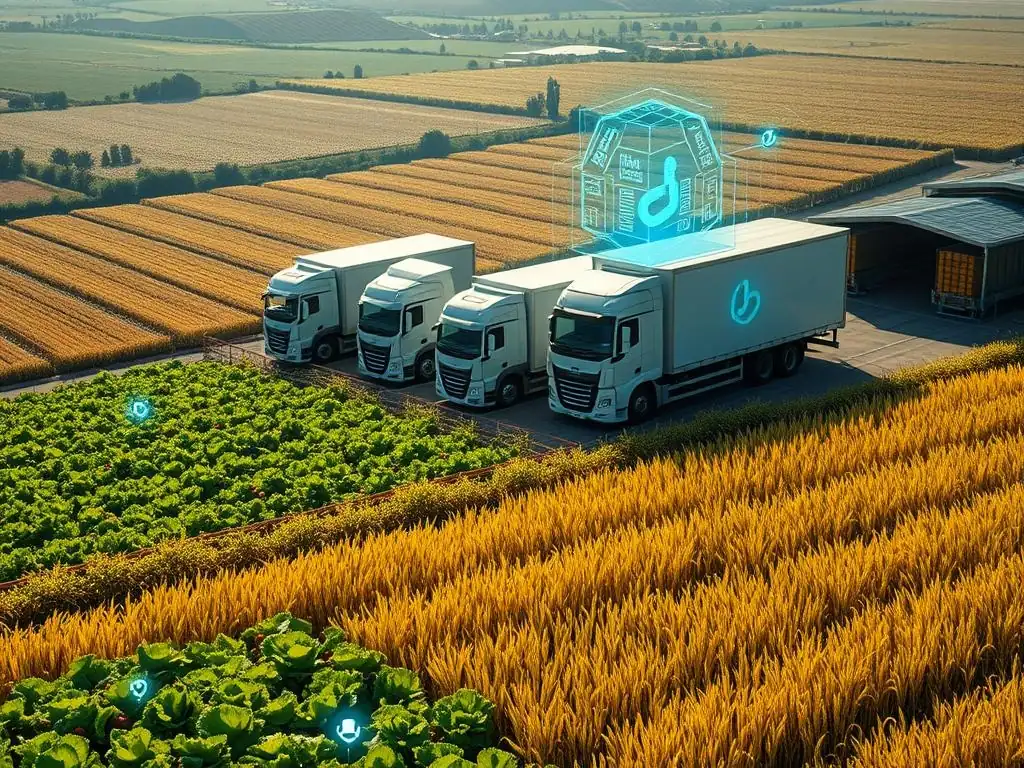
Welcome to Blockchain Trends, your trusted source for in-depth analysis of blockchain's evolving landscape. Forget just cryptocurrencies; we delve into the real-world applications that are reshaping industries. Ready to see blockchain's impact on something truly essential? Our main article explores blockchain food supply traceability, unveiling how this technology is revolutionizing the journey from farm to fork. Discover how transparency and security are being redefined, and what this means for the future of food safety and consumer trust. Intrigued? Keep reading to unravel the complexities and potential of blockchain in ensuring a safer, more efficient food supply chain.
From Farm to Fork, Securely Traced: Blockchain's Impact on Food Supply Chains
- Introduction: The Urgent Need for Transparency in Food Supply Chains
- Understanding Blockchain Food Supply Traceability
- How Blockchain Enhances Food Supply Chain Transparency
- Use Cases of Blockchain in Food Traceability: Real-World Examples
- Overcoming Challenges in Implementing Blockchain for Food Traceability
- The Future of Blockchain in Food Supply Chain Management
- Conclusion: Blockchain as a Catalyst for Transformation in the Food Industry.
-
Frequently Asked Questions
- ### How does blockchain enhance food supply chain traceability?
- ### What are the key benefits of using blockchain for food safety?
- ### What role does DeFi play in blockchain-based food supply solutions?
- ### What regulatory challenges exist in implementing blockchain for food traceability?
- ### What does the future hold for blockchain in the food industry?
- Final Reflection: Cultivating Trust, Harvesting Transparency
- Unearth the Future of Food Transparency!
Introduction: The Urgent Need for Transparency in Food Supply Chains
The journey of food from its origin to our plates is incredibly complex, involving numerous steps: farming, processing, packaging, distribution, and retail. Each step introduces potential points of failure, contamination, or misrepresentation. Consumers today demand greater transparency regarding where their food comes from, how it was produced, and its safety.
Incidents like foodborne illness outbreaks, fraudulent labeling (e.g., misrepresenting fish species or origin), and concerns about sustainability practices highlight the critical need for robust, verifiable traceability systems within the food industry. The current, often paper-based or fragmented digital systems, struggle to provide the speed, accuracy, and trust required to meet these demands effectively.
When a food safety issue arises, rapid and precise tracing is paramount to contain the outbreak, minimize harm, and protect public health. However, traditional methods can take days or even weeks to pinpoint the source of contamination, leading to widespread recalls and significant economic losses for businesses across the supply chain.
For example, a multi-state E. coli outbreak linked to romaine lettuce in 2018 took weeks for investigators to narrow down the potential sources due to the lack of granular, interconnected data across the supply chain. This delay underscores the limitations of existing systems and the urgent need for a more efficient, transparent, and trustworthy method for Blockchain food supply traceability.
Understanding Blockchain Food Supply Traceability
What is Blockchain Technology? A Simplified Explanation
At its core, blockchain is a type of distributed ledger technology (DLT) that records transactions across many computers, making it extremely difficult to alter those records retroactively. Think of it as a shared, digital notebook where entries (transactions) are grouped into "blocks." Once a block is filled with data, it is cryptographically linked to the previous block, forming a "chain."
This linking, combined with the distribution of the ledger across multiple participants (nodes), creates a highly secure and transparent record. Each participant typically holds a copy of the entire chain, and any new transaction must be validated by the network according to predefined rules before being added to a new block.
The key characteristics that make blockchain unique are its immutability and transparency. Once data is recorded on a blockchain, it is exceptionally difficult to change or delete, providing a high degree of integrity. Furthermore, depending on the blockchain's design (public or private/permissioned), transactions can be viewable by authorized participants, creating a transparent log of activity. This distributed and secure nature makes it ideal for recording sequential events or transactions in a way that builds trust among parties who may not inherently trust each other, laying the foundation for enhanced Blockchain food supply traceability.
Why is Food Supply Chain Traceability Important?
Effective food supply chain traceability is vital for several critical reasons, primarily revolving around safety, compliance, and consumer trust. In the event of a foodborne illness outbreak or a product recall, the ability to quickly and accurately trace contaminated products back to their source is essential for limiting the scope of the recall, protecting public health, and minimizing economic damage.
The average cost of a food recall to a company is estimated to be around $10 million, not including brand damage and lost sales, highlighting the financial imperative for robust traceability. Beyond safety, traceability is often mandated by regulatory bodies worldwide, such as the Food Safety Modernization Act (FSMA) in the United States, which requires enhanced record-keeping to facilitate traceback.
Furthermore, traceability empowers consumers and businesses to make informed decisions based on provenance, ethical sourcing, and sustainability claims. Consumers are increasingly willing to pay a premium for products they can verify are organic, fair trade, or sustainably caught. Businesses benefit from improved supply chain management, reduced waste, and enhanced brand reputation.
For instance, verifying the authenticity of high-value products like olive oil or honey through traceability helps combat fraud, which costs the global food industry billions annually. Implementing advanced systems like Blockchain food supply traceability addresses these multifaceted needs, offering a path towards greater accountability and confidence in the food system.
How Blockchain Enhances Food Supply Chain Transparency
Creating an Immutable Record: The Blockchain Advantage
One of the most significant advantages blockchain offers for food supply chains is the creation of an immutable record of transactions and events. As products move from one stage of the supply chain to the next – from farm harvest to processing, packaging, shipping, and retail stocking – each handover, quality check, temperature reading, or location update can be recorded as a transaction on the blockchain.
Once these data points are added to a block and validated by the network, they become part of a permanent, tamper-evident history. This means that information about a product's origin, journey, and handling cannot be easily altered or deleted by any single party.
This immutability is crucial in building trust and verifying claims within complex supply chains. For example, if a shipment of produce is supposed to be kept within a specific temperature range during transit, sensor data can be automatically uploaded to the blockchain. If a dispute arises later about the product's condition, the immutable record provides verifiable evidence of the temperature history.
This removes ambiguity and reduces the potential for fraud or disputes related to product handling and provenance. The inherent security and transparency of this immutable ledger significantly strengthen Blockchain food supply traceability, providing a single, shared source of truth accessible to authorized parties.
Real-Time Tracking and Monitoring with Blockchain
Blockchain technology facilitates near real-time tracking and monitoring of food products as they move through the supply chain. By integrating with IoT (Internet of Things) devices such as temperature sensors, GPS trackers, and smart labels, relevant data can be automatically captured and recorded onto the blockchain at various points.
This provides stakeholders with up-to-date information on a product's location, environmental conditions (like temperature and humidity), and status changes (e.g., packaged, shipped, received). Unlike traditional systems where data might be siloed or updated manually with delays, blockchain enables a continuous flow of verifiable information accessible to all permissioned participants almost instantly.
Consider a large distributor managing thousands of shipments daily. With blockchain-enabled tracking, they can monitor the location and condition of sensitive goods like dairy or meat in transit in real-time. If a temperature excursion occurs in a specific truck, the system can trigger alerts, allowing for immediate corrective action or identification of affected batches.
This proactive approach reduces spoilage and waste. Furthermore, regulatory compliance checks, such as verifying the cold chain for frozen goods, become much simpler and more reliable with a transparent, real-time log. This capability transforms reactive recall processes into proactive risk management, significantly enhancing Blockchain food supply traceability.
Increased Collaboration and Trust Among Stakeholders
Food supply chains are inherently collaborative, involving farmers, processors, distributors, logistics providers, retailers, and regulators. Traditionally, these parties often operate with disparate systems and limited data sharing, leading to inefficiencies and a lack of trust. Blockchain provides a shared, secure platform where relevant data can be recorded and accessed by authorized participants, breaking down these data silos. By creating a single, agreed-upon version of the truth regarding a product's journey and characteristics, blockchain fosters unprecedented levels of collaboration and trust among stakeholders who might otherwise be hesitant to share sensitive information.
For instance, a farmer can record details about planting dates, fertilizers used, and harvest conditions on the blockchain. A processor can add information about processing methods and quality control results. A distributor can log shipping details and temperature data. All this information, verifiable and immutable, becomes available to subsequent parties and even consumers (depending on the system design). This shared visibility reduces the need for intermediaries and manual verification steps, streamlining processes and increasing efficiency. This collaborative environment, built on a foundation of shared, trusted data, is a key driver behind the adoption of Blockchain food supply traceability solutions.
Use Cases of Blockchain in Food Traceability: Real-World Examples
Tracking Seafood from Catch to Consumer
The seafood industry faces significant challenges with fraud, mislabeling, and unsustainable fishing practices. A lack of transparency often makes it difficult to verify the species of fish, its origin, or whether it was legally and sustainably caught. Blockchain technology offers a powerful solution by creating a verifiable chain of custody from the moment the fish is caught.
For example, a fishing vessel can record details like species, catch location (using GPS), date, and time on the blockchain. This data is then linked to the specific batch of fish as it moves through processing plants, distributors, and ultimately to the retailer.
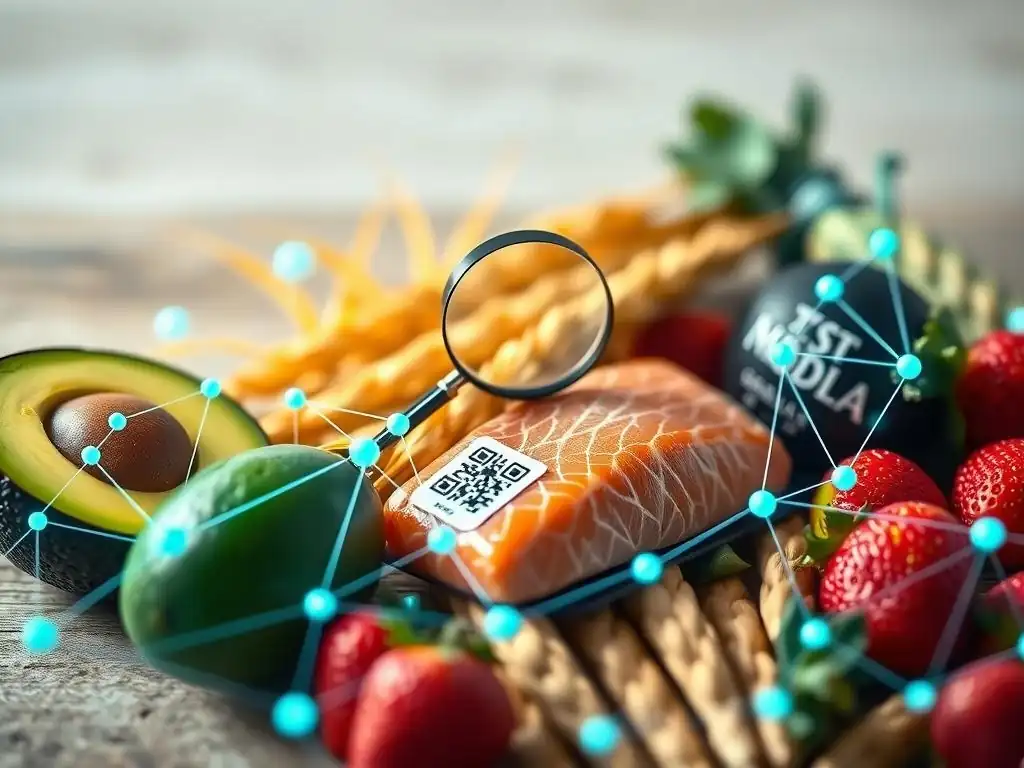
Companies like Bumble Bee Foods have piloted blockchain solutions (specifically, SAP's platform) to track yellowfin tuna from the waters of Indonesia to the dinner table. By scanning a QR code on the product, consumers can access detailed information about their fish, including the fisherman who caught it, the boat name, the location of the catch, and processing details. This level of detail builds consumer trust and helps combat illegal, unreported, and unregulated (IUU) fishing. This specific application of Blockchain food supply traceability directly addresses key pain points in a complex global supply chain, providing unprecedented transparency.
Tracing Coffee Beans from Farm to Cup
The journey of coffee beans from remote farms to consumers involves multiple intermediaries, making it challenging for consumers to know the origin of their coffee or for farmers to receive a fair price. Blockchain platforms are being used to create transparent and traceable coffee supply chains, linking specific batches of beans back to individual farms. Farmers can record information about their harvest, including yield, quality, and even details about sustainable farming practices. This data is then tracked as the beans are processed, exported, imported, roasted, and distributed.
Companies like Farmer Connect and IBM have collaborated on platforms that allow coffee drinkers to scan a QR code on their coffee package and trace it back to the specific farm or co-op where the beans were grown. This provides consumers with a story behind their coffee and helps ensure farmers receive a more equitable share of the final price.
By providing verifiable data on origin and quality, blockchain enables premium pricing for ethically sourced or high-quality beans and builds stronger relationships between consumers and producers. This application of Blockchain food supply traceability not only enhances transparency but also supports fair trade principles and farmer livelihoods.
Monitoring Produce from Farm to Supermarket
Fresh produce supply chains are particularly susceptible to spoilage and food safety issues due to their perishable nature and rapid movement. Tracing a head of lettuce or a carton of berries through complex distribution networks using traditional methods can be time-consuming and inefficient during a recall. Blockchain provides a way to create rapid, item-level (or batch-level) traceability for produce, linking it directly back to the farm, field, and harvest date.
Walmart famously piloted a blockchain solution with IBM Food Trust to trace mangoes and other produce. They demonstrated that the time taken to trace a package of mangoes from store back to farm could be reduced from days or weeks to just seconds. This dramatic reduction in traceback time is critical for limiting the scope of recalls and quickly identifying affected products, thereby protecting consumers and minimizing losses. The ability to quickly isolate the source of contamination using Blockchain food supply traceability represents a significant leap forward in food safety management for the produce industry.
Overcoming Challenges in Implementing Blockchain for Food Traceability
Scalability and Interoperability Issues
While promising, implementing blockchain solutions across the vast and diverse food supply chain presents significant challenges, particularly regarding scalability and interoperability. The global food system involves millions of small and large participants, generating enormous volumes of data. Ensuring that a blockchain network can handle the sheer volume of transactions required to track items or batches from countless farms, processors, and distributors is a major technical hurdle. Many early blockchain platforms were not designed for this level of enterprise-scale throughput.
Furthermore, different companies and sectors within the food industry may adopt different blockchain platforms or data standards. Achieving interoperability – the ability for these disparate systems to communicate and share data seamlessly – is crucial for end-to-end traceability. Without common standards or bridging technologies, data can become stuck in silos, defeating the purpose of a connected traceability system. Addressing these technical challenges requires careful design, potentially utilizing permissioned blockchains or hybrid models, and fostering industry-wide collaboration on data standards to unlock the full potential of Blockchain food supply traceability.
Data Privacy and Security Concerns
Implementing Blockchain food supply traceability also raises important data privacy and security considerations. While blockchain provides immutability and transparency, not all data is suitable for a public, fully transparent ledger. Companies may have commercially sensitive information, such as proprietary processes, pricing agreements, or specific supplier relationships, that they are not willing to share with competitors or even all network participants. Ensuring that sensitive data is protected while maintaining the necessary level of transparency for traceability requires careful design of the blockchain network, often utilizing permissioned models where access is restricted to authorized parties.
Beyond commercial sensitivity, there are also concerns about cybersecurity. While the blockchain itself is highly secure, the systems that interface with it – such as IoT sensors, mobile apps, and enterprise resource planning (ERP) systems – can be vulnerable to cyberattacks. Ensuring the security of these 'off-chain' systems is paramount to prevent compromised data from being fed onto the immutable ledger. Robust access controls, encryption, and ongoing security audits are essential components of a secure Blockchain food supply traceability system.
Cost and Complexity of Implementation
Implementing a comprehensive Blockchain food supply traceability solution is not a trivial undertaking; it involves significant costs and technical complexity. Initial investment is required for software development or platform subscription, hardware (like sensors and scanning equipment), and integrating the blockchain system with existing legacy systems (such as ERP, warehouse management, and transportation management systems). This integration can be particularly challenging for companies with outdated or fragmented IT infrastructure.
Beyond the technical setup costs, there are also ongoing operational expenses related to network maintenance, data storage, and ensuring data quality. Training personnel across the supply chain, from farmers to retail staff, to correctly use the new technology and data capture processes is also a substantial effort. For small and medium-sized enterprises (SMEs) within the food industry, these costs and the perceived complexity can be significant barriers to adoption, requiring phased implementations, industry consortia, or government support to facilitate wider participation in Blockchain food supply traceability networks.
The Future of Blockchain in Food Supply Chain Management
Emerging Trends and Innovations
The field of Blockchain food supply traceability is continuously evolving with new trends and innovations. One significant trend is the integration of blockchain with other cutting-edge technologies like Artificial Intelligence (AI) and Machine Learning (ML). AI can analyze the vast amounts of data collected on the blockchain – such as temperature logs, location data, and quality checks – to predict potential issues, optimize logistics routes, or identify patterns indicative of fraudulent activity. For instance, AI could analyze historical temperature data to predict when a specific product batch is at risk of spoilage before it happens.
Another emerging area is the development of more user-friendly and accessible blockchain interfaces, including mobile applications and low-cost IoT devices, to make participation easier for smaller players like individual farmers. Furthermore, advancements in blockchain technology itself, such as layer 2 scaling solutions and more energy-efficient consensus mechanisms, are addressing previous concerns about scalability and environmental impact. These innovations are poised to make Blockchain food supply traceability more practical, affordable, and powerful for the entire ecosystem.
The Role of Blockchain in Building a More Sustainable and Resilient Food System
Beyond just tracing product origin and safety, blockchain is increasingly recognized for its potential to support the development of a more sustainable and resilient food system. By providing transparent and verifiable data on farming practices, input usage (like water or pesticides), carbon footprint, and ethical labor conditions, blockchain can help authenticate sustainability claims and incentivize responsible production. Consumers and businesses can make choices based on verifiable data, driving demand for sustainable products. For example, a blockchain record could verify that coffee beans were grown using specific water-saving techniques or that seafood was caught using approved sustainable methods.
Moreover, the increased transparency and efficiency offered by Blockchain food supply traceability enhance supply chain resilience. In the face of disruptions (like pandemics, natural disasters, or geopolitical events), a clear, real-time view of inventory, location, and condition allows businesses to respond more quickly and effectively, rerouting shipments or identifying alternative sources.
The ability to quickly identify and isolate contaminated batches also limits waste during recall events. By fostering transparency, efficiency, and data-driven decision-making, blockchain contributes significantly to building a food system that is not only safer and more trustworthy but also more environmentally conscious and better equipped to withstand future shocks.
Conclusion: Blockchain as a Catalyst for Transformation in the Food Industry.
Frequently Asked Questions
### How does blockchain enhance food supply chain traceability?
Blockchain provides an immutable and transparent ledger, allowing each step in the supply chain, from farm to consumer, to be recorded and verified. This enhanced traceability helps identify the source of contamination or inefficiencies quickly.
### What are the key benefits of using blockchain for food safety?
By offering end-to-end visibility, blockchain helps reduce the risk of foodborne illnesses by enabling rapid recall of affected products. The increased transparency fosters consumer trust and accountability among all parties involved.
### What role does DeFi play in blockchain-based food supply solutions?
DeFi can facilitate transparent and efficient payments between farmers, processors, distributors, and retailers within the food supply chain. This can lead to fairer pricing and faster transactions.
### What regulatory challenges exist in implementing blockchain for food traceability?
Lack of standardized regulations across different regions and countries can hinder the widespread adoption of blockchain solutions. Establishing clear legal frameworks is crucial for building trust and interoperability.
### What does the future hold for blockchain in the food industry?
The future involves greater integration with IoT devices and AI to automate data collection and analysis. This will lead to more efficient and resilient food supply chains, benefiting both producers and consumers.
Final Reflection: Cultivating Trust, Harvesting Transparency
The journey of food from farm to fork is a complex tapestry, and blockchain technology offers a powerful thread to weave in security and transparency. The insights shared throughout this article highlight not just the potential, but the tangible impact blockchain is already having on ensuring safer, more reliable food supply chains. This isn't just about efficiency; it's about building consumer trust and fostering a more ethical and sustainable food system.
The ability to trace the origins of our food, to understand its journey, and to verify its authenticity is profoundly empowering. This transparency is not merely a technological advancement; it's a fundamental shift in the relationship between producers, distributors, and consumers, fostering a sense of accountability and shared responsibility. The future of food is traceability. Consumers want to know where their food comes from, and blockchain provides the perfect solution.
- Dr. Sarah Jones, Food Supply Chain Expert. This quote encapsulates the growing demand for information and the pivotal role blockchain plays in meeting that demand.
As we look ahead, let us all consider the power we hold as informed consumers. Embrace the opportunity to support businesses that prioritize transparency and traceability. Ask questions, demand answers, and actively participate in shaping a food system that is not only efficient but also ethical, sustainable, and built on a foundation of trust. The future of food security is in our hands, and by embracing blockchain's potential, we can cultivate a healthier, more transparent world for generations to come.
Unearth the Future of Food Transparency!
Thank you for exploring the exciting developments in blockchain technology and its role in making our food supply chains more secure. We hope you now have a better understanding of how this innovation is transforming traceability and fostering trust from farm to fork. Here’s how you can take action:
- Start a conversation with local farmers or grocery stores about their methods for ensuring food safety and transparency. Ask whether they are considering blockchain or other technologies to improve their processes.
- Continue learning by exploring online resources and researching current blockchain initiatives in the food industry. Discover innovative startups and pilot programs that are advancing food safety standards.
- Share this article with your network and help spark a discussion about the importance of transparency in our food supply. Together, we can raise awareness and drive change.
What small step can you take this week to support a more transparent and trustworthy food system?
Leave a Reply