
From Cotton Field to Closet: A Blockchain Case Study in Supply Chain Transparency in the Fashion Industry

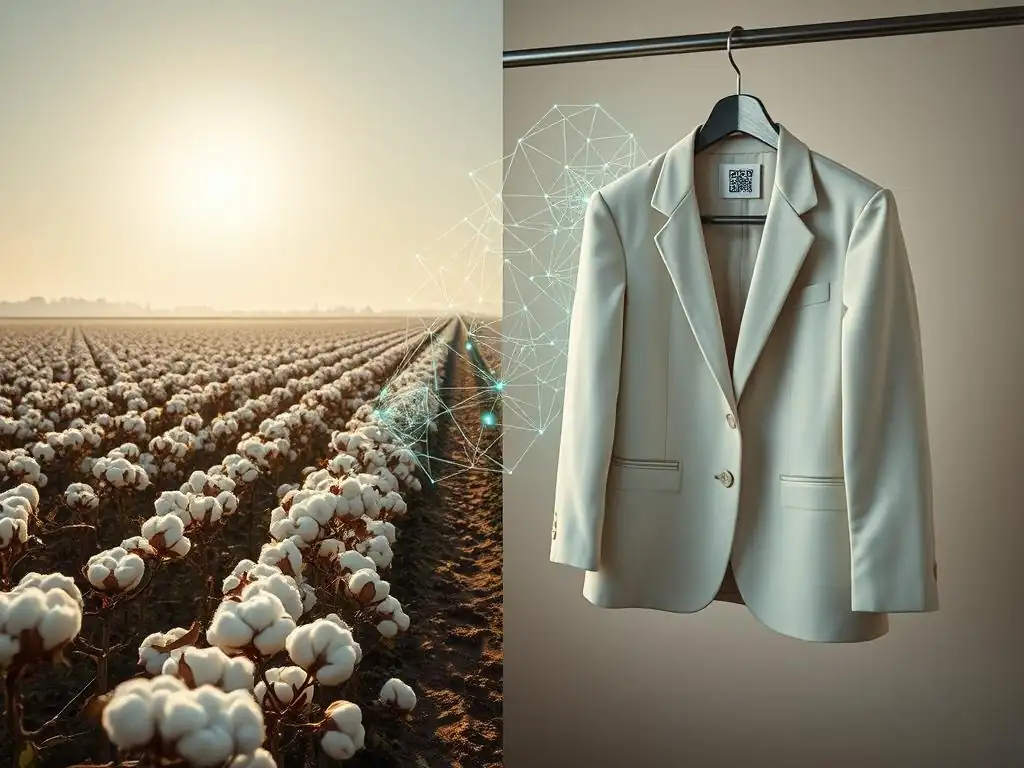
Welcome to Blockchain Trends, your go-to resource for understanding the real-world impact of blockchain technology beyond the hype. Ever wondered how blockchain can revolutionize industries beyond cryptocurrency? Dive in and discover its transformative potential.
In this article, we unravel the fascinating story of blockchain supply chain fashion transparency. Can blockchain truly bring accountability to the fashion industry? Explore our case study and see how this technology is being used to track garments from raw materials to retail, fostering ethical practices and building consumer trust. Read on to uncover the future of decentralized supply chains.
From Fiber to Fashion: A Blockchain Case Study in Supply Chain Transparency in the Apparel Industry
- Introduction: The Imperative for Transparency in Apparel Supply Chains
- Blockchain Technology: Enabling Supply Chain Visibility
-
Case Study: Provenance and Their Traceability Solution
- Company Overview: Provenance's Mission to Empower Brands Through Transparency
- The Challenge: Fragmented Supply Chains and Lack of Consumer Trust
- Implementing Blockchain for End-to-End Tracking of Apparel Items
- Leveraging Existing Infrastructure: Tagging and Data Capture Methods
- Data Integration: From Raw Materials to Finished Goods
- Tracking Recycled Polyester: A Deep Dive into the Blockchain Process
- Enhanced Transparency and Traceability: Benefits and Outcomes
- Challenges and Considerations in Blockchain Implementation
- The Future of Blockchain in Apparel Supply Chain Management
- Conclusion: Blockchain as a Driver for a More Ethical and Sustainable Apparel Industry
-
Frequently Asked Questions
- What are the primary challenges in achieving supply chain transparency in the fashion industry, and how does blockchain address them?
- How can blockchain technology improve ethical sourcing and labor practices within the fashion supply chain?
- What specific types of data can be tracked and verified using blockchain in a fashion supply chain?
- How does implementing blockchain for supply chain transparency affect the relationship between fashion brands and consumers?
- What are some potential regulatory implications and challenges associated with using blockchain for supply chain transparency in the fashion industry?
- Final Reflection: Weaving a Future of Ethical Fashion
- Unveil the Power of Traceability: Reimagine Your Fashion Footprint!
Introduction: The Imperative for Transparency in Apparel Supply Chains
The conventional apparel industry operates through complex, multi-layered global supply chains that often lack visibility beyond the immediate supplier. This opacity contributes significantly to environmental degradation and social injustices. For instance, textile dyeing and treatment are estimated to contribute up to 20% of global industrial water pollution, discharging hazardous chemicals into waterways.
Furthermore, the industry is responsible for a substantial carbon footprint, contributing an estimated 2-8% of global greenhouse gas emissions, a figure projected to rise significantly if current production volumes continue unabated. The rapid pace of fast fashion production also generates enormous waste; globally, an estimated 92 million tons of textile waste are created annually, with a large portion ending up in landfills or being incinerated, releasing pollutants and greenhouse gases.
Beyond the environmental impact, the lack of transparency often masks poor labor practices. Workers, particularly in garment factories in developing nations, frequently face issues such as low wages, excessive working hours, unsafe conditions, and even forced labor. The complexity of the supply chain makes it difficult for brands to monitor conditions effectively deep within their network, leaving millions of workers vulnerable.
The Rana Plaza factory collapse in Bangladesh in 2013, which killed over 1,100 workers, starkly highlighted the deadly consequences of inadequate oversight and the critical need for greater visibility and accountability throughout the entire apparel supply chain. Addressing these profound environmental and social costs necessitates innovative solutions that can provide verifiable, end-to-end traceability.
Growing Consumer Preference for Sustainable and Ethical Apparel
In recent years, there has been a significant shift in consumer attitudes towards sustainability and ethics within the fashion industry. Increasingly, shoppers are not just interested in the style and price of clothing but also in its origin and impact. Surveys consistently show that a growing percentage of consumers, particularly younger demographics, are willing to pay more for products that are environmentally friendly and ethically produced.
For example, studies suggest that over 60% of consumers consider sustainability an important factor when making purchasing decisions, and a substantial portion actively seek out brands that demonstrate ethical practices. This demand is putting pressure on apparel companies to provide clear, trustworthy information about their supply chains, moving beyond vague marketing claims to offer concrete proof of sustainable sourcing and fair labor conditions.
This heightened consumer awareness is driven by increased media coverage of the industry's negative impacts and the accessibility of information online. Social media campaigns and watchdog organizations regularly expose poor practices, making it harder for brands to hide behind opaque supply chains. As a result, brands that can genuinely demonstrate their commitment to sustainability and ethics through verifiable means are gaining a competitive advantage.
They can build stronger relationships with their customers based on trust and shared values. This growing demand for transparency in the apparel supply chain creates a compelling business case for adopting technologies that can provide reliable and accessible information about a garment's journey from raw material to finished product.
Blockchain Technology: Enabling Supply Chain Visibility
How Blockchain Enhances Transparency and Trust
Blockchain technology, fundamentally a distributed and immutable ledger, offers a powerful solution to the opacity issues plaguing traditional supply chains. Instead of relying on centralized databases that can be altered or are siloed within individual companies, blockchain creates a shared, tamper-evident record of transactions and data points across the network of participants. Each step in the supply chain – from the farmer harvesting cotton to the factory stitching a garment to the distributor shipping it – can be recorded as a block of data.
Once validated and added to the chain, this data is cryptographically linked to the previous block, making it virtually impossible to alter retrospectively without detection. This inherent immutability ensures the integrity and reliability of the recorded information.
This distributed and immutable nature fosters unprecedented transparency and trust among supply chain partners and, crucially, with the end consumer. All authorized participants on the network can view the same ledger, providing a single, shared source of truth about a product's journey and attributes. This eliminates the need for intermediaries to verify data or for companies to rely on potentially unreliable paper trails or private databases.
For the apparel industry, this means verifiable records of material origins, processing locations, certification details, and even labor conditions can be recorded and accessed, creating a level of visibility previously unattainable. This verifiable transparency is key to building confidence in claims of sustainability and ethical sourcing.
Key Advantages of Blockchain for Apparel Supply Chains: Traceability, Authenticity, and Accountability
Blockchain provides distinct advantages for enhancing blockchain supply chain fashion transparency. Firstly, traceability is fundamentally transformed. By recording each transfer of ownership or transformation of materials (e.g., cotton bale to thread, thread to fabric, fabric to garment) on the ledger, brands can create an end-to-end digital trail for every product.
A customer could potentially scan a QR code on a garment and see verified information about where the cotton was grown, where it was spun and dyed, and where the final assembly took place. This level of granular traceability allows brands to map their entire value chain, identifying sources and verifying claims about origin or content.
Secondly, blockchain significantly enhances authenticity. The immutable record makes it extremely difficult to introduce counterfeit goods into the verified supply chain. Each legitimate product can be assigned a unique digital identity linked to its blockchain record, proving its provenance and authenticity. This is particularly valuable for luxury fashion or products with specific sustainability claims.
Finally, blockchain improves accountability. Because each data entry is timestamped and attributed to a specific participant on the network, it becomes clear who was responsible for what action or data point at each stage. If an issue arises, such as a discrepancy in certified material volume or a report of poor labor conditions at a specific facility, the blockchain record helps pinpoint the exact point in the supply chain where it occurred, enabling faster and more accurate responses and fostering greater responsibility among partners.
Combating Counterfeiting and Promoting Ethical Sourcing with Blockchain
Counterfeiting is a pervasive problem in the apparel industry, costing brands billions of dollars annually and often being linked to organized crime. The global market for counterfeit apparel and footwear is estimated to be worth tens of billions of dollars. Blockchain technology offers a robust defense by providing a verifiable digital identity for legitimate products.
By recording the product's creation and movement through the official supply chain on an immutable ledger, brands can empower consumers and retailers to verify the authenticity of an item simply by accessing its blockchain record, often via a QR code or NFC tag on the product itself. This makes it significantly harder for fakes to enter the legitimate market or for consumers to be duped by high-quality imitations lacking verifiable provenance.
Furthermore, blockchain is a powerful tool for promoting ethical sourcing and enhancing blockchain supply chain fashion transparency. By recording data points related to social compliance and environmental impact at each stage, brands can provide verifiable evidence of their commitments. This can include recording certifications (like Fair Trade or GOTS for organic textiles), audit reports, waste disposal records, or even anonymized data about worker hours and wages.
For instance, a brand could track cotton from a farm verified as using sustainable practices or track garments manufactured in a factory certified for fair labor conditions. This verifiable data on the blockchain allows brands to back up their ethical claims with concrete evidence, moving beyond marketing towards demonstrable social responsibility and fostering greater trust with ethically-minded consumers.
Case Study: Provenance and Their Traceability Solution
Company Overview: Provenance's Mission to Empower Brands Through Transparency
Provenance is a leading platform that uses blockchain technology to enable supply chain transparency and empower brands to communicate verified impact data to their customers. Founded with the mission to bring radical transparency to global supply chains, Provenance focuses on helping businesses share the journey and impact of their products in an honest, trustworthy way.
Their platform allows brands to collect and verify data about their products' origins, ingredients, and social and environmental impact, making this information accessible to consumers at the point of sale or online. Provenance's work spans multiple industries, including food, cosmetics, and fashion, demonstrating the versatility of blockchain for supply chain visibility.
The core of Provenance's approach is creating a digital "passport" for each product or batch of materials, storing key data points on a blockchain. This data is verified by trusted parties within the supply chain or third-party auditors.
By providing a user-friendly interface for businesses to input and manage this data and for consumers to access it, Provenance bridges the gap between complex supply chains and the growing consumer demand for information. Their focus is on building trust through verifiable claims, helping brands differentiate themselves in crowded markets and enabling consumers to make more informed purchasing decisions based on genuine blockchain supply chain fashion transparency.
The Challenge: Fragmented Supply Chains and Lack of Consumer Trust
The fashion industry is notorious for its deeply fragmented and geographically dispersed supply chains. A single garment might involve cotton grown in one country, spun into yarn in another, woven and dyed in a third, cut and sewn in a fourth, and then shipped to retailers globally. Each step involves different companies, often with limited communication or data sharing between them.
This fragmentation creates numerous blind spots for brands, making it incredibly difficult to track materials back to their origin or verify conditions at every factory. Information is often siloed, incomplete, or managed through disparate, incompatible systems, leading to a significant lack of end-to-end visibility.
This inherent opacity fuels consumer distrust. When brands make claims about using recycled materials, organic cotton, or ensuring fair wages, consumers often have no way to verify these assertions independently. The prevalence of greenwashing – where companies make misleading claims about their environmental efforts – further erodes confidence.
Without a reliable mechanism to trace a product's journey and verify its attributes at each stage, consumers are left to rely solely on brand marketing, which is often perceived with skepticism. Provenance tackles this challenge by providing a structured way for supply chain partners to contribute verifiable data to a shared, immutable ledger, creating a single source of truth accessible to all stakeholders, including the consumer.
Implementing Blockchain for End-to-End Tracking of Apparel Items
Provenance utilizes blockchain technology to create a secure and verifiable record for each apparel item or batch as it moves through the supply chain. The process begins at the raw material stage, where data about the origin (e.g., farm location, type of fiber), quantity, and relevant certifications (e.g., GOTS for organic cotton, GRS for recycled materials) is recorded on the blockchain.
As the material progresses through spinning, weaving, dyeing, and manufacturing facilities, new data points are added to the item's digital journey. This includes details about the processes applied, the location and identity of the facility, dates, and potentially information about labor conditions or environmental impact data (like water or energy usage for that batch).
Each piece of data is recorded as a transaction on the blockchain ledger, timestamped and cryptographically secured. This creates a continuous, verifiable chain of custody from the initial fiber to the finished garment. Provenance's platform integrates with businesses at various points in the supply chain, allowing them to input and verify relevant data.
The blockchain ensures that once data is recorded, it cannot be tampered with, providing a high degree of assurance regarding the accuracy of the product's history. This end-to-end tracking capability is fundamental to achieving genuine blockchain supply chain fashion transparency, enabling brands to share credible stories about their products' origins and impact directly with consumers.
Leveraging Existing Infrastructure: Tagging and Data Capture Methods
A key aspect of successfully implementing blockchain for supply chain traceability in apparel is the ability to integrate with existing physical tracking and data capture methods used by businesses. Provenance's solution is designed to work alongside common industry practices rather than requiring a complete overhaul. This includes leveraging existing physical tags like barcodes, QR codes, and RFID tags attached to material batches or individual garments. These physical identifiers are linked to the digital record on the blockchain, allowing for easy access to the product's history by scanning the tag.
Data capture at different points in the supply chain can occur through various methods. This might involve manual input via a web or mobile application provided by Provenance, where suppliers upload documents (like shipping manifests, certifications, or audit reports) or enter data points about a batch.
For more automated processes, the platform can integrate with existing enterprise resource planning (ERP) systems, manufacturing execution systems (MES), or even IoT sensors that monitor conditions or track movement. The goal is to make data entry as seamless as possible for supply chain partners, ensuring that accurate information is recorded on the blockchain ledger at each critical juncture, thereby enhancing blockchain supply chain fashion transparency without imposing prohibitive operational burdens.
Data Integration: From Raw Materials to Finished Goods
Achieving comprehensive blockchain supply chain fashion transparency requires seamless data integration across the entire value chain, from the initial raw material source to the final product ready for sale. Provenance's platform facilitates this by creating a unified digital thread that connects disparate data points from various suppliers and manufacturers. For example, data about organic cotton harvested on a specific farm (location, harvest date, certification ID, bale weight) is recorded.
This record is then linked to the data from the spinner who purchased that bale (date received, weight processed, yarn batch ID). This yarn batch data is subsequently linked to the weaver and dyer (fabric roll ID, dyeing process details, chemicals used), and finally to the garment manufacturer (style number, size run, date sewn, factory ID).
This sequential linking of data points on the blockchain ledger builds a complete, verifiable history for every product. The platform manages the permissions, ensuring that each participant in the chain only sees and interacts with the data relevant to their specific role, while maintaining the integrity of the overall chain for verifiable end-to-end transparency. This integration process transforms fragmented data silos into a coherent, traceable narrative accessible to authorized parties and ultimately, the end consumer. It's this ability to connect the dots across a complex global network that makes blockchain a transformative technology for apparel supply chain visibility.
Tracking Recycled Polyester: A Deep Dive into the Blockchain Process
From Plastic Waste to Recycled Fiber: Recording Data at Each Stage
Tracking recycled materials, such as recycled polyester made from plastic bottles, presents a specific challenge in verifying content claims and preventing fraud. Using blockchain significantly enhances this process. The journey begins with the collection of plastic waste. Data points recorded at this initial stage might include the location of collection centers, the type and estimated volume of plastic collected (e.g., PET bottles), and the date of collection. This information is added to the blockchain as the starting point for the recycled material's journey.
As the plastic waste moves to sorting and processing facilities, further data is added. Records would include the facility's identity and location, the volume of sorted plastic, the process of shredding and cleaning, and the date.
When the shredded plastic (flake) is then sent to a recycling plant to be melted and extruded into recycled polyester staple fiber or filament, critical data points are recorded: the weight of plastic flake received, the volume and type of recycled fiber produced, the energy and water consumption during the process (for sustainability metrics), and the date of production. Each of these steps is timestamped and recorded on the immutable ledger, creating a verifiable chain of custody for the recycled material before it even enters the traditional textile manufacturing process.
Verifying Recycled Content Certifications on the Blockchain
Certifications like the Global Recycled Standard (GRS) or Recycled Claim Standard (RCS) are crucial for verifying recycled content. However, these certifications typically involve periodic audits and can still be subject to manipulation within complex supply chains. Integrating certification data onto the blockchain adds a layer of real-time verification and trust. When a batch of recycled polyester fiber is produced at a GRS-certified facility, the certification details, including the certificate ID and the validity period, can be recorded on the blockchain ledger alongside the production data.
Furthermore, auditors or certification bodies themselves can act as trusted nodes or validators on the blockchain network. They can verify specific data points or transactions related to recycled material volume and processing, digitally signing off on these records on the ledger. This links the physical audit and certification process to the digital, verifiable supply chain record. By making certification data accessible and verifiable on the blockchain, brands can provide consumers with tangible proof that the recycled content claims on their garments are backed by independent verification and an immutable digital trail, significantly enhancing blockchain supply chain fashion transparency.
Smart Contracts: Ensuring Accurate Material Composition and Recycling Claims
Smart contracts, self-executing contracts with the terms of the agreement directly written into code, can be deployed on the blockchain to automate verification processes and ensure the accuracy of material composition and recycling claims. For instance, a smart contract could be programmed to cross-reference the weight of certified recycled polyester fiber recorded as entering a garment factory with the declared percentage of recycled content in the finished apparel batch leaving the factory.
If a garment is claimed to be 50% recycled polyester, the smart contract could verify that the volume of certified recycled fiber recorded on the blockchain entering the facility is sufficient to account for 50% of the total material used in the produced batch of garments, based on predefined parameters and weights. If the data doesn't align (e.g., insufficient certified recycled fiber was recorded entering the factory for the declared output), the smart contract could flag this discrepancy, preventing the product's journey from proceeding on the verified chain or alerting relevant parties to a potential issue.
This automated verification using smart contracts adds a powerful layer of integrity to the data, making it much harder for false claims or inaccuracies regarding recycled content to go unnoticed and further strengthening blockchain supply chain fashion transparency.
Enhanced Transparency and Traceability: Benefits and Outcomes

Building Consumer Confidence and Brand Loyalty
Providing consumers with verifiable information about a product's journey and impact through blockchain supply chain fashion transparency is a powerful tool for building trust and fostering brand loyalty. When a customer can scan a QR code on a garment label and instantly access an immutable record showing where the cotton was grown, the factory where it was sewn (potentially with verified labor condition data), and certifications for materials used, it creates a level of confidence that traditional marketing cannot match. This transparency demonstrates that the brand has nothing to hide and stands behind its sustainability and ethical claims.
Brands that successfully implement blockchain traceability and communicate it effectively to consumers can differentiate themselves in a crowded market. This enhanced visibility allows them to tell authentic stories about their products, connecting consumers emotionally with the origins and values embedded in their purchases. For example, brands like Patagonia or smaller sustainable labels using such technology can deepen their relationship with their ethically-minded customer base. By providing verifiable proof of responsible practices, they not only attract new customers but also strengthen the loyalty of existing ones, who appreciate the honesty and effort invested in achieving genuine transparency.
Streamlining Operations and Reducing Waste
While the primary focus of blockchain in apparel is often external transparency for consumers, it also offers significant internal benefits for brands and supply chain partners, leading to streamlined operations and reduced waste. The enhanced visibility across the entire chain allows companies to track inventory more accurately at every stage, from raw materials held by suppliers to finished goods in distribution centers. This reduces the risk of over-ordering or stockouts and improves forecasting accuracy.
Furthermore, the ability to quickly trace back the origin of materials or identify the location of specific batches helps in managing quality control issues or product recalls more efficiently. If a defect is discovered, the blockchain record allows for rapid identification of the affected batch and its location, minimizing the scope of a recall and reducing the amount of product that needs to be discarded.
By providing a single source of truth and improving data flow between disparate parties, blockchain reduces administrative overhead, minimizes errors associated with manual data handling, and ultimately contributes to a more efficient and less wasteful supply chain.
Preventing Greenwashing and False Advertising
Greenwashing, the practice of making unsubstantiated or misleading claims about the environmental benefits of a product or company, is a significant issue in the fashion industry that erodes consumer trust. The lack of verifiable data in traditional supply chains makes it relatively easy for brands to make vague or exaggerated sustainability claims without concrete proof. Blockchain directly combats greenwashing by providing an immutable ledger of verifiable data points related to a product's environmental and social attributes.
When a brand claims a garment is made with certified organic cotton, for instance, the blockchain record can show the specific farm, its organic certification details, and the chain of custody for that cotton through spinning, weaving, and manufacturing. This verifiable digital trail makes it difficult to make false claims.
Regulatory bodies and consumer watchdogs could potentially use blockchain data to verify brand claims, holding companies accountable for misleading advertising. By providing a platform for sharing verified impact data, blockchain promotes genuine blockchain supply chain fashion transparency and encourages brands to invest in truly sustainable practices rather than just marketing them.
Supporting Responsible Sourcing and Fair Labor Practices
Supporting responsible sourcing and ensuring fair labor practices are critical challenges that blockchain technology can help address within the apparel supply chain. By mapping the entire supply chain on the blockchain, brands gain visibility into every facility where their products or materials are processed. Data related to responsible sourcing, such as the origin of raw materials from certified sustainable forests (for rayon or viscose), conflict-free zones (for certain minerals used in dyes or accessories), or farms practicing regenerative agriculture, can be recorded and verified on the ledger.
Regarding labor practices, while privacy concerns prevent recording individual worker data, the blockchain can store verifiable information about factory certifications (like SA8000 or WRAP), audit reports from third-party social compliance auditors, or even anonymized aggregate data about working hours or minimum wage compliance for a specific batch production. Some initiatives are exploring ways for verified worker identities to digitally sign off on working conditions for specific batches.
This verifiable data provides brands with the necessary information to ensure their suppliers meet ethical standards and enables them to communicate these efforts credibly to consumers, driving greater accountability for fair labor practices throughout the apparel supply chain.
Challenges and Considerations in Blockchain Implementation
Ensuring Data Privacy and Compliance with Regulations
Implementing blockchain for blockchain supply chain fashion transparency introduces critical considerations regarding data privacy and compliance with regulations like GDPR (General Data Protection Regulation) in Europe or similar laws elsewhere. While blockchain promotes transparency, not all data points within a supply chain are suitable for public view. Sensitive business information, such as proprietary manufacturing processes, exact profit margins at different stages, or commercially sensitive supplier agreements, needs protection. Furthermore, data related to individual workers, even if anonymized, must be handled with extreme care to comply with privacy laws.
Solutions involve utilizing permissioned or private blockchains where access to data is restricted to authorized participants, rather than a fully public ledger. Data can also be stored off-chain in secure databases, with only cryptographic hashes or proofs of the data stored on the blockchain for verification purposes. This allows for data integrity without exposing sensitive details. Brands and technology providers must carefully design their blockchain solutions to balance the goal of transparency with the legal and ethical requirements of data privacy and regulatory compliance, ensuring that data is collected, stored, and accessed responsibly.
Achieving Scalability and Interoperability Across Diverse Supply Chains
The apparel supply chain is vast and incredibly diverse, involving millions of farms, factories, logistics providers, and retailers globally, ranging from large corporations to small workshops. Achieving scalability for a blockchain solution that can handle the volume of transactions and participants in such a complex ecosystem is a significant challenge. Public blockchains like Bitcoin or Ethereum can face throughput limitations and high transaction costs (gas fees), which might be prohibitive for recording every single data point for every garment. Private or consortium blockchains offer better scalability and lower costs but require governance among participating members.
Beyond scale, interoperability is crucial. Different companies within a supply chain might use different internal systems (ERP, WMS) or even different blockchain platforms if the industry doesn't converge on a single standard. Ensuring that data can flow seamlessly between these disparate systems and platforms is essential for creating a truly end-to-end transparent chain. Developing industry-wide standards for data formats, protocols, and potentially bridging technologies between different blockchain networks are necessary steps to overcome the challenges of scalability and interoperability and enable widespread blockchain supply chain fashion transparency.
Addressing the Cost of Technology Adoption
Adopting blockchain technology for supply chain management involves significant costs that can be a barrier, particularly for smaller businesses or suppliers operating on thin margins within the apparel supply chain. These costs include the initial investment in the blockchain platform itself, integration with existing IT systems, hardware (like scanners or IoT sensors), software development, and ongoing maintenance and transaction fees (depending on the blockchain type). Furthermore, there are costs associated with training staff at various points in the supply chain to use the new technology and follow data capture protocols accurately.
While larger brands and tier-one suppliers might have the resources to absorb these costs, smaller farmers, local workshops, or material processors further down the chain may find the investment prohibitive. This can create gaps in the traceability chain if not all participants can afford to join the platform.
Solutions might involve tiered pricing models, subsidies from larger brands to help smaller suppliers adopt the technology, or government/industry initiatives to provide shared infrastructure or support. Addressing the cost barrier is essential to ensure inclusive participation and achieve genuine end-to-end blockchain supply chain fashion transparency that benefits all stakeholders, not just those at the top.
Fostering Collaboration Among Supply Chain Partners
Implementing a successful blockchain solution for apparel supply chain transparency requires unprecedented levels of collaboration and data sharing among diverse and often competitive businesses. Suppliers, manufacturers, logistics providers, and retailers, who traditionally operate in silos and consider their supply chain relationships and data as proprietary assets, must agree to share specific, verified data points on a shared ledger. This requires a shift in mindset from competitive secrecy to collaborative transparency.
Building trust among these partners and establishing clear governance rules for the blockchain network are critical challenges. Participants need assurance that their sensitive data will be protected, that the system is fair, and that there are clear benefits for their participation (e.g., improved efficiency, access to new markets, meeting client requirements). Facilitating workshops, establishing clear value propositions for each type of participant, and involving all stakeholders in the design and implementation process are crucial steps to foster the necessary collaboration for effective blockchain supply chain fashion transparency.
Maintaining Data Accuracy and Integrity
While blockchain ensures the integrity and immutability of data once it is recorded on the ledger, it does not inherently guarantee the accuracy of the data at the point of origin. The principle of "garbage in, garbage out" still applies. If inaccurate, incomplete, or fraudulent data is initially entered into the system – whether accidentally or intentionally – the blockchain will faithfully record that inaccurate information. For example, if a supplier incorrectly records the weight of a material batch or falsifies a certification number before adding it to the blockchain, the immutable record will reflect that error or fraud.
Ensuring data accuracy and integrity at the source is paramount. This requires robust data capture methods, clear protocols for data entry, training for personnel, and mechanisms for verification before data is added to the blockchain. This might involve linking data entry to physical measurements, utilizing IoT sensors for automated recording, requiring digital signatures from multiple parties for validation, or integrating with third-party verification services and auditors. Implementing strong 'off-chain' processes for data validation is crucial to leverage the 'on-chain' immutability effectively and ensure the reliability of blockchain supply chain fashion transparency.
The Future of Blockchain in Apparel Supply Chain Management
Emerging Technologies and Innovations
The application of blockchain in apparel supply chains is continuously evolving, integrating with other emerging technologies to enhance transparency and efficiency. The Internet of Things (IoT) is playing an increasingly important role, with sensors attached to shipments or even individual garments automatically recording data like location, temperature, or humidity directly onto the blockchain.
This reduces reliance on manual data entry and provides real-time, verifiable conditions during transit. Artificial intelligence (AI) can be used to analyze the vast amounts of data collected on the blockchain, identifying patterns, anomalies, or potential risks (e.g., detecting deviations in reported material volumes that might indicate fraud).
Digital identity solutions are also becoming crucial, not just for verifying companies but potentially for verifying individuals involved in the supply chain, such as auditors or even workers (with appropriate privacy safeguards). Furthermore, advancements in blockchain technology itself, such as layer-2 scaling solutions, sharding, and new consensus mechanisms, are addressing previous limitations regarding transaction speed, cost, and scalability, making enterprise-wide adoption more feasible. These integrated technologies promise to create more dynamic, intelligent, and trustworthy supply chains, pushing the boundaries of blockchain supply chain fashion transparency.
The Role of Digital Product Passports for Enhanced Transparency
A significant future development for blockchain supply chain fashion transparency is the concept of the Digital Product Passport (DPP). Initiatives, particularly driven by regulations like those proposed by the European Union, envision a digital twin for every product placed on the market, containing comprehensive information about its origin, materials, composition, repairability, durability, environmental impact, and end-of-life options. Blockchain is seen as an ideal technology to underpin these DPPs due to its ability to store verifiable, immutable data from multiple sources across the product lifecycle.
A blockchain-powered DPP for a garment would store its entire history, from the fiber's origin and processing details to manufacturing locations, transport routes, retail purchase date, repair history, and even recycling or disposal information. This passport, accessible via a QR code on the physical product, would provide consumers, repair services, recyclers, and regulators with instant access to a wealth of verified information. This moves transparency beyond just the initial supply chain to encompass the product's entire lifecycle, enabling a more circular economy and empowering consumers with unprecedented information about the products they own.
Scaling Blockchain Solutions for Global Impact
While pilot projects and specific brand initiatives have demonstrated the potential of blockchain for apparel supply chain transparency, the next step is scaling these solutions to achieve global impact across the entire industry. This requires broader adoption beyond a few pioneering brands and suppliers. Industry-wide collaboration platforms, potentially governed by consortia of major brands, manufacturers, and technology providers, are necessary to establish common standards and network effects that encourage widespread participation.
Developing user-friendly and affordable interfaces that are accessible to small and medium-sized enterprises (SMEs) in developing countries, where much of the world's apparel is produced, is crucial for truly global coverage. Furthermore, regulatory drivers, such as mandatory reporting on supply chain due diligence or the implementation of Digital Product Passports, could significantly accelerate the adoption of blockchain or similar transparency technologies across the industry. Scaling blockchain solutions effectively will transform niche transparency efforts into a fundamental shift towards a more responsible and visible global apparel supply chain.
Integration with IoT Sensors for Real-Time Monitoring
The integration of blockchain with Internet of Things (IoT) sensors represents a significant step towards achieving real-time, automated blockchain supply chain fashion transparency. Instead of relying solely on manual data entry, which can be prone to delays or errors, IoT sensors can automatically capture and transmit data directly to the blockchain ledger.
For example, temperature and humidity sensors in shipping containers carrying sensitive materials like silk or wool can record conditions throughout transit, providing verifiable proof that materials were transported under optimal conditions. GPS trackers can automatically log the location and route of shipments, offering immutable evidence of the product's physical journey.
Sensors in factories could potentially monitor energy or water usage per batch, providing real-time environmental impact data that is automatically recorded on the blockchain. This automation reduces the administrative burden on supply chain partners and enhances data accuracy and timeliness. By creating a direct, verifiable link between the physical world (via sensors) and the digital ledger (blockchain), this integration provides an unprecedented level of real-time visibility and trust in the supply chain data, enabling dynamic monitoring and quicker responses to issues, further solidifying the case for blockchain supply chain fashion transparency.
Conclusion: Blockchain as a Driver for a More Ethical and Sustainable Apparel Industry
Key Takeaways: The Value of Transparency
The journey of a garment from raw material to consumer is complex and often opaque, contributing to significant environmental and social challenges within the apparel industry. As demonstrated by case studies like Provenance's work, blockchain technology offers a powerful solution by enabling unprecedented blockchain supply chain fashion transparency. By creating an immutable, distributed ledger that records every step of a product's journey, blockchain provides verifiable data on origin, materials, processing, and impact. This level of visibility combats greenwashing, helps prevent counterfeiting, and provides the necessary foundation for brands to genuinely support responsible sourcing and fair labor practices.
The value of this transparency extends beyond compliance and risk mitigation; it is a driver for building consumer trust and loyalty in an era where shoppers increasingly demand ethical and sustainable products. Brands that embrace blockchain can differentiate themselves, tell authentic stories, and build stronger relationships with their customers based on verifiable proof of their commitments. While challenges related to cost, scalability, interoperability, data privacy, and collaboration remain, ongoing technological advancements and increasing industry focus are paving the way for broader adoption.
Call to Action: Embracing Blockchain for a More Sustainable Future
The imperative for a more ethical and sustainable apparel industry is clear, driven by environmental necessity, social responsibility, and evolving consumer expectations. Blockchain technology provides a critical tool to help achieve this future by transforming opaque supply chains into transparent, accountable networks. For apparel brands, manufacturers, and suppliers, the call to action is to explore and embrace the potential of blockchain for supply chain management.
Investing in blockchain-based traceability solutions is not just a technological upgrade; it is an investment in the future of the business and the industry. It enables verifiable blockchain supply chain fashion transparency that builds trust, mitigates risks, streamlines operations, and ultimately contributes to a more responsible and resilient value chain. By collaborating, adopting standards, and leveraging emerging technologies like IoT and Digital Product Passports, the apparel industry can move towards a future where every garment tells a verifiable story of its journey and impact, fostering a truly sustainable and ethical ecosystem from fiber to fashion.
Frequently Asked Questions
What are the primary challenges in achieving supply chain transparency in the fashion industry, and how does blockchain address them?
The fashion industry faces challenges like lack of visibility and complex, fragmented supply chains. Blockchain offers a solution by providing a shared, immutable ledger to track products from origin to consumer.
How can blockchain technology improve ethical sourcing and labor practices within the fashion supply chain?
Blockchain facilitates verifiable tracking of materials and processes, making it easier to ensure fair labor practices and ethical sourcing. This empowers consumers to make informed decisions.
What specific types of data can be tracked and verified using blockchain in a fashion supply chain?
Blockchain can track data such as the origin of raw materials, manufacturing processes, shipping details, and certifications of sustainability. This creates an auditable trail.
How does implementing blockchain for supply chain transparency affect the relationship between fashion brands and consumers?
Blockchain builds consumer trust by providing verifiable information about a product's journey. This fosters a more transparent and accountable relationship between brands and consumers.
What are some potential regulatory implications and challenges associated with using blockchain for supply chain transparency in the fashion industry?
Regulatory challenges include data privacy concerns, standards for interoperability, and ensuring compliance with international trade laws related to supply chain accountability.
Okay, here's a final reflection tailored for your article "From Cotton Field to Closet: A Blockchain Case Study in Supply Chain Transparency in the Fashion Industry," designed to resonate with readers and reinforce the importance of the topic:
Final Reflection: Weaving a Future of Ethical Fashion
The journey from the cotton field to our closets is often shrouded in mystery, but as we've explored, blockchain technology offers a powerful tool to illuminate this path and foster true supply chain transparency. This isn't just about tracking products; it's about holding the fashion industry accountable and empowering consumers to make informed, ethical choices.
The impact of this shift extends far beyond mere efficiency. It touches upon the very fabric of our values, forcing us to confront the human cost of fast fashion and consider the environmental consequences of opaque supply chains. The greatest threat to our planet is the belief that someone else will save it.
– Robert Swan. This quote underscores the urgency of adopting transparent practices, and blockchain provides a tangible mechanism for change, allowing us to collectively contribute to a more sustainable and just fashion ecosystem.
Now, consider the clothes you wear. Reflect on the journey they took to reach you. What stories do they tell? What values do they represent? Let this exploration of blockchain's potential in fashion inspire you to demand greater transparency from the brands you support and to champion a future where ethical production is not just a trend, but the standard. Let's weave a future where fashion is not only beautiful but also responsible.
Unveil the Power of Traceability: Reimagine Your Fashion Footprint!
Thanks for diving into the journey of blockchain's impact on fashion supply chains! Now that you've seen how traceability can revolutionize the industry, it's time to take action and contribute to a more ethical and transparent fashion future.
Here's how you can get involved:
- Demand More Transparency: Actively seek out brands committed to blockchain-verified supply chains when making your next fashion purchase. Support companies prioritizing ethical practices and informed consumer choices.
- Share Your Knowledge: Spread awareness about blockchain in fashion by sharing this article with your network. Let's educate others about the importance of traceability and its impact on the environment and labor practices.
- Explore Decentralized Fashion: Delve deeper into the world of decentralized autonomous organizations (DAOs) in fashion and consider supporting projects that give creators and consumers more power and control.
Ready to demand more from the fashion industry and help build a more sustainable future, one blockchain transaction at a time? What steps will YOU take to champion transparency in your wardrobe?
Leave a Reply