
Consortium Blockchains: Collaborative Supply Chain Networks Built on Trust


Welcome to Blockchain Trends, your go-to source for understanding the real-world impact of blockchain technology.
Beyond the hype of cryptocurrencies, blockchain is revolutionizing industries. Are you ready to discover how? This week, we delve into the fascinating world of Blockchain supply chain collaboration networks, exploring how consortium blockchains are forging new pathways for trust and efficiency. But how exactly do these networks function, and what advantages do they offer over traditional systems? Let's unravel the potential together and explore the future of decentralized supply chains!
Consortium Blockchains: Collaborative Supply Chain Networks Built on Trust
- Introduction to Consortium Blockchains in Supply Chain Management
- Key Features of Consortium Blockchain Supply Chain Networks
- Benefits of Using Consortium Blockchains for Supply Chain Collaboration
-
Use Cases of Consortium Blockchains in Supply Chain Tracking
- Tracking Food Products from Farm to Consumer: Enhancing Food Safety
- Managing Pharmaceutical Supply Chains: Combating Counterfeit Drugs
- Automotive Supply Chain Optimization: Ensuring Component Authenticity
- Streamlining Global Trade and Logistics with Blockchain
- De Beers' Tracr: Diamond Provenance and Ethical Sourcing
- Implementing a Consortium Blockchain for Your Supply Chain
- Challenges and Considerations for Consortium Blockchain Adoption
- The Future of Blockchain Supply Chain Collaboration Networks
- Conclusion: Harnessing the Power of Consortium Blockchains for Supply Chain Transformation
-
Frequently Asked Questions
- What is a consortium blockchain, and why is it relevant to supply chain collaboration?
- How does a consortium blockchain enhance supply chain visibility?
- What are the key benefits of using a consortium blockchain for supply chain management?
- What are some challenges in implementing a consortium blockchain for supply chain collaboration networks?
- How does a consortium blockchain contribute to building trust in supply chain collaboration?
- Final Reflection: Forging Trust in Supply Chains
Introduction to Consortium Blockchains in Supply Chain Management
Understanding the Limitations of Traditional Supply Chains
Traditional supply chains often suffer from significant inefficiencies stemming from a lack of transparency and fragmented data. Information typically resides in siloed systems, making it difficult to track goods in real-time across multiple participants, from raw material suppliers to manufacturers, distributors, and retailers. This opacity leads to delays, errors, increased costs, and makes it challenging to identify the source of issues like product recalls or quality control failures quickly.
Furthermore, the reliance on manual processes and paper-based documentation introduces possibilities for data manipulation, loss, and delays. Building trust between disparate parties who may not have a long-standing relationship or shared technological infrastructure is a constant challenge. This environment is ripe for disruption, particularly in complex global networks where goods cross numerous borders and hands, highlighting the need for more integrated and trustworthy blockchain supply chain collaboration networks.
The Promise of Blockchain for Enhanced Supply Chain Transparency
Blockchain technology offers a compelling solution to many of the inherent problems in traditional supply chains by providing a shared, immutable ledger. Every transaction or movement of goods recorded on the blockchain creates a permanent, verifiable record accessible to all authorized participants. This inherent transparency allows for end-to-end visibility, enabling stakeholders to track the journey of a product with unprecedented detail and confidence.
By creating a single source of truth, blockchain significantly reduces disputes and the need for intermediaries to verify information. This enhanced transparency builds trust among supply chain partners and facilitates more efficient collaboration. The potential for blockchain to revolutionize supply chain tracking and management is immense, paving the way for the development of sophisticated blockchain supply chain collaboration networks that benefit all parties involved.
What are Consortium Blockchains and Why are They Relevant?
Consortium blockchains represent a middle ground between public blockchains (like Bitcoin or Ethereum) and private blockchains. They are permissioned networks governed by a pre-selected group of participants, typically organizations within a specific industry or supply chain. This structure offers greater control, privacy, and performance compared to public chains, while still providing the benefits of decentralization and immutability among the consortium members.
For supply chain applications, where sensitive business data needs to be shared among known partners but not necessarily with the entire public, consortium blockchains are particularly relevant. They allow companies to collaborate on a shared ledger, defining access rights and governance rules tailored to their specific needs. This makes them an ideal foundation for building effective and secure blockchain supply chain collaboration networks that streamline operations and enhance trust among participants.
Key Features of Consortium Blockchain Supply Chain Networks
Permissioned Access and Control: Defining Network Participants
A defining characteristic of consortium blockchains is their permissioned nature. Unlike public blockchains where anyone can join and participate, consortium networks require participants to be invited and validated by the governing body. This controlled access ensures that only trusted and relevant entities, such as specific suppliers, manufacturers, logistics providers, and retailers, are part of the network.
This permissioned model allows the consortium to maintain strict control over who can read and write data to the ledger. It provides a higher degree of privacy compared to public blockchains, crucial for businesses sharing commercially sensitive information. For instance, a consortium of automotive manufacturers and parts suppliers would carefully vet each member to ensure data security and compliance within their specific blockchain supply chain collaboration network.
Enhanced Security and Data Integrity in Collaborative Supply Chains
Consortium blockchains leverage cryptographic principles to ensure the security and integrity of data shared among participants. Once a transaction or data point is recorded on the blockchain, it is hashed and linked to the previous block, creating an immutable chain. Altering any data would require altering all subsequent blocks, a computationally infeasible task, especially across multiple distributed nodes managed by different consortium members.
This immutability provides a high level of confidence in the data's integrity, reducing the risk of errors, tampering, or fraud. For a collaborative supply chain network, knowing that the shared record of goods movement, quality checks, or payment statuses is accurate and untampered is paramount. This inherent security significantly strengthens trust within blockchain supply chain collaboration networks.
Consortium blockchains are governed by the founding members, who collectively establish the rules, protocols, and consensus mechanisms for the network. This shared governance model means that no single entity has complete control over the blockchain, promoting a more democratic and collaborative decision-making process regarding network upgrades, dispute resolution, and participant onboarding/offboarding.
Decisions about network policies, transaction fees (if any), and smart contract standards are typically made through a consensus process defined in the consortium's charter. This collaborative governance is essential for the long-term sustainability and fairness of blockchain supply chain collaboration networks, ensuring the network evolves to meet the collective needs of its participants.
Smart Contracts for Automated Processes and Agreements
Smart contracts are self-executing contracts with the terms of the agreement directly written into code. They reside on the blockchain and automatically execute predefined actions when specific conditions are met. In a supply chain context, smart contracts can automate various processes, such as payments triggered upon delivery confirmation, quality inspection sign-offs, or compliance checks based on uploaded certifications.
Utilizing smart contracts within a consortium blockchain streamlines operations, reduces manual intervention, and minimizes the potential for human error or delays. For example, a smart contract could automatically release payment to a supplier as soon as a shipment arrives at a distribution center and is verified on the ledger. This automation capability is a key driver for efficiency in blockchain supply chain collaboration networks.
Benefits of Using Consortium Blockchains for Supply Chain Collaboration
Improved Traceability and Provenance of Goods
One of the most significant benefits of using consortium blockchains is the dramatic improvement in the traceability and provenance of goods. Every step in a product's journey, from the origin of raw materials to its final destination, can be recorded on the shared ledger. This creates a comprehensive, immutable history that is accessible to authorized participants, allowing for instant verification of a product's source, handling, and authenticity.
For instance, tracking a batch of coffee beans from the farm, through processing, shipping, roasting, and distribution becomes a transparent process. If there's an issue with a specific batch, its entire history can be traced back in seconds, compared to days or weeks using traditional methods. This level of visibility is transformative for blockchain supply chain collaboration networks.
Reduced Counterfeiting and Fraud in Supply Chains
The enhanced traceability and data integrity provided by consortium blockchains are powerful tools in combating counterfeiting and fraud. By recording the unique identity and movement of goods on the blockchain, it becomes significantly harder for counterfeit products to enter the legitimate supply chain undetected. Consumers or downstream partners can potentially verify the authenticity of a product by scanning a QR code linked to its blockchain record.
Industries plagued by counterfeiting, such as pharmaceuticals or luxury goods, can leverage these networks to secure their supply chains. For example, tracking a medication's journey through a blockchain network helps ensure that only legitimate products reach pharmacies and patients, significantly reducing the risk posed by fake drugs, which the WHO estimates account for up to 10% of the global drug market. These blockchain supply chain collaboration networks build consumer trust and protect brand integrity.
Streamlined Processes and Reduced Costs Through Automation
The implementation of smart contracts within consortium blockchain networks automates many routine supply chain processes that were previously manual and time-consuming. This includes automating tasks like order processing, invoicing, payments, and compliance checks. Automation minimizes paperwork, reduces administrative overhead, and speeds up transaction times.
By streamlining operations, companies can realize significant cost savings. Reduced errors mean less need for reconciliation and dispute resolution. Faster processing frees up working capital. A study by Accenture estimated that blockchain could reduce supply chain costs by 15% globally. These efficiencies are a direct result of building robust blockchain supply chain collaboration networks.
Enhanced Visibility and Real-Time Data Sharing
Consortium blockchains provide a platform for real-time data sharing among authorized supply chain partners. As goods move and transactions occur, the relevant data is updated on the shared ledger, providing all participants with a near real-time view of the supply chain's status. This contrasts sharply with traditional systems where data is often delayed or only available to individual entities.
This enhanced visibility allows for better inventory management, more accurate demand forecasting, and faster response to disruptions. For example, if a shipment is delayed, all relevant parties in the network are immediately aware, enabling coordinated efforts to mitigate the impact. Real-time visibility is a cornerstone benefit of effective blockchain supply chain collaboration networks.
Strengthening Trust and Collaboration Among Supply Chain Partners
At its core, a consortium blockchain is designed to foster trust and collaboration among a group of entities that may not otherwise share data openly. By providing a neutral, secure, and transparent platform for sharing information and executing agreements via smart contracts, the need for reliance on individual systems or intermediaries is reduced.
The shared governance model also encourages participants to work together towards the common goal of an efficient and secure supply chain. This collaborative environment, built on a foundation of shared, immutable data, transforms relationships from transactional to truly collaborative partnerships within blockchain supply chain collaboration networks.
Use Cases of Consortium Blockchains in Supply Chain Tracking
Tracking Food Products from Farm to Consumer: Enhancing Food Safety
Food supply chains are notoriously complex, involving numerous handoffs from farmers, processors, distributors, and retailers. Tracking the source of foodborne illnesses or contaminated products using traditional methods can take days or even weeks, leading to widespread recalls and significant health risks. Consortium blockchains offer a solution by creating a transparent and traceable record for every food item or batch.
Walmart, in partnership with IBM Food Trust, implemented a blockchain solution to track produce. They reported that tracing a mango from farm to store that previously took seven days could be done in just 2.2 seconds using the blockchain. This dramatically improved traceability allows for faster identification of contamination sources, enabling targeted recalls that minimize waste and protect public health within these critical blockchain supply chain collaboration networks.
Managing Pharmaceutical Supply Chains: Combating Counterfeit Drugs
The pharmaceutical industry faces a significant threat from counterfeit drugs, which pose serious health risks and erode public trust. Ensuring the integrity and authenticity of medications throughout the supply chain is paramount. Consortium blockchains provide a secure platform for tracking pharmaceuticals from manufacturing through distribution to the final point of sale.
By recording unique serial numbers, batch information, and handling data on a blockchain, pharmaceutical companies, distributors, and pharmacies can verify the legitimacy of drugs. The U.S. Drug Supply Chain Security Act (DSCSA) aims for full electronic tracing by 2023, and blockchain is seen as a key technology to achieve this. Networks involving major players are being explored to create secure blockchain supply chain collaboration networks specifically for pharmaceuticals.
Automotive Supply Chain Optimization: Ensuring Component Authenticity
The automotive supply chain is one of the most intricate globally, involving millions of components sourced from thousands of suppliers worldwide. Ensuring the authenticity and quality of every part is critical for vehicle safety and performance. Consortium blockchains can provide an immutable record of component origin, manufacturing details, and certifications.
Companies like BMW, Ford, and General Motors have explored blockchain for tracking cobalt, a key material in electric vehicle batteries, to ensure ethical sourcing and provenance. Blockchain can also track high-value or critical components, verifying they are genuine parts, not fakes, which could compromise vehicle safety. These initiatives build trust and efficiency within automotive blockchain supply chain collaboration networks.
Streamlining Global Trade and Logistics with Blockchain
Global trade and logistics involve a complex web of parties, including shippers, carriers, customs agencies, ports, and banks. Documentation is extensive, and processes are often manual, leading to delays and inefficiencies. Consortium blockchains can digitize and streamline this process by providing a shared ledger for tracking shipments, managing documentation (like bills of lading), and automating payments.
Platforms like TradeLens, a collaboration initiated by Maersk and IBM, aim to connect the global supply chain ecosystem. By putting shipping data on a permissioned blockchain, participants gain real-time visibility into cargo movements across borders, reducing paperwork and speeding up port operations. This demonstrates the power of blockchain supply chain collaboration networks in transforming international trade.
De Beers' Tracr: Diamond Provenance and Ethical Sourcing
De Beers, a leading diamond company, launched the Tracr platform, a consortium blockchain, to provide a tamper-proof record of a diamond's journey from mine to retailer. This platform aims to assure consumers and participants about the authenticity and ethical sourcing of diamonds, addressing concerns about 'blood diamonds'.
Tracr assigns a unique ID to each diamond, recording its characteristics and tracking it through cutting, polishing, and retail stages. By involving miners, cutters, polishers, and retailers in the network, Tracr creates a shared, verifiable history. As of 2020, Tracr had registered over a quarter of De Beers' rough diamond production, showcasing a real-world application of a consortium blockchain for provenance and trust within a high-value supply chain, serving as a prime example of effective blockchain supply chain collaboration networks.
Implementing a Consortium Blockchain for Your Supply Chain
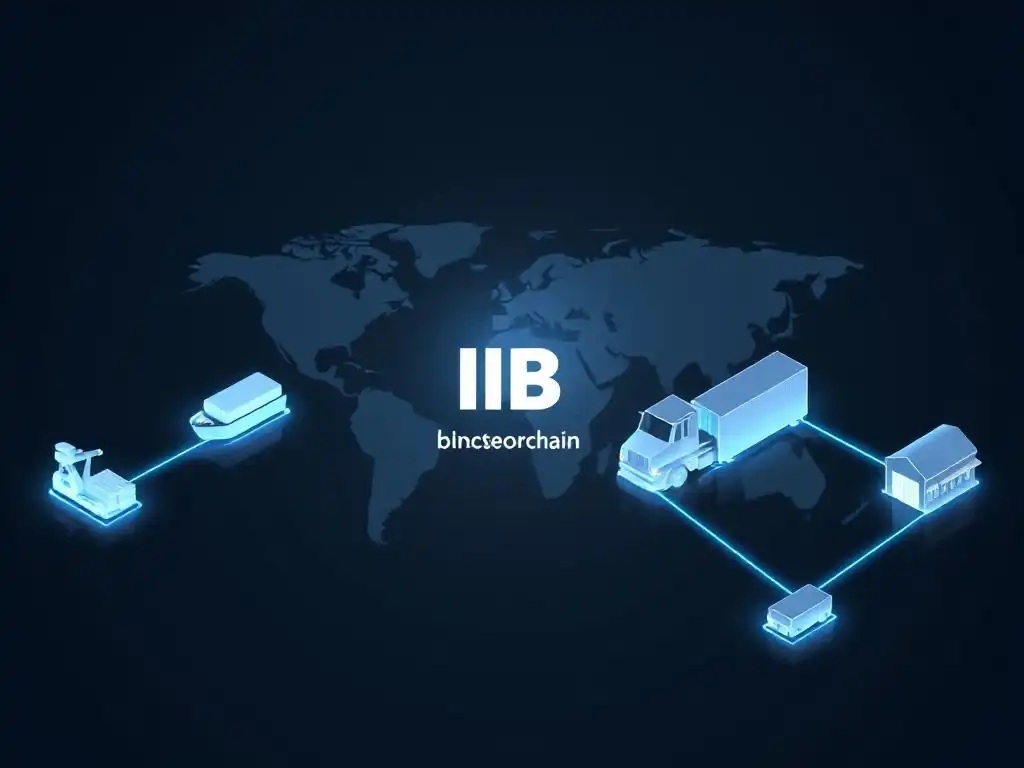
Identifying Key Participants and Defining Network Governance
Implementing a consortium blockchain begins with identifying the core group of participants who will form the network. These should be the key stakeholders across your supply chain who stand to benefit most from enhanced collaboration and transparency. Once identified, establishing clear rules for network governance is crucial. This involves defining:
- Membership criteria and onboarding processes.
- Roles and responsibilities of different participants.
- Decision-making processes for network upgrades or rule changes.
- Dispute resolution mechanisms.
- Policies around data ownership and access.
A well-defined governance model ensures that the network operates smoothly and fairly for all members of the blockchain supply chain collaboration networks.
Choosing the Right Blockchain Platform and Technology
Selecting the appropriate blockchain platform is a critical technical decision. Various platforms exist, including Hyperledger Fabric, R3 Corda, and Quorum, each offering different features, consensus mechanisms, and suitability for enterprise use cases. Factors to consider include:
- Permissioning capabilities.
- Performance and scalability requirements (transactions per second).
- Data privacy features (e.g., private data collections).
- Smart contract language and ease of development.
- Integration capabilities with existing systems.
- Cost of deployment and maintenance.
The choice of technology stack will significantly impact the network's capabilities and ease of use for all participants in the blockchain supply chain collaboration networks.
Developing Smart Contracts for Specific Supply Chain Processes
Smart contracts are the engine of automation within a consortium blockchain. Identifying key processes within your supply chain that can be automated and codified into smart contracts is essential. This might include:
- Automated payments upon delivery or inspection.
- Automated compliance checks based on uploaded certifications.
- Triggering notifications based on shipment milestones.
- Managing digital identities and permissions.
Developing robust and secure smart contracts requires careful planning, coding, and auditing to ensure they function as intended and cover all necessary business logic for the blockchain supply chain collaboration networks.
Ensuring Data Privacy and Compliance with Regulations
While blockchain provides transparency, consortium blockchains allow for crucial data privacy. Techniques like channel-based access (in Hyperledger Fabric) or confidential transactions (in Corda) can restrict sensitive data visibility to only the relevant parties within the consortium, while still maintaining a shared, immutable record of the transaction itself.
Furthermore, ensuring compliance with various regulations (like GDPR for data privacy, or industry-specific regulations like DSCSA in pharmaceuticals) is paramount. The network design and governance must incorporate mechanisms to meet these legal requirements, which is a complex but necessary step for building compliant blockchain supply chain collaboration networks.
Integrating with Existing ERP and Supply Chain Management Systems
A consortium blockchain network will likely not replace all existing systems but rather augment them. Successful implementation requires seamless integration with legacy Enterprise Resource Planning (ERP) systems, Warehouse Management Systems (WMS), Transportation Management Systems (TMS), and other supply chain software.
APIs and middleware are typically used to connect these systems to the blockchain, allowing data to flow between them. This integration ensures that the blockchain enhances, rather than disrupts, existing operations, allowing companies to leverage their current investments while gaining the benefits of blockchain supply chain collaboration networks.
Challenges and Considerations for Consortium Blockchain Adoption
Scalability and Performance of Consortium Networks
While generally more performant than public blockchains, consortium networks still face scalability challenges as the number of participants and transactions grows. The consensus mechanism, network infrastructure, and data storage requirements can impact transaction throughput and latency.
Choosing a platform designed for enterprise scale and optimizing network architecture are crucial. Ongoing monitoring and potential upgrades will be necessary to ensure the network can handle increasing volumes of data and transactions as the blockchain supply chain collaboration networks expand.
Interoperability with Other Blockchain and Legacy Systems
Supply chains often interact with multiple networks and systems. Ensuring interoperability between your consortium blockchain and other blockchain networks (potentially used by partners in different supply chains) or existing legacy systems is a significant challenge. Data standards and common protocols are needed to facilitate seamless data exchange.
Developing standardized APIs and data models is key to enabling communication between disparate systems. Lack of interoperability can create data silos, limiting the network's overall effectiveness as a comprehensive blockchain supply chain collaboration network.
Data Privacy and Security Concerns in a Collaborative Environment
Despite permissioned access, sharing sensitive business data, even within a trusted consortium, raises privacy concerns. Defining what data is shared on the ledger versus what is kept off-chain, and controlling who has access to specific data points, requires careful planning and technical implementation.
Robust security protocols, including identity management, encryption, and regular security audits, are essential to protect the network from cyber threats. Building and maintaining trust among participants regarding data handling practices is vital for the success of blockchain supply chain collaboration networks.
Regulatory Compliance and Legal Frameworks
The legal and regulatory landscape for blockchain technology is still evolving in many jurisdictions. Ensuring that the consortium blockchain complies with relevant laws regarding data privacy, electronic signatures, smart contracts, and industry-specific regulations can be complex.
Participants need to agree on the legal framework governing the network and the enforceability of smart contracts. Navigating these legal complexities requires expert advice and careful consideration during the network design phase for blockchain supply chain collaboration networks.
Overcoming Inertia and Fostering Collaboration Among Participants
Adopting a consortium blockchain requires significant organizational change and investment from all participating companies. Overcoming inertia, aligning the interests of diverse stakeholders, and fostering a culture of collaboration can be challenging. Participants need to see a clear return on investment and understand the collective benefits.
Effective communication, education, and change management strategies are necessary to ensure buy-in from all parties. Demonstrating early successes and tangible benefits can help drive adoption and strengthen the commitment to the blockchain supply chain collaboration networks.
The Future of Blockchain Supply Chain Collaboration Networks
The Evolution of Consortium Blockchains and Their Impact
Consortium blockchains are continuously evolving, with ongoing advancements in scalability, privacy features, and ease of use. As the technology matures and best practices emerge, their implementation will become more straightforward and cost-effective. The impact on supply chains will be profound, moving from siloed, opaque systems to interconnected, transparent, and highly efficient networks.
This evolution will likely see consortiums becoming more interconnected themselves, forming networks of networks that span entire industries or global trade routes. The fundamental shift towards trustless data sharing and automated processes will redefine how businesses collaborate within these powerful blockchain supply chain collaboration networks.
Integration with IoT and AI for Enhanced Automation
The combination of consortium blockchains with other emerging technologies like the Internet of Things (IoT) and Artificial Intelligence (AI) holds immense potential for future supply chain optimization. IoT devices (sensors, GPS trackers) can feed real-time data directly onto the blockchain, verifying conditions like temperature, location, or status without human intervention.
AI can analyze the vast amounts of data collected on the blockchain to identify patterns, predict potential disruptions, optimize routes, or detect anomalies indicative of fraud. This integration will create highly intelligent and automated blockchain supply chain collaboration networks, enabling proactive management and greater resilience.
The Role of Blockchain in Building More Resilient and Sustainable Supply Chains
The enhanced visibility and traceability offered by blockchain are crucial for building more resilient and sustainable supply chains. By having a clear view of product origins and flows, companies can better assess and manage risks, such as disruptions from natural disasters or geopolitical events. Traceability also supports sustainability efforts by verifying ethical sourcing, tracking carbon footprints, and managing waste streams.
Consortium blockchains can facilitate the sharing of sustainability data among partners, allowing for collective reporting and improvement initiatives. This transparency encourages accountability and drives positive environmental and social impact within blockchain supply chain collaboration networks.
Increasing Adoption and Standardization of Consortium Blockchain Networks
As the benefits become clearer and successful use cases proliferate, the adoption of consortium blockchain networks in supply chain management is expected to increase significantly. This growing adoption will likely lead to greater standardization of protocols, data formats, and governance models across different industries.
Standardization will lower implementation barriers, facilitate interoperability, and create a more interconnected global trade ecosystem built on shared trust and transparency. The future will see blockchain supply chain collaboration networks becoming a standard component of modern, efficient, and trustworthy supply chain operations.
Conclusion: Harnessing the Power of Consortium Blockchains for Supply Chain Transformation
Frequently Asked Questions
What is a consortium blockchain, and why is it relevant to supply chain collaboration?
A consortium blockchain is a permissioned blockchain where control is shared among a group of organizations, not a single entity. This shared control makes it ideal for supply chain collaboration by fostering trust and transparency among participants.
How does a consortium blockchain enhance supply chain visibility?
By recording all transactions and data on a shared, immutable ledger, a consortium blockchain provides end-to-end visibility across the entire supply chain. This improved traceability enables faster problem resolution and reduces the risk of fraud.
What are the key benefits of using a consortium blockchain for supply chain management?
The primary benefits include increased efficiency through automation, reduced costs by eliminating intermediaries, and enhanced security due to the distributed and tamper-proof nature of the blockchain.
What are some challenges in implementing a consortium blockchain for supply chain collaboration networks?
Challenges include establishing governance structures among participating organizations, ensuring data privacy and security, and achieving interoperability with existing legacy systems.
How does a consortium blockchain contribute to building trust in supply chain collaboration?
Consortium blockchains foster trust by providing a shared, verifiable record of all transactions and data. This transparency and immutability reduce disputes and build confidence among supply chain partners.
Final Reflection: Forging Trust in Supply Chains
The exploration of consortium blockchains reveals a powerful truth: collaboration, not competition, is the key to unlocking the full potential of supply chain networks. In today's interconnected world, where global events can ripple through supply chains with devastating speed, the need for transparency, efficiency, and resilience has never been greater. Consortium blockchains offer a tangible solution, fostering trust and enabling seamless data sharing among diverse stakeholders.
This technology's impact extends far beyond mere efficiency gains; it's reshaping the very fabric of how businesses interact and build relationships. The shift towards decentralized trust, facilitated by blockchain, is not just a technological advancement, but a cultural one, demanding a re-evaluation of traditional power dynamics and a commitment to shared governance. The best way to predict the future is to create it.
- Peter Drucker. This quote encapsulates the proactive spirit required to embrace consortium blockchains and build the collaborative supply chains of tomorrow.
Now, consider how you can contribute to this future. Reflect on your own role within the supply chain ecosystem, whether as a producer, distributor, or consumer. Ask yourself: how can you champion transparency, promote collaboration, and leverage the power of blockchain to build more resilient and ethical supply chains? The opportunity to forge a future built on trust is within our grasp; let us seize it together.
I'm ready. Please provide the article content so I can craft a compelling call to action. I need to understand the context of the article to create a relevant and engaging prompt.
Leave a Reply