
Preventing IoT Data Breaches: The Blockchain Advantage Explored


Welcome to Blockchain Trends, your guide to understanding the revolutionary impact of blockchain technology!
Imagine a world where your IoT devices are impervious to cyberattacks, and the data they generate is unalterably secure. In our latest exploration, we delve into precisely that potential, uncovering how blockchain secures IoT data. Discover the innovative solutions and game-changing strategies that are shaping the future of decentralized security and preventing devastating data breaches. Intrigued? Let's unlock the power of blockchain in the Internet of Things...
Preventing IoT Data Breaches: The Blockchain Advantage Explored
- Introduction: The Growing Threat to IoT Security and the Need for Robust Solutions
- Understanding the IoT Security Landscape: Current Challenges and Weaknesses
- How Blockchain Secures IoT Data: A Deep Dive
- Blockchain-Based Solutions for IoT Security: Real-World Applications
- Case Study: Securing Smart Meter Data with Blockchain
- Benefits of Using Blockchain to Secure IoT Data
- Addressing the Challenges of Integrating Blockchain with IoT
- The Future of Blockchain in IoT Security: Trends and Predictions
- Conclusion: Blockchain as a Critical Component of a Secure IoT Future
-
Frequently Asked Questions
- How does blockchain technology enhance the security of IoT data?
- What are the main vulnerabilities of traditional IoT systems that blockchain addresses?
- Can blockchain help with device authentication in IoT networks?
- How can blockchain improve data privacy in IoT environments?
- What are some potential challenges to widespread adoption of blockchain for securing IoT data?
- Final Reflection: Securing Tomorrow's Connections
- Empower Your IoT Security Today!
Introduction: The Growing Threat to IoT Security and the Need for Robust Solutions
The Vulnerability of IoT Devices to Data Breaches
The Internet of Things (IoT) has exploded in recent years, connecting billions of devices ranging from smart home appliances to industrial sensors. This interconnectedness, while offering unprecedented convenience and efficiency, has also created a vast and increasingly vulnerable attack surface. IoT devices, often designed with minimal security features and processing power, are prime targets for cyberattacks.
A 2020 study by Palo Alto Networks found that 98% of IoT device traffic is unencrypted, exposing sensitive data transmitted by these devices. Furthermore, many IoT devices rely on default passwords and outdated software, making them easy entry points for malicious actors. This inherent vulnerability poses significant risks, as compromised IoT devices can be leveraged for data theft, denial-of-service attacks, and even physical harm in critical infrastructure settings.
The consequences of IoT data breaches are far-reaching. In healthcare, compromised medical devices can lead to patient data leaks and even jeopardize patient safety. In smart cities, attacks on connected infrastructure like traffic lights and energy grids can cause widespread disruption and chaos.
For businesses, breaches can result in financial losses, reputational damage, and regulatory penalties. The sheer volume and diversity of IoT devices exacerbate the problem, making traditional security approaches inadequate to effectively protect this expanding digital frontier. As the reliance on IoT continues to grow, the need for more robust and innovative security solutions becomes increasingly critical to mitigate these escalating threats.
The Rise of Blockchain as a Security Solution for IoT
Amidst the growing concerns surrounding IoT security, blockchain technology has emerged as a promising solution. Originally conceived as the foundation for cryptocurrencies like Bitcoin, blockchain's inherent security features are now being recognized for their potential to address the unique challenges of securing IoT ecosystems. Blockchain, with its decentralized, distributed, and cryptographically secured nature, offers a paradigm shift from traditional centralized security models. This technology provides a framework for establishing trust, transparency, and data integrity in interconnected environments, making it particularly well-suited for the complex and distributed nature of IoT networks.
The core principles of blockchain, such as immutability and cryptographic hashing, can address many of the vulnerabilities plaguing current IoT systems. By leveraging blockchain, it becomes possible to create tamper-proof records of device data and transactions, enhance device authentication and access control, and establish secure communication channels.
The potential of blockchain to secure IoT data is gaining traction across various industries, from supply chain management and healthcare to smart cities and industrial automation. As organizations grapple with the escalating threats to their IoT deployments, blockchain is increasingly being considered as a key technology to fortify their defenses and build a more secure and resilient IoT future.
Understanding the IoT Security Landscape: Current Challenges and Weaknesses
Centralized Architectures: A Single Point of Failure in IoT Systems
Many current IoT systems rely on centralized architectures, where data from numerous devices is aggregated and processed through central servers or cloud platforms. While this approach simplifies management and data analysis, it also introduces a significant single point of failure. If this central point is compromised, the entire IoT network becomes vulnerable.
Attackers can gain access to vast amounts of data, disrupt operations, and potentially control connected devices. Consider a smart home system managed through a central cloud service; a breach of this service could expose sensitive data from all connected homes and potentially allow remote control of devices like locks and cameras.
This centralized model also creates bottlenecks and scalability issues as the number of IoT devices grows exponentially. The central server becomes a target for denial-of-service (DoS) attacks, which can overwhelm the system and render it unusable. Furthermore, centralized systems often struggle to handle the massive volume of data generated by IoT devices in real-time.
The inherent vulnerability and scalability limitations of centralized architectures highlight the urgent need for more distributed and resilient security approaches for IoT, making the exploration of decentralized technologies like blockchain increasingly relevant. The reliance on central authorities for trust and security in IoT systems introduces inherent weaknesses that blockchain seeks to overcome.
Lack of Standardization and Security Protocols in IoT Devices
The rapid proliferation of IoT devices has been accompanied by a lack of universal standardization in security protocols and device manufacturing. This fragmented landscape means that devices from different manufacturers often employ disparate security measures, or lack them altogether. Many low-cost IoT devices, particularly those targeting consumer markets, are designed with minimal security in mind to reduce production costs and time to market. This results in a patchwork of security vulnerabilities across the IoT ecosystem. For example, inconsistencies in firmware update mechanisms across different brands leave some devices perpetually exposed to known vulnerabilities.
The absence of mandatory security standards also hinders interoperability and creates challenges for implementing consistent security policies across diverse IoT deployments. Organizations deploying IoT solutions often face the daunting task of managing devices with varying security capabilities, increasing the complexity and cost of securing their overall network. This lack of standardization makes it difficult to implement robust, unified security measures and exacerbates the risk of vulnerabilities being exploited. A cohesive approach to IoT security requires industry-wide collaboration to establish and enforce minimum security standards for device manufacturing and communication protocols.
The Increasing Complexity of IoT Networks and Attack Surfaces
IoT networks are becoming increasingly complex, encompassing a vast array of devices, communication protocols, and data streams. This complexity dramatically expands the attack surface, providing more opportunities for malicious actors to exploit vulnerabilities. The interconnected nature of IoT means that a single compromised device can potentially serve as a gateway to attack other devices and systems within the network. Consider an industrial control system with thousands of sensors and actuators communicating across multiple networks; securing each individual component and communication pathway becomes a formidable challenge.
The dynamic and often distributed nature of IoT deployments further complicates security management. Devices are frequently added, removed, and relocated, requiring continuous monitoring and adaptation of security measures. The sheer scale and heterogeneity of IoT environments make it difficult to maintain comprehensive visibility and control over all connected devices and their activities.
This expanding attack surface and escalating complexity necessitate a shift towards more agile, scalable, and resilient security solutions that can effectively address the evolving threats in the IoT landscape. As IoT networks continue to grow in size and sophistication, the challenge of securing them becomes increasingly critical and demanding.
How Blockchain Secures IoT Data: A Deep Dive
Decentralization and Distributed Ledgers for Enhanced Security
Blockchain's decentralized architecture offers a significant security advantage over traditional centralized systems. Instead of relying on a single point of control, blockchain distributes data and control across a network of nodes. This distributed ledger system eliminates the single point of failure inherent in centralized architectures, making it significantly more resilient to attacks. If one node is compromised, the rest of the network remains operational and secure, as the data and consensus mechanisms are distributed across multiple participants. This inherent redundancy and fault tolerance is crucial for ensuring the continuous operation and security of critical IoT infrastructure.
Furthermore, decentralization enhances transparency and trust within the IoT ecosystem. All participants in the blockchain network have access to a shared, immutable record of transactions and data. This transparency makes it more difficult for malicious actors to tamper with data or engage in fraudulent activities without detection.
The distributed consensus mechanisms employed by blockchain, such as Proof-of-Work or Proof-of-Stake, ensure that transactions are validated by multiple independent nodes, further enhancing the security and integrity of the data. By distributing trust and control, blockchain fundamentally strengthens the security posture of IoT systems, making it harder for attackers to compromise the entire network. Blockchain secures IoT data by removing central points of vulnerability.
Immutable Data Records: Preventing Data Tampering in IoT
One of blockchain's most powerful security features is data immutability. Once data is recorded on a blockchain, it becomes virtually impossible to alter or delete it retroactively. This immutability is achieved through cryptographic hashing, where each block of data is linked to the previous block using a unique hash. Any attempt to modify data in a previous block would require recalculating all subsequent hashes, which is computationally infeasible for a well-established blockchain network. This inherent immutability is particularly valuable for securing IoT data, as it ensures the integrity and authenticity of sensor readings, device logs, and transaction records.
In IoT applications, immutable data records are crucial for maintaining trust and accountability. For example, in supply chain tracking, blockchain can provide an auditable and tamper-proof record of product provenance and handling conditions. In healthcare, immutable medical device data logs can ensure the accuracy and reliability of patient monitoring and treatment records. This ability to prevent data tampering is essential for building secure and trustworthy IoT systems, particularly in critical applications where data integrity is paramount. Blockchain's immutable ledger effectively secures IoT data against unauthorized modifications, enhancing data reliability and trust.
Cryptographic Security: Protecting IoT Data with Encryption
Cryptography is at the heart of blockchain security, providing robust mechanisms for data encryption and secure communication. Blockchain utilizes various cryptographic techniques, including hashing and digital signatures, to protect data confidentiality and integrity. Encryption ensures that data is protected both in transit and at rest, making it unreadable to unauthorized parties. In IoT, where data is often transmitted wirelessly across potentially insecure networks, cryptographic encryption is crucial for safeguarding sensitive information.
Digital signatures, another key cryptographic feature of blockchain, provide authentication and non-repudiation. They ensure that data originates from a verified source and cannot be repudiated later. This is particularly important for device authentication and access control in IoT environments.
Blockchain-based identity management systems leverage digital signatures to securely verify the identity of devices and control their access to network resources and data. By employing strong cryptographic algorithms and protocols, blockchain provides a robust foundation for securing IoT data and communications against eavesdropping, tampering, and unauthorized access. The cryptographic security inherent in blockchain technology significantly secures IoT data transmissions and storage.
Access Control and Authentication: Managing Device Identities with Blockchain
Managing device identities and access control in large-scale IoT deployments is a significant security challenge. Traditional centralized access control systems can be complex to manage and vulnerable to single points of failure. Blockchain offers a decentralized and secure approach to device identity and access management. Using blockchain-based identity solutions, each IoT device can be assigned a unique digital identity that is securely stored and verified on the blockchain. This digital identity can be used to authenticate devices and control their access to network resources and data.
Blockchain enables granular access control policies to be enforced based on device identities and roles. Smart contracts, self-executing agreements encoded on the blockchain, can automate access control decisions and ensure that only authorized devices can access specific data or functionalities. This decentralized approach to identity management enhances security by eliminating reliance on centralized authorities and providing a tamper-proof record of device identities and access permissions. By leveraging blockchain, organizations can establish more secure and efficient device identity and access management systems for their IoT deployments, significantly improving overall IoT security. Blockchain secures IoT data access through robust identity management.
Blockchain-Based Solutions for IoT Security: Real-World Applications
Secure Data Sharing and Management in IoT Supply Chains
Supply chains are becoming increasingly complex and interconnected, relying heavily on IoT devices for tracking goods, monitoring conditions, and optimizing logistics. However, this interconnectedness also introduces vulnerabilities, particularly in data sharing and management across multiple stakeholders. Blockchain provides a secure and transparent platform for managing data across IoT-enabled supply chains. By recording data on a shared, immutable blockchain ledger, all participants in the supply chain can have access to verified and auditable information about product provenance, location, and condition.
This enhanced transparency and data integrity can significantly improve supply chain efficiency and security. For example, blockchain can be used to track the journey of temperature-sensitive goods, such as pharmaceuticals or food products, ensuring that they are maintained within specified temperature ranges throughout the supply chain. Any deviations from the required conditions can be immediately detected and addressed, reducing spoilage and ensuring product quality.
Furthermore, blockchain can facilitate secure data sharing between different stakeholders, such as manufacturers, distributors, retailers, and consumers, fostering greater trust and collaboration within the supply chain ecosystem. Blockchain secures IoT data within supply chains, enhancing transparency and trust.
Enhanced Device Identity and Access Management
As highlighted earlier, managing device identities and access control is crucial for IoT security. Blockchain-based solutions offer significant improvements over traditional centralized approaches. Companies like Filament and Xage Security are developing blockchain-based platforms that provide decentralized identity management for IoT devices. These platforms leverage blockchain to create secure and tamper-proof digital identities for devices, enabling robust authentication and access control mechanisms. By decentralizing identity management, these solutions eliminate single points of failure and enhance the overall security and resilience of IoT networks.
These blockchain-based identity solutions also simplify device onboarding and management. New devices can be securely registered on the blockchain and automatically granted appropriate access permissions based on predefined policies. This streamlines device management and reduces the administrative overhead associated with traditional centralized identity systems. Furthermore, blockchain-based identity management can enhance privacy by giving users greater control over their device data and access permissions. The development and adoption of blockchain-based device identity solutions are playing a crucial role in enhancing the security and manageability of IoT deployments. Blockchain secures IoT data access through improved device identity management.
Automated Security Audits and Threat Detection using Blockchain
Blockchain's inherent transparency and immutability can be leveraged to automate security audits and enhance threat detection in IoT environments. All device activities and data transactions recorded on the blockchain provide a comprehensive and auditable log of network events. This audit trail can be used to automatically detect anomalies and suspicious activities that may indicate security breaches or malicious behavior. For example, unusual data patterns or unauthorized access attempts can be flagged and investigated in real-time.
Furthermore, smart contracts can be used to automate security responses to detected threats. Upon detection of a security incident, smart contracts can automatically trigger predefined actions, such as isolating compromised devices, revoking access permissions, or initiating security protocols. This automated threat detection and response capability can significantly reduce response times and minimize the impact of security breaches.
Companies are exploring the use of blockchain and AI in combination to develop advanced threat detection systems for IoT, leveraging the strengths of both technologies to create more proactive and resilient security measures. Blockchain secures IoT data through enhanced auditability and automated threat detection.
Case Study: Securing Smart Meter Data with Blockchain
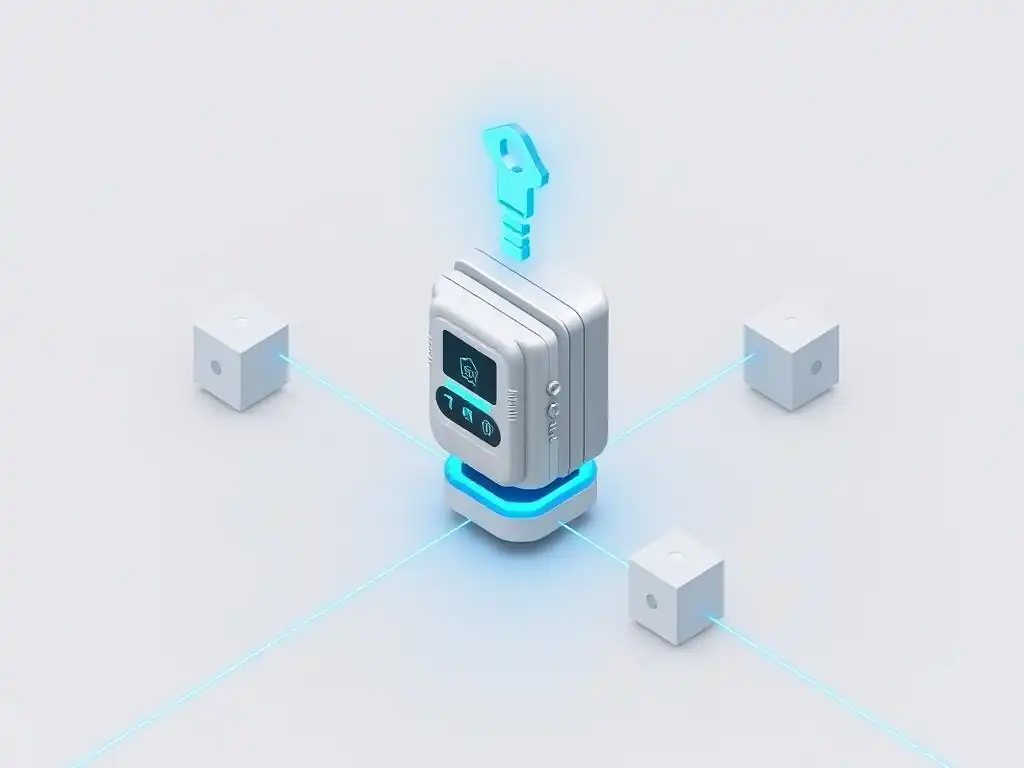
The Challenge: Protecting Sensitive Energy Consumption Data
Smart meters, deployed in millions of homes and businesses, collect granular data on energy consumption patterns. This data, while valuable for optimizing energy distribution and billing, is also highly sensitive and potentially vulnerable to privacy breaches and manipulation. Traditional smart meter infrastructure often relies on centralized data management systems, which can be targeted by attackers seeking to access or tamper with energy consumption data. A successful breach could expose sensitive information about household routines and energy usage habits, potentially leading to privacy violations or even enabling targeted burglaries based on predictable energy consumption patterns.
Furthermore, the integrity of smart meter data is crucial for accurate billing and grid management. Manipulation of meter readings could lead to financial losses for energy providers and consumers, as well as disrupt the stability of the energy grid. The challenge lies in securing this sensitive data in a cost-effective and scalable manner, ensuring both data privacy and data integrity in the face of evolving cyber threats. Protecting sensitive energy consumption data is a critical challenge for smart meter deployments.
The Solution: Implementing a Permissioned Blockchain for Data Integrity
To address the security challenges of smart meter data, permissioned blockchain solutions are being explored and implemented. A permissioned blockchain, unlike a public blockchain, restricts network participation to authorized entities, such as energy providers, grid operators, and regulatory bodies. This controlled access ensures that only trusted parties can participate in the blockchain network and validate transactions. In the context of smart meters, a permissioned blockchain can be used to securely record and manage meter readings, ensuring data integrity and preventing unauthorized modifications.
Implementing a permissioned blockchain for smart meter data provides a decentralized and tamper-proof ledger of energy consumption records. Each meter reading is recorded as a transaction on the blockchain, cryptographically signed and timestamped, making it auditable and immutable. This approach enhances data integrity by eliminating the possibility of data tampering by individual entities or malicious actors.
Furthermore, the decentralized nature of blockchain reduces reliance on centralized data storage and management systems, mitigating the risk of single points of failure and enhancing the overall security and resilience of the smart meter infrastructure. Permissioned blockchain secures IoT data from smart meters, enhancing data integrity.
The Results: Enhanced Data Security and Regulatory Compliance
Implementing a permissioned blockchain for smart meter data has demonstrated significant results in enhancing data security and facilitating regulatory compliance. The enhanced data integrity provided by blockchain ensures the accuracy and reliability of meter readings, reducing billing disputes and improving trust between energy providers and consumers. The immutable audit trail of energy consumption data simplifies regulatory compliance by providing verifiable records of data collection and processing practices. This transparency and accountability can help energy providers meet stringent data privacy regulations and demonstrate adherence to industry standards.
Moreover, the decentralized security architecture of blockchain reduces the risk of large-scale data breaches and enhances the overall security posture of the smart meter infrastructure. By distributing data and control across multiple authorized participants, blockchain makes it significantly harder for attackers to compromise the entire system. The successful implementation of blockchain in smart meter applications demonstrates the practical benefits of this technology for securing sensitive IoT data and building more resilient and trustworthy IoT ecosystems. Blockchain secures IoT data in smart meters, improving security and regulatory compliance.
Benefits of Using Blockchain to Secure IoT Data
Enhanced Data Integrity and Trust
Blockchain technology inherently enhances data integrity and trust in IoT ecosystems. The immutable nature of blockchain ensures that data recorded on the ledger cannot be altered or tampered with, providing a verifiable and trustworthy record of events and transactions. This is crucial for IoT applications where data accuracy and reliability are paramount, such as in supply chain tracking, healthcare monitoring, and industrial automation. By establishing a shared and immutable source of truth, blockchain fosters greater trust among stakeholders and reduces the need for intermediaries to verify data integrity.
The cryptographic mechanisms employed by blockchain further contribute to data integrity by ensuring that data is protected from unauthorized modifications and that its origin can be reliably verified. Digital signatures and cryptographic hashing provide strong guarantees of data authenticity and non-repudiation. This enhanced data integrity and trust are fundamental benefits of using blockchain to secure IoT data, paving the way for more reliable and trustworthy IoT applications across various industries. Blockchain secures IoT data, leading to enhanced data integrity and trust.
Improved Security and Reduced Risk of Data Breaches
Blockchain's decentralized architecture and robust cryptographic security significantly improve the overall security of IoT systems and reduce the risk of data breaches. By eliminating single points of failure and distributing control across a network of nodes, blockchain makes it more resilient to attacks and less vulnerable to large-scale compromises. The cryptographic encryption and access control mechanisms inherent in blockchain provide strong defenses against unauthorized access, data theft, and manipulation.
The immutable audit trail provided by blockchain also enhances security by enabling rapid detection and response to security incidents. Any unauthorized activity or data tampering attempts are readily visible in the blockchain ledger, allowing for prompt investigation and remediation. Furthermore, the decentralized nature of blockchain makes it more difficult for attackers to compromise the entire system, as they would need to compromise a significant portion of the network nodes to succeed.
These security advantages make blockchain a powerful tool for mitigating the growing threats to IoT security and reducing the risk of costly data breaches. Blockchain secures IoT data, improving security and reducing breach risks.
Increased Transparency and Auditability
Transparency and auditability are key benefits of using blockchain to secure IoT data. The shared and distributed ledger provides a transparent record of all transactions and data events, accessible to authorized participants in the network. This transparency enhances accountability and enables easier auditing of data and system operations. In regulated industries, such as healthcare and finance, the auditability provided by blockchain can simplify compliance and reduce the burden of manual audits.
The immutable nature of blockchain ensures that audit trails are tamper-proof and reliable. Auditors can independently verify the integrity of data and system logs without relying on centralized authorities or potentially biased intermediaries. This increased transparency and auditability can foster greater trust and confidence in IoT systems, particularly in applications where data integrity and accountability are critical. Blockchain secures IoT data, enhancing transparency and auditability.
Streamlined Data Management and Sharing
Blockchain can streamline data management and sharing in complex IoT ecosystems. The decentralized and distributed nature of blockchain eliminates the need for centralized data repositories and intermediaries, simplifying data sharing between authorized parties. Smart contracts can automate data sharing agreements and enforce access control policies, ensuring that data is shared securely and efficiently. This streamlined data management and sharing can reduce administrative overhead and improve operational efficiency in IoT deployments.
Furthermore, blockchain can facilitate interoperability between different IoT devices and platforms by providing a common data layer and standardized data formats. This can simplify integration and data exchange across heterogeneous IoT environments, enabling seamless data flow and improved system efficiency. By streamlining data management and sharing, blockchain can unlock the full potential of IoT data and facilitate the development of more integrated and efficient IoT applications. Blockchain secures IoT data management and sharing, streamlining processes.
Addressing the Challenges of Integrating Blockchain with IoT
Scalability Issues with Blockchain for Large IoT Networks
One of the primary challenges in integrating blockchain with IoT is scalability. Traditional blockchain platforms, like Bitcoin and Ethereum, were not designed to handle the massive transaction volumes and data throughput generated by large-scale IoT networks. The consensus mechanisms used in many blockchains, such as Proof-of-Work, can be computationally intensive and slow, limiting transaction processing speeds. For IoT applications that require real-time data processing and high transaction volumes, scalability limitations of traditional blockchains can be a significant bottleneck.
However, ongoing research and development efforts are focused on addressing blockchain scalability challenges for IoT. Newer blockchain protocols are being designed with improved scalability in mind, employing techniques such as sharding, sidechains, and layer-2 solutions to increase transaction throughput and reduce latency. Furthermore, permissioned blockchains, which have a smaller number of participants and more efficient consensus mechanisms, are better suited for many IoT applications and offer improved scalability compared to public blockchains. Addressing scalability is crucial for widespread blockchain adoption in large IoT networks.
Interoperability Challenges with Different IoT Devices and Platforms
Interoperability is another significant challenge in integrating blockchain with the diverse and fragmented IoT landscape. IoT devices and platforms often use different communication protocols, data formats, and security standards. Integrating blockchain with this heterogeneous environment requires addressing interoperability challenges to ensure seamless data exchange and communication across different systems. Lack of interoperability can hinder the adoption of blockchain-based solutions and limit their effectiveness in complex IoT deployments.
To address interoperability challenges, standardization efforts are crucial. Developing common data formats, communication protocols, and APIs for blockchain-based IoT solutions can facilitate interoperability and simplify integration across different platforms. Furthermore, blockchain interoperability solutions, such as cross-chain bridges and atomic swaps, are being developed to enable seamless communication and data exchange between different blockchain networks and IoT systems. Overcoming interoperability challenges is essential for realizing the full potential of blockchain in IoT.
Energy Consumption and Resource Constraints of Blockchain on IoT Devices
Energy consumption and resource constraints are important considerations when integrating blockchain with resource-constrained IoT devices. Many IoT devices, particularly those operating on battery power or with limited processing capabilities, may not be able to handle the computational demands of traditional blockchain protocols. The energy-intensive nature of some consensus mechanisms, like Proof-of-Work, can be particularly problematic for resource-constrained IoT devices. Deploying full blockchain nodes on such devices may be impractical due to energy and processing limitations.
To address these challenges, lightweight blockchain solutions and alternative consensus mechanisms are being developed for IoT. These solutions aim to reduce the computational overhead and energy consumption of blockchain operations, making them more suitable for resource-constrained IoT devices. Edge computing and off-chain processing techniques can also be used to offload computationally intensive tasks from IoT devices to more powerful edge servers or cloud platforms. Optimizing energy consumption and resource utilization is crucial for enabling blockchain integration with a wider range of IoT devices.
The Future of Blockchain in IoT Security: Trends and Predictions
The Convergence of Blockchain, AI, and IoT for Enhanced Security
The future of IoT security is likely to be shaped by the convergence of blockchain, artificial intelligence (AI), and IoT. These three technologies are highly complementary and can synergistically enhance security in interconnected environments. Blockchain provides a secure and transparent infrastructure for data management and identity management in IoT, while AI can be used to analyze vast amounts of IoT data and detect security threats in real-time. The combination of blockchain and AI can create more intelligent and proactive security systems for IoT.
AI algorithms can be trained on blockchain-recorded IoT data to identify anomalies, predict potential security breaches, and automate security responses. Blockchain can provide a secure and auditable platform for AI models and data, ensuring the integrity and trustworthiness of AI-driven security solutions. This convergence of blockchain, AI, and IoT has the potential to revolutionize IoT security, moving from reactive security measures to proactive and predictive threat prevention. The future of IoT security lies in the convergence of Blockchain, AI, and IoT.
The Development of New Blockchain Protocols Optimized for IoT
The future will witness the development of new blockchain protocols specifically optimized for the unique requirements of IoT. Existing blockchain platforms were not originally designed for the scale, resource constraints, and specific security needs of IoT environments. New blockchain protocols are being engineered to address these challenges, focusing on scalability, energy efficiency, interoperability, and lightweight implementations suitable for resource-constrained IoT devices.
These IoT-optimized blockchain protocols may incorporate features such as delegated Proof-of-Stake (dPoS) or Proof-of-Authority (PoA) consensus mechanisms to reduce energy consumption and improve transaction throughput. They may also be designed with built-in interoperability features to facilitate seamless integration with diverse IoT devices and platforms. The development of these specialized blockchain protocols will be crucial for accelerating the adoption of blockchain in IoT and unlocking its full potential for securing interconnected devices and systems. New blockchain protocols optimized for IoT will drive future adoption.
The Growing Adoption of Blockchain-Based Security Solutions in Various IoT Industries
The adoption of blockchain-based security solutions in various IoT industries is expected to grow significantly in the coming years. As organizations increasingly recognize the security vulnerabilities of traditional IoT systems and the potential of blockchain to address these challenges, they are exploring and implementing blockchain-based solutions for a wide range of IoT applications. Industries such as supply chain management, healthcare, manufacturing, smart cities, and automotive are at the forefront of adopting blockchain for IoT security.
In supply chains, blockchain is being used to secure product provenance, track goods in real-time, and prevent counterfeiting. In healthcare, blockchain is enhancing the security and privacy of patient data collected by medical IoT devices. In industrial IoT, blockchain is securing critical infrastructure and improving the security of industrial control systems. This growing adoption across diverse industries reflects the increasing recognition of blockchain as a critical component of a secure IoT future. The adoption of blockchain to secure IoT data will grow across industries.
Conclusion: Blockchain as a Critical Component of a Secure IoT Future
Recap of the Benefits of Blockchain for IoT Security
Blockchain technology offers a compelling set of benefits for securing IoT data and infrastructure. Its decentralized architecture, immutable data records, cryptographic security, and robust access control mechanisms provide a strong foundation for building more secure and resilient IoT ecosystems. Blockchain enhances data integrity and trust, reduces the risk of data breaches, increases transparency and auditability, and streamlines data management and sharing in complex IoT environments. While challenges related to scalability, interoperability, and resource constraints need to be addressed, ongoing advancements and innovations are paving the way for wider blockchain adoption in IoT.
Blockchain secures IoT data by providing a decentralized, transparent, and immutable platform for managing data and identities. Its inherent security features address many of the vulnerabilities plaguing traditional centralized IoT systems. As the number and complexity of IoT devices continue to grow, blockchain is poised to become an increasingly critical component of a secure IoT future, providing the necessary security and trust infrastructure to enable the full potential of interconnected devices and systems.
Call to Action: Embracing Blockchain to Protect IoT Data
The escalating threats to IoT security demand a proactive and innovative approach. Organizations deploying IoT solutions must recognize the inherent vulnerabilities of traditional security models and embrace new technologies like blockchain to fortify their defenses. By exploring and implementing blockchain-based security solutions, businesses can significantly enhance the security, resilience, and trustworthiness of their IoT deployments.
Embracing blockchain to secure IoT data is not just a technological upgrade; it is a strategic imperative for building a secure and sustainable IoT future. It is time for organizations to take action and leverage the power of blockchain to protect their IoT data and unlock the transformative potential of interconnected devices in a secure and responsible manner.
Frequently Asked Questions
How does blockchain technology enhance the security of IoT data?
Blockchain provides a decentralized and immutable ledger, ensuring data integrity and preventing tampering. This creates a trustworthy record of IoT device interactions and data transmissions, significantly reducing the risk of breaches.
What are the main vulnerabilities of traditional IoT systems that blockchain addresses?
Traditional IoT systems often rely on centralized servers, making them single points of failure and attractive targets for hackers. Blockchain offers a distributed and secure alternative, mitigating these risks.
Can blockchain help with device authentication in IoT networks?
Yes, blockchain can facilitate secure device authentication by creating unique digital identities for each IoT device. This helps prevent unauthorized devices from accessing the network and compromising data integrity.
How can blockchain improve data privacy in IoT environments?
Blockchain can enable selective data sharing and access control, allowing users to determine who can access their IoT data. This enhances privacy and empowers users with greater control over their information.
What are some potential challenges to widespread adoption of blockchain for securing IoT data?
Challenges include scalability limitations of some blockchains, the energy consumption associated with certain consensus mechanisms, and the complexity of integrating blockchain with existing IoT infrastructure.
Final Reflection: Securing Tomorrow's Connections
The proliferation of IoT devices has undeniably revolutionized our lives, but it has also opened Pandora's Box of security vulnerabilities. The urgent need for robust data protection in the IoT ecosystem is now paramount, as evidenced by the increasing frequency and severity of data breaches that threaten both individual privacy and critical infrastructure.
The exploration of blockchain technology as a solution to these challenges is not merely a theoretical exercise; it's a necessary step towards building a more secure and trustworthy digital future. Witnessing the potential of decentralized, immutable ledgers to safeguard sensitive data has been profoundly impactful, highlighting the importance of proactive security measures in a world increasingly reliant on interconnected devices. Security is not a product, but a process.
- Bruce Schneier. This quote perfectly encapsulates the ongoing commitment required to protect IoT data in an ever-evolving threat landscape.
As we stand at the cusp of a hyper-connected world, let us not be passive observers. Let us embrace the potential of blockchain and other innovative technologies to fortify our digital defenses. Consider how you can advocate for and implement stronger security practices in your own life and within your organizations. The future of the Internet of Things depends on our collective commitment to ensuring that Blockchain secures IoT data, creating a safer and more reliable connected world for all.
Empower Your IoT Security Today!
Thank you for exploring the role of blockchain in enhancing IoT security with us! We hope you've gained valuable insights into how this technology can strengthen your defenses against data breaches. Now, it's time to take action and safeguard your IoT environment.
Here's what you can do next:
- Implement a proof-of-concept project that uses blockchain to secure a small part of your IoT infrastructure. This is a significant step toward improving security.
- Share this article with your colleagues and network to raise awareness about the importance of blockchain in IoT security. Together, we can build a safer digital future.
- Explore additional articles on Blockchain Trends related to IoT security and decentralized technologies to deepen your understanding and discover innovative solutions.
What specific IoT security challenge are you most eager to address with blockchain after reading this? Share your thoughts below!
Leave a Reply