
Blockchain for Food Logistics: Ensuring Freshness and Traceability from Farm to Fork

Welcome to Blockchain Trends, your compass in the rapidly evolving world of decentralized technologies!
Ever wondered how blockchain can revolutionize industries beyond cryptocurrency? We delve deep into the transformative potential of this technology, exploring its applications in DeFi, enterprise solutions, and the regulatory landscape shaping its future.
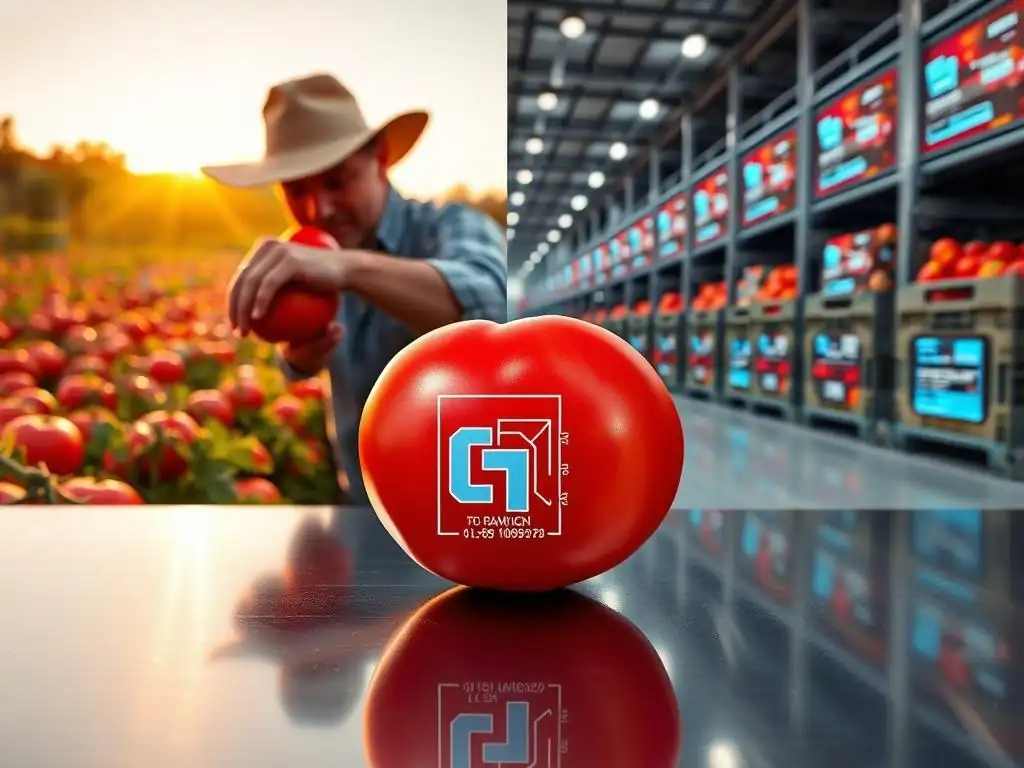
But how does blockchain impact your everyday life? Today, we shine a spotlight on blockchain food traceability solutions, uncovering how this innovative technology is ensuring freshness and transparency in your food supply chain. Prepare to discover how blockchain is revolutionizing food logistics, from farm to fork, and what it means for the future of food safety. Intrigued? Keep reading to learn more!
Blockchain for Seafood Logistics: Ensuring Sustainability and Traceability from Ocean to Plate
- Introduction: The Need for Enhanced Seafood Traceability
- Understanding Blockchain Technology for Seafood Logistics
- Blockchain Seafood Traceability Solutions: A Deep Dive
- Benefits of Implementing Blockchain Seafood Traceability Solutions
- Real-World Examples of Blockchain in Seafood Logistics
- Overcoming Challenges in Blockchain Seafood Traceability Implementation
- The Future of Blockchain in Seafood Supply Chains
- Conclusion: Revolutionizing Seafood Logistics with Blockchain
-
Frequently Asked Questions
- How does blockchain enhance food traceability?
- What are the key benefits of using blockchain in food logistics?
- Can blockchain help reduce food waste in the supply chain?
- What are some current challenges in implementing blockchain food traceability solutions?
- How does blockchain address concerns about food fraud and authenticity?
- Final Reflection: Cultivating Trust in Every Bite
- Ignite Your Food Supply Chain Knowledge!
Introduction: The Need for Enhanced Seafood Traceability
The global seafood industry is a complex web stretching from remote fishing grounds and aquaculture farms to processing plants, distributors, retailers, and ultimately, consumers. This intricate supply chain is fraught with challenges, including illegal, unreported, and unregulated (IUU) fishing, seafood fraud, mislabelment, and issues ensuring product quality and safety across vast distances and varied conditions. Consumers are increasingly demanding transparency regarding the origin, journey, and sustainability of the seafood they purchase.
Regulatory bodies worldwide are also tightening requirements for traceability to combat illicit activities and protect marine ecosystems. Addressing these multifaceted issues requires innovative approaches that can bring unprecedented levels of transparency, security, and efficiency to the seafood supply chain. Traditional paper-based systems or fragmented digital databases often fail to provide the necessary real-time, verifiable information needed to build trust and ensure compliance.
The Challenges in Traditional Seafood Supply Chains
Traditional seafood supply chains often suffer from opacity and fragmentation. Information about a fish's journey – from the moment it is caught or harvested to when it reaches the plate – is typically recorded in disparate systems, if at all. This lack of a unified, secure record makes it difficult to verify critical data points such as catch location, date, species, fishing method, and subsequent handling and processing stages.
The reliance on manual data entry and paper trails introduces significant opportunities for error, delay, and deliberate manipulation. For instance, estimates suggest that up to 30% of seafood sold globally may be mislabeled, impacting consumer health, fair trade practices, and conservation efforts. The inability to quickly and accurately trace the source of seafood also poses serious risks during food safety incidents, making recalls slow and ineffective, potentially leading to widespread illness.
Furthermore, the complexity of international seafood trade involves numerous intermediaries, each adding a layer of information asymmetry. This makes it challenging to track compliance with strict fishing quotas, environmental regulations, and labor standards across different jurisdictions. The lack of end-to-end visibility hinders efforts to combat IUU fishing, which is estimated to cost the global economy tens of billions of dollars annually and severely threatens marine biodiversity. Without robust, verifiable data on provenance and handling, ensuring the sustainability claims of seafood products becomes incredibly difficult, undermining consumer confidence and the efforts of responsible producers.
Why Blockchain Seafood Traceability Solutions are Essential
The inherent characteristics of blockchain technology – its distributed, immutable, and transparent ledger – make it uniquely suited to address the challenges plaguing the traditional seafood supply chain. Implementing blockchain seafood traceability solutions provides a secure and shared platform for all stakeholders, from fishers and farmers to processors, transporters, retailers, and even regulators, to record and access critical data throughout the product's journey. Once data is recorded on the blockchain, it is extremely difficult to alter or remove, creating a trustworthy and permanent record of provenance and handling. This immutability is crucial for verifying authenticity and combating fraud.
Leveraging blockchain for seafood traceability enables unprecedented levels of transparency. Consumers, armed with a simple QR code on packaging, could potentially access detailed information about their seafood's origin, catch date, processing history, and even sustainability certifications. This direct line of information builds trust and empowers consumers to make informed choices.
For businesses, robust blockchain seafood traceability solutions streamline audits, improve recall efficiency, and provide verifiable proof of compliance with regulations. This not only mitigates risks but also enhances brand reputation and potentially unlocks new markets sensitive to sustainability and ethical sourcing. The implementation of such solutions moves the industry towards a more accountable, efficient, and sustainable future.
Understanding Blockchain Technology for Seafood Logistics
Blockchain technology operates as a decentralized, distributed ledger that records transactions across many computers. Each transaction is grouped into a 'block', and these blocks are linked together in a chronological chain using cryptographic principles. This structure ensures that once a block is added to the chain, it cannot be altered without changing all subsequent blocks, which is computationally infeasible, especially on a large network.
In the context of seafood logistics, each step in the supply chain – from catch registration to final sale – can be recorded as a transaction on the blockchain. This creates a shared, single source of truth accessible to authorized participants, eliminating information silos and reducing reliance on intermediaries for verification. The distributed nature of the ledger means that the data is not stored in one central location, making it more resilient to cyberattacks and data loss.
The application of blockchain in seafood logistics moves beyond simple tracking; it provides a framework for building trust and accountability within a fragmented ecosystem. Unlike traditional databases where a single entity controls the data and can potentially modify it, a blockchain requires consensus mechanisms among participants to validate and add new blocks. This collaborative validation process enhances data integrity and reduces the risk of fraudulent entries.
For the seafood industry, where verifying claims about origin, species, and sustainability is paramount, this secure and verifiable record-keeping is a transformative capability. It establishes a foundation of trust that can support complex supply chain operations and interactions among diverse stakeholders located across the globe.
How Blockchain Enhances Transparency in the Seafood Supply Chain
Blockchain technology inherently promotes transparency by providing a shared, auditable ledger accessible to designated network participants. In the seafood supply chain, this means that information about a product's journey – including where and when it was caught or harvested, by whom, how it was processed, transported, and sold – can be recorded at each step. This data, once added to the blockchain, becomes visible to all authorized parties on the network, creating an end-to-end view of the supply chain.
For example, a processor receiving a batch of fish can verify its reported origin and catch date against the blockchain record created by the fishing vessel. Similarly, a retailer can check the temperature logs recorded during transportation against data points added by the logistics provider.
This shared visibility drastically reduces information asymmetry and makes it significantly harder for illicit activities like mislabeling or substituting lower-value species for higher-value ones to go unnoticed. Consumers, through a public interface or a dedicated app, can potentially trace their specific piece of fish back to its source, gaining confidence in its authenticity and ethical sourcing.
A study on a pilot program tracking tuna found that blockchain could provide verifiable data points for over 90% of the product's journey, compared to less than 10% in traditional systems. This level of granular, accessible information empowers stakeholders across the chain and builds unprecedented trust in the seafood product itself.
Immutability and Security: Key Advantages for Seafood Safety
The immutability of blockchain is a cornerstone of its value proposition for blockchain seafood traceability solutions, particularly concerning food safety. Once data is recorded on the blockchain – whether it's a catch record, a processing step, or a temperature reading during transport – it is cryptographically linked to the previous block, making it virtually impossible to alter or delete retroactively without the change being immediately obvious to all network participants.
This permanent, tamper-evident record ensures the integrity of critical food safety information throughout the supply chain. For example, if temperature data recorded during transit indicates a deviation from required levels, that record cannot be easily changed to hide a potential safety risk.
Beyond immutability, blockchain networks utilize robust cryptographic security measures. Data is encrypted, and transactions are verified through consensus mechanisms, making the ledger highly resistant to hacking and unauthorized access. This secure environment is vital for protecting sensitive supply chain data while ensuring its reliability for safety verification.
In the event of a food safety scare, the immutable and secure nature of the blockchain record allows for rapid and accurate tracing of the affected product back to its specific origin or processing point, facilitating targeted and efficient recalls. This capability significantly reduces the potential impact of contamination events compared to slow, manual traceback processes, protecting public health and minimizing economic damage to the industry.
Smart Contracts: Automating Seafood Quality and Sustainability Processes
Smart contracts are self-executing contracts with the terms of the agreement directly written into code. They run on the blockchain, automatically executing actions when predefined conditions are met. In seafood logistics, smart contracts can automate various processes based on the verifiable data recorded on the ledger. For instance, a smart contract could be programmed to automatically release payment to a fishing vessel only after its catch data (species, weight, location) has been validated on the blockchain and matched against predefined criteria, perhaps related to quotas or legal fishing zones.
Smart contracts are particularly powerful for enforcing quality and sustainability standards. A contract could automatically flag or even reject a shipment if temperature logs uploaded to the blockchain fall outside acceptable ranges during transportation. Similarly, smart contracts can verify compliance with sustainability certifications, such as MSC (Marine Stewardship Council) or ASC (Aquaculture Stewardship Council).
Upon successful verification of the required data points on the blockchain – perhaps linking to certification IDs and audit reports – the smart contract could trigger the next step in the supply chain or even release a premium payment for certified sustainable seafood. This automation reduces administrative overhead, minimizes disputes, and provides a trustless way to ensure adherence to critical quality and sustainability parameters throughout the journey from ocean to plate.
Blockchain Seafood Traceability Solutions: A Deep Dive
Implementing effective blockchain seafood traceability solutions requires capturing data at key transition points in the supply chain and recording it on the distributed ledger. The process begins at the very source and extends through every subsequent handoff. This granular data collection is the foundation upon which the transparency and security benefits of blockchain are built.
The specific data points captured will vary depending on the type of seafood and the specific requirements of the traceability program, but typically include information related to origin, handling, processing, and transportation conditions. The goal is to create a continuous, verifiable digital thread for each batch or even individual item of seafood.
Successfully deploying these solutions necessitates careful planning regarding data capture methods, technology integration (such as IoT sensors), and the design of the blockchain network itself (e.g., public, private, or consortium). While the concept is straightforward – record data securely at each step – the practical implementation requires collaboration among diverse stakeholders with varying levels of technological capability. However, the potential payoff in terms of reduced fraud, improved safety, and enhanced consumer trust makes the investment in robust blockchain seafood traceability solutions increasingly attractive for industry leaders.
Tracking Seafood Origins: From Fishing Vessel to Processing Plant
The initial capture of data at the point of origin is perhaps the most critical step in establishing blockchain seafood traceability. For wild-caught fish, this involves recording details such as the name and ID of the fishing vessel, the date and time of the catch, the specific species caught, the quantity (weight or number), the fishing method used, and the precise GPS location of the catch.
This information can be entered directly onto the blockchain network via a mobile app or device on the vessel, or through integration with electronic logbook systems. For aquaculture products, the origin data would include the farm name, location, pond or cage number, species, harvest date, and quantity.
As the seafood moves from the fishing vessel or farm to a landing site or processing plant, additional data is recorded. This includes the details of the transfer, the identity of the receiving entity, and initial quality assessments. Batch numbers or unique identifiers are assigned and linked to the blockchain record, allowing subsequent handling steps to be associated with the original catch data.
For example, a 2021 pilot program tracking shrimp from Southeast Asia recorded over 15 data points at the farm level, including feed type and harvest method, which were then linked to processing and export data on the blockchain. This verifiable origin data is fundamental for proving legality, sustainability claims, and combating IUU fishing and mislabeling at later stages.
Monitoring Temperature and Conditions During Transportation
Maintaining proper temperature and environmental conditions during transportation is crucial for preserving seafood quality and ensuring safety. Blockchain seafood traceability solutions can integrate with Internet of Things (IoT) sensors placed in refrigerated containers or storage facilities. These sensors can automatically record temperature, humidity, and even location data at regular intervals and transmit this information directly to the blockchain ledger. This provides a continuous, objective, and tamper-evident record of the conditions the seafood experienced throughout its journey.
If a temperature excursion occurs that could compromise quality or safety, this event is immutably recorded on the blockchain. This allows receiving parties, such as distributors or retailers, to verify that the cold chain was maintained according to standards. For example, a shipment of fresh fish requiring a constant temperature between 0°C and 2°C would have its temperature logs automatically uploaded via IoT sensors.
If the blockchain record shows a spike above 4°C for a significant period, a smart contract could automatically flag the shipment, alert stakeholders, or even trigger a quality control inspection upon arrival. This automated monitoring and recording enhance accountability and provide critical data for assessing product quality and safety upon delivery.
Verifying Certifications and Compliance with Fishing Regulations
Blockchain technology can significantly streamline the verification of various certifications and compliance requirements within the seafood supply chain. Sustainability certifications (like MSC, ASC), eco-labels, fair trade certifications, and organic certifications often require extensive documentation and audits. By recording key information related to these certifications – such as certification IDs, audit dates, and scope – directly onto the blockchain and linking them to specific batches of seafood, the verification process becomes more efficient and trustworthy. Authorized parties can quickly access and verify the validity of these claims against the secure blockchain record.
Furthermore, compliance with complex fishing regulations, including quotas, vessel licensing, and permitted fishing areas, can be monitored and verified using blockchain. Data points like catch location (GPS data from vessels) and catch quantities can be recorded on the blockchain and automatically checked against regulatory parameters using smart contracts. For instance, a smart contract could cross-reference the recorded catch location with geofenced regulatory zones to verify compliance.
This automated verification process reduces the burden on regulatory bodies, enhances enforcement capabilities, and provides verifiable proof of legal and sustainable sourcing for businesses. A pilot project in the Western Pacific demonstrated the potential to use blockchain to track tuna catches against WCPFC (Western and Central Pacific Fisheries Commission) regulations, improving reporting accuracy and compliance monitoring.
Benefits of Implementing Blockchain Seafood Traceability Solutions
The adoption of blockchain seafood traceability solutions offers a multitude of benefits that address critical issues facing the industry, from environmental sustainability and food safety to economic efficiency and consumer relations. By creating a transparent, secure, and immutable record of the seafood journey, these solutions build trust among all stakeholders and enable more responsible practices. The advantages extend beyond simple tracking, influencing everything from operational costs to brand perception and market access. As pilot projects mature and global initiatives gain traction, the transformative potential of blockchain in this sector is becoming increasingly clear.
Reducing Seafood Fraud and Illegal Fishing
One of the most significant benefits of blockchain seafood traceability solutions is their effectiveness in combating seafood fraud and illegal, unreported, and unregulated (IUU) fishing. Seafood fraud, such as species substitution or weight misrepresentation, is estimated to cost the global economy billions annually. IUU fishing undermines sustainable fisheries management and harms marine ecosystems.
By creating a verifiable, tamper-evident record of a fish's identity and journey from the point of catch or harvest, blockchain makes it exponentially harder to introduce fraudulent products or disguise illegally caught fish within the legitimate supply chain. Each transfer of custody and processing step is recorded and linked, creating a digital audit trail that exposes discrepancies.
For example, if a batch of high-value snapper arrives at a processor but the blockchain record indicates it was originally caught as a lower-value species like tilapia, the fraud is immediately detectable. Similarly, catch data recorded on the blockchain, including GPS coordinates and vessel ID, can be verified against licensed fishing areas and quotas, making it difficult to pass off illegally caught fish as legitimate.
Pilot programs have shown a significant reduction in mislabeling rates within blockchain-tracked supply chains, sometimes dropping from industry averages of 20-30% down to near zero for tracked products. This enhanced integrity protects legitimate businesses, consumers, and marine resources.
Preventing Seafood Contamination
Ensuring food safety is paramount in the seafood industry, and blockchain seafood traceability solutions play a vital role in preventing and managing contamination events. By providing an immutable record of handling, processing, and transportation conditions (especially temperature logs via IoT integration), blockchain allows for continuous monitoring of factors that could lead to spoilage or contamination. If a safety issue arises, the precise, granular data on the blockchain enables rapid and accurate traceback.
In the event of a foodborne illness outbreak linked to seafood, traditional traceback methods can take days or even weeks, involving sifting through countless paper records and disparate databases. With blockchain, authorized parties can quickly query the ledger to identify the specific batch of seafood, its origin, and every point it touched along the supply chain within minutes or hours.
This accelerated traceback capability allows for highly targeted recalls, limiting the scope of the recall to only the affected product and minimizing public health risks and economic losses for businesses handling unaffected products. This proactive and reactive capability significantly enhances overall seafood safety management.
Building Consumer Trust and Brand Reputation
In an era of increasing consumer awareness about food origins, sustainability, and ethical practices, transparency is a powerful tool for building trust and enhancing brand reputation. Blockchain seafood traceability solutions provide an unprecedented level of transparency, allowing consumers to access verified information about the seafood they are purchasing. Through a simple QR code on the packaging, consumers can potentially view details about the fish's origin, the vessel that caught it, processing dates, transportation conditions, and even sustainability certifications or fair labor practices associated with its production.
This direct access to verifiable information empowers consumers and builds confidence in the product and the brand. Companies that implement robust blockchain traceability can differentiate themselves in the market, appealing to consumers willing to pay a premium for guaranteed authenticity, sustainability, and ethical sourcing. A major retailer using blockchain for seafood traceability reported a noticeable increase in consumer engagement and positive feedback regarding the transparency provided. This enhanced trust translates into stronger brand loyalty and a competitive advantage in a crowded marketplace.
Improving Supply Chain Efficiency and Reducing Costs
Beyond transparency and safety, blockchain seafood traceability solutions can also lead to significant improvements in supply chain efficiency and cost reduction. The shared, digital ledger reduces the need for manual data entry and reconciliation across different systems, minimizing administrative overhead and errors. The automation potential offered by smart contracts can streamline processes like payments, quality checks, and compliance verification.
Furthermore, enhanced traceability reduces losses due to fraud, mislabeling, and inefficient recalls. Knowing the precise location and history of products in the supply chain allows for better inventory management and logistics planning. Faster and more accurate audits also save time and resources. While initial implementation costs can be a consideration, the long-term operational efficiencies, reduced risks, and potential for increased market access and premium pricing often outweigh these initial investments. A pilot project tracking shrimp saw a reduction in dispute resolution time by over 90% due to the availability of verifiable data on the blockchain.
Real-World Examples of Blockchain in Seafood Logistics

The application of blockchain technology in the seafood industry is moving beyond theoretical discussions to real-world pilot projects and commercial implementations. These initiatives demonstrate the practical benefits of blockchain seafood traceability solutions in various parts of the global supply chain, from tracking specific species to implementing broader regional programs. While still relatively early days for widespread adoption, these examples provide valuable insights into the potential and challenges of deploying blockchain in this sector.
Case Study: Tuna Tracking Initiative in the Pacific
One notable real-world example involves the tracking of tuna in the Pacific Ocean, a region grappling with significant challenges related to IUU fishing and sustainability. Several initiatives have explored using blockchain technology to create a transparent and verifiable record of tuna catches from vessel to processing plant and beyond. These projects often involve collaborations between major fishing companies, processors, technology providers, and sometimes NGOs or governmental bodies.
For instance, a pilot program involving a major tuna company utilized blockchain to track catches from specific vessels in the Western Pacific. Data points recorded on the blockchain included vessel identity, catch date, time, location, species, and weight. This information was then linked to subsequent processing and shipping data.
The project demonstrated the ability to provide end-to-end traceability for specific tuna products, verifiable by stakeholders downstream. The immutable nature of the blockchain record made it significantly harder to introduce illegally caught tuna into the legitimate supply chain. While scaling up presents challenges, this initiative proved the technical feasibility and potential impact of blockchain seafood traceability solutions for high-value, globally traded species like tuna.
Shrimp Farm Implementation of Blockchain for Traceability
Aquaculture, particularly shrimp farming, also benefits significantly from enhanced traceability, addressing issues around sourcing, sustainability practices, and food safety. Several projects have implemented blockchain technology to track shrimp from the farm gate through processing, export, and retail. These initiatives focus on capturing data points specific to farming practices, such as feed usage, water quality parameters, antibiotic use (or lack thereof), and harvest details.
A project in Southeast Asia, a major shrimp producing region, implemented a blockchain-based system to track farmed shrimp. Farmers used mobile apps to record data about their ponds and harvests, which was then added to the blockchain. Processors added data about sorting, cleaning, and freezing. Exporters added shipping and logistics information, including temperature logs via IoT sensors.
This created a comprehensive digital history for each batch of shrimp. The immutable record provided verifiable proof of sustainable farming practices and ensured adherence to food safety standards during processing and transport. Retailers and consumers could then access this information, increasing confidence in the product's quality and origin. This example highlights the versatility of blockchain seafood traceability solutions across different production methods (wild-caught vs. farmed).
Global Initiatives Promoting Blockchain Seafood Traceability
Beyond specific company or species-focused projects, several global initiatives and consortia are actively promoting and developing blockchain seafood traceability solutions. Organizations like the Global Dialogue on Seafood Traceability (GDST) are working on establishing global standards for seafood data and interoperability, which are crucial for enabling seamless data flow across different blockchain platforms and traditional systems. The GDST 1.0 standard, for example, defines key data elements and technical specifications for inter-operable seafood traceability systems, including those built on blockchain.
Furthermore, major retailers and food service companies are increasingly demanding robust traceability from their suppliers, driving the adoption of technologies like blockchain. Some multinational corporations have launched their own blockchain platforms or partnered with technology providers to build supply chain visibility solutions that include seafood. These initiatives often involve piloting projects with a range of suppliers across different geographies and species. The involvement of these large players is crucial for driving scale and adoption of blockchain seafood traceability solutions across the fragmented global industry, creating a more standardized and transparent ecosystem.
Overcoming Challenges in Blockchain Seafood Traceability Implementation
While the benefits of blockchain seafood traceability solutions are compelling, their widespread implementation faces several significant challenges. These hurdles are not unique to the seafood industry but are amplified by its global nature, diverse stakeholders, and often low-tech operational environments at the source. Addressing these challenges requires a concerted effort involving technology providers, industry players, regulators, and international bodies. Overcoming these obstacles is key to unlocking the full potential of blockchain in transforming seafood supply chains.
Data Standardization and Interoperability Issues
One of the primary challenges is the lack of standardized data formats and reporting practices across the highly fragmented global seafood industry. Different countries, regions, and even individual companies use varying methods for recording catch data, processing information, and product identifiers. For a blockchain network to effectively track seafood from end-to-end, data needs to be captured and entered into the system in a consistent and compatible format. Without standardization, integrating data from diverse sources becomes complex and prone to errors.
Furthermore, interoperability between different blockchain platforms and legacy systems is crucial. A fish caught and tracked on one company's private blockchain might need to be transferred to another company's system or a broader consortium network as it moves through the supply chain. Ensuring that data can flow seamlessly and reliably between these different systems requires common data standards and technical protocols.
Initiatives like the GDST are attempting to address this by defining universal data elements and technical specifications for seafood traceability, aiming to make systems, including blockchain-based ones, interoperable regardless of the underlying technology provider. Widespread adoption of such standards is essential for the scalability of blockchain seafood traceability solutions.
The Importance of Collaboration Among Stakeholders
Successful implementation of blockchain seafood traceability solutions hinges on the willingness of diverse stakeholders across the supply chain to collaborate and share data. This includes fishers, aquaculture farmers, processors, distributors, logistics providers, retailers, and even regulators. Each participant needs to adopt the technology (or compatible data capture methods) and commit to accurately recording information at their point in the chain. This requires a significant degree of coordination, trust-building, and change management.
Convincing small-scale fishers or farmers in remote locations to adopt new technology and change established practices can be particularly challenging. There might be resistance due to lack of technological infrastructure, concerns about data privacy, or simply reluctance to change. Building a successful blockchain network requires establishing governance models that address the needs and concerns of all participants, ensuring perceived value and equitable benefits. Facilitating collaboration through industry associations, government incentives, and educational programs is vital for overcoming this hurdle and fostering widespread adoption of blockchain seafood traceability solutions.
Addressing Concerns About Data Privacy and Security
While blockchain is inherently secure and immutable, concerns about data privacy and the security of the network itself need to be addressed, particularly in private or consortium blockchain implementations used for supply chain traceability. Stakeholders may be hesitant to share commercially sensitive data, such as pricing information, customer lists, or proprietary processing methods, on a shared ledger, even if access is restricted. Designing the blockchain solution to manage access permissions carefully and potentially using privacy-enhancing techniques is crucial.
Furthermore, while the data on the blockchain is secure, the points where data enters the blockchain (e.g., mobile apps on fishing vessels, IoT gateways in processing plants) represent potential vulnerabilities. Ensuring the security of these "oracles" that feed real-world data onto the blockchain is paramount to maintaining the integrity of the entire system. Robust authentication mechanisms, secure data capture devices, and ongoing monitoring are necessary. Addressing these data privacy and security concerns through careful system design, clear data governance policies, and strong security practices is essential for building trust and encouraging participation in blockchain seafood traceability solutions.
The Future of Blockchain in Seafood Supply Chains
The trajectory for blockchain in the seafood industry points towards increasing integration with other emerging technologies and a focus on creating comprehensive, sustainable ecosystems. As the foundational layer of trust and transparency, blockchain is poised to become an integral part of future seafood supply chain management. The evolution will likely involve deeper technological integrations and a broader application of blockchain's capabilities beyond simple traceability, impacting areas like supply chain finance, carbon footprint tracking, and dynamic pricing based on verified attributes.
The maturation of standards like GDST will facilitate greater interoperability, allowing different blockchain networks and traditional systems to communicate seamlessly. This will enable true end-to-end visibility across complex, multi-national supply chains. Furthermore, the increasing focus on sustainability and ethical sourcing from both consumers and regulators will continue to drive the demand for verifiable data, positioning blockchain seafood traceability solutions as a critical tool for demonstrating compliance and values.
Integration with IoT Devices for Real-Time Monitoring
The integration of blockchain with Internet of Things (IoT) devices is a key area of development that will significantly enhance the capabilities of blockchain seafood traceability solutions. As previously mentioned, IoT sensors can automatically collect real-time data on critical parameters like temperature, humidity, location, and even environmental conditions (e.g., water quality in aquaculture). Sending this data directly and automatically to the blockchain ledger creates a continuous, objective, and tamper-evident record without human intervention.
This integration provides unprecedented real-time visibility into the condition and location of seafood products throughout the supply chain. For example, a distributor can monitor the temperature of a shipment of frozen fish in transit via the blockchain, receiving automatic alerts via smart contracts if conditions deviate from required standards. This allows for immediate intervention, potentially saving the shipment or at least providing clear data for insurance claims or quality disputes. As IoT technology becomes more affordable and widespread, its integration with blockchain will make real-time, verifiable monitoring a standard feature of advanced blockchain seafood traceability solutions.
The Role of AI in Enhancing Blockchain Seafood Traceability
Artificial Intelligence (AI) can play a complementary role in enhancing the effectiveness and utility of blockchain seafood traceability solutions. AI algorithms can analyze the vast amounts of data collected and stored on the blockchain ledger to identify patterns, anomalies, and potential risks that might not be immediately apparent to human observers. For instance, AI could analyze historical catch data recorded on the blockchain to detect patterns indicative of potential IUU fishing activities, such as repeated catches in restricted areas or unusual catch volumes for a specific vessel type.
AI can also be used to predict potential quality issues based on recorded handling and transportation data. By analyzing temperature logs, transit times, and other relevant factors stored on the blockchain, AI could forecast the remaining shelf life of a product or flag shipments that are at high risk of spoilage before they even arrive.
Furthermore, AI can help optimize supply chain logistics by analyzing the transparent data available on the blockchain. This integration of AI-powered analytics with the secure, verifiable data provided by blockchain creates a powerful system for not just tracing seafood, but also for proactively managing risks, improving efficiency, and ensuring compliance and sustainability.
Blockchain as a Foundation for Sustainable Seafood Systems
Ultimately, blockchain has the potential to serve as a fundamental building block for creating truly sustainable and ethical seafood systems. By providing an immutable and transparent record of every step from source to consumption, it enables verifiable accountability for environmental practices, labor conditions, and regulatory compliance. This foundation of trust and transparency is essential for supporting credible sustainability certifications and combating destructive practices like IUU fishing and habitat degradation.
Future applications could see blockchain integrated with systems that track carbon footprints associated with fishing, processing, and transportation, allowing for verifiable "low-carbon" seafood options. Smart contracts could be used to automate payments to fishers based on verified sustainable catch practices or to disburse funds from eco-label premiums back to conservation efforts. By creating a shared, reliable source of truth about seafood production and distribution, blockchain seafood traceability solutions empower consumers, reward responsible producers, and provide the data needed to manage marine resources more effectively and equitably for the long term.
Conclusion: Revolutionizing Seafood Logistics with Blockchain
The seafood industry stands at a critical juncture, facing persistent challenges related to transparency, sustainability, and food safety. Traditional methods of tracking and verifying seafood provenance have proven inadequate in combating issues like illegal fishing, fraud, and contamination effectively. The increasing global demand for seafood, coupled with growing consumer and regulatory pressure for verifiable information about its origin and journey, necessitates the adoption of innovative technologies. Blockchain technology, with its inherent properties of immutability, transparency, and security, offers a powerful solution to these complex problems, fundamentally changing how seafood is tracked, verified, and trusted.
The Transformative Potential of Blockchain Seafood Traceability Solutions
Blockchain seafood traceability solutions have the potential to revolutionize the entire seafood supply chain. By creating a secure, shared, and tamper-evident ledger of every touchpoint from the ocean or farm to the plate, these solutions provide unprecedented visibility and accountability. This enables stakeholders to verify the authenticity, origin, handling, and compliance status of seafood products with a high degree of confidence.
The ability to rapidly and accurately trace seafood back to its source is critical for preventing fraud, managing food safety risks, and ensuring compliance with environmental and labor regulations. Pilot programs and early implementations have already demonstrated significant improvements in traceability accuracy, reduction in mislabeling, and enhanced efficiency compared to traditional systems.
The transformative potential extends beyond simply tracking; it empowers consumers with information, rewards responsible industry practices, and provides regulators with better tools for enforcement. As the technology matures and integrates with IoT and AI, the capabilities of blockchain seafood traceability solutions will only grow, enabling real-time monitoring, predictive analytics, and automated compliance checks. While challenges related to standardization, interoperability, and stakeholder collaboration remain, the clear benefits are driving increasing interest and investment in this technology across the global seafood industry.
Embracing Blockchain for a Safer and More Sustainable Seafood Future
Embracing blockchain technology is not just about adopting a new tracking system; it's about building a safer, more ethical, and more sustainable future for the seafood industry. By establishing a foundation of verifiable trust and transparency, blockchain seafood traceability solutions enable all participants to make more informed decisions, from fishers adopting sustainable practices to consumers choosing responsibly sourced products. The technology provides the necessary data infrastructure to support credible sustainability claims, combat illegal activities that threaten marine ecosystems, and protect public health.
Investing in and deploying blockchain seafood traceability solutions requires commitment from all levels of the supply chain. However, the long-term benefits — including reduced financial losses from fraud and recalls, improved operational efficiency, enhanced brand reputation, and the ability to access markets that demand high standards of traceability and sustainability — make a compelling case for adoption. As the industry collectively moves towards greater transparency powered by blockchain, it paves the way for a more resilient, equitable, and sustainable global seafood supply chain that benefits businesses, consumers, and the health of our oceans.
Frequently Asked Questions
How does blockchain enhance food traceability?
Blockchain creates an immutable ledger that records every step of the food supply chain. This transparent record allows for quick and accurate tracking of food products from origin to consumer.
What are the key benefits of using blockchain in food logistics?
Key benefits include improved food safety, reduced food fraud, and enhanced supply chain efficiency. Blockchain's transparency also builds consumer trust.
Can blockchain help reduce food waste in the supply chain?
Yes, by providing real-time visibility into product location and condition, blockchain enables better inventory management. This helps reduce spoilage and waste during transport and storage.
What are some current challenges in implementing blockchain food traceability solutions?
Challenges include the cost of implementation, the need for industry-wide adoption, and ensuring data interoperability between different systems.
How does blockchain address concerns about food fraud and authenticity?
Blockchain's tamper-proof record makes it difficult to counterfeit or mislabel food products. It provides a verifiable history that confirms the authenticity of food items.
Final Reflection: Cultivating Trust in Every Bite
The journey of food from farm to fork is a complex web, often shrouded in opacity. Blockchain food traceability solutions offer a powerful antidote, promising unprecedented visibility and accountability across the entire supply chain. This isn't just about efficiency; it's about rebuilding consumer trust and ensuring the integrity of the food we consume, a need that resonates deeply in today's world of increasing food safety concerns and globalized supply chains.
The impact of blockchain on food logistics extends far beyond mere tracking. It's about empowering consumers with knowledge, enabling quicker responses to outbreaks, and fostering a more sustainable and ethical food system. The potential to reduce food waste, combat fraud, and promote fair trade practices is immense, and it's a future I believe we must actively cultivate. The future of food is not just about what we eat, but how we know what we eat.
This quote encapsulates the transformative power of blockchain in creating a transparent and trustworthy food ecosystem.
As we stand at the cusp of this technological revolution in food logistics, I invite you to consider your role in shaping this future. Reflect on the food you consume, the origins of its ingredients, and the journey it undertook to reach your plate. Embrace the potential of blockchain food traceability solutions, advocate for transparency, and demand accountability. By doing so, you contribute to a healthier, safer, and more sustainable food system for all.
Ignite Your Food Supply Chain Knowledge!
Thanks for exploring the role of blockchain in food traceability! We hope you now have a clearer understanding of how this technology is transforming food logistics to ensure safer, fresher meals. Now, let's turn that knowledge into action:
- Support Transparent Food Brands: Seek out and support companies that use blockchain technology to trace their products from farm to table. Your choices can influence industry standards!
- Explore the latest blockchain-based food tracking applications available on your smartphone and learn how they help ensure freshness and safety.
- Share this article with friends and family to raise awareness about the importance of food traceability and how blockchain plays a crucial role.
What changes will you make to your shopping habits to support transparency and verified freshness? Share your thoughts below!
Leave a Reply