
Plasma for Enterprise: Scalable Blockchain Solutions for Business Applications


Welcome to Blockchain Trends, your guide to understanding the revolutionary impact of blockchain technology beyond the hype. Curious about how blockchain can truly transform your business? This week, we dive deep into Blockchain enterprise scalability solutions benefits, specifically exploring the power of Plasma. Discover how it can unlock unprecedented efficiency and innovation for your organization – the journey towards truly scalable blockchain solutions starts here.
Supply Chain Blockchain: Enhancing Transparency and Efficiency with Distributed Ledger Technology
- Introduction: Addressing Supply Chain Inefficiencies
- What is Blockchain and How Does it Enhance Supply Chain Operations?
- Benefits of Blockchain for Supply Chain Management
- Blockchain Architectures for Supply Chain: Different Approaches
- Use Cases: Supply Chain Applications Leveraging Blockchain
- Implementing Blockchain in Your Supply Chain Strategy
- Challenges and Limitations of Blockchain in Supply Chain Environments
- The Future of Blockchain in Supply Chain: Innovation and Development
- Conclusion: Blockchain as a Catalyst for Supply Chain Transformation
-
Frequently Asked Questions
- What is Plasma, and how does it relate to blockchain enterprise scalability?
- What are the primary benefits of using Plasma for enterprise blockchain solutions?
- How does Plasma address the scalability challenges faced by traditional blockchains?
- What types of enterprise applications can benefit from Plasma's scalability solutions?
- What are some of the potential regulation considerations when implementing Plasma-based blockchain solutions?
- Final Reflection: Embracing Blockchain's Scalable Future
- Unleash the Power of Scalable Blockchain!
Introduction: Addressing Supply Chain Inefficiencies
Understanding the Challenges in Modern Supply Chains
Modern supply chains are intricate global networks involving numerous stakeholders, from raw material suppliers to end consumers. This complexity inherently leads to several challenges. One significant hurdle is the lack of transparency, making it difficult to track products across different stages of the supply chain.
For instance, in the food industry, consumers are increasingly concerned about the origin and journey of their food, yet current systems often lack the ability to provide this information comprehensively. A study by Transparency Market Research indicated that the global supply chain visibility solutions market is expected to reach \$17.9 billion by 2027, highlighting the growing demand for solutions addressing this opacity.
Another critical challenge is inefficiency. Traditional supply chains are often plagued by manual processes, paperwork, and fragmented communication systems. This results in delays, increased costs, and a higher risk of errors. Consider the shipping industry, where documentation processes can be incredibly cumbersome.
A single shipment can involve dozens of documents, leading to significant delays and administrative overhead. According to the World Economic Forum, reducing supply chain barriers could increase global GDP by nearly 5% and trade volume by 15%. These figures underscore the substantial economic impact of supply chain inefficiencies and the urgent need for more streamlined and efficient solutions.
The Need for Transparency and Traceability in Supply Chain Management
In today's interconnected and consumer-conscious world, transparency and traceability are no longer optional but essential for effective supply chain management. Consumers demand to know more about the products they purchase, including their origin, manufacturing processes, and ethical considerations. This demand is particularly pronounced in sectors like food, pharmaceuticals, and fashion, where product safety, authenticity, and ethical sourcing are paramount. For example, the 2008 Chinese milk scandal, where melamine-contaminated milk sickened thousands of babies, dramatically illustrated the devastating consequences of opaque supply chains and the critical need for traceability in the food industry.
Furthermore, businesses themselves benefit significantly from enhanced transparency and traceability. Improved visibility across the supply chain enables companies to identify and mitigate risks more effectively, optimize operations, and build stronger relationships with suppliers and customers. Traceability can also be a crucial tool in combating counterfeiting and fraud, which cost businesses billions of dollars annually.
The Organisation for Economic Co-operation and Development (OECD) estimates that counterfeit goods account for as much as 2.5% of world trade, highlighting the massive economic impact of this issue and the potential of traceability solutions to address it. Ultimately, transparency and traceability are foundational for building resilient, efficient, and trustworthy supply chains that meet the demands of the modern marketplace.
What is Blockchain and How Does it Enhance Supply Chain Operations?
Blockchain Explained: A Decentralized and Immutable Ledger
Blockchain is a revolutionary technology that provides a decentralized, immutable, and transparent ledger for recording transactions and tracking assets. At its core, a blockchain is a chain of "blocks," where each block contains a set of transactions. These blocks are cryptographically linked together, making it virtually impossible to alter or tamper with past records.
Decentralization is a key characteristic, meaning that the blockchain is not controlled by a single entity but is distributed across a network of computers. This eliminates single points of failure and increases security. The immutability of blockchain ensures that once data is recorded, it cannot be changed, providing a reliable and auditable record of events.
Consider a traditional database where data is stored in a centralized location, making it vulnerable to hacking or manipulation. In contrast, blockchain's distributed nature and cryptographic security make it inherently more secure and trustworthy. Think of it as a shared, tamper-proof digital record book that all participants in a network can access and verify. This fundamental principle of decentralization and immutability is what makes blockchain particularly well-suited for applications requiring trust and transparency, such as supply chain management. This inherent security and transparency are key benefits of blockchain enterprise scalability solutions.
How Blockchain Improves Visibility and Trust in Supply Chains
Blockchain technology significantly enhances visibility and trust within supply chains by creating a shared, transparent, and immutable record of all transactions and movements of goods. In traditional supply chains, information is often siloed and fragmented across different parties, leading to opacity and a lack of trust. Blockchain addresses this issue by providing a single, shared version of the truth that all authorized participants can access. Every step in the supply chain, from the origin of raw materials to the delivery of the final product, can be recorded on the blockchain, creating an auditable trail of provenance.
For example, imagine tracking a shipment of coffee beans. Using blockchain, each stage of the journey – from the farm, to the processing facility, to the roaster, and finally to the retailer – can be recorded as a transaction on the blockchain. This creates a complete and transparent history of the coffee beans, allowing consumers to verify their origin and quality.
Furthermore, the immutable nature of blockchain ensures that this information cannot be altered or falsified, building trust among all stakeholders. This enhanced visibility and trust are critical for improving efficiency, reducing fraud, and enhancing brand reputation in supply chain operations. The resulting streamlined operations and improved trust contribute significantly to the scalability benefits of blockchain enterprise solutions.
Key Components of a Blockchain-Based Supply Chain System
A blockchain-based supply chain system typically comprises several key components working in concert to provide enhanced transparency and efficiency. Firstly, the blockchain platform itself is the foundation, providing the distributed ledger infrastructure. Different types of blockchains, such as permissioned or consortium blockchains, may be used depending on the specific needs of the supply chain network. Secondly, smart contracts are crucial for automating processes and enforcing agreements between parties. These self-executing contracts can automatically trigger actions, such as payments or notifications, when predefined conditions are met, streamlining workflows and reducing the need for manual intervention.
Thirdly, sensors and IoT devices play a vital role in capturing real-time data about the movement and condition of goods throughout the supply chain. These devices can track location, temperature, humidity, and other relevant parameters, feeding data directly into the blockchain. For instance, temperature sensors in refrigerated trucks can ensure the integrity of temperature-sensitive goods like pharmaceuticals or food.
Finally, applications and interfaces are needed to allow stakeholders to interact with the blockchain system. These applications provide user-friendly interfaces for accessing data, initiating transactions, and managing supply chain processes. The integration of these components creates a robust and efficient blockchain-based supply chain system, offering significant improvements over traditional methods and contributing to the enterprise scalability benefits of blockchain technology.
Benefits of Blockchain for Supply Chain Management
Enhanced Traceability and Provenance of Goods
One of the most significant benefits of blockchain in supply chain management is the enhanced traceability and provenance of goods. Blockchain's immutable ledger allows for the creation of a permanent and auditable record of a product's journey from origin to consumer. This detailed tracking capability enables businesses and consumers to verify the authenticity and history of products with unprecedented accuracy.
For instance, in the diamond industry, blockchain is being used to track diamonds from mine to market, ensuring conflict-free sourcing and combating the trade in blood diamonds. De Beers, a leading diamond company, launched Tracr, a blockchain platform to track diamonds across the value chain, enhancing transparency and consumer confidence.
This level of traceability is particularly crucial in industries where product authenticity and origin are paramount, such as food, pharmaceuticals, and luxury goods. Consumers are increasingly demanding to know where their products come from and how they were produced. Blockchain provides a reliable and transparent mechanism to meet this demand, building trust and enhancing brand reputation. Beyond consumer benefits, enhanced traceability also helps businesses optimize their supply chains, identify bottlenecks, and respond quickly to disruptions or recalls. This improved traceability is a key driver for enterprise scalability solutions benefits offered by blockchain.
Reduced Counterfeiting and Improved Product Authenticity
Counterfeiting is a major global problem, costing businesses billions of dollars and posing significant risks to consumer safety, particularly in sectors like pharmaceuticals and luxury goods. Blockchain offers a powerful tool to combat counterfeiting and improve product authenticity by providing a secure and verifiable record of product origin and ownership. By recording unique identifiers, such as serial numbers or RFID tags, on the blockchain, businesses can create digital identities for their products that are virtually impossible to replicate.
For example, in the luxury goods industry, companies like LVMH are using blockchain to track their products and provide customers with proof of authenticity. Their Aura blockchain platform allows consumers to verify the authenticity of luxury goods by scanning a QR code, instantly accessing the product's digital passport on the blockchain. This not only protects consumers from counterfeit products but also safeguards brand reputation and revenue. The ability to effectively reduce counterfeiting and ensure product authenticity is a substantial benefit of blockchain implementation in supply chains, contributing to the overall enterprise scalability and operational efficiency.
Streamlined Processes and Reduced Paperwork
Traditional supply chains are often characterized by complex, paper-based processes that are inefficient, time-consuming, and prone to errors. Blockchain technology has the potential to streamline these processes and significantly reduce paperwork by digitizing documentation and automating workflows through smart contracts. Instead of relying on manual data entry and physical documents, blockchain enables the creation of digital records that are instantly accessible and verifiable by all authorized parties.
Consider the customs clearance process in international trade, which typically involves a mountain of paperwork and numerous intermediaries. Blockchain can digitize trade documents, such as bills of lading and certificates of origin, and automate customs procedures, significantly speeding up the process and reducing administrative costs.
TradeLens, a blockchain platform developed by IBM and Maersk, is a real-world example of this, streamlining global trade processes and reducing paperwork for shipping companies and port authorities. This streamlining of processes and reduction in paperwork translates to significant cost savings and efficiency gains for businesses, contributing to the enterprise scalability benefits of blockchain solutions.
Improved Collaboration and Trust Among Stakeholders
Effective supply chain management relies heavily on collaboration and trust among diverse stakeholders, including suppliers, manufacturers, distributors, retailers, and logistics providers. However, in traditional supply chains, information silos and a lack of transparency can hinder collaboration and erode trust. Blockchain addresses this issue by providing a shared, transparent, and immutable platform for communication and data sharing, fostering greater collaboration and trust among stakeholders.
By providing a single, shared version of the truth, blockchain eliminates discrepancies and disputes arising from conflicting information. Smart contracts can automate agreements and ensure that all parties adhere to the terms, further enhancing trust and reducing the need for intermediaries. For instance, in a consortium blockchain for supply chain, all participating companies have access to the same information and can collaborate more effectively on tasks such as inventory management, order fulfillment, and logistics coordination. This improved collaboration and trust leads to more efficient and resilient supply chains, which are essential for enterprise scalability and long-term success.
Blockchain Architectures for Supply Chain: Different Approaches
Permissioned vs. Permissionless Blockchains for Supply Chain
When considering blockchain implementation in supply chains, a crucial architectural decision is whether to use a permissioned or permissionless blockchain. Permissionless blockchains, like Bitcoin and Ethereum, are public and open to anyone to join and participate in transaction validation. While offering maximum transparency and decentralization, they may not be suitable for many enterprise supply chain applications due to concerns about scalability, privacy, and control.
Public blockchains can be slower and more expensive for high-volume transaction processing, which is often required in complex supply chains. Furthermore, the open nature of permissionless blockchains may not be desirable for businesses concerned about sharing sensitive supply chain data with the public.
Permissioned blockchains, on the other hand, are private or consortium-based and require participants to be authorized to join the network. This approach offers greater control over who can access and validate data, addressing privacy and security concerns. Permissioned blockchains can also be designed for higher throughput and lower transaction costs compared to permissionless blockchains, making them more scalable for enterprise applications.
For supply chain applications involving sensitive business data and requiring controlled access, permissioned blockchains are often the preferred choice. They offer a balance between the benefits of blockchain technology and the practical requirements of enterprise environments, contributing to the blockchain enterprise scalability solutions benefits.
Consortium Blockchains: Collaborative Supply Chain Networks
Consortium blockchains represent a particularly well-suited architecture for collaborative supply chain networks. A consortium blockchain is a permissioned blockchain where governance and control are shared among a group of organizations or enterprises. This model is ideal for supply chains involving multiple independent companies that need to collaborate and share information while maintaining a degree of autonomy and control. In a consortium blockchain, only pre-selected members can participate in the consensus process and validate transactions, ensuring a secure and controlled environment.
For example, consider a consortium blockchain for the pharmaceutical supply chain involving pharmaceutical manufacturers, distributors, logistics providers, and regulatory bodies. Each member of the consortium can have a node in the blockchain network and participate in validating transactions related to drug provenance and authenticity. This collaborative approach enables all stakeholders to benefit from the transparency and efficiency of blockchain while maintaining their individual business operations and data privacy. Consortium blockchains foster collaboration and trust among supply chain partners, leading to more resilient and efficient networks, and contributing to the overall scalability benefits of blockchain enterprise solutions.
Private Blockchains: Internal Supply Chain Management
Private blockchains offer another architectural option for supply chain applications, particularly for internal supply chain management within a single organization. A private blockchain is a permissioned blockchain where access and control are restricted to a single organization. This model is suitable for companies that want to leverage blockchain technology to improve efficiency and transparency within their own internal supply chain operations without sharing sensitive data with external parties.
For instance, a large manufacturing company might use a private blockchain to track the movement of raw materials, components, and finished goods within its factories and distribution centers. This can improve inventory management, optimize production processes, and enhance internal supply chain visibility.
Private blockchains offer a high degree of control and customization, allowing organizations to tailor the blockchain network to their specific internal needs. While they may not offer the same level of external transparency as consortium or permissionless blockchains, private blockchains can still deliver significant benefits in terms of internal efficiency and cost reduction, contributing to the overall enterprise scalability benefits achievable through blockchain technology.
Use Cases: Supply Chain Applications Leveraging Blockchain
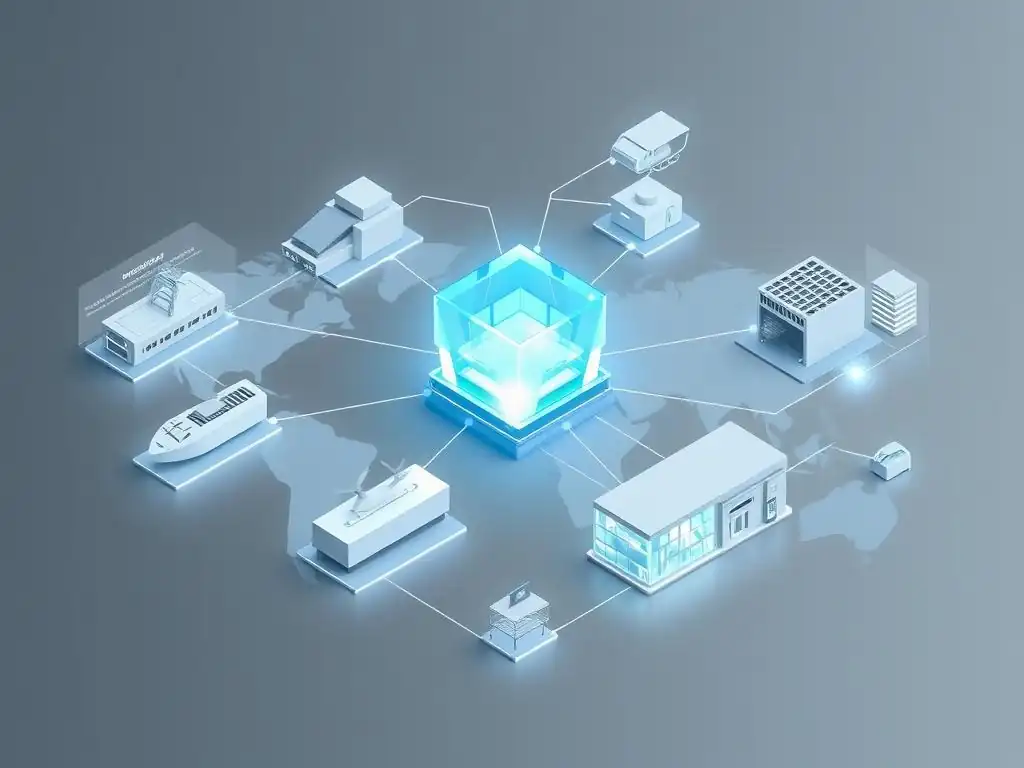
Food Traceability: Tracking Products from Farm to Table
Food traceability is a compelling use case for blockchain technology, addressing growing consumer demand for information about food origin, safety, and sustainability. Blockchain can create a transparent and immutable record of the entire food supply chain, from farm to table, allowing consumers to verify the provenance and journey of their food products. Each stage of the food production process, including farming, processing, packaging, and distribution, can be recorded on the blockchain, providing a complete and auditable history.
For example, consider the case of Carrefour, a major French retailer, which uses blockchain to track various food products, including chicken, eggs, and milk. Consumers can scan a QR code on Carrefour's products to access information about the farm of origin, animal welfare practices, and processing details. This enhanced transparency builds consumer trust and helps address concerns about food fraud and safety.
In the event of a food recall, blockchain can also facilitate rapid and efficient identification and removal of affected products from the supply chain, minimizing the impact on consumers and businesses. This application of blockchain for food traceability demonstrates the real-world benefits of blockchain enterprise scalability solutions in enhancing transparency and consumer trust.
Pharmaceutical Supply Chain: Ensuring Drug Authenticity and Safety
The pharmaceutical supply chain is highly complex and vulnerable to counterfeiting, posing significant risks to patient safety. Blockchain technology offers a powerful solution to enhance drug authenticity and safety by providing end-to-end traceability and preventing the entry of counterfeit drugs into the supply chain. By tracking pharmaceutical products at each stage of the supply chain, from manufacturing to dispensing, blockchain can create a verifiable record of provenance and ensure that drugs are genuine and safe.
For example, the U.S. Drug Supply Chain Security Act (DSCSA) mandates the implementation of a system to track and trace prescription drugs throughout the supply chain. Blockchain is being explored as a potential technology to meet these requirements. MediLedger, a blockchain consortium focused on the pharmaceutical industry, is developing blockchain-based solutions for drug traceability and verification.
These initiatives aim to combat the proliferation of counterfeit drugs, which the World Health Organization estimates account for approximately 10% of all medicines in low- and middle-income countries, and ensure that patients receive safe and authentic medications. Blockchain's role in ensuring drug authenticity and safety highlights the critical benefits of blockchain enterprise scalability solutions in highly regulated and sensitive industries.
Luxury Goods Authentication: Combating Counterfeiting
The luxury goods industry is heavily impacted by counterfeiting, resulting in significant financial losses and damage to brand reputation. Blockchain technology offers a robust solution to combat counterfeiting in luxury goods by providing a secure and verifiable way to authenticate products and track their ownership. By assigning unique digital identities to luxury items and recording them on the blockchain, brands can create an immutable record of authenticity that consumers can easily verify.
Companies like Arianee and VeChain are providing blockchain-based platforms for luxury goods authentication. These platforms allow luxury brands to issue digital certificates of authenticity for their products, which are stored on the blockchain. Consumers can then verify the authenticity of a product by scanning a QR code or NFC tag, accessing the product's digital certificate and provenance information. This empowers consumers to confidently purchase genuine luxury goods and protects brands from the detrimental effects of counterfeiting. Blockchain's application in luxury goods authentication showcases its versatility and the broad range of blockchain enterprise scalability solutions benefits across diverse industries.
Conflict Minerals Tracking: Promoting Ethical Sourcing
Ethical sourcing is a growing concern for businesses and consumers, particularly regarding conflict minerals used in electronics and other industries. Conflict minerals, such as tin, tantalum, tungsten, and gold (3TG), are often mined in conflict zones and their trade can finance armed groups and human rights abuses. Blockchain can play a crucial role in promoting ethical sourcing of minerals by providing transparency and traceability throughout the mineral supply chain, from mine to manufacturer.
By recording the origin and journey of minerals on the blockchain, companies can verify that their sourcing practices are ethical and conflict-free. Initiatives like the Responsible Sourcing Blockchain Network (RSBN) are using blockchain to track minerals and promote responsible sourcing practices. These efforts aim to increase transparency in mineral supply chains, prevent the use of conflict minerals, and promote ethical and sustainable sourcing. Blockchain's application in conflict minerals tracking demonstrates its potential to drive positive social impact and enhance corporate social responsibility, alongside the business benefits of blockchain enterprise scalability solutions.
Implementing Blockchain in Your Supply Chain Strategy
Assessing Your Supply Chain's Needs and Challenges
Before implementing blockchain in a supply chain, a crucial first step is to thoroughly assess the specific needs and challenges of the supply chain. This involves identifying pain points, inefficiencies, and areas where transparency and traceability are lacking. A comprehensive assessment should consider factors such as the complexity of the supply chain, the number of stakeholders involved, the types of products being handled, and the regulatory environment. For example, a supply chain dealing with temperature-sensitive pharmaceuticals will have different needs and challenges compared to a supply chain for non-perishable consumer goods.
Understanding the specific challenges will help determine whether blockchain is the right solution and how it can be best applied. It's important to identify clear objectives for blockchain implementation, such as improving traceability, reducing counterfeiting, streamlining processes, or enhancing collaboration. A well-defined problem statement and clear objectives are essential for a successful blockchain implementation strategy. This initial assessment is crucial for ensuring that blockchain deployment aligns with business needs and effectively leverages blockchain enterprise scalability solutions benefits.
Selecting the Right Blockchain Platform for Your Business
Choosing the right blockchain platform is a critical decision in implementing blockchain for supply chain management. As discussed earlier, different types of blockchains, such as permissioned, permissionless, consortium, and private blockchains, offer varying levels of transparency, control, scalability, and security. The selection of the platform should be based on the specific needs and priorities identified in the initial assessment phase. Factors to consider include the level of data privacy required, the desired level of decentralization, the transaction throughput requirements, and the cost of implementation and operation.
For supply chains requiring high levels of data privacy and control, permissioned or private blockchains may be more suitable. For collaborative supply chain networks involving multiple organizations, consortium blockchains offer a balanced approach. For applications requiring maximum transparency and openness, permissionless blockchains might be considered, although scalability and cost considerations need to be carefully evaluated.
Furthermore, different blockchain platforms offer varying features, functionalities, and development tools. Businesses should carefully evaluate different platforms, such as Hyperledger Fabric, Ethereum, Corda, and others, to determine the best fit for their specific requirements. Selecting the right platform is key to realizing the full potential of blockchain enterprise scalability solutions.
Integration Considerations: Connecting Blockchain to Existing Systems
Integrating blockchain with existing supply chain systems is a significant consideration for successful implementation. Most businesses already have established systems for enterprise resource planning (ERP), warehouse management (WMS), transportation management (TMS), and other supply chain functions. Blockchain implementation should not be viewed as a replacement for these systems but rather as a complementary technology that enhances their capabilities. Integration is crucial to ensure seamless data flow and interoperability between blockchain and existing systems.
This integration typically involves developing APIs (Application Programming Interfaces) to connect blockchain platforms with existing databases and applications. Data from existing systems can be fed into the blockchain to create a transparent and immutable record, and data from the blockchain can be used to enhance the functionality of existing systems.
For example, blockchain-based traceability data can be integrated with a WMS to improve inventory visibility and optimize warehouse operations. Careful planning and execution of integration are essential to minimize disruption, maximize efficiency, and ensure that blockchain implementation delivers tangible benefits within the overall enterprise IT landscape, leveraging blockchain enterprise scalability solutions benefits effectively.
Challenges and Limitations of Blockchain in Supply Chain Environments
Scalability and Throughput Limitations
While blockchain offers numerous benefits for supply chain management, it also faces certain challenges and limitations. One significant challenge is scalability and throughput limitations, particularly for permissionless blockchains. Public blockchains like Bitcoin and Ethereum were not designed for the high transaction volumes required in large-scale supply chains. Transaction processing speeds can be slower and transaction costs can be higher compared to traditional centralized systems.
While permissioned blockchains offer improved scalability compared to permissionless blockchains, they still need to be carefully designed and optimized to handle the demands of complex supply chains. As supply chain networks grow and transaction volumes increase, ensuring that the blockchain platform can scale to meet these demands is crucial. Ongoing research and development efforts are focused on improving blockchain scalability through techniques like sharding, layer-2 solutions, and consensus mechanism optimizations. Addressing scalability limitations is essential to fully realize the potential of blockchain enterprise scalability solutions in large and complex supply chain environments.
Data Privacy and Security Concerns
Data privacy and security are paramount concerns in supply chain management, particularly when dealing with sensitive business information and proprietary data. While blockchain offers inherent security features through cryptography and decentralization, it also presents unique challenges related to data privacy and security. The transparent nature of blockchain, while beneficial for traceability, can also raise concerns about exposing sensitive data to unauthorized parties.
Permissioned and private blockchains address some of these concerns by controlling access to data and restricting participation in the network. However, even in permissioned blockchains, careful consideration must be given to data access controls, encryption, and compliance with data privacy regulations like GDPR (General Data Protection Regulation). Ensuring robust data privacy and security measures is crucial for building trust and encouraging widespread adoption of blockchain in supply chain environments. Addressing these concerns is vital for realizing the benefits of blockchain enterprise scalability solutions without compromising data security and privacy.
Interoperability with Existing Systems
Interoperability with existing systems poses another significant challenge for blockchain implementation in supply chains. As mentioned earlier, most businesses rely on a variety of legacy systems and platforms for their supply chain operations. Integrating blockchain with these disparate systems can be complex and require significant effort and resources. Lack of standardization and interoperability protocols across different blockchain platforms and legacy systems can further complicate the integration process.
Ensuring seamless data exchange and communication between blockchain and existing systems is crucial for realizing the full benefits of blockchain implementation. Efforts are underway to develop interoperability standards and solutions to facilitate communication between different blockchain platforms and traditional systems. Overcoming interoperability challenges is essential for enabling widespread adoption of blockchain in supply chain management and maximizing the value of blockchain enterprise scalability solutions within existing IT infrastructure.
The Future of Blockchain in Supply Chain: Innovation and Development
Integration with IoT and AI for Enhanced Visibility
The future of blockchain in supply chain management is likely to be shaped by further integration with other emerging technologies, particularly the Internet of Things (IoT) and Artificial Intelligence (AI). The combination of blockchain, IoT, and AI has the potential to create even more intelligent, efficient, and resilient supply chains. IoT devices, such as sensors and RFID tags, can provide real-time data about the location, condition, and status of goods as they move through the supply chain. This data can be securely recorded on the blockchain, creating a comprehensive and up-to-date view of the entire supply chain.
AI algorithms can then be used to analyze this data, identify patterns, predict potential disruptions, and optimize supply chain operations. For example, AI can analyze IoT sensor data to predict equipment failures, optimize routing and logistics, and improve demand forecasting. The integration of blockchain, IoT, and AI can create a powerful synergy, enhancing visibility, automation, and decision-making capabilities in supply chain management, further amplifying the blockchain enterprise scalability solutions benefits.
The Role of Blockchain in Sustainable Supply Chains
Sustainability is becoming an increasingly important consideration for businesses and consumers alike. Blockchain technology can play a significant role in promoting sustainable supply chains by enhancing transparency and traceability of environmental and social impact data. Blockchain can be used to track the carbon footprint of products, verify ethical sourcing practices, and ensure compliance with sustainability standards.
For example, blockchain can be used to track the origin of sustainably sourced materials, verify fair labor practices, and monitor environmental impact throughout the supply chain. Consumers can use blockchain-based platforms to access information about the sustainability credentials of products, empowering them to make more informed purchasing decisions. Businesses can use blockchain to demonstrate their commitment to sustainability and build trust with environmentally and socially conscious consumers. Blockchain's role in promoting sustainable supply chains highlights its broader societal impact and its potential to drive positive change, alongside the enterprise scalability solutions benefits it offers.
Blockchain and the Evolution of Supply Chain Management
Blockchain technology is poised to be a catalyst for the evolution of supply chain management, transforming traditional linear supply chains into more interconnected, transparent, and resilient ecosystems. Blockchain's ability to enhance transparency, traceability, and trust is fundamentally reshaping how supply chains operate and collaborate. As blockchain technology matures and adoption increases, we can expect to see more innovative applications and use cases emerge, further transforming supply chain management practices.
The future of supply chain management is likely to be characterized by greater automation, data-driven decision-making, and increased collaboration among stakeholders. Blockchain, in conjunction with other technologies like IoT and AI, will play a central role in driving this evolution, creating more efficient, sustainable, and customer-centric supply chains. This ongoing evolution underscores the transformative potential of blockchain and the long-term benefits of blockchain enterprise scalability solutions in shaping the future of global commerce.
Conclusion: Blockchain as a Catalyst for Supply Chain Transformation
Recap of Blockchain's Benefits for Supply Chain Management
Blockchain technology offers a compelling array of benefits for supply chain management, addressing key challenges and unlocking new opportunities for efficiency, transparency, and trust. Enhanced traceability and provenance of goods, reduced counterfeiting, streamlined processes, and improved collaboration are just some of the significant advantages that blockchain brings to supply chain operations. By providing a decentralized, immutable, and transparent ledger, blockchain empowers businesses to build more resilient, efficient, and trustworthy supply chains.
The use cases explored, from food traceability to pharmaceutical authentication and conflict minerals tracking, demonstrate the versatility and broad applicability of blockchain across diverse industries. Blockchain's ability to enhance transparency and build trust is particularly valuable in today's consumer-centric and ethically conscious marketplace. The benefits of blockchain enterprise scalability solutions are becoming increasingly evident as more businesses explore and implement this transformative technology.
Key Takeaways for Businesses Considering Blockchain Implementation
For businesses considering blockchain implementation in their supply chains, several key takeaways are crucial. Firstly, a thorough assessment of supply chain needs and challenges is essential to identify the most appropriate use cases for blockchain. Secondly, careful selection of the right blockchain platform, considering factors like scalability, privacy, and interoperability, is critical for success. Thirdly, integration with existing systems must be planned and executed strategically to ensure seamless data flow and maximize efficiency.
While blockchain offers significant potential, it's also important to be aware of the challenges and limitations, such as scalability, data privacy, and interoperability. A phased approach to implementation, starting with pilot projects and gradually scaling up, is often advisable. By carefully considering these key takeaways, businesses can effectively leverage blockchain technology to transform their supply chains and realize tangible benefits.
Looking Ahead: The Potential of Blockchain in the Supply Chain Landscape
Looking ahead, the potential of blockchain in the supply chain landscape is immense. As technology continues to evolve and adoption accelerates, we can expect to see even more innovative applications and transformative impacts. Integration with IoT, AI, and other emerging technologies will further enhance the capabilities of blockchain-based supply chain solutions. The focus on sustainability and ethical sourcing will drive further adoption of blockchain to promote responsible and transparent supply chains.
Blockchain is not just a technological innovation; it is a catalyst for fundamental change in how supply chains are managed and operated. By fostering greater transparency, trust, and collaboration, blockchain is paving the way for a more efficient, resilient, and sustainable global supply chain landscape. The continued exploration and adoption of blockchain enterprise scalability solutions will undoubtedly shape the future of commerce and global trade.
Frequently Asked Questions
What is Plasma, and how does it relate to blockchain enterprise scalability?
Plasma is a layer-2 scaling solution designed to offload transactions from the main blockchain. This allows for faster transaction processing and reduced fees, making blockchain technology more viable for large-scale enterprise applications.
What are the primary benefits of using Plasma for enterprise blockchain solutions?
Plasma offers several key benefits, including improved transaction throughput, reduced transaction costs, and increased privacy. These advantages make it easier to integrate blockchain into existing business workflows.
How does Plasma address the scalability challenges faced by traditional blockchains?
By creating "child chains" that operate independently of the main chain, Plasma significantly reduces the load on the primary blockchain. This allows for a higher volume of transactions to be processed concurrently, thus improving scalability.
What types of enterprise applications can benefit from Plasma's scalability solutions?
Various enterprise applications can benefit, including supply chain management, identity verification, and financial services. Plasma's enhanced scalability allows for handling the high transaction volumes associated with these applications.
What are some of the potential regulation considerations when implementing Plasma-based blockchain solutions?
While Plasma offers many benefits, businesses need to consider regulatory requirements related to data privacy and security. Compliance with regulations like GDPR is crucial when handling sensitive data on decentralized systems.
Final Reflection: Embracing Blockchain's Scalable Future
The exploration of Plasma as a solution for blockchain enterprise scalability underscores a critical juncture in the technology's evolution. The benefits we've discussed – enhanced transaction throughput, reduced costs, and improved data privacy – are not merely theoretical advantages; they represent the tangible potential to revolutionize how businesses operate in an increasingly digital world. The promise of Plasma lies in its ability to unlock the true potential of blockchain for enterprise adoption, moving beyond proof-of-concept projects to real-world, scalable applications.
The journey towards widespread blockchain adoption is ongoing, and the pursuit of scalable solutions like Plasma is paramount to its success. It's not just about faster transactions; it's about building trust, transparency, and efficiency into the very fabric of our business processes. As we navigate this technological landscape, it's crucial to remember that the true value of blockchain lies in its ability to empower individuals and organizations alike. The future of finance is decentralized, and blockchain technology is the key to unlocking that future.
- Andreas Antonopoulos.
Now, as you consider the potential of Plasma and other blockchain enterprise scalability solutions, I urge you to reflect on how these technologies can be applied within your own sphere of influence. How can you leverage the benefits of blockchain to create more efficient, transparent, and secure systems? The future of business is being built today, and your understanding and application of these principles will play a vital role in shaping that future. Embrace the challenge, explore the possibilities, and become a part of the blockchain revolution.
Unleash the Power of Scalable Blockchain!
Thank you for exploring the potential of Plasma to transform enterprise blockchain applications. You've gained valuable insights into building scalable and efficient solutions. Are you ready to take the next step?
Here's how you can move forward:
- Identify a specific area within your organization where Plasma's scalability can overcome current challenges. Conduct a feasibility study focusing on cost-effectiveness and implementation potential.
- Explore open-source Plasma frameworks and development tools. Try prototyping a small-scale application to understand its capabilities.
- Share this article with colleagues or on professional networks to encourage discussions about scalable blockchain solutions. Have you come across any innovative implementations?
What is one practical step you'll take this week to explore Plasma's potential in your enterprise? Share your ideas in the comments below!
Leave a Reply