
Blockchain in Manufacturing Supply Chains: Streamlining Processes and Improving Quality

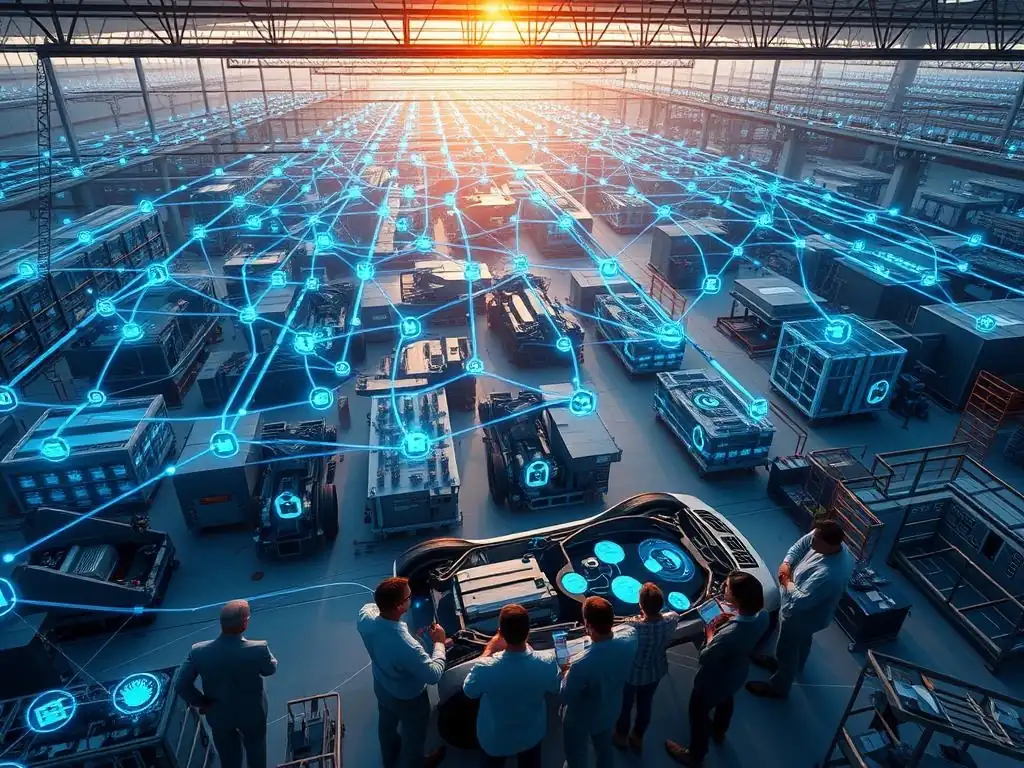
Welcome to Blockchain Trends, your go-to source for understanding the revolutionary impact of blockchain technology. Beyond the buzz around cryptocurrencies, discover how this powerful innovation is reshaping industries.
Are you ready to unlock the hidden advantages? Dive in to explore the blockchain supply chain manufacturing benefits and see how it's streamlining processes, enhancing transparency, and ultimately, improving quality across the board. Curious about how decentralized ledgers are revolutionizing manufacturing? Let's unravel the future, together.
Blockchain in Manufacturing Supply Chains: Streamlining Processes and Improving Quality
- Introduction: The Promise of Blockchain for Manufacturing Supply Chains
- Key Blockchain Supply Chain Manufacturing Benefits
- Implementing Blockchain in Manufacturing: A Step-by-Step Guide
- Real-World Examples of Blockchain in Manufacturing
- Overcoming the Challenges of Blockchain Adoption in Manufacturing
- The Future of Blockchain in Manufacturing Supply Chains
-
Frequently Asked Questions
- What are the primary benefits of implementing blockchain in manufacturing supply chains?
- How does blockchain streamline processes in manufacturing supply chains?
- Can blockchain help improve quality control in manufacturing?
- What are some of the challenges to implementing blockchain in manufacturing supply chains?
- How does blockchain enhance security in manufacturing supply chains?
- Final Reflection: Embracing Transparency in Manufacturing
- Unlock Your Supply Chain's Potential!
Introduction: The Promise of Blockchain for Manufacturing Supply Chains
Understanding the Current Challenges in Manufacturing Supply Chains
Modern manufacturing supply chains are increasingly complex, spanning multiple tiers of suppliers, manufacturers, distributors, and customers across global geographies. This complexity introduces significant challenges, including lack of transparency regarding material origins, inefficient data sharing between disparate systems, difficulties in tracking goods in real-time, and vulnerability to counterfeit products.
For instance, manually reconciling purchase orders, invoices, and shipping documents across several partners can lead to delays and errors, with studies often citing that up to 10% of invoices contain errors requiring manual intervention. Furthermore, ensuring ethical sourcing and compliance with regulations like those concerning conflict minerals or environmental standards becomes incredibly difficult without a unified, trustworthy system for tracking materials from their point of origin through every stage of production.
The fragmented nature of traditional manufacturing supply chain management systems also hinders effective quality control and recall processes. When a quality issue arises, identifying the source of the problem – whether a raw material defect, a manufacturing error at a specific plant, or a transportation issue – can be a time-consuming and costly endeavor.
This lack of immediate, verifiable information can lead to larger batches of products being recalled unnecessarily, impacting profitability and brand reputation. The absence of a single, immutable record shared among participants means that data is often siloed, incomplete, or susceptible to manipulation, making it hard to build trust and ensure accountability across the entire value chain.
How Blockchain Technology Addresses Supply Chain Pain Points
Blockchain technology offers a decentralized, distributed ledger that can record transactions securely, transparently, and immutably across a network of participants. In the context of manufacturing supply chains, this translates into a shared, tamper-proof history of goods and materials as they move through the value chain. Each step, from sourcing raw materials to delivering the final product, can be recorded as a transaction on the blockchain, creating an unbroken chain of custody. This inherent transparency and immutability directly counter the problems of data siloing and lack of trust prevalent in current systems.
By implementing blockchain, manufacturers can create a single source of truth accessible to authorized parties, significantly reducing the reliance on manual data entry and reconciliation. Smart contracts, self-executing contracts with the terms of the agreement directly written into code, can automate processes like payments upon delivery confirmation or triggering the next step in production once a quality check is recorded on the ledger. This automation streamlines operations, reduces administrative overhead, and minimizes the potential for human error. The integration of blockchain technology thus provides robust solutions for traceability, efficiency, and trust, delivering significant blockchain supply chain manufacturing benefits.
Key Blockchain Supply Chain Manufacturing Benefits
Enhanced Traceability and Transparency in Manufacturing
Blockchain's core strength lies in creating a transparent and immutable record of transactions. For manufacturing supply chains, this means unprecedented visibility into the movement and transformation of materials and products. Every significant event – a material arriving at a factory, a component being added to an assembly, a product being shipped – can be timestamped and recorded on the ledger.
This creates a comprehensive digital history for every item or batch, accessible to authorized network participants. This enhanced traceability is one of the most significant blockchain supply chain manufacturing benefits, allowing companies to follow a product's journey backward or forward with high precision.
This level of transparency extends beyond internal operations to encompass suppliers and distributors. Companies can verify the origin of raw materials, confirm ethical sourcing, and track components through multi-tier supply networks. For example, in the automotive industry, tracking thousands of parts from numerous global suppliers becomes manageable. If a defect is found in a specific batch of components, a manufacturer can quickly identify which vehicles received those parts, narrowing down the scope of potential recalls from hundreds of thousands to perhaps just a few thousand, leading to massive cost savings and improved safety.
Real-time Tracking of Materials and Products
Integrating blockchain with IoT devices, such as sensors and GPS trackers, allows for near real-time updates on the location, condition (e.g., temperature, humidity), and status of materials and finished goods. As a shipment moves, sensors can automatically record data onto the blockchain, providing an up-to-the-minute, verifiable log of its journey. This eliminates the delays and inaccuracies associated with manual check-ins and disparate tracking systems used by different logistics providers.
This real-time visibility is crucial for optimizing logistics, managing inventory, and responding quickly to disruptions. Manufacturers can anticipate delays, reroute shipments if necessary, and provide accurate delivery estimates to customers. The ability to track individual high-value items or specific batches of sensitive materials, like pharmaceuticals or electronics components, from origin to final destination on an immutable ledger significantly enhances control and security throughout the entire process.
Immutable Records for Auditing and Compliance
One of the paramount blockchain supply chain manufacturing benefits is the creation of immutable records. Once data is recorded on the blockchain, it is extremely difficult to alter or delete without the consensus of the network participants. This provides a high level of data integrity, making auditing processes significantly simpler and more reliable. Auditors can access a complete, tamper-proof history of all transactions, ensuring accuracy and reducing the time and effort required for compliance checks.
For industries with strict regulatory requirements, such as aerospace, medical devices, or food production, maintaining meticulous records is not just good practice – it's mandatory. Blockchain provides a robust system for demonstrating compliance with regulations related to material sourcing, manufacturing processes, quality control, and product handling. Regulatory bodies could potentially gain authorized access to the ledger, streamlining inspections and building greater trust in the integrity of the supply chain data being reported. This eliminates the need to sift through mountains of potentially inconsistent paper or digital records scattered across different systems.
Improved Supply Chain Efficiency and Reduced Costs
The automation capabilities and streamlined data flows enabled by blockchain technology directly contribute to improved efficiency and reduced operational costs in manufacturing supply chains. By providing a shared, trusted ledger, blockchain minimizes the need for intermediaries and manual verification steps that often introduce delays and errors. This leads to faster transaction processing and quicker movement of goods through the supply chain.
Consider the traditional process of verifying invoices and initiating payments, which can take days or weeks due to back-and-forth communication and manual checks. With blockchain and smart contracts, payment can be triggered automatically as soon as a product is verified as received and meeting predefined quality parameters recorded on the ledger. This reduces administrative burden, improves cash flow for suppliers, and lowers overall transaction costs. The reduction in disputes arising from inconsistent data also contributes to significant cost savings.
Automation of Processes and Smart Contracts
Smart contracts are a cornerstone of the efficiency gains offered by blockchain in manufacturing. These self-executing scripts automate routine transactions and workflows based on predefined conditions. For example, a smart contract could automatically release payment to a raw material supplier once the materials are scanned and verified upon arrival at the factory, and this arrival is recorded on the blockchain.
Beyond payments, smart contracts can automate quality checks, trigger reorders when inventory levels drop, or manage warranty claims based on product usage data recorded on the chain. This automation reduces reliance on manual paperwork and human intervention for repetitive tasks, freeing up personnel to focus on more value-added activities. Implementing smart contracts can significantly accelerate the pace of business operations within the manufacturing supply chain.
Minimizing Delays and Errors in Manufacturing
Manual processes and data silos are significant sources of delays and errors in traditional manufacturing supply chains. Data must often be entered multiple times into different systems (e.g., ERP, WMS, TMS), increasing the likelihood of transcription errors. Discrepancies between systems can halt processes until issues are resolved, leading to production delays and missed deadlines.
Blockchain provides a single, shared source of truth, drastically reducing the need for redundant data entry and reconciliation. When information about a material or product is recorded on the blockchain, it is immediately available and verifiable by all authorized parties. This eliminates delays caused by waiting for information or resolving data inconsistencies. By minimizing errors and streamlining data flow, blockchain contributes significantly to the efficiency and timeliness of manufacturing operations, representing a key blockchain supply chain manufacturing benefit.
Enhanced Product Quality and Counterfeit Prevention
Maintaining product quality is paramount for manufacturers, but ensuring quality across a complex global supply chain is challenging. Counterfeiting is also a major issue, particularly for high-value goods, electronics, pharmaceuticals, and luxury items, costing industries billions annually and posing potential safety risks. Blockchain technology offers powerful tools to address both of these concerns.
By creating a verifiable, immutable record of a product's journey from raw material to finished good, blockchain makes it possible to track quality control data at every stage. Manufacturers can record test results, inspection data, and handling conditions on the blockchain, ensuring that products meet required standards throughout the supply chain. Furthermore, this transparent history makes it extremely difficult for counterfeit products to infiltrate the legitimate supply chain, as they lack the verified provenance recorded on the distributed ledger.
Verification of Product Authenticity with Blockchain
Assigning unique digital identifiers to products and recording their entire history on the blockchain provides a robust method for verifying authenticity. Consumers, distributors, or retailers can scan a QR code or NFC tag on a product to access its blockchain-verified history, confirming its origin, manufacturing details, and journey through the supply chain. This empowers stakeholders to distinguish genuine products from fakes.
For example, in the luxury goods market, attaching a digital certificate on a blockchain to each item proves its authenticity and ownership history, combating a market rife with counterfeits. Similarly, pharmaceutical companies can track individual medicine packages, allowing pharmacists and patients to verify that the drug is legitimate and hasn't been tampered with during transit. This direct link between the physical product and its digital twin on the blockchain is a powerful tool for counterfeit prevention.
Maintaining Quality Control Throughout the Supply Chain
Blockchain allows manufacturers to extend their quality control processes beyond their factory walls. Quality data from suppliers (e.g., raw material certifications), logistics providers (e.g., temperature logs for sensitive goods), and even distributors can be recorded on the shared ledger. This provides an end-to-end view of quality parameters throughout the entire supply chain journey.
If a quality deviation occurs at any point, it is recorded and visible on the blockchain, allowing for immediate investigation and corrective action. This proactive approach to quality management helps prevent defective products from reaching the market and facilitates targeted recalls if necessary. The ability to enforce quality standards and verify compliance through an immutable record is a significant blockchain supply chain manufacturing benefit, building trust among partners and with end consumers.
Implementing Blockchain in Manufacturing: A Step-by-Step Guide
Implementing blockchain technology in a manufacturing supply chain is a significant undertaking that requires careful planning and execution. It's not simply about adopting a new technology but often involves re-engineering processes and fostering collaboration among supply chain partners. A phased approach, starting with clearly defined objectives and pilot programs, is typically recommended to manage the complexity and ensure a successful rollout.
The journey usually begins with identifying specific pain points that blockchain is best suited to solve, followed by selecting the appropriate platform, integrating it with existing systems, and testing the solution in a controlled environment before scaling up. Successful implementation hinges on strong collaboration among all stakeholders involved in the supply chain, as the benefits are maximized when data is shared and verified across the network.
Step 1: Identifying Use Cases for Blockchain in Manufacturing
The first critical step is to pinpoint specific processes within the manufacturing supply chain where blockchain can deliver tangible value. Not every problem requires a blockchain solution. Focus on areas where trust is low, transparency is lacking, data integrity is paramount, or processes are inefficient due to manual verification or intermediaries. Common use cases include tracking high-value goods, verifying ethical sourcing of materials, managing complex multi-tier supplier relationships, preventing counterfeiting, or streamlining compliance reporting.
Prioritizing use cases based on potential ROI and feasibility is essential. A manufacturer might start by focusing on tracking a single critical component or raw material known to have sourcing or quality issues, rather than attempting to overhaul the entire supply chain at once. Clearly defining the problem and how blockchain will solve it provides a roadmap for the implementation process and helps measure success.
Tracking Conflict Minerals from Mine to Finished Product
A compelling use case for blockchain in manufacturing is tracing conflict minerals, such as tin, tantalum, tungsten, and gold (3TG), from their origin in conflict zones to the final product. Regulations like the Dodd-Frank Act Section 1502 require companies to perform due diligence on their supply chains to ensure these minerals are not funding armed groups. Traditional methods rely on paper trails and self-reporting, which are prone to fraud and lack transparency.
Blockchain can create an immutable record of mineral ownership, extraction, transportation, and processing at each step. Miners, smelters, refiners, and manufacturers can record transactions on the ledger, creating a verifiable chain of custody. This allows manufacturers to demonstrate compliance with regulations with high confidence and assures consumers that their products are ethically sourced. The transparency provided by blockchain makes it significantly harder for illegally sourced minerals to enter the legitimate supply chain.
Managing Pharmaceutical Supply Chain Integrity with Blockchain
The pharmaceutical industry faces immense challenges with counterfeiting, diversion, and ensuring product integrity throughout a complex global supply chain. Maintaining temperature control for sensitive vaccines or biologics and tracking individual packages to prevent fakes are critical requirements. The US Drug Supply Chain Security Act (DSCSA) mandates electronic, interoperable tracing of prescription drugs at the package level by 2023 (though enforcement discretion has been extended).
Blockchain offers a powerful solution for pharmaceutical track and trace, providing a secure, shared ledger for recording the journey of each drug package from manufacturer to dispenser. This includes details about manufacturing batch, expiration date, handling conditions (via IoT sensors), and ownership transfers. This creates an immutable history that can be verified by regulators, distributors, and pharmacists, significantly reducing the risk of counterfeit drugs entering the supply chain and enabling rapid, targeted recalls if issues arise.
Step 2: Selecting the Right Blockchain Platform
Choosing the appropriate blockchain platform is a crucial decision that depends heavily on the identified use case and the specific requirements of the manufacturing supply chain network. Different platforms offer varying features, consensus mechanisms, scalability, and privacy options. The choice will impact the cost, performance, and governance of the blockchain solution.
Key factors to consider include whether the network needs to be open to the public (permissionless) or restricted to known participants (permissioned), the volume of transactions the platform can handle (scalability), and its ability to connect with existing enterprise systems (interoperability). Evaluating platforms based on these criteria, potentially through proof-of-concept projects, is vital before committing to a specific technology stack.
Considerations: Permissioned vs. Permissionless Blockchains
Permissionless blockchains, like public Ethereum or Bitcoin, are open networks where anyone can join and participate. They offer high decentralization and transparency but can suffer from lower transaction speeds and higher costs (due to 'gas fees') and lack privacy for sensitive business data. These are generally less suitable for private enterprise supply chains where participant identity and data confidentiality are critical.
Permissioned blockchains, such as Hyperledger Fabric, R3 Corda, or enterprise Ethereum variants (like Quorum), restrict participation to known, authorized entities. These platforms offer greater control over who can join the network, faster transaction speeds, lower costs, and enhanced data privacy options (e.g., private channels or zero-knowledge proofs). For manufacturing supply chains involving multiple companies sharing sensitive data, a permissioned or consortium blockchain is usually the preferred choice.
Considerations: Scalability and Interoperability
Manufacturing supply chains can generate massive volumes of data, from material movements and quality checks to sensor readings. The chosen blockchain platform must be able to handle this transaction throughput efficiently as the solution scales. Scalability refers to the platform's capacity to process a growing number of transactions without significant degradation in performance or prohibitive increases in cost. Evaluating the platform's consensus mechanism and architecture is key to assessing its scalability.
Equally important is interoperability – the ability of the blockchain platform to integrate seamlessly with existing enterprise systems like Enterprise Resource Planning (ERP), Customer Relationship Management (CRM), Manufacturing Execution Systems (MES), and Warehouse Management Systems (WMS). A blockchain solution that cannot exchange data with these critical systems will operate in isolation, limiting its overall value and preventing it from delivering full blockchain supply chain manufacturing benefits. APIs and middleware are often necessary to bridge the gap between legacy systems and the blockchain ledger.
Step 3: Integrating Blockchain with Existing Manufacturing Systems
Integrating a new blockchain platform with the complex web of existing IT systems already operating within a manufacturing company and across its supply chain partners is perhaps the most technically challenging step. Manufacturing relies heavily on systems like ERP for planning, MES for shop floor control, and WMS for inventory management. The blockchain needs to consume data from these systems and potentially provide data back to them to be truly effective.
This integration requires careful mapping of data flows and potentially developing or utilizing middleware solutions to connect disparate systems. Data standards and protocols need to be established among all participating partners to ensure data consistency and compatibility on the blockchain. Security considerations are also paramount, ensuring that data is transferred securely between systems and that access controls are properly configured within the blockchain network.
Integrating with ERP and CRM Systems
ERP systems are the backbone of most manufacturing operations, managing everything from procurement and inventory to production planning and finance. Integrating the blockchain ledger with the ERP allows for real-time updates on material receipts, production status, and shipments to flow between the physical world and the digital record on the chain. For example, when raw materials are received and verified (a process potentially recorded on the blockchain), this event can update inventory levels in the ERP.
Similarly, integrating with CRM systems can link product history on the blockchain with customer data, enhancing post-sale service, warranty management, and recall processes. A customer service representative could potentially access a product's full journey and manufacturing details directly through the CRM, leveraging the data recorded on the blockchain. Effective integration ensures that the blockchain doesn't become another data silo but enhances the existing IT landscape, maximizing the blockchain supply chain manufacturing benefits.
Data Management and Security Considerations
Implementing blockchain requires a robust data management strategy. Decisions must be made about what data is stored directly on the chain (often just hashes or references) versus what data is stored off-chain in traditional databases, with only a verifiable link on the blockchain. Sensitive data, such as proprietary manufacturing processes or supplier pricing, typically resides off-chain for privacy reasons.
Security is paramount. While the blockchain ledger itself is highly secure and immutable, the points of interaction – where data enters and leaves the chain – are potential vulnerabilities. Secure APIs, access controls, identity management for network participants, and encryption are critical components of a secure blockchain implementation. Ensuring data privacy, especially when dealing with multiple companies' information on a shared ledger, is also a key consideration, often addressed through permissioned networks and privacy-enhancing technologies.
Step 4: Pilot Programs and Proof-of-Concept Implementations
Before a full-scale rollout, conducting pilot programs or proofs-of-concept (POCs) is essential. This allows manufacturers to test the blockchain solution in a controlled environment, validate its technical feasibility, assess its performance, and measure the actual benefits against the initial objectives. Starting small with a specific use case or a limited set of supply chain partners reduces risk and provides valuable lessons learned before committing significant resources to a broader implementation.
A pilot program should involve actual participants from the supply chain (suppliers, manufacturers, distributors) to simulate real-world conditions. This helps identify challenges related to data sharing, process changes, and user adoption among partners. The results from the pilot inform the necessary adjustments to the technology, processes, and governance model before scaling up the solution across the entire supply chain or for multiple product lines.
Testing the Blockchain Solution in a Controlled Environment
During the pilot phase, the blockchain solution is deployed and tested with real data but within a defined scope. This might involve tracking a specific product batch, verifying the origin of a particular raw material, or automating a single payment process using smart contracts with a limited number of trusted partners. The focus is on ensuring the technology functions as expected, data is accurately recorded and shared, and the process flows smoothly on the blockchain network.
Key performance indicators (KPIs) should be established beforehand to measure the success of the pilot. These could include metrics related to data accuracy, transaction speed, reduction in manual effort, time saved in auditing, or improvements in traceability depth. Testing in a controlled environment allows teams to identify bugs, refine the integration with existing systems, and train participants without disrupting core business operations.
Gathering Data and Measuring Results
The pilot program must include a rigorous process for gathering data on performance, costs, and benefits. This involves collecting quantitative data based on the predefined KPIs and qualitative feedback from participants regarding usability, challenges, and perceived value. Comparing the results of the blockchain-based process against the traditional method provides concrete evidence of the solution's effectiveness.
Analyzing the data gathered during the pilot helps determine if the blockchain solution is delivering the expected blockchain supply chain manufacturing benefits. It provides the necessary information to make informed decisions about whether to proceed with a larger rollout, make modifications to the solution, or even pivot to a different approach if the pilot reveals significant unaddressed challenges or insufficient benefits. Documenting the lessons learned is crucial for a successful subsequent scale-up.
Real-World Examples of Blockchain in Manufacturing
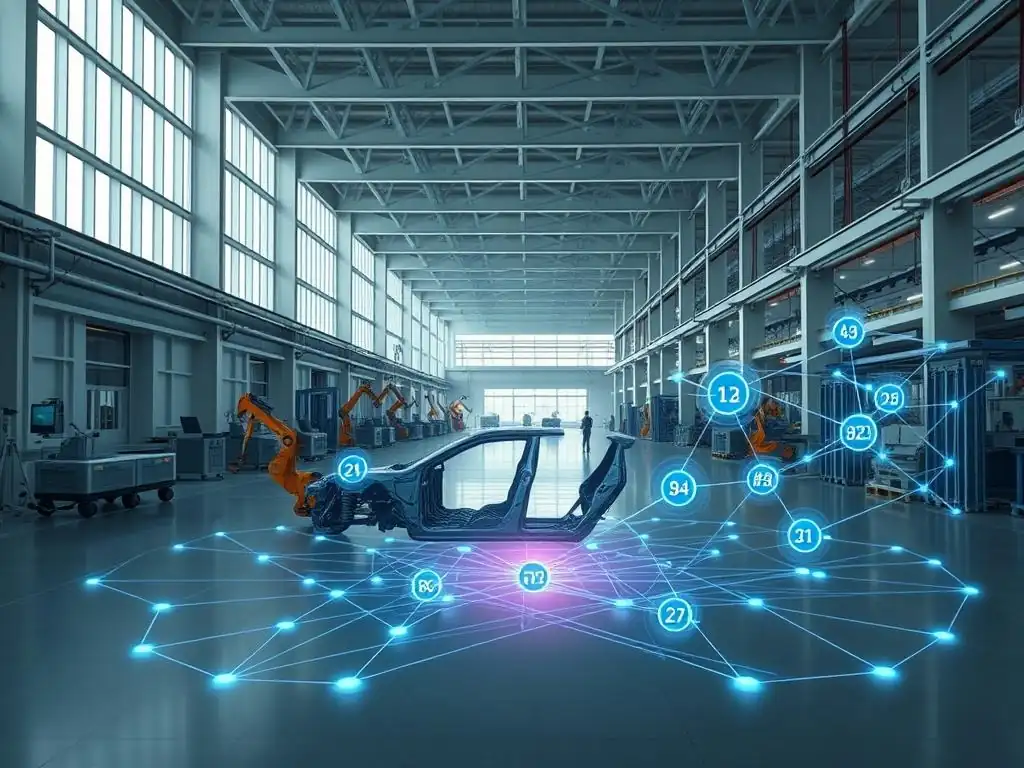
While still relatively early in mass adoption, several pioneering companies are implementing blockchain technology to address specific challenges and unlock blockchain supply chain manufacturing benefits. These real-world examples demonstrate the practical application of blockchain beyond cryptocurrencies and highlight its potential to transform traditional manufacturing processes.
These case studies often focus on high-value goods, complex assemblies, or industries with significant trust and transparency issues. They showcase how companies are leveraging the immutability and transparency of blockchain to improve everything from material sourcing and quality control to combating counterfeit goods and enhancing customer trust.
Case Study 1: De Beers - Improved Traceability of Diamonds
Diamonds are high-value goods whose provenance is often difficult to verify, leading to concerns about conflict diamonds and counterfeiting. Tracing a diamond from the mine through cutting, polishing, certification, and retail involves multiple handovers and disparate record-keeping systems, making transparency a significant challenge for the industry.
Problem Statement
The diamond industry faced a significant challenge in providing verifiable provenance for diamonds, assuring consumers that their purchase is conflict-free and ethically sourced. The existing paper-based systems and fragmented digital records were susceptible to manipulation and did not provide a reliable, end-to-end chain of custody from the mine mouth to the retail counter. This lack of transparency eroded consumer trust and posed compliance risks.
Blockchain Solution
De Beers, a leading diamond company, developed Tracr, a blockchain platform designed to track diamonds individually from the moment they are discovered and registered at the mine. Each rough diamond is registered with a unique ID, and its characteristics (carat, color, clarity, cut) and journey through the value chain – including cutting, polishing, certification, and sales – are recorded on the immutable ledger.
Results Achieved
Tracr provides an immutable audit trail for registered diamonds, offering unprecedented transparency into their origin and journey. While specific percentage improvements are proprietary, the platform significantly enhances confidence in a diamond's provenance, addressing the issue of conflict diamonds and providing assurance to retailers and consumers. The ability to verify a diamond's history on the blockchain strengthens trust in the industry and differentiates authenticated diamonds from those with uncertain origins. By 2020, De Beers reported that over 25% of its rough diamond production value was being tracked on the platform.
Case Study 2: Boeing - Enhanced Quality Control in Aircraft Parts Manufacturing
The aerospace industry demands the highest standards of quality and reliability for every single component used in aircraft manufacturing. The supply chain is incredibly complex, involving numerous suppliers for millions of parts, each requiring meticulous tracking and quality documentation. Ensuring the authenticity and quality history of every part is critical for flight safety.
Problem Statement
Boeing, a major aircraft manufacturer, faced challenges in efficiently tracking the provenance and quality data of the millions of parts sourced from a vast network of global suppliers. Ensuring that each part was genuine, met stringent quality specifications, and had a complete, verifiable history was a complex, data-intensive process prone to inefficiencies and potential errors in documentation.
Blockchain Solution
Boeing has explored and implemented blockchain solutions, often in partnership with companies like Honeywell, to improve supply chain visibility and quality control for aircraft parts. One application involves using blockchain to track high-value parts throughout their lifecycle, recording manufacturing details, quality certifications, maintenance history, and ownership transfers on the distributed ledger. This creates a secure, verifiable digital history for each component.
Results Achieved
While specific metrics can vary by project, implementing blockchain for parts tracking provides Boeing with enhanced visibility into the origin and quality history of critical components. This improves the efficiency of quality assurance processes, reduces the risk of using counterfeit or substandard parts, and streamlines compliance audits. The immutable record ensures data integrity for the lifetime of the aircraft part, which can span decades, contributing to overall flight safety and representing a significant blockchain supply chain manufacturing benefit in a highly regulated industry.
Overcoming the Challenges of Blockchain Adoption in Manufacturing
Despite the compelling blockchain supply chain manufacturing benefits, implementing the technology is not without its hurdles. Manufacturers considering adoption must address challenges related to the technology itself, such as scalability and data security, as well as organizational and regulatory issues. Successfully navigating these obstacles is key to realizing the full potential of blockchain in the manufacturing sector.
Collaboration among supply chain partners is crucial, as blockchain's value increases with network participation. However, getting multiple, sometimes competing, companies to agree on a shared platform, data standards, and governance model can be difficult. Furthermore, the technical complexity of integrating blockchain with legacy systems and ensuring data privacy in a shared ledger environment requires significant expertise and investment.
Addressing Scalability Concerns in Manufacturing Supply Chains
Scalability is a major concern for blockchain adoption in high-volume manufacturing environments. Traditional public blockchains can process only a limited number of transactions per second (e.g., Bitcoin handles around 7, Ethereum around 15-30), which is insufficient for tracking millions of individual parts or daily production events across a large supply chain. Enterprise-grade blockchain platforms offer much higher throughput, often hundreds or thousands of transactions per second, but the volume of data generated by a global manufacturing operation can still challenge system limits.
Solutions to address scalability include using permissioned blockchains designed for higher performance, employing off-chain transactions for high-frequency data with only periodic settlements recorded on the chain, and utilizing layer-2 scaling solutions. Careful system design, including deciding what data belongs on-chain versus off-chain, is critical to managing the data volume and ensuring the blockchain solution can handle the demands of a large-scale manufacturing supply chain without becoming a bottleneck.
Ensuring Data Security and Privacy on the Blockchain
While the blockchain ledger itself is inherently secure due to cryptographic hashing and distributed consensus, ensuring data security and privacy in a manufacturing supply chain context requires careful design. Manufacturing data can be highly sensitive, including proprietary processes, supplier agreements, pricing information, and production volumes. Sharing this data on a potentially shared ledger raises significant privacy concerns among network participants.
Permissioned blockchains allow for restricted access, ensuring only authorized parties can view specific data. Techniques like private channels (as in Hyperledger Fabric) or zero-knowledge proofs can allow participants to verify information or execute smart contracts without revealing the underlying sensitive data. Strong access controls, encryption of off-chain data, and secure integration points between existing systems and the blockchain are essential to maintain data security and privacy while leveraging the benefits of a shared, verifiable ledger.
Managing Regulatory Compliance and Legal Considerations
Implementing blockchain in manufacturing supply chains must also navigate the complex landscape of regulatory compliance and legal considerations. Industries like pharmaceuticals, aerospace, and food production have stringent regulations regarding data retention, product tracking, and reporting. The immutable nature of blockchain records can be advantageous for compliance, but companies must ensure their blockchain implementation meets specific regulatory requirements, which can vary significantly by jurisdiction.
Furthermore, the legal implications of using smart contracts need to be carefully considered. While smart contracts automate execution based on code, their legal standing and enforceability can be ambiguous in many jurisdictions. Issues around liability, dispute resolution, and the legal validity of agreements executed solely through smart contracts need to be addressed, potentially requiring hybrid approaches that combine smart contracts with traditional legal frameworks. Navigating these regulatory and legal challenges requires expertise and collaboration with legal and compliance professionals.
The Future of Blockchain in Manufacturing Supply Chains
The adoption of blockchain in manufacturing supply chains is still in its early stages, but its potential to drive significant transformation is widely recognized. As the technology matures and more companies move beyond pilot programs to full-scale implementations, we can expect to see blockchain becoming an integral part of how goods are tracked, verified, and managed from raw materials to final product.
The future holds promise for deeper integration with other emerging technologies like IoT and AI, further enhancing the capabilities of blockchain-powered supply chains. Blockchain is also poised to play a role in supporting sustainable manufacturing practices and contributing to the development of more resilient and responsive global supply networks.
Emerging Trends: Blockchain and IoT Integration
The combination of Blockchain and the Internet of Things (IoT) is a powerful trend shaping the future of manufacturing supply chains. IoT devices – sensors, trackers, smart tags – can collect vast amounts of real-time data about the location, condition, and status of materials and products as they move through the supply chain. Recording this data directly onto an immutable blockchain ledger provides verifiable, trustworthy information.
This integration enables highly granular, real-time tracking and monitoring. For instance, temperature sensors in a pharmaceutical shipment can record temperature data on the blockchain every few minutes, creating an indisputable record of compliance with cold chain requirements. This combination enhances transparency, automates data entry from physical assets to the digital ledger, and provides the foundation for more intelligent and responsive supply chain management systems.
The Role of Blockchain in Sustainable Manufacturing
Blockchain can play a significant role in enabling and verifying sustainable manufacturing practices. By providing an immutable and transparent record of material origins and production processes, blockchain allows companies to demonstrate compliance with ethical sourcing standards (like conflict minerals or fair labor practices) and environmental regulations.
Manufacturers can use blockchain to track the lifecycle of materials, verify the use of recycled content, monitor energy consumption during production, and track carbon emissions associated with transportation. This allows for verifiable reporting on sustainability initiatives and helps combat 'greenwashing.' Consumers and regulators can potentially access this data on the blockchain, fostering greater accountability and driving demand for truly sustainable products, adding another dimension to the blockchain supply chain manufacturing benefits.
Predictions for the Growth of Blockchain in Manufacturing
Market predictions indicate significant growth in the adoption of blockchain technology within the manufacturing sector and its supply chains over the next few years. While the exact figures vary between reports, many predict the market size for blockchain in supply chain management to reach several billion dollars by the mid-2020s. This growth will be driven by the increasing recognition of the blockchain supply chain manufacturing benefits, including improved traceability, efficiency, and trust.
Early adoption is expected to continue in high-value or highly regulated industries, such as aerospace, pharmaceuticals, automotive, and luxury goods. As the technology matures, implementation costs decrease, and successful case studies proliferate, adoption is likely to accelerate across other manufacturing sectors. The future envisions highly automated, transparent, and resilient supply chains powered by blockchain, where participants share trusted information seamlessly, leading to greater efficiency, reduced risk, and enhanced product quality on a global scale.
Frequently Asked Questions
What are the primary benefits of implementing blockchain in manufacturing supply chains?
Blockchain offers increased transparency, enhanced traceability, and improved security within the manufacturing supply chain. This allows for better tracking of products and reduces the risk of counterfeit goods.
How does blockchain streamline processes in manufacturing supply chains?
By using a shared and immutable ledger, blockchain eliminates the need for multiple intermediaries and reduces transaction times. This leads to greater efficiency and cost savings throughout the supply chain.
Can blockchain help improve quality control in manufacturing?
Yes, blockchain can be used to track the origin and history of materials and components. This allows manufacturers to quickly identify and address quality issues, leading to better product quality and reduced defects.
What are some of the challenges to implementing blockchain in manufacturing supply chains?
Challenges include the lack of standardization, scalability issues, and the need for collaboration among all stakeholders in the supply chain. These issues need to be addressed for successful implementation.
How does blockchain enhance security in manufacturing supply chains?
Blockchain's decentralized and immutable nature makes it difficult to tamper with data. This protects against fraud, counterfeiting, and data breaches, resulting in a more secure and reliable supply chain.
Final Reflection: Embracing Transparency in Manufacturing
The journey through exploring blockchain's integration into manufacturing supply chains reveals a powerful truth: transparency is no longer a luxury, but a necessity for survival and growth. The benefits, from enhanced traceability to improved quality control, are not just theoretical advantages; they represent a fundamental shift in how we approach manufacturing in the 21st century. The potential for reducing fraud, optimizing logistics, and building stronger trust with consumers is immense, and the time to embrace this technology is now.
The impact of blockchain on manufacturing extends far beyond mere efficiency gains. It's reshaping the cultural landscape of production, fostering a new era of accountability and collaboration. Witnessing the potential for decentralized, immutable records to empower smaller suppliers and ensure ethical sourcing practices is truly inspiring. The future of supply chains is not just about speed and efficiency; it's about trust and transparency.
This quote encapsulates the essence of blockchain's transformative power, reminding us that technology can be a force for good, driving positive change across the entire manufacturing ecosystem.
As we conclude this exploration of blockchain's role in manufacturing supply chains, I invite you to consider how these principles of transparency and trust can be applied in your own sphere of influence. Whether you're a manufacturer, a supplier, or a consumer, ask yourself: How can I contribute to a more ethical, efficient, and transparent supply chain? The future of manufacturing is being written today, and your actions will shape the story.
Unlock Your Supply Chain's Potential!
Thank you for exploring the transformative role of blockchain in manufacturing supply chains. Now that you understand how this technology can streamline operations and enhance quality, it's time to take action. Here are some practical steps to get started:
- Launch a small pilot project: Identify a significant challenge within your current supply chain and explore how blockchain solutions could help resolve it. This hands-on approach will yield valuable insights.
- Engage with your team: Share this article with colleagues and participate in industry discussions about the future of blockchain in manufacturing through forums and social media.
- Discover innovative blockchain applications: Investigate how blockchain can verify ethical sourcing of raw materials, promoting a more transparent and responsible supply chain.
Are you ready to transform your manufacturing processes with blockchain? Share your most pressing supply chain challenge in the comments below!
Leave a Reply