
Connecting the Dots: Blockchain, IoT, and RealTime Logistics Efficiency


Welcome to Blockchain Trends, your compass in the ever-evolving world of decentralized technology. Are you ready to unlock the true potential of blockchain beyond digital currencies?
Dive in to explore how this revolutionary technology is reshaping industries, from decentralized finance (DeFi) to enterprise solutions. Today, we're focusing on a game-changing synergy: Blockchain IoT logistics efficiency. Discover how connecting these technologies creates unprecedented transparency and optimization in supply chain management, and learn how it's paving the way for the future of logistics. Intrigued? Keep reading to see how this integration is revolutionizing the industry!
- Understanding the Core Technologies
-
Frequently Asked Questions
- What is the role of blockchain in improving logistics efficiency?
- How does IoT integrate with blockchain to enhance logistics?
- What is "Blockchain IoT Logistics Efficiency" and why is it important?
- What are some real-world examples of blockchain and IoT being used in logistics?
- What are the major challenges to adopting blockchain and IoT in logistics?
- Final Reflection: Embracing the Decentralized Future of Logistics
- Unlock the Future: Ignite Your Logistics Transformation!
Understanding the Core Technologies
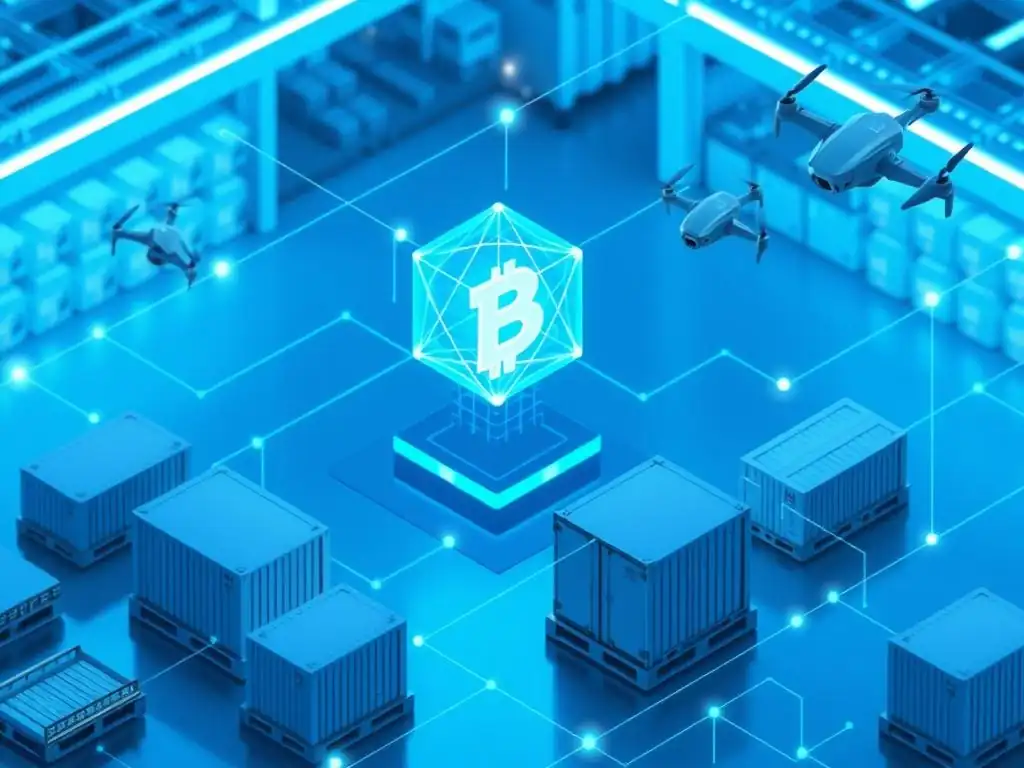
Blockchain Technology: A Secure and Transparent Ledger for Logistics
Blockchain technology serves as a foundational layer for building trust and transparency within complex logistics networks. At its core, a blockchain is a distributed, immutable ledger that records transactions across many computers. Each 'block' in the chain contains a batch of transactions, and once added, this block is cryptographically linked to the previous one, creating a tamper-evident history.
This inherent structure means that any attempt to alter historical data would require changing every subsequent block across a distributed network, making it virtually impossible without consensus from the majority of participants. For logistics, this translates into a secure and auditable record of every movement, transfer of ownership, or condition change for goods as they travel through the supply chain.
The transparency offered by blockchain is another critical benefit for logistics operations. While privacy can be maintained through permissioned networks, authorized participants can view the shared ledger, accessing near real-time information about the status and history of shipments. This shared, single source of truth eliminates the need for multiple disparate databases and reduces disputes over data accuracy.
Consider a container shipment moving across continents; every handoff, inspection, and customs clearance can be recorded on a blockchain, providing all relevant parties – from the shipper and carrier to customs officials and the end receiver – with a consistent and verifiable history. This foundational security and transparency are pivotal for achieving high levels of blockchain IoT logistics efficiency.
IoT in Logistics: Sensors, Data, and Connectivity for Enhanced Tracking
The Internet of Things (IoT) revolutionizes logistics by providing the eyes and ears throughout the supply chain. IoT devices, which include a wide array of sensors attached to goods, vehicles, containers, and infrastructure, collect vast amounts of real-time data. These sensors can monitor critical parameters such as location (via GPS), temperature, humidity, shock, vibration, and even light exposure. This data is then transmitted wirelessly through various connectivity options like cellular, satellite, or low-power wide-area networks (LPWANs) to cloud platforms for processing and analysis. The deployment of IoT devices enables unprecedented visibility into the physical world of logistics operations.
For example, in cold chain logistics, temperature sensors attached to pallets of perishable goods can continuously monitor conditions during transit. If the temperature deviates outside a specified range, alerts can be triggered instantly, allowing for corrective action before significant spoilage occurs.
Similarly, GPS trackers provide precise location data, enabling logistics managers to track the exact position of a shipment at any given moment, estimate arrival times more accurately, and detect unauthorized stops or detours. The rich, real-time data streams generated by IoT devices are essential for dynamic decision-making, proactive problem-solving, and ultimately, driving blockchain IoT logistics efficiency by providing the 'what, when, and where' of logistics events.
Synergy: How Blockchain and IoT Enhance Security and Data Integrity
The true power of blockchain and IoT in logistics emerges when these two technologies are integrated. IoT devices generate the raw, real-time data about the physical state and location of goods, while blockchain provides a secure, immutable, and transparent platform to record and manage this data. By anchoring IoT data points onto a blockchain, organizations can ensure the integrity and trustworthiness of the information being collected.
For instance, temperature readings from a sensor on a pharmaceutical shipment can be hashed and timestamped onto a blockchain block. Once recorded, this data point cannot be altered without being detected by the network participants, providing verifiable proof of the conditions under which the goods were transported.
This integration addresses a critical challenge in traditional logistics: the potential for data manipulation or loss. An IoT sensor might collect accurate data, but that data could be compromised or altered as it moves through various intermediaries and databases. By writing the sensor data directly or indirectly (via hashes) to a blockchain, the data becomes part of a shared, immutable ledger, significantly reducing the risk of tampering.
This creates a higher level of trust among all stakeholders regarding the authenticity and accuracy of the logistics data, which is fundamental for automating processes via smart contracts and improving overall blockchain IoT logistics efficiency. The combination ensures that the 'truth' about a shipment's journey is verifiable and accessible to authorized parties.
Frequently Asked Questions
What is the role of blockchain in improving logistics efficiency?
Blockchain provides a transparent and immutable record of transactions, enhancing trust and traceability throughout the supply chain. This leads to improved visibility and reduced delays.
How does IoT integrate with blockchain to enhance logistics?
IoT devices provide real-time data on location, condition, and status of goods, which is securely recorded on the blockchain. This combination allows for automated tracking and improved decision-making.
What is "Blockchain IoT Logistics Efficiency" and why is it important?
It refers to leveraging blockchain and IoT technologies to optimize various aspects of logistics, from tracking shipments to managing inventory. This is crucial for reducing costs and improving customer satisfaction.
What are some real-world examples of blockchain and IoT being used in logistics?
Examples include tracking pharmaceuticals to prevent counterfeiting, monitoring temperature-sensitive goods during transport, and using smart contracts to automate payments upon delivery confirmation.
What are the major challenges to adopting blockchain and IoT in logistics?
Challenges include the high initial costs of implementing these technologies, ensuring data privacy and security, and overcoming the lack of standardization across different systems.
Final Reflection: Embracing the Decentralized Future of Logistics
The convergence of Blockchain, IoT, and real-time logistics, as explored in this article, isn't just a technological trend; it's a fundamental shift in how we understand and manage global supply chains. The potential for increased transparency, security, and efficiency is no longer a distant promise, but a tangible reality shaping the future of commerce and trade. The insights shared here highlight the urgent need for businesses to explore and adopt these integrated solutions to remain competitive in an increasingly interconnected world.
This revolution in logistics resonates deeply because it touches upon the very fabric of our daily lives. The ability to track goods with unprecedented accuracy, ensure their authenticity, and optimize delivery routes has profound implications for everything from the food we eat to the medicine we rely on. The future of logistics is not just about moving things faster; it's about moving them smarter, more securely, and with greater transparency.
This quote encapsulates the essence of the transformative power of Blockchain and IoT, promising a future where supply chains are not just efficient, but also ethical and sustainable.
Now, as you reflect on the possibilities presented here, consider your own role in this evolving landscape. How can you leverage these technologies to improve your business, reduce waste, and create a more resilient and transparent supply chain? The future of logistics is being written now, and your contribution matters. Embrace the challenge, explore the opportunities, and become a part of the decentralized revolution that is reshaping the world around us.
Unlock the Future: Ignite Your Logistics Transformation!
Thank you for diving into the intersection of blockchain, IoT, and real-time logistics! We hope you've gained valuable insights into how these technologies are revolutionizing supply chains. Now, let's put that knowledge into action and be part of the change.
Here are a few next steps you can take:
- Become a Logistic Innovator: Initiate a small-scale blockchain pilot project within your current logistics workflow. Start by identifying a specific pain point and explore how blockchain and IoT can provide a solution.
- Explore the Ecosystem: Dive into the vibrant blockchain community dedicated to transforming logistics. Discover the most recent solutions that are being developed and the obstacles they hope to overcome.
- Share Your Vision: Spread awareness about the potential of this transformation with your network and industry peers. Share this article and start a conversation about how blockchain and IoT can create more transparent, efficient, and secure logistics operations.
What's the first step you'll take to bring blockchain and IoT solutions to your logistics operations? Let's discuss it in the comments below!
Leave a Reply