
Fighting Food Fraud: How Blockchain is Securing the Seafood Supply Chain A Case Study


Welcome to Blockchain Trends, your guide to understanding the revolutionary power of blockchain technology. Dive into our latest exploration of how this technology is disrupting industries beyond cryptocurrencies. Ever wondered how to ensure the authenticity of your seafood? Discover how blockchain is answering that call in " Fighting Food Fraud: How Blockchain is Securing the Seafood Supply Chain, "a case study that uncovers how this innovative technology is ensuring traceability and combating fraud in the seafood industry. Read on to learn how blockchain is transforming supply chains and what the future holds for decentralized transparency.
Fighting Food Fraud: How Blockchain is Securing the Seafood Supply Chain - A Case Study
- Introduction: The Urgent Need for Transparency in Seafood Supply Chains
- Blockchain's Potential to Revolutionize Seafood Traceability
- Case Study: Bumble Bee Foods Implementing Blockchain for Tuna Tracking
- Implementing Blockchain for Secure Seafood Supply: A Step-by-Step Approach
- Benefits of Using Blockchain to Secure the Seafood Supply Chain
- Challenges and Considerations for Blockchain Adoption in the Seafood Industry
- The Future of Blockchain in Seafood Supply Chain Management
- Conclusion: Blockchain - A Key to Building Trust and Security in the Global Seafood Market
-
Frequently Asked Questions
- How does blockchain technology help combat food fraud in the seafood industry?
- What are the key benefits of using blockchain for a secure seafood supply chain?
- What specific information can be tracked using blockchain in the seafood industry?
- What role do enterprise applications play in implementing blockchain for seafood traceability?
- What are some of the regulatory challenges associated with using blockchain for seafood supply chain management?
- Final Reflection: Anchoring Trust in Every Catch
- Dive Deeper: Secure Your Seafood Knowledge!
Introduction: The Urgent Need for Transparency in Seafood Supply Chains
The global seafood industry is a complex web spanning vast oceans, countless vessels, processing plants, distributors, retailers, and ultimately, consumers. This intricate network, while vital for global food security and economies, is unfortunately rife with challenges, particularly concerning transparency and authenticity. Issues such as illegal, unreported, and unregulated (IUU) fishing, mislabeling, and food fraud not only harm marine ecosystems and legitimate businesses but also pose significant health risks to consumers. Building trust in this supply chain requires innovative solutions that can provide verifiable, end-to-end visibility.
Securing the seafood supply chain is paramount not just for ethical and environmental reasons, but for economic stability and public health. Estimates suggest that a significant portion of seafood sold globally is mislabeled or sourced illegally. This lack of transparency erodes consumer confidence and makes it difficult for regulators and industry participants to ensure compliance with sustainability standards and food safety regulations. The traditional paper-based or fragmented digital systems currently in use are simply insufficient to combat the scale and sophistication of modern seafood fraud.
Understanding the Scale of Seafood Fraud and Mislabeling
Seafood fraud and mislabeling represent a pervasive problem globally. Studies have consistently shown high rates of misidentification, where one species is sold as another, often more expensive one. For instance, research conducted by Oceana between 2010 and 2017 across 24 countries found that one in five seafood samples tested was mislabeled. In some specific locations or for certain high-value species like snapper or tuna, mislabeling rates could climb much higher, sometimes exceeding 40% in retail settings. This widespread issue not only cheats consumers financially but also obscures the true origin and journey of seafood.
The economic impact of this fraud is substantial, estimated to cost the global fishing industry billions of dollars annually. Beyond financial losses, mislabeling can expose consumers to unwanted allergens or toxins if a declared species is substituted with one that poses health risks. Furthermore, it facilitates the laundering of illegally caught fish, undermining conservation efforts and sustainable fisheries management. Effectively addressing this requires a system capable of providing irrefutable proof of provenance and identity at every step, which is where the potential of blockchain secure seafood supply solutions becomes apparent.
Why Traditional Methods Fall Short in Seafood Traceability
Traditional methods for tracking seafood typically rely on paper trails, spreadsheets, or disparate, non-interconnected databases managed by different entities in the supply chain. This creates numerous points of vulnerability where data can be altered, lost, or simply not shared effectively.
Information often gets fragmented as the product moves from the fishing vessel to processing, distribution, and retail. A bill of lading might track a batch of fish, but it rarely contains detailed, verifiable information about the exact catch location, date, or the specific vessel involved, especially not in a way that is easily accessible or auditable by all parties, including the end consumer.
The inherent limitations of these legacy systems make it incredibly difficult to perform timely and accurate audits. Verifying claims about species, origin, or sustainability requires manual checks and cross-referencing across multiple, often unreliable, sources. This process is slow, expensive, and prone to errors or deliberate manipulation. Without a unified, secure, and transparent system, ensuring a truly blockchain secure seafood supply chain remains an aspirational goal that traditional tools simply cannot achieve. The lack of a single, tamper-proof record makes it easy for fraudulent activities to go undetected across vast and complex supply networks.
Blockchain's Potential to Revolutionize Seafood Traceability
Blockchain technology, with its distributed ledger architecture, offers a fundamentally different approach to supply chain management compared to traditional systems. By creating a shared, append-only record of transactions and data points, it can provide unprecedented levels of transparency and accountability. Each step in the seafood journey – from the moment the fish is caught to when it reaches the consumer's plate – can be recorded as a transaction on the blockchain. This creates a verifiable history that is accessible to authorized participants, fostering trust among stakeholders and demonstrating a commitment to a blockchain secure seafood supply.
The power of blockchain lies in its ability to connect disparate data points across the supply chain into a single, coherent, and trustworthy narrative. Instead of relying on individual, siloed records, all participants can potentially view the same version of the truth regarding a specific batch of seafood. This shared visibility dramatically reduces information asymmetry and makes it significantly harder for fraudulent activities to occur or go unnoticed. The technology provides the foundational layer necessary to build truly transparent and secure supply chains, moving beyond fragmented data towards a holistic view of provenance.
How Blockchain Technology Enhances Supply Chain Visibility
Blockchain technology dramatically enhances supply chain visibility by creating a transparent and shared ledger of all recorded events and data points. As seafood moves through the supply chain, key information such as catch location (often recorded via GPS coordinates), vessel identification, date of catch, processing facility details, transportation routes, and quality control checks can be added as blocks of data linked chronologically.
Each new block is cryptographically linked to the previous one, forming an immutable chain. This means that anyone with access to the ledger can trace the product's journey backward from the retailer all the way to its origin at sea.
This end-to-end visibility is a critical advantage for building a blockchain secure seafood supply. Consumers, regulators, and businesses can access verified information about the product's history, ensuring it meets sustainability standards, was legally caught, and handled properly. For example, a consumer scanning a QR code on a seafood package could instantly see the vessel name, the area it fished, and the date it was processed, all backed by data recorded on the blockchain. This level of detail and accessibility is virtually impossible with traditional paper-based systems, providing a powerful tool against mislabeling and fraud.
Immutable Records: Preventing Data Tampering in the Seafood Industry
One of the most significant features of blockchain technology is the immutability of its records. Once data is added to a block and that block is added to the chain, it is extremely difficult, if not computationally impossible for practical purposes, to alter or delete that information without the consensus of the network. Each block contains a cryptographic hash of the previous block, meaning any attempt to tamper with historical data would break the chain and be immediately detectable by other participants on the network. This inherent security feature is vital for ensuring a blockchain secure seafood supply.
In the context of the seafood industry, this means that critical data points, such as the reported species, catch weight, landing date, or processing location, cannot be secretly changed after being recorded. If a processor attempts to alter the species name or a distributor tries to change the origin country, this change would not align with the original record on the distributed ledger and would be flagged as invalid. This makes the blockchain a highly reliable source of truth for verification purposes, drastically reducing the potential for data manipulation that enables fraud and mislabeling in traditional systems.
Smart Contracts: Automating Compliance and Quality Control
Smart contracts are self-executing contracts with the terms of the agreement directly written into code. They run on the blockchain and automatically execute predefined actions when specific conditions are met. In the seafood supply chain, smart contracts can automate and enforce compliance with regulations, quality standards, and contractual agreements, further strengthening a blockchain secure seafood supply. For instance, a smart contract could be programmed to release payment to a supplier only after verified data indicating successful delivery and passing quality checks has been recorded on the blockchain.
These automated agreements can streamline processes and reduce the need for manual verification and intermediaries. For example, a smart contract could ensure that a batch of tuna is only accepted by a distributor if the blockchain data confirms it was caught in a specific, approved fishing zone and processed within a certain timeframe.
If the recorded GPS coordinates or processing date fall outside the specified parameters, the smart contract would automatically flag the shipment or prevent the transaction from proceeding. This introduces an automated layer of enforcement based on verifiable, blockchain-recorded data, enhancing efficiency and trust across the supply chain.
Case Study: Bumble Bee Foods Implementing Blockchain for Tuna Tracking
Bumble Bee Foods, a major player in the global seafood market, recognized the critical need to improve transparency and combat issues like IUU fishing and mislabeling, particularly within their tuna supply chain. Facing increasing consumer demand for ethically and sustainably sourced products, and the challenges posed by complex international logistics, they sought a technological solution that could provide reliable, verifiable traceability from the point of catch to the consumer's hand. Traditional systems were proving inadequate for achieving the required level of detail and trustworthiness across their vast supply network.
In response to these challenges, Bumble Bee Foods partnered with SAP to implement a blockchain-based traceability solution. This initiative aimed to leverage the unique capabilities of blockchain technology to create an immutable and transparent record of their tuna products' journey. The project focused initially on their yellowfin tuna, a species often subject to mislabeling and sustainability concerns. By piloting a blockchain secure seafood supply system, Bumble Bee sought to not only meet consumer expectations but also gain operational efficiencies and build stronger relationships with their supply chain partners.
The Challenge: Ensuring Tuna Sustainability and Combating Illegal Fishing
The tuna industry faces significant challenges related to sustainability, overfishing, and illegal fishing practices. Different tuna species have varying stock levels, and ensuring that tuna is caught legally, using approved methods, and within sustainable quotas is crucial for the health of marine ecosystems. Illegal, Unreported, and Unregulated (IUU) fishing, in particular, undermines conservation efforts and creates an uneven playing field for legitimate fishers. Tracing tuna from vast ocean fishing grounds through multiple intermediaries to the final product requires a robust system that can verify its legality and sustainability claims at every step.
Bumble Bee Foods, like other responsible seafood companies, has commitments to sustainable sourcing. However, validating these commitments across a complex global supply chain using traditional methods is incredibly difficult.
Proving that a can of tuna originated from a specific, sustainably managed fishery, caught by a registered vessel using approved gear, requires access to verifiable data points that are often scattered or prone to alteration. The challenge was to implement a system that could reliably capture, store, and share this critical information in a way that was transparent, auditable, and resistant to fraud, paving the way for a truly blockchain secure seafood supply.
The Solution: Implementing a Blockchain-Based Traceability System for Tuna
To address the traceability challenges, Bumble Bee Foods implemented a blockchain solution built on the SAP Cloud Platform Blockchain service, utilizing Hyperledger Fabric. This system was designed to capture key data points throughout the tuna supply chain, starting from the moment the fish is caught. When a vessel catches tuna, relevant information such as the vessel ID, catch date, location (often via GPS), and species is recorded. This data is then entered into the blockchain system as the product moves through processing facilities, where details about processing dates, factory location, and product forms (e.g., fillets, canned) are added.
The blockchain platform integrates with other systems used by supply chain partners, allowing data to be added collaboratively and chronologically. Each transaction is timestamped and cryptographically secured, creating a permanent and verifiable record. By implementing this blockchain secure seafood supply system, Bumble Bee aimed to create a single, shared source of truth accessible to authorized participants, including their own teams, supply chain partners, and ultimately, potentially consumers. This move represented a significant step towards enhancing transparency and accountability in their operations.
Key Features of the Blockchain Solution: QR Code Tracking, Consumer App Integration
A central feature of Bumble Bee's blockchain implementation is the use of QR codes on their product packaging. These QR codes serve as a gateway for consumers to access the blockchain-recorded journey of the specific tuna product they purchased. By scanning the code with a smartphone, consumers are directed to a web application or interface that displays detailed information about the tuna's history. This information includes the vessel that caught the fish, the specific fishing area, the date of the catch, the processing plant where it was handled, and other relevant data points recorded on the blockchain.
This consumer-facing application leverages the underlying blockchain secure seafood supply data to provide an unprecedented level of transparency directly to the end-user. It transforms the abstract concept of supply chain traceability into a tangible experience, allowing consumers to make informed choices based on verified information about sustainability and origin. This feature not only builds consumer trust but also puts pressure on other supply chain actors to ensure the data they provide is accurate, as it is now publicly verifiable through the blockchain record associated with the product.
Implementing Blockchain for Secure Seafood Supply: A Step-by-Step Approach
Implementing a blockchain solution for a complex supply chain like seafood requires careful planning and execution. It involves onboarding various stakeholders, defining data standards, integrating systems, and managing change across the network. For a company like Bumble Bee Foods, securing the seafood supply with blockchain was a multi-phase project that began with pilot programs and gradually expanded. The process typically involves several key steps, starting with bringing participants onto the platform and defining the data flow.
A successful blockchain implementation for seafood traceability needs participation from all critical nodes in the chain. This includes fishers, vessel operators, processing plants, distributors, and retailers. Each participant must understand their role in recording data and how the system benefits them. The technical implementation involves setting up the blockchain network, defining the data structure for each transaction type (e.g., catch event, processing event, shipping event), and developing interfaces for data entry and retrieval.
Step 1: Onboarding Tuna Fishing Vessels and Processing Facilities
The initial step in building a blockchain secure seafood supply chain is bringing the primary data sources onto the platform. This involves registering fishing vessels and processing facilities that are part of the supply network. Each vessel and facility is assigned a unique identifier within the system. Training is crucial at this stage, ensuring that captains, crew members, and processing plant staff understand how to accurately capture and input the required data at the point of origin and during initial handling. This might involve using mobile apps, satellite communication systems, or integrated software at processing sites.
Data captured at this stage is foundational. For fishing vessels, this includes details like vessel registration, fishing license information, GPS coordinates of the catch, date and time of catch, species caught, and estimated weight. For processing facilities, it includes receiving dates, weight upon arrival, processing methods, and creation of initial product batches with unique identifiers. Getting this initial data accurately and consistently recorded on the blockchain is paramount, as it forms the immutable starting point for the product's traceability history.
Step 2: Tracking Tuna Products from Catch to Consumer
Once the initial data is recorded, the process continues by tracking the tuna products as they move through subsequent stages of the supply chain. This involves creating new blockchain transactions whenever the product changes hands or undergoes a significant transformation. For instance, when a batch of processed tuna is shipped from the processing plant to a distributor, a transaction is recorded detailing the shipment date, quantity, destination, and potentially transport details. When the distributor sells to a retailer, another transaction captures that movement.
Each transaction links back to the previous one, building a complete, chronological history of the product. The unique batch identifiers created at the processing stage are critical for maintaining continuity. For canned tuna, this might involve linking the batch number on the can to the processing batch, which in turn links back to the specific catch event. This continuous chain of verifiable records is what provides the end-to-end traceability needed for a blockchain secure seafood supply, allowing any participant with access to follow the product's path forward or backward through the network.
Step 3: Data Verification and Validation on the Blockchain
While blockchain provides immutability, the accuracy of the system relies on the quality of the data initially entered. Therefore, data verification and validation are crucial ongoing processes. This can involve various mechanisms, depending on the blockchain network and the specific implementation. Participants might have roles in validating transactions initiated by others in the network, ensuring that reported data aligns with expected parameters or physical observations. For example, a processing plant receiving a shipment might verify that the reported weight on the blockchain matches the physical delivery before confirming the transaction.
Furthermore, external data sources can be integrated to enhance validation. Satellite data can potentially verify reported fishing locations, regulatory databases can confirm vessel licenses, and IoT sensors could potentially record temperature data during transport. While achieving full, automated external validation is complex, incorporating such checks strengthens the integrity of the data on the blockchain. The goal is to create a system where inaccurate or fraudulent data entries are quickly identified and flagged, reinforcing the trustworthiness of the blockchain secure seafood supply record for all users.
Benefits of Using Blockchain to Secure the Seafood Supply Chain
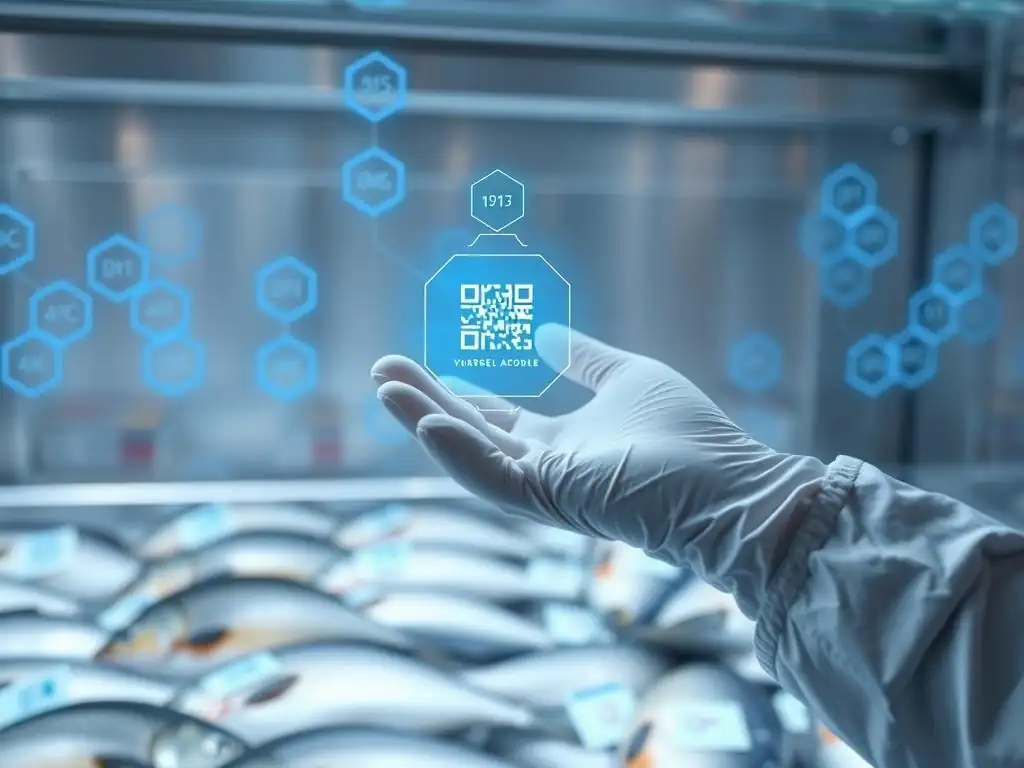
Implementing blockchain technology offers a multitude of benefits for the seafood industry, extending far beyond just combating fraud. It creates a foundation for enhanced trust, efficiency, and sustainability across the entire value chain. By providing verifiable, transparent records, blockchain empowers consumers, improves operational processes for businesses, and supports regulatory efforts. The adoption of blockchain secure seafood supply solutions addresses long-standing issues that have plagued the industry for decades.
The advantages touch every stakeholder, from the fisher at sea to the consumer in the grocery store. Businesses can gain competitive advantages through demonstrable transparency, while regulators can enforce standards more effectively. The collective benefit is a more responsible, efficient, and trustworthy global seafood market.
Enhanced Traceability and Transparency for Consumers
One of the most direct and impactful benefits of using blockchain for seafood traceability is the significant enhancement of transparency for consumers. As demonstrated by the Bumble Bee case study with its QR code feature, consumers can gain unprecedented access to detailed, verifiable information about the seafood they are purchasing. Instead of relying on generic labels or marketing claims, they can see the specific journey of that particular product.
This level of transparency builds consumer confidence and trust in seafood brands and retailers. It allows consumers to verify claims about origin, sustainability certifications, and ethical sourcing directly from the blockchain record. For example, a consumer concerned about dolphin-safe practices could potentially verify through the blockchain data that the tuna was caught using methods compliant with such standards. This empowerment through information is a powerful driver for consumer choice and encourages responsible practices throughout the blockchain secure seafood supply chain.
Reduced Instances of Seafood Fraud and Mislabeling
The immutable nature of blockchain records makes it significantly harder and riskier to commit seafood fraud or mislabeling. Since data recorded on the blockchain cannot be altered retroactively without detection, any attempt to change the species, origin, catch date, or weight at any point in the supply chain would create an inconsistency with the original, verified record. This transparency acts as a powerful deterrent.
If a retailer receives a shipment of fish labeled as snapper, but the blockchain record initiated at the processing plant identifies it as a different, cheaper species, this discrepancy is immediately visible. This makes it much more difficult to pass off mislabeled products undetected. By creating an auditable trail that follows the product from origin to sale, blockchain technology provides the tools necessary to significantly reduce the estimated 20-50% rate of seafood mislabeling reported in various studies, moving closer to a truly blockchain secure seafood supply.
Improved Food Safety and Quality Control Throughout the Supply Chain
Blockchain can also play a crucial role in improving food safety and quality control within the seafood industry. Critical data points related to handling, storage temperatures, and processing conditions can be recorded on the blockchain at each step. For example, if IoT sensors are used in cold storage or transport, their temperature logs can be written to the blockchain, providing an immutable record of temperature compliance throughout the journey.
In the event of a food safety issue, such as a recall, the detailed traceability data on the blockchain allows for rapid and precise identification of affected batches. Instead of recalling large volumes of product based on broad date ranges or distribution centers, companies can pinpoint the exact products, their origin, and their path through the supply chain. This significantly reduces the scope and cost of recalls, minimizes waste, and most importantly, protects public health by quickly removing potentially unsafe products from the market. This capability is a key benefit of a blockchain secure seafood supply system.
Increased Efficiency and Cost Savings for Seafood Businesses
While implementing new technology involves initial investment, blockchain adoption can lead to significant long-term efficiencies and cost savings for seafood businesses. Manual data entry and verification processes are time-consuming and prone to errors. By standardizing data capture and leveraging the shared, secure ledger, businesses can streamline operations. The automated verification capabilities offered by smart contracts can further reduce administrative overhead.
Furthermore, improved traceability reduces losses due to fraud, mislabeling, and inefficient recalls. Businesses can also gain operational insights from the detailed data recorded on the blockchain, optimizing logistics, inventory management, and sourcing strategies. For example, analyzing blockchain data might reveal bottlenecks in the supply chain or highlight which suppliers consistently provide products with verifiable sustainability credentials. These efficiencies contribute to a more profitable and resilient blockchain secure seafood supply chain for all participants.
Challenges and Considerations for Blockchain Adoption in the Seafood Industry
Despite the compelling benefits, implementing blockchain technology in the seafood industry is not without its challenges. The industry is highly fragmented, involves diverse participants with varying levels of technological sophistication, and operates in challenging environments, particularly at the point of catch. Overcoming these hurdles requires careful planning, collaboration, and investment. Addressing these considerations is essential for successful adoption and realizing the full potential of a blockchain secure seafood supply.
The challenges span technological, operational, and human factors. Standardizing data, ensuring participation from small-scale fishers, and integrating with existing legacy systems are just some of the complexities that need to be navigated. A phased approach, starting with pilots and gradually expanding, is often the most practical way to overcome these obstacles.
Overcoming Resistance to Technological Change
One of the primary challenges is overcoming resistance to adopting new technology, particularly among participants who may be less technologically savvy or comfortable with digital systems. Fishers, small processing plants, and local distributors, who are crucial links in the supply chain, may lack the necessary infrastructure, training, or motivation to switch from familiar paper-based processes to a blockchain-based system. There might be concerns about complexity, cost, or the perceived loss of control over information.
Successful implementation requires significant investment in training and support for all stakeholders. Demonstrating the clear benefits – such as reduced paperwork, faster verification, or access to new markets that demand verifiable traceability – is essential to encourage participation. Building trust in the technology and the implementing entity is also critical. Change management strategies that involve stakeholders early and address their concerns are vital for fostering acceptance of a blockchain secure seafood supply system.
Ensuring Data Privacy and Security on the Blockchain
While blockchain offers immutability and security against data tampering, concerns about data privacy and access still exist, especially in a permissioned network setting suitable for supply chains. Participants in the seafood industry may be hesitant to share sensitive business data, such as pricing information, supplier relationships, or detailed operational metrics, on a shared ledger, even if it's only accessible to authorized parties. Defining who has access to what information and ensuring robust access controls are critical.
Implementing a permissioned blockchain network, where participation and data access are restricted to verified members, is a common approach to address these privacy concerns. Careful design of the data model is also necessary to ensure that only necessary traceability information is recorded on the public or shared parts of the ledger, while sensitive commercial data remains private. Clearly communicating the data governance policies and security measures is paramount to building trust and ensuring that participants feel comfortable contributing to the blockchain secure seafood supply chain.
Interoperability with Existing Supply Chain Systems
The seafood industry, like many others, uses a variety of existing systems for managing inventory, logistics, sales, and compliance. These systems often vary significantly between different companies and even within different departments of the same company. Integrating a new blockchain platform with these diverse legacy systems can be complex and costly. Data formats, communication protocols, and system architectures may not be compatible, requiring significant development effort to build interfaces and ensure seamless data flow.
Achieving interoperability is crucial for the efficiency and scalability of a blockchain secure seafood supply solution. Data needs to flow automatically from existing operational systems (like catch reporting software or warehouse management systems) onto the blockchain without requiring manual re-entry. Industry-wide standards for data exchange related to seafood traceability could help alleviate this challenge, but developing and adopting such standards takes time and collaboration across the industry. Until then, custom integration solutions will be necessary for many implementations.
The Future of Blockchain in Seafood Supply Chain Management
The adoption of blockchain technology in the seafood industry is still in its relatively early stages, but the potential for transformative impact is immense. As pilot projects like Bumble Bee's demonstrate the viability and benefits, wider adoption is likely to follow. The future will see blockchain becoming a standard tool for ensuring provenance, combating fraud, and supporting sustainability initiatives. Its integration with other emerging technologies will further enhance its capabilities for creating a truly blockchain secure seafood supply.
Looking ahead, blockchain is poised to become an integral part of the digital infrastructure that underpins responsible and efficient global seafood trade. Its role will expand beyond simple traceability to support complex processes like automated compliance reporting, dynamic supply chain financing based on verified data, and even directly linking consumer purchases to support for specific sustainable fishing communities.
Exploring Emerging Technologies: IoT and Blockchain Integration
The combination of blockchain with Internet of Things (IoT) devices holds significant promise for enhancing the accuracy and automation of data capture in the seafood supply chain. IoT sensors can collect real-time data on critical parameters such as location (GPS trackers on vessels or containers), temperature (in cold storage and transport), and even potentially environmental conditions. This data can then be automatically fed into the blockchain, creating an objective and verifiable record that doesn't rely on manual input.
For instance, GPS data from a fishing vessel could be automatically uploaded to the blockchain to verify catch locations against regulatory zones. Temperature sensors in a refrigerated truck transporting fish from a processing plant to a distributor could continuously record temperature logs onto the blockchain, providing immutable proof that the cold chain was maintained throughout the journey. This integration of IoT and blockchain secure seafood supply systems reduces the potential for human error or deliberate misreporting, providing a higher level of data integrity and automation.
The Role of Blockchain in Sustainable Seafood Practices
Blockchain technology is uniquely positioned to support and verify sustainable seafood practices. By providing immutable proof of origin, catch method, and compliance with specific certifications (like MSC or ASC), blockchain can help consumers and businesses make informed choices that support sustainable fisheries and aquaculture. Companies can use blockchain to transparently demonstrate their commitment to sustainability, backing up claims with verifiable data.
Furthermore, blockchain can facilitate the implementation of catch limits and quotas by providing a transparent record of landings. Regulatory bodies could potentially use blockchain data to monitor fishing activity in real-time and ensure compliance. By linking specific products to specific sustainable sources through the blockchain secure seafood supply chain, it becomes easier for consumers to reward responsible producers and for businesses to build supply chains that align with environmental and social goals. This verifiable link is crucial for the credibility of sustainability claims in the market.
Predicting the Widespread Adoption of Blockchain in the Seafood Industry
While challenges remain, the trend suggests increasing adoption of blockchain technology in the seafood industry. As pilot projects demonstrate return on investment through reduced fraud, improved efficiency, and enhanced consumer trust, more companies are likely to invest in these solutions. Regulatory bodies are also beginning to explore how blockchain can support compliance and enforcement efforts, which could further drive adoption.
Collaboration across the industry, including the development of common standards and shared platforms, will be key to accelerating widespread adoption. As the technology matures and becomes more accessible and cost-effective, it is likely to move from being a competitive differentiator for large companies to a standard requirement for participation in global seafood trade. Within the next five to ten years, it is reasonable to predict that blockchain technology will play a significant role in securing the seafood supply chain globally, becoming an expected part of demonstrating provenance and authenticity.
Conclusion: Blockchain - A Key to Building Trust and Security in the Global Seafood Market
The global seafood supply chain is complex, vulnerable to fraud, and in urgent need of enhanced transparency. Traditional methods have proven insufficient to combat issues like mislabeling and illegal fishing, eroding consumer trust and harming legitimate businesses and marine ecosystems. Blockchain technology offers a powerful, innovative solution by providing a decentralized, immutable, and transparent ledger to track seafood products from their origin at sea to the final consumer.
As demonstrated by case studies like Bumble Bee Foods' implementation for tuna, blockchain can revolutionize traceability, enhance visibility, and significantly reduce instances of fraud. By creating a verifiable history for every product, it empowers consumers, improves food safety, and drives operational efficiencies. While challenges related to adoption, data privacy, and interoperability exist, they are being addressed as the technology matures and industry collaboration increases.
The integration with emerging technologies like IoT further strengthens its potential. Ultimately, blockchain technology is poised to become a fundamental tool for building trust and ensuring a truly blockchain secure seafood supply chain in the global market, benefiting consumers, businesses, and the health of our oceans.
Frequently Asked Questions
How does blockchain technology help combat food fraud in the seafood industry?
Blockchain creates a transparent and immutable record of the seafood's journey, from catch to consumer. This helps verify authenticity and prevents fraudulent labeling or substitution, ensuring consumers get what they pay for.
What are the key benefits of using blockchain for a secure seafood supply chain?
The primary benefits include enhanced traceability, improved consumer trust, and reduced risk of foodborne illnesses. It also allows for easier compliance with regulations and strengthens brand reputation.
What specific information can be tracked using blockchain in the seafood industry?
Blockchain can track critical data points such as the location and time of catch, the fishing vessel involved, the chain of custody, and relevant certifications. This information is securely stored and readily accessible.
What role do enterprise applications play in implementing blockchain for seafood traceability?
Enterprise applications provide the infrastructure and tools needed to integrate blockchain into existing business processes. They facilitate data capture, storage, and sharing among different stakeholders in the supply chain, ensuring seamless operation.
What are some of the regulatory challenges associated with using blockchain for seafood supply chain management?
One challenge is the lack of uniform global standards for data collection and verification. Also, ensuring data privacy and compliance with existing food safety regulations requires careful consideration and planning.
Final Reflection: Anchoring Trust in Every Catch
The journey through the intricate web of the seafood supply chain, illuminated by the transformative potential of blockchain, reveals a crucial truth: transparency is no longer a luxury, but a necessity. The vulnerabilities exposed by food fraud, from mislabeling to illegal fishing, demand innovative solutions, and blockchain offers a powerful tool to rebuild consumer trust and ensure the integrity of our food systems.
This exploration has underscored the profound impact of technology on our relationship with food. Witnessing the potential for blockchain to empower consumers and protect vulnerable ecosystems is deeply inspiring. It highlights the ethical responsibility we all share in demanding greater accountability within the seafood industry. The future of food is traceability. Consumers want to know where their food comes from, and blockchain can provide that information in a secure and transparent way.
- (Hypothetical Quote from a Seafood Industry Expert).
Now, consider the implications of this technology in your own life. How can you, as a consumer, advocate for greater transparency in the food you consume? How can you support businesses that prioritize ethical sourcing and traceability? Let us all strive to be more informed and conscious consumers, demanding a future where the seafood we enjoy is not only delicious but also ethically and sustainably sourced, secured by the unwavering chain of blockchain technology.
Dive Deeper: Secure Your Seafood Knowledge!
Thank you for exploring how blockchain is transforming seafood traceability and fighting fraud. We hope this case study has demonstrated the importance of transparency in building consumer trust. Now, it's time to put that knowledge into action!
Here's what you can do next:
- Support seafood brands that prioritize blockchain traceability. Look for certifications and labels indicating verifiable origins and sustainable practices.
- Share this article with your network to raise awareness about food fraud and the innovative solutions blockchain offers. Let's spread the word about building a more trustworthy food system.
- Explore other applications of blockchain within the food industry, from produce to meat. Discover how this technology is enhancing food safety and promoting ethical sourcing.
What steps will you take to ensure the seafood on your plate is authentic and sustainably sourced? Share your thoughts and experiences in the comments below!
Leave a Reply