
Beyond Authentication: Blockchain's Added Benefits in Supply Chain Management


Welcome to Blockchain Trends, your definitive source for navigating the revolutionary world of blockchain technology. Forget just cryptocurrencies - we're diving deep into the real-world applications that are reshaping industries. Intrigued by how blockchain can revolutionize your operations? Discover the game-changing potential of blockchain supply chain traceability benefits and uncover how it goes far beyond simple authentication. Ready to see how blockchain is transforming supply chains and beyond? Let's explore!
- Supply Chain Traceability Benefits: Enhanced Visibility and Trust
-
Frequently Asked Questions
- What are the primary Blockchain supply chain traceability benefits beyond simple authentication?
- How does blockchain contribute to increased transparency in supply chains?
- What are some practical applications of Blockchain supply chain traceability benefits in different industries?
- How can blockchain-based supply chain systems help companies comply with regulations?
- What is the future potential for Blockchain supply chain traceability benefits in creating more resilient supply chains?
- Final Reflection: Embracing Transparency and Trust in Supply Chains
- Unlock Your Supply Chain's Potential: Start Now!
Supply Chain Traceability Benefits: Enhanced Visibility and Trust
Real-Time Tracking and Monitoring of Goods
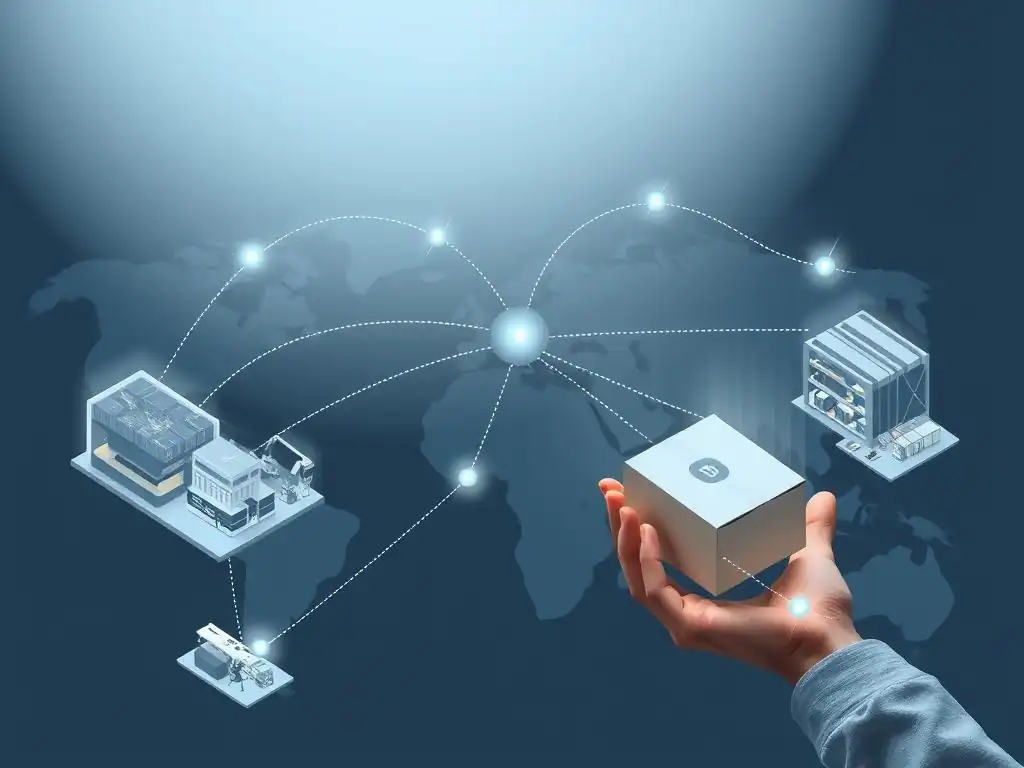
One of the most significant blockchain supply chain traceability benefits is the ability to achieve near real-time tracking and monitoring of goods as they move through complex networks. By leveraging blockchain's distributed ledger technology, each movement, handling point, or change in condition (like temperature for perishables) can be recorded as an immutable transaction. This creates a continuous, verifiable digital trail accessible to authorized participants.
Unlike traditional siloed systems where information is often delayed or fragmented, blockchain enables a shared, single source of truth about a product's location and status at any given moment. This enhanced visibility is particularly critical in industries handling sensitive or high-value goods.
For instance, in the pharmaceutical supply chain, tracking medications from manufacturer to pharmacy shelf is vital for safety and compliance. A blockchain system can log every transfer point, verifying custody and condition. This real-time data empowers companies to identify bottlenecks or delays swiftly.
Similarly, in cold chain logistics for food or pharmaceuticals, sensors can push data directly onto the blockchain, providing instant alerts if temperatures deviate from acceptable ranges. This proactive monitoring can dramatically reduce spoilage, potentially by upwards of 15-20% in certain food categories, safeguarding product quality and reducing waste. The traceability benefits of blockchain in supply chains provide an unprecedented level of control and insight.
Improved Transparency for Consumers and Stakeholders
Beyond internal operational improvements, blockchain supply chain traceability benefits extend outwards to improve transparency for consumers, regulators, and other stakeholders. By making select information on the blockchain accessible (often through user-friendly interfaces or QR codes on products), companies can share verified details about a product's journey, origin, ethical sourcing, and handling. This level of transparency builds trust and empowers informed decision-making. Consumers can verify claims about organic produce, sustainably sourced materials, or fair trade practices directly from an unalterable record.
This increased transparency is not just a marketing advantage; it's a powerful tool for accountability. Regulators can access verifiable data streams for compliance checks, simplifying audits and reducing the burden of manual reporting. Stakeholders across the supply chain, from raw material suppliers to retailers, gain a clearer picture of upstream and downstream activities, fostering better collaboration. Studies and pilot programs have shown that consumers are often willing to pay a premium, sometimes estimated around 10-15%, for products where ethical or quality claims are backed by verifiable, blockchain-powered traceability, highlighting the tangible economic benefits of this transparency.
Strengthening Trust Through Immutable Records
A cornerstone of the blockchain supply chain traceability benefits is the inherent immutability of the ledger. Once data is recorded on the blockchain and validated by the network, it is virtually impossible to alter or delete it without consensus from a majority of participants. This creates a highly trustworthy and tamper-proof history of a product's life cycle. In contrast, traditional databases can be susceptible to errors, omissions, or malicious alterations, making it difficult to definitively prove the integrity of information, especially when disputes arise.
The immutable nature of blockchain records significantly strengthens trust among supply chain partners who may not have existing relationships or shared systems. Every transaction, transfer of ownership, or status update is logged permanently, providing irrefutable evidence for audits, compliance reporting, and dispute resolution. This drastically reduces the potential for fraud or misrepresentation regarding product handling, origin, or certifications.
For example, in high-stakes environments like the aerospace industry, verifying the authenticity and maintenance history of parts is critical. Blockchain's immutable ledger provides the assurance needed to trust the documented history, potentially speeding up verification processes and reducing the risk of using counterfeit components. This foundational trust is a key driver of the long-term blockchain supply chain traceability benefits.
Frequently Asked Questions
What are the primary Blockchain supply chain traceability benefits beyond simple authentication?
Blockchain offers enhanced transparency across the supply chain, enabling improved efficiency and reduced counterfeiting. This goes beyond simple authentication by providing a permanent, immutable record.
How does blockchain contribute to increased transparency in supply chains?
Blockchain creates a shared, distributed ledger where every transaction is recorded and verifiable. This provides end-to-end visibility into the product's journey, accessible to all authorized participants.
What are some practical applications of Blockchain supply chain traceability benefits in different industries?
Examples include tracking food origins to ensure safety, verifying the authenticity of luxury goods, and monitoring pharmaceutical products to prevent counterfeiting. These applications leverage blockchain's immutability and transparency.
How can blockchain-based supply chain systems help companies comply with regulations?
Blockchain provides a clear audit trail of all activities within the supply chain. This simplifies regulatory compliance by providing easily accessible and verifiable data to auditors and regulators.
What is the future potential for Blockchain supply chain traceability benefits in creating more resilient supply chains?
Blockchain can facilitate better collaboration and information sharing among supply chain partners. This leads to improved responsiveness to disruptions and greater supply chain resilience in the face of unforeseen events.
Final Reflection: Embracing Transparency and Trust in Supply Chains
The insights explored throughout this article highlight that blockchain's true potential extends far beyond simple authentication, offering a transformative approach to supply chain management. The ability to track goods from origin to consumer, ensuring transparency and accountability at every step, is no longer a futuristic concept but a tangible reality reshaping industries today. This shift towards verifiable provenance is crucial in a world demanding ethical sourcing and product integrity.
The impact of blockchain on supply chains is not merely technological; it's fundamentally changing how we perceive trust and responsibility. The ability to verify the authenticity and origin of products empowers consumers and holds businesses accountable in unprecedented ways. This shift is deeply personal, as it connects us more directly to the products we consume and the processes that bring them to us. Trust is the glue of life. It's the most essential ingredient in effective communication. It's the foundational principle that holds all relationships.
- Stephen Covey. This quote encapsulates the essence of what blockchain brings to supply chains: a foundation of trust built on verifiable data.
As we move forward, let us not only embrace the technological advancements that blockchain offers but also reflect on the ethical implications of transparent supply chains. Consider how you, as a consumer, a business owner, or a policymaker, can champion the adoption of blockchain technology to foster a more sustainable, equitable, and trustworthy global marketplace. The future of supply chain management lies in our collective commitment to transparency and accountability.
Okay, I'm ready to craft a Call to Action (CTA) for the end of a web article titled "Beyond Authentication: Blockchain's Added Benefits in Supply Chain Management" for Blockchain Trends (blockchaintrends.org). Here it is:
Unlock Your Supply Chain's Potential: Start Now!
Thank you for exploring the transformative power of blockchain in supply chain management. We hope this article has illuminated the possibilities beyond simple authentication. Now, it's time to translate knowledge into action.
- Initiate a pilot project with a small segment of your supply chain to experience the tangible benefits of blockchain firsthand. Track improvements in efficiency, transparency, and security.
- Engage with your suppliers and partners to explore collaborative blockchain solutions. Shared data leads to shared success.
- Share this article with your network to spark further discussion and innovation within the industry. Let's build a more transparent and efficient future together.
What immediate action will you take to bring blockchain's benefits to your supply chain? Share your initial steps in the comments below!
Leave a Reply