
Blockchain for Small and MediumSized Enterprises (SMEs) in Supply Chains: Accessibility and Affordability

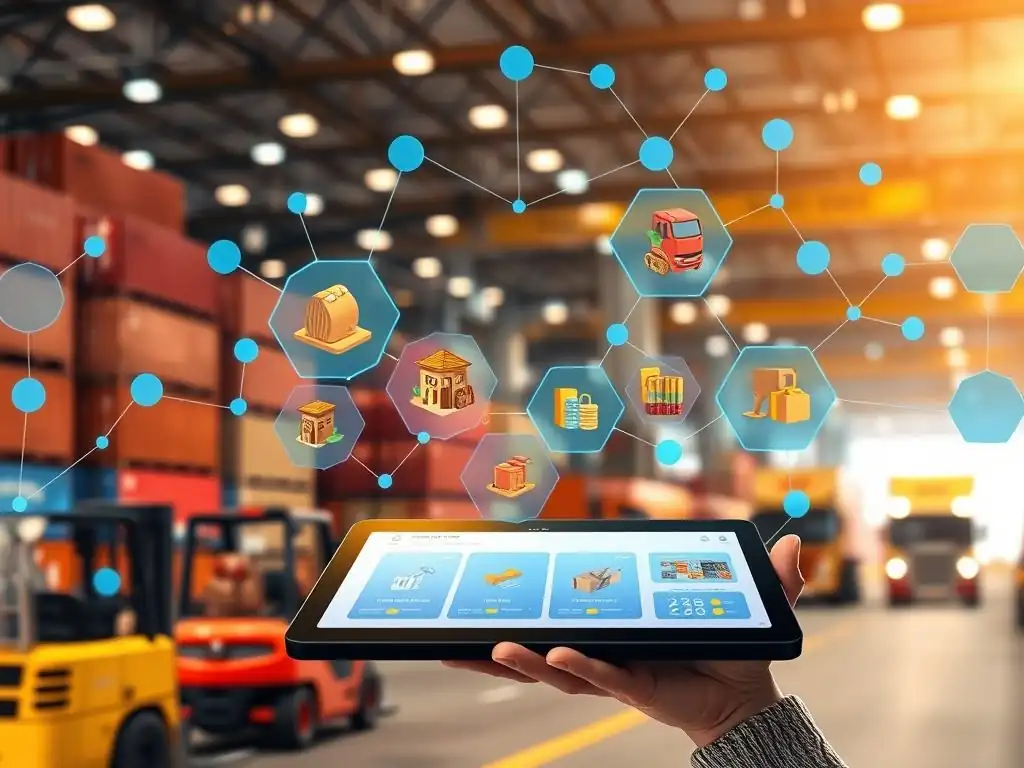
Welcome to Blockchain Trends, where we delve into the transformative potential of blockchain technology beyond the realms of cryptocurrencies. In this exploration, we invite you to discover how blockchain is reshaping supply chains, particularly for Small and Medium-Sized Enterprises (SMEs). Our main article, "Blockchain for Small and Medium-Sized Enterprises (SMEs) in Supply Chains: Accessibility and Affordability," uncovers the innovative ways SMEs can leverage blockchain to enhance efficiency and transparency. Curious about how this technology can revolutionize your supply chain? Join us as we unravel the myriad possibilities that lie ahead!
Blockchain for Small and Medium-Sized Enterprises (SMEs) in Supply Chains: Accessibility and Affordability
- Introduction: Blockchain Revolutionizing SME Supply Chains
- Blockchain Supply Chain SMEs: Overcoming Accessibility Barriers
- Affordability of Blockchain for Supply Chain Tracking in SMEs
- Use Cases: How SMEs are Benefiting from Blockchain in Supply Chains
- Benefits of Blockchain Adoption for SME Supply Chain Management
- Overcoming Challenges and Considerations for SME Blockchain Implementation
- The Future of Blockchain in SME Supply Chains
- Conclusion: Empowering SMEs with Accessible and Affordable Blockchain Solutions
-
Frequently Asked Questions
- How can blockchain technology help SMEs improve their supply chain management?
- Is blockchain technology affordable for small and medium-sized enterprises (SMEs)?
- What are the main barriers preventing SMEs from adopting blockchain in their supply chains?
- How does blockchain improve trust among different stakeholders in a supply chain for SMEs?
- What are some potential future trends for blockchain adoption in SME supply chains?
- Final Reflection: Empowering SMEs Through Blockchain
- Unlock Your Supply Chain Potential: Explore Blockchain Today!
Introduction: Blockchain Revolutionizing SME Supply Chains
Understanding the Challenges Faced by SMEs in Supply Chain Management
Small and Medium-Sized Enterprises (SMEs) often face significant hurdles in managing their supply chains effectively. Unlike large corporations with dedicated departments and substantial budgets, SMEs typically operate with limited resources, both financial and human. This constraint makes it difficult to implement sophisticated tracking and management systems.
Common challenges include a lack of visibility into the entire supply chain, leading to inefficiencies, delays, and an inability to quickly identify the source of problems like quality issues or stockouts. The manual processes still prevalent in many SME supply chains, involving paper trails and disparate spreadsheets, are prone to errors and make real-time data sharing nearly impossible. This lack of integrated, real-time data hinders decision-making and responsiveness.
Furthermore, securing fair and transparent transactions can be difficult for SMEs, especially when dealing with larger partners or navigating complex international logistics. Trust is a major factor, as is the ability to verify the authenticity and origin of goods. Fraud and counterfeiting are constant threats, particularly for SMEs dealing in high-value or sensitive products.
Access to financing can also be tied to supply chain performance and transparency, and the lack of verifiable data can make it harder for SMEs to obtain favorable terms or participate in supply chain finance programs. These challenges collectively impact profitability, growth potential, and the ability of SMEs to compete effectively in a global market.
The Potential of Blockchain Technology for SME Supply Chain Solutions
Blockchain technology offers a transformative potential to address many of the long-standing challenges faced by SMEs in their supply chain operations. By providing a decentralized, immutable, and transparent ledger, blockchain can create a single source of truth for all participants. This shared record eliminates the need for intermediaries and reduces the potential for disputes over data accuracy.
For Blockchain supply chain SMEs, this means gaining unprecedented visibility into the movement and status of goods, from raw materials to final delivery. Each transaction or event, such as a product changing hands or undergoing a quality check, can be recorded on the blockchain, creating a verifiable history that is accessible to authorized parties. This enhanced transparency helps build trust among supply chain partners, regardless of their size.
Moreover, blockchain can significantly improve traceability, allowing SMEs to pinpoint the origin of products or components quickly and accurately. This is crucial for quality control, recalls, and complying with regulatory requirements. Smart contracts, self-executing contracts with the terms of the agreement directly written into code, can automate various processes within the supply chain, such as payments triggered upon delivery or verification of conditions.
This automation can reduce administrative overhead, minimize delays, and lower transaction costs, making processes more efficient for Blockchain supply chain SMEs. The inherent security features of blockchain, including cryptographic hashing and consensus mechanisms, make it highly resistant to tampering and fraud, offering a robust solution for verifying authenticity and reducing counterfeiting risks, ultimately enhancing the reliability and integrity of SME supply chains.
Blockchain Supply Chain SMEs: Overcoming Accessibility Barriers
Cost-Effective Blockchain Solutions for SMEs: Dispelling the Myth of High Costs
A common misconception is that blockchain technology is prohibitively expensive and exclusively for large enterprises with massive IT budgets. While initial, custom-built enterprise blockchain solutions could indeed be costly, the landscape has evolved significantly. Today, there are numerous cost-effective options tailored for Blockchain supply chain SMEs.
Many platforms offer tiered pricing models based on usage, transaction volume, or the number of participants, making it feasible for smaller businesses to start with a low entry cost and scale as their needs grow. The total cost of ownership (TCO) can be significantly lower over time compared to traditional systems, especially when considering the potential savings from reduced fraud, fewer errors, and increased efficiency.
Furthermore, the rise of open-source blockchain platforms and Blockchain-as-a-Service (BaaS) offerings has democratized access. SMEs no longer need to invest heavily in hardware, software licenses, or specialized IT infrastructure. BaaS providers manage the underlying technology, offering blockchain functionalities via the cloud on a subscription basis, much like other software-as-a-service models.
This shifts the expenditure from capital investment (CapEx) to operational expenditure (OpEx), which is often more manageable for SMEs. Pilot projects can be implemented on a small scale to demonstrate value before committing to a wider rollout, mitigating financial risk. Examples like leveraging platforms built on Hyperledger Fabric or Ethereum, often accessible through BaaS, demonstrate how Blockchain supply chain SMEs can access powerful, secure ledger technology without needing deep technical expertise or large upfront investments.
Simplifying Blockchain Implementation for Small Businesses: User-Friendly Platforms and Tools
Implementing new technology can be daunting for SMEs, which often lack dedicated IT staff or extensive technical expertise. Recognizing this, many blockchain solution providers are now focusing on creating user-friendly platforms with intuitive interfaces designed specifically for Blockchain supply chain SMEs. These platforms abstract away the underlying complexity of blockchain technology, allowing users to interact with the system through simple web or mobile applications. Onboarding processes are streamlined, often requiring minimal technical configuration.
These simplified tools might offer drag-and-drop interfaces for defining workflows, pre-built templates for common supply chain processes (like tracking goods or managing payments), and easy data input mechanisms, such as scanning QR codes or uploading simple spreadsheets. Some platforms even integrate with existing SME software, such as accounting systems or inventory management tools, through APIs, minimizing disruption and reducing the need for manual data entry.
The goal is to make participation in a Blockchain supply chain SMEs network as straightforward as using standard business software, focusing on the business benefits – like improved traceability or faster payments – rather than the technical intricacies of distributed ledgers.
Addressing the Skills Gap: Training and Support for SMEs in Blockchain Adoption
The perceived complexity of blockchain technology often leads to a skills gap within SMEs, posing another barrier to adoption. Business owners and employees may lack the necessary understanding of how blockchain works or how to effectively utilize blockchain-based applications. To address this, solution providers and industry initiatives are increasingly offering targeted training and support programs for Blockchain supply chain SMEs. These programs focus on practical knowledge, explaining the benefits of blockchain in simple terms and providing hands-on training on how to use specific platforms.
Support comes in various forms, including online tutorials, webinars, dedicated customer support teams, and community forums where SMEs can share experiences and ask questions. Some providers also offer consulting services to help SMEs identify the most relevant use cases and integrate blockchain into their existing operations.
Furthermore, industry associations and government bodies in some regions are launching initiatives to educate SMEs about digital technologies, including blockchain, and sometimes even provide subsidies or grants to support their adoption efforts. This ecosystem of support is crucial for empowering Blockchain supply chain SMEs to confidently explore and implement blockchain solutions, ensuring they can leverage the technology's potential without needing to become blockchain experts themselves.
Affordability of Blockchain for Supply Chain Tracking in SMEs
Open-Source Blockchain Platforms for SMEs: A Budget-Friendly Approach
Open-source blockchain platforms offer a highly attractive and budget-friendly option for Blockchain supply chain SMEs looking to explore or implement distributed ledger technology. Projects like Hyperledger Fabric (hosted by The Linux Foundation) or various implementations built on Ethereum's open network provide the foundational technology without licensing costs. This significantly reduces the initial investment required compared to proprietary solutions. While implementing and managing open-source platforms might require some technical expertise, this can often be sourced through affordable freelance developers or specialized consulting firms that charge based on project scope rather than ongoing licenses.
Furthermore, the open-source nature fosters a large community of developers and users, leading to continuous improvement, readily available documentation, and a wealth of shared knowledge. Many tools and libraries built by the community can accelerate development and reduce costs. For an SME, this means access to robust, tested technology that can be customized to specific needs.
While hosting and maintenance costs still exist, they can often be managed efficiently, especially when leveraging cloud infrastructure. This approach allows Blockchain supply chain SMEs to build tailored solutions or utilize existing open-source frameworks for specific tasks like tracking goods or recording certifications without being tied to expensive vendor lock-in.
Consortium Blockchains: Sharing Costs and Resources Among SMEs
Consortium blockchains represent another avenue for affordability and accessibility for Blockchain supply chain SMEs. These are private or permissioned blockchains governed by a group of participants, often within a specific industry or supply chain network. Instead of each SME building and maintaining its own blockchain infrastructure, they can join an existing consortium or form a new one with other businesses, sharing the costs and resources required to operate the network. This model significantly reduces the financial burden on individual participants.
In a consortium setup, the costs of infrastructure, development, maintenance, and governance are distributed among the members. This allows SMEs to gain the benefits of a blockchain – such as enhanced transparency and traceability – within a trusted network of known partners, without the full expense of a dedicated private chain or the public nature of a public chain like Bitcoin or Ethereum (though some consortiums use public chains).
Examples include industry-specific networks focused on areas like food traceability or logistics documentation. Participating in such a consortium allows Blockchain supply chain SMEs to leverage shared infrastructure and potentially pre-built applications relevant to their industry, making the technology more affordable and easier to adopt.
Exploring Blockchain-as-a-Service (BaaS) for Scalable and Affordable Solutions
Blockchain-as-a-Service (BaaS) is perhaps the most accessible and affordable model for many Blockchain supply chain SMEs. Major cloud providers (like AWS, Microsoft Azure, Google Cloud) and specialized blockchain companies offer BaaS platforms that provide the necessary infrastructure and tools to build, host, and manage blockchain applications without the SME needing to handle the underlying complexity. This service model allows businesses to consume blockchain capabilities on demand, typically through a subscription or pay-per-use pricing structure.
BaaS eliminates the need for significant upfront investment in hardware, software, and specialized personnel for managing nodes and network infrastructure. Providers handle the technical heavy lifting, including deployment, monitoring, and maintenance. This allows Blockchain supply chain SMEs to focus on developing and deploying their supply chain applications on top of a managed blockchain network.
The scalability offered by BaaS is also a key advantage; SMEs can easily scale their usage up or down based on business needs, paying only for the resources consumed. This operational expense model, combined with simplified management and reduced technical barriers, makes BaaS a highly attractive and affordable option for SMEs looking to implement blockchain for supply chain tracking and other related uses.
Use Cases: How SMEs are Benefiting from Blockchain in Supply Chains
Case Study 1: A Seafood Supplier Improving Traceability with Blockchain
A small seafood supplier operating in Southeast Asia faced challenges proving the origin and sustainability of their catch to international buyers concerned about illegal fishing and ethical sourcing. Traditional paper trails were easily falsified, and digital records were fragmented. They adopted a Blockchain supply chain SMEs solution tailored for food traceability. By tagging batches of fish at the point of catch and recording subsequent handling, processing, and shipping events on the blockchain, they created an immutable record.
This system allowed buyers to scan a QR code on the packaging and access the full history of the product, including species, catch location (often down to a general sea area), date, processing facility, and transport details. The transparency built trust with retailers in Europe and North America, who were willing to pay a premium for verified, ethically sourced seafood.
While precise figures vary, reports from similar initiatives indicate potential revenue increases of 10-15% due to enhanced trust and market access. The SME utilized a consortium-based platform designed for the fishing industry, sharing infrastructure costs with other participants, making the solution financially viable.
Case Study 2: A Coffee Cooperative Enhancing Transparency and Trust in the Supply Chain
A coffee cooperative in South America, representing hundreds of small farmers, struggled to demonstrate fair trade practices and the high quality of their specialty beans to consumers and roasters worldwide. The complex journey from farm to cup involved multiple intermediaries, making it difficult to track payments back to individual farmers and verify the quality at each step. They implemented a Blockchain supply chain SMEs platform to track their coffee beans.
Using mobile apps, farmers could record details about their harvest, including location, yield, and farming practices. As the beans moved through washing stations, drying facilities, milling, and export, each transaction and quality check (e.g., moisture content, bean size) was logged on the blockchain. Roasters and consumers could access this data, verifying the coffee's origin, the farmers involved, and confirmations that fair prices were paid.
This increased transparency allowed the cooperative to build direct relationships with high-paying specialty roasters, bypassing some intermediaries. An approximation from similar projects suggests that farmers could receive an additional 5-10% of the final retail price, significantly impacting their livelihoods. The cooperative leveraged an affordable BaaS offering tailored for agricultural supply chains.
Case Study 3: A Pharmaceutical Distributor Reducing Counterfeiting and Fraud with Blockchain
A regional pharmaceutical distributor, serving independent pharmacies and clinics, faced the persistent threat of counterfeit drugs entering their supply chain, posing significant health risks and legal liabilities. Verifying the authenticity of every batch using traditional methods was labor-intensive and not foolproof. They adopted a Blockchain supply chain SMEs solution to track pharmaceutical products from manufacturers to their distribution points.
Each product package was assigned a unique identifier (like a serialized barcode or QR code) linked to a blockchain entry upon leaving the manufacturer. As the product moved through the supply chain, each handler scanned the code, updating its location and status on the distributed ledger. Pharmacies could verify the product's authenticity and history by scanning the code upon receipt, ensuring it hadn't been tampered with or diverted. This system drastically reduced the risk of counterfeit drugs entering their inventory.
While exact savings are hard to quantify publicly, estimates suggest that the global pharmaceutical industry loses billions annually to counterfeiting (some sources estimate $200 billion+). By mitigating this risk, the SME protected its reputation, avoided potential legal costs, and ensured patient safety. They likely utilized a consortium blockchain established for the pharmaceutical distribution sector, sharing the high costs associated with regulatory compliance and robust security requirements among members.
Benefits of Blockchain Adoption for SME Supply Chain Management

Enhanced Supply Chain Transparency and Visibility for SMEs
One of the most significant benefits of blockchain technology for Blockchain supply chain SMEs is the dramatic improvement in transparency and visibility. By recording every transaction and movement on a shared, immutable ledger, blockchain creates a single, verifiable source of truth accessible to all authorized participants. This eliminates the information silos that often plague traditional supply chains, where different parties hold fragmented data. SMEs gain an end-to-end view of their supply chain, from the origin of raw materials to the final delivery of finished goods.
This enhanced visibility allows SMEs to track products in near real-time, understand where delays are occurring, and identify potential bottlenecks. For example, an SME manufacturer can see precisely when components were shipped by a supplier, when they arrived at a port, and when they cleared customs, all without relying solely on disparate updates from multiple parties.
This level of insight empowers SMEs to make more informed decisions, optimize inventory levels, improve logistics planning, and respond more quickly to disruptions. The transparency also extends outwards, allowing customers or regulators to verify aspects of the supply chain, such as ethical sourcing or compliance with safety standards, building trust and potentially opening new market opportunities for Blockchain supply chain SMEs.
Improved Traceability and Accountability in SME Supply Chains
Blockchain significantly enhances traceability, allowing Blockchain supply chain SMEs to track the journey of a product or component with unprecedented detail and accuracy. Every step in the supply chain, from production to distribution and even consumption or disposal, can be recorded on the ledger. This creates a comprehensive, tamper-proof history for each item or batch.
In the event of a quality issue or recall, an SME can quickly and precisely identify affected products and their location, significantly reducing the time and cost associated with traditional recall processes. For instance, tracing a contaminated food item back to a specific farm or processing plant becomes a matter of querying the blockchain data rather than sifting through stacks of paper records.
This improved traceability also fosters greater accountability among supply chain partners. Because every action or handover is recorded on the blockchain and linked to a specific participant, it becomes clear who was responsible at each stage. If a shipment is delayed or goods are damaged, the blockchain record can help identify the point in the chain where the issue occurred and which party was responsible. This increased accountability encourages partners to adhere to agreed-upon standards and timelines, leading to a more reliable and efficient supply chain network for Blockchain supply chain SMEs.
Streamlined Processes and Reduced Costs for SMEs Using Blockchain
Implementing blockchain solutions can lead to significant streamlining of processes and reduction of costs for Blockchain supply chain SMEs. Many traditional supply chain processes involve extensive paperwork, manual data entry, and reconciliation efforts between different parties. Blockchain, particularly when combined with smart contracts, can automate many of these tasks. For example, payments can be automatically released via a smart contract once the blockchain verifies that goods have been delivered and inspected according to predefined conditions.
Automating these processes reduces administrative overhead, minimizes errors associated with manual handling, and speeds up transaction times. The need for intermediaries, such as escrow agents or third-party verifiers, can also be reduced, leading to lower transaction fees. Furthermore, improved transparency and traceability can decrease losses due to fraud, counterfeiting, and disputes. Reducing delays and improving efficiency in logistics can also lower transportation and inventory holding costs. While there is an initial investment in adopting blockchain, the long-term operational savings from streamlined processes and reduced inefficiencies can make it a highly cost-effective solution for Blockchain supply chain SMEs.
Increased Trust and Collaboration Among SME Supply Chain Partners
Trust is fundamental to effective supply chain management, yet it can be challenging to build and maintain, especially for SMEs dealing with multiple partners across different geographies. Blockchain inherently fosters trust by providing a transparent, immutable, and verifiable record of all transactions and events. Because all authorized parties share access to the same accurate data on the distributed ledger, there is less room for disputes or disagreements about the status of goods, payments, or contractual obligations. This shared understanding and confidence in the data strengthen relationships between Blockchain supply chain SMEs and their suppliers, distributors, and customers.
The enhanced transparency also encourages collaboration. Partners are more willing to share information and work together to optimize the supply chain when they have confidence in the system's integrity and see the mutual benefits. For instance, suppliers might share production updates on the blockchain, allowing SME manufacturers to adjust their schedules proactively. Distributors can provide real-time delivery confirmations, improving inventory management for the SME. This collaborative environment, built on the foundation of trust provided by blockchain, leads to a more resilient, efficient, and responsive supply chain network that benefits all participants involved with Blockchain supply chain SMEs.
Overcoming Challenges and Considerations for SME Blockchain Implementation
Data Security and Privacy Concerns for SMEs Adopting Blockchain
While blockchain is often touted for its security features, Blockchain supply chain SMEs must carefully consider data security and privacy when implementing solutions. Public blockchains offer transparency but may not be suitable for sensitive commercial data. Private or permissioned blockchains provide more control over who can access data, which is crucial for protecting proprietary information, pricing details, or customer data. However, even in permissioned networks, ensuring that sensitive information is only accessible to necessary parties is paramount. Techniques like data encryption, hashing sensitive data off-chain while storing only verifiable proofs on-chain, and carefully managing access permissions are essential.
SMEs must also be aware of potential vulnerabilities in smart contracts, which, if poorly written, can be exploited. Thorough testing and auditing of smart contract code are necessary. Furthermore, integrating blockchain with existing legacy systems can introduce security risks if not done properly. SMEs need to ensure that data transferred between systems is secure and that their existing infrastructure doesn't become a weak point. Partnering with reputable blockchain providers who prioritize security and offer robust data protection features is crucial for Blockchain supply chain SMEs navigating these concerns.
Regulatory Landscape and Compliance for Blockchain in Supply Chains
The regulatory landscape surrounding blockchain technology is still evolving, and Blockchain supply chain SMEs must navigate this complexity to ensure compliance. Different jurisdictions may have varying rules regarding data privacy (like GDPR in Europe), electronic signatures, smart contracts, and the legal status of blockchain records. For SMEs involved in international trade, understanding and complying with regulations across multiple countries can be particularly challenging. Industries like food, pharmaceuticals, and electronics often have specific traceability and reporting requirements that blockchain systems must meet.
SMEs need to ensure that their chosen blockchain solution is designed to facilitate compliance with relevant regulations. This might involve features for data retention, audit trails, and the ability to provide specific information to regulatory bodies when required. Engaging with legal counsel familiar with blockchain technology and industry-specific regulations is advisable. Staying informed about changes in the regulatory environment is also crucial, as governments continue to clarify their positions on blockchain usage. While blockchain can significantly help with compliance by providing verifiable records, Blockchain supply chain SMEs must proactively ensure their implementation aligns with legal requirements.
Interoperability with Existing Systems: Integrating Blockchain into SME Infrastructure
Integrating a new blockchain system with an SME's existing infrastructure is a significant challenge that needs careful planning. Most SMEs already use various software systems for tasks like inventory management, accounting, customer relationship management (CRM), and enterprise resource planning (ERP). A blockchain solution for the supply chain needs to seamlessly exchange data with these systems to be effective and avoid creating new data silos or requiring redundant data entry. Lack of interoperability can hinder adoption and limit the potential benefits for Blockchain supply chain SMEs.
Solutions often involve using Application Programming Interfaces (APIs) to connect the blockchain platform with existing databases and software. Middleware or integration layers might be necessary to translate data formats and ensure smooth communication. SMEs should assess the integration capabilities of potential blockchain platforms during the selection process.
Prioritizing solutions that offer well-documented APIs and support for standard integration protocols can significantly reduce the complexity and cost of implementation. While it requires technical effort, achieving smooth interoperability is key to unlocking the full value of blockchain for Blockchain supply chain SMEs and ensuring it becomes an integral part of their operational workflow rather than an isolated technology.
The Future of Blockchain in SME Supply Chains
Emerging Trends and Innovations in Blockchain for SME Supply Chain Management
The field of blockchain technology is continuously evolving, bringing new trends and innovations that will further enhance its potential for Blockchain supply chain SMEs. One key trend is the development of more specialized blockchain platforms tailored to specific industries (e.g., agriculture, logistics, manufacturing), offering pre-built functionalities and data models relevant to those sectors.
This reduces the need for extensive customization and lowers implementation barriers. Another innovation is the increasing focus on interoperability between different blockchain networks and between blockchain and traditional systems, utilizing standards like the Decentralized Identity Foundation (DIF) or initiatives like the Interledger Protocol (ILP) to enable seamless data exchange and asset transfer across networks.
Furthermore, the integration of other emerging technologies with blockchain is gaining traction. Combining blockchain with IoT (Internet of Things) devices allows for automated, real-time recording of sensor data (like temperature or location) onto the ledger, enhancing the accuracy and automation of tracking. AI and machine learning can analyze the vast amounts of data recorded on the blockchain to provide predictive insights into supply chain performance, risks, and optimization opportunities.
Zero-Knowledge Proofs (ZKPs) are also being explored to allow verification of data on the blockchain without revealing the underlying sensitive information, addressing privacy concerns. These innovations promise to make Blockchain supply chain SMEs solutions even more powerful, user-friendly, and tailored to specific business needs.
The Role of Blockchain in Building More Resilient and Sustainable SME Supply Chains
Blockchain is poised to play a crucial role in helping Blockchain supply chain SMEs build more resilient and sustainable operations. By providing end-to-end visibility and traceability, blockchain enables SMEs to identify vulnerabilities in their supply chains and react more effectively to disruptions, whether they are natural disasters, geopolitical events, or supplier failures. A transparent ledger allows for quicker identification of alternative sources or routes and provides reliable data for assessing the impact of disruptions. This enhanced resilience is vital for business continuity.
In terms of sustainability, blockchain can help SMEs track and verify sustainable practices throughout the supply chain. This includes tracking the origin of materials to ensure they are ethically sourced, monitoring energy consumption or emissions data at different stages, and verifying compliance with environmental standards. For example, an SME using sustainable packaging can use blockchain to prove the origin and composition of the materials.
This verifiable commitment to sustainability not only aligns with growing consumer and regulatory demands but can also open up new markets and partnerships. By providing an auditable record of sustainable actions, blockchain empowers Blockchain supply chain SMEs to demonstrate their environmental and social responsibility credibly.
Predictions for Widespread Blockchain Adoption Among SMEs
Predictions suggest that blockchain adoption among Blockchain supply chain SMEs will accelerate significantly in the coming years, moving beyond early adopters to a more mainstream implementation. As the technology matures, costs decrease, and user-friendly solutions become more prevalent, the barriers to entry are rapidly diminishing. Analyst firms like Gartner and Forrester predict steady growth in blockchain adoption across various industries, with supply chain being a leading use case. While large enterprises might lead in complex, large-scale deployments, the focus of solution providers is increasingly shifting towards the needs of SMEs, offering more accessible and affordable options.
The increasing demand from consumers and regulators for greater transparency and sustainability in supply chains will also drive SMEs towards blockchain solutions. As major corporations adopt blockchain for their supply chains, they will likely encourage or even require their SME suppliers and distributors to participate in these networks, creating a network effect.
Furthermore, government initiatives supporting digitalization and technology adoption among SMEs are expected to provide further impetus. Within the next five to ten years, it is plausible that a significant portion of Blockchain supply chain SMEs, particularly those in industries with high demands for traceability and trust, will have adopted some form of blockchain technology in their operations.
Conclusion: Empowering SMEs with Accessible and Affordable Blockchain Solutions
Frequently Asked Questions
How can blockchain technology help SMEs improve their supply chain management?
Blockchain offers enhanced transparency and traceability within the supply chain. This allows SMEs to verify product authenticity and track goods in real-time, reducing fraud and improving efficiency.
Is blockchain technology affordable for small and medium-sized enterprises (SMEs)?
While initial implementation can have costs, there are increasingly affordable blockchain solutions tailored for SMEs. Cloud-based platforms and shared blockchain networks reduce the financial burden.
What are the main barriers preventing SMEs from adopting blockchain in their supply chains?
Key barriers include lack of technical expertise, concerns about data security and privacy, and a need for clear regulatory frameworks for blockchain applications.
How does blockchain improve trust among different stakeholders in a supply chain for SMEs?
Blockchain creates a shared, immutable ledger accessible to all authorized participants. This verifiable record of transactions fosters trust by eliminating information asymmetry and preventing manipulation.
What are some potential future trends for blockchain adoption in SME supply chains?
Expect to see more user-friendly blockchain platforms, increased interoperability between different blockchain networks, and greater integration with existing SME business systems.
Final Reflection: Empowering SMEs Through Blockchain
The exploration of blockchain's potential within SME supply chains reveals a critical juncture: accessibility and affordability are no longer just aspirations, but necessities for widespread adoption. The insights shared throughout this article highlight the transformative power blockchain can offer, yet underscore the importance of overcoming the barriers that prevent smaller businesses from fully participating in this technological revolution.
The impact of democratizing blockchain technology for SMEs extends far beyond individual businesses. It has the potential to reshape entire industries, fostering greater transparency, efficiency, and trust within supply chains globally. Witnessing the growing interest and innovative applications of blockchain in this space fuels my belief that SMEs are on the cusp of a significant shift in how they operate and compete. The future of supply chain isn't about big beating small, but fast beating slow.
This quote perfectly encapsulates the urgency and opportunity that blockchain presents to SMEs willing to embrace change.
As we conclude this discussion, I invite you to consider the role you can play in fostering a more inclusive and equitable future for SMEs. Whether you are a business owner, a technology provider, or simply an advocate for innovation, remember that your actions can contribute to breaking down the barriers that prevent SMEs from accessing the transformative power of blockchain. Let us work together to ensure that the benefits of this technology are shared by all, creating a more resilient and prosperous global economy.
Unlock Your Supply Chain Potential: Explore Blockchain Today!
Thank you for exploring the possibilities of accessible blockchain solutions for small and medium-sized enterprises. We hope you've gained valuable insights into how this technology can transform your supply chain operations. Are you ready to take the next step and see how blockchain can benefit your business?
Here are some actions you can take right now:
- Identify a specific challenge within your supply chain that blockchain could help solve. Focus on a manageable area, such as tracking product origins or verifying supplier information, rather than trying to overhaul everything at once.
- Consider trying out blockchain platforms that are designed for small and medium-sized businesses. Many of these offer free trials or affordable plans so you can experiment without a large initial investment.
- Join online communities or forums dedicated to blockchain solutions for SMEs. Share your experiences, learn from others, and contribute to collective knowledge.
What is one immediate step you will take this week to explore how blockchain could improve your supply chain's efficiency and transparency? Share your plans in the comments below!
Leave a Reply