
The Environmental Benefits of Layer2: Scaling Blockchain Sustainably

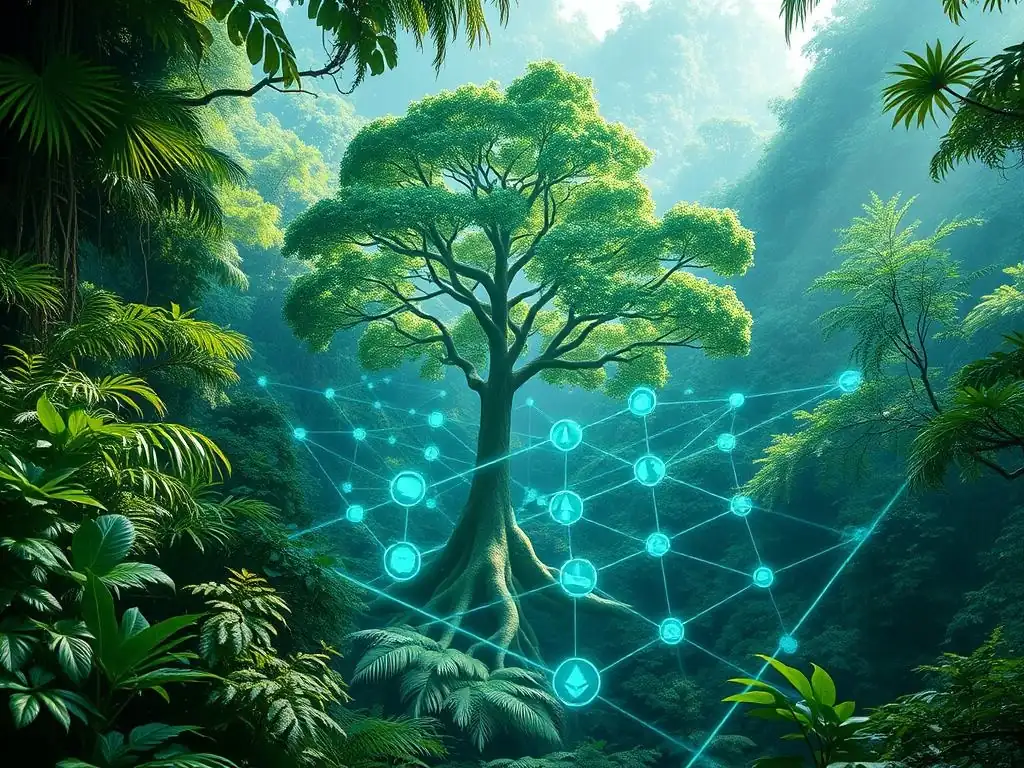
Welcome to Blockchain Trends, your compass in the ever-evolving world of decentralized technology. Are you ready to look beyond the hype and delve into the real transformative power of blockchain? Today, we're tackling a critical question: Can blockchain be truly sustainable? Dive into our analysis of Layer2 blockchain environmental benefits and discover how innovative scaling solutions are paving the way for a greener, more efficient future.
Explore how these advancements not only boost performance but also contribute to a more eco-conscious blockchain ecosystem. Intrigued? Keep reading to uncover the data and insights that are reshaping the future of decentralized technology.
The Environmental Benefits of Layer2: Scaling Blockchain Sustainably
- Introduction: Addressing Blockchain's Energy Consumption Challenge
- What are Layer2 Scaling Solutions and How Do They Work?
- Layer2 Blockchain Environmental Benefits: A Deep Dive
- Comparing the Environmental Impact of Layer1 vs. Layer2
- Specific Examples of Eco-Friendly Layer2 Projects
- Layer2 and the Future of Sustainable Blockchain Technology
- Overcoming Challenges and Scaling Sustainability with Layer2
- Conclusion: Embracing Layer2 for a Greener Blockchain Future
-
Frequently Asked Questions
- What exactly are Layer2 blockchain solutions, and how do they relate to environmental sustainability?
- How do Layer2 solutions reduce the environmental impact compared to traditional Layer1 blockchains like Bitcoin?
- What are some specific examples of Layer2 technologies that are known for their environmental advantages?
- Besides energy consumption, are there any other environmental benefits associated with Layer2 adoption?
- What is the future outlook for Layer2 blockchain technologies and their impact on environmental sustainability?
- Final Reflection: Embracing Sustainable Blockchain Futures
- Seize the Green Future: Implement Layer2 Today!
Introduction: Addressing Blockchain's Energy Consumption Challenge
The Energy Intensity of Proof-of-Work (PoW) Blockchains
Proof-of-Work (PoW) consensus mechanisms, while foundational to the security of many early blockchains like Bitcoin and Ethereum (pre-merge), are inherently energy-intensive. These systems require miners to solve complex computational puzzles to validate transactions and add new blocks to the chain. This process demands significant electricity consumption, often likened to the energy footprint of entire countries.
For example, in 2021, Bitcoin's annual energy consumption was estimated to be around 121 terawatt-hours (TWh), comparable to the energy usage of Argentina. This vast energy demand stems from the competitive nature of mining, where participants constantly upgrade hardware and increase computational power to maintain a competitive edge in securing block rewards.
The environmental consequences of PoW's energy intensity are substantial. A large portion of the energy used for mining historically came from non-renewable sources, particularly coal, leading to significant carbon emissions and contributing to climate change. Studies have shown that Bitcoin mining alone could generate tens of megatons of CO2 emissions annually.
This has raised considerable concerns about the long-term sustainability of PoW-based blockchains and prompted a search for more energy-efficient alternatives. The environmental impact is not only limited to carbon emissions; it also includes the strain on local power grids and the potential for increased air and water pollution in regions with concentrated mining operations.
The Need for Sustainable Blockchain Solutions
The escalating energy consumption of PoW blockchains has spurred a critical need for sustainable blockchain solutions. As blockchain technology gains wider adoption across various sectors, its environmental footprint becomes an increasingly pressing issue. Stakeholders, including developers, businesses, and regulators, are actively seeking ways to mitigate the environmental impact of blockchain technology. This drive towards sustainability is not just an ethical imperative but also a practical necessity for the long-term viability and mainstream acceptance of blockchain.
Sustainable blockchain solutions aim to reduce energy consumption without compromising the security and decentralization principles of the technology. This pursuit has led to the development and adoption of alternative consensus mechanisms like Proof-of-Stake (PoS), which significantly reduces energy requirements. Furthermore, Layer2 scaling solutions have emerged as a crucial approach to enhance blockchain scalability and, crucially, to drastically lower the energy consumption per transaction. The focus is now on building blockchain ecosystems that are not only powerful and versatile but also environmentally responsible and contribute to a greener digital future.
What are Layer2 Scaling Solutions and How Do They Work?
Understanding Layer2 Architecture: Off-Chain Computation
Layer2 scaling solutions represent a paradigm shift in blockchain architecture by moving a significant portion of transaction processing and computation off the main blockchain, often referred to as Layer1. Instead of processing every transaction directly on the main chain, Layer2 solutions operate on top of it, acting as secondary frameworks.
This "off-chain" computation dramatically reduces the load on the Layer1 blockchain, allowing it to function more efficiently and sustainably. The core principle is to only utilize the Layer1 for essential functions like settling final transaction states and ensuring data availability and security, while the bulk of the transactional work is handled separately.
This off-chain approach is achieved through various architectural designs. Layer2 solutions effectively create channels or sidechains where users can interact and transact rapidly and at lower costs. These transactions are bundled or aggregated and then periodically submitted to the Layer1 blockchain in batches. This batching process significantly reduces the number of individual transactions that need to be processed directly on the main chain, thereby alleviating congestion and lowering transaction fees. By abstracting away the majority of transactional activity from Layer1, Layer2 architectures pave the way for more scalable and environmentally friendly blockchain ecosystems.
Key Types of Layer2 Solutions: Rollups, Channels, and Sidechains
Several distinct types of Layer2 solutions have emerged, each with its own mechanisms for achieving scalability and efficiency. Rollups are a prominent category, further divided into Optimistic Rollups and Zero-Knowledge Rollups (ZK-Rollups). Optimistic Rollups assume transactions are valid by default and only challenge them if fraud is suspected, leveraging fraud proofs for security. Arbitrum and Optimism are examples of Optimistic Rollups. ZK-Rollups, on the other hand, use cryptographic proofs to validate transactions off-chain and then post only the validity proof on the main chain, offering potentially higher security and efficiency, as seen in projects like zkSync and StarkNet.
Channels, like state channels and payment channels, enable direct, off-chain interactions between participants for a period. Once the channel is closed, only the net state change is recorded on the Layer1 blockchain. This is particularly useful for applications requiring frequent interactions between a limited set of users.
Sidechains are independent blockchains that run parallel to the main chain and are connected to it via a two-way bridge. They can have their own consensus mechanisms and block parameters, offering greater flexibility and scalability, with Polygon as a notable example. Each type of Layer2 solution provides different trade-offs in terms of security, scalability, and complexity, but they all share the common goal of enhancing blockchain performance and reducing the environmental impact.
How Layer2 Reduces On-Chain Transactions and Computational Load
Layer2 solutions fundamentally reduce the environmental impact of blockchain by significantly decreasing the number of transactions and computational tasks processed directly on the energy-intensive Layer1 blockchain. By handling a large volume of transactions off-chain, Layer2 solutions directly alleviate the strain on the main chain's resources. Imagine a busy highway (Layer1) congested with individual cars (transactions). Layer2 solutions act like parallel express lanes or bypasses, diverting a significant portion of traffic and reducing congestion on the main highway.
This reduction in on-chain activity translates directly to lower energy consumption. For PoW blockchains, fewer transactions needing validation on Layer1 means less computational work for miners, leading to decreased electricity usage. Even for Proof-of-Stake (PoS) blockchains, while inherently more energy-efficient than PoW, Layer2 solutions still offer substantial benefits by minimizing the overall computational load on the network. By aggregating transactions and performing computations off-chain, Layer2 solutions enable blockchains to process a much higher volume of transactions with a fraction of the energy expenditure compared to processing all transactions directly on Layer1.
Layer2 Blockchain Environmental Benefits: A Deep Dive
Reduced Energy Consumption: The Primary Environmental Advantage
The most significant environmental benefit of Layer2 blockchain solutions is the substantial reduction in energy consumption. By processing the majority of transactions off the main Layer1 chain, Layer2 drastically minimizes the energy needed for transaction validation and block creation on the primary network. For example, moving transactions from the Ethereum mainnet (even post-merge PoS, which is significantly less energy intensive than PoW) to a Layer2 rollup can reduce energy consumption per transaction by orders of magnitude. Estimates suggest that Layer2 solutions can reduce energy consumption per transaction by up to 99% compared to Layer1.
This dramatic reduction in energy usage stems from the efficient architecture of Layer2 solutions. Instead of requiring every transaction to undergo the full consensus process on Layer1, Layer2 solutions aggregate and process transactions in batches off-chain. Only summarized or compressed representations of these transactions, along with validity proofs (in the case of ZK-Rollups) or fraud proofs (in the case of Optimistic Rollups), are periodically submitted to the Layer1. This drastically lowers the computational burden on the main chain, translating directly to lower energy requirements for the entire blockchain ecosystem.
Lower Carbon Footprint: Quantifying the Impact of Layer2 Adoption
The reduced energy consumption achieved through Layer2 solutions directly translates to a lower carbon footprint for blockchain technology. Since a significant portion of global electricity generation still relies on fossil fuels, decreasing energy consumption inherently reduces greenhouse gas emissions. The adoption of Layer2 solutions allows blockchain applications to operate with a significantly smaller environmental impact, contributing to a more sustainable digital economy.
Quantifying this impact, studies have shown that transitioning to Layer2 can dramatically reduce the carbon footprint associated with blockchain transactions. For example, if a significant portion of Ethereum's transaction volume migrates to Layer2 rollups, the overall carbon emissions associated with Ethereum could be reduced by a substantial percentage. While precise figures vary depending on the specific Layer2 solution and energy sources used, the trend is clear: Layer2 adoption is a powerful tool for decarbonizing blockchain technology and mitigating its environmental impact. This is crucial for aligning blockchain with global sustainability goals and attracting environmentally conscious users and businesses.
Diminished Hardware Requirements for Validation
Layer2 solutions also contribute to environmental sustainability by diminishing the hardware requirements for validation, particularly in the context of Proof-of-Work (PoW) systems. While many Layer2 solutions are designed to work with both PoW and PoS Layer1 chains, their impact on hardware requirements is most pronounced in mitigating the environmental consequences of PoW. In traditional PoW blockchains, miners require specialized and energy-intensive hardware (ASICs or GPUs) to participate in transaction validation and block creation. This leads to a continuous cycle of hardware upgrades and significant electricity consumption.
Layer2 solutions, by reducing the number of on-chain transactions, lessen the overall demand for mining activity on the Layer1 PoW chain. While miners are still needed to secure the base Layer1, the reduced transaction load means that the overall computational intensity and thus hardware requirements for the entire blockchain ecosystem are diminished. This can lead to a slower rate of hardware obsolescence and a reduction in the environmental impact associated with the manufacturing and disposal of specialized mining equipment.
Decreased Electronic Waste (E-Waste) from Mining Operations
The reduced hardware requirements driven by Layer2 solutions indirectly lead to a decrease in electronic waste (e-waste) generated from mining operations, especially within PoW-based systems. The rapid pace of technological advancement in mining hardware, coupled with the competitive nature of PoW mining, results in a significant turnover of mining equipment. As newer, more efficient hardware becomes available, older equipment often becomes obsolete and is discarded, contributing to the growing global problem of e-waste.
By reducing the computational load on Layer1 and potentially slowing down the arms race in mining hardware efficiency, Layer2 solutions can contribute to a longer lifespan for mining equipment. This decreased rate of hardware replacement translates to less e-waste generated from blockchain mining activities. E-waste is a serious environmental concern, as it contains hazardous materials and requires specialized recycling processes. By mitigating e-waste generation, Layer2 solutions contribute to a more circular and sustainable approach to blockchain technology, reducing its overall environmental footprint beyond just energy consumption.
Comparing the Environmental Impact of Layer1 vs. Layer2
Bitcoin and Ethereum as Case Studies: PoW vs. PoS with Layer2 Reliance
Bitcoin and Ethereum serve as contrasting yet instructive case studies in understanding the environmental impact of Layer1 versus Layer2 blockchains. Bitcoin, as the original cryptocurrency, historically relied solely on Proof-of-Work (PoW) for consensus, leading to significant energy consumption concerns as its popularity grew. Ethereum, initially also PoW-based, underwent a major transition to Proof-of-Stake (PoS) in "The Merge," drastically reducing its Layer1 energy consumption by an estimated 99.95%. This shift in Ethereum itself highlights the move towards more sustainable Layer1 solutions.
However, even with Ethereum's transition to PoS, Layer2 solutions remain crucial for achieving true scalability and minimizing the overall environmental impact of the Ethereum ecosystem. Both Bitcoin and Ethereum, despite their different Layer1 consensus mechanisms, benefit immensely from Layer2 solutions.
Bitcoin's Layer2, primarily the Lightning Network, focuses on faster and cheaper payments, implicitly reducing the pressure for on-chain transactions and thus limiting the overall energy demand of the Bitcoin network. Ethereum, with a thriving ecosystem of rollups like Arbitrum and Optimism, leverages Layer2 to handle a vast number of transactions with minimal energy overhead compared to processing them all directly on the PoS Layer1.
Analyzing Energy Consumption Metrics: kWh per Transaction
Analyzing energy consumption metrics, specifically kilowatt-hours (kWh) per transaction, provides a clearer picture of the environmental advantages of Layer2 solutions. Before its transition to PoS, Ethereum's energy consumption per transaction was significantly higher than after the merge. However, even post-merge, processing transactions directly on Layer1, while far more efficient than PoW, still consumes more energy compared to Layer2 transactions. Layer2 solutions, by batching and processing transactions off-chain, dramatically reduce the energy footprint per transaction.
Estimates vary, but it's generally accepted that Layer2 transactions on rollups consume significantly less energy per transaction – potentially in the order of a few watt-hours (Wh) or even milli-watt-hours (mWh) – compared to several kWh per transaction on Layer1 PoW systems and still considerably less than Layer1 PoS transactions. This metric clearly demonstrates the efficiency gains achieved by Layer2 solutions in terms of energy consumption. By minimizing the kWh per transaction, Layer2 solutions make blockchain technology more environmentally sustainable and economically viable for high-volume applications.
The Role of Layer2 in Achieving Carbon Neutrality for Blockchains
Layer2 solutions play a pivotal role in the pursuit of carbon neutrality for blockchains. While transitioning Layer1 blockchains to more energy-efficient consensus mechanisms like PoS is a significant step, Layer2 solutions are essential for achieving truly sustainable and carbon-neutral blockchain ecosystems, especially as adoption scales. By drastically reducing the energy consumption per transaction, Layer2 enables blockchain networks to operate with a minimal carbon footprint.
For blockchains aiming for carbon neutrality, integrating Layer2 solutions becomes a strategic imperative. Coupled with efforts to utilize renewable energy sources for the remaining energy consumption, Layer2 can effectively neutralize or significantly minimize the carbon emissions associated with blockchain operations. Furthermore, the reduced energy consumption and carbon footprint of Layer2 make blockchain technology more attractive to businesses and individuals committed to environmental sustainability. Layer2, therefore, is not just about scalability; it's a fundamental component in building a greener and more responsible blockchain future and achieving the ambitious goal of carbon-neutral decentralized systems.
Specific Examples of Eco-Friendly Layer2 Projects

Polygon: Utilizing Proof-of-Stake and Rollups for Energy Efficiency
Polygon stands out as a prominent example of an eco-friendly Layer2 project, primarily utilizing a combination of Proof-of-Stake (PoS) consensus and various scaling solutions, including rollups and sidechains, to achieve energy efficiency. Polygon's commitment to sustainability is evident in its architecture and operational choices. Its main chain operates on PoS, which inherently consumes significantly less energy compared to PoW. Furthermore, Polygon actively develops and integrates rollup technologies, such as Polygon Hermez (ZK-Rollup) and Polygon Miden (ZK-STARK rollup), to further enhance scalability and reduce energy consumption.
Polygon's PoS mechanism itself dramatically reduces energy usage compared to PoW. Instead of relying on energy-intensive mining, PoS validators stake their cryptocurrency to secure the network and validate transactions, requiring far less computational power. By combining PoS with rollups, Polygon offers a multi-faceted approach to environmental sustainability. Rollups further minimize the computational load on the PoS main chain by processing transactions off-chain and submitting only validity proofs or fraud proofs, resulting in a highly energy-efficient Layer2 ecosystem. Polygon's approach demonstrates a practical and effective strategy for building sustainable blockchain infrastructure.
Arbitrum: Implementing Optimistic Rollups to Minimize Environmental Impact
Arbitrum is another leading Layer2 solution focused on minimizing environmental impact through its implementation of Optimistic Rollups. Optimistic Rollups, as the name suggests, assume transactions are valid by default and only require computation and verification if a transaction is challenged, leveraging fraud proofs. This approach significantly reduces the computational overhead compared to processing every transaction on Layer1, leading to substantial energy savings. Arbitrum's architecture is specifically designed for efficiency and scalability, directly contributing to a lower environmental footprint.
By using Optimistic Rollups, Arbitrum avoids the computationally intensive processes required by other scaling solutions, such as ZK-Rollups which need to generate complex cryptographic proofs for every transaction. The fraud-proof mechanism in Optimistic Rollups only requires computation when a transaction is disputed, which is expected to be a small fraction of total transactions in a well-functioning system. This "optimistic" approach significantly reduces the overall computational demand and, consequently, the energy consumption associated with processing transactions. Arbitrum exemplifies how innovative Layer2 architectures can be designed with energy efficiency as a core principle.
Optimism: Focused on Public Goods Funding Through Layer2
Optimism, like Arbitrum, is a prominent Layer2 solution utilizing Optimistic Rollups. Beyond its technical focus on scalability and energy efficiency, Optimism distinguishes itself by its commitment to public goods funding and its explicit dedication to positive societal impact, which indirectly contributes to environmental sustainability. Optimism retroactively funds public goods projects that benefit the Ethereum ecosystem, including initiatives that promote environmental sustainability and responsible technology development.
Optimism's commitment to public goods funding channels resources towards projects that can contribute to a more sustainable blockchain ecosystem and wider societal well-being. By supporting projects that focus on environmental solutions or promote responsible technology practices, Optimism indirectly fosters a more environmentally conscious blockchain space. While not directly focused solely on environmental metrics, Optimism's broader ethical and societal focus aligns with the principles of sustainability and responsible innovation, making it a notable example of a Layer2 project with a holistic approach to positive impact, including environmental considerations.
Layer2 and the Future of Sustainable Blockchain Technology
The Potential for Further Innovation in Eco-Friendly Scaling
The field of Layer2 scaling solutions is still rapidly evolving, with significant potential for further innovation that can enhance eco-friendly blockchain technology. Ongoing research and development are focused on improving the efficiency of existing Layer2 solutions like rollups and channels, as well as exploring novel Layer2 architectures. Innovations include advancements in zero-knowledge cryptography to make ZK-Rollups even more efficient, further optimization of Optimistic Rollup fraud-proof mechanisms, and the development of hybrid Layer2 solutions that combine the strengths of different approaches.
Future innovations may also focus on integrating Layer2 solutions more seamlessly with renewable energy sources. For example, Layer2 networks could be designed to prioritize processing transactions during periods of peak renewable energy availability or to incentivize the use of renewable energy for Layer2 infrastructure. Furthermore, research into entirely new paradigms for decentralized computation and data storage could lead to even more energy-efficient scaling solutions beyond the current Layer2 models. The ongoing innovation in this space promises a future where blockchain technology can be both highly scalable and deeply sustainable.
The Role of Regulation and Incentives in Promoting Sustainable Blockchain Development
Regulation and incentive mechanisms will play a crucial role in promoting the development and adoption of sustainable blockchain technologies, including Layer2 solutions. Governments and regulatory bodies are increasingly关注ing the environmental impact of blockchain and may implement policies to encourage or mandate the use of more sustainable approaches. This could include regulations that incentivize energy-efficient consensus mechanisms, tax incentives for eco-friendly blockchain projects, or even carbon taxes on energy-intensive blockchain operations.
Beyond regulation, incentive mechanisms within the blockchain ecosystem itself can also drive sustainable development. For example, projects that prioritize energy efficiency and environmental sustainability could be rewarded with grants, funding, or preferential treatment within blockchain communities. Consumer demand for eco-friendly blockchain applications can also act as a powerful incentive, driving projects to adopt sustainable practices to attract users and investors who prioritize environmental responsibility. A combination of regulatory pressure and market-based incentives will be essential to accelerate the transition towards a truly sustainable blockchain ecosystem, with Layer2 solutions at its core.
Layer2 as a Catalyst for Green Crypto Initiatives
Layer2 solutions are acting as a catalyst for the broader "green crypto" movement, driving innovation and adoption of environmentally responsible practices within the cryptocurrency and blockchain space. The demonstrable energy efficiency of Layer2 solutions provides a clear pathway for reducing the environmental footprint of blockchain applications and encourages the development of more sustainable crypto projects. The success of Layer2 in scaling blockchains sustainably is inspiring developers and entrepreneurs to prioritize environmental considerations in their blockchain ventures.
The rise of Layer2 has also spurred the development of green crypto initiatives focused on carbon offsetting, renewable energy procurement for blockchain operations, and the creation of carbon-neutral or even carbon-negative crypto assets. Layer2's efficiency allows these initiatives to be more impactful and scalable. By demonstrating that blockchain technology can be both powerful and environmentally responsible, Layer2 is helping to reshape the narrative around crypto and sustainability, paving the way for a future where decentralized technologies contribute to a greener and more sustainable world.
Overcoming Challenges and Scaling Sustainability with Layer2
Addressing Concerns about Centralization in Some Layer2 Solutions
While Layer2 solutions offer significant environmental benefits, concerns about centralization in some Layer2 implementations need to be addressed to ensure long-term sustainability and decentralization. Certain Layer2 solutions, particularly in their early stages, may exhibit a degree of centralization in their operators or validators. This can raise questions about censorship resistance and the overall security and decentralization ethos of blockchain. For example, some rollups may rely on a single sequencer to order transactions, potentially creating a point of centralization.
Addressing these concerns requires ongoing development and refinement of Layer2 architectures to enhance decentralization. This includes efforts to decentralize sequencers in rollups, improve fault tolerance and redundancy in Layer2 networks, and develop more robust governance mechanisms for Layer2 protocols. Transparency and open-source development are also crucial for building trust and allowing the community to scrutinize and improve the decentralization aspects of Layer2 solutions. Striving for a balance between scalability, efficiency, and decentralization is key to the long-term success and sustainability of Layer2.
Fostering Community Collaboration for Environmentally Conscious Development
Fostering community collaboration is essential for promoting environmentally conscious development within the Layer2 space and the broader blockchain ecosystem. Open communication, knowledge sharing, and collaborative development efforts can accelerate the adoption of best practices for sustainable blockchain development. This includes sharing research on energy-efficient algorithms, developing open-source tools for measuring and reducing carbon footprints, and creating community standards for environmentally responsible blockchain projects.
Collaboration between Layer2 developers, researchers, environmental organizations, and policymakers can lead to more effective strategies for scaling sustainability. Community initiatives can also raise awareness about the environmental impact of blockchain and educate developers and users about the benefits of eco-friendly solutions like Layer2. By working together, the blockchain community can collectively drive the transition towards a more sustainable and environmentally responsible decentralized future.
The Importance of Transparency and Auditing in Layer2 Sustainability Efforts
Transparency and auditing are crucial for ensuring the credibility and effectiveness of Layer2 sustainability efforts. To build trust and demonstrate genuine commitment to environmental responsibility, Layer2 projects should be transparent about their energy consumption, carbon footprint, and sustainability initiatives. This includes publishing data on energy usage, conducting independent audits of their environmental impact, and clearly communicating their sustainability goals and progress to the community.
Independent audits can verify the claims of Layer2 projects regarding their energy efficiency and carbon footprint, providing assurance to users and stakeholders. Transparency in Layer2 operations, including the disclosure of consensus mechanisms, infrastructure details, and environmental impact data, allows for greater scrutiny and accountability. By embracing transparency and auditing, Layer2 projects can build confidence in their sustainability efforts and contribute to a more trustworthy and environmentally responsible blockchain ecosystem.
Conclusion: Embracing Layer2 for a Greener Blockchain Future
Layer2 as a Crucial Step Towards Sustainable Blockchain Adoption
Layer2 scaling solutions represent a crucial and indispensable step towards achieving widespread and sustainable blockchain adoption. By effectively addressing the energy consumption challenges associated with Layer1 blockchains, particularly PoW systems, Layer2 unlocks the potential for blockchain technology to scale to meet the demands of a global digital economy without compromising environmental responsibility. Layer2 is not merely an incremental improvement; it is a transformative shift that enables blockchains to be both powerful and eco-friendly.
The environmental benefits of Layer2 – reduced energy consumption, lower carbon footprint, diminished hardware requirements, and decreased e-waste – are substantial and well-documented. These benefits are not just theoretical; they are being realized in practice by numerous Layer2 projects across the blockchain landscape. Embracing Layer2 is essential for any blockchain project or application seeking to minimize its environmental impact and contribute to a greener digital future.
The Long-Term Vision for an Environmentally Responsible Decentralized Ecosystem
The long-term vision for blockchain technology must be one of an environmentally responsible decentralized ecosystem. Layer2 solutions are a foundational element in realizing this vision. They demonstrate that scalability and sustainability are not mutually exclusive but can be achieved in tandem through innovative architectural designs and a commitment to eco-friendly principles. As Layer2 technology continues to evolve and mature, it will pave the way for even more sustainable and environmentally conscious blockchain applications and infrastructure.
The future of blockchain should be characterized by a conscious effort to minimize environmental impact across all layers of the technology stack. This includes ongoing innovation in Layer2, the adoption of energy-efficient Layer1 consensus mechanisms, the utilization of renewable energy sources, and a broader commitment to sustainability within the blockchain community. Layer2 is a key enabler of this greener future, offering a practical and effective pathway towards an environmentally responsible decentralized ecosystem.
Call to Action: Supporting and Investing in Eco-Friendly Layer2 Solutions
To accelerate the transition towards a sustainable blockchain future, a collective call to action is needed to support and invest in eco-friendly Layer2 solutions. Developers, businesses, investors, and users all have a role to play in promoting the adoption and advancement of Layer2 technologies. Developers should prioritize building applications on Layer2, businesses should explore integrating Layer2 into their blockchain strategies, and investors should allocate capital to Layer2 projects that demonstrate a commitment to sustainability.
Users can also contribute by actively choosing and supporting Layer2 platforms and applications, signaling demand for eco-friendly blockchain solutions. By collectively embracing and investing in Layer2, the blockchain community can drive innovation, accelerate adoption, and build a greener, more sustainable, and environmentally responsible decentralized future for all. The time to act is now, and Layer2 provides a clear and effective path forward.
Frequently Asked Questions
What exactly are Layer2 blockchain solutions, and how do they relate to environmental sustainability?
Layer2 solutions are off-chain scaling solutions that process transactions separately from the main blockchain, reducing the load on the main chain and thus lowering energy consumption. This decreased energy demand directly translates to environmental benefits.
How do Layer2 solutions reduce the environmental impact compared to traditional Layer1 blockchains like Bitcoin?
Layer2 solutions often utilize more energy-efficient consensus mechanisms than Layer1 blockchains like Bitcoin, which uses Proof-of-Work. By processing transactions off-chain, they minimize the need for resource-intensive mining operations.
What are some specific examples of Layer2 technologies that are known for their environmental advantages?
Examples include Rollups (Optimistic and ZK) and State Channels. These technologies process transactions in batches or off-chain, reducing the number of transactions requiring on-chain verification, ultimately lowering energy use.
Besides energy consumption, are there any other environmental benefits associated with Layer2 adoption?
Yes, by making blockchain technology more accessible and efficient, Layer2 solutions can promote the development of sustainable decentralized applications. This includes applications focused on carbon offsetting and supply chain transparency for eco-friendly products.
What is the future outlook for Layer2 blockchain technologies and their impact on environmental sustainability?
The future looks promising, with ongoing development focused on improving Layer2 efficiency and reducing their carbon footprint further. Increased adoption of Layer2 is expected to drive a more sustainable blockchain ecosystem overall.
Final Reflection: Embracing Sustainable Blockchain Futures
The exploration of Layer2 solutions and their environmental benefits underscores a critical truth: innovation and sustainability are not mutually exclusive. The potential of Layer2 blockchains to drastically reduce the energy consumption associated with traditional blockchain operations is not just a technological advancement; it's a necessary step towards a future where digital infrastructure aligns with ecological responsibility.
The shift towards more sustainable blockchain practices is already influencing the cultural landscape, prompting developers and users alike to reconsider their environmental footprint. This movement towards eco-conscious technology resonates deeply, reminding us that our digital choices have tangible consequences for the planet. We do not inherit the earth from our ancestors; we borrow it from our children.
This ancient proverb encapsulates the urgency and responsibility we bear in shaping a sustainable digital future.
As we stand at the cusp of a new era in blockchain technology, let us embrace the potential of Layer2 solutions and other sustainable innovations. Consider how you can contribute to a greener digital world – whether by supporting eco-friendly projects, advocating for responsible development practices, or simply making informed choices about the technologies you use. The future of blockchain, and indeed, the future of our planet, depends on our collective commitment to sustainability.
Seize the Green Future: Implement Layer2 Today!
Thank you for exploring how Layer2 solutions can help create a more sustainable blockchain ecosystem. Now that you understand the environmental benefits, it’s time to turn that knowledge into action and contribute to a greener blockchain future. Here are a few steps you can take right now:
- Advocate for Layer2 adoption! Reach out to blockchain projects and exchanges you support, encouraging them to prioritize Layer2 solutions for their transactions.
- Explore the expanding ecosystem of Layer2 projects. Learn about platforms like Polygon, Optimism, and Arbitrum to understand their technology and positive impact.
- Share this article with your network and start a discussion about sustainable blockchain practices.
Which Layer2 solution interests you most, and why? Share your thoughts in the comments below!
Leave a Reply