
Blockchain for Ethical Sourcing: Ensuring Responsible Supply Chains from Origin to Consumer


Welcome to Blockchain Trends, your guide to understanding the revolutionary impact of blockchain technology.
Are you ready to delve into how blockchain is reshaping industries beyond cryptocurrency? This week, we're untangling the complexities of ethical blockchain supply chain tracking. Discover how this innovative approach is ensuring transparency and accountability, tracing products from their origin to the consumer, and fostering a more responsible and sustainable future. Curious about how blockchain can combat unethical practices in global supply chains? Read on to uncover the power of decentralized solutions for a more just world.
Blockchain for Supply Chain Transparency: Ensuring Responsible Practices
- Introduction: The Need for Supply Chain Visibility and Accountability
- Understanding Blockchain-Based Supply Chain Tracking
- Benefits of Implementing Blockchain for Supply Chain Management
- Implementing Blockchain for Supply Chain Management: A Step-by-Step Guide
- Real-World Examples of Blockchain Supply Chains
- Overcoming Challenges in Blockchain-Based Supply Chains
- The Future of Supply Chains and Blockchain: Trends and Predictions
- Conclusion: Embracing Blockchain for a More Responsible Supply Chain Future
-
Frequently Asked Questions
- How can blockchain technology improve supply chain ethics?
- What are the key benefits of using blockchain for supply chain tracking?
- What challenges exist in implementing blockchain for ethical supply chains?
- How does blockchain help ensure the authenticity and origin of products?
- What role do regulations play in the ethical use of blockchain for supply chains?
- Final Reflection: Empowering Transparency Through Blockchain
- Seize Control: Build a More Ethical Future with Blockchain!
Introduction: The Need for Supply Chain Visibility and Accountability
Supply chains are complex, global networks involving numerous parties, from raw material suppliers and manufacturers to distributors and retailers. Ensuring transparency and accountability throughout this intricate web is becoming increasingly critical in today's interconnected world. Consumers, regulators, and businesses alike are demanding greater visibility into where products come from and how they are produced.
This growing demand is driven by concerns ranging from ethical sourcing and environmental impact to product authenticity and safety. Without clear visibility, it is challenging to verify claims about sustainability, labor practices, and the origin of goods. Traditional systems often rely on paper trails and centralized databases, which are susceptible to errors, manipulation, and lack real-time updates, making true accountability elusive.
The Growing Consumer Demand for Transparency
Consumers today are more informed and socially conscious than ever before. They are not only interested in the quality and price of products but also the story behind them – how they were made, where the materials originated, and the ethical implications of their purchase. Studies indicate a significant portion of consumers are willing to pay a premium for products from companies that demonstrate transparency and ethical practices.
For example, a 2020 study by IBM and the National Retail Federation found that 70% of consumers want to know more about how their food is sourced, produced, and handled. This extends beyond food to industries like apparel, electronics, and cosmetics, where concerns about labor conditions, environmental impact, and authenticity are paramount. Companies that can provide verifiable proof of ethical sourcing and sustainable practices gain a competitive edge and build stronger relationships with their customer base.
Challenges in Traditional Supply Chains
Traditional supply chains face numerous inherent challenges that hinder transparency and ethical sourcing efforts. Information is often siloed across different entities, making it difficult to track goods seamlessly from origin to destination. Manual data entry and paper-based systems are prone to errors, delays, and intentional falsification.
Furthermore, verifying compliance with ethical standards and regulations across multiple jurisdictions and layers of suppliers is incredibly complex. Sub-suppliers in remote locations might operate under different labor laws or environmental regulations, making oversight difficult. This opacity creates opportunities for unethical practices, such as forced labor, illegal deforestation, or the introduction of counterfeit goods, without easy detection or accountability.
How Blockchain Addresses Supply Chain Issues
Blockchain technology offers a potential solution to many of these traditional supply chain challenges by providing a decentralized, immutable, and transparent ledger. Each transaction or piece of data recorded on a blockchain is cryptographically linked to the previous one, forming an unbreakable chain. Once data is added, it is extremely difficult to alter or delete, ensuring data integrity.
By recording the journey of a product or material on a blockchain, companies can create a verifiable and shared history accessible to authorized parties. This shared source of truth significantly reduces the risk of data manipulation and provides a clear audit trail. Implementing an ethical blockchain supply chain tracking system allows for real-time monitoring and verification of compliance with ethical standards and regulatory requirements throughout the entire network.
Understanding Blockchain-Based Supply Chain Tracking
Blockchain-based supply chain tracking leverages the core properties of distributed ledger technology to create a more transparent, secure, and efficient system for monitoring the movement and status of goods. It moves beyond simple tracking numbers to record detailed information about each step, ensuring authenticity and compliance with standards, including ethical ones.
At its heart, it's about creating a shared, tamper-evident record of a product's lifecycle. This record can include details about the origin of raw materials, manufacturing processes, certifications, transportation stages, and even conditions like temperature or humidity. This level of detail, when coupled with the immutability of blockchain, provides a powerful tool for verifying claims about a product's provenance and ethical attributes.
Defining Key Principles of Supply Chain Transparency
Supply chain transparency, especially regarding ethical sourcing, rests on several key principles. Firstly, it requires visibility: knowing who is involved at each stage and what they are doing. Secondly, it demands data integrity: ensuring that the information provided is accurate and hasn't been tampered with.
Thirdly, it involves traceability: the ability to follow a product or component back to its origin and forward to its destination. Finally, it necessitates accountability: ensuring that parties in the chain can be held responsible for their actions or inactions. An ethical blockchain supply chain tracking system directly supports these principles by providing a shared, immutable, and verifiable record of transactions and events.
Blockchain Technology: A Primer for Supply Chain Professionals
For supply chain professionals, understanding blockchain begins with grasping its core characteristics. A blockchain is a distributed ledger, meaning the data is not stored in one central location but is replicated across multiple computers or nodes in a network. This distribution makes it highly resilient to failure and attack.
Transactions (e.g., a product moving from factory to warehouse) are grouped into 'blocks', which are then added to the chain in chronological order. Each block contains a cryptographic hash of the previous block, linking them together. This structure, combined with consensus mechanisms that require agreement among network participants to add new blocks, ensures that the data on the chain is secure and tamper-evident. Private or permissioned blockchains are often preferred for supply chains, where participation is restricted to known entities, offering a balance between transparency among participants and necessary privacy.
Core Components of a Blockchain Supply Chain System
An ethical blockchain supply chain tracking system typically comprises several core components. At its foundation is the distributed ledger itself, which records all transactions and relevant data points. This ledger is shared among authorized participants, such as suppliers, manufacturers, logistics providers, and potentially retailers or auditors.
Smart contracts are another crucial element. These are self-executing contracts with the terms of the agreement directly written into code. In a supply chain context, smart contracts can automate actions based on predefined conditions being met – for example, releasing payment upon verification of goods received or triggering an alert if temperature conditions are violated during transport. Data input mechanisms, such as IoT sensors or manual entry points with verification protocols, are also essential for feeding accurate, real-world data onto the blockchain.
---
Benefits of Implementing Blockchain for Supply Chain Management
Implementing blockchain technology in supply chain management offers a multitude of benefits that directly contribute to improved efficiency, security, and, crucially, ethical practices. These advantages stem from the inherent properties of blockchain, such as immutability, transparency, and decentralization.
Moving from traditional, siloed systems to a shared, verifiable ledger fundamentally changes how information flows and how trust is established within the supply chain network. This transformation is particularly impactful when aiming for robust ethical blockchain supply chain tracking.
Enhanced Transparency and Traceability
One of the most significant benefits is the dramatic increase in transparency and traceability. By recording every step of a product's journey on a blockchain, stakeholders gain unprecedented visibility into its origin, handling, and destination. This creates a clear, verifiable audit trail.
For example, a coffee company using blockchain might record the specific farm where the beans were grown, the date of harvest, the processing location, export details, and shipping information. This allows consumers, via a QR code on the packaging, to trace their coffee back to its source.
This level of detail not only helps verify claims about origin but is also essential for confirming adherence to fair trade standards or sustainable farming practices. A notable initiative saw a major coffee brand trace over 10,000 bags of coffee beans from farm to cup using blockchain in a pilot program, demonstrating feasibility.
Improved Accountability and Verification
Blockchain's immutable nature ensures that once data is recorded, it cannot be retroactively altered without detection. This drastically improves accountability among supply chain partners. Each entity's actions (or inactions) that are recorded on the chain are permanently logged.
If a shipment is delayed or damaged, the timestamped record on the blockchain can help pinpoint exactly where and when the issue occurred, making it easier to assign responsibility. Furthermore, certifications (like organic, fair trade, or ethical labor compliance) can be recorded on the blockchain, providing verifiable proof that can be checked by any authorized party. For instance, a pilot project tracking cobalt from mines in the Congo used blockchain to record ethical sourcing certifications and chain of custody, aiming to improve transparency and accountability in a supply chain often plagued by human rights concerns.
Reduced Risk of Fraud and Counterfeiting
The tamper-evident nature of blockchain significantly reduces opportunities for fraud and the introduction of counterfeit goods into the supply chain. Each product or batch can be assigned a unique digital identity on the blockchain, linked to its physical counterpart.
As the product moves through the chain, its status and location are updated on the ledger. This makes it incredibly difficult for counterfeit items to be inserted, as they wouldn't have a corresponding, verifiable digital identity on the blockchain. For high-value goods like pharmaceuticals or luxury items, this is critical. Pharmaceutical companies have explored blockchain to track medications, aiming to combat the estimated 10% of global pharmaceutical sales that are counterfeit, according to the World Health Organization.
Strengthening Consumer Trust and Brand Reputation
In an era where consumers value authenticity and ethical production, blockchain transparency can be a powerful tool for building trust and enhancing brand reputation. By providing verifiable proof of ethical sourcing, quality, and origin, companies can differentiate themselves in the market.
When consumers can scan a QR code and see the complete, verifiable journey of a product – confirming it was ethically sourced, handled properly, and is indeed authentic – it builds confidence. Brands that proactively adopt ethical blockchain supply chain tracking demonstrate a commitment to transparency and responsibility, which resonates positively with socially conscious consumers. A food company that used blockchain for traceability saw a reported increase in consumer engagement and trust related to the provenance of their products.
Promoting Sustainability and Ethical Practices
Blockchain provides a robust platform for verifying and promoting sustainability and ethical practices throughout the supply chain. Data related to environmental impact, labor conditions, and ethical sourcing certifications can be recorded and audited on the blockchain.
This allows companies to track metrics like carbon footprint at different stages, verify fair wages were paid to farmers or factory workers, or ensure materials were sourced from sustainable forests or mines. Independent auditors can verify this data and record their findings on the blockchain, providing a layer of assurance. For example, initiatives in the fashion industry are using blockchain to track sustainable materials and ethical labor practices from cotton fields to finished garments, aiming to provide consumers with verifiable information about the sustainability credentials of their clothing.
Implementing Blockchain for Supply Chain Management: A Step-by-Step Guide
Implementing an ethical blockchain supply chain tracking system requires careful planning and execution. It involves more than just adopting new technology; it necessitates collaboration across the entire supply chain network and a willingness to share data transparently.
This process typically follows a structured approach, beginning with clearly defining the problem and ending with ongoing monitoring and refinement. Success hinges on securing buy-in from all participating stakeholders and ensuring accurate data capture at every critical point.
Step 1: Identifying Key Supply Chain Challenges
The first step is to clearly identify the specific challenges within the existing supply chain that blockchain is intended to address. Are the primary issues related to verifying ethical sourcing, combating counterfeiting, improving traceability for food safety, or ensuring sustainable practices? Understanding the core problems will dictate the type of data that needs to be tracked and the specific features required from a blockchain solution.
For example, a company in the seafood industry might identify illegal fishing and mislabeling as major challenges. This would require a blockchain system capable of tracking fish from the point of catch, verifying fishing licenses, recording species data, and following the product through processing and distribution. Clearly defining these challenges helps set measurable goals for the blockchain implementation and ensures the solution is tailored to the business's specific needs for ethical blockchain supply chain tracking.
Step 2: Selecting a Suitable Blockchain Platform
Choosing the right blockchain platform is critical. Options range from public blockchains (like Ethereum or Bitcoin, generally less suitable for private supply chains) to permissioned consortia blockchains (like Hyperledger Fabric or R3 Corda) and private blockchains. Permissioned platforms are often preferred for supply chains because they offer controlled access, better scalability, and data privacy while still maintaining immutability and transparency among authorized participants.
Factors to consider include the platform's consensus mechanism, transaction speed (throughput), cost of transactions, ease of development and integration, and the level of privacy required for sensitive business data. A pilot project involving a large retailer and its suppliers might opt for a Hyperledger Fabric-based solution due to its permissioned nature and ability to handle complex supply chain workflows. The choice must align with the identified challenges and the technical capabilities of the participating entities.
Step 3: Onboarding Suppliers and Stakeholders
Blockchain's power in a supply chain lies in its network effect – the more participants who join, the more comprehensive and valuable the data becomes. Onboarding all relevant suppliers, manufacturers, logistics providers, and potentially even retailers or regulators is a crucial, and often challenging, step. This requires clear communication about the benefits of the system, training on how to interact with the platform, and potentially providing incentives for participation.
Addressing concerns about data privacy, technological complexity, and the cost of integration is paramount. A successful onboarding process might involve running small-scale pilots with a subset of willing partners before rolling out the system more broadly. For instance, a major food corporation piloting blockchain for traceability spent significant effort educating and integrating hundreds of its suppliers onto the new platform, highlighting the importance of this phase.
Step 4: Implementing Data Capture and Verification
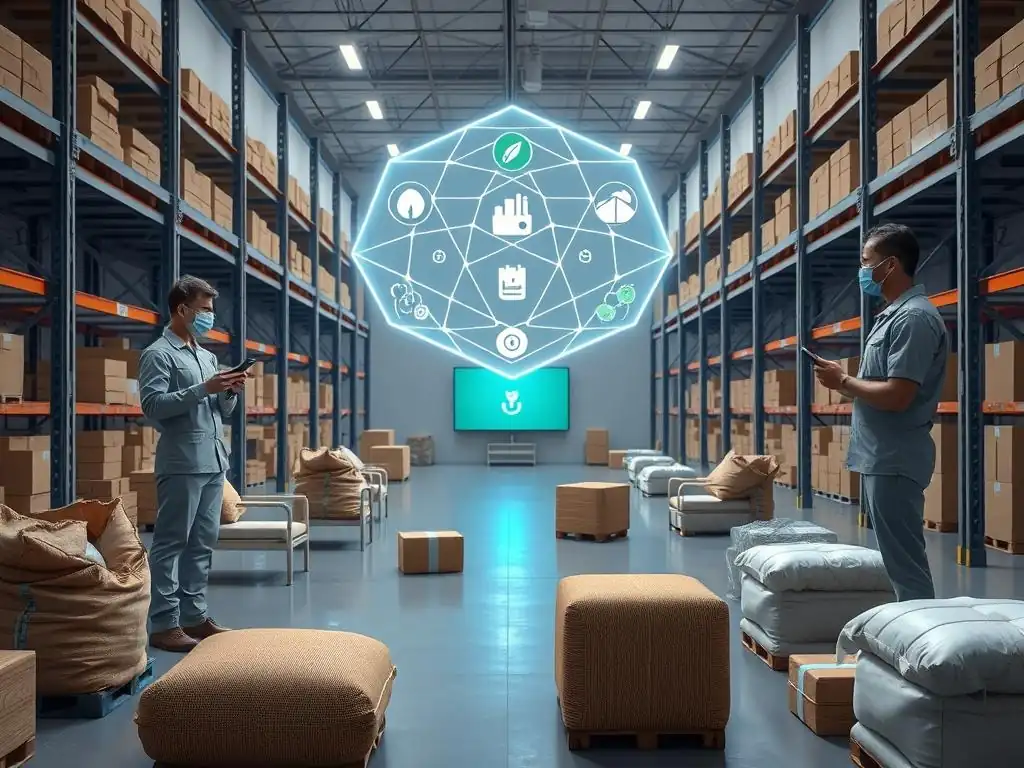
Accurate data is the lifeblood of any supply chain tracking system, and this is especially true for blockchain. Mechanisms must be put in place to capture data reliably at each critical point in the supply chain. This can involve manual data entry via user interfaces, integration with existing ERP or WMS systems, or automated data capture using technologies like IoT sensors, RFID tags, or QR codes.
Crucially, processes for verifying the accuracy of the data before it is written to the blockchain must be established. This might involve digital signatures, third-party verification, or cross-referencing data from multiple sources. Ensuring data integrity at the point of origin is vital, as inaccurate data written to the immutable ledger is difficult to correct. For an ethical blockchain supply chain tracking system, verifying certifications or labor practice data at the source is non-negotiable.
Step 5: Monitoring and Auditing the Blockchain Supply Chain
Once the system is live, continuous monitoring and auditing are essential. The blockchain provides a real-time or near real-time view of the supply chain's activity. Dashboards and reporting tools can be used to track product movements, identify potential bottlenecks, and monitor compliance with ethical and sustainability standards.
Regular audits, potentially conducted by independent third parties who also have access to the blockchain data, can verify the accuracy of the information on the ledger and ensure that real-world practices align with the recorded data. The transparency of the blockchain simplifies the auditing process, providing auditors with an unalterable record to review. This ongoing oversight is key to maintaining the integrity and effectiveness of the ethical blockchain supply chain tracking system.
---
Real-World Examples of Blockchain Supply Chains
Blockchain technology is moving beyond pilot projects and is being implemented in various industries to address specific supply chain challenges, particularly those related to transparency, authenticity, and ethical sourcing. These real-world examples demonstrate the practical application of blockchain in creating more responsible supply chains.
While some implementations are more mature than others, they collectively showcase the potential of blockchain to transform traditional supply chain operations and build greater trust among stakeholders and consumers.
Case Study 1: Food Traceability with Blockchain
One of the most prominent examples of blockchain in supply chains is its application in food traceability. Major retailers and food producers have invested heavily in this area to improve food safety, reduce waste, and provide consumers with information about the origin of their food.
Walmart's implementation of blockchain for tracking leafy greens is a well-cited case. Facing issues with foodborne illness outbreaks and slow recall processes, Walmart mandated that its suppliers of leafy green vegetables upload traceability data onto a Hyperledger Fabric-based blockchain network. This system reduced the time it takes to trace a product from farm to store from potentially weeks down to seconds.
This improved traceability is crucial for food safety and also supports ethical sourcing by providing clear provenance data. While specific figures on reduced outbreaks attributable solely to blockchain are complex to isolate, the speed of traceback is a verifiable improvement, moving from an average of 7 days to just 2.2 seconds in tests.
Case Study 2: Pharmaceutical Supply Chain Security with Blockchain
The pharmaceutical industry faces significant challenges with counterfeiting and ensuring the integrity of sensitive medications. Blockchain is being explored and implemented to secure the drug supply chain, complying with regulations like the U.S. Drug Supply Chain Security Act (DSCSA).
Pilot programs have focused on tracking prescription drugs from manufacturer to dispenser. By recording unique identifiers for each drug package on a blockchain, coupled with transaction data at each handover point (wholesaler, pharmacy), companies can verify the authenticity and chain of custody. This helps prevent counterfeit drugs from entering the legitimate supply chain and ensures that drugs are handled correctly. A consortium of pharmaceutical companies and technology providers is actively developing a blockchain network for DSCSA compliance, aiming to track billions of drug packages annually across the U.S. supply chain.
Case Study 3: Apparel Supply Chain Transparency Using Blockchain
The apparel industry is often criticized for its lack of transparency regarding labor practices and environmental impact. Blockchain is being used by some brands to provide consumers with verifiable information about the ethical and sustainable credentials of their clothing.
Companies are tracking materials like organic cotton or recycled polyester from their source, through spinning, weaving, dyeing, and garment manufacturing, all recorded on a blockchain. This allows brands to verify claims made by their suppliers about sustainable practices or fair wages paid to workers.
Some brands provide QR codes on clothing labels that consumers can scan to access a simplified version of the product's blockchain journey, showing details about the materials used, the factories involved, and relevant certifications. For example, a sustainable fashion brand used blockchain to track the origin of materials and manufacturing processes for a specific clothing line, providing consumers with auditable proof of their ethical sourcing claims.
Overcoming Challenges in Blockchain-Based Supply Chains
While the benefits of blockchain for ethical blockchain supply chain tracking are significant, implementation is not without its challenges. Addressing these hurdles is crucial for successful adoption and realizing the full potential of the technology.
These challenges range from technical complexities to issues of data management, cost, and gaining widespread acceptance across a diverse network of participants.
Data Privacy and Security Concerns
Although blockchain is known for its security and immutability, data privacy remains a concern, especially in permissioned supply chain networks. While transactions are transparent among participants, sensitive business data (like pricing agreements, production volumes, or specific customer information) needs protection.
Using private or permissioned blockchains where access is controlled helps, but careful consideration must be given to what data is recorded on the chain versus what is referenced externally. Techniques like zero-knowledge proofs can potentially verify the truth of a statement (e.g., "this supplier paid fair wages") without revealing the underlying sensitive data (e.g., the exact wage amount). Implementing robust access controls and data encryption layers is essential to balance transparency with necessary privacy within an ethical blockchain supply chain tracking system.
Scalability Limitations
Some blockchain platforms, particularly public ones, face scalability challenges, struggling to process a high volume of transactions quickly and cost-effectively. Supply chains, especially those for fast-moving consumer goods, generate vast amounts of data and require rapid transaction processing.
While permissioned blockchains generally offer better scalability than public ones, ensuring the chosen platform can handle the throughput required by a large, complex supply chain is vital. Ongoing developments in blockchain technology, such as sharding, layer-2 solutions, and optimized consensus mechanisms, are continuously improving scalability. Pilot programs have shown that platforms like Hyperledger Fabric can handle thousands of transactions per second under controlled conditions, but scaling to encompass millions of products and hundreds of participants requires careful system design and infrastructure.
Interoperability Issues
Supply chains rarely exist in isolation. They need to interact with other systems, including legacy ERP systems, WMS, IoT platforms, and even other blockchain networks used by different partners. Ensuring seamless data exchange and process integration between disparate systems and blockchain platforms can be complex.
Lack of universal standards for blockchain interoperability is a significant hurdle. Developing APIs and middleware to connect existing systems to the blockchain is often necessary. Future developments in cross-chain compatibility and industry-wide data standards will be crucial for achieving truly interconnected and efficient blockchain-based supply chain ecosystems. Projects are underway to create frameworks that allow different blockchain networks to communicate, which would be vital for a global ethical blockchain supply chain tracking network.
Cost of Implementation
Implementing a blockchain solution is an investment. Costs can include platform fees, development expenses for integrating with existing systems, hardware costs for running nodes (in some cases), and significant costs associated with training and onboarding supply chain partners.
While the long-term benefits in terms of efficiency, reduced fraud, and enhanced reputation can outweigh these initial costs, the upfront investment can be a barrier, particularly for smaller businesses within the supply chain. Demonstrating a clear return on investment (ROI) through reduced losses from counterfeiting, improved efficiency, or increased sales due to enhanced trust is key to justifying the expenditure. Pilot projects often focus on a specific high-value product line or a particularly problematic segment of the supply chain to demonstrate ROI before scaling up.
Regulatory Considerations
The regulatory landscape for blockchain technology is still evolving globally. Different countries and jurisdictions may have varying rules regarding data storage, privacy (like GDPR in Europe), and the legal status of smart contracts.
Ensuring that a blockchain-based supply chain solution complies with all relevant regulations across every region where the supply chain operates is essential. This requires careful legal review and potentially designing the system to accommodate different regulatory requirements. As governments gain a better understanding of blockchain, clearer guidelines and standards are expected, which will facilitate broader adoption in regulated industries like pharmaceuticals and food. Staying abreast of these developments is crucial for any company implementing an ethical blockchain supply chain tracking system.
---
The Future of Supply Chains and Blockchain: Trends and Predictions
The integration of blockchain into supply chains is still in its relatively early stages, but the trajectory points towards increasing adoption and sophistication. The future of supply chains will likely be characterized by greater automation, intelligence, and interconnectedness, with blockchain playing a foundational role in enabling trust and transparency.
Several key trends and predictions highlight how blockchain will continue to shape the evolution of supply chain management, particularly in fostering more ethical and sustainable practices.
Convergence of Blockchain, AI, and IoT
A major trend is the convergence of blockchain with other cutting-edge technologies like Artificial Intelligence (AI) and the Internet of Things (IoT). IoT sensors can collect real-time data on conditions like temperature, location, and humidity during transit. This data can be automatically fed onto the blockchain, providing an immutable record of product conditions.
AI can then analyze this vast amount of blockchain-recorded data to identify anomalies, predict potential disruptions, optimize routes, and verify compliance with ethical standards based on sensor inputs and recorded transactions. For example, AI could analyze temperature data on the blockchain to automatically trigger alerts or smart contract penalties if conditions deviate from required norms for sensitive goods. This convergence creates highly intelligent, automated, and verifiable supply chains, enhancing ethical blockchain supply chain tracking capabilities significantly.
Role of Digital Twins in Supply Chain Management
Digital twins – virtual replicas of physical assets, processes, or systems – are increasingly being used in supply chain management for simulation, analysis, and optimization. Blockchain can enhance the value of digital twins by providing a trusted, real-time, and immutable data layer.
Data from the physical supply chain, captured via IoT and recorded on the blockchain, can feed the digital twin, ensuring its accuracy and reliability. This allows for more precise simulations, better predictive maintenance, and enhanced visibility into the status and history of products. For instance, a digital twin of a manufacturing process linked to a blockchain can provide auditable proof of production conditions and material sourcing, supporting ethical manufacturing claims.
Potential for Decentralized Supply Chain Networks
While current blockchain supply chain implementations often involve permissioned networks controlled by a consortium or lead company, the long-term potential exists for more decentralized supply chain networks. In such a model, participants could interact directly via peer-to-peer transactions recorded on a public or semi-permissioned blockchain, reducing reliance on central intermediaries.
This could lead to more resilient, efficient, and potentially more equitable supply chains, where smaller participants have direct access to verifiable data and smart contract functionalities. While fully decentralized global supply chains are a distant prospect due to complexity and governance challenges, elements of decentralization, particularly in data sharing and contract execution, are likely to increase, further strengthening the potential for truly ethical blockchain supply chain tracking.
Impact of Blockchain on Sustainable Supply Chains
Blockchain is poised to have a profound impact on enabling and verifying sustainable supply chain practices. By providing an immutable record of environmental data (like carbon emissions per shipment), resource usage, and compliance with sustainability certifications, blockchain makes it easier to track and report on environmental performance.
Furthermore, it can facilitate carbon credit trading or incentivize sustainable behavior through tokenization and smart contracts. For example, a smart contract could automatically reward suppliers who meet specific carbon reduction targets verified by data on the blockchain. This ability to track, verify, and incentivize sustainable actions provides a powerful tool for building genuinely green and ethical supply chains.
Conclusion: Embracing Blockchain for a More Responsible Supply Chain Future
The journey of a product from its raw materials to the hands of the consumer is a complex and often opaque process. Traditional supply chains, while efficient in moving goods, frequently lack the necessary transparency and accountability to guarantee ethical sourcing, sustainability, and product authenticity. This opacity leaves room for fraud, unethical practices, and erosion of consumer trust.
Blockchain technology offers a compelling solution to these challenges. By creating a shared, immutable, and verifiable ledger of transactions and events across the supply chain, blockchain provides the foundation for unprecedented transparency and traceability. Implementing an ethical blockchain supply chain tracking system empowers companies to monitor and prove compliance with ethical standards, environmental regulations, and quality controls at every step.
Key Takeaways: The Power of Blockchain
The core power of blockchain in this context lies in its ability to establish trust without reliance on a single central authority. The distributed and immutable nature of the ledger ensures data integrity, making it incredibly difficult to falsify records related to origin, handling, or certifications. This directly addresses critical issues like counterfeiting, food safety, and verifying ethical labor practices.
Real-world examples across industries like food, pharmaceuticals, and apparel demonstrate that blockchain-based traceability is not just theoretical but is being successfully implemented to improve visibility and build consumer confidence. The ability to provide consumers with verifiable proof of a product's journey and ethical attributes is a significant differentiator in today's market.
Importance of Collaboration and Standardization
Successfully implementing and scaling ethical blockchain supply chain tracking requires significant collaboration among all participants in the network. From the smallest raw material supplier to the largest retailer, everyone needs to be willing to share data and adopt the new technology. Gaining buy-in, providing training, and addressing concerns are critical steps.
Furthermore, the development of industry-wide standards for data formats, interoperability between different blockchain platforms, and governance models for consortia is essential for widespread adoption. Standardization will reduce complexity, lower costs, and enable seamless data flow across complex, multi-tier supply chains.
Call to Action: Adopting Blockchain for a Transparent and Sustainable World
The evidence is clear: blockchain technology has the potential to fundamentally transform supply chains, making them more transparent, accountable, and ethical. For businesses serious about sustainability, ethical sourcing, and building lasting trust with their customers, exploring and adopting blockchain solutions is no longer optional but a strategic imperative.
Embracing ethical blockchain supply chain tracking is an investment in the future – a future where consumers can make informed choices based on verifiable information, where supply chain partners are held accountable for their actions, and where global trade contributes positively to social and environmental well-being. The time to act is now to build a more responsible supply chain future.
Frequently Asked Questions
How can blockchain technology improve supply chain ethics?
Blockchain provides immutable records of transactions, making it easier to trace a product's journey from origin to consumer, verifying claims of ethical sourcing and fair labor practices.
What are the key benefits of using blockchain for supply chain tracking?
Blockchain offers increased transparency, enhanced traceability, and improved accountability, leading to greater consumer trust and reduced risk of fraud or unethical practices within the supply chain.
What challenges exist in implementing blockchain for ethical supply chains?
Data integration with existing systems, scalability concerns, and the need for industry-wide collaboration are significant challenges to overcome for widespread adoption.
How does blockchain help ensure the authenticity and origin of products?
By recording each step of the supply chain on a distributed ledger, blockchain creates a tamper-proof record that verifies the product's origin and authenticity, combating counterfeiting and fraud.
What role do regulations play in the ethical use of blockchain for supply chains?
Regulations can provide clear guidelines and standards for data privacy, security, and ethical sourcing practices, fostering trust and encouraging responsible implementation of blockchain technology.
Final Reflection: Empowering Transparency Through Blockchain
The journey of a product, from its raw origins to the consumer's hands, is often shrouded in opacity. Blockchain technology offers a powerful solution to illuminate these complex supply chains, fostering ethical practices and accountability at every step. By leveraging its immutable and transparent nature, we can move beyond mere promises of ethical sourcing and establish verifiable proof, empowering consumers to make informed choices that align with their values.
This shift towards transparency isn't just a trend; it's a fundamental change in how we perceive and interact with the products we consume. The ability to trace a product's journey, to know its origins and the conditions under which it was produced, fosters a deeper connection and a sense of responsibility. The future of supply chains is not just about efficiency, but also about ethics and sustainability.
This quote encapsulates the growing demand for transparency and the potential of blockchain to meet that demand, creating a more just and equitable global marketplace.
Now, consider the power you hold as a consumer. Armed with the knowledge that ethical blockchain supply chain tracking provides, you can actively support businesses committed to responsible practices. Reflect on the impact of your purchasing decisions and choose to invest in a future where transparency and accountability are the cornerstones of global trade. Let us all strive to create a world where every product tells a story of ethical sourcing and responsible production.
Seize Control: Build a More Ethical Future with Blockchain!
Thank you for exploring how blockchain can transform supply chains. You've gained valuable insights into how this technology can promote transparency and ethical practices. Now, let's put that knowledge into action.
Here's how you can contribute to a more responsible and transparent world:
- Learn more about platforms that utilize blockchain to track supply chains from origin to consumer. Seeing real-world applications can be truly inspiring!
- Share this article on your favorite social media platform to raise awareness about ethical sourcing and the role of blockchain. Together, we can inspire positive change!
- Think of one small way you can support businesses committed to ethical sourcing in your daily life. Perhaps purchasing fair-trade coffee or supporting local artisans with transparent practices.
What's one thing you'll do today to support more transparent and ethical supply chains? Share your ideas in the comments below!
Leave a Reply