
Scalability for Enterprise Blockchain Adoption: Removing the Final Barriers


Welcome to Blockchain Trends, your guide to understanding the real-world impact of blockchain technology. Beyond the hype of cryptocurrencies, blockchain is reshaping industries. Are you ready to unlock its full potential within your enterprise? Dive into our latest article where we tackle the crucial topic of Enterprise blockchain scalability challenges solutions, uncovering the innovative strategies needed to overcome the final barriers to widespread adoption and truly revolutionize your business. Explore the solutions and begin your journey into a scalable, decentralized future.
Enhancing Supply Chain Transparency with Blockchain: Overcoming Scalability Challenges
- Introduction: The Supply Chain Transparency Bottleneck
- Understanding Scalability Challenges in Supply Chain Blockchains
-
Exploring Scalability Solutions for Supply Chain Blockchains: A Comparative Analysis
- Layer-2 Scaling Solutions: State Channels and Payment Channels for Supply Chain Transactions
- Sharding: Partitioning Supply Chain Blockchain Networks by Region or Product Type
- Sidechains and Cross-Chain Solutions for Interoperability with Existing Systems
- Optimized Consensus: Delegated Proof of Stake (DPoS) for Faster Validation
- Real-World Supply Chain Blockchain Scalability Solutions: Case Studies
- Future Trends in Supply Chain Blockchain Scalability
- Overcoming the Barriers: A Roadmap for Scalable Supply Chain Blockchains
- Conclusion: Unlocking Supply Chain Transparency through Scalability
-
Frequently Asked Questions
- What are the primary scalability challenges hindering widespread enterprise blockchain adoption?
- How does the consensus mechanism impact enterprise blockchain scalability?
- What are some solutions being explored to address enterprise blockchain scalability challenges?
- How can off-chain solutions contribute to enhanced scalability in enterprise blockchain implementations?
- What role does data management play in tackling scalability challenges for enterprise blockchains?
- Final Reflection: Embracing Scalable Blockchain Horizons
- Seize the Future: Build Your Scalable Blockchain Strategy Now!
Introduction: The Supply Chain Transparency Bottleneck
Why Scalability is Crucial for Blockchain-Based Supply Chain Transparency
In today's globalized economy, supply chains are intricate networks involving numerous stakeholders, from raw material suppliers to end consumers. Transparency within these chains is paramount for building trust, ensuring accountability, and optimizing operational efficiency. Blockchain technology, with its inherent characteristics of immutability, traceability, and decentralization, presents a compelling solution to enhance supply chain transparency.
However, the promise of blockchain in this domain hinges significantly on its ability to scale. A blockchain network that cannot handle the demands of a complex supply chain will quickly become a bottleneck, negating the very benefits it aims to provide.
For instance, imagine a global food supply chain tracking millions of individual items daily; a blockchain unable to process this transaction volume in a timely and cost-effective manner will fail to deliver real-time visibility and trust. Therefore, scalability is not merely an optimization, but a fundamental prerequisite for the successful adoption of blockchain in supply chain management.
Without robust scalability, blockchain solutions for supply chains risk becoming cumbersome and impractical. Consider the scenario of tracking pharmaceutical products across a global network to combat counterfeiting. Every movement, temperature reading, and change of custody needs to be recorded on the blockchain to ensure provenance and prevent illicit activities.
If the underlying blockchain platform struggles to handle the sheer volume of data and transactions generated by this process, it can lead to delays in verification, increased transaction costs, and ultimately, a compromised level of transparency. Scalability ensures that blockchain networks can grow and adapt to the increasing demands of complex supply chains without sacrificing performance, security, or cost-effectiveness. Successfully addressing enterprise blockchain scalability challenges solutions is therefore critical to unlock the transformative potential of this technology for supply chain transparency.
Defining Scalability for Supply Chain Blockchain Solutions
Scalability in the context of supply chain blockchain solutions refers to the ability of the network to handle a growing amount of data, transactions, and users without experiencing a decline in performance, security, or an increase in costs that make the system impractical. For supply chains, this definition encompasses several key dimensions. Firstly, transaction throughput is crucial.
Supply chains generate a high volume of transactions, from tracking goods movement to verifying certifications and processing payments. A scalable blockchain must be able to process thousands, potentially tens of thousands, of transactions per second to accommodate the demands of a large-scale supply chain network. For example, a global retail supply chain might need to track millions of product units moving through its network daily, each generating multiple transactions at different stages.
Secondly, data storage scalability is vital. Supply chain blockchains are designed to store vast amounts of data related to product provenance, logistics, certifications, and compliance. This data volume grows exponentially as the supply chain expands and more granular information is tracked. A scalable solution must be able to accommodate this data growth without compromising accessibility or performance.
Consider the aerospace industry, where tracking components and their maintenance history over decades requires significant data storage capacity. Thirdly, network scalability concerns the ability to add more participants and nodes to the network without impacting latency or security. Supply chains are inherently collaborative, involving numerous diverse stakeholders. A scalable blockchain should facilitate the seamless onboarding of new participants and the efficient communication between them.
Finally, cost scalability is essential for enterprise adoption. As the network scales, the cost of transactions and operations should remain economically viable for all participants. Solutions that become prohibitively expensive as they scale will not be sustainable in the long run. Therefore, a truly scalable supply chain blockchain must address all these dimensions to provide a robust and practical solution to enterprise blockchain scalability challenges solutions.
Understanding Scalability Challenges in Supply Chain Blockchains
High Transaction Volume in Supply Chain Networks
Supply chain networks are characterized by exceptionally high transaction volumes, stemming from the intricate movement of goods, information, and payments across numerous touchpoints. Each stage in the supply chain, from raw material sourcing to final delivery, generates multiple transactions that could potentially be recorded on a blockchain for enhanced transparency and traceability. Consider a simple example: tracking a shipment of coffee beans.
This might involve transactions for origin certification, quality checks at various processing stages, customs clearance, transportation milestones, warehousing, and finally, delivery to retailers. Across a global scale, these individual transactions multiply exponentially, leading to a massive influx of data that needs to be processed and validated by the blockchain network.
Traditional blockchain architectures, particularly those employing Proof-of-Work (PoW) consensus mechanisms, often struggle to cope with such high throughput demands. For instance, Bitcoin's network, while secure, can only process around 7 transactions per second (TPS). Ethereum, even with its upgrades, currently handles around 15-30 TPS. These rates are insufficient for the transaction volume generated by even moderately sized supply chains.
Real-world supply chains, especially in sectors like fast-moving consumer goods (FMCG) or pharmaceuticals, can easily generate thousands of transactions per second during peak periods. Imagine a large retailer processing millions of sales transactions daily, each potentially linked back to the product's origin and journey through the supply chain. This necessitates a blockchain infrastructure capable of handling significantly higher transaction throughput to avoid bottlenecks and ensure real-time data availability. Addressing this high transaction volume is a core challenge when designing enterprise blockchain scalability solutions for supply chains.
Data Storage Requirements for Traceability and Provenance
Beyond transaction volume, the sheer volume of data generated and needing to be stored for effective supply chain traceability and provenance presents another significant scalability challenge. Blockchain's immutability, while a key benefit for trust and security, means that every transaction and piece of data recorded on the chain is permanently stored.
In supply chain applications, this data can encompass a wide range of information, including product origin, manufacturing processes, certifications, quality control reports, temperature logs, shipment details, custody changes, and more. For industries requiring detailed provenance tracking, like pharmaceuticals or luxury goods, the amount of data per product unit can be substantial.
Consider the pharmaceutical industry, where regulations mandate stringent tracking of drugs throughout the supply chain to prevent counterfeiting and ensure patient safety. Each batch of medication might require recording numerous data points at each stage, from raw material sourcing and manufacturing to packaging, distribution, and dispensing. This could involve detailed records of batch numbers, manufacturing dates, expiration dates, temperature readings during transportation, and chain of custody documentation.
Over time, accumulating this data for millions of pharmaceutical products across a global network leads to massive storage requirements. While blockchain networks can be designed to store data off-chain and use on-chain hashes for verification, even managing and indexing this off-chain data efficiently at scale poses significant technical challenges.
Furthermore, the need for data redundancy and backup for immutable records further amplifies storage requirements. Therefore, developing scalable data storage solutions is a critical component of addressing enterprise blockchain scalability challenges solutions in supply chain management.
Network Latency Impacting Real-Time Tracking
Network latency, the delay in data transfer within a network, is a critical factor impacting the feasibility of real-time tracking in supply chain blockchain applications. Supply chains demand timely information flow to enable efficient operations, proactive issue resolution, and accurate visibility. For instance, real-time tracking of perishable goods like fresh produce or temperature-sensitive pharmaceuticals is crucial to ensure quality and prevent spoilage or degradation. Delays in information dissemination due to network latency can undermine the effectiveness of blockchain-based tracking systems in these scenarios.
Traditional blockchain networks, especially those with geographically distributed nodes and complex consensus mechanisms, can experience inherent latency. The time taken for a transaction to be propagated across the network, validated by consensus, and added to the blockchain block can range from seconds to minutes, depending on the network's architecture and congestion. While these latencies might be acceptable for certain applications, they become problematic when real-time tracking and immediate responses are required in a supply chain context.
Imagine a scenario where a temperature deviation is detected in a refrigerated shipment of vaccines. If the alert is delayed due to network latency in updating the blockchain record, it might hinder timely intervention and potentially compromise the efficacy of the vaccines.
Minimizing network latency is therefore crucial for enabling real-time visibility and responsiveness in supply chain blockchain solutions. Solutions that involve geographically closer nodes, faster consensus mechanisms, or layer-2 technologies are often explored to address network latency issues and enhance enterprise blockchain scalability solutions for real-time supply chain tracking.
Security Considerations for Scalable Supply Chain Data
Security is paramount in any blockchain application, and supply chain blockchains are no exception. However, achieving robust security while simultaneously scaling the network to meet enterprise demands presents a complex set of challenges. As blockchain networks scale, they can become potentially more vulnerable to certain types of attacks if security measures are not carefully considered and implemented. For example, as the number of nodes in a permissioned blockchain network increases, managing access control, ensuring node integrity, and preventing collusion become more intricate.
One key security consideration in scalable supply chain blockchains is data integrity. Ensuring that the data recorded on the blockchain remains tamper-proof and accurately reflects the real-world events is critical for trust and reliability. Scalability solutions must not compromise the cryptographic security that underpins blockchain's immutability.
Another aspect is network security. As the network expands, it becomes more important to protect against denial-of-service (DoS) attacks, Sybil attacks, and other network-level threats that could disrupt operations or compromise data availability. Furthermore, the security of smart contracts and decentralized applications (dApps) built on top of the blockchain also needs to be rigorously addressed.
Vulnerabilities in smart contracts can be exploited to manipulate data or steal assets, potentially undermining the entire supply chain system. Scalable security solutions for supply chain blockchains often involve a combination of robust cryptographic protocols, secure node infrastructure, rigorous access control mechanisms, and continuous security monitoring and auditing. Addressing these multifaceted security considerations is essential to ensure that enterprise blockchain scalability solutions are not only performant but also resilient and trustworthy for sensitive supply chain data.
Exploring Scalability Solutions for Supply Chain Blockchains: A Comparative Analysis
Layer-2 Scaling Solutions: State Channels and Payment Channels for Supply Chain Transactions
Layer-2 scaling solutions offer a promising approach to enhance the transaction throughput of blockchain networks without fundamentally altering the underlying Layer-1 blockchain protocol. State channels and payment channels are prominent examples of Layer-2 solutions that can be adapted for supply chain transactions. These channels enable participants to conduct multiple transactions off-chain, while only committing the opening and closing states to the main blockchain.
This significantly reduces the load on the main chain, allowing for faster and cheaper transactions. In a supply chain context, state channels could be used to manage bilateral agreements between trading partners, such as purchase orders, shipment confirmations, and quality certifications.
For instance, consider a state channel established between a manufacturer and a distributor. They can conduct numerous transactions related to order placement, shipment tracking updates, and payment settlements within this channel, without recording each individual transaction on the main blockchain. Only the initial agreement to open the channel and the final settlement upon closure would be recorded on the main chain.
Payment channels, a specific type of state channel optimized for payments, can streamline financial transactions within the supply chain. Imagine a network of suppliers, manufacturers, and distributors using payment channels to process invoices and payments.
By conducting these transactions off-chain within channels, the overall transaction load on the main blockchain is significantly reduced, enhancing scalability and lowering transaction fees. Layer-2 solutions like state and payment channels provide a viable path to address enterprise blockchain scalability challenges solutions for supply chain transactions, particularly for scenarios involving frequent interactions between specific trading partners.
Benefits and Limitations of Layer-2 for Supply Chain Visibility
Layer-2 solutions, like state and payment channels, offer several benefits for enhancing supply chain visibility while addressing scalability concerns. One primary benefit is increased transaction speed. By processing transactions off-chain, Layer-2 solutions can achieve significantly faster transaction confirmation times compared to the main blockchain. This is crucial for real-time supply chain tracking and responsive operations.
Another key advantage is reduced transaction costs. Off-chain transactions typically incur lower fees compared to on-chain transactions, as they do not compete for block space on the main blockchain. This cost-effectiveness is particularly important for high-volume supply chain networks where transaction fees can accumulate significantly.
Furthermore, Layer-2 solutions can enhance privacy for certain types of transactions. Transactions within state channels can be kept confidential between the channel participants, with only the opening and closing states being publicly visible on the main blockchain. This can be beneficial for sensitive supply chain information that participants may not want to broadcast publicly.
However, Layer-2 solutions also have limitations in the context of supply chain visibility. One limitation is limited network-wide visibility. Transactions conducted within channels are primarily visible only to the channel participants, not to the entire blockchain network. While this can enhance privacy, it might reduce the overall transparency across the entire supply chain network if critical information is confined to channels.
Another limitation is channel dependency. Layer-2 solutions often rely on the establishment and management of channels between specific pairs of participants. This can create complexity in managing numerous channels in a large, multi-stakeholder supply chain network.
Furthermore, the security of Layer-2 solutions ultimately depends on the security of the underlying Layer-1 blockchain. If the main chain is compromised, the security of Layer-2 channels could also be affected. Despite these limitations, Layer-2 solutions offer a valuable tool for improving enterprise blockchain scalability solutions and enhancing specific aspects of supply chain visibility, particularly for bilateral transactions and payment processing.
Sharding is a database partitioning technique that can be applied to blockchain networks to improve scalability. In essence, sharding divides a blockchain network into smaller, manageable partitions called "shards." Each shard operates independently and processes a subset of the network's transactions and data. By distributing the workload across multiple shards, sharding can significantly increase the overall transaction throughput and data processing capacity of the blockchain network. In a supply chain context, sharding can be implemented by partitioning the network based on geographical regions, product types, or specific supply chain segments.
For example, a global supply chain blockchain could be sharded geographically, with separate shards for North America, Europe, Asia, and other regions. Transactions and data related to supply chain activities within each region would be processed and stored primarily within the corresponding shard. Alternatively, sharding could be product-based, with different shards dedicated to specific product categories like electronics, pharmaceuticals, or apparel. This approach could be beneficial for supply chains with diverse product lines and varying data and transaction requirements.
Sharding can also be applied to partition the network based on supply chain segments, such as manufacturing, logistics, or retail. Each shard could focus on the specific data and transaction types relevant to that segment. By partitioning the network, sharding allows for parallel processing of transactions and data, significantly enhancing enterprise blockchain scalability solutions for large and complex supply chains.
The Role of Sharding in Supply Chain Performance Improvement
Sharding plays a crucial role in improving the performance of supply chain blockchains by addressing key scalability bottlenecks. The primary benefit of sharding is increased transaction throughput. By dividing the network into shards and enabling parallel processing, sharding can significantly increase the number of transactions the network can handle per second. Each shard can process transactions independently, and the overall network throughput becomes the sum of the throughput of all shards. This is particularly beneficial for high-volume supply chains that generate a large number of transactions across various stages and locations.
Sharding also improves data processing efficiency. Each shard is responsible for managing only a subset of the total network data. This reduces the data storage and processing burden on individual nodes, leading to faster data retrieval and query times. In supply chain applications requiring real-time data access and analysis, sharding can significantly improve performance.
Furthermore, sharding can enhance network responsiveness. By reducing network congestion within each shard, sharding can lead to lower transaction latency and faster confirmation times. This is crucial for time-sensitive supply chain operations and real-time tracking requirements. Sharding can also improve fault tolerance in some implementations.
If one shard experiences an issue or failure, the other shards can continue to operate independently, minimizing disruption to the overall network. However, implementing sharding in a blockchain network is a complex undertaking. It requires careful design of shard communication protocols, cross-shard transaction management, and security mechanisms to ensure data consistency and prevent attacks that target individual shards or cross-shard interactions. Despite these complexities, sharding offers a powerful approach to enhance enterprise blockchain scalability solutions and significantly improve the performance of supply chain blockchain networks.
Sidechains and Cross-Chain Solutions for Interoperability with Existing Systems
Sidechains and cross-chain solutions provide mechanisms to connect different blockchain networks and enable the transfer of assets and data between them. In the context of supply chain blockchains, these solutions are particularly relevant for achieving interoperability with existing legacy systems and integrating with diverse blockchain platforms used by different stakeholders. Sidechains are separate blockchains that run in parallel to a main blockchain and are linked to it through a two-way peg.
This allows assets and data to be moved between the main chain and the sidechain. Cross-chain solutions, on the other hand, enable interoperability between independent blockchain networks without necessarily relying on a parent-child relationship like sidechains.
For supply chains, sidechains can be used to create specialized blockchains tailored to specific needs or segments, while still maintaining a connection to a main supply chain blockchain for overall coordination and visibility. For example, a sidechain could be created for a specific supplier network to manage their internal processes and data, while periodically anchoring relevant information to the main supply chain blockchain for broader transparency. Cross-chain solutions enable integration with existing systems and platforms used by different supply chain participants.
Many enterprises already utilize various legacy databases, ERP systems, and supply chain management software. Cross-chain technologies can facilitate data exchange between these existing systems and a blockchain network, enabling a more seamless and scalable integration. This interoperability is crucial for overcoming the fragmented nature of many supply chains and fostering wider adoption of enterprise blockchain scalability solutions.
Enabling Scalable Data Transfer with Legacy Supply Chain Databases
Sidechains and cross-chain solutions play a vital role in enabling scalable data transfer between blockchain networks and legacy supply chain databases. Many enterprises have invested heavily in traditional databases and systems to manage their supply chain data. Replacing these systems entirely with blockchain-based solutions is often impractical and cost-prohibitive. Interoperability solutions provide a way to bridge the gap between the new blockchain paradigm and existing infrastructure, facilitating a more gradual and pragmatic adoption of blockchain technology.
Sidechains can be designed to interact directly with legacy databases, allowing for selective data synchronization and transfer. For instance, a sidechain could be configured to pull relevant data from a legacy ERP system and record it on the blockchain for enhanced traceability and transparency. Conversely, data generated on the blockchain, such as shipment tracking updates or quality certifications, could be pushed to legacy systems for integration with existing workflows and reporting.
Cross-chain technologies offer even broader interoperability capabilities, enabling data transfer between different blockchain platforms and legacy systems. This is particularly important in complex supply chains involving multiple organizations that may be using different blockchain platforms or no blockchain at all. Cross-chain bridges and protocols can facilitate secure and reliable data exchange between these disparate systems, creating a more unified and transparent supply chain ecosystem.
For example, a manufacturer using a permissioned blockchain could use cross-chain solutions to share data with a logistics provider using a different blockchain platform or with retailers relying on traditional databases. This interoperability is crucial for unlocking the full potential of enterprise blockchain scalability solutions in supply chain management by enabling seamless data flow across diverse systems and platforms.
Optimized Consensus: Delegated Proof of Stake (DPoS) for Faster Validation
Consensus mechanisms are fundamental to blockchain technology, ensuring agreement among network participants on the validity of transactions and the state of the blockchain. However, traditional consensus mechanisms like Proof-of-Work (PoW) can be computationally intensive and slow, limiting transaction throughput and scalability. Optimized consensus mechanisms, such as Delegated Proof of Stake (DPoS), offer a more efficient and faster approach to transaction validation, making them particularly suitable for enterprise blockchain scalability solutions in supply chains.
DPoS is a variation of Proof of Stake (PoS) where token holders vote to elect a set of delegates who are responsible for block production and transaction validation. These delegates, also known as block producers or witnesses, are chosen based on their reputation and the number of votes they receive.
In DPoS, only a relatively small number of delegates actively participate in block validation, compared to PoW where all nodes compete to solve cryptographic puzzles. This significantly reduces the computational overhead and speeds up the consensus process. DPoS typically achieves faster block times and higher transaction throughput compared to PoW and even some PoS implementations.
In a supply chain context, faster transaction validation is crucial for real-time tracking, timely updates, and efficient operations. DPoS can be particularly beneficial for permissioned or consortium blockchains often used in enterprise supply chain applications, where a pre-selected group of trusted participants act as delegates. By optimizing the consensus mechanism, DPoS contributes to addressing enterprise blockchain scalability challenges solutions and enabling faster and more efficient supply chain blockchain networks.
Exploring DPoS and its Impact on Supply Chain Transaction Speed
Delegated Proof of Stake (DPoS) has a significant positive impact on supply chain transaction speed due to its streamlined consensus process. Unlike Proof-of-Work (PoW), which requires extensive computational effort for each block validation, DPoS relies on a pre-selected group of delegates to validate transactions and produce blocks. This delegation mechanism dramatically reduces the time required to reach consensus and finalize transactions. In DPoS, the elected delegates are incentivized to perform their duties efficiently and honestly, as they can be voted out if they underperform or act maliciously. This accountability mechanism ensures that delegates prioritize fast and reliable transaction processing.
The reduced computational overhead in DPoS translates directly to faster block times. Block time refers to the average time it takes to produce a new block on the blockchain. Blockchains using PoW, like Bitcoin, have block times of around 10 minutes, while Ethereum's PoW block time is around 15 seconds. DPoS blockchains, in contrast, can achieve block times of just a few seconds or even sub-second block times in some implementations.
This significantly faster block time leads to quicker transaction confirmation and finality. For supply chain applications, this means that updates to product tracking, shipment status, or quality certifications can be recorded and verified on the blockchain much faster, enabling near real-time visibility. The improved transaction speed offered by DPoS is a key advantage for enterprise blockchain scalability solutions in supply chains, particularly for applications requiring high throughput and low latency.
Real-World Supply Chain Blockchain Scalability Solutions: Case Studies
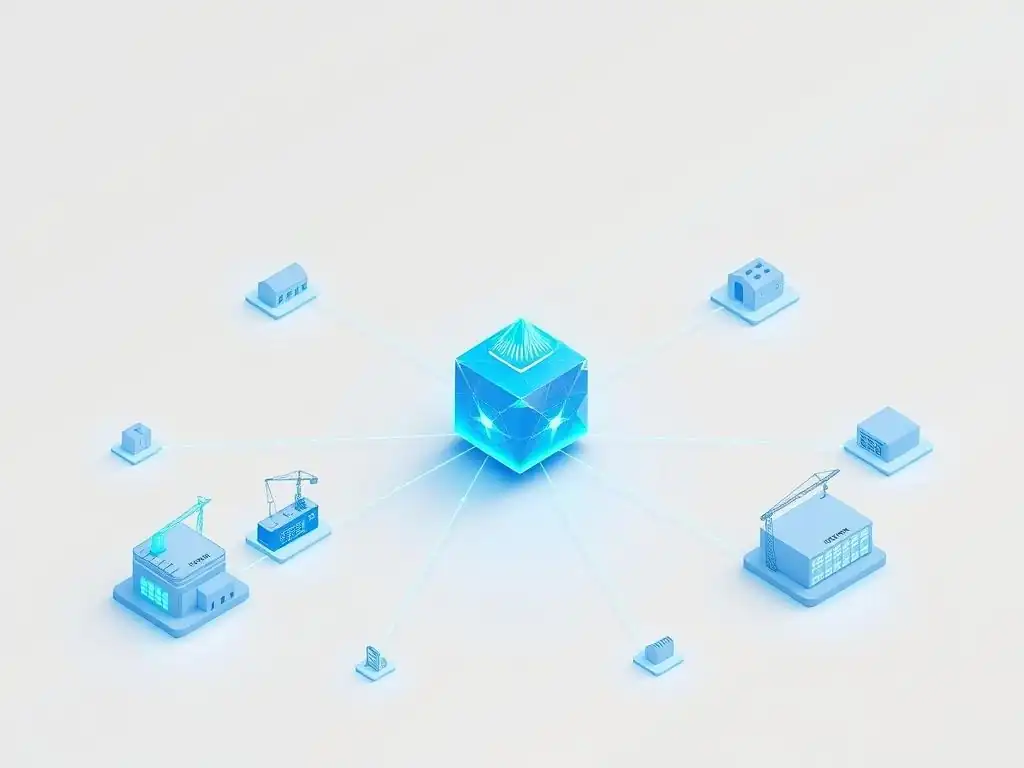
Case Study 1: Maersk - Implementing TradeLens for Global Shipping
Results Achieved: Increased Efficiency and Reduced Delays
Case Study 2: Walmart - Utilizing Hyperledger Fabric for Food Traceability
Results Achieved: Faster Recall Times and Enhanced Food Safety
Future Trends in Supply Chain Blockchain Scalability
The Rise of Consortium Blockchains for Collaborative Supply Chains
The Impact of IoT and Edge Computing on Real-Time Data Processing
Overcoming the Barriers: A Roadmap for Scalable Supply Chain Blockchains
Identifying Specific Scalability Requirements for Your Supply Chain
Implementing and Testing Solutions in a Pilot Program
Conclusion: Unlocking Supply Chain Transparency through Scalability
The Future of Supply Chain Management Relies on Scalable Blockchain Solutions
Frequently Asked Questions
What are the primary scalability challenges hindering widespread enterprise blockchain adoption?
The main hurdles include limited transaction throughput, high transaction costs, and complex data management requirements that traditional blockchains struggle to meet.
How does the consensus mechanism impact enterprise blockchain scalability?
Different consensus mechanisms have varying scalability implications. Proof-of-Work (PoW) is generally less scalable than Proof-of-Stake (PoS) or delegated Proof-of-Stake (dPoS) which offer improved efficiency.
What are some solutions being explored to address enterprise blockchain scalability challenges?
Solutions include layer-2 scaling solutions like state channels and sidechains, sharding which partitions the blockchain, and optimized consensus algorithms tailored for enterprise use cases.
How can off-chain solutions contribute to enhanced scalability in enterprise blockchain implementations?
Off-chain solutions like state channels and rollups allow for processing transactions outside the main blockchain, reducing the load on the main chain and significantly increasing throughput.
What role does data management play in tackling scalability challenges for enterprise blockchains?
Efficient data management techniques, such as data pruning, archiving, and optimized storage solutions, are crucial for maintaining blockchain performance and ensuring long-term scalability.
Final Reflection: Embracing Scalable Blockchain Horizons
The journey towards widespread enterprise blockchain adoption hinges critically on overcoming scalability limitations, and this exploration has highlighted the urgent need for robust and adaptable solutions. The challenges are real, but the potential rewards – increased efficiency, transparency, and security – are too significant to ignore. We've seen how various approaches, from sharding to layer-2 solutions, offer promising pathways forward, but their successful implementation requires careful consideration of specific enterprise needs and a commitment to ongoing innovation.
The impact of scalable blockchain solutions extends far beyond mere technological advancement; it promises to reshape industries and redefine trust in the digital age. Witnessing the evolution of blockchain from a niche technology to a potential cornerstone of global commerce has been profoundly inspiring, and the ongoing efforts to address scalability issues are a testament to human ingenuity. The future belongs to those who believe in the beauty of their dreams.
- Eleanor Roosevelt. This quote resonates deeply, reminding us that the dream of a decentralized, secure, and efficient future, powered by blockchain, is worth pursuing despite the inherent challenges.
Now, as we stand on the cusp of a new era of enterprise blockchain adoption, I invite you to reflect on the role you can play in shaping this future. Consider how the insights shared in this article can inform your own strategies, whether you're a developer, a business leader, or simply an interested observer. Embrace the challenge, explore the possibilities, and contribute to building a more scalable, secure, and transparent world, one blockchain solution at a time.
Seize the Future: Build Your Scalable Blockchain Strategy Now!
Thank you for exploring the solutions that are unlocking enterprise-level blockchain adoption. You now have a clearer understanding of the challenges and opportunities that scalable blockchain presents. It's time to put this knowledge into action.
Here’s how you can take the next step:
- Prioritize and implement a proof-of-concept using a scaling solution discussed in this article. Test the waters and experience the power of a truly scalable blockchain.
- Dive deeper into the technical specifics. Research and compare different scaling approaches mentioned, focusing on their specific benefits for your industry.
- Share this article with your network and start a conversation about how to overcome the scalability hurdles for blockchain adoption within your organization.
What is the first concrete step you'll take this week to explore scalable blockchain solutions for your enterprise? Let us know in the comments!
Leave a Reply