
The Future is Now: RealWorld Examples of Blockchain Transforming Supply Chains Today

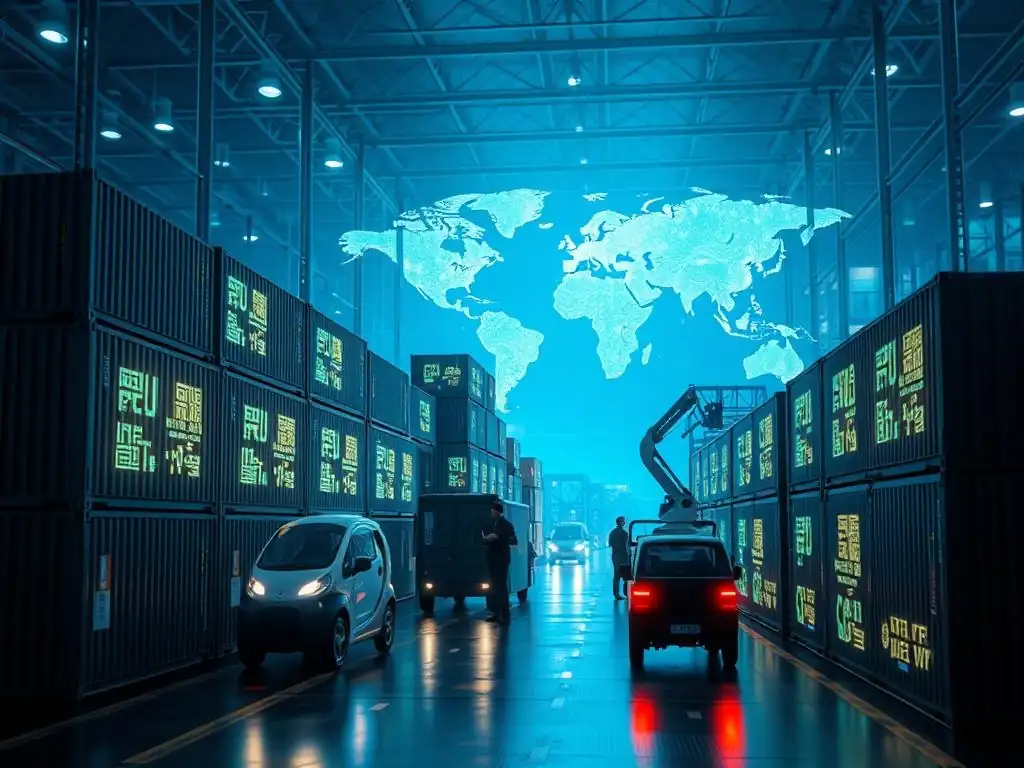
Welcome to Blockchain Trends, your go-to source for uncovering the real-world impact of blockchain technology! Beyond the hype, we delve into the tangible ways blockchain is reshaping industries. Curious about how this revolutionary technology is optimizing logistics, enhancing transparency, and building trust? Explore our insights and discover compelling blockchain supply chain transformation examples that are not just theoretical, but happening right now. Prepare to be amazed by the future of supply chain management – let's dive in!
Blockchain Transforming Supply Chains: Real-World Examples
- Introduction: Enhancing Supply Chain Efficiency with Blockchain
- Blockchain Supply Chain Transformation Examples: Case Studies
- Real-World Impact: Quantifiable Results of Blockchain Adoption
- Overcoming Challenges in Blockchain Implementation
- The Future of Blockchain in Supply Chain: Trends and Predictions
- Conclusion: Blockchain for a More Efficient and Transparent Future
-
Frequently Asked Questions
- What are some real-world examples of blockchain supply chain transformation?
- How does blockchain improve supply chain transparency?
- What role does DeFi play in the future of blockchain-integrated supply chains?
- What are the key regulatory considerations for implementing blockchain in supply chains?
- What is the potential of decentralized systems to revolutionize supply chain management?
- Final Reflection: Embracing the Transparent Future
- Ignite Your Supply Chain Revolution!
Introduction: Enhancing Supply Chain Efficiency with Blockchain
Blockchain's Potential for Modern Supply Chains
Modern supply chains are complex, global networks involving numerous parties, from raw material suppliers and manufacturers to distributors, retailers, and end consumers. This complexity often leads to inefficiencies, lack of transparency, and vulnerability to disruptions and fraud. Blockchain technology offers a revolutionary approach to address these challenges by providing a decentralized, immutable, and transparent ledger that can track goods and transactions across the entire chain. By creating a single, shared source of truth, blockchain can significantly enhance visibility, improve trust among participants, and streamline operations, laying the groundwork for true blockchain supply chain transformation examples.
Implementing blockchain in supply chains goes beyond simple tracking; it enables a paradigm shift in how value flows and how relationships are managed. It allows for automated processes through smart contracts, reduces the reliance on intermediaries, and provides a verifiable history of every product's journey. This level of detail and security is particularly crucial in industries where provenance, authenticity, and compliance are paramount. The potential for blockchain supply chain transformation examples is vast, promising not just incremental improvements but fundamental changes to operational models and risk management strategies.
Blockchain Beyond Cryptocurrency: Enterprise Applications
While blockchain first gained prominence as the technology underpinning cryptocurrencies like Bitcoin, its capabilities extend far beyond digital currency. Enterprises across various sectors are exploring and implementing blockchain for a wide range of applications, including identity management, secure data sharing, and, critically, supply chain management. Unlike public, permissionless blockchains, many enterprise applications utilize permissioned blockchains where participants are known and validated, offering better control, scalability, and privacy features necessary for business operations. These enterprise-grade solutions are specifically designed to meet the rigorous demands of global commerce.
The focus in enterprise blockchain is on leveraging its core features – immutability, transparency (to authorized parties), and distributed consensus – to solve specific business problems. For supply chains, this translates into applications that track assets, verify authenticity, automate payments based on delivery milestones, and manage complex logistics. These real-world blockchain supply chain transformation examples demonstrate the technology's maturity and its potential to deliver tangible business value, distinct from its origins in the financial technology sector. The move towards enterprise adoption signals a broader understanding and acceptance of blockchain's utility as a foundational technology for business processes.
The Future of Blockchain in Supply Chain Management
The trajectory for blockchain in supply chain management points towards deeper integration and broader adoption, moving from pilot projects to scaled implementations. As the technology matures and industry standards evolve, we will see more seamless interoperability between different blockchain platforms and legacy systems.
The future involves not just tracking goods, but creating entirely new, decentralized supply network models where information, finance, and physical goods are intrinsically linked on the blockchain. This integration will likely involve combining blockchain with other emerging technologies like the Internet of Things (IoT) for automated data capture and Artificial Intelligence (AI) for predictive analytics and optimization.
Looking ahead, blockchain's role will expand to facilitate more sophisticated supply chain financing, enabling fractional ownership of goods in transit and facilitating instant payments via tokenization. Regulatory frameworks are also expected to evolve, providing clearer guidelines for blockchain adoption and fostering greater trust and legal certainty. These developments will pave the way for even more impactful blockchain supply chain transformation examples, creating truly resilient, transparent, and efficient global trade systems. The vision is a future where supply chains are not just managed, but autonomously optimized and verified on a distributed ledger.
Blockchain Supply Chain Transformation Examples: Case Studies
Case Study 1: Provenance and Seafood Traceability
Enhanced Traceability and Transparency in Seafood Supply Chains
Provenance is a leading example of how blockchain is being used to bring transparency to complex and often opaque supply chains, particularly in the seafood industry. Their platform utilizes blockchain technology to create a digital passport for products, enabling consumers and businesses to trace the journey of seafood from the point of catch or farm to the retail shelf.
This involves recording critical data points at each stage – such as vessel information, catch date, location, processing details, and logistics – onto an immutable ledger. For instance, a consumer in a supermarket can scan a QR code on a fish package and instantly access verified information about its origin, sustainability certifications, and handling history, directly from the entities involved in the supply chain.
This level of granular data and end-to-end visibility is a significant improvement over traditional paper-based systems or fragmented digital databases. The blockchain ensures that once data is entered, it cannot be altered or deleted, providing a high degree of trust in the information presented. Provenance's work with partners has demonstrated the feasibility of tracking individual fish or batches, linking them to specific fishing vessels or farms. This enhanced traceability is vital for verifying claims around ethical sourcing, sustainability, and quality, providing compelling blockchain supply chain transformation examples in action.
Combating Illegal Fishing and Ensuring Sustainability
Illegal, Unreported, and Unregulated (IUU) fishing is a major global problem, estimated to cost the global economy tens of billions of dollars annually and severely impacting marine ecosystems. Blockchain traceability solutions like Provenance's offer a powerful tool to combat IUU fishing by creating verifiable records of legal catches. By linking seafood products to specific vessels, licenses, and authorized fishing zones recorded on the blockchain, it becomes significantly harder for illegally caught fish to enter the legitimate supply chain. This provides authorities and businesses with the data needed to identify and prevent illicit trade.
Furthermore, blockchain helps verify sustainability claims and certifications. Organizations like the Marine Stewardship Council (MSC) provide certifications for sustainable fishing practices, but ensuring compliance throughout the supply chain is challenging. By recording certification details and associated audits on the blockchain, Provenance helps ensure that seafood marketed as sustainable truly meets the required standards. This not only protects marine environments but also supports responsible fishers and businesses. These applications are powerful blockchain supply chain transformation examples focused on environmental and social impact.
Key Benefits: Consumer Trust and Environmental Responsibility
The implementation of blockchain traceability in the seafood industry yields significant benefits, primarily centered on building consumer trust and promoting environmental responsibility. Studies indicate that a substantial percentage of consumers are willing to pay more for products with verifiable sustainability and ethical sourcing information. By providing transparent, blockchain-verified data, companies can build stronger brand loyalty and attract environmentally conscious consumers. Provenance's platform empowers consumers to make informed choices, driving demand for sustainably sourced seafood.
For businesses, adopting blockchain traceability can lead to improved supply chain management, reduced risk of handling illegally sourced goods, and enhanced compliance with regulations. It also allows them to differentiate their products in the market based on verifiable claims. Ultimately, these blockchain supply chain transformation examples in seafood demonstrate how technology can align business incentives with environmental stewardship and consumer demand for transparency. The verifiable nature of blockchain data provides a solid foundation for trust that was previously difficult to achieve in this complex industry.
Case Study 2: IBM Food Trust and Food Safety
Improving Food Safety Through Blockchain's Immutable Ledger
Food safety is a critical concern globally, with outbreaks of foodborne illnesses posing significant health risks and economic costs. The traditional methods of tracing food products through the supply chain often involve manual processes and disparate databases, making it slow and difficult to pinpoint the source of contamination during a recall event.
IBM Food Trust, built on IBM Blockchain Platform (a permissioned blockchain), provides a shared, secured, and permissioned network that connects participants across the food ecosystem, from growers and processors to distributors and retailers. It allows participants to record and share key data points – such as origin, processing dates, shipping information, and expiration dates – on an immutable blockchain ledger.
This shared ledger creates a comprehensive and tamper-proof history of a food item's journey. When a food safety issue arises, authorized participants can quickly access this distributed ledger to trace the product back to its origin or forward to retailers in minutes, sometimes even seconds, compared to the days or weeks it could take with traditional methods. This rapid traceability is a cornerstone of effective food safety management.
For example, Walmart, a key participant in IBM Food Trust, reported dramatically reducing the time needed to trace a product like mangoes from farm to store from approximately seven days to just 2.2 seconds using the blockchain platform. These are compelling blockchain supply chain transformation examples specifically focused on public health and safety.
Rapid Traceability in Case of Outbreaks
One of the most significant advantages demonstrated by IBM Food Trust is its ability to facilitate rapid traceability during foodborne illness outbreaks. When a contaminated product is identified, quickly determining its source and identifying all affected batches and distribution points is paramount to containing the outbreak and preventing further illness. The blockchain's distributed nature means that all authorized participants have access to the same, up-to-date information simultaneously. This eliminates delays caused by requesting data from multiple parties and reconciling conflicting records.
During simulated recall events, the platform has shown its capability to identify the specific farm, processing facility, or distribution center associated with a contaminated product with unprecedented speed. This rapid identification allows companies to issue targeted recalls, removing only the affected products from shelves rather than broad, potentially unnecessary, and costly recalls. This efficiency in crisis management is a powerful illustration of blockchain supply chain transformation examples delivering tangible benefits under pressure. The ability to act quickly not only saves lives but also minimizes economic damage to businesses throughout the supply chain.
Key Benefits: Reduced Recall Costs and Enhanced Brand Protection
The direct benefits of implementing blockchain for food safety, as demonstrated by IBM Food Trust and its partners, include significant reductions in the costs associated with food recalls and enhanced brand protection. Traditional recalls are expensive, involving the logistical cost of retrieving products, disposal costs, and the potential for lost sales and damaged reputation from over-broad or slow responses.
By enabling targeted and rapid recalls, blockchain technology minimizes the volume of product that needs to be withdrawn and reduces the time products are on shelves after a safety issue is identified. This directly translates into lower financial costs for businesses.
Beyond cost savings, the ability to respond quickly and decisively to a food safety issue protects a company's brand and consumer trust. Demonstrating a commitment to transparency and safety through a verifiable system like blockchain can enhance a brand's reputation. In an era where consumers are increasingly concerned about where their food comes from and how it is handled, providing blockchain-verified provenance and safety data can be a significant competitive advantage. These are clear blockchain supply chain transformation examples showing both operational efficiency gains and strategic brand benefits.
Real-World Impact: Quantifiable Results of Blockchain Adoption
Measuring the ROI of Blockchain Implementation
Quantifying the return on investment (ROI) for blockchain implementation in supply chains can be complex, as benefits extend beyond simple cost savings to include enhanced trust, reduced risk, and improved brand value. However, several blockchain supply chain transformation examples provide data points suggesting a positive ROI. Companies leveraging blockchain for traceability often report reductions in administrative costs related to documentation and compliance. For instance, digitizing paper-based processes on a blockchain can eliminate significant manual effort and reduce errors, leading to operational efficiencies.
Furthermore, the ability to quickly verify authenticity and provenance can reduce losses due to counterfeit goods. While exact figures vary by industry, the global cost of counterfeiting is estimated in the hundreds of billions of dollars annually. Blockchain solutions that provide verifiable product histories can help businesses and consumers identify fake products, protecting revenue and brand reputation. Measuring ROI involves tracking metrics such as reduced processing times (e.g., customs clearance with digitized documentation), lower costs associated with disputes or chargebacks, and quantifiable reductions in losses from spoilage or fraud due to improved visibility.
Increased Transparency and Accountability
A core benefit consistently reported in blockchain supply chain transformation examples is the significant increase in transparency and accountability among supply chain participants. Because all transactions and data entries on a blockchain are time-stamped, immutable, and visible to authorized parties, it creates a shared, trustworthy record of events.
This eliminates information silos and reduces the potential for data manipulation or disputes over who was responsible for a particular action or delay. For example, if a shipment is delayed, the blockchain record can clearly show where the delay occurred and which party was responsible, based on the data they entered or verified.
This enhanced transparency fosters greater accountability. Participants know that their actions are being recorded on a shared ledger, which incentivizes adherence to agreed-upon procedures and timelines. This can lead to improved performance and reduced conflicts within the supply chain network. Furthermore, this transparency extends to end consumers or regulators, providing them with verifiable information about product origins, ethical sourcing, or compliance with standards, building trust in the entire supply chain ecosystem.
Reduced Fraud and Counterfeiting
Fraud and counterfeiting pose significant threats to businesses and consumers, ranging from financial losses to serious health risks (e.g., in pharmaceuticals or food). Blockchain's inherent security features, particularly its immutability and cryptographic security, make it a powerful tool for combating these issues. By creating a secure and verifiable digital identity and history for products, blockchain makes it extremely difficult for counterfeit goods to infiltrate legitimate supply chains. Each product or batch can be tracked with a unique identifier linked to a blockchain record from its point of origin.
Authenticating a product becomes as simple as verifying its digital identity against the blockchain record. If a product's recorded journey on the blockchain doesn't match its physical path or if its unique identifier isn't found on the legitimate ledger, it can be flagged as potentially counterfeit. This capability is particularly valuable for high-value goods, luxury items, pharmaceuticals, and electronics. The implementation of blockchain solutions specifically for anti-counterfeiting is a growing area, demonstrating compelling blockchain supply chain transformation examples focused on security and brand protection.
Overcoming Challenges in Blockchain Implementation
Addressing Scalability and Interoperability
While the benefits are clear, implementing blockchain in supply chains is not without its challenges. Two major technical hurdles are scalability and interoperability. Early blockchain platforms, particularly public ones, faced limitations in processing a high volume of transactions quickly, which is essential for large-scale global supply chains that handle millions of transactions daily. Enterprise blockchain platforms have made significant strides in improving transaction throughput and speed, but ensuring they can handle the immense scale required by global logistics remains an ongoing area of development.
Interoperability is another key challenge. Different companies or even different divisions within the same company might adopt different blockchain platforms or solutions. For a truly connected supply chain, these disparate systems need to be able to communicate and share data seamlessly. Developing standards and protocols for cross-platform interoperability is crucial to unlocking the full potential of blockchain supply chain transformation examples. Solutions like cross-chain bridges and standardized APIs are being developed to address this, but it requires industry-wide collaboration and adoption.
Data Privacy and Security
Despite the inherent security of blockchain's cryptographic features, data privacy remains a critical concern, especially in permissioned enterprise networks. While the ledger is immutable, ensuring that sensitive business data – such as pricing information, customer details, or proprietary manufacturing processes – is only accessible to authorized parties is paramount. Permissioned blockchains offer more control over data visibility compared to public blockchains, allowing granular permissions to be set for different participants.
However, the design and implementation of smart contracts and data sharing protocols must carefully consider privacy requirements and regulatory compliance, such as GDPR. Techniques like zero-knowledge proofs and private data collections are being integrated into enterprise blockchain platforms to allow verification of data without revealing the underlying sensitive information. Ensuring robust security measures around off-chain data storage and the integration points between legacy systems and the blockchain is also vital to prevent breaches. Addressing these privacy and security concerns is fundamental to building trust and enabling widespread blockchain supply chain transformation examples.
Fostering Collaboration and Standardization
Successful blockchain implementation in supply chains fundamentally requires collaboration among multiple, often competing, entities. Unlike implementing a new internal IT system, a blockchain solution's value is realized when multiple supply chain partners join the network and agree on data standards and governance rules. This necessitates overcoming traditional silos and fostering a spirit of cooperation among suppliers, manufacturers, logistics providers, and retailers. Building consortiums and establishing clear governance models for the blockchain network are crucial steps.
Furthermore, the lack of universal standards for blockchain data formats, protocols, and legal frameworks can hinder adoption. Developing common standards for how data is captured, formatted, and shared on the blockchain across different industries and regions is essential for achieving true interoperability and scalability. Industry bodies and standards organizations are actively working on this, but achieving widespread agreement and adoption takes time. Fostering this collaboration and working towards standardization are key non-technical challenges that must be addressed to proliferate blockchain supply chain transformation examples.
The Future of Blockchain in Supply Chain: Trends and Predictions
Integrating IoT and AI for Smarter Supply Chains
The future of blockchain in supply chains lies in its synergistic integration with other advanced technologies like the Internet of Things (IoT) and Artificial Intelligence (AI). IoT devices – sensors, GPS trackers, RFID tags – can provide real-time, automated data about the physical state and location of goods (e.g., temperature, humidity, location). This data can be automatically fed onto the blockchain ledger via oracles, creating an even more accurate and timely digital twin of the physical supply chain. This automation reduces manual data entry errors and provides indisputable, blockchain-verified records of conditions during transit.
AI can then leverage this rich, real-time, and verified data from the blockchain to provide advanced analytics and predictive capabilities. AI algorithms can analyze patterns in the blockchain data to predict potential delays, identify inefficiencies, optimize routes, manage inventory more effectively, and even predict potential fraud or quality issues before they occur.
For example, AI could analyze temperature data from IoT sensors recorded on the blockchain to predict the remaining shelf life of perishable goods. The combination of blockchain's secure data layer, IoT's real-time data capture, and AI's analytical power promises truly smart, autonomous, and optimized supply chains, representing the next wave of blockchain supply chain transformation examples.
Decentralized Finance (DeFi) in Supply Chain Finance
Traditionally, supply chain finance involves complex processes like factoring, letters of credit, and invoice financing, often characterized by manual paperwork, delays, and high costs, particularly for small and medium-sized enterprises (SMEs). The principles of Decentralized Finance (DeFi), leveraging blockchain and smart contracts, offer a disruptive approach to supply chain finance. Tokenization of assets (like invoices or purchase orders) on a blockchain can create liquid, tradable digital assets. Smart contracts can automate payment triggers based on verified milestones recorded on the blockchain, such as proof of shipment or delivery.
This can enable faster access to working capital for suppliers through automated invoice financing or peer-to-peer lending platforms built on blockchain. It can also reduce the reliance on traditional financial intermediaries, potentially lowering costs and increasing efficiency. While enterprise supply chain finance applications may use permissioned or hybrid blockchain models rather than purely public DeFi protocols, the underlying principles of tokenization, smart contracts, and decentralized access to finance are highly relevant. Integrating DeFi concepts into supply chain platforms is poised to create significant blockchain supply chain transformation examples in the realm of financial flows.
Evolution of Blockchain-Based Supply Chain Platforms
The landscape of blockchain-based supply chain platforms is continuously evolving, moving towards more comprehensive, feature-rich, and interconnected solutions. Early platforms often focused on specific use cases like traceability or trade finance. The next generation of platforms is aiming to provide end-to-end solutions that encompass a wider range of supply chain processes, from procurement and manufacturing to logistics, finance, and customer service. These platforms are also becoming more modular and configurable, allowing businesses to select the specific blockchain functionalities they need.
Furthermore, there is a trend towards greater collaboration and ecosystem building around these platforms. Instead of competing in isolation, platform providers are working on interoperability standards and partnerships to create larger, more interconnected supply chain networks. This involves integrating with existing enterprise resource planning (ERP) systems, logistics software, and IoT networks. The evolution points towards a future where blockchain platforms serve as the foundational digital infrastructure for entire supply chain ecosystems, facilitating trust, transparency, and efficiency across multiple participants and industries, leading to widespread blockchain supply chain transformation examples.
Conclusion: Blockchain for a More Efficient and Transparent Future
Long-Term Potential for Global Supply Chains
The real-world blockchain supply chain transformation examples discussed illustrate the significant potential of this technology to fundamentally reshape global commerce. The long-term impact extends beyond incremental efficiency gains to creating supply chains that are inherently more resilient, transparent, and trustworthy. By providing an immutable record of every transaction and movement, blockchain builds a foundation of verifiable truth that can withstand disruptions, deter fraudulent activities, and ensure accountability across complex international networks. This is crucial in a world facing increasing supply chain volatility and consumer demand for ethical and sustainable products.
As blockchain technology matures, becomes more scalable, and integrates seamlessly with other digital technologies, its adoption in supply chains is expected to accelerate. The move towards digital identities for products and participants, coupled with automated processes via smart contracts, will lead to highly efficient, self-executing supply chain operations. This vision of interconnected, transparent, and autonomous global supply chains represents the ultimate long-term potential unlocked by blockchain technology.
Exploring Blockchain Benefits for Your Organization
For organizations considering adopting blockchain in their supply chain operations, the real-world blockchain supply chain transformation examples provided offer valuable insights. The key is to identify specific pain points or strategic objectives that blockchain is uniquely positioned to address, whether it's enhancing traceability for regulatory compliance or consumer trust, reducing costs associated with fraud or manual processes, or improving access to supply chain finance. Starting with a pilot project focused on a specific use case can be an effective way to explore the technology's potential and build internal expertise.
Understanding the technical requirements, the need for collaboration with supply chain partners, and the importance of data standards and governance are crucial for successful implementation. The journey towards blockchain supply chain transformation requires strategic planning, investment, and a willingness to collaborate within your ecosystem. By carefully evaluating the potential benefits and challenges, businesses can leverage blockchain to build more efficient, transparent, and resilient supply chains for the future.
Frequently Asked Questions
What are some real-world examples of blockchain supply chain transformation?
Several companies are using blockchain to track goods, ensuring authenticity and transparency. Examples include tracking coffee beans from farm to cup, verifying the origin of diamonds, and managing pharmaceutical supply chains to combat counterfeiting, all leading to enhanced trust and efficiency.
How does blockchain improve supply chain transparency?
Blockchain provides an immutable and shared ledger, allowing all participants in the supply chain to access the same information. This creates a single source of truth, reducing discrepancies and enabling better traceability of goods.
What role does DeFi play in the future of blockchain-integrated supply chains?
DeFi (Decentralized Finance) can facilitate faster and more secure payments within the supply chain. By leveraging smart contracts, DeFi solutions automate financial transactions, reducing reliance on traditional banking systems and lowering transaction costs.
What are the key regulatory considerations for implementing blockchain in supply chains?
Companies must consider data privacy regulations (like GDPR), industry-specific regulations (e.g., food safety), and legal frameworks for smart contracts. Navigating these regulations is crucial for ensuring compliance and avoiding legal issues.
What is the potential of decentralized systems to revolutionize supply chain management?
Decentralized systems offer greater resilience, security, and efficiency. They can distribute risk, reduce reliance on single points of failure, and enable more collaborative and transparent supply chain operations. This leads to increased agility and responsiveness.
Final Reflection: Embracing the Transparent Future
The examples presented throughout this article underscore a powerful truth: blockchain's impact on supply chains is no longer a futuristic fantasy, but a tangible reality shaping industries today. From enhanced traceability to improved efficiency and security, the benefits are undeniable and are actively being realized across various sectors, proving the transformative potential of this technology.
The ongoing evolution of blockchain in supply chain management is not merely a technological advancement; it represents a fundamental shift towards greater transparency, accountability, and trust. Witnessing these real-world applications solidifies the belief that blockchain is not just a trend, but a foundational element of future global commerce. The supply chain is the lifeblood of any organization, and blockchain has the potential to revolutionize it.
- Don Tapscott, Author of Blockchain Revolution.
As we stand at the cusp of this technological revolution, let us not be passive observers. Consider how these blockchain supply chain transformation examples can inspire innovation within your own sphere of influence. Explore the possibilities, embrace the challenges, and actively participate in building a more transparent, efficient, and resilient future for all. The future is not just coming; it's here, and it's time to shape it.
Ignite Your Supply Chain Revolution!
Thank you for exploring how blockchain is transforming supply chains. You've seen the tangible benefits of increased transparency and efficiency firsthand. Don't just watch the revolution happen—be a part of it.
Here's how you can take action now:
- Start by mapping your current supply chain to identify key areas where blockchain could offer immediate improvements in tracking and traceability. This is the essential first step to understanding how blockchain can impact your business.
- Share this article with your network on LinkedIn or Twitter to help others discover the potential of blockchain and encourage conversations about its transformative capabilities.
- Visit the Resources section on Blockchain Trends for detailed guides and case studies relevant to implementing blockchain in your industry.
What is the one area of your supply chain where you believe blockchain could make the biggest difference in the coming year? Share your thoughts in the comments below!
Leave a Reply