
Layer2 for NFTs: Enhancing Scalability and Reducing Gas Fees for Digital Assets

Welcome to Blockchain Trends, your compass navigating the decentralized world!
Dive into the transformative power of blockchain technology beyond the hype, as we explore its diverse applications. In this article, we unravel the complexities of NFT Layer 2 scaling solutions. Discover how these innovative technologies are revolutionizing the digital asset landscape by dramatically reducing gas fees and unlocking unprecedented scalability. Ready to explore how Layer 2 solutions are shaping the future of NFTs? Let's begin!
Layer2 for NFTs: Enhancing Scalability and Reducing Gas Fees for Digital Assets
- Introduction to NFT Scalability Challenges and Layer 2 Solutions
- How NFT Layer 2 Scaling Works
- Benefits of NFT Layer 2 Implementation
- Popular NFT Layer 2 Scaling Solutions
- Use Cases and Applications of NFT Layer 2
- Implementing NFT Layer 2: Technical Considerations
- The Future of NFT Scalability with Layer 2
- Conclusion: Embracing NFT Layer 2 for a Scalable Future
-
Frequently Asked Questions
- What are the main benefits of using Layer 2 solutions for NFTs?
- How does Layer 2 scaling work for NFTs compared to Layer 1?
- What are some examples of Layer 2 technologies being used for NFTs?
- What are the potential risks associated with using Layer 2 solutions for NFTs?
- How will NFT Layer 2 scaling impact the future of digital assets?
- Final Reflection: Empowering the Future of Digital Assets through NFT Layer 2 Scaling
- Unlock Your NFT Potential: Dive Deeper into Layer 2!
Introduction to NFT Scalability Challenges and Layer 2 Solutions
The Growing Popularity of NFTs and the Need for Scalable Solutions
Non-Fungible Tokens (NFTs) have rapidly transformed digital ownership, representing everything from digital art and collectibles to virtual real estate and in-game items. The NFT market experienced explosive growth, with sales volume reaching approximately $25 billion in 2021 alone, showcasing the immense interest in these unique digital assets. This surge in popularity, however, has brought to light significant challenges, particularly concerning scalability. As more users engage with NFTs, the underlying blockchain networks, especially Ethereum, which hosts a vast majority of NFT activity, have struggled to keep pace, leading to network congestion and exorbitant transaction costs.
The inherent nature of NFTs—each token being unique and requiring individual tracking on the blockchain—amplifies the scalability problem. Unlike fungible tokens where transactions can be batched or aggregated more easily, each NFT transaction often involves a more complex and resource-intensive process. This increased demand quickly overwhelms the mainnet's capacity, resulting in slow transaction times and high gas fees.
For NFTs to achieve mainstream adoption and realize their full potential across various industries, addressing these scalability bottlenecks is paramount. The need for efficient and cost-effective solutions has become increasingly urgent, driving the exploration and adoption of Layer 2 scaling solutions specifically tailored for NFTs.
Understanding Gas Fees and Transaction Congestion on Mainnet
Gas fees, the transaction fees on blockchain networks like Ethereum, are crucial for network operation but can become a significant barrier to entry in the NFT space. These fees fluctuate based on network demand; when numerous transactions are submitted simultaneously, users must offer higher gas prices to incentivize miners to prioritize their transactions.
During periods of high NFT activity, such as popular NFT drops or market frenzies, gas fees can skyrocket to hundreds or even thousands of dollars for a single transaction. For instance, in May 2021, during a peak in NFT trading volume, average gas fees on Ethereum reached over $70 per transaction, making it prohibitively expensive for many users to mint, buy, or sell NFTs.
This transaction congestion and the resulting high gas fees disproportionately impact smaller creators and collectors. For artists looking to mint and sell their digital art, high minting fees can erode profits and discourage participation. Similarly, for casual collectors, the cost of purchasing or trading lower-value NFTs can become impractical when gas fees exceed the value of the NFT itself.
The issue of gas fees and congestion on the mainnet not only hinders wider adoption but also threatens to centralize the NFT market, favoring only those who can afford the high transaction costs. This situation underscores the urgent need for effective NFT Layer 2 scaling solutions to mitigate these challenges and make NFTs accessible to a broader audience.
What are Layer 2 Scaling Solutions? A Primer for NFTs
Layer 2 scaling solutions are protocols built on top of a Layer 1 blockchain (like Ethereum mainnet) to enhance transaction throughput and reduce costs without altering the Layer 1 protocol itself. These solutions essentially handle transactions off the main chain, processing them more efficiently and cost-effectively before anchoring or settling them back on the Layer 1.
For NFTs, Layer 2 solutions offer a promising pathway to overcome the scalability limitations of mainnet blockchains, making NFT transactions faster, cheaper, and more accessible. They achieve this by shifting computation and transaction processing away from the congested main chain, while still leveraging the security and decentralization of the underlying Layer 1 for final settlement and data availability.
Different types of Layer 2 solutions exist, each with its own approach to scaling. For NFTs, these solutions can be broadly categorized into state channels, sidechains, and rollups (both optimistic and ZK-rollups). State channels enable direct, off-chain transactions between participants, suitable for frequent interactions.
Sidechains are independent blockchains that run parallel to the main chain, offering greater transaction capacity. Rollups, considered particularly promising, bundle multiple transactions into a single batch and submit them to the main chain, significantly increasing throughput and reducing gas fees. By implementing these Layer 2 technologies, the NFT ecosystem can unlock its full potential, fostering wider adoption and enabling innovative use cases that were previously constrained by scalability issues.
How NFT Layer 2 Scaling Works
Off-Chain Computation and On-Chain Settlement for NFTs
The core principle behind NFT Layer 2 scaling solutions is the separation of computation and settlement. Instead of processing every NFT transaction directly on the main Layer 1 blockchain, Layer 2 solutions move the bulk of the computational work off-chain. This means that actions like minting, trading, and transferring NFTs are executed on a separate, more efficient infrastructure.
The crucial aspect is that while the computation occurs off-chain, the final and definitive record of these transactions, the settlement, is still anchored back onto the secure and decentralized Layer 1 blockchain. This ensures that the security and immutability of the NFTs are preserved, as the main chain acts as the ultimate source of truth.
This off-chain computation and on-chain settlement model achieves scalability by reducing the load on the main chain. By processing transactions in a more streamlined environment off-chain, Layer 2 solutions can handle a significantly higher volume of transactions much faster and at a lower cost.
Periodically, or when necessary, these off-chain transactions are summarized and verified on the Layer 1, often through cryptographic proofs or fraud-proof mechanisms. This approach allows users to benefit from the speed and cost-effectiveness of Layer 2 while retaining the security and trust provided by the underlying Layer 1 blockchain, making it a powerful strategy for scaling NFTs and other blockchain applications.
State Channels for NFTs: A Detailed Explanation
State channels offer a direct, off-chain communication pathway between parties interested in transacting NFTs, primarily suitable for scenarios involving frequent interactions between a known set of participants. Imagine a scenario where users are repeatedly trading in-game NFT items within a specific gaming platform. Instead of recording every trade directly on the main blockchain, a state channel can be opened between the users. This channel allows them to conduct multiple NFT transactions off-chain, quickly and without incurring mainnet gas fees for each transaction.
To establish a state channel, participants initially lock up a certain amount of funds or NFTs on the main chain. Once the channel is open, they can exchange NFTs and update the state of ownership through signed messages off-chain. These off-chain transactions are essentially agreements between the participants, and only the opening and closing states of the channel are recorded on the main blockchain.
When the participants are finished transacting, they close the channel, and the final state, reflecting all the NFT transfers within the channel, is settled on the main chain. State channels are particularly effective for applications requiring high-frequency, low-latency NFT interactions among a limited number of users, such as within specific NFT marketplaces or gaming ecosystems. However, they are less suited for scenarios involving many different users or infrequent transactions.
Sidechains and Their Role in NFT Scaling
Sidechains are independent blockchains that run parallel to the main Layer 1 blockchain, offering an alternative environment for processing NFT transactions. They are connected to the main chain through a two-way bridge, allowing assets, including NFTs, to be transferred between the main chain and the sidechain. Sidechains often employ different consensus mechanisms and block parameters than the main chain, enabling them to achieve higher transaction throughput and lower fees. For NFT scaling, sidechains provide a dedicated space for NFT activities, relieving congestion on the main Layer 1.
Consider a scenario where a large NFT marketplace decides to utilize a sidechain. Users can bridge their NFTs from the main chain to the sidechain, where they can then trade, mint, or interact with these NFTs at much lower gas fees and faster speeds. The sidechain operates independently, processing transactions quickly and efficiently. Periodically, or when users wish to move their NFTs back to the main chain, they can utilize the bridge again.
Sidechains offer significant scalability benefits for NFTs, but it's crucial to consider their security model. Sidechains often rely on their own validators and may not inherit the same level of security as the main Layer 1 blockchain. Therefore, the security of the bridge and the sidechain itself are important factors to evaluate when considering sidechains for NFT scaling.
Rollups: Optimistic and ZK-Rollups for NFT Transactions
Rollups are a powerful Layer 2 scaling solution that process transactions off-chain but post transaction data back to the main Layer 1 blockchain. This ensures data availability and security, as all transaction records are ultimately anchored on the main chain. There are two main types of rollups: Optimistic Rollups and Zero-Knowledge Rollups (ZK-Rollups), both of which are highly effective for scaling NFT transactions.
Optimistic Rollups operate on the assumption that transactions are valid unless proven otherwise. They bundle a large number of NFT transactions into a single batch and submit them to the main chain. Fraud proofs are used to challenge invalid transactions.
If a transaction within a batch is suspected to be fraudulent, a challenge period allows anyone to submit a proof of fraud. If the fraud proof is valid, the rollup reverts the fraudulent transaction. Optimistic rollups offer significant scaling improvements and reduced gas fees for NFTs, but they typically have a withdrawal period (often around 7 days) due to the challenge period.
ZK-Rollups utilize zero-knowledge proofs to ensure transaction validity. For each batch of NFT transactions, a ZK-rollup generates a cryptographic proof that mathematically verifies the correctness of all transactions in the batch. This proof is then submitted to the main chain, allowing for instant validation without a challenge period.
ZK-rollups offer even faster finality and potentially lower gas fees than optimistic rollups, and withdrawals are typically much faster. However, ZK-rollups are generally more complex to implement technologically. Both optimistic and ZK-rollups are highly promising for NFT Layer 2 scaling, offering substantial improvements in transaction throughput and cost-effectiveness compared to transacting directly on the main Layer 1.
Benefits of NFT Layer 2 Implementation
Significantly Reduced Gas Fees for NFT Minting and Trading
One of the most compelling advantages of adopting NFT Layer 2 scaling solutions is the dramatic reduction in gas fees for minting and trading NFTs. As discussed earlier, high gas fees on mainnet blockchains like Ethereum can be a major deterrent for users, especially for smaller transactions and for creators looking to make NFTs accessible to a wider audience. Layer 2 solutions process transactions off-chain, significantly lowering the computational burden and thus the associated gas costs. In some cases, Layer 2 solutions can reduce gas fees by up to 99% compared to transacting directly on Layer 1.
For example, minting an NFT on Ethereum mainnet might cost anywhere from $50 to $200 or even more during peak times. However, minting the same NFT on a Layer 2 solution like Polygon or Immutable X could cost only a few cents or even fractions of a cent. This drastic reduction in fees makes NFT creation, buying, and selling far more affordable, opening up the NFT space to a broader range of participants.
Lower gas fees are particularly beneficial for artists and creators in emerging markets, small collectors, and for use cases involving micro-transactions within NFT games or applications. By eliminating the barrier of high gas fees, NFT Layer 2 scaling empowers wider participation and innovation within the NFT ecosystem.
Increased Transaction Throughput and Faster Confirmation Times
Beyond cost reduction, NFT Layer 2 solutions significantly enhance transaction throughput and speed up confirmation times. Mainnet blockchains often face congestion, leading to slow transaction processing and delays in confirming transactions. This can be particularly problematic for NFT marketplaces and applications where users expect quick and responsive interactions. Layer 2 solutions, by processing transactions off-chain, can handle a much higher volume of transactions concurrently and achieve significantly faster confirmation times.
For instance, Ethereum mainnet can typically process around 15-30 transactions per second (TPS). In contrast, Layer 2 solutions like sidechains and rollups can achieve thousands of TPS, and in some cases, even tens of thousands. This increase in throughput translates to faster transaction confirmation times.
On mainnet, NFT transactions can sometimes take minutes or even hours to confirm during peak congestion. With Layer 2 solutions, confirmation times can be reduced to just seconds or even sub-seconds. This improved speed and responsiveness are crucial for creating a seamless and user-friendly experience on NFT platforms, especially for applications requiring real-time interactions, such as NFT-based games and virtual worlds.
Improved User Experience for NFT Platforms and Marketplaces
The combined benefits of reduced gas fees and faster transaction times offered by NFT Layer 2 scaling solutions directly translate to a significantly improved user experience for NFT platforms and marketplaces. Users are no longer burdened by high transaction costs or frustratingly slow confirmation times. This smoother and more efficient experience encourages greater participation and engagement within the NFT ecosystem. NFT marketplaces built on Layer 2 solutions can offer a more accessible and user-friendly environment for buying, selling, and trading NFTs.
Imagine an NFT marketplace where users can browse, purchase, and trade NFTs with minimal gas fees and near-instant transaction confirmations. This seamless experience removes friction points that are common on mainnet platforms, making NFT interactions more enjoyable and efficient. Improved user experience is crucial for attracting and retaining users, especially as the NFT market matures and competition among platforms intensifies. Layer 2 solutions enable NFT platforms to provide a more competitive and appealing offering, fostering wider adoption and growth of the NFT market.
Enhanced Scalability for NFT-Based Games and Applications
NFT-based games and applications often require a high volume of frequent and low-cost transactions. Consider a blockchain-based game where players are constantly earning, trading, and using in-game NFTs. If every in-game action involving NFTs required a mainnet transaction with high gas fees and slow confirmation times, the gameplay experience would be severely hampered. NFT Layer 2 scaling solutions are essential for enabling the viability and scalability of such applications. They provide the necessary infrastructure to support the high transaction demands of NFT games and virtual worlds, making them practical and enjoyable to use.
By leveraging Layer 2, NFT games can offer seamless in-game NFT interactions without burdening players with excessive gas fees for every action. This allows for more complex and engaging gameplay mechanics that rely heavily on NFT transactions. For example, in-game marketplaces, NFT item crafting, and player-to-player trading become economically feasible and user-friendly within a Layer 2 environment.
Enhanced scalability also allows for a larger number of players to participate in these NFT-based games and applications simultaneously without experiencing network congestion or performance issues. Layer 2 solutions are therefore critical for unlocking the full potential of NFTs in gaming and interactive applications, paving the way for more immersive and scalable blockchain-based experiences.
Popular NFT Layer 2 Scaling Solutions
Polygon (Matic) for NFTs: Scaling Ethereum NFTs
Polygon, formerly known as Matic Network, is a prominent Layer 2 scaling solution for Ethereum that has gained significant traction in the NFT space. It operates as a sidechain, providing a separate blockchain environment compatible with Ethereum but offering significantly higher transaction throughput and lower fees. Polygon utilizes a Proof-of-Stake (PoS) consensus mechanism, which is more energy-efficient and faster than Ethereum's original Proof-of-Work (PoW) mechanism. Many NFT projects and marketplaces have adopted Polygon to scale their Ethereum-based NFTs, taking advantage of its cost-effectiveness and speed.
Notable NFT marketplaces like OpenSea and Rarible have integrated Polygon, allowing users to trade Ethereum NFTs with significantly reduced gas fees. For instance, trading an NFT on OpenSea via Polygon can cost mere cents compared to potentially tens or hundreds of dollars on Ethereum mainnet.
Polygon's Ethereum Virtual Machine (EVM) compatibility makes it relatively easy for Ethereum-based NFT projects to migrate or deploy on Polygon. This has led to a flourishing ecosystem of NFT projects and applications on Polygon, making it a popular choice for scaling Ethereum NFTs and attracting a broader audience to the NFT space by lowering the financial barrier to entry.
Immutable X: Focusing on NFT Gaming and High-Frequency Trading
Immutable X is a Layer 2 scaling solution specifically designed for NFTs, with a strong focus on NFT gaming and high-frequency trading. It utilizes ZK-rollup technology, providing fast transaction finality and extremely low gas fees, specifically tailored for the demands of NFT gaming and marketplaces with high trading volume. Immutable X boasts zero gas fees for trading and minting NFTs and claims to achieve over 9,000 transactions per second, making it highly suitable for applications requiring rapid and cost-effective NFT interactions.
Several prominent NFT gaming projects, such as Gods Unchained and Guild of Guardians, are built on Immutable X, leveraging its scalability to support millions of in-game NFT transactions. The platform's focus on gaming is evident in its features, such as dedicated SDKs and APIs for game developers, and infrastructure optimized for high-performance NFT trading. Immutable X's specialized approach to NFT scaling, particularly its emphasis on gaming and high-frequency trading use cases, positions it as a leading Layer 2 solution for projects requiring robust scalability and near-zero gas fees for NFT operations.
Optimism and Arbitrum: General-Purpose Layer 2s for NFTs
Optimism and Arbitrum are general-purpose optimistic rollup Layer 2 solutions for Ethereum that are also increasingly being adopted for NFT scaling. While not exclusively focused on NFTs, they offer significant scalability improvements and reduced gas fees for all Ethereum-based applications, including NFT platforms and marketplaces. Optimism and Arbitrum are EVM-compatible, making it easy for Ethereum-based NFT projects to deploy on these Layer 2s with minimal code changes.
Several NFT projects and marketplaces are exploring or have already integrated Optimism and Arbitrum to enhance their scalability. For example, some NFT marketplaces are offering users the option to trade NFTs on Optimism or Arbitrum to benefit from lower gas fees and faster transactions. These general-purpose Layer 2s provide a robust and versatile scaling solution for NFTs, offering a balance between performance, security, and ease of integration. Their broad applicability makes them attractive options for NFT projects seeking to leverage the benefits of Layer 2 scaling within a familiar Ethereum-compatible environment.
StarkNet and zkSync: ZK-Rollup Solutions for NFT Scaling
StarkNet and zkSync are leading ZK-rollup Layer 2 solutions for Ethereum that are gaining prominence for their advanced scaling capabilities and security features. Both utilize zero-knowledge proof technology to achieve high transaction throughput and low gas fees while maintaining strong security guarantees. ZK-rollups, in general, are considered to offer faster finality and potentially lower gas fees compared to optimistic rollups, making StarkNet and zkSync particularly attractive for NFT scaling, especially for applications requiring high security and speed.
StarkNet and zkSync are actively developing their ecosystems and seeing increasing adoption from NFT projects and marketplaces. zkSync, for instance, has launched zkSync Era, its EVM-compatible ZK-rollup, which is attracting NFT projects seeking to leverage ZK-rollup technology for scaling. StarkNet, while currently requiring a different programming language (Cairo), offers powerful scaling potential and is also seeing growing interest from the NFT community. As ZK-rollup technology matures and becomes more accessible, StarkNet and zkSync are poised to become crucial Layer 2 solutions for NFT scaling, offering a compelling combination of scalability, security, and cost-effectiveness.
Use Cases and Applications of NFT Layer 2
Scaling NFT Marketplaces for Increased Trading Volume
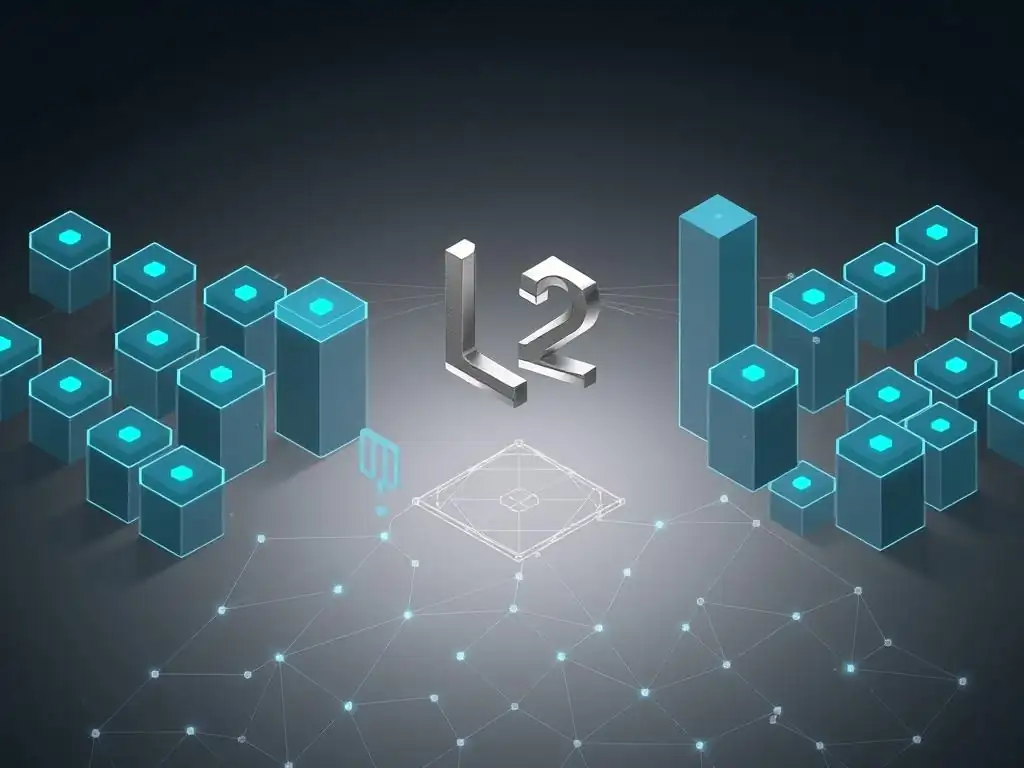
NFT Layer 2 solutions are instrumental in scaling NFT marketplaces to handle significantly increased trading volume. Traditional Layer 1 blockchains often struggle to cope with surges in NFT trading activity, leading to network congestion, slow transaction times, and high gas fees, all of which can negatively impact the user experience and limit trading volume. By implementing Layer 2 scaling, NFT marketplaces can overcome these limitations, enabling them to process a much larger number of transactions concurrently, reduce gas fees, and provide faster confirmation times.
For large NFT marketplaces like OpenSea, Rarible, and Magic Eden, adopting Layer 2 solutions is crucial for maintaining a smooth and efficient trading experience, especially during periods of high market activity. Layer 2 scaling allows these marketplaces to support a greater number of users and transactions without compromising performance or user experience.
This scalability is essential for the continued growth and expansion of NFT marketplaces, enabling them to handle increasing trading volumes and cater to a wider global audience. By reducing transaction costs and improving speed, Layer 2 solutions make NFT trading more accessible and appealing, fostering greater market participation and liquidity.
Enabling Affordable NFT Minting for Creators and Artists
The high gas fees associated with minting NFTs on mainnet blockchains have been a significant barrier for many creators and artists, particularly those who are new to the NFT space or are creating lower-priced NFTs. NFT Layer 2 solutions address this issue by dramatically reducing minting costs, making NFT creation more accessible and affordable for a broader range of creators. With Layer 2, artists can mint their digital artwork, music, or collectibles at a fraction of the cost compared to mainnet minting, empowering them to participate in the NFT economy without facing prohibitive upfront expenses.
For independent artists, emerging creators, and those in developing countries, the reduced minting fees enabled by Layer 2 solutions can be transformative. It allows them to experiment with NFTs, showcase their work, and potentially monetize their creations without being priced out by high gas fees. Affordable NFT minting also encourages greater diversity and inclusivity within the NFT creator community, fostering a more vibrant and accessible ecosystem for digital artists and content creators worldwide. Layer 2 solutions democratize NFT creation, enabling a wider range of individuals to participate in and benefit from the NFT revolution.
Enhancing the Performance of NFT-Based Games and Virtual Worlds
NFT-based games and virtual worlds are among the most demanding applications of NFTs in terms of scalability and performance. These applications often involve a high volume of frequent NFT transactions, such as in-game item trading, character upgrades, and virtual land interactions. Mainnet blockchains typically cannot handle the transaction throughput and speed required for a seamless and engaging gaming or virtual world experience. NFT Layer 2 solutions are essential for enhancing the performance of these applications, providing the necessary scalability to support complex in-game economies and large numbers of concurrent users.
By leveraging Layer 2 scaling, NFT games and virtual worlds can offer near-instantaneous NFT transactions with minimal gas fees, creating a smoother and more immersive user experience. Players can freely trade in-game items, interact with virtual environments, and engage in complex gameplay mechanics without being hindered by slow transaction times or high costs.
Layer 2 solutions enable developers to create more ambitious and feature-rich NFT-based games and virtual worlds, pushing the boundaries of blockchain gaming and metaverse experiences. The improved performance and scalability offered by Layer 2 are critical for the widespread adoption and success of NFT-based gaming and virtual reality applications.
Enabling Fractionalized NFT Ownership and Decentralized Lending
NFT Layer 2 solutions can also facilitate more advanced and complex NFT use cases, such as fractionalized NFT ownership and decentralized NFT lending. Fractionalization allows for dividing ownership of a high-value NFT into smaller, tradable fractions, making it more accessible to a wider range of investors. Decentralized NFT lending platforms enable users to borrow or lend against NFTs as collateral. These use cases often involve frequent and potentially complex transactions related to NFT fractions or loan management. Layer 2 scaling is crucial for making these advanced NFT applications practical and efficient.
For fractionalized NFTs, Layer 2 solutions can enable cost-effective trading and management of NFT fractions, reducing the overhead associated with frequent transactions. Similarly, for decentralized NFT lending platforms, Layer 2 can facilitate faster and cheaper loan origination, repayment, and collateral management processes. By reducing transaction costs and improving speed, Layer 2 solutions make these sophisticated NFT financial applications more viable and user-friendly. This opens up new avenues for NFT utilization and expands the potential of NFTs beyond simple ownership and trading, fostering innovation in the NFT financial ecosystem.
Implementing NFT Layer 2: Technical Considerations
Choosing the Right Layer 2 Solution for Your NFT Project
Selecting the appropriate Layer 2 solution for an NFT project is a critical decision with significant implications for performance, security, and user experience. Several factors need careful consideration when evaluating different Layer 2 options. Transaction throughput and gas fees are primary considerations.
Projects needing high transaction volume and ultra-low fees, such as NFT games or high-frequency trading platforms, might prioritize solutions like Immutable X or ZK-rollups. Security is paramount; understanding the security model of each Layer 2, whether it's optimistic rollup, ZK-rollup, or sidechain, is essential. ZK-rollups generally offer stronger security guarantees than optimistic rollups, while sidechains may have varying security levels depending on their consensus mechanism.
EVM compatibility is crucial for projects migrating from Ethereum or seeking to leverage existing Ethereum development tools and smart contracts. Optimistic rollups and some sidechains offer strong EVM compatibility, simplifying migration. Community and ecosystem support are also important. A vibrant ecosystem with active development, tooling, and user base can facilitate easier integration and ongoing support. Withdrawal times vary significantly between Layer 2 types.
Optimistic rollups typically have longer withdrawal periods than ZK-rollups. Projects requiring fast withdrawals might prefer ZK-rollups. Finally, the complexity of integration and the required technical expertise should be assessed. Some Layer 2 solutions might be more straightforward to integrate than others depending on the project's existing architecture and development team's skillset. A thorough evaluation of these factors is crucial for selecting the Layer 2 solution that best aligns with the specific needs and goals of the NFT project.
Integrating Layer 2 Solutions with Existing NFT Smart Contracts
Integrating Layer 2 solutions with existing NFT smart contracts requires careful planning and execution. The integration process can vary depending on the chosen Layer 2 solution and the existing smart contract architecture. For EVM-compatible Layer 2s like Polygon, Optimism, and Arbitrum, the integration process is often relatively straightforward for Ethereum-based NFTs.
In many cases, existing NFT smart contracts can be redeployed to the Layer 2 network with minimal code modifications. However, bridging mechanisms need to be implemented to allow users to move their NFTs between Layer 1 and Layer 2. This usually involves utilizing bridge contracts that lock NFTs on Layer 1 and mint corresponding wrapped NFTs on Layer 2, and vice versa.
For Layer 2 solutions that are not fully EVM-compatible or require different programming paradigms, such as StarkNet, integration might involve more significant modifications or even rewriting parts of the smart contracts. Developers may need to adapt their smart contracts to the specific requirements and functionalities of the chosen Layer 2 platform.
Thorough testing and auditing are crucial during the integration process to ensure the security and functionality of the NFT smart contracts on Layer 2. Careful consideration should be given to user experience during the bridging process, ensuring a smooth and intuitive transition for users moving their NFTs to and from Layer 2.
Security Considerations for NFT Layer 2 Implementations
While Layer 2 solutions offer significant scalability benefits, security considerations are paramount when implementing them for NFTs. The security of NFTs on Layer 2 ultimately relies on the security of both the Layer 2 solution itself and the underlying Layer 1 blockchain. Different Layer 2 types have varying security models. ZK-rollups are generally considered to offer the highest level of security, as they cryptographically prove the validity of transactions on Layer 1.
Optimistic rollups rely on fraud proofs and a challenge period, introducing a potential, albeit time-bound, security risk if fraud proofs are not submitted in time. Sidechains often have their own independent security models, which may or may not be as robust as the main Layer 1 chain. It's crucial to understand the specific security assumptions and mechanisms of the chosen Layer 2 solution.
Bridge security is another critical aspect. Bridges connecting Layer 1 and Layer 2 are potential points of vulnerability. Secure and well-audited bridge implementations are essential to prevent asset theft or manipulation during bridging. Smart contract security on Layer 2 also remains crucial.
NFT smart contracts deployed on Layer 2 should be thoroughly audited and tested to prevent vulnerabilities that could be exploited. Regular security audits and monitoring of Layer 2 implementations are recommended to identify and address any potential security risks proactively. Prioritizing security is essential to ensure the integrity and trustworthiness of NFT Layer 2 solutions and protect user assets.
Bridging Assets Between Layer 1 and Layer 2
Bridging assets, particularly NFTs, between Layer 1 and Layer 2 is a fundamental aspect of NFT Layer 2 implementations. Users need a seamless and secure way to move their NFTs between the main chain and the Layer 2 environment to benefit from the scalability and cost-effectiveness of Layer 2 while retaining the security of Layer 1 when needed.
Bridge mechanisms typically involve locking or depositing NFTs on Layer 1 and minting representative or wrapped NFTs on Layer 2. Conversely, to move NFTs back to Layer 1, the wrapped NFTs on Layer 2 are burned or locked, and the original NFTs are released on Layer 1.
Different Layer 2 solutions employ various bridging techniques, ranging from native bridges developed by the Layer 2 team to third-party bridge protocols. User experience is a key consideration in bridge design. The bridging process should be intuitive and straightforward, minimizing complexity for users. Bridge fees associated with transferring assets between layers should be transparent and reasonable.
Bridge security is paramount, as bridges are critical infrastructure components. Robust bridge implementations with strong security measures are essential to prevent exploits and ensure the safe transfer of valuable NFT assets between Layer 1 and Layer 2. Clearly documented and user-friendly bridging processes are crucial for the successful adoption of NFT Layer 2 solutions.
The Future of NFT Scalability with Layer 2
The Evolution of Layer 2 Technology for NFTs
Layer 2 technology for NFTs is rapidly evolving, with ongoing advancements aimed at improving scalability, security, and user experience. Technological innovations are constantly emerging in areas like rollup technology, bridge design, and cross-Layer 2 interoperability. ZK-rollups are maturing and becoming more accessible, offering increasingly powerful scaling capabilities and enhanced security. Optimistic rollups are also improving, with advancements in fraud-proof mechanisms and withdrawal times. Research and development efforts are focused on optimizing Layer 2 performance, reducing latency, and further lowering transaction costs.
Interoperability between different Layer 2 solutions is becoming increasingly important. As more Layer 2s emerge, the ability for NFTs and assets to seamlessly move between different Layer 2 networks will be crucial for a fragmented but interconnected NFT ecosystem. Standardization efforts are underway to facilitate interoperability and simplify the development and integration of Layer 2 solutions. The evolution of Layer 2 technology is expected to continue driving significant improvements in NFT scalability, making NFTs more accessible, efficient, and versatile for a wide range of applications.
The Impact of Layer 2 on the NFT Ecosystem
The widespread adoption of NFT Layer 2 scaling solutions is poised to have a transformative impact on the entire NFT ecosystem. By addressing the critical challenges of scalability and high gas fees, Layer 2 solutions are unlocking new possibilities and fostering growth across various aspects of the NFT landscape. Increased accessibility is a key impact. Lower gas fees and faster transactions make NFTs accessible to a broader audience, including creators, collectors, and users who were previously priced out by mainnet limitations. This democratization of NFTs can lead to greater participation and diversity within the NFT community.
Innovation and new use cases are being enabled by Layer 2 scaling. The enhanced scalability opens the door for more complex and transaction-intensive NFT applications, such as advanced NFT gaming, metaverse experiences, and sophisticated NFT financial instruments. Market growth and liquidity are expected to be further fueled by Layer 2 adoption. Improved user experience and lower barriers to entry can attract more users and capital to the NFT market, increasing trading volume and liquidity. Layer 2 solutions are fundamentally reshaping the NFT ecosystem, paving the way for its continued expansion and mainstream adoption.
Overcoming Limitations and Future Developments in NFT Scaling
While NFT Layer 2 solutions represent a significant step forward in addressing scalability challenges, there are still limitations and areas for future development. Complexity of use can be a barrier for some users. Bridging assets between layers and understanding the nuances of different Layer 2 solutions can be complex for less technically savvy users. Improving user experience and simplifying Layer 2 interactions is crucial for wider adoption. Withdrawal times on optimistic rollups can still be a limitation for certain use cases requiring rapid asset movement. Further reducing withdrawal times and exploring faster finality mechanisms are ongoing areas of research.
Cross-Layer 2 interoperability remains a challenge. While progress is being made, seamless interoperability between different Layer 2 solutions is still under development. Achieving a truly interconnected and interoperable Layer 2 ecosystem is a key goal for the future. Security enhancements are always ongoing. Continuously improving the security of Layer 2 solutions, bridges, and smart contracts is paramount to maintain user trust and protect valuable NFT assets. Future developments in NFT scaling will likely focus on addressing these limitations, further refining Layer 2 technology, and exploring new scaling paradigms to ensure a truly scalable and user-friendly NFT ecosystem.
Conclusion: Embracing NFT Layer 2 for a Scalable Future
NFT Layer 2 scaling solutions are not just a technological advancement; they are a crucial catalyst for the continued growth and evolution of the NFT ecosystem. By effectively tackling the challenges of scalability and high gas fees that have hindered broader adoption, Layer 2 solutions are paving the way for a more accessible, efficient, and innovative future for NFTs.
The significant reduction in transaction costs, coupled with increased transaction throughput and faster confirmation times, unlocks a wealth of new possibilities for creators, collectors, and developers alike. From enabling affordable NFT minting for artists worldwide to powering complex and immersive NFT-based games and virtual worlds, Layer 2 solutions are expanding the horizons of what's possible with NFTs.
As Layer 2 technology continues to evolve and mature, we can expect even greater advancements in scalability, security, and user experience. Embracing NFT Layer 2 is not merely an option but a necessary step towards realizing the full potential of NFTs and ushering in a truly scalable future for digital assets. By leveraging the power of Layer 2 scaling, the NFT ecosystem can overcome its current limitations and unlock unprecedented levels of innovation, adoption, and impact across various industries and applications, solidifying NFTs as a foundational technology in the Web3 era and beyond.
Frequently Asked Questions
What are the main benefits of using Layer 2 solutions for NFTs?
Layer 2 solutions for NFTs primarily offer improved scalability and reduced gas fees. This makes NFT transactions more accessible and efficient, enabling broader adoption.
How does Layer 2 scaling work for NFTs compared to Layer 1?
Layer 2 scaling offloads transaction processing from the main blockchain (Layer 1) to a separate layer. This reduces congestion and lowers gas fees on the Layer 1 network.
What are some examples of Layer 2 technologies being used for NFTs?
Examples include Optimistic Rollups, ZK-Rollups, and Sidechains. These technologies offer different trade-offs between security, speed, and cost for NFT transactions.
What are the potential risks associated with using Layer 2 solutions for NFTs?
Potential risks include security vulnerabilities in the Layer 2 protocol and bridge risks when transferring assets between Layer 1 and Layer 2. Thorough research is crucial.
How will NFT Layer 2 scaling impact the future of digital assets?
NFT Layer 2 scaling will likely lead to increased adoption, lower barriers to entry, and more innovative applications for NFTs across various industries.
Final Reflection: Empowering the Future of Digital Assets through NFT Layer 2 Scaling
As we navigate the rapidly evolving landscape of digital assets, the importance of NFT Layer 2 scaling cannot be overstated. The challenges of high gas fees and limited scalability have hindered the full potential of NFTs, but advancements in Layer 2 solutions are paving the way for a more accessible and efficient ecosystem. This transformation is not just a technical upgrade; it represents a paradigm shift in how we perceive ownership and value in the digital realm.
The ongoing evolution of NFT Layer 2 scaling is reshaping our cultural and social interactions with digital assets. These innovations are democratizing access to the NFT market, allowing creators and collectors from diverse backgrounds to participate without the burden of exorbitant costs. As we witness this shift, it’s essential to remember the words of renowned blockchain advocate Vitalik Buterin: The future of finance is not just about technology; it's about creating a more inclusive and equitable system for everyone.
This sentiment resonates deeply as we consider the implications of Layer 2 solutions on the broader digital economy.
As we look to the future, I invite you to reflect on how you can engage with the evolving world of NFTs and Layer 2 scaling. Consider how these advancements can empower your creative endeavors, foster community, and enhance your digital experiences. Embrace the possibilities that lie ahead, and take action by exploring, creating, or investing in this vibrant space. Together, we can shape a future where digital assets are not only scalable and affordable but also inclusive and transformative for all.
Unlock Your NFT Potential: Dive Deeper into Layer 2!
Thank you for exploring the exciting world of Layer 2 solutions for NFTs with us. We hope this article shed light on how these innovations are transforming the digital asset landscape and enabling broader adoption. Now, it's time to take action and become part of this evolving space!
Here are some ways you can further explore Layer 2 NFTs:
- Explore NFT marketplaces built on Layer 2 solutions such as Polygon or Immutable X. Try minting or trading NFTs to experience the benefits of lower gas fees firsthand! This is the fastest way to see the practical advantages.
- Review the technical documentation of a Layer 2 project that interests you. Gaining a deeper understanding of how these solutions work will help you make informed decisions in the NFT world.
- Share this article with your network and start a conversation about the future of NFTs and Layer 2 scalability! Let’s learn and grow together.
Which Layer 2 solution excites you the most, and why? Share your thoughts in the comments below!
Leave a Reply