
Blockchain for IoT Sensor Data: Ensuring Accuracy and Reliability


Welcome to Blockchain Trends, your trusted source for understanding the evolving world of blockchain technology. Are you ready to discover how blockchain secures IoT data, ensuring accuracy and reliability in an increasingly connected world? Uncover the fascinating intersection of these two powerful technologies and explore how decentralized ledgers are revolutionizing data security for IoT devices. Let's dive in and explore the potential!
Blockchain for IoT Sensor Data: Ensuring Accuracy and Reliability
- Introduction: The Convergence of Blockchain and IoT for Data Integrity
- How Blockchain Secures IoT Data: Key Benefits
- Blockchain-Based Solutions for IoT Data Security
- Use Cases: Blockchain Securing IoT Data in Action
- Implementing Blockchain for IoT Sensor Data: A Step-by-Step Approach
- Overcoming Challenges in Blockchain and IoT Integration
- The Future of Blockchain-Secured IoT Data
- Conclusion: Building a More Secure and Reliable IoT Ecosystem
-
Frequently Asked Questions
- How does blockchain technology enhance the security of IoT sensor data?
- What are the key benefits of using blockchain to secure IoT device communication?
- Can blockchain address the scalability challenges associated with large IoT deployments?
- What role does blockchain play in ensuring the privacy of IoT sensor data?
- How is blockchain being used to improve the reliability and accuracy of IoT sensor data?
- Final Reflection: Securing Tomorrow's Data Landscape
- Unleash the Power of Secure Sensor Data!
Introduction: The Convergence of Blockchain and IoT for Data Integrity
The Internet of Things (IoT) has unleashed a torrent of data, generated by billions of interconnected devices spanning industries from healthcare to manufacturing and smart cities. This data deluge, while offering unprecedented insights and automation opportunities, also presents significant challenges in terms of security and reliability. Ensuring the accuracy and trustworthiness of IoT sensor data is paramount for informed decision-making and the seamless operation of critical systems. As IoT ecosystems expand, traditional centralized security models are increasingly vulnerable, necessitating innovative approaches to data management.
Blockchain technology, initially famed for its role in cryptocurrencies, offers a compelling solution to these challenges. Its inherent properties of decentralization, immutability, and transparency can be leveraged to fortify IoT data security and integrity. By integrating blockchain with IoT infrastructure, we can create a more robust and reliable data environment, fostering trust and unlocking the full potential of connected devices. This convergence promises to revolutionize how IoT data is handled, paving the way for more secure, efficient, and transparent applications.
Addressing the Challenges of IoT Data Security
IoT networks are inherently distributed and often characterized by resource-constrained devices, making them attractive targets for cyberattacks. Traditional security measures, such as centralized servers and firewalls, struggle to provide comprehensive protection across vast and diverse IoT deployments. A critical vulnerability lies in the potential for data manipulation. If sensor data is compromised, it can lead to flawed analytics, incorrect operational decisions, and even physical harm in critical infrastructure scenarios. For example, manipulated sensor readings in a smart grid could cause power outages, while tampered data from medical devices could have life-threatening consequences for patients.
Furthermore, the sheer volume of data generated by IoT devices overwhelms traditional data management systems. Centralized databases can become bottlenecks, impacting data processing speed and accessibility. Data silos also emerge as different IoT systems operate independently, hindering data sharing and holistic insights. The lack of transparency in data provenance and processing within many IoT systems further exacerbates security concerns. Understanding where data originates, how it has been processed, and who has accessed it is crucial for maintaining data integrity and accountability, aspects often lacking in conventional IoT setups.
Blockchain Technology's Role in Enhancing IoT Data Management
Blockchain technology provides a decentralized and distributed ledger system, where data is recorded in blocks that are cryptographically linked and secured across a network of participants. This fundamental architecture offers several advantages for enhancing IoT data management. Firstly, decentralization eliminates single points of failure, making the system more resilient to attacks. Instead of relying on a central authority, trust is distributed across the network, increasing overall security.
Secondly, the immutability of blockchain ensures that once data is recorded, it cannot be altered or deleted, providing a tamper-proof audit trail. This is crucial for verifying the integrity of IoT sensor data and ensuring its reliability for downstream applications. Finally, blockchain's transparency allows authorized participants to track data provenance and access history, fostering accountability and trust in the data ecosystem. By applying these principles, blockchain technology transforms IoT data management from a vulnerable, centralized model to a secure, distributed, and transparent framework.
How Blockchain Secures IoT Data: Key Benefits
Enhanced Data Security Through Cryptographic Protection
Blockchain employs robust cryptographic techniques to secure data at multiple levels. Hashing algorithms create unique digital fingerprints of data, ensuring that any alteration, however minor, is immediately detectable. Each block in the blockchain contains the hash of the previous block, forming a chain of linked data that is extremely difficult to tamper with retroactively. Furthermore, cryptographic keys are used to control access to data and authorize transactions, ensuring that only authorized devices and users can interact with the blockchain network.
For IoT devices, this cryptographic protection translates into enhanced data security. Sensor readings can be digitally signed before being recorded on the blockchain, guaranteeing their authenticity and origin. Data encryption can further protect sensitive information in transit and at rest on the blockchain. By leveraging these cryptographic mechanisms, blockchain secures IoT data against unauthorized access, manipulation, and eavesdropping, significantly strengthening the overall security posture of IoT systems.
Improved Data Integrity and Immutability
Data integrity is paramount in IoT applications, where decisions are often based on real-time sensor readings. Blockchain's inherent immutability guarantees that once IoT sensor data is recorded on the ledger, it cannot be altered or deleted. This provides an unalterable record of data, ensuring its trustworthiness and reliability. In contrast to traditional databases where data can be modified, blockchain's append-only structure preserves a complete and verifiable history of data transactions.
This immutability is particularly crucial in sectors like supply chain management and healthcare, where data accuracy is critical for compliance and operational efficiency. For instance, tracking temperature-sensitive goods in a supply chain using blockchain-secured IoT sensors ensures that temperature logs are tamper-proof, preventing disputes and guaranteeing product quality. In healthcare, immutable patient data from wearable devices can provide reliable records for diagnosis and treatment, improving patient care and safety. Blockchain secures IoT data by providing this foundational layer of data integrity.
Increased Transparency and Auditability
Transparency and auditability are key benefits that blockchain brings to IoT data management. All transactions and data entries on a blockchain are typically visible to network participants, depending on the blockchain's permission model. This transparency allows stakeholders to verify data provenance, track data flow, and audit data history, fostering trust and accountability within the IoT ecosystem. In traditional IoT systems, data silos and opaque data processing pipelines often hinder transparency and make auditing challenging.
Blockchain, on the other hand, provides a clear and auditable record of all data interactions. For example, in smart city applications, citizens can potentially audit sensor data related to environmental conditions or traffic flow, enhancing public trust in urban infrastructure management. Similarly, regulatory bodies can leverage blockchain's auditability to ensure compliance in industries like pharmaceuticals or food safety, where traceability and data verification are critical. This enhanced transparency, facilitated by blockchain, strengthens the accountability and trustworthiness of IoT data and systems.
Blockchain-Based Solutions for IoT Data Security
Decentralized Data Storage
Traditional IoT data storage often relies on centralized cloud servers, creating single points of failure and potential security vulnerabilities. Decentralized data storage solutions, leveraging blockchain principles, distribute data across a network of nodes, enhancing resilience and security. In this approach, IoT sensor data is not stored in a single location but rather fragmented and distributed across multiple nodes within the blockchain network. This distribution makes it significantly more difficult for malicious actors to compromise the entire dataset.
Furthermore, decentralized storage can improve data availability and reduce latency. By storing data closer to the source, access times can be reduced, which is crucial for real-time IoT applications. Technologies like InterPlanetary File System (IPFS) can be integrated with blockchain to provide efficient and secure decentralized storage for IoT data. This combination ensures both data integrity through blockchain and efficient data distribution and access through decentralized storage networks.
Secure Data Transmission Protocols
Data transmission between IoT devices and central servers or cloud platforms is another vulnerable point in traditional IoT architectures. Blockchain-based secure data transmission protocols can enhance the security and integrity of data in transit. These protocols leverage cryptographic techniques and blockchain's distributed nature to ensure secure and authenticated communication between IoT devices and the network.
For example, devices can use digital signatures to authenticate messages and ensure that data originates from a trusted source. Encryption can be applied to data during transmission to protect against eavesdropping and tampering. Furthermore, blockchain can be used to establish secure communication channels between devices, preventing man-in-the-middle attacks. By implementing blockchain-based secure transmission protocols, IoT systems can significantly reduce the risk of data interception and manipulation during communication, strengthening overall data security.
Smart Contracts for Automated Data Validation and Processing
Smart contracts, self-executing agreements encoded on a blockchain, offer powerful capabilities for automating data validation and processing within IoT ecosystems. These contracts can be programmed to automatically verify the validity of IoT sensor data based on predefined rules and conditions. For instance, a smart contract can check if a temperature reading from a sensor falls within an acceptable range, and automatically flag or reject readings that are outside of this range.
Smart contracts can also automate data processing workflows, triggering actions based on specific sensor data events. For example, in a smart agriculture scenario, a smart contract could automatically initiate irrigation when soil moisture sensors detect low levels. By automating data validation and processing through smart contracts, IoT systems can improve data accuracy, reduce manual intervention, and enhance operational efficiency. Furthermore, the transparent and auditable nature of smart contracts ensures that data processing logic is verifiable and trustworthy.
Use Cases: Blockchain Securing IoT Data in Action
Supply Chain Management: Tracking Product Provenance
Supply chain management is a prime example where blockchain secures IoT data to enhance transparency and traceability. IoT sensors deployed throughout the supply chain, attached to products or shipping containers, can monitor critical conditions like temperature, humidity, and location. This sensor data, secured by blockchain, provides an immutable and verifiable record of product journey and environmental conditions. For instance, in the pharmaceutical industry, maintaining cold chain integrity is crucial for vaccine efficacy. Blockchain-secured IoT sensors can track temperature fluctuations during transportation, ensuring that vaccines remain within the required temperature range.
This enhanced traceability allows stakeholders to verify product provenance, detect counterfeit goods, and improve supply chain efficiency. Consumers can also benefit from increased transparency, gaining confidence in the authenticity and quality of products they purchase. Several companies are already implementing blockchain-based supply chain solutions leveraging IoT sensors to track goods ranging from food and beverages to luxury items and pharmaceuticals, demonstrating the real-world applicability and benefits of this technology.
Healthcare: Securing Patient Data from Medical Devices
The healthcare sector is increasingly reliant on IoT medical devices, generating sensitive patient data. Securing this data is paramount to protect patient privacy and ensure the reliability of medical treatments. Blockchain offers a secure and privacy-preserving solution for managing data from wearable devices, remote patient monitoring systems, and implanted medical devices. For example, data from wearable fitness trackers, continuously monitoring heart rate and activity levels, can be securely stored and shared on a blockchain network.
This allows patients to control access to their health data while enabling healthcare providers to access relevant information for diagnosis and treatment. Blockchain's security features help protect patient data from unauthorized access and tampering, complying with stringent healthcare data privacy regulations like HIPAA. Furthermore, the immutability of blockchain ensures the integrity of medical records, providing reliable data for clinical decision-making and research. The integration of blockchain with IoT medical devices is poised to revolutionize patient data management and enhance healthcare delivery.
Smart Cities: Enhancing Data Reliability in Urban Infrastructure
Smart city initiatives rely heavily on IoT sensors to monitor and manage urban infrastructure, including traffic flow, environmental conditions, energy consumption, and public safety. Ensuring the reliability and accuracy of this sensor data is crucial for effective city management and citizen well-being. Blockchain secures IoT data generated by smart city sensors, providing a trusted and transparent platform for urban data management. For example, air quality sensors deployed across a city can transmit data to a blockchain network, creating a verifiable and publicly accessible record of air pollution levels.
This transparency can empower citizens to hold authorities accountable for environmental policies and track progress in improving air quality. Similarly, blockchain can secure data from smart traffic sensors, ensuring the reliability of traffic management systems and optimizing traffic flow. By enhancing data reliability and transparency in urban infrastructure, blockchain-secured IoT data contributes to building more efficient, sustainable, and citizen-centric smart cities.
Implementing Blockchain for IoT Sensor Data: A Step-by-Step Approach
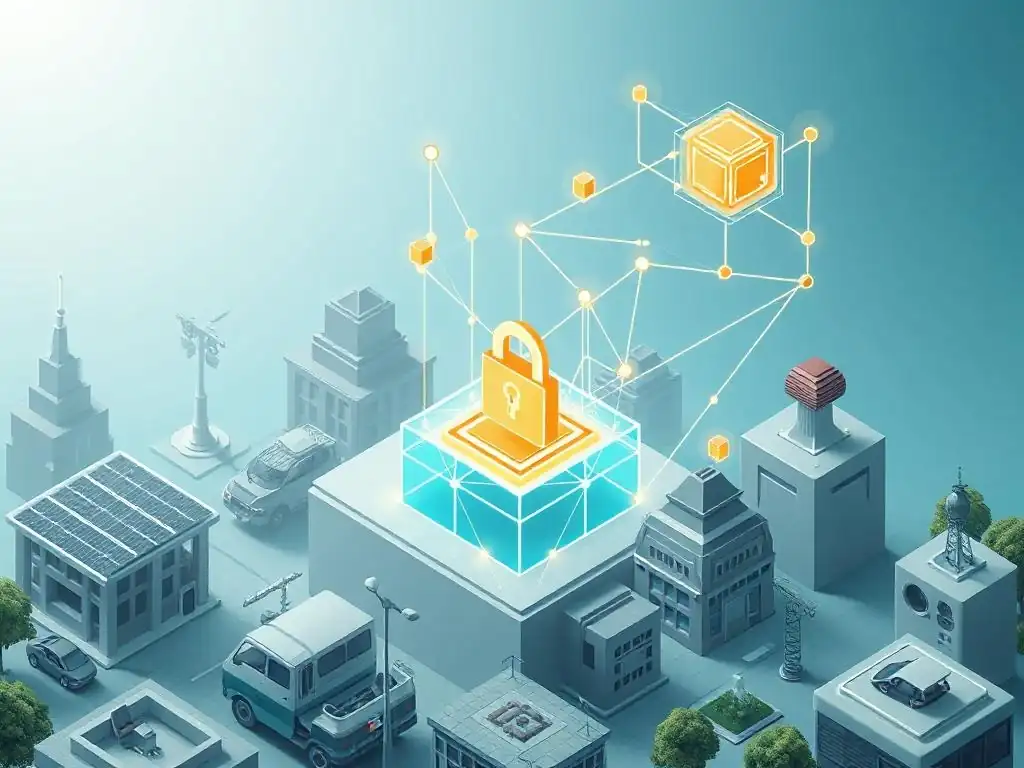
Identifying Critical Data Points for Blockchain Integration
The first step in implementing blockchain for IoT sensor data is to identify critical data points that require enhanced security and integrity. Not all IoT data necessarily needs to be secured by blockchain. Focus should be placed on data that is essential for decision-making, regulatory compliance, or involves sensitive information. For example, in a smart factory, critical data points might include temperature readings for machinery to prevent overheating, pressure readings for safety systems, or production output data for inventory management.
A thorough risk assessment should be conducted to determine which data points are most vulnerable to manipulation or unauthorized access and would benefit most from blockchain's security features. Considerations should include the potential impact of data breaches or data integrity compromises on operations, safety, and compliance. By prioritizing critical data points, organizations can optimize resource allocation and focus blockchain implementation efforts where they will have the greatest impact.
Selecting the Appropriate Blockchain Platform
Choosing the right blockchain platform is crucial for successful IoT integration. Several blockchain platforms are available, each with different characteristics in terms of scalability, permission model (public, private, consortium), and features. For IoT applications, factors like transaction speed, energy efficiency, and interoperability with IoT devices are particularly important. Private or consortium blockchains are often preferred for enterprise IoT deployments, offering better control over network access and data privacy compared to public blockchains.
Platforms like Hyperledger Fabric, Ethereum Private Networks, and Corda are popular choices for enterprise blockchain solutions. Considerations when selecting a platform should include the specific requirements of the IoT application, the scale of the deployment, the desired level of decentralization, and the available development resources and expertise. A pilot project can be useful to test different platforms and assess their suitability for the specific IoT use case.
Developing Smart Contracts for Data Validation and Access Control
Smart contracts are essential for automating data validation and access control in blockchain-secured IoT systems. These contracts need to be carefully designed and developed to implement the desired data processing logic and security policies. For data validation, smart contracts should define rules and conditions for acceptable data ranges, data formats, and data sources. They can automatically verify incoming sensor data against these rules and flag or reject invalid data.
For access control, smart contracts can define permissions for different users and devices, controlling who can access and modify specific data on the blockchain. Role-based access control can be implemented, granting different levels of access based on user roles. Secure coding practices should be followed during smart contract development to prevent vulnerabilities and ensure the contracts function as intended. Thorough testing and auditing of smart contracts are crucial before deployment to ensure their reliability and security.
Integrating Blockchain with Existing IoT Infrastructure
Integrating blockchain with existing IoT infrastructure requires careful planning and execution. This typically involves developing middleware or APIs to bridge the gap between IoT devices and the blockchain network. IoT devices need to be able to securely communicate with the blockchain and transmit sensor data in a compatible format. Considerations should include the communication protocols used by IoT devices (e.g., MQTT, CoAP) and the blockchain platform's API capabilities.
Integration may also involve upgrading existing IoT devices or deploying new devices with blockchain compatibility. Retrofitting blockchain security to legacy IoT systems can be more complex and may require specialized hardware or software solutions. Phased implementation is often recommended, starting with a pilot project to test the integration and gradually scaling up the deployment. Interoperability standards and protocols are emerging to facilitate seamless integration between blockchain and IoT systems, simplifying the implementation process and promoting wider adoption.
Overcoming Challenges in Blockchain and IoT Integration
Addressing Scalability Issues
Scalability remains a significant challenge for blockchain technology, particularly when applied to large-scale IoT deployments generating massive amounts of data. Traditional blockchain platforms may struggle to handle the high transaction throughput and low latency requirements of many IoT applications. Solutions to address scalability include layer-2 scaling solutions, such as state channels and sidechains, which offload transaction processing from the main blockchain.
Sharding, a technique that divides the blockchain into smaller, manageable shards, is another promising approach to improve scalability. Consensus mechanism optimization is also crucial; more efficient consensus algorithms like Proof-of-Stake or Delegated Proof-of-Stake can improve transaction speed and reduce energy consumption compared to Proof-of-Work. Hybrid blockchain architectures, combining the benefits of public and private blockchains, can also offer scalability advantages for specific IoT use cases. Ongoing research and development efforts are continuously improving blockchain scalability, making it increasingly viable for large-scale IoT deployments.
Resolving Interoperability Challenges
Interoperability is another critical challenge in blockchain and IoT integration. Different blockchain platforms and IoT devices often use incompatible protocols and data formats, hindering seamless communication and data exchange. Standardization efforts are crucial to address interoperability challenges. Developing open standards and protocols for blockchain and IoT integration can facilitate communication and data exchange between different systems.
Blockchain interoperability solutions, such as cross-chain bridges and atomic swaps, enable the transfer of data and assets between different blockchain networks. Adopting common data formats and APIs for IoT devices and blockchain platforms can also improve interoperability. Collaboration between blockchain and IoT industry stakeholders is essential to drive standardization and develop interoperable solutions. Overcoming interoperability barriers is crucial for realizing the full potential of blockchain-secured IoT ecosystems and fostering wider adoption.
Ensuring Regulatory Compliance and Data Privacy
Regulatory compliance and data privacy are paramount concerns in blockchain and IoT integration, particularly when dealing with sensitive data like personal information or healthcare records. Blockchain solutions must be designed to comply with relevant data privacy regulations, such as GDPR or CCPA. Permissioned blockchains offer better control over data access and privacy compared to public blockchains, making them more suitable for applications with stringent privacy requirements.
Data anonymization and pseudonymization techniques can be employed to protect personal data stored on the blockchain. Zero-knowledge proofs and other privacy-enhancing technologies can enable secure data processing and sharing while preserving data privacy. Organizations implementing blockchain for IoT data must carefully consider regulatory requirements and data privacy implications, ensuring that their solutions are compliant and protect user privacy. Ongoing dialogue with regulatory bodies and legal experts is essential to navigate the evolving regulatory landscape and ensure responsible blockchain and IoT adoption.
The Future of Blockchain-Secured IoT Data
Advancements in Blockchain Technology
The future of blockchain-secured IoT data is closely tied to ongoing advancements in blockchain technology itself. Improvements in scalability, interoperability, and energy efficiency will make blockchain even more suitable for large-scale IoT deployments. Developments in areas like quantum-resistant cryptography will further enhance the security of blockchain-based IoT solutions, safeguarding against future threats from quantum computing.
The evolution of consensus mechanisms, smart contract platforms, and decentralized identity solutions will also shape the future of blockchain in IoT. The emergence of more user-friendly blockchain tools and platforms will lower the barrier to entry for IoT developers and accelerate adoption. Continued innovation in blockchain technology will unlock new possibilities for securing and managing IoT data, driving wider adoption and creating more sophisticated and robust IoT ecosystems.
The Role of Decentralized Identity (DID)
Decentralized Identity (DID) is poised to play a crucial role in the future of blockchain-secured IoT data. DIDs provide a self-sovereign and privacy-preserving approach to digital identity management, empowering individuals and devices to control their own identities and data. In the context of IoT, DIDs can be used to securely identify and authenticate IoT devices, ensuring that only authorized devices can access and contribute data to the blockchain network.
DIDs can also enable fine-grained access control to IoT data, allowing users to selectively share data with authorized parties while maintaining privacy and control. Integrating DIDs with blockchain-secured IoT systems can enhance security, privacy, and user autonomy. The adoption of DID standards and frameworks will facilitate interoperability and wider adoption of decentralized identity solutions in IoT ecosystems, paving the way for more secure and user-centric IoT applications.
The Impact of Blockchain on Smart Environments
Blockchain-secured IoT data will have a profound impact on the development of smart environments, including smart homes, smart cities, and smart industries. By providing a secure and reliable foundation for data management, blockchain will enable the creation of more intelligent and interconnected smart environments. In smart homes, blockchain can secure data from smart appliances and sensors, enhancing home security and privacy.
In smart cities, blockchain can facilitate secure and transparent data sharing between different urban systems, optimizing resource management and improving citizen services. In smart industries, blockchain can enable secure data exchange and collaboration across supply chains and manufacturing processes, enhancing efficiency and traceability. As smart environments become increasingly data-driven, blockchain's role in securing and managing IoT data will become even more critical, shaping the future of how we interact with our surroundings and build more connected and intelligent spaces.
Conclusion: Building a More Secure and Reliable IoT Ecosystem
Key Takeaways: Blockchain's Value Proposition
Blockchain secures IoT data by offering a compelling value proposition focused on enhanced security, data integrity, and transparency. Its decentralized architecture eliminates single points of failure, while cryptographic protection safeguards data from unauthorized access and manipulation. Immutability ensures data integrity, providing a tamper-proof audit trail, and transparency fosters trust and accountability within IoT ecosystems. These key benefits make blockchain a powerful tool for addressing the security and reliability challenges of increasingly complex and data-rich IoT deployments.
By leveraging blockchain, organizations can build more robust and trustworthy IoT systems, unlocking the full potential of connected devices and data-driven applications. From supply chain management to healthcare and smart cities, blockchain-secured IoT data is transforming industries and creating new opportunities for innovation and efficiency. The convergence of blockchain and IoT is not just a technological trend; it represents a fundamental shift towards a more secure, reliable, and transparent data future.
Looking Ahead: Future Opportunities for Blockchain Innovation
The future of blockchain and IoT integration is ripe with opportunities for further innovation and development. Continued research and development in areas like scalability, interoperability, and privacy-enhancing technologies will further enhance the capabilities of blockchain-secured IoT solutions. Exploring new use cases and applications across diverse industries will drive wider adoption and demonstrate the transformative potential of this technology convergence. The development of industry-specific blockchain platforms and solutions tailored to the unique needs of different IoT sectors will accelerate adoption and maximize impact.
Furthermore, the integration of artificial intelligence (AI) and machine learning (ML) with blockchain-secured IoT data holds immense promise. AI/ML algorithms can leverage the secure and reliable data provided by blockchain to gain deeper insights, automate decision-making, and create even more intelligent and autonomous IoT systems. The ongoing evolution of blockchain and IoT technologies, coupled with increasing industry adoption and innovation, points towards a future where secure and reliable IoT data, powered by blockchain, will be the foundation of a more connected and intelligent world.
Frequently Asked Questions
How does blockchain technology enhance the security of IoT sensor data?
Blockchain provides a decentralized and immutable ledger, making it extremely difficult for malicious actors to tamper with sensor data. This trustless system ensures data integrity and authenticity.
What are the key benefits of using blockchain to secure IoT device communication?
Blockchain enables secure device authentication and authorization. This prevents unauthorized devices from accessing the network and potentially compromising IoT data.
Can blockchain address the scalability challenges associated with large IoT deployments?
While a challenge, solutions like sidechains and sharding are being developed to improve blockchain's scalability for handling the massive data volume generated by IoT devices. These solutions aim to ensure efficient data processing.
What role does blockchain play in ensuring the privacy of IoT sensor data?
Blockchain can facilitate selective data sharing using techniques like zero-knowledge proofs. This allows organizations to share sensor data without revealing sensitive information, preserving data privacy.
How is blockchain being used to improve the reliability and accuracy of IoT sensor data?
By creating a transparent and auditable record of sensor readings, blockchain helps identify and prevent data tampering or manipulation. This ensures the reliability and accuracy of the collected IoT data.
Final Reflection: Securing Tomorrow's Data Landscape
The exploration of blockchain's potential to revolutionize the security of IoT sensor data underscores a crucial reality: data integrity is paramount in an increasingly interconnected world. As we continue to rely on IoT devices for everything from environmental monitoring to critical infrastructure management, the assurance that this data is accurate and tamper-proof becomes not just desirable, but essential for informed decision-making and societal well-being.
The integration of blockchain technology into IoT systems is not merely a technological upgrade; it represents a paradigm shift in how we perceive and manage trust in digital ecosystems. Witnessing the nascent stages of this transformation fills me with a sense of both excitement and responsibility, knowing that the choices we make today will shape the future of data security. Data is the new oil, but without trust, it's just sludge.
This sentiment perfectly encapsulates the urgency of securing IoT data with robust solutions like blockchain.
Now, as you consider the implications of blockchain's role in securing IoT data, I invite you to reflect on your own digital footprint. How can you advocate for and implement solutions that prioritize data integrity and security in your own sphere of influence? The future of a reliable and trustworthy digital world depends on our collective commitment to embracing innovative technologies and demanding greater accountability in data management.
Unleash the Power of Secure Sensor Data!
Thank you for exploring how blockchain can enhance the accuracy and reliability of IoT sensor data. Now that you've gained valuable insights, it's time to take action and help build a more secure and trustworthy digital environment.
Here's how you can get started:
- Implement a small-scale blockchain-based data verification system for a personal IoT project. Experiment with different consensus mechanisms to improve performance.
- Share this article with colleagues and fellow tech enthusiasts to spark discussions about integrating blockchain into IoT solutions.
- Contribute to open-source blockchain projects related to IoT on platforms like GitHub.
What innovative IoT application could you secure using blockchain technology? Share your ideas in the comments below!
Leave a Reply