
Energy Sector IoT Data Management: Blockchain for Smart Grids and Renewables

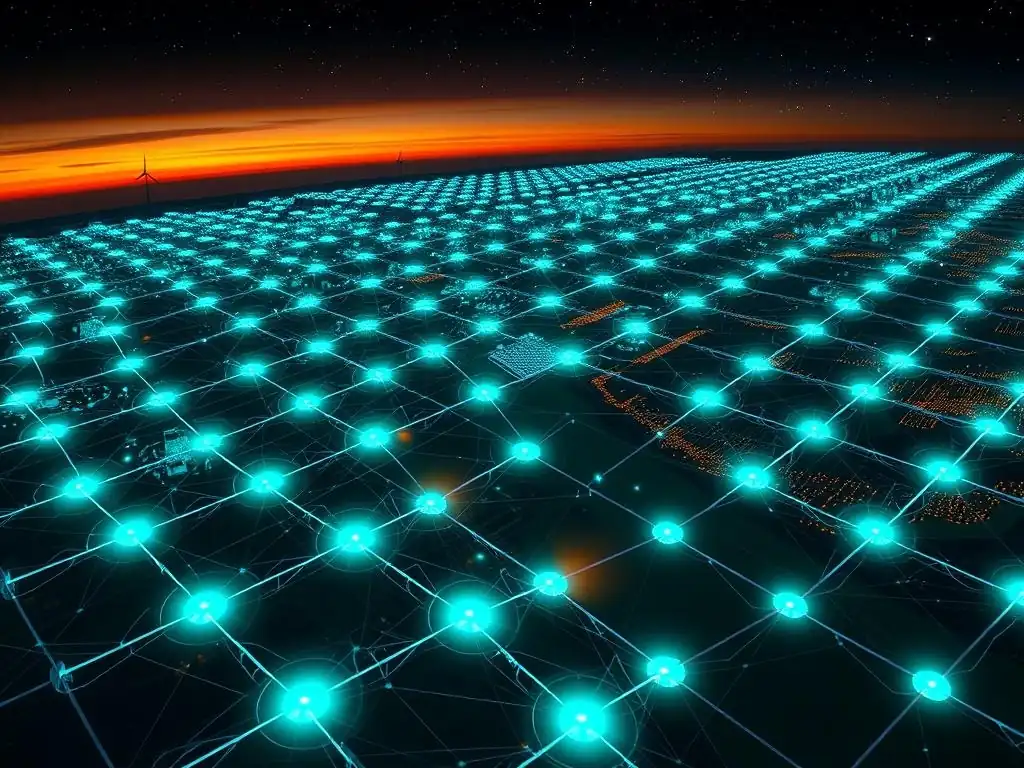
Welcome to Blockchain Trends, your compass in the evolving world of decentralized technologies. Are you ready to unlock the potential of blockchain beyond cryptocurrencies?
This week, we delve into a fascinating intersection: the energy sector and the Internet of Things. Explore how innovative applications of blockchain are revolutionizing data management in smart grids and renewable energy systems. Our main article, "Energy Sector IoT Data Management: Blockchain for Smart Grids and Renewables," unveils the critical role of blockchain smart grid data security. Curious how this technology can safeguard our energy infrastructure and pave the way for a more sustainable future? Read on to discover the possibilities…
Energy Sector IoT Data Management: Blockchain for Smart Grids and Renewables
- Introduction: The Convergence of IoT and Blockchain in Energy
- Understanding the Smart Grid and its IoT Infrastructure
- Blockchain for Smart Grid Data Security: Enhancing Trust and Transparency
- Applications of Blockchain in Renewable Energy Management
- Use Cases: Blockchain Smart Grid Data Security in Action
- Benefits of Blockchain-Based IoT Data Management in the Energy Sector
- Addressing the Challenges of Blockchain Implementation in Energy
- The Future of Blockchain and IoT in Energy: Trends and Predictions
- Conclusion: Blockchain Driving Innovation in Smart Grids and Renewables
-
Frequently Asked Questions
- What are the main data security challenges facing IoT devices in the energy sector smart grid?
- How can blockchain technology specifically enhance data security in smart grids?
- What are the potential benefits of using blockchain for managing renewable energy data?
- How does blockchain help with regulatory compliance in the energy sector?
- What is the future outlook for blockchain adoption in smart grids and renewable energy systems?
- Final Reflection: Securing the Future with Decentralized Data
- Unleash the Power of Secure Energy: Your Next Move!
Introduction: The Convergence of IoT and Blockchain in Energy
The Challenge of Data Management in Modern Energy Grids
Modern energy grids are undergoing a profound transformation, moving from centralized, fossil fuel-dependent systems to decentralized networks integrating renewable energy sources and smart technologies. This evolution brings forth a significant challenge: managing the exponentially growing volume of data generated by a vast network of interconnected devices. Traditional energy grids relied on limited data points, primarily from centralized power plants and substations.
However, the advent of smart grids, powered by the Internet of Things (IoT), introduces millions of sensors, smart meters, and actuators, each constantly generating data about energy consumption, production, grid conditions, and more. This data deluge, if not managed effectively and securely, can become a liability, hindering grid efficiency, exposing vulnerabilities, and potentially compromising the entire energy infrastructure.
The complexity of managing this massive data flow is further compounded by the need for real-time processing and analysis. Smart grids require immediate data insights to optimize energy distribution, predict demand fluctuations, and respond to grid disturbances instantaneously. Legacy systems, often characterized by siloed data management and outdated infrastructure, are ill-equipped to handle the velocity and volume of IoT data.
This necessitates a paradigm shift towards more robust, scalable, and secure data management solutions capable of harnessing the full potential of IoT in the energy sector. Without proper data management, the promise of smart grids – increased efficiency, reliability, and integration of renewables – risks being undermined by the very data that is meant to empower them.
Why Blockchain is Key for Securing IoT Data in the Energy Sector
Blockchain technology emerges as a compelling solution to address the critical data security and management challenges inherent in modern energy grids. Unlike traditional centralized databases, blockchain offers a decentralized, immutable, and transparent ledger for recording and verifying data transactions. This inherent security architecture is particularly crucial in the energy sector, where data integrity and reliability are paramount for grid stability and consumer trust.
In a smart grid environment saturated with IoT devices, the potential points of vulnerability for cyberattacks multiply exponentially. Traditional security measures, while necessary, may not be sufficient to protect against sophisticated threats targeting the vast and distributed network of IoT devices.
Blockchain's decentralized nature distributes data across multiple nodes, eliminating single points of failure and making it significantly more resistant to tampering and cyberattacks. The cryptographic hashing and consensus mechanisms inherent in blockchain ensure that once data is recorded, it cannot be altered retroactively without detection. This immutability is essential for maintaining the integrity of energy consumption data, grid operational data, and renewable energy certificates, fostering trust among all stakeholders – from energy producers and distributors to consumers and regulators.
Furthermore, blockchain facilitates enhanced transparency, allowing authorized participants to access and verify data, promoting accountability and enabling more efficient and trustworthy energy transactions and data sharing within the smart grid ecosystem. This combination of security, transparency, and decentralization positions blockchain as a pivotal technology for securing IoT data and unlocking the full potential of smart grids.
Understanding the Smart Grid and its IoT Infrastructure
Defining the Smart Grid: A Network of Distributed Energy Resources
The smart grid represents a fundamental evolution of the traditional electrical grid, moving beyond a unidirectional, centralized system to a dynamic, interactive network. At its core, a smart grid is characterized by the integration of digital communication technologies and advanced sensors throughout the power grid infrastructure – from generation to consumption.
This interconnectedness enables real-time monitoring, control, and optimization of energy flow, enhancing grid efficiency, reliability, and resilience. Unlike the legacy grid, which primarily relies on large, centralized power plants, the smart grid is designed to accommodate a diverse mix of distributed energy resources (DERs), including solar panels, wind turbines, battery storage, and microgrids.
The smart grid is not merely an upgrade to existing infrastructure; it is a paradigm shift in how electricity is generated, distributed, and consumed. It facilitates two-way communication between utilities and consumers, allowing for demand-side management programs, dynamic pricing, and greater consumer participation in the energy market.
Key features of a smart grid include advanced metering infrastructure (AMI), which provides granular data on energy consumption; automated distribution systems for faster fault detection and restoration; and sophisticated grid management software for optimizing energy flow and integrating renewable energy sources. This intricate network relies heavily on IoT devices and technologies to collect, transmit, and process vast amounts of data, making data management and security critical components of a functional and reliable smart grid.
IoT Devices in Smart Grids: Sensors, Meters, and Actuators
The intelligence of a smart grid is fundamentally underpinned by a vast array of Internet of Things (IoT) devices deployed across the energy infrastructure. These devices act as the eyes and ears of the grid, collecting real-time data and enabling automated control. Smart meters, perhaps the most ubiquitous IoT devices in smart grids, are deployed at consumer premises to measure energy consumption with high granularity, often at 15-minute intervals or less.
These meters transmit data wirelessly to utilities, replacing manual meter readings and providing valuable insights into consumption patterns. Beyond smart meters, a multitude of sensors are strategically placed throughout the grid – in substations, along transmission lines, and at renewable energy generation sites. These sensors monitor various parameters such as voltage, current, temperature, and equipment health, providing crucial operational data.
Actuators, another critical category of IoT devices, enable remote control and automation within the smart grid. They can be used to adjust transformer settings, switch circuits, and manage energy storage systems in response to real-time grid conditions or control signals from grid operators.
For example, in response to a sudden surge in demand, actuators can automatically activate backup generators or adjust energy storage discharge rates. The proliferation of these IoT devices creates a highly distributed and interconnected network, generating a continuous stream of data that is essential for smart grid operation.
Examples of specific IoT devices include Phasor Measurement Units (PMUs) which provide high-speed, synchronized measurements of electrical quantities across wide areas of the grid, and intelligent Electronic Devices (IEDs) in substations that perform local control and monitoring functions. The seamless integration and secure communication of these diverse IoT devices are paramount for the effective functioning of a smart grid, highlighting the importance of robust data management and security solutions.
The Growing Volume of IoT Data in the Energy Sector: A Data Deluge
The widespread deployment of IoT devices in smart grids has resulted in an unprecedented surge in data volume, often referred to as a "data deluge." Traditional energy grids generated data primarily from centralized sources and at relatively low frequencies. In contrast, a smart grid with millions of IoT devices produces data streams continuously and from geographically dispersed locations.
Consider a city with one million smart meters, each reporting consumption data every 15 minutes. This alone generates approximately 96 million data points per day just from metering data. When we factor in the data from sensors monitoring grid conditions, weather patterns, renewable energy production, and operational parameters, the total data volume becomes truly massive, reaching terabytes and even petabytes daily for a large-scale grid.
This exponential growth in data volume presents both opportunities and challenges. The sheer volume of data offers the potential for deeper insights into grid operations, consumer behavior, and renewable energy integration. Advanced analytics and machine learning algorithms can be applied to this data to optimize grid efficiency, predict equipment failures, and personalize energy services.
However, managing this data deluge effectively requires significant investment in data infrastructure, including high-bandwidth communication networks, scalable data storage solutions, and robust data processing capabilities. Moreover, ensuring the security and privacy of this vast amount of sensitive data becomes a critical concern.
Without adequate infrastructure and security measures, the data deluge can overwhelm grid operators and expose the system to vulnerabilities, hindering the realization of smart grid benefits. For instance, a study by the Electric Power Research Institute (EPRI) estimated that smart grid data volume could increase by a factor of 10 to 50 compared to traditional grids, emphasizing the scale of the data management challenge.
Blockchain for Smart Grid Data Security: Enhancing Trust and Transparency
Blockchain's Immutable Ledger: Ensuring Data Integrity in Smart Grids
Blockchain technology's core innovation lies in its immutable ledger, a tamper-proof record of transactions distributed across a network. In the context of smart grids, this immutability is a game-changer for ensuring data integrity. Traditional centralized databases, while offering efficient data storage, are susceptible to single points of failure and potential data manipulation.
A malicious actor gaining access to a central database could alter or delete critical grid data, leading to operational disruptions and compromised security. Blockchain, however, eliminates this vulnerability by distributing data across multiple nodes in a network. Each block of data is cryptographically linked to the previous block, forming a chain that is virtually impossible to alter retroactively.
Any attempt to tamper with data on a blockchain would require altering every subsequent block in the chain across a majority of the network nodes – a computationally prohibitive task. This inherent immutability provides an unparalleled level of data integrity for smart grid applications. For example, smart meter readings recorded on a blockchain become verifiable and auditable, preventing fraudulent manipulation of consumption data that could lead to billing disputes or energy theft.
Similarly, data related to grid events, such as faults or outages, recorded on a blockchain provides an unalterable record for post-event analysis and grid improvement. The assurance of data integrity offered by blockchain fosters greater trust among all stakeholders in the energy ecosystem, from consumers to grid operators and regulators, which is crucial for the widespread adoption and success of smart grid technologies.
Decentralized Data Storage: Reducing Single Points of Failure
Centralized data storage systems, commonly used in traditional energy grids, present inherent risks associated with single points of failure. If a central server or database is compromised due to cyberattack, hardware failure, or natural disaster, critical grid data can be lost or become inaccessible, potentially disrupting grid operations. Blockchain's decentralized architecture directly addresses this vulnerability by distributing data storage across a network of nodes. Instead of relying on a single central repository, blockchain data is replicated and stored on multiple computers, often geographically dispersed. This distributed nature significantly enhances data resilience and availability.
If one or several nodes in a blockchain network fail or are compromised, the remaining nodes continue to operate, ensuring data accessibility and system functionality. This inherent redundancy makes blockchain networks far more robust and resistant to outages compared to centralized systems. In the context of smart grids, decentralized data storage can be applied to various critical data sets, including smart meter readings, grid sensor data, and transaction records.
For instance, storing smart meter data on a decentralized blockchain network ensures that even if a utility's central servers are compromised, the meter data remains secure and accessible, preventing data loss and maintaining billing accuracy. This reduction in single points of failure is a key advantage of blockchain for enhancing the reliability and security of data management in smart grid environments, contributing to overall grid resilience and operational continuity.
Smart Contracts for Automated Energy Transactions and Data Validation
Smart contracts, self-executing agreements written in code and stored on a blockchain, offer powerful automation and validation capabilities for smart grid data and transactions. These contracts automatically execute predefined actions when specific conditions are met, eliminating the need for intermediaries and streamlining complex processes.
In the energy sector, smart contracts can be used to automate a wide range of functions, from energy trading and billing to grid management and data validation. For example, in a peer-to-peer (P2P) energy trading scenario, smart contracts can automatically execute energy purchase and sale agreements between prosumers (consumers who also produce energy) based on pre-agreed prices and conditions.
When smart meter data confirms energy delivery, the smart contract automatically triggers payment from the buyer to the seller, ensuring secure and transparent transactions without the need for a central intermediary. Smart contracts can also be used for automated data validation. For instance, a smart contract can be designed to automatically verify the authenticity and integrity of data received from IoT sensors in the grid.
If the data falls outside pre-defined parameters or fails validation checks, the smart contract can trigger alerts or initiate corrective actions, enhancing data quality and grid operational efficiency. Furthermore, smart contracts can facilitate dynamic pricing and demand response programs in smart grids.
Pricing tariffs can be encoded into smart contracts that automatically adjust based on real-time grid conditions or demand levels, incentivizing consumers to shift their energy consumption to off-peak hours and contributing to grid stability and efficiency. The automation and validation capabilities of smart contracts significantly enhance the efficiency, transparency, and security of data management and transactional processes within smart grid ecosystems.
Applications of Blockchain in Renewable Energy Management
Blockchain-Enabled Peer-to-Peer (P2P) Energy Trading
Blockchain technology is revolutionizing peer-to-peer (P2P) energy trading, enabling direct transactions between energy producers and consumers without intermediaries. Traditional energy markets often involve complex layers of intermediaries, adding transaction costs and limiting consumer choice. Blockchain platforms facilitate direct P2P energy trading by providing a secure and transparent platform for matching buyers and sellers, verifying transactions, and managing payments.
This is particularly relevant for renewable energy, where distributed generation from solar panels and wind turbines is becoming increasingly common. Prosumers with rooftop solar panels, for example, can sell their excess energy directly to neighbors or local businesses through a blockchain-based P2P platform.
This direct trading eliminates the need to sell excess energy back to the grid at potentially low feed-in tariffs and then buy it back at higher retail prices. Blockchain's transparent and immutable ledger ensures secure and auditable energy transactions, fostering trust and transparency in P2P markets. Smart contracts automate the trading process, executing transactions based on pre-defined rules and real-time data, such as energy prices and availability.
Several pilot projects and initiatives are exploring blockchain-based P2P energy trading around the world. For example, in Australia, Power Ledger has implemented blockchain platforms enabling P2P energy trading in various communities. These initiatives demonstrate the potential of blockchain to democratize energy markets, empower consumers, and accelerate the adoption of distributed renewable energy resources.
Traceability and Certification of Renewable Energy Credits (RECs) using Blockchain
Renewable Energy Credits (RECs) are tradable instruments that represent the environmental attributes of renewable energy generation. They are used to track and verify renewable energy consumption and to support renewable energy development. However, traditional REC systems often suffer from inefficiencies, lack of transparency, and potential for fraud.
Blockchain technology offers a robust solution for enhancing the traceability and certification of RECs, ensuring their authenticity and preventing double-counting. By recording REC creation, transfer, and retirement on an immutable blockchain ledger, the entire lifecycle of a REC becomes transparent and auditable. This enhanced transparency builds trust in REC markets and provides greater assurance to consumers and businesses purchasing renewable energy.
Blockchain-based REC systems can streamline the REC tracking and trading process, reducing administrative overhead and transaction costs. Smart contracts can automate REC issuance, transfer, and redemption, further enhancing efficiency and reducing the potential for human error. Several initiatives are exploring blockchain for REC management.
For instance, the Energy Web Foundation has developed a blockchain-based platform for renewable energy certificate tracking and trading. These blockchain-based systems aim to create more efficient, transparent, and secure REC markets, fostering greater confidence in renewable energy claims and accelerating the transition to a cleaner energy future. The immutability and transparency of blockchain make it ideally suited for ensuring the integrity and credibility of renewable energy certification schemes globally.
Optimizing Distributed Energy Resource (DER) Management with Blockchain
Distributed Energy Resources (DERs), such as solar panels, wind turbines, and battery storage, are becoming increasingly integrated into the energy grid. Managing these DERs effectively is crucial for grid stability, reliability, and the efficient integration of renewable energy. However, the decentralized and intermittent nature of DERs presents management challenges for traditional grid operators. Blockchain technology offers tools to optimize DER management by facilitating secure communication, data sharing, and automated control across distributed energy resources. Blockchain-based platforms can enable real-time monitoring and coordination of DERs, allowing grid operators to optimize their dispatch and manage grid imbalances more effectively.
Smart contracts can play a key role in automating DER control and aggregation. For example, smart contracts can be used to automatically adjust the output of DERs based on real-time grid conditions or demand signals, contributing to grid stability and frequency regulation. Blockchain can also facilitate the aggregation of DERs into virtual power plants (VPPs).
A VPP is a virtual entity that aggregates the capacity of multiple DERs to act as a single power source, providing grid services and participating in energy markets. Blockchain can provide a secure and transparent platform for managing VPP operations, ensuring fair and efficient distribution of benefits and responsibilities among DER owners. By enabling more efficient and secure management of DERs, blockchain contributes to a more resilient, flexible, and sustainable energy grid capable of accommodating a high penetration of renewable energy sources.
Use Cases: Blockchain Smart Grid Data Security in Action
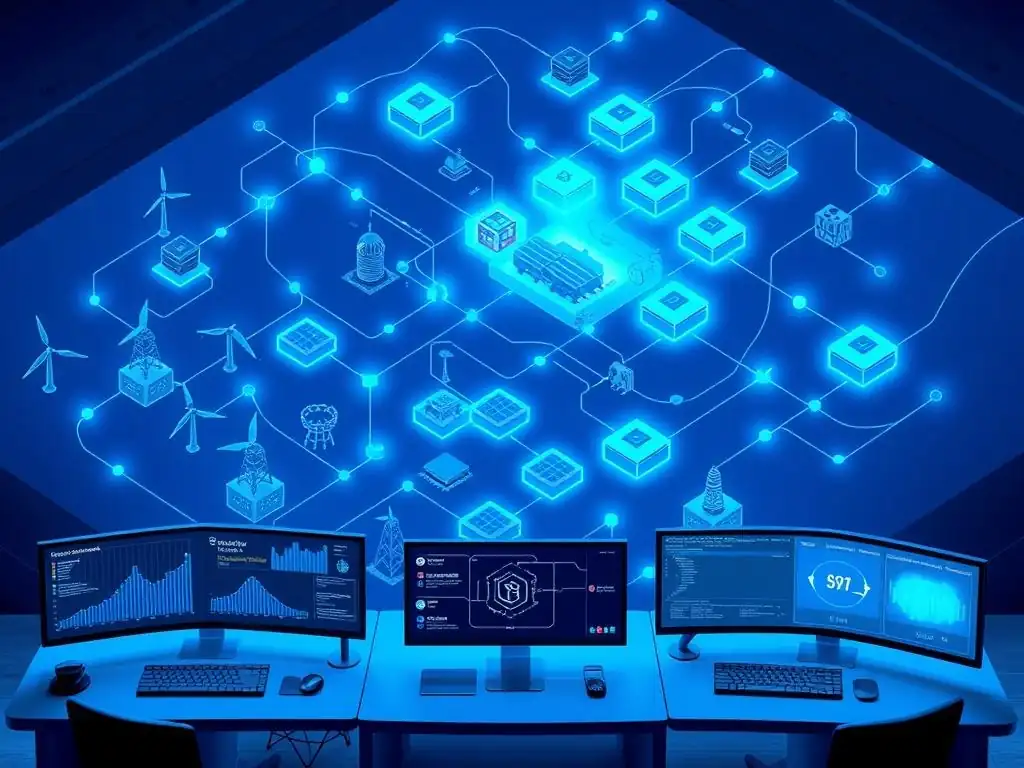
Case Study 1: Power Ledger – Implementing Blockchain for Secure Meter Data Management
Power Ledger, an Australian technology company, is a leading example of blockchain application in smart grids, particularly in secure meter data management and P2P energy trading. Power Ledger's platform utilizes blockchain to create a transparent and auditable system for tracking and trading energy. One of their key applications is in secure meter data management, where blockchain is used to record and verify smart meter readings.
Traditionally, smart meter data is collected and stored in centralized utility databases, which can be vulnerable to cyberattacks or data manipulation. Power Ledger's blockchain-based system ensures the integrity of meter data by recording it on an immutable ledger, accessible to authorized parties but tamper-proof.
This enhances data security and builds trust in billing accuracy for consumers. In several deployments, Power Ledger has demonstrated the effectiveness of its platform in improving data security and transparency. For example, in a project in Thailand, Power Ledger partnered with Thai Digital Energy Development (TDED) to implement a blockchain-based energy trading platform.
This project showcased the platform's ability to securely manage meter data and facilitate P2P energy trading, enhancing energy access and affordability. Power Ledger's work exemplifies how blockchain can be practically applied to enhance blockchain smart grid data security and enable new energy market models. Their technology is deployed in various locations globally, demonstrating scalability and adaptability across different energy market structures.
Case Study 2: Brooklyn Microgrid – Blockchain for P2P Solar Energy Trading
The Brooklyn Microgrid project in New York City is a pioneering example of blockchain being used for P2P solar energy trading within a localized community. This project aimed to create a decentralized energy marketplace where neighbors could buy and sell solar energy directly from each other, fostering local energy resilience and promoting renewable energy adoption. The Brooklyn Microgrid implemented a blockchain-based platform to facilitate these P2P energy transactions.
Residents with rooftop solar panels could sell their excess solar energy to their neighbors through the platform, bypassing the traditional utility as an intermediary. Smart contracts on the blockchain automated the energy trading process, matching buyers and sellers and executing transactions based on pre-agreed prices.
The blockchain platform provided transparency and security for all transactions, ensuring that energy trades were accurately recorded and payments were securely processed. While the Brooklyn Microgrid project faced regulatory and scalability challenges, it served as a valuable proof-of-concept for blockchain-based P2P energy trading. It demonstrated the technical feasibility and potential benefits of using blockchain to create localized, decentralized energy markets.
The project highlighted the ability of blockchain to empower communities to take control of their energy production and consumption, fostering greater energy independence and promoting the adoption of local renewable energy resources. The experience from the Brooklyn Microgrid project has informed subsequent P2P energy trading initiatives and contributed to the growing understanding of blockchain's potential in decentralized energy systems.
Case Study 3: Energy Web Foundation – Securing Grid Data with Blockchain
The Energy Web Foundation (EWF) is a global non-profit organization focused on accelerating the energy transition through blockchain technology. EWF has developed the Energy Web Chain, a public, enterprise-grade blockchain platform specifically designed for the energy sector. A key focus of EWF's work is on securing grid data and enabling decentralized applications for energy markets and grid operations.
The Energy Web Chain provides a secure and scalable platform for various energy sector applications, including renewable energy certificate tracking, electric vehicle charging management, and grid flexibility services. EWF's approach emphasizes open-source development and collaboration, fostering a vibrant ecosystem of energy companies, technology providers, and regulators working together to leverage blockchain for energy innovation.
One notable application of the Energy Web Chain is in securing grid data. EWF and its members are exploring the use of blockchain to enhance the security and transparency of data exchange between grid operators, DER owners, and other stakeholders. By recording critical grid data on the Energy Web Chain, data integrity and auditability are significantly improved, reducing the risk of data manipulation and enhancing trust in grid operations.
EWF is also actively involved in developing standards and interoperability frameworks for blockchain in energy, promoting the widespread adoption and seamless integration of blockchain solutions across the sector. Through its open-source platform and collaborative approach, EWF is playing a crucial role in advancing the use of blockchain for blockchain smart grid data security and driving innovation in the energy industry.
Benefits of Blockchain-Based IoT Data Management in the Energy Sector
Enhanced Data Security and Privacy for Energy Consumers
Blockchain-based IoT data management offers significant benefits in terms of enhanced data security and privacy for energy consumers. Traditional centralized systems store consumer energy data in databases that can be vulnerable to cyberattacks and data breaches. In contrast, blockchain's decentralized and encrypted nature provides a more secure way to store and manage sensitive consumer data.
By distributing data across a network and using cryptographic techniques, blockchain makes it significantly more difficult for unauthorized parties to access or tamper with consumer energy information. This enhanced security is particularly important in the context of smart grids, where vast amounts of granular energy consumption data are collected from smart meters.
Blockchain can also empower consumers with greater control over their data. Consumers can be given ownership of their energy data stored on a blockchain and granted the ability to control who has access to it. This aligns with growing concerns about data privacy and empowers individuals to manage their personal information more effectively.
Furthermore, blockchain's transparency can enhance consumer trust in energy providers. By providing auditable and verifiable records of energy consumption and billing on a blockchain, utilities can build greater confidence and transparency in their operations. In a world increasingly concerned about data privacy and security, blockchain-based IoT data management offers a compelling solution for protecting consumer data and fostering trust in the energy sector.
Improved Efficiency and Transparency in Energy Markets
Blockchain technology can significantly improve the efficiency and transparency of energy markets, streamlining processes and reducing costs. Traditional energy markets often involve complex layers of intermediaries, manual processes, and opaque transactions. Blockchain can automate many of these processes through smart contracts and provide a transparent and auditable record of all transactions on an immutable ledger. This can lead to reduced transaction costs, faster settlement times, and greater market efficiency. For example, in wholesale energy markets, blockchain can streamline energy trading, settlement, and reconciliation processes, reducing administrative overhead and improving market liquidity.
In retail energy markets, blockchain can facilitate more efficient and transparent billing and customer service. Smart contracts can automate billing processes based on smart meter data, reducing billing errors and disputes. Blockchain's transparency can also improve market surveillance and regulatory oversight. Regulators can access and verify market data recorded on a blockchain, enhancing market integrity and preventing market manipulation. By improving efficiency and transparency across various aspects of energy markets, blockchain can contribute to a more competitive, efficient, and trustworthy energy ecosystem, benefiting both energy providers and consumers.
Reduced Operational Costs through Automation and Streamlining
The automation and streamlining capabilities of blockchain technology can lead to significant reductions in operational costs for energy companies and grid operators. Many traditional energy sector processes are manual, paper-based, and time-consuming, resulting in high administrative costs. Blockchain and smart contracts can automate many of these processes, such as billing, settlement, contract management, and data reconciliation. This automation reduces the need for manual labor, minimizes errors, and accelerates workflows, leading to substantial cost savings. For example, automating meter data collection and billing processes with blockchain can reduce the operational costs associated with manual meter readings and billing disputes.
Smart contracts can also streamline complex processes, such as renewable energy certificate (REC) tracking and trading, reducing administrative overhead and transaction costs. Furthermore, blockchain's enhanced data security can reduce costs associated with cybersecurity incidents and data breaches. By mitigating security risks and improving data integrity, blockchain can help energy companies avoid costly disruptions and reputational damage.
The cumulative effect of these cost reductions across various operational areas can be significant, making blockchain a valuable tool for improving efficiency and reducing operational expenses in the energy sector. These cost savings can ultimately be passed on to consumers in the form of lower energy prices or reinvested in grid modernization and renewable energy development.
Addressing the Challenges of Blockchain Implementation in Energy
Scalability Issues in Blockchain Networks for Large-Scale Energy Grids
Scalability remains a significant challenge for blockchain implementation in large-scale energy grids. Many existing blockchain platforms, particularly public blockchains, face limitations in transaction throughput and processing speed. Energy grids require the ability to handle a massive volume of transactions in real-time, especially with the proliferation of IoT devices generating continuous data streams. Public blockchains, while offering high security and decentralization, often struggle to process the sheer volume of transactions required for large-scale grid operations. For instance, some public blockchains can only process a few transactions per second, which is insufficient for the demands of a large city's smart grid.
Private or permissioned blockchains offer potentially higher transaction throughput and scalability compared to public blockchains, but they may compromise on decentralization and transparency. Developing blockchain solutions that can scale to meet the demands of large-scale energy grids is an ongoing area of research and development. Solutions being explored include layer-2 scaling solutions, sharding, and consensus mechanism optimizations.
Furthermore, optimizing blockchain network design and infrastructure for energy grid applications is crucial for achieving the necessary scalability. Addressing scalability challenges is essential for the widespread adoption of blockchain in energy grids, particularly for applications requiring high transaction volumes and real-time data processing, such as smart meter data management and grid control.
Interoperability Challenges between Different Blockchain Platforms
Interoperability is another key challenge for blockchain adoption in the energy sector. Currently, various blockchain platforms are being developed and deployed for different energy applications, potentially leading to fragmented systems and data silos. Lack of interoperability between different blockchain platforms can hinder data sharing, cross-platform transactions, and the seamless integration of blockchain solutions across the energy ecosystem. For example, if different utilities or energy market operators use incompatible blockchain platforms, it can be difficult to exchange data or conduct cross-platform energy trading. This lack of interoperability can limit the potential benefits of blockchain and create barriers to wider adoption.
Addressing interoperability requires the development of standards and protocols that enable different blockchain platforms to communicate and interact with each other. Efforts are underway to develop interoperability frameworks and bridges that facilitate data exchange and cross-chain transactions between different blockchain networks. Organizations like the Energy Web Foundation are actively working on promoting interoperability standards within the energy blockchain space.
Achieving interoperability is crucial for unlocking the full potential of blockchain in the energy sector, enabling seamless data exchange, cross-platform applications, and a more integrated and efficient energy ecosystem. Standardization and collaboration across the industry are essential to overcome interoperability challenges and foster the widespread adoption of blockchain technology.
Regulatory Considerations and Compliance in the Energy Sector
Regulatory considerations and compliance requirements pose significant challenges for blockchain implementation in the energy sector. The energy industry is heavily regulated, and blockchain applications must comply with existing regulations and potentially adapt to evolving regulatory frameworks. Current energy regulations were not designed with blockchain technology in mind, and there is a lack of clarity in many jurisdictions regarding the legal and regulatory status of blockchain-based energy applications. For example, regulations related to data privacy, consumer protection, and energy market operations may need to be interpreted and adapted to accommodate blockchain-based systems.
Navigating the regulatory landscape and ensuring compliance can be complex and time-consuming for energy companies deploying blockchain solutions. Engaging with regulators and policymakers is crucial to address regulatory uncertainties and develop clear guidelines for blockchain adoption in the energy sector. Collaboration between industry stakeholders, regulators, and technology providers is needed to create regulatory frameworks that foster innovation while ensuring consumer protection and grid stability.
Furthermore, blockchain solutions themselves need to be designed with compliance in mind, incorporating features that address regulatory requirements related to data privacy, security, and operational transparency. Addressing regulatory challenges and ensuring compliance are critical for the sustainable and responsible adoption of blockchain technology in the energy sector.
The Future of Blockchain and IoT in Energy: Trends and Predictions
The Rise of Decentralized Energy Systems Powered by Blockchain
The future of energy is increasingly trending towards decentralized systems, and blockchain technology is poised to be a key enabler of this transformation. Traditional centralized energy systems are becoming less efficient and resilient in the face of climate change, distributed renewable energy generation, and evolving consumer demands. Decentralized energy systems, characterized by distributed generation, microgrids, and P2P energy trading, offer greater resilience, flexibility, and consumer empowerment. Blockchain technology provides the infrastructure and tools to manage and operate these decentralized energy systems effectively. Blockchain's decentralized nature aligns perfectly with the distributed architecture of future energy grids.
Blockchain-based platforms can facilitate the coordination and management of DERs, enable P2P energy trading, and empower local energy communities. As renewable energy adoption continues to grow and distributed generation becomes more prevalent, decentralized energy systems powered by blockchain are expected to become increasingly important. Predictions indicate a significant increase in investment and deployment of blockchain-based solutions for decentralized energy management in the coming years.
For example, Navigant Research has predicted that the market for blockchain in energy will reach billions of dollars in the next decade, driven by the growth of decentralized energy systems and the need for secure and efficient energy management solutions. The rise of decentralized energy systems powered by blockchain represents a fundamental shift in the energy landscape, moving towards a more distributed, resilient, and consumer-centric energy future.
Increased Adoption of Blockchain for Carbon Credit Trading
Blockchain technology is expected to see increased adoption in carbon credit trading, enhancing the transparency, efficiency, and integrity of carbon markets. Carbon credits are instruments that represent the reduction or removal of greenhouse gas emissions, and carbon markets play a crucial role in incentivizing emissions reduction and achieving climate goals. However, traditional carbon markets often suffer from issues related to double-counting, lack of transparency, and high transaction costs.
Blockchain offers a solution to address these challenges by providing a transparent, immutable, and auditable ledger for tracking and trading carbon credits. By recording carbon credit issuance, transfer, and retirement on a blockchain, the entire lifecycle of a carbon credit becomes transparent and verifiable, reducing the risk of fraud and double-counting.
Blockchain-based carbon credit platforms can streamline the trading process, reducing transaction costs and improving market liquidity. Smart contracts can automate carbon credit issuance and trading, further enhancing efficiency and reducing administrative overhead. Several initiatives are emerging to utilize blockchain for carbon credit trading, including projects focused on voluntary carbon markets and compliance-based carbon trading schemes.
For instance, the World Bank is exploring the use of blockchain for carbon asset tracking and trading. Predictions suggest a significant increase in the adoption of blockchain for carbon credit trading as governments and businesses seek more robust and transparent mechanisms for achieving their climate commitments. The enhanced transparency and efficiency offered by blockchain can contribute to the growth and effectiveness of carbon markets, accelerating the transition to a low-carbon economy.
Integration of AI and Blockchain for Predictive Energy Management
The integration of Artificial Intelligence (AI) and blockchain is emerging as a powerful trend in the energy sector, particularly for predictive energy management and grid optimization. AI algorithms can analyze vast amounts of smart grid data to predict energy demand, optimize grid operations, and improve renewable energy forecasting. However, the data used by AI systems needs to be trustworthy and secure.
Blockchain can provide the secure and transparent data infrastructure necessary to support AI-driven energy management applications. Blockchain can ensure the integrity and provenance of data used by AI algorithms, enhancing the reliability and trustworthiness of AI-powered predictions and decisions.
For example, smart meter data stored on a blockchain can be used to train AI models for demand forecasting, with the assurance that the data is tamper-proof and auditable. AI and blockchain can also work together to automate grid management processes. AI algorithms can analyze real-time grid data and make optimal control decisions, while smart contracts on a blockchain can automatically execute these decisions, ensuring secure and efficient grid operations.
The combination of AI's analytical capabilities and blockchain's security and transparency creates synergistic opportunities for advanced energy management. Predictions indicate increasing convergence of AI and blockchain in the energy sector, leading to more intelligent, efficient, and resilient energy systems. This integration is expected to drive innovation in areas such as predictive maintenance, demand-side management, and optimized integration of renewable energy resources.
Conclusion: Blockchain Driving Innovation in Smart Grids and Renewables
Blockchain's Role in Shaping a More Sustainable and Secure Energy Future
Blockchain technology is playing a transformative role in shaping a more sustainable and secure energy future. Its unique capabilities in data security, transparency, and decentralization are ideally suited to address the challenges and opportunities presented by the evolving energy landscape.
By enhancing blockchain smart grid data security, blockchain is enabling more resilient and reliable smart grid operations, crucial for accommodating increasing penetrations of renewable energy and ensuring grid stability. Blockchain-based solutions are facilitating the integration of distributed energy resources, promoting P2P energy trading, and improving the efficiency of renewable energy certificate systems, all of which contribute to a more sustainable energy ecosystem.
Furthermore, blockchain's potential to improve energy market efficiency and transparency is fostering greater consumer participation and trust in the energy sector. By empowering consumers with greater control over their energy data and facilitating new energy market models, blockchain is contributing to a more democratic and equitable energy system.
As the energy sector continues its transition towards decentralization, decarbonization, and digitalization, blockchain technology is expected to play an increasingly vital role in driving innovation and enabling a more sustainable and secure energy future for all. The ongoing development and deployment of blockchain solutions in the energy sector demonstrate its potential to revolutionize how energy is generated, distributed, and consumed.
Embracing Blockchain for Effective IoT Data Management in the Energy Sector
Embracing blockchain technology for IoT data management is crucial for realizing the full potential of smart grids and renewable energy integration in the energy sector. The data deluge generated by IoT devices in smart grids presents both opportunities and challenges. Blockchain provides a robust and secure foundation for managing this data deluge effectively, ensuring data integrity, privacy, and accessibility. By implementing blockchain-based solutions for smart meter data management, grid sensor data security, and automated energy transactions, energy companies and grid operators can enhance the security, efficiency, and transparency of their operations.
Overcoming the challenges of scalability, interoperability, and regulatory compliance is essential for widespread blockchain adoption in the energy sector. Continued research, development, and collaboration among industry stakeholders, technology providers, and regulators are needed to address these challenges and unlock the full benefits of blockchain.
As the energy sector moves towards a more decentralized, digitalized, and sustainable future, blockchain technology will be a critical enabler of innovation and transformation. Embracing blockchain for effective IoT data management is not just a technological upgrade; it is a strategic imperative for building a more resilient, efficient, and sustainable energy future powered by smart grids and renewable energy sources.
Frequently Asked Questions
What are the main data security challenges facing IoT devices in the energy sector smart grid?
The primary challenges include the vulnerability of centralized systems to cyberattacks, the lack of data integrity due to manipulation, and the difficulty in managing vast amounts of data generated by IoT devices.
How can blockchain technology specifically enhance data security in smart grids?
Blockchain provides a decentralized and immutable ledger, ensuring data integrity. Its cryptographic nature enhances data security against tampering, and the distributed nature reduces the risk of single points of failure.
What are the potential benefits of using blockchain for managing renewable energy data?
Blockchain enables transparent and auditable tracking of renewable energy generation and consumption. It facilitates peer-to-peer energy trading and improves the efficiency of renewable energy certificate (REC) management.
How does blockchain help with regulatory compliance in the energy sector?
Blockchain offers a transparent and verifiable record of energy transactions, aiding in compliance with regulations related to carbon emissions, energy consumption, and renewable energy mandates. This auditability simplifies regulatory processes.
What is the future outlook for blockchain adoption in smart grids and renewable energy systems?
The future involves increased blockchain integration for enhanced data security and efficiency. We expect to see more decentralized energy marketplaces and wider adoption of blockchain-based solutions for managing renewable energy resources.
Final Reflection: Securing the Future with Decentralized Data
The exploration of blockchain's role in managing IoT data within the energy sector, particularly for smart grids and renewables, is not merely a theoretical exercise; it's a critical imperative for building a secure and sustainable energy future. The vulnerabilities inherent in centralized systems, coupled with the increasing complexity of smart grids, demand innovative solutions like blockchain to ensure data integrity and resilience against cyber threats.
This convergence of blockchain and energy is profoundly shaping the landscape of data management, moving us towards a more transparent and trustworthy ecosystem. The potential for increased efficiency, reduced costs, and enhanced security is undeniable, and it's inspiring to witness the growing adoption of these technologies. The future of energy is decentralized, decarbonized, and digitalized.
- This quote encapsulates the transformative power of blockchain in creating a more equitable and sustainable energy system for all.
As we conclude this exploration, let us consider the profound implications of secure and transparent data management in the energy sector. How can you contribute to fostering a future where blockchain empowers smart grids and renewable energy sources? Reflect on the role you can play in advocating for these technologies, supporting research and development, and championing policies that prioritize data security and sustainability. The future of energy security lies in our collective commitment to embracing innovative solutions and building a more resilient and equitable world.
Unleash the Power of Secure Energy: Your Next Move!
Thanks for diving into the world of IoT data management and blockchain within the energy sector. We hope you found valuable insights into how these technologies are shaping the future of smart grids and renewables. Now, it's time to put that knowledge into action!
Here's how you can continue your journey:
- Dive deeper: Begin researching blockchain solutions tailored to your specific energy data management needs.: This is your chance to explore practical applications and potential ROI for your organization.
- Share your insights: Spark a discussion! Share this article with your colleagues and network to spread awareness about the transformative potential of blockchain in the energy sector.
- Explore beyond the grid: Consider how similar blockchain strategies could benefit other data-intensive sectors like healthcare or supply chain management.
How will you leverage blockchain to secure and optimize energy data in your own sphere of influence? Share your thoughts below!
Leave a Reply