
Traceability Revolution: Blockchain's Impact on Logistics Accountability

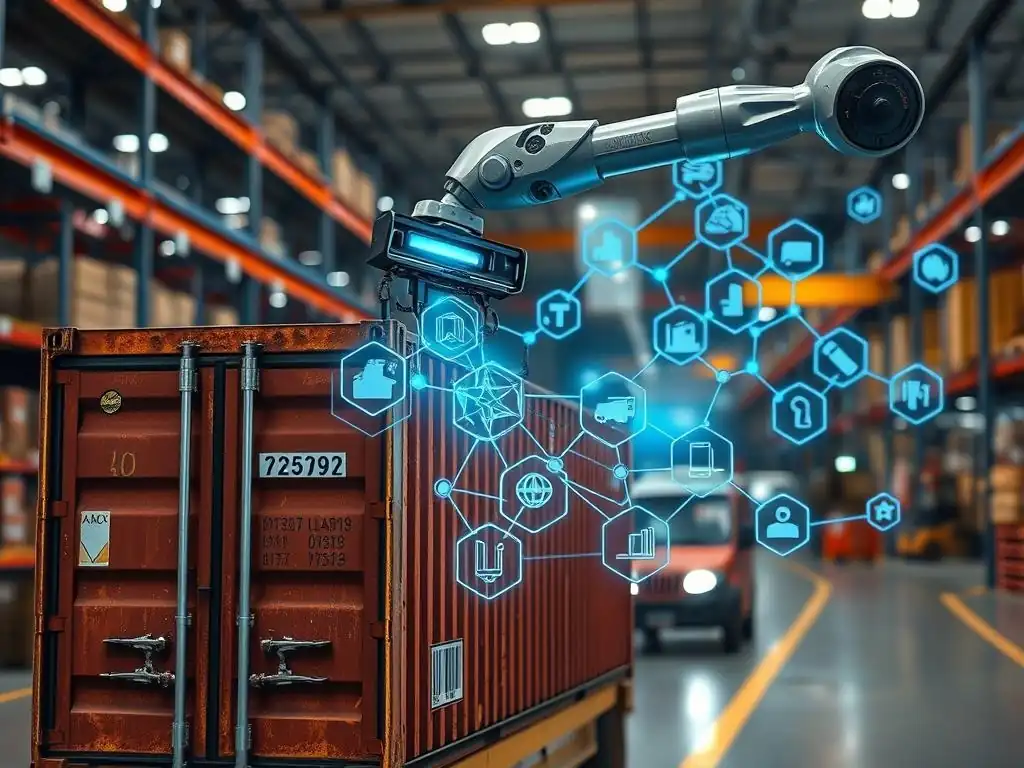
Welcome to Blockchain Trends, your go-to source for understanding the revolutionary impact of blockchain technology. Beyond the buzz of cryptocurrencies, discover how this groundbreaking innovation is reshaping industries worldwide. Intrigued by the idea of a transparent and secure supply chain? Then dive into our featured article where we unravel the potential of blockchain logistics traceability solutions, and how they are revolutionizing accountability from origin to delivery. Explore the future of decentralized systems and unlock the power of blockchain – the journey starts here!
- Traceability Revolution: Blockchain's Impact on Logistics Accountability
- Understanding Blockchain Logistics Traceability Solutions
- Implementing Blockchain Logistics Traceability Solutions: A Step-by-Step Guide
- Use Cases: Blockchain Logistics Traceability in Action
- Overcoming Challenges in Blockchain Logistics Implementation
- The Future of Blockchain Logistics: Trends and Predictions
- Measuring the ROI of Blockchain Logistics Traceability
- Conclusion: Blockchain as a Catalyst for Trust and Efficiency in Logistics
-
Frequently Asked Questions
- How does blockchain enhance traceability in logistics?
- What are some practical applications of blockchain logistics traceability solutions?
- How does blockchain improve accountability in the logistics industry?
- What are the regulatory implications of using blockchain for logistics traceability?
- What are the potential future trends in blockchain logistics traceability solutions?
- Final Reflection: Embracing Transparency in the Supply Chain
- Embrace Transparency: Chart Your Blockchain Logistics Journey!
Traceability Revolution: Blockchain's Impact on Logistics Accountability
Introduction: The Need for Enhanced Accountability in Logistics
The global logistics industry operates on a complex web of participants, from manufacturers and suppliers to carriers, distributors, and retailers. This intricate network often suffers from a lack of transparency and accountability, leading to significant challenges such as inefficient processes, increased costs, product loss or damage, and difficulties in verifying authenticity. Traditional tracking systems, while providing some visibility, are often siloed, fragmented, and susceptible to tampering, making it difficult to establish a single, trusted source of truth for a product's journey through the supply chain.
This inherent lack of end-to-end visibility creates blind spots that hinder effective decision-making and make it challenging to pinpoint responsibility when issues arise. For instance, determining where damage occurred or who is liable for a delayed shipment can be a time-consuming and costly process involving multiple parties and disparate data sources. The need for a robust, immutable, and shared record of events is paramount to building trust among stakeholders and improving the overall efficiency and reliability of logistics operations.
Understanding Blockchain Logistics Traceability Solutions
What is Blockchain Traceability in Logistics?
Blockchain traceability in logistics refers to the use of distributed ledger technology to record and verify the movement and status of goods as they travel through the supply chain. Each transaction, event, or status update—such as a product leaving a warehouse, changing custody during transit, or passing a quality check—is recorded as a block of data.
This block is then cryptographically linked to the previous block, forming an immutable chain that is distributed across multiple participants in the network. This decentralized and tamper-evident nature ensures that once data is recorded, it cannot be altered or deleted without consensus, establishing a high level of trust and reliability in the tracking information.
Essentially, blockchain logistics traceability solutions create a transparent and shared ledger that provides a comprehensive history of a product's lifecycle. Unlike traditional databases where a single entity controls the data and can potentially modify it, a blockchain network allows authorized parties to access and verify the same information simultaneously. This shared visibility fosters collaboration and accountability among all stakeholders involved in the supply chain, from the point of origin to the final destination, offering unprecedented insight into provenance, handling, and authenticity.
Key Benefits of Blockchain for Logistics Accountability
One of the primary benefits of implementing blockchain logistics traceability solutions is the significant enhancement of accountability. Because every significant event related to a product's journey is recorded immutably on the shared ledger, it becomes straightforward to track who was responsible for the goods at any given point in time.
This drastically reduces disputes over responsibility for delays, damage, or loss, as the historical record provides clear evidence of custody transfers and handling conditions. For example, if a refrigerated shipment spoils, the blockchain record linked with IoT sensor data can precisely indicate temperature fluctuations and identify which party was in possession when the critical deviation occurred.
Beyond accountability, blockchain solutions for logistics tracking deliver substantial improvements in efficiency and cost reduction. Increased transparency helps identify bottlenecks and inefficiencies in the supply chain, allowing for optimization. Furthermore, the ability to quickly verify product authenticity and origin helps combat fraud and counterfeiting, which cost businesses billions annually. The streamlined verification processes enabled by blockchain can also accelerate customs clearance and reduce administrative overhead associated with documentation and compliance checks, leading to faster transit times and lower operational expenditures.
How Blockchain Enhances Supply Chain Visibility
Blockchain technology inherently improves supply chain visibility by providing a single, shared source of truth accessible to all authorized participants. As goods move through the logistics network, key data points—such as location updates, ownership changes, quality control results, and environmental conditions (e.g., temperature, humidity, vibration)—are recorded on the distributed ledger. Each participant with the necessary permissions can view this shared, real-time information, gaining a holistic view of the product's status and history without relying on fragmented systems or manual data exchanges.
This enhanced visibility allows companies to track products with granular detail, often down to individual items or batches. For instance, a consumer could potentially scan a QR code on a product to see its entire journey, from farm or factory to store shelf, including relevant certifications or inspection records. For businesses, this means quicker identification of issues like delays or potential quality problems, enabling proactive intervention. The transparency provided by blockchain logistics traceability solutions empowers stakeholders to make more informed decisions, optimize inventory management, and build greater trust with customers by proving product provenance and handling integrity.
Implementing Blockchain Logistics Traceability Solutions: A Step-by-Step Guide
Step 1: Identifying Key Traceability Requirements
The foundational step in deploying blockchain logistics traceability solutions involves a thorough assessment of the specific needs and goals of the supply chain in question. This requires identifying which products or components need tracking, what critical data points must be recorded at each stage (e.g., origin, manufacturing date, batch number, location, timestamps, quality checks, temperature logs, customs status), and who the key stakeholders are that need access to this information.
A clear understanding of the existing supply chain processes, pain points related to traceability, and desired outcomes (e.g., reducing counterfeits, improving food safety recalls, optimizing cold chain monitoring) is crucial for defining the scope and requirements of the blockchain implementation.
This phase also involves mapping the current flow of goods and information, identifying the points where data is generated, transferred, or needs verification. It's essential to determine the level of granularity required for tracking—whether it's at the pallet, case, or individual item level—as this significantly impacts the volume of data and the technical demands on the system.
Collaborating closely with all relevant parties in the supply chain, from suppliers to end consumers (if applicable), helps ensure that the defined traceability requirements align with the needs and capabilities of the entire network, laying a solid foundation for successful blockchain logistics traceability solutions.
Step 2: Choosing a Blockchain Platform for Logistics
Selecting the appropriate blockchain platform is a critical decision that depends heavily on the specific requirements identified in Step 1. Several types of blockchain networks exist, including public, private, and consortium models, each offering different characteristics regarding accessibility, performance, and governance.
For enterprise-level blockchain logistics traceability solutions, consortium or private blockchains are often preferred due to their ability to handle higher transaction volumes, offer better control over data privacy and access permissions, and allow participants to be permissioned and known entities. Popular platforms used in logistics include Hyperledger Fabric, VeChain, and variations built on Ethereum or other distributed ledgers tailored for supply chain use cases.
The choice of platform should consider factors such as scalability (can it handle the expected transaction load? ), cost (transaction fees, infrastructure), ease of integration with existing systems, data privacy features, smart contract capabilities (for automating processes), and the level of support and maturity of the technology. A proof-of-concept or pilot project using a chosen platform can help validate its suitability for the specific logistics environment before committing to a full-scale deployment. Engaging with technology providers specializing in blockchain solutions for logistics can provide valuable insights and expertise during this selection process.
Step 3: Integrating Blockchain with Existing Logistics Systems
Integrating the chosen blockchain platform with existing legacy systems is often the most technically challenging step in deploying blockchain logistics traceability solutions. Supply chains typically rely on a variety of systems, including Enterprise Resource Planning (ERP), Warehouse Management Systems (WMS), Transportation Management Systems (TMS), and IoT devices. For the blockchain to provide accurate, real-time traceability, it must seamlessly receive data from and potentially send data back to these systems. This requires developing or utilizing APIs (Application Programming Interfaces) or middleware to facilitate data exchange between the disparate platforms.
Data mapping and transformation are crucial components of this integration process. Information captured in existing systems must be structured and formatted correctly before being written to the blockchain. This ensures data consistency and integrity across the network. Furthermore, consideration must be given to whether data is written to the blockchain in real-time or in batches, based on the specific traceability needs and the capabilities of the integrated systems. Successful integration ensures that the blockchain becomes a seamless, trusted layer within the existing logistics technology stack, enabling end-to-end visibility without requiring a complete overhaul of current infrastructure.
Step 4: Data Security and Privacy Considerations in Blockchain Logistics
While blockchain's inherent immutability enhances data integrity, implementing blockchain logistics traceability solutions requires careful consideration of data security and privacy, especially concerning sensitive commercial or personal information. Although the ledger is distributed and tamper-evident, the data written to it must be accurate and protected from unauthorized access.
Mechanisms must be put in place to ensure that data originating from IoT sensors or enterprise systems is authentic and has not been manipulated before being recorded on the blockchain (the "garbage in, garbage out" problem). This often involves secure data ingestion protocols and potentially the use of oracles or trusted data sources.
Furthermore, not all data in a supply chain is meant for public consumption. Private or consortium blockchains allow for permissioned access, ensuring that only authorized participants can view specific types of data.
Techniques like data hashing, where sensitive information is stored off-chain and only its cryptographic hash is placed on the blockchain for verification, can also be employed to maintain privacy while still leveraging the ledger for integrity checks. Compliance with data protection regulations, such as GDPR, is also paramount, requiring strategies for managing personal data and potentially handling data deletion requests, which can be complex given the immutable nature of blockchain.
Use Cases: Blockchain Logistics Traceability in Action
Case Study 1: Improving Seafood Supply Chain Traceability with Blockchain
The seafood industry faces significant challenges with mislabeling, illegal fishing, and ensuring freshness along its complex supply chain. Companies have piloted blockchain logistics traceability solutions to address these issues. For example, a project might track tuna from the moment it's caught at sea, recording details like species, catch location, vessel ID, and timestamp. This initial data is hashed and written to the blockchain. As the fish moves through processing plants, distributors, and retailers, each transfer of custody, quality inspection (e.g., temperature logs via IoT sensors), and certification (e.g., sustainability certifications) is recorded as a transaction on the distributed ledger.
This blockchain-based approach provides an immutable record that consumers can potentially access by scanning a QR code, verifying the fish's origin, journey, and handling. This transparency helps combat the estimated 20-30% mislabeling prevalent in the global seafood market, protecting consumers and supporting sustainable fishing practices. For businesses, it streamlines recall processes – if a food safety issue arises, the precise blockchain record allows for rapid identification of affected batches and their locations, minimizing public health risks and economic losses compared to traditional, slower manual tracking methods.
Case Study 2: Combating Counterfeit Luxury Goods with Blockchain-Based Tracking
The luxury goods market is heavily impacted by counterfeiting, leading to significant revenue losses and brand damage. Blockchain logistics traceability solutions offer a powerful tool to verify authenticity throughout the product lifecycle. When a luxury item, such as a high-end handbag or watch, is manufactured, a unique digital identity is created on the blockchain, linked to a physical identifier like an NFC tag or QR code embedded in the product. Details about the materials used, manufacturing location, and date are recorded on the ledger.
As the item moves through authorized distributors and retailers, each transfer of ownership is documented on the blockchain. When a consumer purchases the item, they can scan the physical tag to access the immutable blockchain record, verifying its authenticity and tracing its journey from origin. This makes it incredibly difficult for counterfeit products to enter the legitimate supply chain without detection. By providing verifiable proof of provenance, blockchain solutions for logistics tracking protect brand reputation, assure consumers of their purchase's authenticity, and help the industry combat the multi-billion dollar global counterfeit market.
Case Study 3: Enhancing Transparency in Cross-Border E-commerce with Distributed Ledger Technology
Cross-border e-commerce logistics involves numerous parties including sellers, multiple carriers, customs agencies, and last-mile delivery services, leading to potential delays, lost packages, and disputes over status. Implementing distributed ledger technology (DLT) can significantly enhance transparency and efficiency. When an order is placed, key details are recorded on a shared ledger accessible to all relevant parties. As the package moves, milestones like pickup, arrival at export customs, departure, arrival at import customs, and handoff to local carriers are recorded as transactions.
This shared, real-time view of the package's journey allows sellers and buyers to track progress accurately, reducing the need for constant inquiries. Customs agencies can potentially access pre-arrival data on the blockchain, speeding up clearance processes.
Payments could even be automated via smart contracts triggered by specific events recorded on the ledger, such as successful customs clearance or final delivery confirmation. While precise industry-wide figures are hard to pin down, pilots using DLT in cross-border shipping have reported potential reductions in transit times by days or even weeks for certain routes, demonstrating the tangible benefits of increased transparency provided by blockchain logistics traceability solutions.
Overcoming Challenges in Blockchain Logistics Implementation
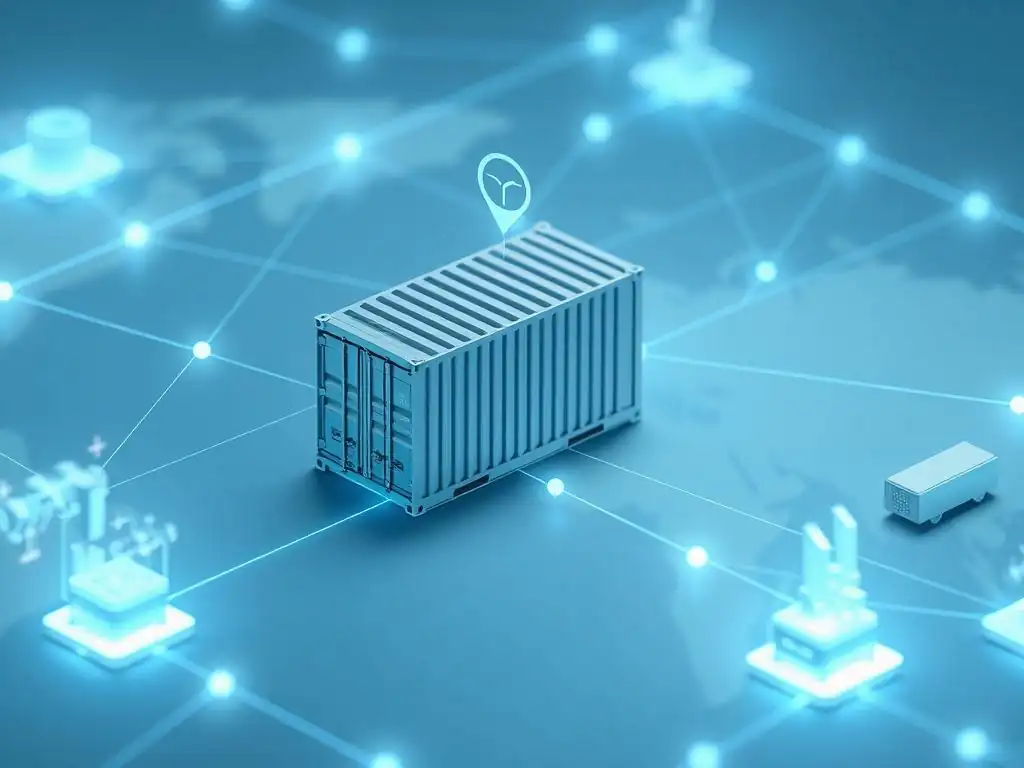
Addressing Scalability Issues in Blockchain-Based Supply Chains
One of the significant challenges in deploying blockchain logistics traceability solutions at scale is the inherent limitation of some blockchain networks in handling the massive volume of transactions generated by global supply chains. Recording every granular movement or data point for millions or billions of items can quickly overwhelm networks with low transaction throughput.
For instance, public blockchains like early Ethereum versions were not designed for such high frequency, low-value data recording. Enterprise blockchain platforms or consortium chains are often better suited due to their higher transaction speeds and lower latency, sometimes handling thousands of transactions per second compared to single or double digits for some public chains.
To further address scalability, blockchain architects employ various solutions. Layer 2 scaling techniques process transactions off the main chain and periodically record a summary on the ledger. Sharding divides the network into smaller, more manageable segments capable of processing transactions in parallel. Additionally, optimizing the data structure and deciding what data is recorded on-chain versus off-chain (with only a hash on-chain for verification) are crucial strategies. By carefully selecting the right platform and implementing appropriate scaling mechanisms, businesses can build blockchain logistics traceability solutions capable of handling the demands of complex, high-volume supply chain operations.
Ensuring Interoperability Between Different Blockchain Networks
The logistics industry is characterized by diverse participants, each potentially utilizing different technologies, including various blockchain platforms. A major challenge for widespread blockchain logistics traceability solutions is ensuring interoperability – the ability for different blockchain networks and traditional systems to communicate and exchange data seamlessly. A shipment might originate on a supplier's blockchain, pass through a carrier using a different blockchain, and end up with a retailer using yet another system. Without interoperability, the end-to-end traceability chain breaks, defeating the purpose of a unified ledger.
Efforts to improve interoperability include the development of cross-chain communication protocols and standards that allow data or assets to move between different ledgers. Middleware solutions act as translators between various blockchain platforms and legacy systems. Industry-wide standards bodies are working on defining common data models and APIs for supply chain data on blockchain networks. Achieving true interoperability is essential for creating a truly connected and transparent global logistics ecosystem where blockchain solutions for logistics tracking can function effectively across multiple organizations and platforms.
Managing Data Integrity and Security in Logistics Blockchain
While blockchain's immutability prevents tampering after data is recorded, a critical challenge in blockchain logistics traceability solutions is ensuring the integrity and accuracy of the data before it is written to the ledger. The principle of "garbage in, garbage out" applies; if incorrect or fraudulent data is initially entered, the immutable record will simply reflect that inaccurate information. This is particularly challenging when relying on manual data entry or integrating with potentially insecure legacy systems or unreliable IoT sensors. Ensuring the veracity of data sources is paramount.
Security also extends to managing access permissions and protecting private keys within the blockchain network. While data on a permissioned blockchain is only accessible to authorized parties, robust identity and access management protocols are necessary to prevent unauthorized viewing or writing of data. Securing the private keys that control access to the network is critical, as their compromise could lead to unauthorized transactions or data breaches. Implementing stringent data validation processes, utilizing secure IoT gateways, employing digital signatures, and adhering to best practices for private key management are vital steps in building trustworthy and secure blockchain logistics traceability solutions.
The Future of Blockchain Logistics: Trends and Predictions
The Rise of Decentralized Autonomous Logistics (DAL)
The future of blockchain logistics traceability solutions is poised to extend beyond mere tracking into automating complex processes through smart contracts, potentially leading to the rise of Decentralized Autonomous Logistics (DAL). DAL envisions a logistics network where many operational tasks are executed automatically based on predefined conditions embedded in smart contracts on the blockchain. For example, a smart contract could automatically release payment to a carrier upon cryptographic confirmation from a delivery location that goods have arrived and conditions (like temperature) were maintained as recorded by IoT sensors on the blockchain.
This shift towards DAL could significantly reduce reliance on intermediaries, decrease administrative overhead, and accelerate transaction settlements. Customs clearance could be initiated automatically based on verifiable data on the blockchain, and insurance claims could be processed faster when triggered by recorded events like damage or delay. While full-scale DAL is still some years away due to regulatory and technical hurdles, the foundation is being laid by current blockchain logistics traceability solutions that enable trusted data exchange and automated verification through smart contracts.
Blockchain and the Internet of Things (IoT) for Real-Time Tracking
The convergence of blockchain and the Internet of Things (IoT) is a powerful trend shaping the future of blockchain logistics traceability solutions. IoT devices, such as GPS trackers, temperature sensors, humidity monitors, and shock sensors, can collect real-time data about the location, condition, and environment of goods in transit. Integrating these sensors directly with a blockchain network allows this data to be automatically recorded onto the immutable ledger as verifiable transactions, eliminating manual data entry and reducing the risk of human error or manipulation.
This combination enables true real-time, condition-based tracking. For high-value goods or sensitive shipments like pharmaceuticals or perishable foods, having an immutable record of temperature throughout the journey, automatically logged by IoT sensors onto the blockchain, provides irrefutable proof of compliance with cold chain requirements. This combined technology stack enhances the accuracy and reliability of blockchain solutions for logistics tracking, moving towards a future where the physical state and location of goods are continuously and trustlessly mirrored on the digital ledger.
The Impact of Blockchain on Regulatory Compliance in Logistics
Blockchain logistics traceability solutions are set to have a significant impact on regulatory compliance within the industry. Many goods, particularly in sectors like food, pharmaceuticals, and chemicals, are subject to strict regulations regarding origin, handling, storage, and transportation. Maintaining detailed, accurate, and auditable records for compliance purposes is a major administrative burden for logistics providers and cargo owners.
By providing an immutable, time-stamped, and shared record of every step in a product's journey, blockchain makes demonstrating compliance significantly easier and more efficient. Regulators could potentially gain permissioned access to the blockchain ledger to conduct audits more quickly and effectively. For instance, proving compliance with food safety regulations or demonstrating the legitimate import/export of goods becomes streamlined when all relevant documentation and events are verifiable on a distributed ledger. This inherent auditability positions blockchain solutions for logistics tracking as a key technology for reducing compliance costs and improving regulatory oversight in the future.
Measuring the ROI of Blockchain Logistics Traceability
Key Performance Indicators (KPIs) for Blockchain Logistics
Measuring the return on investment (ROI) for blockchain logistics traceability solutions requires identifying and tracking relevant Key Performance Indicators (KPIs) that demonstrate tangible improvements. These KPIs fall into several categories, including operational efficiency, cost reduction, risk mitigation, and customer satisfaction. Examples include:
- Reduced transit time: Tracking average time from origin to destination.
- Lower dispute resolution time: Measuring the time taken to resolve issues related to damage, loss, or delay.
- Decreased administrative costs: Quantifying savings from reduced paperwork, manual data entry, and reconciliation efforts.
- Improved inventory accuracy: Tracking discrepancies between recorded inventory and physical stock.
- Reduced losses due to counterfeiting or diversion: Estimating the value of goods protected.
- Faster recall process time: Measuring the time taken to identify and locate affected products during a recall.
- Increased on-time delivery rate: Tracking the percentage of shipments delivered within the promised timeframe.
By establishing baseline metrics before implementation and continuously monitoring these KPIs post-deployment, organizations can quantify the impact of blockchain logistics traceability solutions. Tracking metrics like the number of successful audits or the reduction in compliance-related fines can also demonstrate regulatory benefits. A comprehensive set of KPIs provides a clear picture of how the investment in blockchain is translating into operational improvements and financial returns.
Quantifying the Benefits of Increased Transparency and Efficiency
The increased transparency and efficiency delivered by blockchain logistics traceability solutions translate directly into quantifiable business benefits. For instance, enhanced visibility allows logistics managers to identify and address bottlenecks more quickly, potentially reducing average transit times by a measurable percentage, leading to lower carrying costs and faster time to market. The ability to rapidly verify the status and location of goods reduces the time and resources spent on manual tracking and customer inquiries, leading to lower operational expenses.
Furthermore, improved efficiency in processes like customs clearance, enabled by shared, verifiable data on the blockchain, can lead to significant time and cost savings. Streamlined audits and compliance checks also reduce the administrative burden and associated costs. While precise figures vary greatly depending on the specific industry and scale of operation, companies implementing blockchain solutions for logistics tracking have reported reductions in processing times for trade finance documentation by several days and cuts in administrative costs related to tracking and compliance by 10-20% in pilot programs. These efficiencies contribute directly to a positive ROI.
Calculating ROI: Reduced Losses Due to Counterfeiting
One of the most compelling financial benefits of implementing blockchain logistics traceability solutions, particularly for industries susceptible to fraud and counterfeiting, is the quantifiable reduction in losses. The global trade in counterfeit goods is estimated to be worth hundreds of billions of dollars annually, impacting revenue, brand value, and consumer trust. By providing an immutable and verifiable record of a product's origin and journey through authorized channels, blockchain makes it exponentially harder for counterfeit products to infiltrate the legitimate supply chain.
Calculating the ROI in this context involves estimating the value of counterfeit goods prevented from entering the market and the associated avoided losses in revenue and brand damage. For a luxury brand, preventing even a small percentage of counterfeits can result in significant revenue recovery.
Additionally, the ability to quickly identify and remove fake products from the supply chain mitigates risks of liability and reputational harm. While exact figures are difficult to obtain publicly, companies leveraging blockchain logistics traceability solutions specifically for anti-counterfeiting can track the number of verified products, the instances of detected counterfeits, and the estimated value of goods protected, providing a direct measure of the financial return on their investment in securing their supply chain.
Conclusion: Blockchain as a Catalyst for Trust and Efficiency in Logistics
Embracing Blockchain for a More Accountable and Transparent Future
The logistics industry stands at the precipice of a significant transformation, driven by the imperative for greater accountability and transparency. Traditional systems, burdened by fragmentation and opacity, are no longer sufficient to meet the demands of today's complex global supply chains. Blockchain logistics traceability solutions emerge as a powerful catalyst for change, offering a decentralized, immutable, and shared ledger that fundamentally alters how goods are tracked, verified, and managed from origin to destination. By providing a single, trusted source of truth accessible to all authorized participants, blockchain instills confidence and responsibility across the entire network.
Embracing blockchain means moving towards a future where disputes over product handling, origin, or status are significantly reduced, replaced by verifiable data points recorded on an incorruptible ledger. This not only enhances operational efficiency but also builds unprecedented levels of trust among trading partners, regulators, and ultimately, consumers. The widespread adoption of blockchain solutions for logistics tracking is poised to create supply chains that are not only more efficient and resilient but also inherently more ethical and reliable, setting a new standard for accountability in global trade.
The Long-Term Impact of Blockchain on the Logistics Industry
The long-term impact of blockchain on the logistics industry will be profound, extending far beyond simple traceability. As blockchain logistics traceability solutions become more mature and widely adopted, they will pave the way for further innovations such as Decentralized Autonomous Logistics, where smart contracts automate complex processes like payments and customs clearance based on verifiable on-chain data. The seamless integration with IoT devices will enable real-time, condition-based monitoring, transforming cold chain logistics and the transport of sensitive goods.
Ultimately, blockchain has the potential to reshape the entire logistics ecosystem, fostering greater collaboration, reducing costs, mitigating risks like counterfeiting and fraud, and improving regulatory compliance. It moves the industry towards a model built on shared trust and verifiable data, rather than relying on siloed systems and bilateral agreements. While challenges related to scalability, interoperability, and data governance remain, the foundational benefits offered by blockchain logistics traceability solutions position the technology as a cornerstone for the future of a more efficient, transparent, and accountable global supply chain network.
Frequently Asked Questions
How does blockchain enhance traceability in logistics?
Blockchain provides an immutable and transparent ledger, enabling real-time tracking of goods throughout the supply chain, reducing fraud and improving accountability. This enhanced visibility builds trust.
What are some practical applications of blockchain logistics traceability solutions?
These solutions can be used for verifying product origin, tracking shipment conditions (temperature, humidity), and automating payments upon delivery confirmation. This improves efficiency and reduces disputes.
How does blockchain improve accountability in the logistics industry?
By recording every transaction and movement on a distributed ledger, blockchain creates a single source of truth that is difficult to tamper with. This promotes greater transparency and accountability.
What are the regulatory implications of using blockchain for logistics traceability?
Regulations are still evolving, but blockchain solutions must comply with data privacy laws (like GDPR) and industry-specific regulations regarding supply chain security and product authenticity. Compliance is key.
What are the potential future trends in blockchain logistics traceability solutions?
We can expect to see greater integration with IoT devices, wider adoption across industries, and the development of more sophisticated smart contracts to automate complex logistics processes. Scalability is crucial.
Final Reflection: Embracing Transparency in the Supply Chain
The journey through the potential of blockchain logistics traceability solutions reveals a profound shift in how we perceive accountability and transparency in global supply chains. No longer are we bound by opaque systems and fragmented data; instead, we stand on the cusp of an era where every product's journey, from origin to consumer, can be verified and trusted. This is not merely a technological advancement, but a fundamental reimagining of trust in a complex and interconnected world.
The impact of blockchain on logistics extends far beyond simple tracking. It fosters a culture of responsibility, empowering consumers to make informed choices and holding businesses accountable for their practices. This transformation resonates deeply, reminding us that true progress lies in building systems that are not only efficient but also ethical and transparent. The future of supply chains is not just about speed and efficiency, but also about trust and transparency. Blockchain is the key to unlocking that future.
As we look ahead, let us embrace the potential of blockchain to build a more accountable and sustainable future. Consider how you, as a consumer, a business owner, or a policymaker, can champion the adoption of blockchain logistics traceability solutions. The power to shape a more transparent and trustworthy world lies within our collective actions. Let us seize this opportunity and build a future where every product tells a story of integrity and responsibility.
Embrace Transparency: Chart Your Blockchain Logistics Journey!
Thank you for exploring how blockchain is transforming logistics. We hope you've gained valuable insights into enhancing accountability and building trust within your supply chain. Now, it's time to put those insights into action.
Here’s how you can take the next steps:
- Strategize your first pilot project: Identify a specific area in your logistics operations where blockchain could address a critical traceability challenge.
- Join the conversation: Share your biggest logistics pain points and ideas for blockchain solutions in the comments below. Let’s learn from each other!
- Explore further: Research real-world case studies of companies successfully implementing blockchain for logistics. What lessons can you apply to your own operations?
What is the biggest obstacle preventing you from integrating blockchain into your logistics processes today? Share your thoughts!
Leave a Reply