
Blockchain's LongTerm Impact on Supply Chain Ecosystems: Transformation and Disruption


Welcome to Blockchain Trends, your go-to source for understanding the real-world impact of blockchain technology!
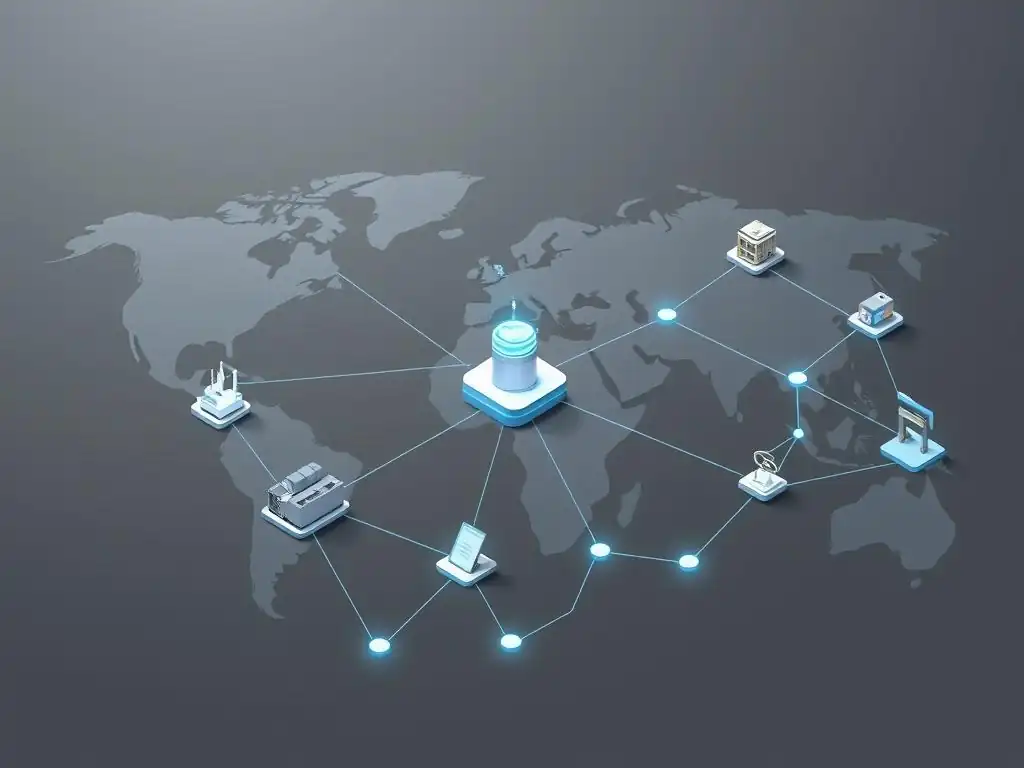
Dive into a world beyond cryptocurrencies and uncover the transformative power of decentralized systems. Ever wondered about the sweeping changes blockchain brings to different industries? Our featured article delves deep into the Supply Chain Blockchain Transformation Impact, exploring how this technology is reshaping global ecosystems. Prepare to discover the disruptions and opportunities that lie ahead – what does this mean for your business and the future of supply chains? Read on to find out!
Blockchain's Long-Term Impact on Supply Chain Ecosystems: Transformation and Disruption
- Introduction: The Revolutionary Potential of Blockchain in Supply Chain Management
- Supply Chain Blockchain Transformation Impact: A Deep Dive
- Blockchain Disruption in Supply Chain Ecosystems: Key Areas of Impact
- Case Studies: Real-World Examples of Blockchain's Success in Supply Chains
- Overcoming Challenges to Blockchain Adoption in Supply Chains
- The Future of Supply Chain Blockchain Transformation: Trends and Predictions
- Conclusion: Embracing Blockchain for Sustainable and Resilient Supply Chains
-
Frequently Asked Questions
- What is the primary impact of blockchain on supply chains?
- How does blockchain contribute to reducing fraud in supply chains?
- What are some examples of enterprise applications of blockchain in supply chain management?
- What regulatory challenges are associated with using blockchain in supply chains?
- How might blockchain transform the future of decentralized supply chain systems?
- Final Reflection: Embracing the Decentralized Future of Supply Chains
- Seize the Future: Revolutionize Your Supply Chain Today!
Introduction: The Revolutionary Potential of Blockchain in Supply Chain Management
Understanding the Core Concepts: Blockchain and Supply Chains
Blockchain technology, often first associated with cryptocurrencies like Bitcoin, is fundamentally a distributed, immutable ledger that records transactions across many computers. Each block of transactions is linked to the previous one, forming a chain. This structure makes it incredibly difficult to alter past records without the consensus of the network, providing a high degree of transparency and security. In essence, it creates a single, shared version of the truth accessible to all authorized participants.
Supply chains, on the other hand, are complex networks involving multiple parties – suppliers, manufacturers, distributors, logistics providers, retailers, and ultimately, consumers. They manage the flow of goods, information, and finances from the point of origin to the point of consumption. Traditionally, these networks operate in silos, with each participant maintaining their own private records, leading to fragmentation, delays, and a lack of end-to-end visibility. The inherent complexity and multi-party nature of supply chains make them ripe for a transformative technology like blockchain.
The Current State of Supply Chains: Challenges and Inefficiencies
Contemporary supply chains are plagued by numerous challenges that hinder efficiency and trust. Lack of transparency is a major issue, making it difficult to track goods precisely, verify their origin, or understand delays. This opacity contributes to problems like counterfeit products, unethical sourcing, and food safety concerns. A 2018 report by the World Economic Forum estimated that inefficiencies in global supply chains cost businesses trillions of dollars annually, highlighting the significant economic impact of these issues.
Furthermore, reliance on paper-based processes and disparate, often incompatible, legacy systems creates bottlenecks and increases administrative overhead. Disputes between parties are common due to conflicting records, leading to costly arbitration and delays. The lack of a shared, real-time view of the supply chain makes it challenging to respond quickly to disruptions, such as natural disasters or geopolitical events, impacting resilience and increasing risk. The complexity and cost associated with verifying compliance, managing inventory across dispersed locations, and ensuring product authenticity add further layers of inefficiency.
Why Blockchain is a Game-Changer for Supply Chain Ecosystems
Blockchain offers a compelling solution to many of the deep-seated issues within supply chain ecosystems. Its distributed nature means that data isn't held by a single entity, reducing points of failure and increasing resilience. The immutability of records ensures that once data is added to the blockchain, it cannot be tampered with, creating an indisputable audit trail. This inherent trustworthiness builds a foundation for greater collaboration and transparency among supply chain partners, even those who may not fully trust each other.
The application of blockchain technology can streamline processes by enabling smart contracts – self-executing agreements with the terms directly written into code. These contracts can automate payments, trigger shipments, or verify conditions upon arrival, reducing manual intervention and speeding up transactions. This shift towards automated, trustless interactions is a significant aspect of the supply chain blockchain transformation impact, promising not just efficiency gains but also a fundamental shift in how supply chain relationships operate. By providing a shared, secure, and transparent ledger, blockchain can connect disparate systems and parties, creating a truly integrated and visible supply chain.
Supply Chain Blockchain Transformation Impact: A Deep Dive
Enhanced Transparency and Traceability with Blockchain
One of the most significant contributions of blockchain to supply chains is the dramatic enhancement of transparency and traceability. By recording every step of a product's journey – from raw material sourcing to manufacturing, shipping, and delivery – on an immutable ledger, participants gain unprecedented visibility. This shared, tamper-proof record means that stakeholders can see the status, location, and history of goods in near real-time, replacing fragmented systems and manual checks that often lead to delays and errors.
This increased visibility directly addresses issues like product recalls or verifying ethical sourcing. For instance, if a food safety issue arises, a blockchain-enabled supply chain allows for rapid identification of the affected batch and its distribution path, potentially reducing recall time from days or weeks to mere seconds, as demonstrated in certain pilot programs.
This level of detail and accessibility fosters greater accountability among participants and builds trust with end consumers, who can potentially verify the provenance of the products they purchase. The supply chain blockchain transformation impact on visibility is profound, moving from opaque, siloed data to a shared, trustworthy history.
Real-time Tracking of Goods and Materials
Immutable Records and Data Integrity
Increased Efficiency and Cost Reduction Through Blockchain Adoption
Beyond transparency, blockchain technology drives significant efficiency gains and cost reductions within supply chain operations. By automating manual processes and reducing the need for intermediaries, businesses can lower operational expenses. Smart contracts are particularly powerful here, automating routine transactions like payments upon delivery or insurance payouts based on predefined conditions being met and verified on the blockchain. This eliminates paperwork, reduces processing times, and minimizes the risk of human error.
Furthermore, improved accuracy in tracking and data sharing reduces waste associated with lost shipments, incorrect orders, or excess inventory. A more predictable and visible supply chain allows for better planning and resource allocation. While initial investment in blockchain implementation can be substantial, the long-term cost savings from reduced administrative burden, faster transaction settlements, fewer disputes, and optimized logistics contribute significantly to the overall supply chain blockchain transformation impact, improving bottom lines across the ecosystem.
Automation of Processes and Smart Contracts
Streamlined Logistics and Reduced Paperwork
Improved Security and Fraud Prevention in Supply Chains
Security and fraud prevention are critical concerns in global supply chains, and blockchain provides robust mechanisms to address them. The cryptographic nature of blockchain ensures that data recorded on the ledger is secure and resistant to tampering. Each transaction is encrypted and linked to the previous one, making it virtually impossible for malicious actors to alter records without being detected by the network participants. This enhanced data integrity is crucial for sensitive supply chain information.
Blockchain also plays a vital role in combating counterfeit goods. By creating a unique, verifiable digital identity for each product or batch at its origin, the blockchain can track its movement through the supply chain. Consumers or businesses can then scan a QR code or use an app to verify the authenticity and provenance of the product against the immutable record on the blockchain. This capability helps prevent fake goods from entering the legitimate supply chain, protecting brands, ensuring consumer safety, and contributing to the positive supply chain blockchain transformation impact on market integrity.
Enhanced Data Security and Encryption
Counterfeit Product Detection and Prevention
Blockchain Disruption in Supply Chain Ecosystems: Key Areas of Impact
The Impact on Procurement and Sourcing
Blockchain technology is set to significantly disrupt procurement and sourcing processes, making them more transparent and secure. Traditional bidding and supplier selection can be opaque and prone to manipulation. By using a blockchain ledger, details of bids, qualifications, and contracts can be recorded immutably, providing a clear audit trail accessible to authorized parties. This fosters a more secure and transparent environment for procurement, reducing the potential for corruption or unfair practices.
Moreover, blockchain enables enhanced verification of origin and supports ethical sourcing initiatives. Companies can track raw materials from their source, verifying claims about sustainability, labor practices, or geographic origin. For example, tracking conflict minerals or ensuring fair trade practices becomes significantly easier and more verifiable when the entire journey is recorded on a blockchain. This capability is increasingly important for companies responding to consumer demand for ethically produced goods, representing a key supply chain blockchain transformation impact on corporate responsibility and brand reputation.
Secure and Transparent Bidding Processes
Origin Verification and Ethical Sourcing
The Impact on Manufacturing and Production
In manufacturing and production, blockchain improves quality control and traceability of components. By assigning unique digital identities to parts and recording their assembly into finished products on the blockchain, manufacturers can maintain a granular history of every item. If a defect is found in a final product, tracing the faulty component back to its origin, manufacturer, and even the specific batch of raw material becomes a rapid and precise process, facilitating targeted recalls and root cause analysis.
Furthermore, data recorded on the blockchain about component availability, production progress, and quality checks can be shared securely across the network. This shared visibility can help optimize production scheduling and resource allocation by providing real-time insights into the status of inputs and outputs. This data-driven approach, underpinned by the integrity of blockchain records, allows manufacturers to react more flexibly to changes in demand or supply, enhancing efficiency and reducing waste in the production phase – a critical element of the supply chain blockchain transformation impact.
Improved Quality Control and Traceability of Components
Optimized Production Scheduling and Resource Allocation
The Impact on Logistics and Distribution
Logistics and distribution, inherently multi-party and data-intensive, stand to gain immensely from blockchain adoption. Enhanced visibility of shipments is a primary benefit. Carriers, shippers, and receivers can all access the same real-time information about a shipment's location, condition (if integrated with IoT sensors), and status as it moves through various legs of its journey. This reduces the "track and trace" effort and provides a single source of truth for all parties involved.
Automated processes via smart contracts can significantly reduce delays, particularly at customs or transfer points. For example, customs clearance can be triggered automatically once goods arrive at a port and necessary documentation (verified on the blockchain) is confirmed. Payments to carriers can be released automatically upon verified delivery. This automation minimizes manual checks, reduces disputes over paperwork, and accelerates the flow of goods, leading to faster delivery times and lower demurrage costs, showcasing a tangible supply chain blockchain transformation impact on operational speed and cost.
Enhanced Visibility and Tracking of Shipments
Automated Customs Clearance and Reduced Delays
The Impact on Retail and Consumer Trust
The final link in the supply chain, retail and the consumer, is profoundly impacted by blockchain's ability to provide verifiable product authenticity and provenance. Consumers are increasingly demanding to know where their products come from, how they were made, and whether they were sourced ethically. Blockchain provides the means to deliver this information transparently and reliably. Retailers can leverage blockchain to allow customers to scan a product's QR code and instantly access its entire journey, from farm or factory to shelf.
This level of transparency builds significant consumer trust and empowers ethical consumption. Consumers can verify claims about organic produce, fair trade coffee, or conflict-free diamonds directly from the immutable record. This not only enhances brand loyalty but also differentiates products based on their verified supply chain history. The ability to prove authenticity also combats the massive problem of counterfeit goods in the retail sector, protecting both consumers from potentially unsafe products and brands from revenue loss and reputational damage, highlighting the critical supply chain blockchain transformation impact on the consumer-brand relationship.
Product Authenticity Verification
Supply Chain Provenance and Ethical Consumption
Case Studies: Real-World Examples of Blockchain's Success in Supply Chains
De Beers and Tracr: Diamond Provenance Tracking
De Beers, a leading diamond company, faced the challenge of ensuring the authenticity and ethical sourcing of its diamonds throughout a complex global supply chain. The industry struggled with public perception regarding "blood diamonds" and the general opacity of the trading process. Verifying a diamond's origin and journey traditionally relied on paper certificates and manual processes, making it difficult to provide definitive assurance to consumers and combat illicit trade. This lack of transparency created significant trust issues within the market and with end buyers.
In response, De Beers developed Tracr, a blockchain platform designed to track every diamond registered on it from mine to retailer. Each diamond is assigned a unique digital identity tied to its physical characteristics, which is recorded on the blockchain. As the diamond moves through cutting, polishing, certification, and retail, each transaction and change of custody is immutably recorded on the ledger. Participants in the supply chain, from miners to sightholders and retailers, contribute data, creating a comprehensive and verifiable history.
The results of the Tracr implementation have been significant. By 2020, Tracr had registered over 25% of De Beers' rough diamond production value. The platform provides unprecedented visibility and traceability, allowing participants to verify the provenance and authenticity of diamonds instantaneously. This increased transparency helps combat fraud, ensures ethical sourcing, and provides consumers with confidence that their diamond is natural, conflict-free, and tracked through the value chain. The Tracr platform is a clear example of the positive supply chain blockchain transformation impact on a historically opaque industry.
Walmart and IBM Food Trust: Food Safety and Traceability
Walmart, one of the world's largest retailers, faced a critical challenge in tracing the origin of food products during outbreaks of foodborne illness. Traditional methods for tracing affected produce, like sliced mangoes or leafy greens, involved calling suppliers, distributors, and farms, often taking days or even weeks to pinpoint the source. This delay posed a significant public health risk and resulted in large, costly, and often unnecessary recalls of products across wide geographic areas. The slow and inefficient tracing process was a major vulnerability in their extensive fresh food supply chain.
To address this, Walmart partnered with IBM to implement the IBM Food Trust blockchain platform. This platform connects farmers, suppliers, distributors, and retailers on a shared ledger. When food products are harvested, processed, and shipped, data points such as farm origin, batch numbers, processing dates, and shipping information are uploaded to the blockchain. This creates an immutable, shared record of the food item's journey through the supply chain, accessible to authorized participants.
The results demonstrated a dramatic improvement in traceability speed. In a pilot program tracing sliced mangoes, the time required to trace the fruit from store back to farm was reduced from seven days to just 2.2 seconds. This rapid traceability allows Walmart and other participants on the network to identify the source of contamination quickly, enabling more targeted and smaller recalls, thereby reducing waste and saving costs. The IBM Food Trust platform, with Walmart as a key driver, exemplifies the transformative potential and tangible supply chain blockchain transformation impact on food safety and efficiency.
Overcoming Challenges to Blockchain Adoption in Supply Chains
Scalability Issues and Solutions
One of the primary technical challenges for widespread blockchain adoption in large, complex supply chains is scalability. Public blockchains, like early versions of Ethereum, faced limitations in the number of transactions they could process per second, which is insufficient for the high volume of transactions typical in global logistics. A single large retailer might process millions of supply chain events daily, overwhelming networks designed for dozens or hundreds of transactions per second. This poses a significant hurdle for implementing a comprehensive supply chain blockchain transformation.
Solutions are emerging to address these scalability issues. Many enterprise supply chain blockchain platforms utilize permissioned or private blockchains, which can handle significantly higher transaction throughput compared to public, permissionless networks. Technologies like sharding, layer-2 scaling solutions (e.g., state channels, plasma), and alternative consensus mechanisms (like Proof-of-Authority or Proof-of-Stake variants) are also being developed and implemented to increase the transaction capacity of blockchain networks, making them more suitable for the demands of high-volume supply chain operations.
Interoperability Challenges and Solutions
Global supply chains involve numerous disparate systems – from enterprise resource planning (ERP) systems and warehouse management systems (WMS) to transportation management systems (TMS) and legacy databases used by various trading partners. Integrating these heterogeneous systems with a blockchain platform presents a significant challenge. Different companies may use different blockchain protocols or platforms, creating islands of data that cannot easily communicate with each other, hindering the vision of a seamlessly connected supply chain blockchain transformation.
Efforts are underway to improve interoperability between different blockchain networks and existing enterprise systems. Application Programming Interfaces (APIs) are crucial for connecting legacy systems to blockchain platforms. Standards bodies and industry consortia are working on developing common protocols and frameworks to enable communication and data exchange between different blockchain networks. Furthermore, middleware solutions are being developed to facilitate the translation and transfer of data between various systems and blockchain ledgers, aiming to create a more connected and cohesive supply chain ecosystem.
Regulatory Uncertainty and Compliance
The regulatory landscape surrounding blockchain technology is still evolving globally, creating uncertainty for businesses considering significant investment in supply chain blockchain transformation. Issues related to data ownership, jurisdiction, compliance with existing trade regulations, and the legal status of smart contracts vary significantly from country to country. Companies operating across multiple jurisdictions must navigate a complex and sometimes contradictory set of rules, which can slow down or complicate adoption.
Addressing regulatory uncertainty requires ongoing dialogue between industry stakeholders, technology providers, and policymakers. Industry associations are actively working to educate regulators and advocate for clear, consistent guidelines. As blockchain technology matures and its applications in supply chain become more prevalent, it is expected that regulatory frameworks will become more defined. Companies adopting blockchain must work closely with legal and compliance experts to ensure their implementations adhere to current and anticipated regulations in all relevant operating regions.
Data Privacy and Security Considerations
While blockchain is inherently secure due to its cryptographic properties, ensuring data privacy within a transparent, distributed ledger is a key consideration, especially when dealing with sensitive commercial data. Placing all supply chain data on a public blockchain would expose proprietary information to competitors. Even on permissioned blockchains, managing access control and ensuring that only necessary data is shared with specific parties is crucial. The supply chain blockchain transformation must balance transparency with confidentiality.
Solutions for enhancing data privacy on blockchain include using permissioned blockchains where participation and data access are restricted to authorized members. Cryptographic techniques like zero-knowledge proofs allow parties to verify the truth of a statement (e.g., "this shipment contains ethically sourced materials") without revealing the underlying sensitive data (e.g., the specific source location or cost). Off-chain data storage, where sensitive data is stored privately but referenced on the blockchain using a hash, is another common approach. Implementing strong access controls and data governance policies is paramount to maintaining privacy and security.
The Future of Supply Chain Blockchain Transformation: Trends and Predictions
The Rise of Decentralized Supply Chains
The long-term vision for supply chain blockchain transformation points towards increasingly decentralized ecosystems. While current implementations often involve consortia or permissioned networks managed by a limited number of participants, the underlying technology facilitates a move away from centralized control. In a truly decentralized supply chain, participants could interact directly with each other based on shared rules encoded in smart contracts, without needing a central authority to mediate transactions or manage data.
This future state could empower smaller players, reduce reliance on large intermediaries, and create more resilient networks where disruption at one point does not halt the entire chain. Imagine a network of small farms, logistics providers, and local retailers interacting directly on a blockchain, coordinating shipments and payments autonomously. While fully decentralized supply chains are still some way off due to technical and governance challenges, the trend towards distributing control and data across the network is a significant future supply chain blockchain transformation impact.
Integration with IoT and AI Technologies
The integration of blockchain with other cutting-edge technologies like the Internet of Things (IoT) and Artificial Intelligence (AI) is poised to further enhance supply chain capabilities. IoT sensors can collect real-time data on location, temperature, humidity, and other conditions of goods during transit. This data can be automatically fed into the blockchain, creating an immutable record of the product's condition and journey. Smart contracts can then automatically trigger actions based on this verified IoT data – for example, triggering an insurance claim if a temperature breach is recorded.
AI can analyze the vast amounts of data collected on the blockchain to identify patterns, predict potential disruptions, optimize routes, and improve demand forecasting. By combining the verifiable, trustworthy data from blockchain and IoT with the analytical power of AI, supply chains can become more predictive, autonomous, and efficient. This synergy represents a powerful future direction for supply chain blockchain transformation, moving beyond simple tracking to intelligent, self-optimizing networks.
Increased Collaboration and Data Sharing
Blockchain inherently promotes increased collaboration and data sharing among supply chain participants by providing a trusted, shared platform. Historically, companies have been reluctant to share data due to concerns about security, privacy, and competitive disadvantage. Blockchain mitigates these concerns by ensuring data integrity, providing granular access control, and creating a transparent, auditable trail of data usage. This encourages participants to contribute data for the collective benefit of the ecosystem.
As more companies adopt blockchain and connect their systems, the network effects will lead to richer datasets and greater insights. Increased collaboration on a shared ledger can streamline processes like forecasting, inventory management, and risk assessment across the entire supply chain. This shift from siloed operations to a collaborative, data-sharing ecosystem is a fundamental long-term supply chain blockchain transformation impact, fostering greater efficiency, resilience, and innovation across industries.
The Evolution of Blockchain Standards and Protocols
The future of supply chain blockchain transformation will also be shaped by the continued evolution of blockchain technology itself. As the technology matures, we can expect the development of more robust standards, protocols, and interoperability frameworks. This will make it easier for businesses to adopt and integrate blockchain solutions, reducing complexity and implementation costs. Standardized data models for supply chain events on the blockchain will improve compatibility between different platforms and participants.
Furthermore, ongoing research and development are addressing current limitations like scalability and energy consumption (especially for Proof-of-Work chains). New consensus mechanisms, privacy-preserving techniques, and cross-chain interoperability solutions are constantly being developed. The maturation and standardization of the underlying technology will be critical drivers enabling the widespread, seamless adoption of blockchain across global supply chains, solidifying its long-term transformative impact.
Conclusion: Embracing Blockchain for Sustainable and Resilient Supply Chains
The Long-Term Vision for Blockchain in Supply Chain Management
The long-term vision for blockchain in supply chain management is one of fully integrated, transparent, and highly efficient ecosystems. Blockchain technology promises to move supply chains beyond fragmented, opaque systems to networks where every product's journey is recorded on an immutable, shared ledger accessible to authorized parties. This foundational shift enables unprecedented levels of trust, traceability, and automation. The supply chain blockchain transformation impact is not merely incremental improvement but a fundamental restructuring of how goods move and how businesses collaborate globally.
In this future state, smart contracts will automate most routine transactions, from purchase orders to payments and customs clearance, drastically reducing manual effort and speed. The integration with IoT will provide real-time, verifiable data on product condition, while AI will leverage this data for predictive analytics and optimization. Counterfeit goods will be significantly harder to introduce, ethical sourcing will be verifiable, and recalls will be surgical and rapid. This vision paints a picture of supply chains that are not only more profitable but also more sustainable, ethical, and resilient in the face of disruptions.
Preparing for the Future of Blockchain-Enabled Supply Chains
Embracing the future of blockchain-enabled supply chains requires strategic planning and investment today. Companies must assess their current supply chain inefficiencies and identify specific areas where blockchain can provide the most value, focusing on issues like transparency, traceability, or transaction automation. Pilot projects are crucial for understanding the technology's capabilities and challenges in a real-world context before committing to large-scale deployment. Collaboration with technology providers and potential supply chain partners is essential, as the full benefits of blockchain are realized when multiple parties participate.
Investing in talent and training is also key, as implementing and managing blockchain solutions requires specialized skills. Companies should also actively engage in industry consortia and standards bodies to help shape the future of supply chain blockchain transformation and ensure interoperability. While the path to widespread adoption involves overcoming significant challenges related to scalability, interoperability, and regulation, the potential rewards in terms of efficiency, security, sustainability, and resilience make blockchain a technology that supply chain leaders cannot afford to ignore. Preparing now is essential to remain competitive in the increasingly transparent and connected global marketplace.
Frequently Asked Questions
What is the primary impact of blockchain on supply chains?
The primary impact lies in enhancing transparency and traceability throughout the entire supply chain. This leads to improved efficiency and reduced fraud, building greater trust among participants.
How does blockchain contribute to reducing fraud in supply chains?
Blockchain provides an immutable record of transactions, making it difficult to alter or falsify data. This enhanced security deters fraudulent activities and ensures product authenticity.
What are some examples of enterprise applications of blockchain in supply chain management?
Examples include tracking product provenance, automating contract execution with smart contracts, and streamlining payment processes between suppliers and buyers.
What regulatory challenges are associated with using blockchain in supply chains?
Regulatory challenges involve data privacy concerns, cross-border data transfer regulations, and the need for standardized blockchain protocols across different jurisdictions.
How might blockchain transform the future of decentralized supply chain systems?
Blockchain can foster more resilient and collaborative supply chains by enabling direct interaction between participants. This decentralized approach reduces reliance on intermediaries and enhances agility.
Final Reflection: Embracing the Decentralized Future of Supply Chains
The exploration of blockchain's transformative potential within supply chain ecosystems reveals a landscape ripe for disruption, and the promise of enhanced transparency, security, and efficiency is no longer a distant dream, but a rapidly approaching reality. The insights shared throughout this article underscore the profound impact blockchain technology is poised to have, reshaping how goods and information flow across global networks.
The ongoing evolution of supply chains, driven by blockchain adoption, has already begun to reshape the cultural and social landscape of global trade. Witnessing this shift firsthand reinforces the importance of understanding and embracing these technological advancements, not just for businesses, but for the future of ethical and sustainable commerce. The future of supply chains is not just about efficiency; it's about building trust and resilience in a world that demands both.
This quote encapsulates the essence of blockchain's potential to foster a more equitable and transparent global marketplace.
As we stand on the cusp of this decentralized revolution, I invite you to reflect on the role you can play in shaping the future of supply chains. Consider how you can champion transparency, embrace innovation, and contribute to building more resilient and ethical systems. The power to transform the way goods are produced, distributed, and consumed lies within each of us. Let us embrace the challenge and work together to build a future where supply chains are not just efficient, but also equitable and sustainable for all.
Seize the Future: Revolutionize Your Supply Chain Today!
Thank you for exploring how blockchain technology can transform supply chain ecosystems. We hope you gained valuable insights into its potential to improve transparency, efficiency, and security. Now, it's time to turn that knowledge into action.
Here are some steps to deepen your understanding and get involved:
- Promote Blockchain Adoption: Encourage your organization or industry peers to integrate blockchain solutions to enhance trust and streamline operations.
- Research innovative blockchain-based supply chain platforms to find solutions that meet your specific needs.
- Share the Knowledge: Distribute this article among colleagues and start discussions on how blockchain can revolutionize supply chains.
What is the first step you'll take to explore blockchain's impact on supply chain management in your organization or industry? Share your ideas below!
Leave a Reply