
Meat Provenance: A Blockchain Case Study in Ensuring Traceability and Safety in the Meat Supply Chain


Welcome to Blockchain Trends, your guide to understanding the revolutionary impact of blockchain technology. Beyond the hype of cryptocurrencies, blockchain is reshaping industries, from finance to supply chains. This week, we delve into a fascinating real-world application: meat provenance. Ever wondered how blockchain can guarantee the safety and origin of your meat?
Our in-depth analysis of blockchain meat traceability solutions unveils how this technology is transforming the food industry, offering unparalleled transparency and building consumer trust. Discover the intricacies and potential benefits – and consider the implications for a future where every bite comes with verifiable proof. Dive in to learn more and uncover the possibilities!
Beef Provenance: A Blockchain Case Study in Ensuring Traceability and Safety in the Beef Supply Chain
- Introduction: The Need for Enhanced Beef Traceability
- Problem: Lack of Transparency and Safety Concerns in Beef Production
- Solution: Implementing Blockchain for Beef Traceability
- Case Study: BeefChain
- Results and Benefits of Blockchain Beef Traceability
- The Role of Smart Contracts in Beef Provenance
- Challenges and Considerations for Blockchain Beef Traceability Implementation
- Future Trends in Blockchain-Based Beef Traceability Solutions
- Conclusion: Blockchain's Transformative Impact on Beef Safety and Traceability
-
Frequently Asked Questions
- What are blockchain meat traceability solutions, and why are they important?
- How does blockchain enhance meat provenance compared to traditional methods?
- What are some real-world applications of blockchain in the meat industry?
- What are the challenges in implementing blockchain for meat traceability?
- What is the future outlook for blockchain's role in the meat supply chain?
- Final Reflection: Embracing Transparency in Every Bite
- Uncover the Future of Food Safety!
Introduction: The Need for Enhanced Beef Traceability
Ensuring the safety and authenticity of the food we eat is paramount, and the beef supply chain, with its complex journey from farm to fork, presents significant challenges. Traditional methods of tracking beef products often lack the transparency and efficiency required to build consumer trust and respond effectively to safety incidents. This is where innovative blockchain meat traceability solutions are beginning to make a significant impact.
Challenges in Traditional Beef Supply Chains
Traditional beef supply chains are notoriously fragmented, involving numerous participants including ranchers, feedlots, slaughterhouses, processors, distributors, and retailers. Each handoff point represents a potential break in the chain of custody information. Paper-based records or disparate digital systems are common, leading to data silos, delays in information sharing, and a higher risk of errors or fraudulent activity. For instance, tracing a specific cut of beef back to its origin can take days or even weeks using conventional methods, hindering rapid response to contamination events.
Moreover, the lack of a unified, immutable record makes it difficult to verify claims about origin, animal welfare practices, or organic certification. This opacity erodes consumer confidence and creates vulnerabilities for the entire industry. The complexity escalates in global supply chains, where different countries may have varying regulations and tracking standards, making end-to-end visibility nearly impossible without a standardized, shared system like those offered by blockchain beef traceability platforms.
How Blockchain Technology Addresses Beef Supply Chain Issues
Blockchain technology offers a decentralized, distributed ledger that records transactions (or data entries) in a secure, transparent, and immutable way. In the context of the beef supply chain, this means creating a tamper-proof history of a product's journey. Every step, from the birth of the animal to the point of sale, can be recorded on the blockchain, accessible to authorized participants. This inherent transparency and immutability directly counter the issues of data silos and lack of trust found in traditional systems.
By providing a single, shared source of truth, blockchain significantly speeds up traceability. Instead of contacting multiple parties and sifting through disparate records, stakeholders can query the blockchain to instantly find information about a specific batch or product. This capability is crucial for rapid recalls, reducing the potential impact of foodborne illness outbreaks. Blockchain meat traceability solutions fundamentally change the paradigm from reactive, slow investigations to proactive, near real-time information access.
Problem: Lack of Transparency and Safety Concerns in Beef Production
The global beef industry faces persistent challenges related to ensuring food safety and providing consumers with verifiable information about product origins and handling. These issues stem largely from the inherent complexities and traditional data management practices within the supply chain, leading to significant risks and eroding public trust.
Food Safety Risks and Outbreaks in the Beef Industry
Foodborne pathogens like E. coli O157:H7, Salmonella, and Listeria monocytogenes pose serious risks within beef production. Contamination can occur at various stages, including the farm, processing plant, or during distribution. When an outbreak occurs, rapid and accurate traceback is essential to identify the source, contain the affected products, and prevent further illness.
However, traditional systems often struggle with this, leading to widespread recalls that are costly and damage consumer confidence. For example, a single large-scale E. coli outbreak linked to beef can result in millions of pounds of product being recalled, incurring costs upwards of tens of millions of dollars for the affected companies, alongside significant public health consequences.
The difficulty in quickly identifying the source of contamination is exacerbated by incomplete or siloed records. Without a robust, easily queryable system, investigators waste critical time piecing together information from different entities, allowing contaminated product to potentially remain in the market longer than necessary. Effective blockchain meat traceability solutions are designed precisely to mitigate this delay by providing instantaneous access to provenance data.
The Consumer Demand for Transparent Food Provenance
Today's consumers are increasingly sophisticated and concerned about the origin, safety, and ethical production of their food. They want to know where their beef comes from, how the animals were raised, processed, and transported. Surveys consistently show a strong preference for brands that offer transparency regarding their supply chain. For instance, studies indicate that a significant percentage of consumers (often cited between 60-80%) are willing to pay a premium for food products with verifiable claims about origin and sustainability.
This demand for transparency extends beyond safety to encompass issues like animal welfare, antibiotic use, and environmental impact. Traditional labels and certifications are often mistrusted or difficult for consumers to verify independently. Blockchain beef traceability offers a mechanism for providing consumers with access to validated information, potentially through QR codes on packaging, allowing them to trace their specific product back through its journey and verify claims made by the producer or retailer, thereby building trust and brand loyalty.
Inefficiencies and Data Silos in Existing Traceability Systems
Existing traceability systems in the beef industry often rely on a patchwork of different technologies and manual processes. This fragmentation creates significant data silos, where information is held within individual companies or departments and is not easily shared or integrated with other participants in the supply chain. This lack of interoperability leads to inefficiencies, delays, and increased administrative costs. For example, transferring data between a rancher's system, a feedlot's software, and a slaughterhouse's database can involve manual data entry, different file formats, and potential for transcription errors.
Furthermore, the data that does exist is often not standardized, making aggregation and analysis difficult. When a traceback event is required, compiling the necessary information involves contacting multiple parties, requesting records, and manually verifying data, a process that can take days or weeks. This inefficiency is a major driver for exploring alternative solutions. Blockchain meat traceability solutions provide a framework for creating a shared, standardized, and automatically updated record accessible to all authorized network participants, drastically reducing the time and effort required for traceability.
Solution: Implementing Blockchain for Beef Traceability
The implementation of blockchain technology offers a powerful solution to the transparency and safety challenges plaguing the traditional beef supply chain. By establishing a shared, immutable ledger, blockchain meat traceability solutions can create a new standard for provenance tracking.
Overview of the Chosen Blockchain Platform: Hyperledger Fabric
Hyperledger Fabric, an open-source blockchain framework hosted by the Linux Foundation, is a popular choice for enterprise supply chain applications, including food traceability. Unlike public blockchains such as Bitcoin or Ethereum, Fabric is a permissioned blockchain. This means that participants must be known and authorized to join the network, which is crucial for businesses needing to control access to sensitive supply chain data and comply with regulations. Its modular architecture allows for components like consensus mechanisms and membership services to be plugged in, offering flexibility for different business needs.
Fabric's use of private channels enables participants to transact and share data only with specific, authorized parties, maintaining confidentiality within a shared network. This is particularly important in a competitive industry like beef production where businesses may not want to share all data with every other entity in the wider supply chain, but still need to share specific transaction details with direct partners. The platform also supports smart contracts (called chaincode in Fabric), which automate business logic and ensure consistent execution of rules across the network, further enhancing trust and efficiency in blockchain beef traceability.
Key Features of the Blockchain Beef Traceability System
A robust blockchain beef traceability system built on a platform like Hyperledger Fabric typically includes several key features designed to capture, secure, and share provenance data throughout the supply chain. These features focus on creating a comprehensive, tamper-proof record of each animal or batch of beef. Core functionalities include unique identification mechanisms for animals or groups, recording movements and events at each stage (e.g., farm entry, vaccination, transport, slaughter), and documenting processing details (e.g., cut information, packaging, quality checks).
Furthermore, the system facilitates the recording of certifications (organic, halal, humane treatment) and test results (pathogen testing, antibiotic residue checks) directly onto the blockchain, providing verifiable evidence of compliance. Access control is a critical feature, ensuring that different stakeholders (ranchers, processors, regulators, consumers) have appropriate levels of visibility into the data. These features collectively enable end-to-end tracking, from the ranch where the cattle were born to the retail store shelf, providing unprecedented transparency through blockchain meat traceability solutions.
Data Captured and Stored on the Blockchain
The effectiveness of blockchain beef traceability hinges on the quality and comprehensiveness of the data captured at each stage of the supply chain. This data forms the immutable record that provides provenance and safety assurance. While not every single data point needs to reside on the blockchain itself (references or hashes can be stored on-chain while larger data files are off-chain), key information points are cryptographically linked and recorded.
Animal Identification and Tracking
Data captured at the animal level typically begins early in life. This includes unique animal identifiers (like RFID tag numbers or ear tags), birth date and location (ranch), breed, and parentage information. Records of vaccinations, health treatments (including antibiotic use, if any), and feed information can also be added. As animals move, transport details such as carrier information, departure and arrival times, and destination (feedlot, slaughterhouse) are logged, creating a digital trail of the animal's journey. This granular data is foundational for precise traceback using blockchain meat traceability solutions.
Slaughterhouse Processing and Certification
At the slaughterhouse, critical data points are recorded. This includes the date and time of slaughter, unique carcass identifiers, and post-mortem inspection results. If the carcass is broken down, information linking specific cuts back to the original carcass ID is essential.
Data regarding processing steps, such as chilling times, aging, and packaging details (including batch numbers and production dates), are also logged. Furthermore, certifications relevant at this stage, such as USDA inspection stamps, halal certification, or specific quality grades, are recorded and linked to the product, ensuring compliance and quality information is part of the immutable record provided by blockchain beef traceability.
Distribution and Retail Information
As beef products move through distribution, tracking information continues. This includes details about transport (truck ID, temperature logs if using IoT sensors), shipping manifests, and recipient locations (distribution centers, retail stores). At the retail level, data such as arrival dates, expiration dates, and even point-of-sale information (linked to batch numbers) can be recorded. This final layer of data completes the chain from farm to fork, allowing consumers or regulators to scan a product and access its full provenance history via the blockchain meat traceability solutions platform.
Case Study: BeefChain
BeefChain is a notable example of blockchain meat traceability solutions being applied in the real world to enhance transparency and trust in the beef supply chain. Focused on providing consumers with verifiable information about the origin and quality of their beef, BeefChain leverages blockchain technology to create a secure and transparent record.
Background of BeefChain and Their Beef Supply Chain
BeefChain was founded with the goal of bringing greater transparency to the beef industry, particularly targeting export markets where provenance and quality assurance are highly valued. They work with ranchers and supply chain partners to track cattle from calf to consumer. Their focus is often on premium beef products where consumers are willing to pay more for guaranteed origin, ethical treatment, and specific quality attributes. The supply chain involved typically includes ranches in specific geographic regions known for quality beef, feedlots, processing facilities, and distribution channels aimed at both domestic and international markets.
The traditional methods used by their supply chain partners faced the common issues of fragmented data, manual processes, and difficulty in providing verifiable, real-time information to consumers and export regulators. This motivated the exploration and adoption of advanced blockchain meat traceability solutions to differentiate their product and build a stronger reputation for reliability and quality assurance in a competitive global market.
The Implementation of Blockchain Beef Traceability
BeefChain's implementation involves capturing data points at critical stages of the cattle's life and the beef product's journey. This starts with tagging calves with unique identifiers (often RFID tags). As the cattle move from ranch to feedlot, transport events are recorded. At the processing plant, the unique animal ID is linked to carcass data and then to specific cuts and packaging. This information is then entered onto a blockchain platform, creating an immutable ledger entry for each event.
The process is designed to minimize manual data entry where possible, integrating with existing systems or utilizing mobile applications at the source. Each transaction or data entry is timestamped and cryptographically secured on the blockchain. This ensures that once data is recorded, it cannot be altered or deleted, providing a high level of trust in the information's accuracy. The implementation specifically targeted key stakeholders in their value chain, ensuring they had the necessary tools and training to participate effectively in the blockchain beef traceability system.
Technology Stack and Infrastructure Used
While specific details can vary, BeefChain and similar blockchain meat traceability solutions typically utilize a combination of technologies. The core is a permissioned blockchain platform, often Hyperledger Fabric due to its suitability for enterprise use cases requiring privacy and performance. This ledger is distributed among authorized participants (ranchers, processors, distributors). Off-chain data storage is used for larger files, with hashes stored on-chain for verification.
The infrastructure includes servers hosting the blockchain nodes, databases for off-chain data, and APIs for integrating with external systems. Front-end applications, such as mobile apps for ranchers or processing plant workers to enter data, and web portals for consumers or regulators to query the blockchain, are also part of the stack. The system relies on secure network connections and robust identity management to ensure only authorized users can access or contribute data to the blockchain beef traceability platform.
Sensors and IoT Integration for Real-Time Data
A key component in enhancing the richness and accuracy of data in blockchain beef traceability is the integration of Internet of Things (IoT) devices. Sensors can be used at various points in the supply chain. For instance, smart ear tags on cattle can potentially collect data on location, movement patterns, or even health metrics. Environmental sensors in feedlots or transport trucks can monitor temperature and humidity, ensuring animal welfare and product quality during transit.
In processing plants and distribution, temperature sensors in cold storage or refrigerated trucks can provide continuous monitoring. Data from these sensors can be automatically fed into the blockchain system, often via an intermediary data collection layer, providing real-time, objective information about conditions. This automated data capture reduces the reliance on manual entry and provides verifiable evidence of handling practices, further strengthening the integrity of the blockchain meat traceability solutions.
Data Validation and Security Measures
Data integrity is paramount in blockchain beef traceability. Multiple layers of validation and security are employed. Data entered into the system is typically subject to validation rules, ensuring it meets required formats and standards before being committed to the ledger. Participants writing data to the blockchain must be authenticated and authorized, preventing unauthorized or malicious entries. Cryptographic hashing ensures that any attempt to tamper with recorded data would be immediately detectable, as the hash stored on the blockchain would no longer match the tampered data.
The permissioned nature of platforms like Hyperledger Fabric adds a layer of security by restricting network access to known entities. Access control lists ( ACLs) are used to define what data each participant can view or write. Furthermore, smart contracts can enforce business logic and validation rules automatically, ensuring that only valid transactions or data updates are processed. These combined measures create a highly secure and trustworthy system for managing sensitive blockchain meat traceability solutions data.
Results and Benefits of Blockchain Beef Traceability
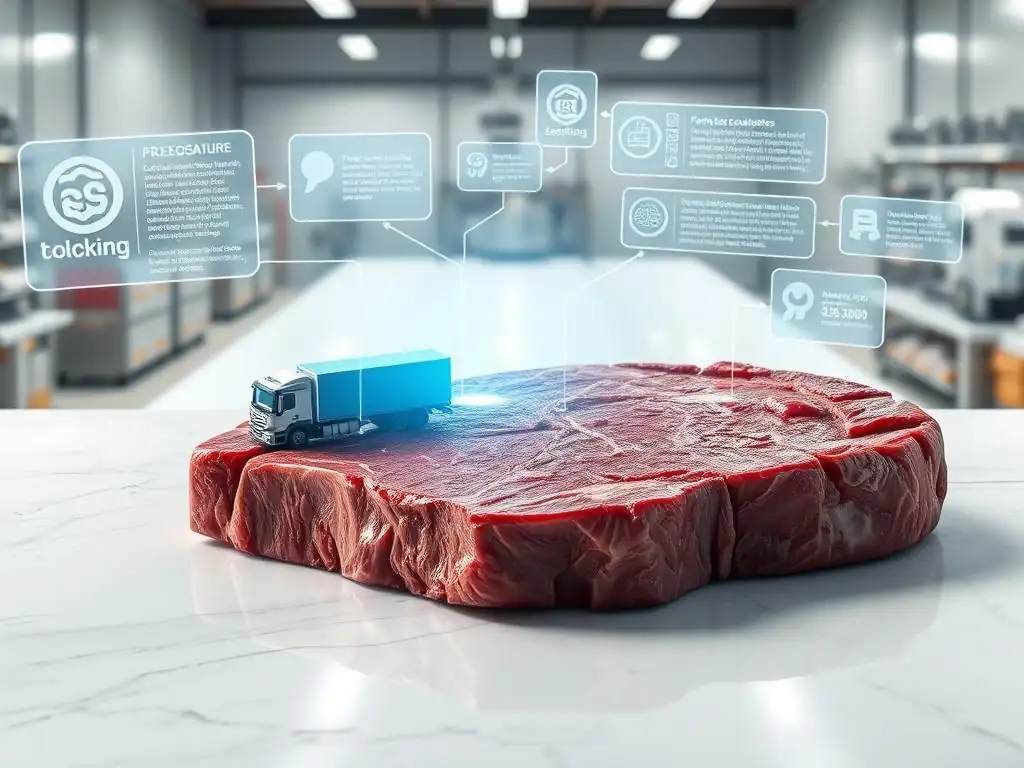
Implementing blockchain meat traceability solutions like those pioneered by BeefChain yields significant benefits across the supply chain, impacting safety, transparency, efficiency, and ultimately, profitability and consumer confidence. The results demonstrate a clear improvement over traditional methods.
Improved Food Safety and Reduced Recall Times
One of the most critical outcomes of enhanced blockchain beef traceability is the dramatic improvement in response time during food safety incidents. By having a complete, instantly searchable record of a product's journey, the source of contamination can be identified within minutes or hours, rather than days or weeks. This rapid traceback allows for much faster and more targeted recalls, limiting the scope of affected product and minimizing the risk to public health.
For example, pilot programs and case studies have shown a potential reduction in traceback time from an average of 6-7 days to as little as a few seconds. This speed is invaluable during a crisis.
Furthermore, the detailed data captured on the blockchain, including processing conditions and test results, provides regulators and companies with better information to understand how contamination might have occurred, facilitating preventative measures. The ability to isolate affected batches precisely also reduces the need for overly broad, costly recalls, saving companies significant amounts of money – potentially millions of dollars per major incident averted or reduced in scope.
Enhanced Transparency and Consumer Trust
Blockchain technology inherently promotes transparency by making verifiable information about a product's journey accessible (to authorized parties, including consumers). When consumers can scan a QR code on a package of beef and see details about its origin ranch, processing date, and certifications, it builds a powerful sense of trust. This level of verifiable transparency goes far beyond traditional labeling. Consumer surveys linked to products using blockchain meat traceability solutions have shown a significant uplift in reported trust levels compared to conventionally labeled products.
This enhanced trust translates into a willingness to purchase and potentially pay a premium for products with guaranteed provenance. Brands that adopt blockchain traceability differentiate themselves in the market, appealing to the growing segment of consumers who prioritize knowing the story behind their food. This verifiable transparency also benefits producers who adhere to high standards, allowing them to command better prices for their quality and ethical practices.
Increased Efficiency and Cost Savings
Beyond safety and trust, blockchain beef traceability drives operational efficiencies throughout the supply chain. The transition from manual data entry and fragmented systems to a shared, digital ledger reduces administrative burden and minimizes errors. Data reconciliation between different parties becomes faster and simpler. For instance, verifying shipments or confirming compliance details can be done by querying the blockchain rather than exchanging documents or making phone calls.
The automation potential offered by smart contracts further enhances efficiency, automating processes like compliance checks or triggering payments upon verification of delivery or quality metrics. While initial implementation costs exist, the long-term savings from reduced administrative overhead, faster recalls, minimized waste from unnecessary broad recalls, and potentially lower insurance premiums can be substantial. Some estimates suggest efficiency gains and cost reductions in the range of 10-15% or more for participants fully integrated into a blockchain meat traceability solutions network.
Quantifiable Metrics: Traceability Speed Improvement, Consumer Trust Scores
Specific quantifiable metrics highlight the impact of blockchain meat traceability solutions. Traceability speed is a key metric; as mentioned, pilot programs have demonstrated traceback times plummeting from days to seconds. For example, a test case involving tracing a specific cut of beef back to its source might take 4-7 days conventionally but only a few minutes on a blockchain system.
Consumer trust scores, often measured through surveys before and after exposure to blockchain-verified products, show tangible improvements. While specific figures vary, increases in consumer confidence regarding product authenticity and safety can range from 20% to 40% among informed consumers. Furthermore, metrics like the volume of product affected by recalls can be drastically reduced; a targeted recall based on precise blockchain data might involve only a few hundred pounds from a specific processing batch, compared to thousands or millions of pounds in a broad, untargeted recall based on less precise information.
The Role of Smart Contracts in Beef Provenance
Smart contracts are self-executing contracts with the terms of the agreement directly written into code. They run on the blockchain, automatically executing actions when predefined conditions are met. In blockchain beef traceability, smart contracts play a vital role in automating processes, enforcing rules, and ensuring data integrity without the need for intermediaries.
Automating Compliance and Verification Processes
Smart contracts can automate the verification of compliance at various stages of the beef supply chain. For example, a smart contract could automatically check if a transport vehicle maintained the required temperature range throughout a journey by reading data from connected IoT sensors. If the temperature deviates outside the allowed threshold, the contract could automatically flag the shipment as non-compliant, generate an alert, or prevent the next party in the chain from accepting the delivery on the blockchain ledger.
Another application is automating the verification of certifications. A smart contract can be programmed to check if all necessary conditions for a specific certification (e.g., organic status, antibiotic-free) have been met based on the data recorded on the blockchain (e.g., no antibiotic treatments logged, verification of organic feed sources). This automates audits and ensures that claims made about the beef product are automatically validated against the immutable data, enhancing the reliability of blockchain meat traceability solutions.
Ensuring Data Integrity and Immutability
While the blockchain itself provides immutability for recorded transactions, smart contracts can help ensure the integrity of the data before it is committed. Smart contracts can include validation logic that data must pass before being added to the ledger. For instance, a smart contract for logging a slaughter event might require specific fields like date, time, carcass ID, and inspector signature to be present and correctly formatted. If the data submission doesn't meet these criteria, the smart contract rejects it.
This automated validation layer reduces the risk of human error or malicious data entry. Once data is validated and recorded via a smart contract, it becomes part of the immutable blockchain ledger, accessible for all authorized parties. This robust data validation and recording process is a cornerstone of trustworthy blockchain beef traceability.
Streamlining Payment and Settlement Procedures
Smart contracts can also streamline financial transactions within the beef supply chain by automating payments based on verifiable events recorded on the blockchain. For example, a smart contract could be set up between a processor and a distributor where payment is automatically released from escrow once the blockchain confirms that a specific shipment of beef has been received and verified as meeting quality standards (based on recorded data).
This removes the need for manual invoicing, verification, and payment processing, reducing delays and administrative costs. It also increases trust between parties, as payment terms are transparently executed based on objective data recorded on the shared ledger. This financial automation adds another layer of efficiency to blockchain meat traceability solutions.
Challenges and Considerations for Blockchain Beef Traceability Implementation
While the benefits of blockchain meat traceability solutions are clear, their implementation is not without challenges. Addressing these issues is crucial for successful and widespread adoption across the beef industry.
Scalability and Interoperability Issues
One significant challenge is scalability. The beef supply chain involves millions of animals and billions of transactions annually. A blockchain platform needs to handle a high volume of data and transactions efficiently without becoming prohibitively slow or expensive. Permissioned blockchains like Hyperledger Fabric are generally more scalable than public ones, but designing the system to handle peak loads and process data from numerous sources remains a technical hurdle.
Interoperability is another key issue. The beef industry uses diverse legacy systems for managing farm data, processing, logistics, and retail. Integrating these disparate systems with a new blockchain platform requires significant development effort and standardization. Furthermore, achieving end-to-end traceability might require connecting different blockchain networks or systems used by various industry segments or across international borders, necessitating robust interoperability standards and protocols for blockchain meat traceability.
Data Privacy and Security Concerns
Although blockchain provides data immutability, privacy remains a concern, especially on shared ledgers. While permissioned blockchains offer more privacy than public ones, businesses may still be hesitant to share certain data points, even with known partners, for competitive reasons. Designing the system to ensure appropriate data segmentation and access control (e.g., using private channels on Fabric or zero-knowledge proofs) is essential.
Security is also paramount. While the blockchain ledger itself is highly secure, the points where data enters the system (oracles, IoT devices, user interfaces) are potential vulnerabilities. Ensuring the security of these data entry points and the cryptographic keys used to sign transactions is critical to prevent false data from entering the blockchain beef traceability system.
Regulatory Compliance and Standardization
Implementing blockchain meat traceability solutions must align with existing food safety regulations (e.g., FDA requirements in the US, EFSA in Europe) and traceability mandates. While blockchain can help meet and exceed these requirements, integrating the system with regulatory reporting mechanisms and ensuring compliance with data retention laws is necessary.
The lack of universal standards for blockchain in the food industry can also be a challenge. Different platforms and implementations may use varying data formats or protocols, hindering interoperability. Industry-wide collaboration is needed to develop common standards for blockchain beef traceability data capture, representation, and exchange to facilitate broader adoption and network effects.
Cost of Implementation and Ongoing Maintenance
The initial investment required to implement a blockchain meat traceability solution can be substantial. This includes costs for software development, infrastructure setup, integration with legacy systems, hardware (like RFID readers or IoT sensors), and training for personnel across the supply chain. For smaller producers or businesses, this upfront cost can be a significant barrier to adoption.
Ongoing maintenance costs, including managing the distributed network, software updates, and supporting users, also need to be considered. Demonstrating a clear return on investment (ROI) through improved efficiency, reduced recall costs, and increased consumer trust is essential to justify the expenditure and drive wider adoption of blockchain beef traceability solutions.
Future Trends in Blockchain-Based Beef Traceability Solutions
The field of blockchain meat traceability solutions is rapidly evolving, with several emerging trends poised to further enhance the capabilities and impact of these systems.
Integration with Artificial Intelligence (AI) and Machine Learning (ML)
Integrating blockchain data with AI and ML offers powerful possibilities for predictive analytics and process optimization in the beef supply chain. By analyzing the vast amount of data collected on the blockchain (e.g., health records, feed data, environmental conditions), AI algorithms could predict potential health issues in cattle, optimize feeding strategies, or identify patterns that correlate with higher quality grades.
ML models could also be used to detect anomalies in the traceability data that might indicate potential fraud or contamination risks, triggering alerts for human investigation. This integration moves blockchain beef traceability beyond just recording history to actively using that history for proactive decision-making and risk mitigation.
The Rise of Decentralized Autonomous Organizations (DAOs) in Food Supply Chains
Decentralized Autonomous Organizations (DAOs) offer a potential model for governing future food supply chain networks. A DAO is an organization represented by rules encoded as a transparent computer program, controlled by the organization members, and not influenced by a central government. In the context of blockchain beef traceability, a DAO could manage the shared network, define data standards, manage participant onboarding, and even handle dispute resolution based on the objective data recorded on the blockchain, creating a truly decentralized and collectively governed supply chain ecosystem.
This could foster greater collaboration and shared ownership among supply chain participants, ensuring the system operates for the collective benefit rather than being controlled by a single entity. While still nascent for complex physical supply chains, the DAO model represents a potential future direction for managing shared blockchain meat traceability solutions.
Expanding Blockchain Beef Traceability Globally
Currently, many blockchain meat traceability solutions operate within specific companies, consortia, or geographic regions. A major future trend is the expansion of these systems globally. This requires addressing the interoperability challenges mentioned earlier, creating networks that can seamlessly share data across borders and comply with diverse international regulations.
Global expansion would unlock significant benefits for international trade, providing importers and consumers worldwide with verifiable provenance information and enhancing food safety on a global scale. It would also facilitate the tracking of beef products from countries with stringent standards to markets that demand such assurances, further demonstrating the value proposition of blockchain beef traceability.
Conclusion: Blockchain's Transformative Impact on Beef Safety and Traceability
The case for adopting blockchain meat traceability solutions is compelling. As demonstrated by initiatives like BeefChain, blockchain technology provides a powerful framework for overcoming the inherent challenges of traditional beef supply chains, delivering enhanced transparency, improved safety, and increased efficiency.
Key Takeaways from the Case Study
The BeefChain case study illustrates that implementing blockchain traceability is feasible and offers tangible benefits. Key takeaways include the importance of unique animal identification, capturing data at every critical handoff point, leveraging a permissioned blockchain platform suitable for enterprise use (like Hyperledger Fabric), and the value of integrating technologies like IoT for automated data capture. The study underscores that while challenges exist, particularly around implementation costs and interoperability, the benefits in terms of faster traceback, increased consumer trust, and operational efficiencies are significant and measurable. These results highlight the potential of blockchain beef traceability to transform the industry.
The Potential for Wider Adoption of Blockchain Beef Traceability Solutions
Given the demonstrated benefits, the potential for wider adoption of blockchain meat traceability solutions across the global beef industry is substantial. As technology costs decrease, standards emerge, and successful case studies multiply, more producers, processors, distributors, and retailers are likely to invest in these platforms. Collaboration among industry stakeholders will be key to building the necessary networks and infrastructure. Regulatory bodies may also begin to mandate or incentivize the use of such advanced traceability systems, further accelerating adoption.
The drive for greater food safety, consumer demand for transparency, and the pursuit of supply chain efficiency are powerful forces pushing the industry towards embracing innovative solutions like blockchain beef traceability.
Securing the Future of Food Safety with Blockchain Technology
Ultimately, blockchain technology offers a path towards a more secure and trustworthy future for food safety in the beef supply chain. By creating an immutable, transparent record of provenance, it empowers consumers, enables faster responses to safety incidents, and holds supply chain participants accountable. While the journey to full, global implementation of blockchain meat traceability solutions is ongoing, the foundation has been laid, demonstrating that this technology is not just a theoretical concept but a practical tool capable of delivering significant value and helping to ensure the safety and integrity of the beef we consume.
Frequently Asked Questions
What are blockchain meat traceability solutions, and why are they important?
They are systems that use blockchain technology to track meat products from origin to consumer, ensuring traceability and improving food safety by providing a secure, immutable record of the supply chain.
How does blockchain enhance meat provenance compared to traditional methods?
Traditional methods are often fragmented and prone to errors. Blockchain's decentralized and transparent nature allows for a more reliable and verifiable record of each step in the meat supply chain, making it easier to identify and address potential issues.
What are some real-world applications of blockchain in the meat industry?
Examples include tracking the origin of cattle, monitoring transportation conditions, and verifying the authenticity of meat products to combat counterfeiting and ensure compliance with food safety regulations.
What are the challenges in implementing blockchain for meat traceability?
Challenges can include the cost of implementation, the need for industry-wide collaboration, and ensuring data privacy while maintaining transparency. Education and adoption by smaller producers is also key.
What is the future outlook for blockchain's role in the meat supply chain?
The future looks promising, with increasing adoption driven by consumer demand for transparency and food safety. Expect to see more sophisticated systems integrating with IoT devices and AI for enhanced traceability and efficiency.
Final Reflection: Embracing Transparency in Every Bite
The journey of meat from farm to fork is often shrouded in mystery, but the potential of blockchain meat traceability solutions to revolutionize this process is undeniable. What was once a complex and opaque system can now be transformed into a transparent and accountable ecosystem, ensuring both consumer safety and ethical sourcing. This shift is not just a technological advancement; it's a fundamental change in how we understand and interact with our food.
The impact of blockchain on the meat industry extends far beyond simple tracking. It fosters trust, empowers consumers with information, and incentivizes producers to adhere to higher standards. This pursuit of transparency resonates deeply with a growing desire for authenticity and ethical consumption. The future of food is traceability. Consumers want to know where their food comes from, how it was raised, and what its journey has been.
- Cathy Burns, CEO of the Produce Marketing Association. This quote encapsulates the driving force behind the adoption of blockchain and other traceability technologies, highlighting the importance of informed choices in a world increasingly concerned with sustainability and ethical practices.
As we move forward, let us embrace the power of technology to build a more transparent and trustworthy food system. Consider the implications of your food choices and actively seek out information about the origins and production methods of the meat you consume. By demanding transparency, you contribute to a future where every bite is a conscious and informed decision, supporting ethical practices and ensuring the safety and integrity of our food supply.
Uncover the Future of Food Safety!
Thank you for exploring the potential of blockchain technology to transform meat traceability. Now that you understand how it can promote safer and more transparent food systems, consider how you can contribute to this change.
Here are some actions you can take today:
- Demand Transparency: Support meat suppliers who openly share their provenance information through blockchain or other reliable methods. Your choices encourage the industry to prioritize transparency.
- Explore Blockchain Platforms: Look into existing blockchain applications for food traceability to gain firsthand experience of their benefits and limitations.
- Share This Knowledge: Help spread awareness about the importance of meat provenance and the role of blockchain by sharing this article with friends, family, and your online community.
What specific steps will you take to promote greater transparency in your food supply?
Leave a Reply