
The ROI of Blockchain in Supply Chain: Quantifying the Benefits and Justifying Investment

Welcome to Blockchain Trends, your premier source for understanding the revolutionary impact of blockchain technology. Are you ready to discover the real-world value of blockchain beyond the hype? This week, we delve into the critical question on everyone's mind: Can blockchain truly deliver tangible returns in supply chain management? Our in-depth Blockchain supply chain ROI analysis provides a data-driven perspective, quantifying the benefits and helping you justify the investment. Curious to see how blockchain can revolutionize your supply chain and boost your bottom line? Let's explore the possibilities...
The ROI of Blockchain in Supply Chain: Quantifying the Benefits and Justifying Investment
- Introduction: Understanding the Potential of Blockchain in Supply Chain Management
- Quantifying the Benefits: Key Areas of ROI in Blockchain Supply Chain Implementation
- Challenges in Measuring Blockchain Supply Chain ROI
- Justifying Investment: Building a Business Case for Blockchain in Supply Chain
- Blockchain Supply Chain ROI Analysis: Case Studies and Examples
- Future Trends in Blockchain and Supply Chain ROI
- Conclusion: Maximizing Blockchain Supply Chain ROI Through Strategic Implementation
-
Frequently Asked Questions
- What are some key benefits that a Blockchain supply chain offers, potentially leading to a positive ROI?
- How can a Blockchain supply chain ROI analysis help a company justify the initial investment in the technology?
- What are the main challenges in accurately conducting a Blockchain supply chain ROI analysis?
- Besides cost savings, what other factors should be considered when assessing the ROI of a Blockchain supply chain?
- How does regulatory compliance affect the ROI of Blockchain supply chain solutions?
- Final Reflection: Embracing Transparency and Trust
- Unleash Your Supply Chain's Potential: Invest in Blockchain Today!
Introduction: Understanding the Potential of Blockchain in Supply Chain Management
The Growing Need for Transparency and Efficiency in Supply Chains
Modern supply chains are increasingly complex, spanning multiple geographies, stakeholders, and systems. This complexity often leads to a lack of transparency, making it difficult to track goods accurately, verify their origin, and ensure ethical sourcing. Issues like counterfeiting, delays, and disputes arise frequently, costing businesses significant amounts annually. A report by McKinsey estimated that inefficiencies in supply chains can account for up to 30% of operating costs. Furthermore, consumers and regulators are demanding greater visibility into product journeys, from raw materials to final delivery, driven by concerns around sustainability, safety, and authenticity.
The traditional methods of managing supply chains, often relying on disparate databases, manual processes, and paper-based records, exacerbate these challenges. Information silos prevent real-time data sharing, leading to delays in decision-making and increased administrative overhead.
For instance, resolving a single shipping discrepancy can take days or weeks, involving multiple parties exchanging documents via email or fax. The lack of a single, trusted source of truth for supply chain data hinders efficiency, increases the risk of errors, and makes it challenging to optimize inventory levels and logistics, directly impacting the bottom line and highlighting the urgent need for more robust, interconnected solutions.
Blockchain Technology: A Solution for Supply Chain Challenges
Blockchain technology offers a decentralized, immutable, and transparent ledger system that can address many inherent challenges in traditional supply chains. By creating a shared, tamper-proof record of transactions and events across the network, blockchain provides unprecedented visibility and trust among participants who may not fully trust each other. Each transaction (e.g., a product changing hands, a quality check being performed) is recorded as a block, cryptographically linked to the previous one, creating a chain that is extremely difficult to alter. This distributed nature eliminates the need for a central authority, reducing bottlenecks and potential points of failure.
Implementing blockchain in supply chain management can transform operations by providing a single source of truth for all participants. This shared ledger allows for real-time tracking of goods, verification of authenticity, and automated execution of processes via smart contracts. For example, tracking the journey of a pharmaceutical product becomes significantly more reliable and faster, reducing the risk of counterfeit drugs entering the supply chain. The secure and transparent nature of blockchain helps build trust among suppliers, manufacturers, distributors, and retailers, fostering better collaboration and enabling more resilient and responsive supply chain networks capable of adapting quickly to disruptions.
Defining Blockchain Supply Chain ROI Analysis: Scope and Importance
Blockchain supply chain ROI analysis is the process of quantifying the financial and operational benefits derived from implementing blockchain technology within a supply chain, and comparing these benefits against the total investment costs. This analysis goes beyond simply looking at cost savings; it encompasses improvements in efficiency, speed, security, compliance, and trust, translating these qualitative aspects into measurable outcomes. Understanding the return on investment (ROI) is crucial for businesses considering blockchain adoption, as it provides the necessary justification for allocating resources and gaining buy-in from stakeholders.
A comprehensive blockchain supply chain ROI analysis requires identifying specific use cases within the supply chain where blockchain can deliver tangible value, such as improved traceability, reduced disputes, or faster payments. It involves establishing baseline metrics before implementation and measuring the impact after deployment. For example, analyzing the reduction in time spent on audits or the decrease in losses due to counterfeit goods directly contributes to calculating the ROI. A thorough ROI analysis helps organizations prioritize blockchain initiatives, manage expectations, and demonstrate the value proposition of this transformative technology to the business.
Quantifying the Benefits: Key Areas of ROI in Blockchain Supply Chain Implementation
Cost Reduction in Supply Chain Operations with Blockchain
Reducing Transaction Costs through Decentralization
Traditional supply chain transactions often involve intermediaries, such as banks or escrow services, to facilitate payments and ensure trust between parties. These intermediaries typically charge fees based on transaction volume or value. Blockchain, particularly with the use of cryptocurrencies or stablecoins for payments, can significantly reduce or eliminate these intermediary fees by enabling peer-to-peer transactions directly on the distributed ledger. This decentralization streamlines the payment process, making it faster and less expensive, especially in cross-border transactions where traditional banking fees can be substantial.
Beyond financial transactions, blockchain reduces the 'cost of trust' by providing a transparent and immutable record of all supply chain activities. This minimizes the need for costly audits, manual verification processes, and third-party validation services to ensure data integrity and compliance. For instance, a large enterprise might spend millions annually on audits and verification checks. By providing verifiable provenance and activity logs on a blockchain, these costs can be substantially reduced, contributing directly to a positive blockchain supply chain ROI.
Minimizing Errors and Discrepancies in Supply Chain Data
Manual data entry, siloed systems, and paper-based records are significant sources of errors and discrepancies in traditional supply chains. These errors can lead to incorrect shipments, billing disputes, production delays, and wasted resources. A study by the U.S. Commerce Department estimated that data errors cost businesses billions of dollars annually. Blockchain's shared, immutable ledger ensures that once data is recorded, it cannot be altered without the consensus of the network, drastically reducing the potential for errors and malicious manipulation.
By providing a single, accurate source of truth accessible to all permissioned participants, blockchain minimizes the time and resources spent on reconciling conflicting data and resolving disputes. For example, tracking a shipment across multiple carriers and storage points traditionally involves consolidating data from disparate systems, often leading to discrepancies in location, condition, or quantity. With blockchain, each handoff and status update is recorded immutably, providing a clear, verifiable history that reduces disputes and the associated administrative costs and delays, thereby improving blockchain supply chain ROI.
Lowering Inventory Management Costs with Improved Visibility
Poor visibility into inventory levels across the supply chain network often results in either stockouts (leading to lost sales and expedited shipping costs) or excess inventory (tying up capital and incurring storage costs). Traditional inventory management systems struggle to provide real-time, end-to-end visibility, particularly when goods are in transit or held by third parties. This lack of accurate data makes demand forecasting and inventory optimization challenging.
Blockchain, integrated with IoT devices, can provide real-time, granular visibility into the location, condition, and quantity of goods at every stage of the supply chain. This improved transparency allows businesses to maintain optimal inventory levels, reducing carrying costs associated with excess stock. For example, tracking high-value goods like electronics or pharmaceuticals with blockchain enables companies to know exactly where every unit is, minimizing the need for safety stock buffers and reducing losses due to expired or misplaced inventory. This direct impact on working capital and operational expenses is a key component of blockchain supply chain ROI.
Increased Efficiency and Speed in Supply Chain Processes
Streamlining Supply Chain Operations with Smart Contracts
Smart contracts are self-executing contracts with the terms of the agreement directly written into code. Deployed on a blockchain, they automatically trigger actions when predefined conditions are met, such as releasing payment upon confirmation of goods delivery or updating inventory records when a shipment arrives. This automation eliminates manual steps, reduces processing times, and minimizes the need for intermediaries to enforce contract terms.
The application of smart contracts can significantly accelerate various supply chain processes, from order placement and fulfillment to payments and dispute resolution. For instance, triggering payments automatically upon proof of delivery, recorded on the blockchain, can reduce payment cycles from weeks to days or even hours. This speeds up cash flow for suppliers and reduces the administrative burden on accounts payable departments. The operational efficiency gained through smart contract automation is a major driver for improving blockchain supply chain ROI.
Accelerating Traceability and Verification of Goods
In traditional supply chains, tracing the origin and journey of a product can be a time-consuming and cumbersome process, often involving sifting through numerous paper documents and disparate electronic records. Recalls, quality investigations, or verification for authenticity can take days or weeks, leading to significant costs and potential damage to brand reputation.
Blockchain enables near-instantaneous traceability by providing a complete, transparent, and easily searchable history of a product's journey on the distributed ledger. Each touchpoint, from raw material sourcing to manufacturing, packaging, and distribution, is recorded. In the event of a recall, for example, a company can identify affected batches and their locations within minutes, significantly reducing the time and cost associated with the process. This accelerated traceability not only improves operational efficiency but also enhances consumer safety and trust, contributing to the overall blockchain supply chain ROI.
Enhancing Collaboration and Communication Among Stakeholders
Effective collaboration and timely communication are essential for a well-functioning supply chain. However, traditional systems often create information silos, making it difficult for different stakeholders—suppliers, manufacturers, logistics providers, distributors, retailers—to share information seamlessly and in real time. This lack of unified communication leads to delays, misunderstandings, and inefficiencies.
Blockchain provides a shared, permissioned ledger that serves as a single source of truth for all network participants. This allows stakeholders to access relevant, real-time information about the status of goods, transactions, and events, fostering greater transparency and trust. By providing a common platform for data sharing and interaction, blockchain facilitates improved coordination and communication, enabling faster decision-making and more agile responses to disruptions. This enhanced collaboration, driven by shared visibility, directly contributes to operational efficiency and strengthens the case for blockchain supply chain ROI.
Enhanced Security and Trust in Supply Chain Networks
Preventing Counterfeiting and Fraudulent Activities
Counterfeiting and fraud are major issues in many supply chains, leading to significant financial losses, brand damage, and potential safety risks, particularly in industries like pharmaceuticals, luxury goods, and electronics. The opaque nature of traditional supply chains makes it difficult to verify the authenticity of products as they move through various stages.
Blockchain's inherent security features, including cryptographic hashing and immutability, make it extremely difficult for counterfeit products or fraudulent transactions to go undetected. By assigning unique digital identities to products or batches and recording their movement on the blockchain, companies can create a verifiable chain of custody. Consumers or businesses can scan a QR code linked to the blockchain record to verify a product's authenticity and origin. This capability significantly deters counterfeiters and protects brand integrity, contributing to a positive blockchain supply chain ROI by preventing revenue loss and preserving brand value.
Improving Data Integrity and Security with Immutable Records
Data security and integrity are paramount in supply chains, yet traditional systems are vulnerable to data breaches, manipulation, and unauthorized access. Compromised or inaccurate data can lead to incorrect shipments, financial losses, and compliance failures. Maintaining data integrity across multiple disparate systems is a constant challenge.
Blockchain's distributed and immutable nature ensures that data recorded on the ledger is highly secure and tamper-proof. Once a transaction or data point is added to the blockchain, it cannot be altered or deleted without the consensus of the network, making it virtually impossible for malicious actors to compromise the data.
This enhanced data integrity provides a reliable foundation for all supply chain operations, from tracking inventory to processing payments. The reduced risk of data breaches and manipulation contributes to operational stability and reduces potential costs associated with data recovery or rectifying errors, further supporting the blockchain supply chain ROI.
Building Trust and Transparency with Blockchain-Based Provenance
Lack of trust among supply chain partners is a common challenge, often leading to cautious interactions, redundant checks, and reliance on intermediaries. Suppliers may not trust manufacturers' inventory reports, and retailers may question the origin or handling of goods from distributors. This lack of trust slows down processes and increases operational friction.
Blockchain-based provenance provides a transparent, verifiable history of a product's journey and the actions taken by each participant. By recording every step on an immutable ledger, blockchain creates a high level of transparency that builds trust among stakeholders. Participants can verify the actions of their partners and have confidence in the data they see.
This enhanced trust facilitates smoother collaboration, faster transactions, and reduced reliance on costly third-party verifiers. The ability to demonstrate verifiable provenance also builds trust with end-consumers, potentially leading to increased sales and brand loyalty, which are valuable, albeit sometimes harder to quantify, aspects of blockchain supply chain ROI.
Improved Compliance and Regulatory Adherence
Simplifying Audits and Reporting with Blockchain Data
Compliance with industry regulations and governmental mandates is a critical, yet often complex and time-consuming, aspect of supply chain management. Audits and reporting require compiling data from various sources, which can be challenging when records are scattered or inconsistent. Failing to meet compliance requirements can result in hefty fines and legal penalties.
Blockchain streamlines the audit and reporting process by providing a complete, tamper-proof, and easily accessible record of all relevant supply chain activities. Auditors can access the immutable ledger to verify transactions, trace product movements, and confirm compliance with regulations much faster and more efficiently than with traditional methods. This reduces the time and cost associated with audits and minimizes the risk of non-compliance due to inaccurate or incomplete records. Studies suggest that blockchain can reduce audit time by a significant margin, sometimes by over 50%, offering a clear financial benefit in a blockchain supply chain ROI analysis.
Ensuring Compliance with Industry Regulations and Standards
Many industries have specific regulations regarding traceability, quality control, and ethical sourcing. For example, the pharmaceutical industry has strict requirements for tracking drugs to prevent counterfeiting and ensure patient safety. The food industry faces increasing pressure to demonstrate responsible sourcing and provide rapid traceability in case of outbreaks. Ensuring adherence to these diverse and evolving standards across a complex supply chain is challenging.
Blockchain provides a robust framework for ensuring compliance by creating a verifiable record of adherence to specific protocols or standards. Smart contracts can be programmed to enforce compliance rules automatically, such as ensuring that goods are stored within a specific temperature range (recorded via IoT sensors and logged on the blockchain) or that a supplier has the necessary certifications. This automated enforcement and verifiable record-keeping significantly reduce the risk of non-compliance and the associated penalties and reputational damage, contributing positively to the blockchain supply chain ROI.
Facilitating Traceability for Product Recalls and Safety Measures
Product recalls are costly, disruptive, and potentially damaging events. The speed and accuracy with which a company can identify affected products, locate them in the supply chain, and initiate a recall process are critical for minimizing harm to consumers and protecting the brand. Traditional traceability methods often slow down this process considerably.
Blockchain-powered traceability allows for rapid identification of the origin and distribution path of affected products. By tracing the immutable records on the ledger, companies can pinpoint exactly which batches are affected, where they were shipped, and who received them within minutes, compared to hours or days with legacy systems. This accelerated recall process reduces the scope of the recall, minimizes losses from unsaleable inventory, and most importantly, enhances consumer safety. The ability to execute faster, more targeted recalls is a significant, quantifiable benefit when calculating the blockchain supply chain ROI.
Challenges in Measuring Blockchain Supply Chain ROI
Data Collection and Integration Challenges
One of the primary hurdles in accurately measuring blockchain supply chain ROI is the challenge of collecting and integrating data from disparate systems across the supply chain network. While blockchain provides a single source of truth for the data recorded on it, existing legacy systems (ERPs, WMS, TMS, etc.) often hold crucial baseline data and continue to operate alongside the blockchain. Extracting relevant data from these systems and integrating it seamlessly with blockchain data to establish comprehensive metrics can be complex and require significant development effort.
Furthermore, ensuring data quality and standardization before it is recorded on the blockchain is critical. "Garbage in, garbage out" applies here; if inaccurate data from an upstream source is recorded, the immutable record will reflect that inaccuracy, potentially skewing ROI calculations. Establishing data governance policies and investing in integration middleware or APIs are necessary steps, but they add to the initial investment and complexity of performing a robust blockchain supply chain ROI analysis.
Defining Key Performance Indicators (KPIs) for Blockchain Supply Chain Success
Defining the right Key Performance Indicators (KPIs) is crucial for measuring the success and ROI of any technology implementation, and blockchain is no exception. However, translating the unique benefits of blockchain—like enhanced trust or immutability—into quantifiable metrics can be challenging. Traditional supply chain KPIs (e.g., on-time delivery, inventory turnover) may not fully capture the value generated by blockchain's specific capabilities.
Organizations need to identify KPIs that directly reflect the impact of blockchain on specific use cases. Examples might include reduction in dispute resolution time, decrease in counterfeit incidents, acceleration of payment cycles, or improvement in audit preparation time. Establishing baseline metrics for these specific KPIs before blockchain implementation is essential. Without clearly defined and measurable KPIs, demonstrating the tangible benefits and calculating the blockchain supply chain ROI becomes subjective and difficult to justify to stakeholders.
Attributing ROI Directly to Blockchain Implementation
In a complex supply chain environment where multiple technology initiatives might be underway simultaneously (e.g., IoT adoption, AI for forecasting, system upgrades), attributing specific improvements and cost savings solely to the blockchain implementation can be challenging. Operational efficiencies or cost reductions might be the result of a combination of these initiatives, making it difficult to isolate the precise impact of blockchain.
To accurately attribute ROI, it's important to design the blockchain implementation as a controlled project where possible, with clear scope and measurable objectives tied specifically to blockchain's capabilities. Baseline data should be collected for the specific processes targeted by the blockchain solution, and post-implementation data should be compared against this baseline, controlling for other variables where feasible. A careful, segmented approach to measuring the impact on specific workflows or product lines can help in more confidently attributing the observed benefits to the blockchain deployment and calculating a more accurate blockchain supply chain ROI.
Overcoming Resistance to Change and Technology Adoption
Implementing blockchain requires significant changes to existing processes, workflows, and potentially even business relationships. Resistance to change from employees, partners, and suppliers who are comfortable with existing systems or wary of new technology can be a major impediment. This resistance can slow down adoption, hinder data sharing, and ultimately impact the realization of potential benefits, making it harder to achieve the projected blockchain supply chain ROI.
Addressing resistance requires clear communication about the benefits of blockchain, providing adequate training and support, and demonstrating the value proposition to all stakeholders. Pilot programs focused on specific, high-impact use cases can help build confidence and showcase the technology's capabilities in a controlled environment. Gaining buy-in from key partners is also crucial, as the network effect is vital for blockchain's success in a multi-party supply chain. Overcoming these human and organizational challenges is as critical as the technology itself for realizing the full potential and ROI of blockchain in supply chain.
Justifying Investment: Building a Business Case for Blockchain in Supply Chain
Identifying Specific Supply Chain Pain Points and Opportunities
The first step in building a compelling business case for blockchain is to clearly identify the most pressing pain points and significant opportunities within the existing supply chain that blockchain is uniquely positioned to address. This involves a thorough analysis of current operations to pinpoint areas suffering from inefficiency, lack of transparency, high costs due to errors or fraud, or compliance challenges. For example, a pharmaceutical company might identify the risk of counterfeiting or the complexity of recall management as major pain points, while a food producer might focus on improving traceability for food safety and consumer trust.
By focusing on specific, well-defined problems, the proposed blockchain solution can be tailored to deliver targeted benefits. This approach makes the value proposition clearer and the potential ROI easier to estimate. Instead of proposing blockchain as a general solution, framing it as a tool to solve specific problems—like reducing the average time to resolve a shipping dispute by X% or decreasing losses from expired goods by Y%—provides concrete objectives for the investment and forms the foundation for a robust blockchain supply chain ROI analysis.
Developing a Clear Blockchain Implementation Strategy
A successful blockchain implementation requires a clear, phased strategy that outlines the scope, technology choices, integration plan, and governance model. This isn't just about selecting a blockchain platform; it involves defining which specific processes will be migrated or enhanced, how data will be onboarded, who will participate in the network, and how the project will be managed. A poorly planned implementation can lead to delays, cost overruns, and failure to achieve the desired outcomes, negatively impacting the potential blockchain supply chain ROI.
The strategy should include a realistic timeline, resource allocation, and a plan for integrating the blockchain solution with existing legacy systems. It should also address the crucial aspect of network participation, outlining how partners will be onboarded and incentivized to join. A pilot program focusing on a limited scope or a specific set of partners is often a prudent first step to test the technology and validate the business case before a wider rollout. A well-defined strategy demonstrates a clear path to achieving the targeted benefits and justifies the investment required for successful deployment.
Estimating the Potential ROI Based on Specific Use Cases
Once pain points are identified and an implementation strategy is in place, the next critical step is to estimate the potential ROI by quantifying the expected benefits for the chosen use cases and comparing them against the estimated costs. This requires translating operational improvements (like reduced processing time or improved accuracy) into financial terms (like cost savings, revenue increases, or risk mitigation). For instance, if blockchain is expected to reduce the time spent on manual document verification by 10 hours per week for a team of five, the salary cost savings can be calculated.
This estimation should be realistic and based on available data or industry benchmarks. It involves forecasting the costs of technology development or subscription, integration, training, and ongoing maintenance, and comparing these against the projected savings or gains from areas like reduced fraud, faster payments, lower administrative overhead, or improved compliance. A detailed blockchain supply chain ROI analysis involves sensitivity analysis to understand how changes in key assumptions might impact the overall return, providing a more robust justification for the investment.
Comparing Blockchain to Traditional Supply Chain Solutions
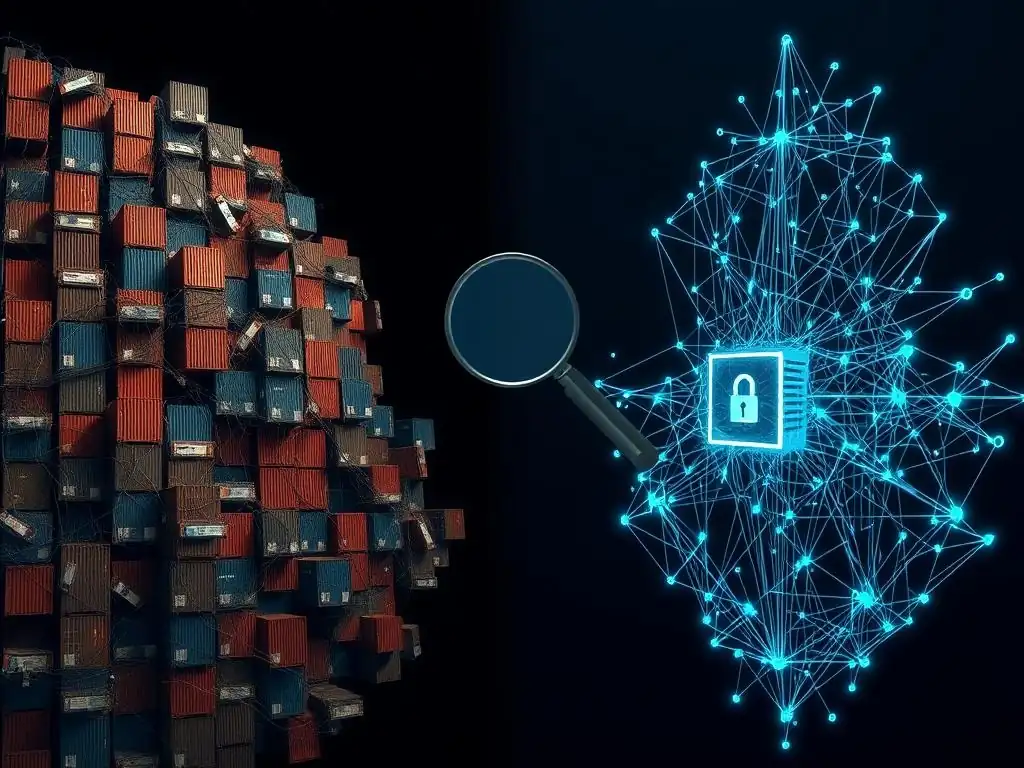
When justifying investment in blockchain, it is essential to compare its capabilities and potential ROI against traditional solutions or alternative technologies. Stakeholders will want to understand why blockchain is the best solution for the identified pain points compared to, for example, upgrading existing databases, implementing advanced analytics, or using traditional EDI systems. While these technologies offer benefits, they often lack the unique combination of decentralization, immutability, and inherent trust that blockchain provides.
Highlighting the limitations of traditional systems in addressing issues like multi-party trust, data immutability for provenance, or truly decentralized data sharing strengthens the case for blockchain. For instance, while a centralized database can track goods internally, it doesn't provide verifiable, tamper-proof data for external partners or consumers in the same way a blockchain does. Demonstrating how blockchain uniquely solves specific problems, often more effectively or cost-efficiently in the long run than traditional methods, is key to building a convincing business case and demonstrating the potential blockchain supply chain ROI.
Demonstrating the Long-Term Value of Blockchain Investment
The benefits of blockchain in supply chain often extend beyond immediate cost savings and efficiency gains. The long-term value includes enhanced resilience, improved ability to adapt to regulatory changes, stronger relationships with supply chain partners built on trust and transparency, and the potential for creating new business models or revenue streams based on verifiable data. Demonstrating this long-term strategic value is crucial for securing investment, as blockchain is not merely a tactical fix but a foundational technology.
Articulating how blockchain positions the organization for future growth, enhances its competitive advantage, and improves its reputation for reliability and ethical practices adds significant weight to the business case. While quantifying these long-term benefits precisely can be challenging, they are vital components of the overall value proposition. Including these strategic advantages in the blockchain supply chain ROI analysis, even if discussed qualitatively alongside quantitative metrics, provides a more complete picture of the investment's worth.
Blockchain Supply Chain ROI Analysis: Case Studies and Examples
Case Study 1: Pharmaceutical Industry - Tracking Vaccines with Blockchain
Tracking sensitive goods like vaccines requires stringent temperature controls, secure handling, and precise traceability to prevent spoilage, theft, or the introduction of counterfeit products. Traditional methods often involve manual logging and fragmented systems, making end-to-end visibility difficult. A major pharmaceutical company piloted a blockchain solution to track vaccine shipments from manufacturing to distribution centers, focusing on maintaining temperature integrity and providing verifiable proof of handling.
The pilot integrated IoT temperature sensors with a blockchain platform, automatically recording temperature data and location updates at each stage. Smart contracts were used to trigger alerts if temperature thresholds were breached and to automate quality checks upon arrival.
The results showed a significant reduction in the time required to verify shipment conditions (from hours to minutes) and a notable decrease in losses due to temperature excursions. While specific figures vary by deployment, early indicators from such pilots suggest potential savings of up to 15-20% on logistics costs related to spoilage and compliance checks, demonstrating a clear area for positive blockchain supply chain ROI.
Case Study 2: Food & Beverage Industry - Improving Seafood Traceability with Blockchain
Traceability in the seafood industry is critical for ensuring sustainability, combating illegal fishing, and verifying authenticity for consumers. However, complex global supply chains often obscure the origin and journey of seafood. A consortium of companies, including major retailers and producers, implemented a blockchain platform to track seafood from the point of catch to the consumer.
The platform recorded data such as catch location, species, vessel information, processing details, and transport logs on the blockchain. This provided an immutable record accessible to all participants. The benefits observed included a dramatic reduction in the time needed to trace a product back to its origin (from weeks to seconds), improved data accuracy regarding species and catch methods, and enhanced consumer trust through verifiable provenance information available via a simple scan.
While exact ROI figures are often proprietary, the ability to prove sustainable sourcing can command a price premium, and the reduction in time spent on audits and investigations offers tangible cost savings, contributing to the blockchain supply chain ROI. For example, improving traceability can potentially reduce losses from foodborne illness outbreaks or recalls, which cost the industry billions annually.
Analyzing the ROI Metrics from Real-World Blockchain Deployments
Analyzing ROI from real-world blockchain deployments provides valuable insights into the tangible benefits achievable. While precise figures are often confidential, published reports and case studies highlight key metrics that demonstrate value. Common metrics include:
- Reduction in administrative costs: Often cited reductions range from 10% to 30% due to automation of processes like payment, reconciliation, and data verification.
- Improved dispute resolution time: Cases show dispute resolution times decreasing by 50% or more by providing a single, verifiable record.
- Decreased losses from fraud/counterfeiting: While hard to quantify precisely, some high-value goods sectors report potential loss reductions of significant percentages through enhanced authenticity verification.
- Accelerated payment cycles: Smart contracts can reduce payment times from weeks to days, freeing up working capital.
- Faster traceability: Recall or investigation times can drop from days/weeks to minutes/seconds.
- Reduced audit costs: Streamlined data access on blockchain can cut audit preparation and execution time, potentially reducing costs by over 20%.
These examples, though often based on pilot programs or early deployments, illustrate the potential areas where blockchain delivers measurable benefits, providing a strong foundation for a detailed blockchain supply chain ROI analysis.
Future Trends in Blockchain and Supply Chain ROI
The Evolution of Blockchain Platforms for Supply Chain Management
Blockchain technology is continuously evolving, with new platforms and features emerging that are specifically tailored for enterprise and supply chain use cases. Early blockchain implementations often faced challenges related to scalability, interoperability, and ease of use. However, newer platforms are addressing these limitations, offering higher transaction throughput, lower latency, and more flexible permissioning options suitable for complex business networks.
Future trends include the development of specialized supply chain blockchain protocols that incorporate features like enhanced data privacy (e.g., zero-knowledge proofs), more sophisticated smart contract capabilities, and easier integration with existing ERP and IoT systems. These advancements will make blockchain solutions more performant, cost-effective, and easier to deploy, potentially lowering implementation costs and accelerating the realization of benefits, thereby improving the overall blockchain supply chain ROI for adopting companies. The maturation of these platforms will make blockchain a more viable and attractive option for a wider range of supply chain applications.
The Impact of IoT and AI on Blockchain Supply Chain ROI
The convergence of blockchain with other transformative technologies like the Internet of Things (IoT) and Artificial Intelligence (AI) is set to significantly enhance the potential ROI in supply chain management. IoT devices (sensors, trackers, etc.) can collect real-time data on location, temperature, humidity, and other conditions, which can then be immutably recorded on the blockchain, providing a rich, verifiable dataset.
AI can then analyze this blockchain-verified IoT data to provide predictive insights, optimize routes, forecast demand more accurately, or identify potential issues before they occur. For example, AI analyzing temperature data from IoT sensors on a blockchain could predict the risk of spoilage for a specific shipment. This integration creates a powerful synergy: IoT provides the data, blockchain provides the trusted record, and AI provides the intelligence. This leads to more efficient operations, reduced waste, proactive problem-solving, and ultimately, a greater blockchain supply chain ROI than any of these technologies could achieve in isolation.
The Role of Standardization and Interoperability in Maximizing ROI
The lack of widespread standardization and interoperability among different blockchain platforms and supply chain networks is currently a barrier to maximizing ROI. As multiple companies and consortia develop their own blockchain solutions, ensuring that these different networks can communicate and exchange data seamlessly becomes crucial for true end-to-end supply chain visibility. Without interoperability, data silos can simply be moved from traditional systems to different blockchain networks.
Efforts towards developing industry standards and interoperability protocols for blockchain in supply chain are gaining momentum. As these standards are established and adopted, it will become easier for companies to connect their blockchain solutions with those of their partners, creating more expansive and valuable networks. This network effect is critical for realizing the full potential of blockchain. Increased interoperability will reduce the complexity and cost of integrating with multiple partners, accelerate adoption, and unlock greater efficiencies and transparency across the entire global supply chain ecosystem, thereby significantly boosting the achievable blockchain supply chain ROI.
Conclusion: Maximizing Blockchain Supply Chain ROI Through Strategic Implementation
Key Takeaways for Successful Blockchain Supply Chain ROI Analysis
Achieving a positive blockchain supply chain ROI requires a strategic and methodical approach. Key takeaways include:
- Clearly defining specific supply chain pain points that blockchain can solve.
- Selecting the right use case for a pilot program to demonstrate value quickly.
- Establishing clear, measurable KPIs before implementation.
- Collecting robust baseline data for comparison.
- Building a strong business case based on quantifiable benefits and costs.
- Ensuring data quality and integration with existing systems.
- Gaining buy-in and fostering collaboration among all supply chain partners.
- Planning for integration with other technologies like IoT and AI.
- Considering the long-term strategic value beyond immediate cost savings.
[x] Identify specific pain points
[x] Define clear KPIs
[x] Collect baseline data
[x] Estimate potential ROI
[x] Build business case
[x] Plan integration
[x] Engage partners
[x] Consider technology convergence
[x] Assess long-term value
The Future of Blockchain in Transforming Global Supply Chains
The future of blockchain in global supply chains is promising. As the technology matures, standards emerge, and integration with IoT and AI deepens, blockchain will become increasingly foundational to how goods are tracked, verified, and transacted worldwide. We can expect to see more widespread adoption across various industries, driven by the proven ability to enhance transparency, efficiency, security, and trust. Blockchain is set to move from pilot projects to full-scale production deployments, transforming complex, opaque networks into interconnected, intelligent, and highly reliable ecosystems.
This transformation will not only optimize existing processes but also enable entirely new business models, such as tokenized assets representing goods, fractional ownership of shipments, or dynamic pricing based on real-time, verifiable supply chain conditions. The focus will shift from simply tracking goods to creating truly intelligent, self-managing supply chains powered by blockchain. The potential for significant blockchain supply chain ROI will continue to grow as the technology becomes more accessible, scalable, and integrated into the fabric of global trade.
Call to Action: Explore Blockchain Solutions for Your Supply Chain
Are you ready to unlock the transformative potential of blockchain for your supply chain? Begin by identifying your most critical pain points and exploring how blockchain's unique capabilities can address them.
Consider a pilot program focused on a specific, high-impact use case, such as enhancing product traceability or automating payments with smart contracts.
Engage with technology providers and industry consortia specializing in blockchain for supply chain solutions. Start building your business case today by quantifying the potential benefits and estimating the investment required. Don't wait to explore how a strategic blockchain implementation can drive significant improvements in efficiency, security, trust, and ultimately, deliver a compelling blockchain supply chain ROI for your organization.
Frequently Asked Questions
What are some key benefits that a Blockchain supply chain offers, potentially leading to a positive ROI?
A blockchain supply chain offers increased transparency and traceability of goods, which can lead to reduced counterfeiting and improved efficiency across the supply chain. This can result in significant cost savings.
How can a Blockchain supply chain ROI analysis help a company justify the initial investment in the technology?
The ROI analysis provides a quantifiable assessment of the financial benefits, such as reduced costs and increased revenue, compared to the initial investment in blockchain implementation. This helps demonstrate the value proposition.
What are the main challenges in accurately conducting a Blockchain supply chain ROI analysis?
Gathering reliable data across the entire supply chain and accurately predicting the long-term benefits of blockchain integration can be difficult. Also, understanding the impact of network effects is complex.
Besides cost savings, what other factors should be considered when assessing the ROI of a Blockchain supply chain?
Consider factors such as improved brand reputation, enhanced customer trust, and the potential for new business models enabled by blockchain technology. These are often difficult to quantify directly in monetary terms.
How does regulatory compliance affect the ROI of Blockchain supply chain solutions?
Compliance with regulations like data privacy laws can be simplified and automated with blockchain, potentially reducing compliance costs and legal risks, ultimately improving the ROI of the solution.
Final Reflection: Embracing Transparency and Trust
The journey through understanding the ROI of blockchain in supply chain reveals a crucial truth: transparency and trust are no longer optional, but essential for survival in today's interconnected world. The potential for increased efficiency, reduced fraud, and enhanced traceability that blockchain offers is not just a technological advancement, but a fundamental shift in how we approach global commerce.
The impact of blockchain on supply chains extends far beyond mere cost savings; it's about building resilient and ethical systems. Witnessing the growing adoption of blockchain solutions underscores its transformative power, not just in streamlining operations but also in fostering greater accountability and consumer confidence. The future of supply chains is not just about moving goods faster and cheaper, but about building trust and transparency into every step of the process.
This quote encapsulates the profound shift we are experiencing, a move towards a more responsible and sustainable global economy.
As you reflect on the potential of blockchain to revolutionize supply chains, consider how you can champion this change within your own sphere of influence. Embrace the opportunity to explore, experiment, and advocate for solutions that prioritize transparency, efficiency, and ethical practices. The future of supply chain management is being written now, and your contribution can help shape a more trustworthy and prosperous world for all.
Unleash Your Supply Chain's Potential: Invest in Blockchain Today!
Thank you for exploring the return on investment of blockchain in supply chain management. We hope you now have a clearer understanding of the tangible benefits and how to justify the investment. Are you ready to turn this knowledge into action?
Here are some practical steps to get started:
- Develop a pilot blockchain project to test its effectiveness and estimate potential savings within your supply chain.
- Review recent case studies to learn innovative implementation strategies and avoid common pitfalls.
- Share this article with colleagues and start a discussion on how blockchain can transform your organization’s supply chain practices.
What will be your first step toward integrating blockchain into your supply chain after reading this article? Share your plans in the comments below!
Leave a Reply