
Beyond Tracking: A Blockchain Case Study in Enhancing Efficiency in Shipping and Freight


Welcome to Blockchain Trends, your compass in the ever-evolving landscape of decentralized technology. Beyond the hype surrounding cryptocurrencies, blockchain is quietly revolutionizing industries. But how exactly is this happening? Dive in and discover the answer with our in-depth Blockchain shipping efficiency case study, a compelling example of how this technology is streamlining supply chains and reshaping global trade. Explore further to unlock the potential of blockchain and its transformative power!
Beyond Tracking: A Blockchain Case Study in Enhancing Efficiency in Shipping and Freight
- Introduction: Revolutionizing Shipping with Blockchain - A Maersk Case Study Perspective
- The Challenge: Pain Points in Traditional Shipping and Freight Processes
- The Solution: Implementing Blockchain for Shipping and Freight Optimization
- Case Study: Maersk & Blockchain-Driven Shipping Efficiency
- Analyzing the Impact: Benefits of Blockchain in Shipping and Freight
- Overcoming Challenges: Addressing Potential Roadblocks to Blockchain Adoption
- Future Trends: The Evolving Landscape of Blockchain in Shipping
- Conclusion: Blockchain - A Catalyst for Shipping Efficiency and Innovation
-
Frequently Asked Questions
- How does blockchain technology improve shipping efficiency beyond just tracking goods?
- What are some specific examples of enterprise applications of blockchain in the shipping industry?
- How is blockchain impacting the regulatory landscape of the shipping and freight industry?
- What is a "Blockchain Shipping Efficiency Case Study" and why is it important?
- What is the future of decentralized systems in the context of shipping and logistics?
- Final Reflection: Embracing Transparency in Global Trade
- Unlock Freight Efficiency: Take the Next Leap with Blockchain!
Introduction: Revolutionizing Shipping with Blockchain - A Maersk Case Study Perspective
The Growing Need for Efficiency in Global Shipping and Freight
The global shipping and freight industry forms the backbone of international trade, facilitating the movement of trillions of dollars' worth of goods each year. However, this complex ecosystem is often plagued by inefficiencies stemming from outdated manual processes, fragmented communication, and a lack of real-time visibility across countless stakeholders – including carriers, ports, customs authorities, and shippers.
These inefficiencies translate directly into increased costs, longer transit times, and a higher risk of errors and disputes. The sheer volume of transactions and the number of parties involved amplify these challenges, making the pursuit of enhanced efficiency a critical imperative for the industry's sustainability and growth.
Improving efficiency in this sector is not merely about speed; it's about optimizing resource utilization, reducing waste, and ensuring the reliable flow of goods. The traditional reliance on extensive paper documentation, estimated to involve up to 200 communications and 25 different parties per shipment, highlights the scale of the administrative burden. This manual handling creates bottlenecks at ports, increases the likelihood of delays, and makes responding quickly to unforeseen disruptions incredibly difficult. Therefore, the industry is actively seeking transformative solutions to streamline operations and build more resilient supply chains.
Introducing Blockchain Technology for Enhanced Supply Chain Management
Blockchain technology, initially popularized by cryptocurrencies, offers a decentralized, immutable ledger that records transactions across a network of computers. Its core characteristics – transparency, security, and tamper-proof records – make it uniquely suited for environments where multiple parties need to share and trust information without relying on a single central authority. In the context of supply chain management, blockchain provides a shared, single source of truth regarding the status and movement of goods, eliminating the need for manual reconciliation and reducing the potential for conflicting information.
Implementing blockchain in supply chains enables participants to access and update relevant data in real-time, enhancing visibility and coordination. Unlike traditional databases, changes to the blockchain are cryptographically secured and visible to all authorized participants, fostering trust and accountability. This foundational technology allows for the digitization and automation of processes that were previously manual and paper-based, such as documentation handling, customs clearance, and payment processing. The potential for a blockchain shipping efficiency case study to demonstrate these benefits is significant.
Why Focus on a Blockchain Shipping Efficiency Case Study?
Focusing on a specific blockchain shipping efficiency case study provides concrete evidence of the technology's practical application and impact. While the theoretical benefits of blockchain in supply chain are widely discussed, a real-world example demonstrates how these benefits translate into tangible improvements in operational efficiency, cost reduction, and risk mitigation. A case study allows for a detailed examination of the challenges faced by a major industry player and how blockchain was implemented as a solution, providing valuable insights for others considering similar adoptions.
Furthermore, a detailed Blockchain shipping efficiency case study like that of Maersk and the TradeLens platform offers quantifiable results and lessons learned from implementation. It moves beyond hypothetical scenarios to show how a large-scale, complex operation can leverage blockchain to overcome long-standing inefficiencies. This approach validates the technology's potential and provides a blueprint for future deployments, illustrating the pathway from traditional, often cumbersome processes to a more streamlined, transparent, and efficient global freight ecosystem.
The Challenge: Pain Points in Traditional Shipping and Freight Processes
Lack of Transparency and Real-Time Visibility in Supply Chains
One of the most significant pain points in traditional shipping and freight is the profound lack of end-to-end transparency and real-time visibility. Goods move through a complex web of carriers, ports, customs, and logistics providers, each operating their own systems and processes. Information about a shipment's location, status, and condition is often siloed within individual organizations, making it difficult for other parties in the chain to access timely and accurate updates.
This opacity leads to delays, missed connections, and an inability to proactively address issues as they arise. Shippers often rely on fragmented updates, sometimes days old, making inventory management and production planning challenging.
The absence of a single, shared view of the supply chain also hinders effective decision-making. When unexpected events occur, such as port congestion or weather delays, coordinating responses among multiple, often disconnected, parties is slow and cumbersome. This lack of visibility increases uncertainty, necessitates buffer stock, and makes accurate forecasting extremely difficult. The inability to track goods precisely from origin to destination in real-time is a fundamental inefficiency that adds significant costs and complexity to global trade operations.
Inefficiencies in Documentation and Customs Clearance
The traditional process for handling shipping and freight documentation is notoriously complex, time-consuming, and prone to errors. A single international shipment can generate dozens, if not hundreds, of physical or electronic documents, including bills of lading, commercial invoices, packing lists, certificates of origin, and customs declarations. These documents must be manually prepared, verified, transmitted, and processed by multiple parties, often involving physical handoffs or unsecured email exchanges. The sheer volume and complexity of this paperwork create significant administrative burdens and delays.
Errors in documentation are common and can lead to costly issues, including customs delays, fines, and even rejection of shipments. The process of verifying and reconciling documents across different parties is slow and inefficient. Furthermore, the reliance on paper makes the process vulnerable to loss, damage, or fraud. Customs clearance, in particular, is heavily dependent on accurate and timely documentation, and delays at this stage can ripple through the entire supply chain, holding up goods and incurring demurrage charges. Streamlining this documentation process is a critical area for improving blockchain shipping efficiency.
High Costs Associated with Errors, Delays, and Disputes
The cumulative effect of limited transparency and inefficient documentation is significant financial cost. Errors in paperwork or processes lead to delays, which result in expenses such as storage fees, demurrage charges at ports (which can run into hundreds or thousands of dollars per container per day), and expedited shipping costs to catch up on schedules. Manual data entry and reconciliation require substantial administrative resources, adding to operational overhead. When disputes arise regarding shipment status, condition, or charges, resolving them can be lengthy and expensive due to the difficulty in verifying information across disparate systems and records.
Moreover, the lack of trust and transparency inherent in traditional systems can lead to disputes over responsibilities and liabilities. Without a verifiable, shared record of events, establishing fault or verifying claims becomes challenging. These disputes can tie up significant resources and further delay the movement of goods. The potential cost savings achievable by mitigating these errors, delays, and disputes through enhanced efficiency are a major driver for exploring solutions like blockchain in the shipping sector.
The Need for Enhanced Security and Reduced Fraud in Freight
The global shipping and freight industry is susceptible to various security risks and fraudulent activities. The movement of high-value goods across international borders presents opportunities for cargo theft, tampering, and the introduction of counterfeit products into the supply chain. Traditional paper-based documentation is relatively easy to forge or alter, making it difficult to verify the authenticity of goods and associated paperwork. This lack of secure, verifiable records increases the risk for all parties involved and can lead to significant financial losses and reputational damage.
Fraudulent activities can range from submitting false customs declarations to altering bills of lading or certificates. The fragmented nature of the supply chain makes it challenging to track the provenance and chain of custody of goods securely. Enhancing security is crucial not only to protect cargo but also to ensure compliance with increasingly stringent international trade regulations and security initiatives. A secure, tamper-proof record of all transactions and events related to a shipment is essential for building trust and mitigating risks in the freight ecosystem.
The Solution: Implementing Blockchain for Shipping and Freight Optimization
Overview of the Blockchain-Based Shipping Platform TradeLens
Recognizing the deep-seated inefficiencies plaguing the global shipping industry, A.P. Moller - Maersk, in collaboration with IBM, developed TradeLens. Launched in 2018, TradeLens is a blockchain-enabled digital shipping platform designed to promote a more efficient and secure global supply chain. The platform operates as an open and neutral industry utility, aiming to connect the entire supply chain ecosystem – including carriers, ports and terminals, inland logistics providers, customs authorities, and shippers – onto a single, shared data platform.
TradeLens utilizes IBM Blockchain, which is built on the open-source Hyperledger Fabric technology. This permissioned blockchain network allows participants to share and access data related to their shipments in a secure, transparent, and immutable manner. The platform's objective is to replace complex, fragmented information flows with a unified, real-time view of the entire cargo journey, from origin to destination. By providing a single source of truth, TradeLens seeks to eliminate manual processes, reduce errors, and accelerate the flow of information and goods.
Key Features and Functionalities of the Blockchain Solution
The TradeLens platform offers several key features leveraging blockchain technology to address the challenges in shipping and freight:
- Shared, Immutable Ledger: Provides a single, tamper-proof record of all transactions and events related to a shipment, accessible to authorized parties.
- Permissioned Access: Ensures that only relevant parties have access to specific data based on their role and relationship to the shipment.
- API Integration: Allows participants to connect their existing systems to the platform, facilitating seamless data exchange.
- Workflow Automation: Enables the digital execution of processes based on predefined rules and events.
Real-Time Tracking and Traceability with Blockchain
One of the primary functionalities of TradeLens is providing enhanced real-time tracking and traceability. As shipments move through the supply chain, data points such as vessel departures, port arrivals, cargo transfers, and customs clearances are recorded on the blockchain by the relevant parties. This creates a comprehensive, chronological, and tamper-proof history of the shipment's journey. All authorized participants can access this shared ledger to view the latest status updates simultaneously.
This real-time visibility eliminates the delays associated with manual status updates and fragmented systems. Shippers can track their cargo with greater precision, carriers can better manage their assets, and ports can optimize resource allocation based on accurate arrival and departure information. The ability to trace the history of a shipment on an immutable ledger also significantly improves accountability and trust among supply chain partners, contributing directly to improved blockchain shipping efficiency.
Secure and Immutable Documentation Management
TradeLens facilitates the digitization and secure management of critical shipping documents. Instead of relying on physical paper or disparate electronic files, key documents like the Bill of Lading can be represented or linked on the blockchain. The platform allows for the secure sharing and verification of these digital documents among authorized parties. Once a document is recorded on the blockchain, its integrity is protected by cryptographic hashing, making it virtually impossible to alter without detection.
This feature significantly reduces the administrative burden and risks associated with traditional documentation. It minimizes the chances of errors, loss, or fraud. Participants can access the latest versions of necessary documents instantly, speeding up processes like customs clearance and cargo release. The secure and immutable nature of the records ensures that all parties are working with the same, verified information, streamlining workflows and reducing disputes related to documentation accuracy.
Automated Smart Contracts for Streamlined Processes
Blockchain technology enables the use of smart contracts – self-executing contracts with the terms of the agreement directly written into code. In the context of shipping, smart contracts can automate various processes based on predefined conditions being met and verified on the blockchain. For example, a smart contract could automatically trigger payment or release cargo once proof of delivery and necessary customs clearances are recorded on the ledger.
Smart contracts eliminate the need for manual intervention and verification in many transactional processes, accelerating workflows and reducing administrative costs. They ensure that agreements are executed precisely as intended, based on objective data recorded on the blockchain. This automation potential contributes significantly to streamlining operations, reducing delays, and enhancing overall blockchain shipping efficiency.
Enhanced Security and Fraud Prevention Mechanisms
The inherent security features of blockchain technology are crucial for mitigating fraud and enhancing the security of shipping operations. Data recorded on the blockchain is cryptographically secured and distributed across the network, making it highly resistant to tampering. Any attempt to alter a record would be immediately detectable by other participants on the network. This immutability provides a strong deterrent against fraudulent activities related to cargo or documentation.
Furthermore, the permissioned nature of platforms like TradeLens ensures that sensitive data is shared only with authorized parties based on their specific needs and permissions. This controlled access, combined with the immutable audit trail of all transactions, significantly enhances transparency and accountability. Participants can trust the data on the platform, reducing the risk of dealing with forged documents or misinformation, and ultimately making the entire shipping process more secure.
Case Study: Maersk & Blockchain-Driven Shipping Efficiency
Background: Maersk's Challenges in Freight Management
As one of the world's largest container shipping companies, A.P. Moller - Maersk handles millions of containers annually, navigating a complex global network of ports, customs agencies, and logistics partners. Prior to implementing blockchain solutions, Maersk faced significant operational challenges typical of the industry but amplified by its sheer scale. These included:
- Extensive Paperwork: Managing the vast volume of physical documents for each shipment was a major bottleneck, leading to delays and high administrative costs. It was estimated that processing a single shipment could involve hundreds of interactions and documents.
- Limited Visibility: Despite its central role, Maersk often lacked real-time visibility into key events happening outside its direct control, such as customs processing times or inland transport issues handled by third parties.
- Inefficient Collaboration: Coordinating with the multitude of stakeholders involved in a shipment was cumbersome due to disparate systems and communication methods, leading to inefficiencies and errors.
- Slow Dispute Resolution: Resolving discrepancies or disputes was time-consuming due to the difficulty in accessing and verifying information across different entities' records.
These challenges directly impacted Maersk's operational efficiency, customer satisfaction, and cost structure. The need for a transformative solution to streamline these processes and create a more transparent, collaborative ecosystem was paramount for maintaining a competitive edge.
Implementation: Integrating Blockchain into Maersk's Shipping Operations
To address these challenges, Maersk partnered with IBM to explore and implement blockchain technology, leading to the development of the TradeLens platform. The implementation involved creating a shared, permissioned blockchain network designed specifically for the shipping ecosystem. Key steps included:
- Platform Development: Building the core blockchain infrastructure and application layer capable of handling the scale and complexity of global shipping data.
- Onboarding Participants: Encouraging and integrating other key players in the supply chain, including other ocean carriers (like MSC, CMA CGM), ports and terminals (like PSA Singapore, Port of Rotterdam), customs authorities, and logistics providers. This network effect was crucial for the platform's value proposition.
- Data Integration: Developing APIs and other integration mechanisms to allow participants to seamlessly share relevant shipment data from their existing operational systems onto the TradeLens platform.
- Pilot Programs: Conducting extensive pilot programs with selected customers and partners to test the platform's functionalities, gather feedback, and demonstrate the value proposition in real-world scenarios before a broader rollout.
The implementation focused on digitizing key workflows, such as documenting the transfer of goods between parties, tracking container movements, and managing necessary approvals. By recording these events on the shared blockchain, TradeLens created a single, trusted view of the shipment lifecycle accessible to all authorized participants. This approach aimed to replace manual processes and fragmented information flows with a cohesive, digital ecosystem, showcasing a robust Blockchain shipping efficiency case study.
Results: Quantifiable Improvements in Shipping Efficiency
The implementation of TradeLens by Maersk and its partners yielded significant, quantifiable improvements in various aspects of shipping and freight operations, providing a compelling Blockchain shipping efficiency case study.
Reduced Transit Times and Faster Delivery
One of the key results reported from using TradeLens was a reduction in transit times and faster delivery of goods. By providing real-time visibility and accelerating documentation processes, the platform helped eliminate delays at various points in the journey. Pilot programs demonstrated that the time taken to exchange and validate necessary documents could be reduced from days to hours, or even minutes in some cases. For instance, reports from early adopters indicated reductions in average transit times by up to 40% for certain types of cargo due to streamlined documentation and faster clearance processes.
This acceleration was particularly evident in areas heavily reliant on document verification, such as customs clearance and cargo release. The ability for all parties to access the same, verified information simultaneously and for automated processes to trigger based on blockchain data significantly sped up the flow of goods through ports and logistics hubs.
Lower Administrative Costs and Paperwork
TradeLens automation and digitization capabilities led to substantial reductions in administrative costs and the volume of physical paperwork. By moving away from manual data entry, physical document handling, and repeated communication to reconcile information, companies saw a decrease in the labor and resources required for managing shipments. Estimates from industry reports suggested that the administrative cost per container could be reduced by 15-20% by adopting such digital platforms.
Furthermore, the platform reduced the need for printing, shipping, and storing vast quantities of paper documents. The transition to digital, blockchain-verified records streamlined back-office operations, allowing staff to focus on more value-added tasks rather than chasing paperwork or resolving data discrepancies. This reduction in administrative burden is a direct contributor to enhanced blockchain shipping efficiency.
Improved Accuracy and Reduced Errors
The use of a shared, immutable ledger dramatically improved data accuracy and significantly reduced errors stemming from manual data entry or inconsistencies across disparate systems. With all authorized parties contributing and viewing data on the same platform, the likelihood of conflicting information or transcription errors was greatly diminished. Any discrepancy could be quickly identified and addressed based on the transparent record of events.
Reports from pilot programs indicated a reduction in errors related to documentation and data entry by up to 50% in certain processes. This improved accuracy minimized the need for costly manual checks, rework, and the resolution of issues arising from incorrect information, leading to smoother operations and fewer delays caused by data discrepancies.
Enhanced Transparency and Trust Among Stakeholders
While difficult to quantify purely in monetary terms, a critical outcome was the significant enhancement of transparency and trust among the various stakeholders in the supply chain. The shared, immutable ledger provided a single source of truth that all participants could rely on. This unprecedented level of transparency into the shipment journey and associated documentation fostered greater collaboration and reduced the need for time-consuming verification processes between parties.
The ability to see the same real-time data and the assurance that historical records could not be tampered with built a foundation of trust that was previously challenging to achieve in the fragmented industry. This improved trust environment facilitated smoother interactions, quicker decision-making, and a more cooperative approach to managing the complexities of global freight.
Analyzing the Impact: Benefits of Blockchain in Shipping and Freight
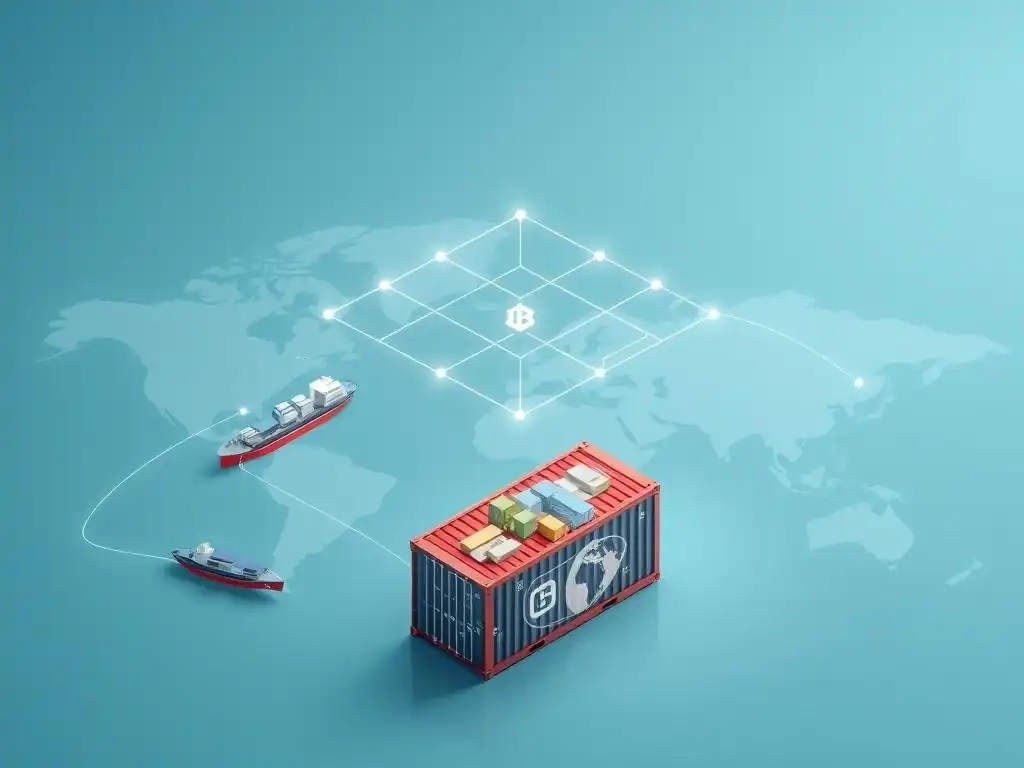
Increased Transparency and Visibility Across the Supply Chain
One of the most profound benefits highlighted by the Blockchain shipping efficiency case study is the dramatic increase in transparency and visibility. By providing a shared, real-time view of the entire supply chain journey on an immutable ledger, blockchain eliminates information silos and allows all authorized parties to track goods and events with unprecedented clarity. Shippers know exactly where their cargo is, logistics providers have accurate ETAs, and customs can prepare for arrivals more effectively. This enhanced visibility reduces uncertainty, allows for proactive problem-solving, and supports better planning across the entire ecosystem.
This level of transparency extends beyond just location tracking; it includes visibility into documentation status, customs clearances, and transfers of custody. This holistic view ensures that all stakeholders are working with the same, up-to-date information, minimizing miscommunication and facilitating smoother handoffs between different legs of the journey.
Enhanced Security and Reduced Risk of Fraud
The security features inherent in blockchain technology offer significant advantages in mitigating fraud and enhancing the safety of goods in transit. The cryptographic linking of blocks ensures that once data is recorded, it cannot be altered without invalidating subsequent blocks and alerting the network. This immutability makes it extremely difficult for malicious actors to tamper with shipment records, bills of lading, or other critical documents.
Furthermore, the distributed nature of the ledger means there is no single point of attack, making the system more resilient to cyber threats. The permissioned access controls ensure that sensitive information is shared only with authorized parties, adding another layer of security. This enhanced security framework builds trust in the integrity of the data and reduces the financial and reputational risks associated with fraudulent activities in global freight.
Streamlined Processes and Reduced Administrative Burden
Blockchain technology enables the streamlining of numerous manual and paper-based processes that have historically plagued the shipping industry. Digitizing documents, automating data exchange via APIs, and implementing smart contracts for conditional execution of tasks significantly reduce the administrative workload. Processes like customs declarations, cargo release, and invoicing can be accelerated by relying on verified data on the blockchain rather than manual checks and physical paperwork.
This reduction in administrative burden leads to lower operational costs and frees up resources that can be reallocated to more strategic activities. The move towards a paperless or paper-light environment is not only more efficient but also more sustainable. The automation potential inherent in smart contracts further optimizes workflows, ensuring that processes are executed consistently and efficiently based on real-time data.
Improved Collaboration and Communication Among Stakeholders
A blockchain-based platform like TradeLens acts as a central hub for information sharing, fostering improved collaboration and communication among the diverse stakeholders in the shipping ecosystem. By providing a single source of truth, it eliminates the need for constant back-and-forth communication to reconcile conflicting information or request status updates from individual parties. All authorized participants can access the same validated data simultaneously.
This shared platform encourages a more collaborative environment where parties can work together more effectively to manage shipments and resolve issues. The transparency inherent in the system builds trust, which is essential for effective collaboration in a multi-party network. Improved communication leads to better coordination, faster decision-making, and a more harmonious relationship between carriers, ports, customs, and shippers.
Cost Savings and Increased Operational Efficiency
Ultimately, the benefits of increased transparency, enhanced security, streamlined processes, and improved collaboration translate into significant cost savings and increased operational efficiency. Reduced delays mean lower demurrage and storage fees. Automated processes and reduced paperwork cut administrative costs. Fewer errors and disputes minimize expenses related to rework, fines, and legal fees. Enhanced visibility allows for better planning and resource utilization, optimizing asset management for carriers and inventory management for shippers.
The cumulative effect of these improvements is a more cost-effective and efficient supply chain. While precise figures vary depending on the specific implementation and scale, the Blockchain shipping efficiency case study of Maersk and TradeLens clearly demonstrated the potential for substantial cost reductions and improvements in key operational metrics like transit times and documentation processing speed.
Overcoming Challenges: Addressing Potential Roadblocks to Blockchain Adoption
Scalability and Interoperability Concerns
While blockchain offers significant potential, its widespread adoption in the shipping industry faces challenges related to scalability and interoperability. Global shipping generates an immense volume of data, and ensuring that blockchain networks can handle this scale efficiently without compromising speed or cost is crucial. Early blockchain implementations sometimes struggled with transaction throughput. However, platforms like Hyperledger Fabric, used by TradeLens, are designed for enterprise scale, addressing some of these concerns.
Interoperability is another major hurdle. The shipping ecosystem involves numerous legacy systems and different digital platforms. For blockchain to be truly effective, it needs to seamlessly integrate with these existing systems and potentially interoperate with other blockchain networks or data platforms that may emerge. Developing industry standards and robust API frameworks is essential to overcome these technical challenges and facilitate widespread adoption.
Regulatory Compliance and Legal Frameworks
Navigating the complex landscape of international regulations and legal frameworks presents another significant challenge for blockchain adoption in shipping. Different countries have varying laws regarding data privacy, digital signatures, electronic documentation, and the legal standing of smart contracts. Ensuring that a blockchain platform complies with the diverse regulatory requirements across all jurisdictions involved in global trade is a monumental task.
Furthermore, establishing clear legal frameworks for blockchain-based transactions and smart contracts is necessary to provide legal certainty for participants. Questions regarding liability, dispute resolution, and the enforceability of smart contract terms need to be addressed through international agreements and national legislation. Collaboration between industry players, regulators, and legal experts is vital to develop the necessary legal infrastructure to support blockchain in global trade.
Data Privacy and Security Considerations
Despite blockchain's inherent security features, data privacy remains a critical consideration, especially in a permissioned network where commercially sensitive information is shared. While the ledger is immutable, the data recorded on it must be handled in compliance with data protection regulations like GDPR. Ensuring that only authorized parties have access to specific, relevant data is paramount.
Designing the platform with robust access controls and data encryption is essential. Furthermore, participants need clear policies and agreements on data ownership, usage, and governance within the network. While blockchain prevents tampering with existing records, securing the initial data input and ensuring the integrity of data sources remains a challenge that requires robust processes and trust among participants.
The Importance of Collaboration and Standardization
Perhaps the most significant non-technical challenge is fostering sufficient collaboration and standardization across the highly fragmented shipping and freight industry. The value of a blockchain network increases exponentially with the number of participants. Getting competing carriers, ports, and logistics providers to agree on common standards, data formats, and operating procedures for a shared platform requires overcoming significant commercial and historical barriers.
Standardization is crucial for ensuring seamless data exchange and interoperability between different systems and participants. Industry-wide collaboration is needed to develop and adopt these standards and to collectively build and govern the shared infrastructure. The success of initiatives like TradeLens depends heavily on the willingness of industry players to collaborate for the collective benefit of improving global blockchain shipping efficiency.
Future Trends: The Evolving Landscape of Blockchain in Shipping
Integration with IoT and AI for Predictive Analytics
The integration of blockchain with other emerging technologies like the Internet of Things (IoT) and Artificial Intelligence (AI) holds significant potential for the future of shipping. IoT sensors can provide real-time data on cargo location, temperature, humidity, and other conditions, which can be securely recorded on the blockchain. This verifiable, real-time data feed creates a rich dataset.
AI can then leverage this blockchain-verified IoT data to perform predictive analytics. For example, AI algorithms can forecast potential delays based on real-time port congestion data, predict equipment maintenance needs, or optimize shipping routes based on historical performance data recorded on the blockchain. This integration creates a highly intelligent, automated, and predictive supply chain, further enhancing blockchain shipping efficiency and resilience.
Expansion into New Areas of Supply Chain Management
While initial blockchain applications in shipping have focused heavily on container tracking, documentation, and customs, the technology is poised to expand into other areas of supply chain management. This includes areas like:
- Supply Chain Finance: Facilitating automated trade finance processes based on verified shipment data and smart contracts.
- Cargo Insurance: Enabling dynamic insurance policies and automated claims processing based on immutable records of cargo condition and events.
- Asset Management: Tracking and managing high-value assets like containers or specialized equipment on the blockchain.
- Procurement: Creating transparent and secure records of sourcing and procurement activities.
The underlying principles of transparency, security, and automation enabled by blockchain are applicable to a wide range of supply chain functions beyond just the physical movement of goods.
The Role of Blockchain in Sustainable Shipping Practices
Blockchain technology can play a crucial role in promoting sustainability within the shipping industry. By providing a transparent and immutable record of emissions data, fuel consumption, and compliance with environmental regulations, blockchain can help track and verify green initiatives. For example, it can be used to track the provenance of sustainable fuels or verify carbon offset credits associated with specific shipments.
Furthermore, increased efficiency enabled by blockchain, such as optimized routes and reduced delays, inherently contributes to lower fuel consumption and reduced emissions. The transparency of the ledger can also empower consumers and businesses to make more informed choices about the environmental impact of their supply chains.
The Future of Decentralized Shipping Networks
Looking further ahead, blockchain technology could potentially pave the way for more decentralized shipping networks. While platforms like TradeLens are permissioned and involve established industry players, the core technology allows for the possibility of peer-to-peer logistics marketplaces, decentralized freight booking platforms, or even autonomous shipping operations managed via smart contracts.
These decentralized models could reduce reliance on intermediaries, potentially lowering costs and increasing efficiency. However, this future is still nascent and would require significant shifts in industry structure, regulation, and technology adoption. Nevertheless, the foundational capabilities offered by blockchain point towards a future where shipping operations could become more autonomous, transparent, and distributed.
Conclusion: Blockchain - A Catalyst for Shipping Efficiency and Innovation
Key Takeaways from the Maersk Case Study
The Blockchain shipping efficiency case study involving Maersk and the TradeLens platform provides compelling evidence of blockchain's transformative potential in the global freight industry. Key takeaways include:
- Blockchain effectively addresses long-standing pain points like lack of transparency, inefficient documentation, and high administrative costs.
- Real-time visibility and immutable records significantly reduce transit times and errors.
- Digitization and automation via smart contracts streamline complex processes like customs clearance and cargo release.
- Enhanced security and fraud prevention are critical benefits for all stakeholders.
- The success of a blockchain platform hinges on collaboration and network adoption across the ecosystem.
- While challenges like scalability and regulation exist, the quantifiable benefits demonstrated in the case study underscore the value proposition.
The Maersk experience highlights that blockchain is not just a theoretical concept for shipping but a practical tool capable of driving tangible improvements in efficiency, cost, and reliability.
The Potential of Blockchain to Transform the Shipping and Freight Industry
Blockchain technology has the potential to fundamentally transform the shipping and freight industry, moving it from a fragmented, opaque, and paper-heavy system to a more integrated, transparent, and digitally enabled ecosystem. By providing a shared, trusted ledger, it can underpin a new era of collaboration and efficiency. The ability to automate processes via smart contracts, enhance security, and provide real-time, verifiable data creates opportunities for innovation across the entire supply chain.
Beyond the operational efficiencies demonstrated in the Maersk case study, blockchain can enable new business models, improve supply chain resilience, facilitate trade finance, and support sustainability initiatives. Its impact extends beyond simple tracking to create a more intelligent, secure, and interconnected global trade network.
Embracing Blockchain for a More Efficient, Transparent, and Secure Future
Embracing blockchain technology is becoming increasingly essential for companies operating in the shipping and freight sector that seek to remain competitive and meet the evolving demands of global trade. While implementation requires overcoming technical, regulatory, and collaborative challenges, the proven benefits in terms of efficiency, cost reduction, and risk mitigation are substantial.
The journey towards a fully blockchain-enabled shipping industry is ongoing, but the early successes, particularly highlighted by the Blockchain shipping efficiency case study examined here, demonstrate a clear path forward. By investing in this technology and fostering industry-wide collaboration, stakeholders can build a more efficient, transparent, secure, and ultimately more resilient global supply chain for the future. The transformation is not just about adopting a new technology; it's about building a new foundation of trust and efficiency for international trade.
Frequently Asked Questions
How does blockchain technology improve shipping efficiency beyond just tracking goods?
Blockchain enhances efficiency by creating a shared, immutable ledger that streamlines documentation processes, reducing reliance on traditional paper-based systems and minimizing errors. This leads to faster turnaround times and reduced costs.
What are some specific examples of enterprise applications of blockchain in the shipping industry?
Examples include smart contracts for automated payments upon delivery confirmation, supply chain provenance to ensure product authenticity, and customs clearance facilitation through transparent data sharing.
How is blockchain impacting the regulatory landscape of the shipping and freight industry?
Blockchain's transparency and security can simplify regulatory compliance by providing verifiable data for audits and inspections. It can also help combat fraud and improve cross-border data sharing with regulatory bodies.
What is a "Blockchain Shipping Efficiency Case Study" and why is it important?
A Blockchain Shipping Efficiency Case Study examines how blockchain implementations have improved key performance indicators (KPIs) in shipping operations. It demonstrates the real-world benefits and helps businesses assess blockchain's value.
What is the future of decentralized systems in the context of shipping and logistics?
The future involves more integrated blockchain networks connecting various stakeholders, enabling greater automation and end-to-end visibility across the entire supply chain. This will lead to more resilient and efficient global trade.
Final Reflection: Embracing Transparency in Global Trade
The journey we've explored, detailing the implementation of blockchain in shipping and freight, underscores a crucial point: the future of global trade hinges on transparency and efficiency. The case study presented demonstrates not just a theoretical possibility, but a tangible reality where blockchain technology streamlines processes, reduces costs, and fosters trust among stakeholders in a complex ecosystem. This isn't merely about tracking packages; it's about revolutionizing how goods move across the world.
This shift towards blockchain-enabled supply chains is profoundly impacting the cultural and social landscape of global commerce. The ability to verify the provenance and authenticity of goods, coupled with the increased speed and security of transactions, is fostering a new era of ethical and sustainable trade. This resonates deeply with a growing consumer demand for transparency and accountability. The supply chain of the future will not only be more efficient, but also more ethical and sustainable.
This quote encapsulates the transformative potential of blockchain in creating a more responsible and equitable global marketplace.
Now, as you reflect on the possibilities presented in this blockchain shipping efficiency case study, consider how you can champion these principles in your own sphere of influence. Whether you're a business leader, a consumer, or simply an engaged citizen, ask yourself: how can I contribute to a more transparent, efficient, and trustworthy global trade ecosystem? The future of shipping, and indeed the future of global commerce, is in our hands. Let's build it together.
Unlock Freight Efficiency: Take the Next Leap with Blockchain!
Thank you for exploring how blockchain can transform shipping and freight. You've seen how it can improve transparency and streamline processes—now it's time to take action. Are you ready to shape the future of logistics?
Here are some ways to get started:
- Identify Opportunities: Consider a specific area in your supply chain where blockchain could quickly address inefficiencies. Whether it's reducing paperwork, enhancing tracking accuracy, or simplifying payment procedures, pinpoint where the impact could be greatest.
- Learn More: Read additional articles on blockchain applications across various industries to see real-world case studies and innovative solutions.
- Share Your Ideas: Start a conversation with your network by sharing this article. Let’s work together to develop more efficient and transparent supply chains!
What challenge in your freight or shipping operations do you think blockchain is best suited to solve? Share your thoughts in the comments below!
Leave a Reply