
Blockchain and Supply Chain Finance: Streamlining Payments and Reducing Risk

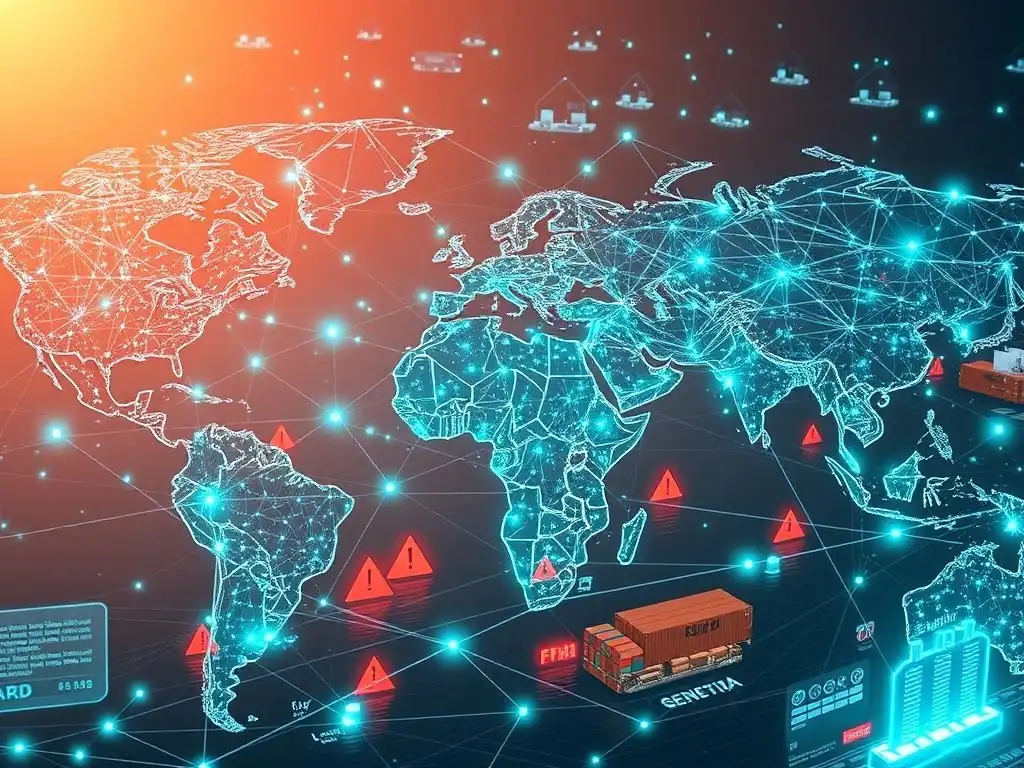
Welcome to Blockchain Trends, where we delve into the transformative potential of blockchain technology that extends far beyond cryptocurrencies. In our featured article, "Blockchain and Supply Chain Finance: Streamlining Payments and Reducing Risk," we uncover the intricate risks associated with blockchain supply chain finance. As you explore with us, you'll discover how innovative solutions are reshaping industries, enhancing efficiency, and mitigating risks. Prepare to embark on a journey that not only informs but also ignites your curiosity about the future of decentralized systems. Let's dive in!
- Understanding Supply Chain Finance Risks
-
Frequently Asked Questions
- What are the primary benefits of using blockchain in supply chain finance?
- How does blockchain help mitigate risks associated with supply chain finance?
- What are some potential challenges to widespread blockchain adoption in supply chain finance?
- Can blockchain improve access to finance for smaller suppliers in the supply chain?
- What is the role of smart contracts in blockchain-based supply chain finance?
- Final Reflection: Embracing Transparency in Global Commerce
- Reimagine Your Supply Chain: Take the Next Leap!
Understanding Supply Chain Finance Risks

Identifying Key Risks in Traditional Supply Chain Finance
Supply chain finance (SCF), in its traditional forms, is fraught with inherent risks that can undermine the stability and efficiency of global trade. One primary risk is counterparty risk, where a buyer or seller fails to meet their contractual obligations, particularly payment terms.
This is especially problematic for small and medium-sized enterprises (SMEs) acting as suppliers, who often operate on thin margins and depend heavily on timely payments. Late payments are a pervasive issue; estimates vary, but studies frequently indicate that late payments globally can tie up billions in working capital and significantly impact supplier liquidity, sometimes leading to insolvencies.
The lack of real-time visibility into the flow of goods and associated payment triggers across complex, multi-tiered supply chains further exacerbates this risk, making it difficult for financiers and participants to accurately assess creditworthiness and transaction legitimacy. These systemic issues represent significant Blockchain supply chain finance risks that impede economic activity.
Another critical area of risk stems from operational inefficiencies and the reliance on manual, paper-based processes. Discrepancies between purchase orders, shipping documents, and invoices are common, leading to disputes and payment delays. The process of verifying and reconciling these documents across multiple parties can be slow and costly.
Furthermore, the lack of a single, trusted source of truth makes it challenging to confirm the authenticity of transactions and the status of goods, increasing the likelihood of errors and intentional misrepresentation. This opacity means that parties involved in financing transactions, such as banks or third-party financiers, face elevated risks when providing capital against accounts receivable or payable, as the underlying assets may not be verifiable or unique. Addressing these fundamental vulnerabilities is key to mitigating Blockchain supply chain finance risks effectively.
The Impact of Fraud and Inefficiency on Supply Chains
Fraudulent activities pose a substantial threat within traditional supply chain finance, leading to significant financial losses. A common example is duplicate financing, where a fraudulent supplier submits the same invoice to multiple financiers, securing funding against the same underlying transaction multiple times. The lack of a centralized, immutable record makes it difficult for financiers to detect such schemes.
Forged documents, such as fake invoices or falsified goods receipts, can also be used to deceive financing parties into releasing funds for non-existent or misrepresented transactions. While precise global figures for supply chain finance fraud are hard to aggregate, estimates suggest that commercial fraud, including invoice fraud, costs businesses billions annually, impacting profitability and trust across the network. These fraudulent acts directly contribute to the high level of Blockchain supply chain finance risks present in current systems.
Beyond outright fraud, operational inefficiencies themselves act as a drag on the supply chain ecosystem, increasing costs and risk exposure. Manual data entry leads to errors that require costly reconciliation processes. The time lag between physical goods movement and the updating of financial records creates windows of opportunity for disputes and fraud.
Furthermore, the siloed nature of information across different parties – buyers, sellers, logistics providers, and financiers – prevents holistic risk assessment. This fragmentation means that potential issues, such as a supplier facing financial distress or a buyer experiencing payment difficulties, may not be visible to all relevant parties in a timely manner, increasing the risk of defaults or supply disruptions. The collective impact of fraud and inefficiency highlights the urgent need for more robust and transparent systems to reduce Blockchain supply chain finance risks.
Frequently Asked Questions
What are the primary benefits of using blockchain in supply chain finance?
Blockchain offers increased transparency, traceability, and automation, which can significantly improve the efficiency and security of supply chain finance processes. This leads to faster payments and reduced operational costs.
How does blockchain help mitigate risks associated with supply chain finance?
By providing an immutable record of transactions, blockchain reduces the risk of fraudulent activities and counterfeit goods. It also allows for better risk assessment and management through enhanced data visibility.
What are some potential challenges to widespread blockchain adoption in supply chain finance?
Scalability issues, regulatory uncertainties, and the lack of standardized protocols are significant hurdles. Interoperability between different blockchain platforms also poses a challenge.
Can blockchain improve access to finance for smaller suppliers in the supply chain?
Yes, blockchain can enable faster and more secure payment systems, making it easier for smaller suppliers to access financing options. This is achieved by reducing the information asymmetry and transaction costs.
What is the role of smart contracts in blockchain-based supply chain finance?
Smart contracts automate payment terms and enforce agreements within the supply chain. This leads to faster and more reliable transactions, reducing the need for intermediaries and minimizing disputes.
Final Reflection: Embracing Transparency in Global Commerce
The insights explored throughout this article underscore the transformative potential of blockchain in mitigating supply chain finance risks. While the complexities of global trade often breed opacity and uncertainty, the advent of blockchain technology offers a pathway towards greater transparency, efficiency, and trust, ultimately reshaping how businesses interact and transact across borders.
The integration of blockchain into supply chain finance is not merely a technological upgrade; it represents a fundamental shift in how we perceive and manage risk in global commerce. The ability to track goods and payments in real-time, coupled with the immutability of blockchain records, fosters a level of confidence previously unattainable. Trust, but verify,
as the saying goes, and blockchain provides the tools to do just that, empowering businesses to make informed decisions and build stronger, more resilient supply chains.
As we move forward, let us embrace the opportunities that blockchain presents to build a more equitable and sustainable global economy. Consider how you can leverage these technologies to enhance transparency, reduce risk, and foster collaboration within your own sphere of influence. The future of supply chain finance is being written today, and your contribution can help shape a more secure and prosperous tomorrow.
Reimagine Your Supply Chain: Take the Next Leap!
Thank you for exploring how blockchain can revolutionize supply chain finance! You've now gained insights into streamlining payments and mitigating risks, and it's time to put that knowledge into action. Here are a few concrete steps you can take right now:
- Identify a specific pain point in your current supply chain finance process where blockchain could offer a solution. Consider areas like payment delays, lack of transparency, or high transaction costs.
- Explore: Share this article with a colleague or friend who works in supply chain management or finance. Spark a conversation about the potential of blockchain in your industry.
- Expand: Research real-world examples of companies successfully implementing blockchain in their supply chains. Look for case studies to find inspiration and best practices.
Ready to identify your supply chain's biggest blockchain opportunity? Share your thoughts below!
Leave a Reply