
Use Case: Blockchain Enhancing Security in Industrial IoT (IIoT) Networks


Welcome to Blockchain Trends, your definitive guide to understanding the revolutionary power of blockchain beyond the digital currency realm. Are you ready to discover how this technology is reshaping industries? Dive into our featured article, where we explore how blockchain secures industrial IoT networks, unlocking unprecedented levels of data integrity and device security. Uncover the potential and the future of decentralized systems – the possibilities are endless!
Use Case: Blockchain Enhancing Security in Industrial IoT (IIoT) Networks
- Introduction: The Convergence of Blockchain and Industrial IoT Security
- The Problem: Security Challenges in Industrial IoT Ecosystems
- Blockchain Solution: A Decentralized Security Architecture for IIoT
-
Implementing Blockchain for Enhanced IIoT Security: A Step-by-Step Approach
- Step 1: Identifying Critical IIoT Assets and Data Flows
- Step 2: Designing a Permissioned Blockchain Network for IIoT
- Step 3: Integrating Blockchain with Existing IIoT Infrastructure
- Step 4: Implementing Smart Contracts for Automated Security Policies
- Step 5: Continuous Monitoring and Auditing of Blockchain-Secured IIoT Systems
- Use Case: Pharmaceutical Supply Chain
- Benefits of Blockchain-Based Security for Industrial IoT
- Challenges and Considerations for Blockchain Adoption in IIoT
- The Future of Blockchain and IIoT Security
- Conclusion: Blockchain's Transformative Impact on Industrial IoT Security
-
Frequently Asked Questions
- What are the primary security vulnerabilities that blockchain can address in Industrial IoT (IIoT) networks?
- How does blockchain ensure data integrity within an IIoT ecosystem?
- Can blockchain help mitigate the risk of centralized control in IIoT systems?
- What role do smart contracts play in securing IIoT devices and data using blockchain?
- Are there any regulatory considerations when implementing blockchain solutions for securing IIoT infrastructure?
- Final Reflection: Securing the Future with Trust
- Fortify Your IIoT Future: Start Securing Now!
Introduction: The Convergence of Blockchain and Industrial IoT Security
Understanding the Vulnerabilities in Traditional IIoT Networks
Traditional Industrial Internet of Things (IIoT) networks, while revolutionizing industrial operations with enhanced connectivity and data-driven insights, are increasingly vulnerable to cyber threats. These vulnerabilities stem from the inherent architecture of many legacy systems, which were not designed with robust security measures against modern cyberattacks in mind. A significant issue is the centralized nature of control systems, creating single points of failure that, if compromised, can cripple entire industrial processes.
For example, a study by Ponemon Institute in 2019 found that 68% of industrial organizations experienced at least one cyberattack in the previous 12 months, highlighting the pervasive nature of these threats. Furthermore, the increasing integration of IT and OT (Operational Technology) systems, while beneficial for data flow and analysis, also expands the attack surface, exposing previously isolated industrial environments to broader network-based threats.
Another critical vulnerability lies in the diverse and often outdated protocols used in IIoT environments. Many industrial devices communicate using protocols like Modbus, DNP3, and Profinet, which were developed decades ago and lack built-in security features such as encryption and authentication. This lack of security at the protocol level makes it easier for attackers to eavesdrop on communications, manipulate data, or inject malicious commands.
Consider the Mirai botnet attack in 2016, which, while primarily targeting consumer IoT devices, demonstrated the potential for large-scale attacks leveraging default credentials and weak security in connected devices. The principles are directly applicable to IIoT, where a vast number of devices with weak or default security settings can be exploited to launch devastating attacks on critical infrastructure.
The Promise of Blockchain in Securing Industrial Environments
Blockchain technology offers a paradigm shift in how security can be approached in Industrial IoT networks. Its inherent characteristics of decentralization, immutability, and transparency provide a strong foundation for addressing many of the security vulnerabilities prevalent in traditional IIoT systems. Unlike centralized systems, blockchain distributes trust across a network of participants, eliminating single points of failure and making it significantly harder for attackers to compromise the entire system.
Imagine a scenario where sensor data from a manufacturing plant is recorded on a blockchain. Tampering with this data would require altering records across multiple nodes, a computationally infeasible task for attackers, thus ensuring data integrity and trustworthiness.
Furthermore, the cryptographic principles underpinning blockchain, such as hashing and digital signatures, offer robust mechanisms for authentication and data encryption. These features can be leveraged to secure communication channels between industrial devices, ensuring that only authorized devices can participate in the network and that data transmitted is protected from eavesdropping and tampering. For instance, blockchain-based identity solutions can provide a secure and auditable way to manage device identities and access control, preventing unauthorized devices from gaining access to critical industrial systems.
This is particularly relevant in complex industrial environments where managing a vast number of interconnected devices and ensuring their security is a significant challenge. The integration of blockchain in IIoT security is not just about adding another layer of defense; it's about fundamentally rethinking the security architecture to build more resilient and trustworthy industrial ecosystems.
The Problem: Security Challenges in Industrial IoT Ecosystems
Data Integrity Concerns in IIoT
Data integrity is paramount in Industrial IoT ecosystems, where decisions are increasingly driven by real-time data collected from sensors, machines, and processes. Compromised data can lead to inaccurate operational insights, flawed control actions, and ultimately, significant disruptions and safety hazards. Imagine a smart factory relying on sensor data to monitor temperature and pressure in a critical chemical process.
If this data is manipulated by an attacker, indicating normal conditions when in reality parameters are dangerously out of range, it could result in equipment failure, production downtime, or even a catastrophic industrial accident. The Stuxnet worm, discovered in 2010, serves as a stark reminder of the potential consequences of data integrity breaches in industrial settings. It specifically targeted industrial control systems to sabotage Iran's nuclear program by manipulating sensor readings, causing centrifuges to malfunction while reporting normal operation to operators.
The increasing complexity and interconnectedness of IIoT networks exacerbate data integrity concerns. Data often traverses multiple devices and systems before reaching decision-making points, creating numerous opportunities for data manipulation or corruption along the way. Traditional security measures, such as firewalls and intrusion detection systems, while important, are often insufficient to guarantee data integrity in these distributed environments.
Moreover, insider threats, whether malicious or unintentional, pose a significant risk to data integrity. A disgruntled employee with access to control systems could intentionally alter data to cause disruption or financial damage. According to a 2020 report by IBM, insider threats are responsible for nearly a third of all cyber incidents, highlighting the importance of robust data integrity mechanisms that are resilient against both external and internal threats in IIoT environments.
Unauthorized access to industrial devices in IIoT networks represents a critical security challenge, potentially leading to sabotage, data theft, and operational disruption. Industrial devices, ranging from PLCs (Programmable Logic Controllers) and sensors to actuators and robots, directly control physical processes. If an attacker gains unauthorized access to these devices, they can manipulate their settings, inject malicious code, or even take complete control, causing significant damage.
Consider a scenario in a smart grid where an attacker gains access to smart meters or substation controllers. They could manipulate energy distribution, trigger blackouts, or even cause physical damage to equipment by overloading the system. The Ukraine power grid cyberattacks in 2015 and 2016, attributed to Russian hackers, demonstrated the devastating consequences of unauthorized access to critical infrastructure control systems, resulting in widespread power outages affecting hundreds of thousands of people.
The challenge of preventing unauthorized access is compounded by the sheer scale and heterogeneity of IIoT deployments. Managing access control for thousands or even millions of devices, often from different vendors and with varying security capabilities, is a complex undertaking. Traditional access control methods, relying on centralized authentication servers and access control lists, can become bottlenecks and single points of failure in large-scale IIoT networks.
Furthermore, weak default passwords, inadequate patching practices, and vulnerabilities in device firmware often make industrial devices easy targets for attackers seeking unauthorized access. A Shodan search, a search engine for internet-connected devices, frequently reveals thousands of exposed industrial control systems with default credentials, highlighting the widespread nature of this vulnerability.
Mitigating Man-in-the-Middle Attacks in IIoT Communication
Man-in-the-middle (MitM) attacks pose a significant threat to the security of IIoT communication networks, where sensitive data is exchanged between devices, control systems, and cloud platforms. In a MitM attack, an attacker intercepts communication between two parties without their knowledge, potentially eavesdropping on sensitive data, manipulating messages, or even impersonating one of the parties to gain unauthorized access or control. Imagine data being transmitted from a sensor on a factory floor to a central control system.
A MitM attacker could intercept this data, alter the sensor readings to reflect incorrect values, and send the manipulated data to the control system. This could lead to the control system making incorrect decisions, potentially causing production errors, equipment damage, or safety incidents.
The vulnerability to MitM attacks in IIoT often arises from the use of unencrypted or weakly encrypted communication protocols, particularly in legacy industrial systems. Many older protocols lack built-in security features like TLS/SSL encryption, making them susceptible to eavesdropping and interception. Even when encryption is used, weak key management practices or vulnerabilities in the encryption algorithms themselves can be exploited by attackers to break the encryption and launch MitM attacks.
Furthermore, the distributed nature of IIoT networks, with devices communicating over various networks including wireless and public networks, increases the attack surface for MitM attacks. Wi-Fi networks, especially those without strong password protection or using outdated security protocols like WEP, are particularly vulnerable to eavesdropping and MitM attacks. Mitigating MitM attacks requires robust security measures at multiple layers, including strong encryption, mutual authentication, and secure key exchange mechanisms.
Blockchain Solution: A Decentralized Security Architecture for IIoT
Blockchain as a Trust Anchor for Industrial Devices
Blockchain technology provides a robust and decentralized trust anchor for industrial devices in IIoT networks, addressing the critical need for verifiable identity and secure communication in these complex environments. In traditional IIoT systems, trust is often implicitly placed in centralized authorities or systems, which can become single points of failure or targets for attack. Blockchain, with its distributed ledger and consensus mechanisms, shifts this paradigm by establishing trust in a decentralized and transparent manner.
Imagine each industrial device having a unique digital identity registered on a blockchain. This identity, secured through cryptographic keys, becomes the foundation for verifying the device's authenticity and integrity within the network. Any communication or data originating from this device can be cryptographically signed, providing proof of origin and ensuring that it has not been tampered with.
By leveraging blockchain as a trust anchor, organizations can move away from relying on vulnerable centralized authentication servers and instead establish a system where trust is distributed across the network participants. This significantly enhances the resilience and security of the IIoT ecosystem. For instance, when a new sensor is deployed in a smart factory, its identity can be registered on the blockchain. Other devices and systems in the network can then verify the sensor's identity against the blockchain record before accepting data or commands from it.
This process eliminates the risk of rogue or compromised devices infiltrating the network and injecting malicious data or commands. Moreover, the immutable nature of blockchain ensures that the device identities and their associated trust relationships are tamper-proof and auditable, providing a strong foundation for secure and trustworthy IIoT operations. Blockchain secures industrial IoT by creating a bedrock of verifiable trust.
Enhanced Data Security and Transparency with Blockchain
Blockchain inherently enhances data security and transparency in IIoT systems through its cryptographic features and distributed ledger architecture. Data recorded on a blockchain is cryptographically hashed and linked to the previous block, forming an immutable chain of records. This immutability ensures that once data is written to the blockchain, it cannot be altered or deleted, providing a high degree of data integrity and auditability.
Imagine sensor data from a wind turbine farm being recorded on a blockchain. This data, representing critical operational parameters like wind speed, turbine performance, and maintenance records, becomes permanently and verifiably stored. Any attempt to tamper with this historical data would be immediately detectable, as it would break the cryptographic chain and be rejected by the network.
Furthermore, blockchain can enhance data transparency by allowing authorized participants to access and verify data recorded on the ledger. While data privacy can be maintained through permissioned blockchain networks and access control mechanisms, the inherent transparency of the blockchain ensures that data is not hidden or manipulated without detection. This transparency is particularly valuable in industrial supply chains, where tracking the provenance and condition of goods is crucial.
For example, in the food and beverage industry, blockchain can be used to track food products from farm to table, recording data on origin, processing, and transportation conditions. This provides consumers and regulators with verifiable information about the product's journey, enhancing trust and accountability within the supply chain. Blockchain secures industrial IoT data by providing an unalterable and transparent record of events and transactions.
Decentralized Access Control using Blockchain-Based Identities
Blockchain enables the implementation of decentralized access control mechanisms in IIoT networks, moving away from traditional centralized systems that are prone to single points of failure and complex management. Using blockchain-based digital identities for devices and users, access permissions can be managed and enforced in a distributed and transparent manner. Imagine a scenario in a smart manufacturing plant where different devices and users require varying levels of access to sensitive data and control systems.
With a blockchain-based access control system, each device and user can be assigned a unique digital identity and associated access privileges recorded on the blockchain. When a device or user requests access to a resource, their identity and permissions are verified against the blockchain, and access is granted or denied based on predefined rules.
This decentralized approach to access control eliminates the need for a central authority to manage and enforce permissions, enhancing the system's resilience and scalability. Smart contracts, self-executing contracts with predefined rules encoded on the blockchain, can be used to automate access control policies. For instance, a smart contract can be programmed to automatically grant access to a specific device for a limited period or based on certain conditions being met.
This automation reduces the administrative overhead associated with managing access control and ensures consistent enforcement of security policies. Moreover, the audit trail provided by the blockchain allows for transparent monitoring of access attempts and permissions changes, enhancing accountability and security posture. Blockchain secures industrial IoT access by distributing control and automating security policies through smart contracts and decentralized identities.
Implementing Blockchain for Enhanced IIoT Security: A Step-by-Step Approach
Step 1: Identifying Critical IIoT Assets and Data Flows
The first critical step in implementing blockchain for enhanced IIoT security is to thoroughly identify the critical assets and data flows within the industrial environment. This involves a comprehensive risk assessment to pinpoint the most vulnerable components and data pathways that require enhanced security. Critical assets might include PLCs controlling essential production lines, sensitive sensors monitoring safety-critical parameters, or databases containing proprietary manufacturing processes.
Data flows to map include communication paths between sensors and control systems, data transmission to cloud platforms for analytics, and data exchange with external partners in the supply chain. For example, in a smart oil and gas pipeline, critical assets would include pipeline pressure sensors, valve control systems, and SCADA (Supervisory Control and Data Acquisition) systems. Data flows would involve sensor readings transmitted to control centers, control commands sent to actuators, and data logged for regulatory compliance.
This identification process should also prioritize assets based on their criticality and potential impact of compromise. Assets that directly impact safety, production uptime, or intellectual property should be given the highest priority for blockchain-based security enhancements. Furthermore, understanding the existing security measures in place for these critical assets and data flows is crucial.
This allows for a gap analysis to identify areas where blockchain can provide the most significant security improvements. For instance, if existing security relies heavily on perimeter firewalls, which are less effective against insider threats or sophisticated attacks, blockchain-based identity and access management could offer a more robust solution. This initial step of asset and data flow identification is fundamental to ensure that blockchain implementation is targeted, effective, and aligned with the specific security needs of the industrial environment.
Step 2: Designing a Permissioned Blockchain Network for IIoT
Designing a permissioned blockchain network is essential for implementing blockchain security in IIoT environments, as it provides the necessary control and privacy for industrial applications. Unlike public blockchains like Bitcoin or Ethereum, permissioned blockchains restrict network participation to authorized entities, ensuring that sensitive industrial data and operations are not exposed to the public. This step involves defining the network participants, consensus mechanism, and data access policies.
Network participants in an IIoT context could include device manufacturers, system integrators, industrial operators, and regulatory bodies. Choosing an appropriate consensus mechanism is crucial for performance and security. Practical Byzantine Fault Tolerance (pBFT) or Raft are often preferred in permissioned blockchains for their efficiency and fault tolerance in environments with known participants.
Data access policies define who can access and write data to the blockchain. In an industrial setting, access might be granted based on roles and responsibilities, ensuring that only authorized personnel can access sensitive operational data or control commands. For example, in a smart grid application, only authorized grid operators might have write access to control commands for substations, while various stakeholders, including consumers and regulators, might have read access to relevant data. Furthermore, the design should consider the scalability requirements of the IIoT deployment. Industrial networks can involve thousands or even millions of devices, requiring the blockchain network to handle a high volume of transactions and data. Layer-2 scaling solutions or sharding techniques might be necessary to ensure the blockchain network can scale to meet the demands of large-scale IIoT deployments. Careful design of the permissioned blockchain network is crucial for balancing security, performance, and scalability in industrial applications.
Step 3: Integrating Blockchain with Existing IIoT Infrastructure
Integrating blockchain with existing IIoT infrastructure requires a strategic approach to minimize disruption and maximize compatibility with legacy systems. Many industrial environments operate with a mix of new and legacy devices and protocols. Directly replacing all existing infrastructure with blockchain-native systems is often impractical and cost-prohibitive.
Therefore, a phased integration approach is typically recommended. This might involve starting with pilot projects to integrate blockchain security for specific critical assets or data flows, while gradually expanding the blockchain footprint across the IIoT network. For example, a manufacturing plant might initially integrate blockchain for securing data from critical production line sensors before extending it to other areas of the plant.
Interoperability is a key consideration during integration. Blockchain systems need to be able to communicate and exchange data with existing IIoT devices and systems that may use different communication protocols and data formats. Gateway devices or middleware solutions can be used to bridge the gap between blockchain networks and legacy IIoT infrastructure. These gateways can translate data between different protocols and formats, allowing blockchain applications to interact with existing devices.
Furthermore, APIs (Application Programming Interfaces) play a crucial role in enabling seamless integration. Standardized APIs for interacting with the blockchain network and accessing blockchain-secured data simplify the development of applications that leverage blockchain security in the IIoT environment. Careful planning and use of interoperability solutions are essential for successful integration of blockchain with existing IIoT infrastructure.
Step 4: Implementing Smart Contracts for Automated Security Policies
Implementing smart contracts is a powerful step in leveraging blockchain for automated security policies in IIoT systems. Smart contracts are self-executing agreements written in code and deployed on the blockchain. They automatically enforce predefined rules and conditions when triggered by specific events, enabling automation of various security functions.
For instance, smart contracts can automate access control policies based on device identity, location, or time of day. A smart contract could be programmed to automatically grant access to a specific machine only to authorized personnel during scheduled maintenance windows. This eliminates the need for manual intervention and ensures consistent enforcement of access control policies.
Furthermore, smart contracts can automate incident response procedures. Upon detection of a security anomaly, such as unauthorized access attempts or abnormal sensor readings, a smart contract can be triggered to automatically initiate pre-defined response actions. These actions could include isolating compromised devices, triggering alerts to security personnel, or initiating automated system shutdowns to prevent further damage. For example, if a smart contract detects anomalous temperature readings from a critical reactor sensor, it could automatically trigger an emergency shutdown procedure to prevent a potential safety hazard.
Smart contracts can also be used to automate security audits and compliance checks. By encoding regulatory requirements and security best practices into smart contracts, organizations can ensure continuous compliance and generate auditable records of security events and policy enforcement. The use of smart contracts significantly enhances the automation, efficiency, and reliability of security operations in blockchain-secured IIoT systems.
Step 5: Continuous Monitoring and Auditing of Blockchain-Secured IIoT Systems
Continuous monitoring and auditing are crucial for maintaining the security and integrity of blockchain-secured IIoT systems over time. While blockchain provides inherent security features, ongoing vigilance is necessary to detect and respond to evolving threats and ensure the system operates as intended. Monitoring should encompass both the blockchain network itself and the integrated IIoT infrastructure.
Blockchain network monitoring includes tracking network performance, consensus mechanisms, and smart contract execution to identify any anomalies or potential vulnerabilities. IIoT infrastructure monitoring involves tracking device behavior, network traffic, and security events to detect intrusions, data breaches, or system malfunctions. For example, monitoring network traffic for unusual communication patterns or unauthorized access attempts can help identify potential cyberattacks in real-time.
Regular security audits are essential to assess the effectiveness of the implemented blockchain security measures and identify any weaknesses or areas for improvement. Audits should cover various aspects, including smart contract code review, access control policy validation, and penetration testing to simulate real-world attack scenarios. Audit logs generated by the blockchain provide a transparent and immutable record of system activities, facilitating forensic analysis and incident investigation. Furthermore, continuous monitoring and auditing should be integrated with incident response procedures.
Automated alerts and notifications should be triggered upon detection of security events, enabling rapid response and mitigation actions. Regularly reviewing and updating security policies and procedures based on monitoring data and audit findings is crucial for maintaining a robust and adaptive security posture in blockchain-secured IIoT systems. Continuous vigilance ensures that blockchain secures industrial IoT not just at implementation, but throughout its operational lifecycle.
Use Case: Pharmaceutical Supply Chain
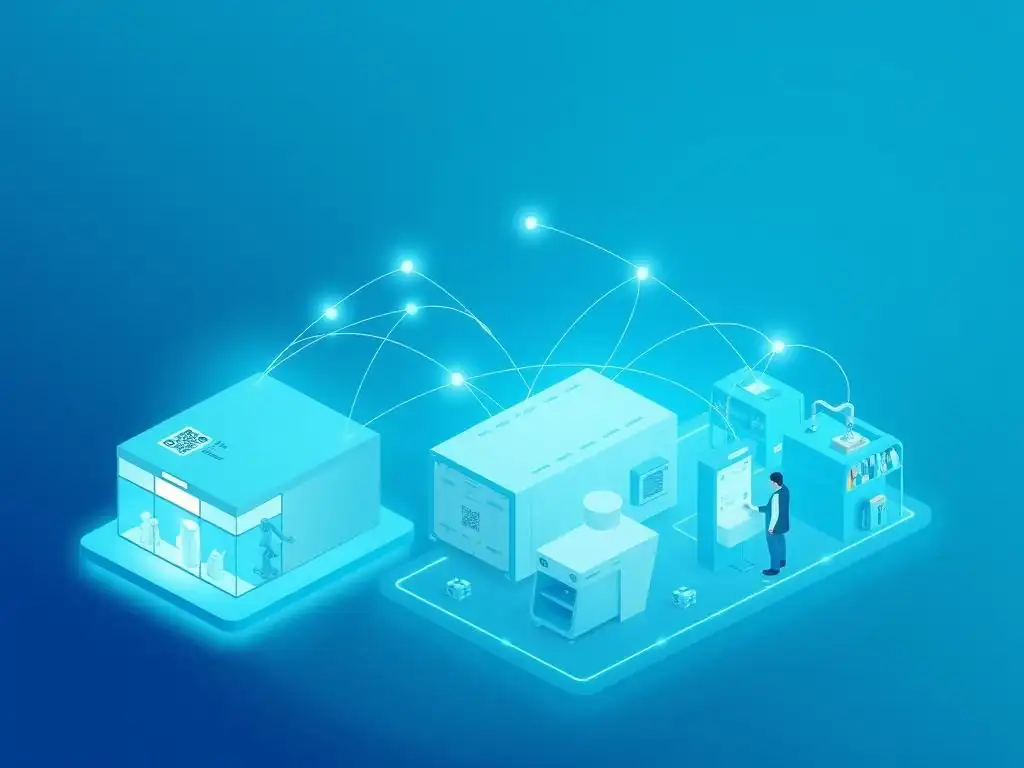
Scenario: Securing Vaccine Distribution
The pharmaceutical supply chain, particularly vaccine distribution, presents a critical use case where blockchain's security and transparency features can offer significant benefits. The complexity of vaccine distribution, involving multiple stakeholders, stringent temperature control requirements (cold chain), and the need to prevent counterfeiting, makes it highly susceptible to security breaches and logistical challenges. Imagine a global vaccine distribution network involving manufacturers, distributors, logistics providers, healthcare facilities, and patients.
Each stage in the supply chain, from manufacturing to administration, presents potential vulnerabilities, including temperature excursions that can compromise vaccine efficacy, counterfeit vaccines entering the supply chain, and data integrity issues in tracking vaccine provenance and handling. The COVID-19 pandemic highlighted the urgent need for secure and transparent vaccine supply chains to ensure equitable and safe distribution globally.
In a traditional vaccine supply chain, data is often siloed across different organizations, making it difficult to track vaccine provenance, monitor temperature conditions in real-time, and verify authenticity. This lack of transparency and data silos can lead to delays, inefficiencies, and increased risks of counterfeit vaccines entering the market.
According to the World Health Organization (WHO), counterfeit medicines are a significant global problem, estimated to be a multi-billion dollar industry, posing serious risks to public health. Blockchain offers a solution by creating a shared, immutable ledger that all stakeholders in the vaccine supply chain can access and contribute to, providing end-to-end visibility and traceability.
How Blockchain Addresses the Specific Security Challenges in Vaccine Distribution
Blockchain directly addresses the specific security challenges in vaccine distribution through its inherent features of immutability, transparency, and decentralized trust. For temperature-sensitive vaccines, blockchain can be integrated with IoT sensors to continuously monitor temperature conditions throughout the supply chain journey. Temperature data can be automatically recorded on the blockchain, creating an immutable record of cold chain integrity. If temperature excursions occur outside of acceptable limits, smart contracts can trigger alerts and flag potentially compromised vaccine batches for quarantine or disposal. This real-time temperature monitoring, verified by blockchain, ensures vaccine efficacy and reduces wastage due to cold chain breaches.
To combat counterfeit vaccines, blockchain can be used to track the provenance of each vaccine dose from manufacturer to patient. Unique serial numbers or QR codes can be assigned to each vaccine vial and registered on the blockchain at the point of manufacturing. As the vaccine moves through the supply chain, each stakeholder can scan the QR code and update the vaccine's location and status on the blockchain.
This provides a verifiable audit trail, making it difficult for counterfeit vaccines to enter the legitimate supply chain. Healthcare providers and patients can also verify the authenticity of vaccines by scanning the QR code and checking the vaccine's history on the blockchain.
Furthermore, blockchain enhances data integrity in vaccine distribution by ensuring that all data related to vaccine provenance, temperature conditions, and handling is securely recorded and cannot be tampered with. This builds trust and accountability across the entire vaccine supply chain, ensuring that only genuine and properly handled vaccines reach patients.
Benefits Achieved by Implementing Blockchain Security in Vaccine Distribution
Implementing blockchain security in vaccine distribution yields numerous benefits, enhancing both security and efficiency of the supply chain. Enhanced transparency and traceability are key benefits. Blockchain provides end-to-end visibility into the vaccine supply chain, allowing all stakeholders to track vaccine provenance, location, and condition in real-time. This transparency builds trust and accountability, reducing the risk of counterfeit vaccines and improving supply chain efficiency.
Improved cold chain integrity is another significant benefit. Blockchain-enabled temperature monitoring ensures that vaccines are maintained within the required temperature range throughout the distribution process, reducing vaccine wastage and ensuring efficacy. Studies estimate that vaccine wastage due to cold chain breaches can be as high as 20% in some regions, highlighting the potential cost savings and public health benefits of blockchain-based cold chain monitoring.
Reduced risk of counterfeit vaccines is a crucial benefit, particularly for high-value and in-demand vaccines. Blockchain's immutable and transparent ledger makes it significantly harder for counterfeit vaccines to penetrate the legitimate supply chain, protecting public health and preventing financial losses. Streamlined regulatory compliance is also achieved through blockchain. The immutable audit trail provided by blockchain simplifies regulatory reporting and compliance verification, reducing administrative overhead and improving regulatory oversight.
Faster recall processes are enabled by blockchain's traceability features. In the event of a quality issue or recall, blockchain allows for rapid identification and tracing of affected vaccine batches, enabling faster and more targeted recalls, minimizing the impact on public health. Overall, blockchain secures industrial IoT in the pharmaceutical supply chain, leading to a more secure, efficient, and trustworthy vaccine distribution system.
Benefits of Blockchain-Based Security for Industrial IoT
Improved Data Integrity and Traceability in IIoT Systems
Blockchain-based security fundamentally improves data integrity and traceability in IIoT systems, addressing critical vulnerabilities in traditional architectures. The immutable nature of blockchain ensures that once data is recorded, it cannot be altered or deleted, providing a robust foundation for data integrity. Every transaction and data point is cryptographically hashed and linked to the previous block, creating a tamper-proof audit trail. Imagine sensor readings, equipment status updates, and control commands within a smart factory being recorded on a blockchain. This creates a verifiable and auditable history of all operational events, enabling accurate monitoring and analysis of industrial processes.
Traceability is significantly enhanced by blockchain's distributed ledger. Each data record on the blockchain includes a timestamp and can be linked to the originating device or source, providing a clear provenance trail. This traceability is crucial for identifying the root cause of anomalies, investigating security incidents, and ensuring accountability within the IIoT ecosystem.
For example, in a manufacturing process, if a quality issue arises with a batch of products, blockchain-based traceability can quickly pinpoint the source of the problem, identify the affected equipment and materials, and facilitate targeted corrective actions. Furthermore, blockchain-based data integrity and traceability are essential for regulatory compliance in many industrial sectors. Industries like pharmaceuticals, food and beverage, and aerospace often require stringent data logging and audit trails to demonstrate compliance with safety and quality standards.
Blockchain provides a readily auditable and tamper-proof record of operations, simplifying compliance and reducing the risk of regulatory penalties. Blockchain secures industrial IoT data by providing an unalterable and traceable record of all activities.
Reduced Risk of Data Breaches and Cyberattacks on Industrial Infrastructure
Implementing blockchain-based security in IIoT significantly reduces the risk of data breaches and cyberattacks targeting industrial infrastructure. The decentralized nature of blockchain eliminates single points of failure, making it much harder for attackers to compromise the entire system. In traditional centralized systems, a successful attack on a central server or database can expose vast amounts of sensitive data or cripple critical operations.
Blockchain distributes data and processing across a network of nodes, so compromising a single node does not jeopardize the integrity or availability of the entire system. This distributed architecture enhances resilience against DDoS (Distributed Denial of Service) attacks and other forms of cyberattacks.
Furthermore, blockchain's cryptographic security features, such as hashing, digital signatures, and encryption, provide robust protection against data breaches and unauthorized access. Data stored on the blockchain can be encrypted, ensuring confidentiality even if unauthorized access is gained to individual nodes. Digital signatures provide authentication and non-repudiation, verifying the origin and integrity of data and transactions.
Blockchain-based identity management and access control systems prevent unauthorized devices and users from accessing critical industrial systems and data. By combining decentralization with strong cryptography, blockchain creates a more secure and resilient security architecture for IIoT environments, significantly reducing the risk of costly data breaches and disruptive cyberattacks. Blockchain secures industrial IoT infrastructure by creating a more resilient and secure digital foundation.
Enhanced Operational Efficiency and Trust in Industrial Processes
Beyond security enhancements, blockchain adoption in IIoT can also lead to improved operational efficiency and increased trust in industrial processes. Automation of security policies through smart contracts streamlines security operations, reducing manual intervention and human error. Smart contracts can automate access control, incident response, and compliance checks, freeing up security personnel to focus on more strategic tasks.
This automation also ensures consistent enforcement of security policies, reducing the risk of human oversight or inconsistent application of security measures. For example, automated access control through smart contracts can significantly reduce the administrative overhead associated with managing user permissions and device access in large-scale IIoT deployments.
Increased trust in data and processes is another significant benefit of blockchain in IIoT. The immutable and transparent nature of blockchain builds confidence in the integrity and reliability of data collected from industrial devices and used for decision-making. This trust is particularly valuable in collaborative industrial ecosystems, where multiple organizations need to share data and coordinate operations.
For instance, in a complex supply chain, blockchain can provide all participants with a shared, verifiable view of product provenance, shipment status, and quality data, fostering trust and transparency among stakeholders. This enhanced trust can streamline business processes, reduce disputes, and facilitate more efficient collaboration. Blockchain secures industrial IoT processes, leading to greater operational efficiency and enhanced trust across the industrial ecosystem.
Cost Savings through Automated Security and Reduced Downtime
Blockchain-based security in IIoT can contribute to significant cost savings through automated security operations and reduced downtime. Automation of security tasks through smart contracts reduces labor costs associated with manual security management. Automated access control, incident response, and compliance checks minimize the need for manual intervention, freeing up security personnel for other tasks and improving operational efficiency. For example, automated vulnerability scanning and patching triggered by smart contracts can reduce the workload on IT security teams and ensure timely remediation of security weaknesses.
Reduced downtime resulting from cyberattacks or security breaches is a major source of cost savings. Cyberattacks on industrial infrastructure can lead to costly production stoppages, equipment damage, and reputational harm. Blockchain's enhanced security and resilience minimize the risk of successful cyberattacks, reducing the likelihood of downtime and associated financial losses. For instance, in a manufacturing plant, a ransomware attack can halt production lines for days or even weeks, resulting in millions of dollars in lost revenue.
Blockchain-based security can significantly reduce the risk of such attacks, minimizing downtime and ensuring business continuity. Furthermore, improved data integrity and traceability enabled by blockchain can also contribute to cost savings by reducing errors, improving quality control, and streamlining supply chain operations. Blockchain secures industrial IoT, leading to both direct security cost reductions and broader operational cost efficiencies.
Challenges and Considerations for Blockchain Adoption in IIoT
Scalability Issues in Large-Scale Industrial Deployments
Scalability remains a significant challenge for blockchain adoption in large-scale industrial deployments, particularly in IIoT environments with vast numbers of devices and high data volumes. Traditional blockchain architectures, especially those relying on computationally intensive consensus mechanisms like Proof-of-Work, can struggle to handle the transaction throughput and data processing demands of massive IIoT networks. Imagine a smart city deployment with millions of connected sensors and devices generating continuous streams of data.
A blockchain network attempting to record all this data on-chain might face performance bottlenecks and latency issues, hindering real-time operations. Public blockchains like Ethereum currently have transaction processing limits that are orders of magnitude lower than what is required for many large-scale IIoT applications.
While permissioned blockchains offer improved scalability compared to public blockchains, they still face challenges in handling extremely large networks and high transaction rates. Consensus mechanisms like pBFT and Raft, while more efficient than Proof-of-Work, can still become bottlenecks as the number of nodes in the network grows. Layer-2 scaling solutions, such as state channels and sidechains, are being explored to address scalability limitations in blockchain. These solutions aim to offload transaction processing and data storage from the main blockchain to secondary layers, improving overall throughput and reducing latency.
Sharding, a technique to partition the blockchain network into smaller, parallel shards, is another promising approach to enhance scalability. However, implementing and managing these scaling solutions in complex IIoT environments presents significant technical challenges. Addressing scalability limitations is crucial for realizing the full potential of blockchain secures industrial IoT in large-scale deployments.
Interoperability with Existing IIoT Systems and Protocols
Interoperability with existing IIoT systems and protocols is a critical consideration for successful blockchain adoption in industrial settings. IIoT environments often comprise a heterogeneous mix of legacy devices, modern sensors, and diverse communication protocols. Seamlessly integrating blockchain security with this existing infrastructure requires careful planning and the use of interoperability solutions.
Many legacy industrial devices communicate using protocols like Modbus, OPC-UA, and MQTT, which are not inherently compatible with blockchain networks. Bridging the gap between these protocols and blockchain requires gateway devices or middleware that can translate data and communication protocols. These gateways need to be secure and reliable to avoid introducing new vulnerabilities or performance bottlenecks.
Standardization efforts are crucial to improve interoperability between blockchain and IIoT systems. Developing open standards for blockchain integration with industrial protocols and data formats will simplify integration and reduce vendor lock-in. Organizations like the Industrial Internet Consortium (IIC) and IEEE are working on standardization initiatives in this area. APIs play a key role in enabling interoperability.
Standardized APIs for accessing blockchain services and data can facilitate the development of applications that integrate blockchain security with existing IIoT systems. Furthermore, interoperability considerations extend beyond technical protocols to data formats and semantics. Ensuring that data exchanged between blockchain and IIoT systems is semantically consistent and correctly interpreted is essential for seamless integration. Addressing interoperability challenges is paramount for practical and cost-effective blockchain deployment in diverse IIoT environments.
Regulatory Compliance and Data Privacy Considerations
Regulatory compliance and data privacy are significant considerations for blockchain adoption in IIoT, particularly in industries subject to stringent regulations and data protection laws. Industries like healthcare, pharmaceuticals, and critical infrastructure are governed by regulations such as HIPAA, GDPR, and industry-specific standards that mandate data security, privacy, and auditability. Blockchain implementations in IIoT must comply with these regulatory requirements to avoid legal and financial penalties. Data privacy is a paramount concern, especially when handling sensitive industrial data, personal information, or confidential business data.
While blockchain offers enhanced security, careful design and implementation are necessary to ensure data privacy compliance. Permissioned blockchains and access control mechanisms are essential to restrict access to sensitive data to authorized parties only. Data encryption, both at rest and in transit, is crucial to protect data confidentiality.
GDPR and similar data privacy regulations grant individuals rights over their personal data, including the right to be forgotten. Implementing the right to be forgotten in an immutable blockchain ledger presents technical challenges. While data cannot be deleted from a blockchain, techniques like data masking or pseudonymization can be used to mitigate privacy risks. Furthermore, regulatory frameworks for blockchain technology are still evolving.
Organizations adopting blockchain in IIoT need to stay informed about emerging regulations and adapt their implementations to ensure ongoing compliance. Working with legal and compliance experts to address regulatory and data privacy considerations is essential for responsible and compliant blockchain adoption in industrial settings. Blockchain secures industrial IoT, but compliance must be built into the design and implementation.
The Cost and Complexity of Implementing Blockchain Solutions
The cost and complexity of implementing blockchain solutions in IIoT environments are significant barriers to adoption for many organizations. Developing and deploying blockchain-based security systems requires specialized expertise in blockchain technology, cryptography, and distributed systems. Finding and hiring skilled blockchain developers and security professionals can be challenging and expensive.
Furthermore, integrating blockchain with existing IIoT infrastructure can be complex and require significant integration effort. Legacy systems may need to be adapted or upgraded to interoperate with blockchain networks, adding to the overall implementation cost. Developing custom smart contracts and blockchain applications tailored to specific IIoT security needs also adds to the complexity and cost.
The infrastructure costs associated with deploying and operating a blockchain network can be substantial. Setting up and maintaining blockchain nodes, especially for large-scale deployments, requires significant computing resources, storage, and network bandwidth. Consensus mechanisms can also be computationally intensive, adding to the operational costs. Furthermore, the long-term maintenance and evolution of blockchain-based IIoT security systems need to be considered.
Blockchain technology is rapidly evolving, and organizations need to plan for ongoing updates, upgrades, and security patches to maintain the effectiveness of their blockchain solutions. A thorough cost-benefit analysis, considering both the upfront implementation costs and the long-term operational costs, is essential before embarking on blockchain adoption in IIoT. Addressing the cost and complexity challenges is crucial for making blockchain secures industrial IoT solutions accessible and practical for wider adoption.
The Future of Blockchain and IIoT Security
Emerging Trends in Blockchain-Based Industrial Security
Several emerging trends are shaping the future of blockchain-based industrial security, promising even more robust and efficient solutions for securing IIoT environments. One key trend is the increasing adoption of Consortium Blockchains in industrial settings. Consortium blockchains, a type of permissioned blockchain governed by a group of organizations, offer a balance between decentralization and control, making them well-suited for industrial consortia and supply chain collaborations.
These blockchains enable secure data sharing and collaboration among trusted partners while maintaining data privacy and regulatory compliance. For example, industry-specific consortium blockchains are emerging in sectors like automotive, aerospace, and manufacturing to facilitate secure data exchange and supply chain traceability.
Edge Computing and Blockchain Integration is another significant trend. Combining edge computing with blockchain brings processing and data storage closer to the source of data generation in IIoT networks, improving latency, bandwidth efficiency, and data privacy. Edge devices can perform initial data processing and filtering before recording relevant data on the blockchain, reducing the volume of data transmitted to the central blockchain network.
This is particularly beneficial for bandwidth-constrained IIoT environments and applications requiring real-time decision-making at the edge. Furthermore, Zero-Knowledge Proofs (ZKPs) are gaining traction in blockchain-based industrial security. ZKPs allow for verifying the validity of data or computations without revealing the underlying sensitive information.
This technology enhances data privacy in blockchain applications, enabling secure data sharing and collaboration while protecting confidential information. For example, ZKPs can be used to verify compliance with regulatory requirements without disclosing sensitive operational data to regulators. These emerging trends indicate a future where blockchain secures industrial IoT with greater scalability, efficiency, and privacy.
The Role of Blockchain in Edge Computing and IIoT
Blockchain plays a crucial role in enhancing security and trust in edge computing deployments within IIoT environments. Edge computing, which involves processing data closer to the source at the edge of the network, offers numerous benefits for IIoT applications, including reduced latency, bandwidth savings, and improved resilience. However, securing edge devices and edge-generated data is a significant challenge. Edge devices are often resource-constrained, geographically distributed, and potentially vulnerable to physical tampering.
Blockchain provides a robust security framework for addressing these challenges in edge-based IIoT architectures. Blockchain can be used to secure the identities of edge devices and manage access control in a decentralized manner. Device identities registered on the blockchain provide a verifiable foundation for authentication and authorization, preventing unauthorized devices from accessing edge resources or injecting malicious data.
Furthermore, blockchain can ensure the integrity and provenance of data processed at the edge. Data generated and processed at edge devices can be cryptographically signed and recorded on the blockchain, creating an immutable audit trail of edge data. This enhances data integrity and traceability, making it easier to detect and respond to data tampering or security breaches at the edge. Smart contracts deployed at the edge can automate security policies and enforce access control rules locally, even in disconnected or intermittently connected edge environments.
For example, a smart contract running on an edge gateway can automatically grant or revoke access to local devices based on predefined rules or real-time conditions. The combination of blockchain and edge computing creates a powerful synergy, enabling secure, scalable, and resilient IIoT solutions for a wide range of industrial applications. Blockchain secures industrial IoT at the edge, extending security closer to operations.
The Potential of Blockchain for Creating Secure and Resilient Industrial Ecosystems
Blockchain has the transformative potential to create secure and resilient industrial ecosystems, extending beyond individual organizations to encompass entire value chains and industry sectors. By enabling secure data sharing, collaboration, and trust among multiple stakeholders, blockchain can facilitate the development of more interconnected and efficient industrial ecosystems. Imagine a smart manufacturing ecosystem involving suppliers, manufacturers, distributors, and customers, all collaborating on a shared blockchain platform. Blockchain can enable secure and transparent data exchange across the ecosystem, facilitating real-time visibility into supply chains, improved coordination of production and logistics, and enhanced product traceability.
Blockchain-based digital identities and access control can create a secure and trusted environment for collaboration within industrial ecosystems. Participants can securely authenticate themselves and access shared resources based on their roles and permissions, fostering trust and reducing the risk of unauthorized access or data breaches. Smart contracts can automate business processes and agreements across the ecosystem, streamlining workflows, reducing transaction costs, and enhancing contract enforcement. For example, smart contracts can automate payments, manage inventory levels, and track product ownership across the supply chain. Furthermore, blockchain can enhance the resilience of industrial ecosystems against disruptions and cyberattacks. The decentralized and distributed nature of blockchain makes the ecosystem more resistant to single points of failure and cyber threats. By creating secure, transparent, and resilient industrial ecosystems, blockchain can unlock new levels of efficiency, collaboration, and innovation across industry sectors. Blockchain secures industrial IoT ecosystems, fostering trust and resilience at a broader scale.
Conclusion: Blockchain's Transformative Impact on Industrial IoT Security
Blockchain secures industrial IoT: A Paradigm Shift
Blockchain technology represents a paradigm shift in how security is approached in Industrial IoT environments. Traditional security models, often relying on centralized systems and perimeter-based defenses, are proving increasingly inadequate to address the evolving cyber threats targeting interconnected industrial systems. Blockchain offers a decentralized, distributed, and cryptographically secure architecture that fundamentally enhances the security and resilience of IIoT networks.
By establishing a trust anchor for industrial devices, ensuring data integrity and transparency, and enabling decentralized access control, blockchain addresses core security vulnerabilities in traditional IIoT systems. This paradigm shift is not just about adding incremental security improvements; it's about rethinking the fundamental security architecture to build more trustworthy and robust industrial ecosystems.
The use cases and benefits of blockchain in IIoT security are compelling, ranging from securing vaccine distribution to enhancing data integrity in smart factories. While challenges and considerations exist, particularly around scalability and interoperability, ongoing technological advancements and standardization efforts are addressing these hurdles. Emerging trends like consortium blockchains, edge computing integration, and zero-knowledge proofs further enhance the potential of blockchain to secure industrial IoT.
Blockchain secures industrial IoT by moving security from a centralized, perimeter-focused approach to a distributed, data-centric, and trust-based model. This paradigm shift is essential for building the secure and resilient industrial infrastructure of the future.
Embracing Blockchain for a More Secure and Efficient Industrial Future
Embracing blockchain technology for IIoT security is not just a technological upgrade; it's a strategic imperative for organizations seeking a more secure, efficient, and trustworthy industrial future. As industrial systems become increasingly interconnected and data-driven, the need for robust security solutions becomes paramount. Blockchain offers a transformative approach to security that aligns with the distributed and decentralized nature of modern IIoT environments. By investing in blockchain expertise, exploring pilot projects, and collaborating with industry partners, organizations can unlock the significant benefits of blockchain-based security for their IIoT deployments.
The potential rewards of embracing blockchain are substantial, including reduced risk of cyberattacks, improved data integrity, enhanced operational efficiency, and increased trust in industrial processes. Blockchain secures industrial IoT, paving the way for a more secure and efficient industrial future where interconnected systems can operate with greater confidence and resilience. As blockchain technology matures and adoption barriers decrease, its role in securing industrial IoT will only become more prominent. Organizations that proactively embrace blockchain for IIoT security will be better positioned to thrive in the increasingly connected and data-driven industrial landscape.
Frequently Asked Questions
What are the primary security vulnerabilities that blockchain can address in Industrial IoT (IIoT) networks?
Blockchain can address vulnerabilities related to data integrity, single points of failure, and unauthorized access in IIoT. It achieves this by providing a secure and transparent ledger for transactions.
How does blockchain ensure data integrity within an IIoT ecosystem?
Blockchain utilizes cryptographic hashing and a distributed ledger to ensure data is tamper-proof. Any alteration to the data would require changing all subsequent blocks, making it virtually impossible.
Can blockchain help mitigate the risk of centralized control in IIoT systems?
Yes, blockchain's decentralized nature eliminates single points of failure and reduces reliance on a central authority. This distributed consensus mechanism improves resilience and trust in IIoT networks.
What role do smart contracts play in securing IIoT devices and data using blockchain?
Smart contracts automate access control, data verification, and other security protocols on the blockchain. They allow for self-executing agreements that enforce pre-defined rules for IIoT device interactions.
Are there any regulatory considerations when implementing blockchain solutions for securing IIoT infrastructure?
Yes, compliance with data privacy regulations like GDPR and industry-specific security standards is crucial. Organizations must ensure their blockchain implementations align with relevant legal frameworks.
Okay, here's a final reflection tailored for your article "Use Case: Blockchain Enhancing Security in Industrial IoT (IIoT) Networks," designed to resonate with readers and solidify the article's message, while also incorporating the keyword "Blockchain secures industrial IoT":
Final Reflection: Securing the Future with Trust
The exploration of how Blockchain secures industrial IoT is not merely a theoretical exercise; it’s a vital necessity in today's increasingly interconnected and vulnerable industrial landscape. As we've seen, the inherent security features of blockchain offer a robust defense against the growing threats targeting critical infrastructure and manufacturing processes, ensuring operational integrity and data confidentiality in ways previously unimaginable.
The potential of blockchain to revolutionize IIoT security is profound and continues to shape the future of industrial operations. Witnessing the evolution of this technology, from its initial conception to its current application in securing critical infrastructure, has been truly inspiring. The future of security lies not in building walls, but in building trust. Blockchain provides the foundation for that trust in a decentralized and verifiable manner.
This quote encapsulates the essence of what blockchain brings to the table: a paradigm shift from reactive security measures to proactive, trust-based systems.
Now, as you consider the implications of blockchain's role in securing industrial IoT, I urge you to reflect on your own role in this technological evolution. How can you contribute to the adoption and refinement of these solutions? What steps can you take to advocate for greater security awareness within your own organization and industry? The future of secure and reliable industrial operations depends on our collective commitment to embracing innovative technologies like blockchain and proactively addressing the challenges that lie ahead.
Fortify Your IIoT Future: Start Securing Now!
Thank you for exploring how blockchain can revolutionize security in industrial IoT networks. We hope you've gained valuable insights into the potential of this transformative technology. Now, let's put that knowledge into action:
Here's how you can start strengthening your IIoT security today:
- Implement a pilot blockchain-based security solution in a controlled segment of your network to assess its performance and scalability. This is the key to realizing the benefits firsthand.
- Explore emerging blockchain consortia and collaborative initiatives focused on IIoT security standards and best practices. Share your findings with your team.
- Challenge your team to brainstorm unconventional applications of blockchain within your existing infrastructure. You might be surprised at the innovative solutions you uncover!
What specific IIoT security challenge are you most excited to tackle with blockchain technology, and what initial steps will you take to address it? Share your thoughts in the comments below!
Leave a Reply