
The Trust Factor: Building Verifiable IoT Ecosystems with Blockchain


Welcome to Blockchain Trends, your gateway to understanding the revolutionary power of blockchain beyond the hype. Ever wondered how to ensure the integrity of data in the increasingly connected world of IoT? Dive in as we explore the cutting-edge of Blockchain IoT verification systems, revealing how this potent combination is forging a new era of trust and transparency. What if you could definitively prove the authenticity of every sensor reading, every device interaction? Discover the possibilities and the challenges ahead – your journey into the future of verifiable IoT starts here.
The Trust Factor: Building Verifiable IoT Ecosystems with Blockchain
- Introduction: The Convergence of Blockchain and IoT for Data Integrity
- The Need for Blockchain IoT Verification Systems
- Core Components of a Blockchain-Based IoT Verification System
- Benefits of Implementing Blockchain for IoT Data Verification
-
Building a Verifiable IoT Ecosystem with Blockchain: A Step-by-Step Approach
- Step 1: Define the Scope and Objectives of Your Blockchain IoT Verification System
- Step 2: Select the Appropriate Blockchain Platform for IoT Data Management
- Step 3: Integrate IoT Devices with the Blockchain Network
- Step 4: Develop Smart Contracts for Data Validation and Access Control
- Step 5: Implement Real-Time Data Monitoring and Alerting
- Real-World Applications of Blockchain IoT Verification Systems
- Overcoming Challenges in Blockchain IoT Verification Implementation
- The Future of Blockchain and IoT: Towards Decentralized and Trustless Ecosystems
- Conclusion: Embracing Blockchain for Verifiable and Secure IoT
-
Frequently Asked Questions
- What role does blockchain play in IoT verification systems?
- How can blockchain enhance security in IoT networks?
- What are the key benefits of using a Blockchain IoT verification system?
- What are some challenges in implementing Blockchain IoT verification systems?
- How does blockchain contribute to regulatory compliance in IoT?
- Final Reflection: Embracing Trust in the Connected World
- Unleash the Potential: Your Next Step in IoT Security!
Introduction: The Convergence of Blockchain and IoT for Data Integrity
Understanding the Challenges of Trust in IoT Data
The Internet of Things (IoT) has ushered in an era of unprecedented connectivity, with billions of devices generating vast amounts of data daily. From smart homes to industrial sensors, these devices are becoming increasingly integral to our lives and operations. However, this interconnectedness also introduces significant challenges, particularly concerning data integrity and trust.
Traditional IoT systems often rely on centralized architectures, which are vulnerable to single points of failure, data manipulation, and security breaches. Data generated by IoT devices, critical for decision-making and automation, can be compromised at various stages – during collection, transmission, storage, or processing. This lack of inherent trust in IoT data poses a significant hurdle to realizing the full potential of IoT applications, especially in sensitive sectors like healthcare, supply chain management, and critical infrastructure.
Consider a smart agriculture scenario where sensors monitor soil conditions and environmental factors to optimize irrigation and fertilization. If this data is tampered with, either maliciously or due to system errors, it could lead to crop failures and significant economic losses. Similarly, in industrial IoT (IIoT), compromised sensor data in a manufacturing plant could result in equipment malfunctions, production downtime, and safety hazards.
The challenge lies in establishing a robust, transparent, and tamper-proof mechanism to ensure the veracity of IoT data throughout its lifecycle. This is where blockchain technology emerges as a powerful solution, offering a decentralized and immutable framework to build trust into IoT ecosystems.
How Blockchain Addresses IoT Data Security Concerns
Blockchain technology, initially popularized by cryptocurrencies, provides a revolutionary approach to data security and trust. Its core principles – decentralization, immutability, and transparency – directly address the vulnerabilities inherent in traditional IoT architectures. Decentralization eliminates single points of failure, distributing data and control across a network of nodes, making it significantly harder for malicious actors to compromise the system. Immutability, achieved through cryptographic hashing and consensus mechanisms, ensures that once data is recorded on the blockchain, it cannot be altered retroactively. This provides a permanent and auditable record of all IoT data transactions, fostering trust and accountability.
Furthermore, blockchain's inherent transparency allows all participants in the network to verify the integrity of data and transactions. This is particularly crucial in IoT environments where numerous devices and stakeholders interact. By leveraging blockchain, IoT systems can move away from a model of assumed trust to one of verifiable trust.
For example, in a blockchain-based IoT verification system, each data point collected by a sensor can be cryptographically signed and recorded on the blockchain. Any attempt to tamper with this data would be immediately detectable as it would invalidate the cryptographic signature and disrupt the chain of blocks. This fundamental shift towards verifiable data is essential for building secure and reliable IoT ecosystems, paving the way for wider adoption and innovation across various industries.
The Need for Blockchain IoT Verification Systems
The Growing Importance of Data Verification in IoT Applications
As IoT deployments become more pervasive and sophisticated, the importance of data verification escalates dramatically. IoT data is no longer just about monitoring; it is increasingly used to drive critical automated processes, make real-time decisions, and trigger complex actions. In autonomous vehicles, for instance, sensor data is paramount for navigation and safety. Erroneous or manipulated data could have catastrophic consequences. Similarly, in smart grids, accurate data on energy consumption and distribution is essential for maintaining grid stability and preventing blackouts. The reliability of these systems hinges directly on the integrity and verifiability of the underlying IoT data.
The sheer volume of data generated by IoT devices further amplifies the need for robust verification mechanisms. Manual verification becomes impractical and inefficient. Automated, scalable, and trustworthy systems are required to ensure data accuracy and prevent the propagation of errors. Blockchain-based IoT verification systems offer a compelling solution by providing an automated and decentralized way to validate data provenance and integrity.
Consider the pharmaceutical industry, where IoT sensors monitor temperature and humidity during drug transportation. Using blockchain to verify this data ensures compliance with stringent regulatory requirements and guarantees the quality and safety of medications reaching patients. The increasing reliance on IoT data for mission-critical applications across diverse sectors underscores the urgent need for reliable and verifiable data streams, making blockchain-based verification systems indispensable.
Use Cases Requiring Robust Blockchain-Based IoT Verification
Several critical use cases highlight the imperative for robust Blockchain IoT verification systems. In supply chain management, tracking goods across complex networks demands verifiable data at each stage. Counterfeit products and compromised shipments can be significantly reduced by using blockchain to verify the origin and chain of custody of goods, as demonstrated by companies like IBM Food Trust, which utilizes blockchain to track food products from farm to table. This ensures authenticity and builds consumer trust.
In healthcare, the integrity of patient data and medical device readings is paramount. Blockchain can secure patient records and verify data from wearable sensors and medical IoT devices, ensuring data privacy and accuracy for diagnostics and treatment, aligning with initiatives like the use of blockchain for verifiable health credentials. Smart cities rely heavily on IoT sensors for traffic management, environmental monitoring, and public safety.
Verifying the data from these sensors is critical for effective urban planning and resource allocation. For example, air quality sensors in a smart city can provide verifiable data on pollution levels, enabling targeted interventions and improving public health. Finally, in the energy sector, verifying data from smart meters and grid sensors is essential for accurate billing, efficient energy distribution, and grid stability.
Blockchain can provide a tamper-proof record of energy consumption, preventing fraud and ensuring fair energy markets. These diverse use cases underscore the broad applicability and critical need for Blockchain IoT verification systems across numerous industries.
Core Components of a Blockchain-Based IoT Verification System
IoT Device Identity Management with Blockchain
Establishing secure and verifiable identities for IoT devices is the cornerstone of a robust Blockchain IoT verification system. In traditional IoT networks, device identity management is often centralized and vulnerable to spoofing and unauthorized access. Blockchain offers a decentralized and more secure approach through digital identities anchored on the blockchain. Each IoT device can be assigned a unique cryptographic identity, essentially a digital fingerprint, that is recorded on the blockchain. This identity can be used to authenticate the device and verify the origin of the data it generates.
This decentralized identity management system leverages the immutability and transparency of the blockchain. Once a device's identity is registered, it becomes a permanent and verifiable record. For instance, in a smart factory setting, each sensor and actuator can have a blockchain-based identity. This allows the system to definitively identify each device, ensuring that data is attributed to the correct source and preventing malicious devices from injecting false data.
Furthermore, blockchain-based identity management can facilitate secure device onboarding and revocation processes. New devices can be securely registered on the network, and compromised or outdated devices can be effectively revoked, enhancing the overall security posture of the IoT ecosystem. This foundational component of device identity management is crucial for building trust and ensuring data integrity in Blockchain IoT verification systems.
Secure Data Transmission and Storage on the Blockchain
Secure data transmission and storage are vital components of a Blockchain IoT verification system. While blockchain itself provides secure storage, the transmission of IoT data to the blockchain also requires robust security measures. End-to-end encryption is crucial to protect data in transit from IoT devices to the blockchain network. Protocols like HTTPS and DTLS can be used to encrypt data during transmission, ensuring confidentiality and preventing eavesdropping or man-in-the-middle attacks.
Once data reaches the blockchain network, it is stored in a distributed and immutable ledger. Blockchain's cryptographic hashing and consensus mechanisms ensure data integrity and prevent tampering. Data from IoT devices can be recorded as transactions on the blockchain, time-stamped and linked to previous blocks, creating an auditable and verifiable history. For example, in a logistics application, temperature readings from IoT sensors monitoring a cold chain can be securely transmitted and stored on the blockchain.
Each reading becomes a verifiable record, ensuring the integrity of the cold chain and compliance with regulatory standards. Furthermore, access control mechanisms within the blockchain network can restrict data visibility and access to authorized participants only, ensuring data privacy and compliance with regulations like GDPR or HIPAA. This secure transmission and storage layer is fundamental for building trustworthy and reliable Blockchain IoT verification systems.
Smart Contracts for Automated Data Validation and Verification
Smart contracts are self-executing agreements written in code and stored on the blockchain. They play a pivotal role in automating data validation and verification processes within a Blockchain IoT verification system. Smart contracts can be programmed with predefined rules and conditions to automatically validate data received from IoT devices. For instance, a smart contract can be designed to verify if a temperature reading from a sensor falls within an acceptable range. If the data deviates from the pre-defined parameters, the smart contract can automatically trigger alerts or initiate corrective actions.
This automation significantly reduces the need for manual intervention and enhances the efficiency and reliability of data verification. Consider a smart agriculture scenario where soil moisture sensors transmit data. A smart contract can be programmed to automatically verify if the moisture levels are within optimal ranges for specific crops.
If the moisture level falls below a threshold, the smart contract can automatically trigger irrigation systems, ensuring timely and efficient resource management based on verified data. Moreover, smart contracts can enforce data access control and permissions. They can define who can access and modify specific data based on predefined roles and policies.
This adds an extra layer of security and governance to the Blockchain IoT verification system, ensuring that data is not only verified but also accessed and used appropriately. The use of smart contracts for automated validation and verification is a key differentiator, enabling efficient and trustworthy operation of Blockchain IoT systems.
Benefits of Implementing Blockchain for IoT Data Verification
Enhanced Data Security and Immutability in IoT Networks
Implementing blockchain for IoT data verification fundamentally enhances data security and immutability within IoT networks. Traditional centralized IoT systems are susceptible to single points of failure and data breaches, where a single compromised server can lead to widespread data manipulation. Blockchain's decentralized nature distributes data across multiple nodes, making it significantly more resilient to attacks. Compromising a blockchain network requires controlling a majority of the network's nodes, which is computationally infeasible for most practical scenarios, especially in permissioned or private blockchain networks often used in enterprise settings.
Furthermore, blockchain's immutability ensures that once data is recorded, it cannot be altered or deleted. This provides a tamper-proof record of all IoT data transactions, crucial for maintaining data integrity and building trust. For example, in a supply chain scenario, using blockchain for IoT verification ensures that records of product origin, location, and condition are immutable.
This prevents fraudulent alterations to supply chain data, enhancing transparency and accountability throughout the network. The combination of decentralization and immutability offered by blockchain creates a significantly more secure and trustworthy environment for IoT data management compared to traditional centralized systems, reducing the risks of data breaches, manipulation, and single points of failure.
Improved Transparency and Auditability of IoT Data
Blockchain technology inherently fosters improved transparency and auditability of IoT data. Every transaction and data record on a blockchain is transparently visible to authorized participants in the network. This transparency is not just about public accessibility; it's about providing verifiable and auditable records of all data interactions. In traditional IoT systems, data audit trails can be fragmented and difficult to verify. Blockchain provides a single, unified, and immutable audit trail for all IoT data, making it easy to track data provenance and identify any anomalies or discrepancies.
This enhanced auditability is particularly beneficial in regulated industries like pharmaceuticals and food safety, where compliance requires detailed and verifiable data records. For instance, in pharmaceutical cold chain monitoring using blockchain IoT verification, every temperature reading, location update, and handling event is recorded on the blockchain. Regulators and stakeholders can easily audit this data trail to verify compliance with temperature control requirements and ensure the quality and safety of medications.
Moreover, blockchain's transparency can enhance trust between different stakeholders in an IoT ecosystem. All participants have access to the same verifiable data, reducing information asymmetry and fostering collaboration and accountability. This improved transparency and auditability are key benefits of blockchain IoT verification systems, leading to greater trust, compliance, and operational efficiency.
Streamlined Data Governance and Compliance with Blockchain
Blockchain facilitates streamlined data governance and compliance for IoT systems by providing a transparent, auditable, and immutable record of data and transactions. Traditional IoT data governance often involves complex procedures and manual audits to ensure data integrity and compliance with regulations. Blockchain automates many of these processes, simplifying data governance and reducing the overhead of compliance.
Smart contracts can be programmed to enforce data governance policies automatically. For example, smart contracts can define data access rules, data retention policies, and data usage restrictions. These policies are encoded in the smart contract logic and automatically enforced by the blockchain network, ensuring consistent and reliable data governance.
Furthermore, blockchain's immutable audit trail simplifies compliance reporting and audits. Regulators and auditors can easily verify data integrity and compliance by examining the blockchain records. This reduces the time and cost associated with manual audits and enhances the credibility of compliance reports.
Consider the GDPR (General Data Protection Regulation) in Europe, which requires organizations to demonstrate data lineage and compliance with data privacy principles. Blockchain's transparent and auditable nature can help organizations meet these requirements by providing a verifiable record of data processing activities and consent management. By automating data governance and simplifying compliance, blockchain IoT verification systems can significantly reduce the administrative burden and enhance the overall efficiency of IoT deployments in regulated and data-sensitive environments.
Building a Verifiable IoT Ecosystem with Blockchain: A Step-by-Step Approach
Step 1: Define the Scope and Objectives of Your Blockchain IoT Verification System
The first crucial step in building a verifiable IoT ecosystem with blockchain is to clearly define the scope and objectives of your system. This involves identifying the specific IoT data that needs verification, the desired level of security and trust, and the business problems you aim to solve with blockchain. For example, if you are in supply chain management, your scope might be tracking the location and temperature of perishable goods during transit to ensure quality and authenticity. Your objective could be to reduce counterfeiting and improve supply chain transparency for consumers and stakeholders.
Defining the scope also involves identifying the key stakeholders who will interact with the system and their specific needs. Will it be manufacturers, distributors, retailers, consumers, or regulators? Understanding their requirements will help tailor the blockchain IoT verification system to meet their specific needs. Furthermore, consider the scalability requirements of your system. How many IoT devices will be involved?
How much data will be generated? These factors will influence the choice of blockchain platform and the system architecture. Clearly defining the scope and objectives at the outset is essential for ensuring that the blockchain IoT verification system is aligned with your business goals and effectively addresses the identified challenges. This initial planning phase lays the foundation for a successful implementation.
Step 2: Select the Appropriate Blockchain Platform for IoT Data Management
Choosing the right blockchain platform is a critical decision in building a Blockchain IoT verification system. There are various blockchain platforms available, each with its own strengths and weaknesses, and the optimal choice depends on the specific requirements of your IoT application. Consider factors like scalability, transaction speed, security, cost, and the level of decentralization required. For enterprise IoT applications, permissioned blockchains or private blockchains are often preferred over public blockchains due to their better scalability, control over network participants, and data privacy features. Examples of permissioned blockchain platforms suitable for IoT include Hyperledger Fabric, Corda, and Quorum.
Public blockchains like Ethereum or Binance Smart Chain, while offering greater decentralization and transparency, may face scalability limitations and higher transaction costs for large-scale IoT deployments. However, Layer-2 scaling solutions for public blockchains are evolving and might become viable options in the future. Another important consideration is the interoperability of the blockchain platform with your existing IoT infrastructure and other systems. Ensure that the chosen platform provides APIs and SDKs that facilitate seamless integration with your IoT devices and data management systems.
Finally, evaluate the maturity, community support, and vendor support for the blockchain platform. A well-established platform with a strong community and vendor support will ensure long-term sustainability and easier access to development resources and technical assistance. Careful evaluation and selection of the blockchain platform are crucial for building a robust and scalable Blockchain IoT verification system.
Step 3: Integrate IoT Devices with the Blockchain Network
Integrating IoT devices with the chosen blockchain network is a crucial technical step in building a verifiable IoT ecosystem. This involves establishing secure communication channels between IoT devices and the blockchain platform and enabling devices to record data and interact with smart contracts. Typically, this integration is achieved through IoT gateways or edge devices that act as intermediaries between the IoT devices and the blockchain network. These gateways collect data from IoT devices, process and format it, and then transmit it to the blockchain network.
Secure communication protocols, such as MQTT or CoAP over TLS/DTLS, should be used to ensure data confidentiality and integrity during transmission from IoT devices to gateways. Gateways can also perform pre-processing tasks, such as data aggregation and filtering, before recording data on the blockchain, optimizing blockchain usage and reducing transaction costs. For devices with limited processing power or network connectivity, lightweight blockchain clients or sidechains can be used to minimize resource consumption.
Consider using device identity management solutions integrated with the blockchain to securely authenticate and authorize IoT devices before they can interact with the network. Furthermore, ensure that the integration architecture is designed for scalability to accommodate future growth in the number of IoT devices and data volume. Thorough planning and robust implementation of IoT device integration are essential for seamless data flow and effective operation of the Blockchain IoT verification system.
Step 4: Develop Smart Contracts for Data Validation and Access Control
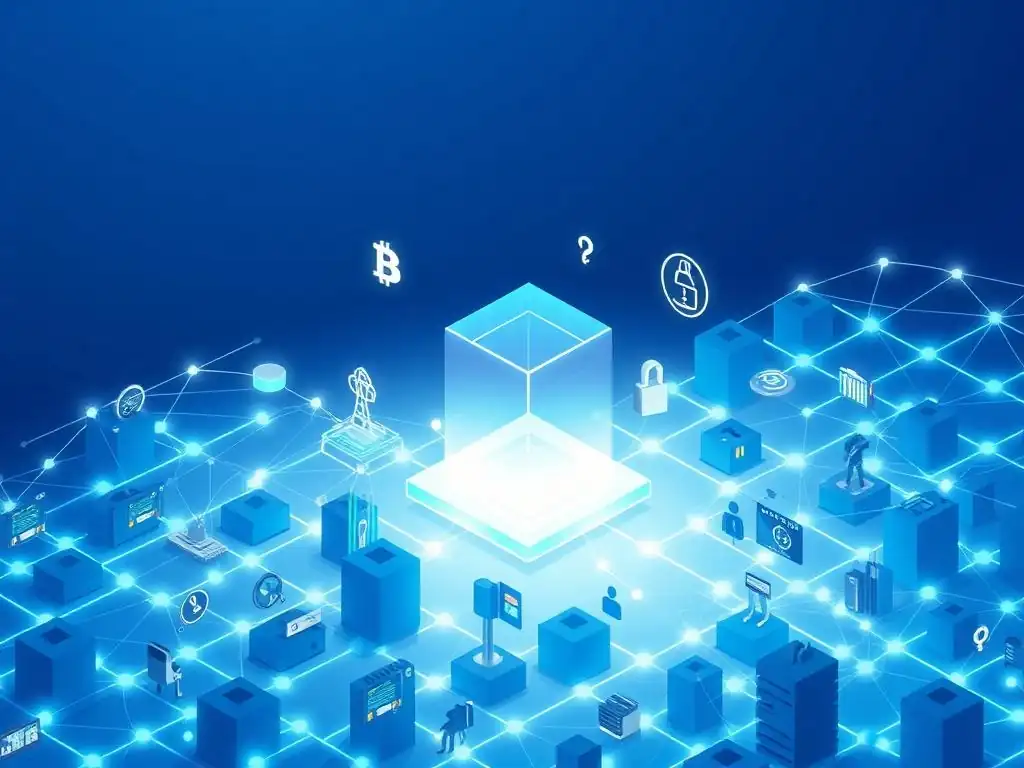
Developing smart contracts is a core aspect of building a Blockchain IoT verification system. Smart contracts automate data validation, verification, and access control, ensuring the integrity and security of IoT data. Start by defining the specific rules and logic for data validation based on the requirements of your IoT application.
For example, in a temperature monitoring system, smart contracts can be designed to validate if temperature readings fall within acceptable ranges and trigger alerts if deviations occur. Use a suitable smart contract programming language, such as Solidity for Ethereum-based platforms or Go for Hyperledger Fabric, to write the smart contract code.
Implement access control mechanisms within the smart contracts to define who can access and modify IoT data. Role-based access control (RBAC) can be implemented in smart contracts to grant different levels of permissions to various stakeholders based on their roles, such as device owners, data consumers, or administrators. Thoroughly test and audit smart contracts to ensure they function correctly and securely. Smart contract vulnerabilities can lead to security breaches and data integrity issues.
Utilize formal verification methods and security audits by independent experts to identify and mitigate potential risks. Deploy the smart contracts to the chosen blockchain platform and integrate them with the IoT data flow. Smart contracts will then automatically execute data validation and access control logic as IoT data is recorded on the blockchain, ensuring automated and trustworthy operation of the verification system.
Step 5: Implement Real-Time Data Monitoring and Alerting
Implementing real-time data monitoring and alerting is crucial for proactive management and responsiveness in a Blockchain IoT verification system. While blockchain ensures data integrity and immutability, real-time monitoring allows for immediate detection of anomalies, deviations, or security incidents in the IoT data stream. Set up dashboards and monitoring tools to visualize real-time IoT data recorded on the blockchain.
These dashboards can display key metrics, sensor readings, and system status, providing operators with a comprehensive overview of the IoT ecosystem. Configure alerts and notifications to be triggered automatically when predefined thresholds are breached or anomalies are detected in the IoT data. For example, if a temperature sensor reading falls outside the acceptable range, an alert can be sent to relevant personnel for immediate investigation and corrective action.
Integrate the monitoring and alerting system with the smart contracts to enable automated responses to detected anomalies. Smart contracts can trigger automated actions, such as shutting down a malfunctioning device, initiating backup systems, or notifying administrators, based on real-time data monitoring. Utilize blockchain event listeners to monitor for specific events emitted by smart contracts, such as data validation failures or security breaches.
These event listeners can trigger alerts and initiate automated responses in real-time. Ensure that the monitoring and alerting system is scalable to handle the volume and velocity of data generated by a large-scale IoT deployment. Real-time data monitoring and alerting capabilities are essential for proactive management, rapid response to incidents, and ensuring the continuous and reliable operation of a Blockchain IoT verification system.
Real-World Applications of Blockchain IoT Verification Systems
Supply Chain Management: Tracking Goods and Ensuring Authenticity
Supply chain management stands to gain significantly from Blockchain IoT verification systems. The complexity of modern supply chains, involving numerous intermediaries and geographical locations, makes it challenging to track goods accurately and ensure their authenticity. Blockchain, combined with IoT sensors, provides a powerful solution for end-to-end supply chain visibility and verification. IoT sensors, attached to goods or shipping containers, can collect real-time data on location, temperature, humidity, and other environmental conditions. This data is then recorded on a blockchain, creating an immutable and transparent record of the product's journey.
This verifiable data can be used to track goods from origin to destination, ensuring traceability and accountability at each stage of the supply chain. For example, in the pharmaceutical industry, temperature-sensitive drugs can be tracked using IoT sensors and blockchain, ensuring that they are maintained within the required temperature range throughout the supply chain. This verifiable data helps prevent the distribution of counterfeit or substandard products, enhancing consumer trust and brand reputation.
Companies like Walmart and IBM Food Trust are already leveraging blockchain for supply chain traceability, demonstrating the practical benefits of these systems. Blockchain IoT verification systems in supply chain management not only improve efficiency and transparency but also significantly reduce the risks of fraud and counterfeiting, leading to more resilient and trustworthy supply chains.
Healthcare: Securing Patient Data and Medical Device Integrity
The healthcare sector, with its stringent data privacy and security requirements, is a prime candidate for Blockchain IoT verification systems. The proliferation of medical IoT devices, such as wearable sensors and remote patient monitoring systems, generates vast amounts of sensitive patient data. Securing this data and ensuring the integrity of medical device readings are paramount for patient safety and regulatory compliance.
Blockchain can provide a secure and decentralized platform for managing patient data and verifying the data from medical IoT devices. Patient data can be encrypted and stored on a blockchain, with access controlled through cryptographic keys and smart contracts, ensuring data privacy and compliance with regulations like HIPAA.
IoT devices used in healthcare, such as glucose monitors or infusion pumps, can record their readings on the blockchain, creating a verifiable and tamper-proof record of patient health data. This data can be securely shared with authorized healthcare providers, enabling better patient care and remote monitoring. Furthermore, blockchain can enhance the integrity of medical device data by verifying the authenticity and calibration of devices, preventing the use of counterfeit or malfunctioning devices.
For example, blockchain can be used to track the maintenance history and calibration records of medical equipment, ensuring that devices are operating correctly and providing accurate readings. Blockchain IoT verification systems in healthcare can significantly enhance data security, patient privacy, and the integrity of medical device data, leading to improved patient outcomes and more trustworthy healthcare systems.
Smart Cities: Managing Infrastructure and Ensuring Data Accuracy
Smart cities rely heavily on IoT sensors to monitor and manage urban infrastructure, from traffic flow and public transportation to energy grids and environmental conditions. The accuracy and reliability of data from these sensors are crucial for effective city management and citizen well-being. Blockchain IoT verification systems can play a vital role in ensuring the integrity and trustworthiness of data in smart city applications. Data from various IoT sensors deployed across a city, such as traffic sensors, air quality monitors, and smart meters, can be recorded on a blockchain, creating a verifiable and immutable record of urban data.
This verifiable data can be used to optimize traffic management, improve air quality monitoring, and enhance energy efficiency in smart cities. For example, verifiable data from traffic sensors can be used to dynamically adjust traffic light timings and optimize traffic flow, reducing congestion and improving commute times. Similarly, verifiable data from air quality sensors can be used to identify pollution hotspots and implement targeted interventions to improve air quality.
Blockchain can also enhance the security and resilience of smart city infrastructure by decentralizing data management and reducing the risk of single points of failure. Furthermore, blockchain's transparency can improve citizen trust in smart city initiatives by providing verifiable data on urban performance and resource allocation. Blockchain IoT verification systems are essential for building trustworthy and efficient smart cities, enabling data-driven urban management and improving the quality of life for citizens.
Energy Sector: Monitoring and Verifying Energy Consumption
The energy sector, undergoing a transition towards smart grids and decentralized energy resources, can greatly benefit from Blockchain IoT verification systems. Accurate and verifiable data on energy consumption, production, and distribution is crucial for efficient energy management, grid stability, and fair energy markets. Smart meters, IoT sensors deployed in power grids, and renewable energy generation systems generate vast amounts of energy data.
Blockchain can provide a secure and transparent platform for verifying this data and ensuring its integrity. Data from smart meters can be recorded on a blockchain, creating a verifiable and tamper-proof record of energy consumption for billing and energy management purposes.
This verifiable data can prevent energy theft and billing disputes, ensuring fair and accurate energy billing for consumers. In smart grids, blockchain can be used to verify data from grid sensors, enabling real-time monitoring of grid conditions and faster response to grid disturbances. For renewable energy systems, blockchain can verify the origin and production of renewable energy, facilitating the trading of renewable energy certificates (RECs) and promoting the adoption of clean energy sources.
Furthermore, blockchain can enable peer-to-peer energy trading within microgrids and decentralized energy networks, creating more efficient and resilient energy systems. Blockchain IoT verification systems in the energy sector can enhance data accuracy, improve grid stability, promote fair energy markets, and accelerate the transition to a more sustainable and decentralized energy future.
Overcoming Challenges in Blockchain IoT Verification Implementation
Scalability Issues and Solutions for Large-Scale IoT Deployments
Scalability is a significant challenge when implementing Blockchain IoT verification systems, particularly for large-scale IoT deployments involving millions of devices and high data volumes. Traditional blockchain platforms, especially public blockchains, can face limitations in transaction throughput and latency, which can hinder their applicability to massive IoT networks. However, several solutions are emerging to address these scalability challenges.
Layer-2 scaling solutions, such as state channels and rollups, can offload transaction processing from the main blockchain to secondary layers, significantly increasing transaction throughput and reducing latency. These solutions are being actively developed for platforms like Ethereum and are showing promise for improving scalability.
Another approach is to utilize permissioned or private blockchains, which are designed for enterprise applications and typically offer better scalability compared to public blockchains. Consortium blockchains, where multiple organizations jointly operate the network, can also provide a balance between decentralization and scalability. Sharding, a technique that divides the blockchain into smaller, parallel shards, is another promising solution for improving blockchain scalability.
Hybrid blockchain architectures, combining public and private blockchain components, can also be employed to optimize scalability and data privacy. Furthermore, edge computing can help reduce the volume of data transmitted to the blockchain by processing data closer to the IoT devices, only recording essential verified data on the blockchain. Addressing scalability requires careful selection of blockchain platforms, architectural design, and the adoption of appropriate scaling solutions to ensure that Blockchain IoT verification systems can handle the demands of large-scale IoT deployments effectively.
Interoperability Challenges Between Different Blockchain Platforms and IoT Devices
Interoperability is another significant challenge in Blockchain IoT verification implementation. The IoT landscape is highly fragmented, with a diverse range of devices, communication protocols, and data formats. Similarly, various blockchain platforms exist, each with its own standards and APIs.
Ensuring seamless interoperability between different blockchain platforms and IoT devices is crucial for building integrated and functional Blockchain IoT verification systems. Standardization efforts are underway to address interoperability challenges in both the IoT and blockchain domains. Organizations like the IEEE and the IETF are developing standards for IoT communication protocols and data formats, promoting interoperability between different IoT devices and platforms.
In the blockchain space, initiatives like the Interledger Protocol (ILP) and cross-chain bridges are being developed to enable interoperability between different blockchain platforms. These technologies allow for the transfer of data and assets across different blockchains, facilitating cross-chain communication and data exchange. Adopting open standards and protocols in both IoT device design and blockchain platform selection is essential for promoting interoperability.
Using API gateways and middleware can help bridge the gap between different IoT devices and blockchain platforms, translating data formats and communication protocols. Furthermore, focusing on modular and loosely coupled architectures can enhance interoperability by allowing different components of the system to interact more flexibly. Addressing interoperability challenges requires a combination of standardization efforts, technological solutions, and architectural design considerations to ensure that Blockchain IoT verification systems can seamlessly integrate with diverse IoT ecosystems and blockchain environments.
Cost Considerations and Strategies for Efficient Blockchain Integration
Cost is a significant factor to consider when implementing Blockchain IoT verification systems. Blockchain integration can involve various costs, including blockchain platform fees, transaction costs, development costs, infrastructure costs, and operational costs. Public blockchains, while offering decentralization and transparency, can incur higher transaction costs, especially for high-volume IoT data recording. Permissioned and private blockchains typically have lower transaction costs but may involve licensing fees or infrastructure setup costs. Carefully evaluate the cost implications of different blockchain platforms and choose a platform that aligns with your budget and performance requirements.
Optimize blockchain usage by recording only essential verified data on the blockchain, reducing transaction volume and costs. Edge computing can help pre-process and filter data closer to the IoT devices, minimizing the amount of data transmitted to the blockchain. Consider using batch processing and data aggregation techniques to reduce the number of transactions recorded on the blockchain. Explore cost-effective blockchain solutions, such as Layer-2 scaling solutions and sidechains, to reduce transaction costs and improve scalability.
Leverage existing IoT infrastructure and integrate blockchain incrementally, starting with pilot projects and gradually expanding the implementation. Develop a clear business case and ROI analysis for blockchain IoT verification to justify the investment and ensure that the benefits outweigh the costs. Efficient blockchain integration requires careful cost planning, optimization strategies, and a phased implementation approach to ensure cost-effectiveness and maximize the return on investment.
The Future of Blockchain and IoT: Towards Decentralized and Trustless Ecosystems
The Role of Decentralized Identity (DID) in Verifiable IoT
Decentralized Identity (DID) is poised to play a crucial role in the future of verifiable IoT ecosystems. DID provides a self-sovereign and privacy-preserving approach to managing digital identities for IoT devices, users, and organizations. In traditional centralized identity systems, identities are controlled by central authorities, creating single points of failure and privacy risks. DID empowers individuals and entities to control their own identities, without relying on central intermediaries. Blockchain technology provides the underlying infrastructure for DID, enabling secure and tamper-proof storage of identity credentials and verifiable claims.
In verifiable IoT, DID can be used to establish secure and trustworthy identities for IoT devices, ensuring that devices are authenticated and authorized before accessing the network and transmitting data. DID can also enable fine-grained access control to IoT data, allowing users to selectively share data with authorized parties while maintaining privacy. Furthermore, DID can facilitate interoperability between different IoT ecosystems by providing a standardized and decentralized identity framework.
The World Wide Web Consortium (W3C) is actively developing DID standards, promoting interoperability and adoption of decentralized identity technologies. As DID technologies mature and become more widely adopted, they will be instrumental in building truly decentralized and trustless IoT ecosystems, enhancing security, privacy, and user control in the future of IoT.
The Potential of Blockchain-Based IoT Data Marketplaces
Blockchain-based IoT data marketplaces hold significant potential for unlocking the value of IoT data and creating new revenue streams. Currently, much of the data generated by IoT devices is underutilized or siloed within organizations. Data marketplaces provide a platform for securely sharing and monetizing IoT data, creating a data economy for IoT.
Blockchain technology ensures data provenance, security, and transparency in data marketplaces. Data providers can securely share their IoT data on the marketplace, while data consumers can access and purchase verified data for various applications. Smart contracts can automate data transactions, enforce data usage rights, and ensure fair compensation for data providers.
IoT data marketplaces can facilitate data sharing and collaboration across different industries and organizations, fostering innovation and creating new data-driven services. For example, data from smart city sensors can be shared with urban planners, researchers, and businesses to develop new solutions for traffic management, environmental monitoring, and urban development.
Data from industrial IoT sensors can be shared with manufacturers, suppliers, and maintenance providers to optimize production processes, improve predictive maintenance, and enhance supply chain efficiency. Blockchain-based IoT data marketplaces have the potential to transform the way IoT data is valued, shared, and utilized, driving innovation and creating new economic opportunities in the IoT ecosystem.
The Impact of Emerging Technologies on Blockchain IoT Verification Systems
Emerging technologies, such as Artificial Intelligence (AI), Machine Learning (ML), and 5G, are poised to significantly impact Blockchain IoT verification systems in the future. AI and ML can enhance the capabilities of Blockchain IoT verification systems by enabling more intelligent data validation, anomaly detection, and predictive analytics. AI algorithms can be integrated with smart contracts to perform more sophisticated data validation and verification tasks, going beyond simple rule-based checks. ML models can be trained on historical IoT data to detect anomalies and predict potential failures or security breaches in IoT systems, enabling proactive interventions.
5G technology, with its high bandwidth and low latency, will enable faster and more reliable data transmission from IoT devices to blockchain networks, improving the performance and scalability of Blockchain IoT verification systems. 5G will also facilitate the deployment of more sophisticated and data-intensive IoT applications, further increasing the demand for robust and verifiable data.
The convergence of blockchain, IoT, AI/ML, and 5G will create synergistic opportunities for building more intelligent, secure, and efficient verifiable IoT ecosystems. These emerging technologies will drive innovation in Blockchain IoT verification systems, enabling new applications and unlocking the full potential of decentralized and trustless IoT environments.
Conclusion: Embracing Blockchain for Verifiable and Secure IoT
Key Takeaways: The Power of Blockchain IoT Verification Systems
Blockchain technology offers a transformative solution for building verifiable and secure IoT ecosystems. By addressing the inherent trust challenges in traditional IoT architectures, blockchain provides a foundation for data integrity, transparency, and security that is essential for realizing the full potential of IoT applications. Blockchain IoT verification systems enhance data security and immutability through decentralization and cryptographic mechanisms, ensuring that IoT data is tamper-proof and reliable. They improve transparency and auditability by providing a verifiable record of all data transactions, fostering trust and accountability among stakeholders. Furthermore, blockchain streamlines data governance and compliance by automating data validation, access control, and audit trails, reducing administrative overhead and ensuring regulatory adherence.
Real-world applications across supply chain management, healthcare, smart cities, and the energy sector demonstrate the broad applicability and tangible benefits of Blockchain IoT verification systems. While challenges like scalability, interoperability, and cost exist, ongoing technological advancements and strategic implementation approaches are effectively addressing these hurdles.
The future of Blockchain and IoT is bright, with emerging technologies like DID, data marketplaces, AI, ML, and 5G further enhancing the capabilities and impact of verifiable IoT ecosystems. Embracing blockchain for IoT data verification is not just a technological upgrade; it is a strategic imperative for building trustworthy, secure, and efficient IoT solutions that will shape the future of connected devices and data-driven innovation.
Frequently Asked Questions
What role does blockchain play in IoT verification systems?
Blockchain provides a decentralized and immutable ledger to record IoT device data, ensuring data integrity and trust throughout the system. This makes it extremely difficult for malicious actors to tamper with the information.
How can blockchain enhance security in IoT networks?
By using cryptographic hashing and digital signatures, blockchain helps authenticate IoT devices and verify data origins. This significantly reduces the risk of spoofing and man-in-the-middle attacks common in traditional IoT setups.
What are the key benefits of using a Blockchain IoT verification system?
The main advantages include improved data security, increased transparency, and enhanced auditability. Ultimately, this leads to greater trust in the IoT ecosystem.
What are some challenges in implementing Blockchain IoT verification systems?
Scalability is a major concern, as blockchain networks can struggle to handle the massive data volumes generated by IoT devices. Also, interoperability between different blockchain platforms and IoT devices presents a challenge.
How does blockchain contribute to regulatory compliance in IoT?
Blockchain provides a transparent and verifiable audit trail of IoT device activities. This helps organizations demonstrate compliance with data privacy regulations and industry standards regarding data security and provenance.
Final Reflection: Embracing Trust in the Connected World
The exploration of Blockchain IoT verification systems underscores a critical need in our increasingly interconnected world. As we've seen, the inherent vulnerabilities of IoT devices, coupled with the potential for data manipulation, demand robust solutions. The promise of blockchain to provide immutable records and verifiable data streams is not just a technological advancement; it's a fundamental shift towards building trust in the digital ecosystems that govern our lives.
This journey into verifiable IoT ecosystems has profoundly influenced how we perceive the future of technology and its impact on society. The ability to ensure data integrity and provenance is no longer a luxury, but a necessity for fostering confidence in everything from supply chains to smart cities. Trust is the glue of life. It's the most essential ingredient in effective communication. It's the foundational principle that holds all relationships together.
- Stephen Covey. This quote perfectly encapsulates the importance of trust, which blockchain-based verification systems aim to restore and strengthen in the digital realm.
Now, consider the implications for your own life. How can you advocate for greater transparency and security in the IoT devices you use every day? How can you support the development and adoption of blockchain-based solutions that empower individuals and organizations to verify the authenticity of data? The future of the connected world depends on our collective commitment to building trust, one verifiable transaction at a time. Let us embrace this challenge and work towards a future where data integrity is not just a possibility, but a guarantee.
Unleash the Potential: Your Next Step in IoT Security!
Thank you for exploring the world of blockchain-secured IoT. We hope you've gained valuable insights into how blockchain can transform trust and security among interconnected devices. Now, it's time to turn that knowledge into action!
Here are some ways to further explore this exciting field:
- Start Small with a Proof-of-Concept: Identify a single IoT device or application where blockchain can be integrated to improve security and data integrity. Gaining hands-on experience will be incredibly beneficial.
- Join the Conversation: Share this article on your social media platforms and encourage discussions within your network using the hashtag #BlockchainIoT. Let's foster a community dedicated to building verifiable IoT ecosystems!
- Explore New Blockchain Platforms: Investigate emerging blockchain solutions specifically designed for IoT applications. Assess their features and how they could benefit your projects.
What concrete steps will you take this week to incorporate blockchain into IoT security? Share your ideas and plans in the comments below!
Leave a Reply