
Immutable Records, Unbreakable Trust: Blockchain's Promise for Supply Chain Integrity


Welcome to Blockchain Trends, your compass in the rapidly evolving world of decentralized technologies. Ever wondered how to build unshakeable trust in complex global networks? Dive into our latest exploration of blockchain supply chain integrity benefits, uncovering how immutable records are revolutionizing transparency and accountability, and what this means for the future of supply chain management. Prepare to unlock the potential of blockchain beyond cryptocurrency - the journey to truly verifiable and secure supply chains starts here.
Immutable Records, Unbreakable Trust: Blockchain's Promise for Supply Chain Integrity
- Blockchain: Revolutionizing Supply Chain Integrity
- Unlocking Blockchain Supply Chain Integrity Benefits
- Challenges in Traditional Supply Chain Management
- How Blockchain Ensures Supply Chain Integrity: A Step-by-Step Explanation
- Real-World Applications of Blockchain in Supply Chain Management
- Overcoming Barriers to Blockchain Adoption in Supply Chains
- Measuring the Impact: Quantifying Blockchain Supply Chain Integrity Benefits
- The Future of Blockchain and Supply Chain Integrity
-
Frequently Asked Questions
- How does blockchain technology enhance supply chain integrity?
- What are the primary benefits of using blockchain for supply chain management?
- How can blockchain help combat counterfeiting in the supply chain?
- What role does regulation play in the adoption of blockchain for supply chains?
- Beyond cryptocurrencies, what are some other enterprise applications of blockchain in supply chain management?
- Final Reflection: Forging a Future of Transparent Trade
- Seize Control: Fortify Your Supply Chain Now!
Blockchain: Revolutionizing Supply Chain Integrity
Understanding the Core of Blockchain Technology for Supply Chains
At its heart, blockchain technology is a distributed, immutable ledger system that records transactions across many computers. Each block in the chain contains a batch of transactions, and once a block is added, it is cryptographically linked to the previous block, forming a chain. This structure makes it extremely difficult to alter past transactions without consensus from the network participants. For supply chains, this means creating a single, shared version of truth for the journey of a product, from raw material to final consumer. This inherent transparency and security are foundational to realizing the blockchain supply chain integrity benefits.
This distributed nature eliminates the need for a central authority, reducing points of failure and potential for manipulation. Data entered onto the blockchain is timestamped and permanent, providing an indisputable audit trail. Consider a complex supply network involving dozens of parties across multiple continents. Traditionally, each party maintains its own records, leading to data silos, discrepancies, and a lack of end-to-end visibility. Blockchain bridges these gaps by providing a secure, shared platform where all relevant parties can record and verify product movements, ownership changes, and crucial certifications, establishing unprecedented trust and enabling significant blockchain supply chain integrity benefits.
The Growing Need for Enhanced Supply Chain Transparency
Globalization and increasingly complex, multi-tiered supply chains have amplified the demand for greater transparency. Consumers, regulators, and businesses alike want to know the origin of products, the conditions under which they were produced, and the authenticity of materials. Incidents involving tainted goods, unethical sourcing, or fraudulent certifications highlight critical vulnerabilities in traditional systems. The opaque nature of many supply chains makes it challenging to quickly identify the source of issues, leading to costly recalls, reputational damage, and loss of consumer confidence.
Furthermore, regulatory bodies worldwide are imposing stricter requirements for product traceability, particularly in sensitive sectors like food, pharmaceuticals, and electronics. For instance, the US Food and Drug Administration (FDA) is moving towards enhanced traceability rules for certain foods. Compliance requires robust data management and sharing capabilities that traditional paper-based or disparate digital systems often cannot provide efficiently. This regulatory pressure, coupled with consumer demand for ethical and sustainable products, underscores the urgent need for technologies like blockchain that can deliver verifiable transparency and unlock substantial blockchain supply chain integrity benefits.
Unlocking Blockchain Supply Chain Integrity Benefits
Enhanced Traceability and Provenance with Blockchain
One of the most significant blockchain supply chain integrity benefits is the drastic improvement in traceability. By recording each step of a product's journey on an immutable ledger – from sourcing raw materials, through manufacturing, assembly, transportation, and distribution – blockchain creates a comprehensive and verifiable history. Each transaction, such as a change in ownership or location, can be logged with details like timestamps, parties involved, and relevant certifications. This creates a digital thread that follows the physical product.
This granular level of detail means that in the event of a quality issue or recall, the affected products can be identified and isolated with far greater speed and accuracy than with traditional methods. For example, pilot programs in the food industry using blockchain have demonstrated the ability to trace the origin of a product from store shelf back to the farm in seconds, compared to days or weeks using conventional databases. This rapid identification minimizes the scope of recalls, reduces waste, and protects consumers more effectively, illustrating a key blockchain supply chain integrity benefit.
Improved Efficiency and Reduced Costs in Supply Chains
Beyond traceability, blockchain technology offers compelling blockchain supply chain integrity benefits related to operational efficiency and cost reduction. By providing a shared, trusted record, blockchain reduces the need for manual data entry, reconciliation between disparate systems, and extensive paperwork. Smart contracts, self-executing contracts with the terms of the agreement directly written into code, can automate processes like payments upon delivery verification or release of goods upon successful quality checks.
Studies and pilot implementations suggest that blockchain can lead to significant cost savings. For instance, reducing administrative overhead associated with tracking and verifying shipments could yield savings estimated between 10% and 25% in certain logistics processes. Furthermore, faster dispute resolution, reduced reliance on intermediaries, and optimized inventory management resulting from better visibility contribute to overall operational efficiency, highlighting tangible blockchain supply chain integrity benefits that directly impact the bottom line.
Increased Trust and Accountability Across the Supply Network
Building trust among diverse, often competing or geographically separated, supply chain partners is a major challenge. Traditional relationships rely on bilateral agreements, audits, and a leap of faith that each party is accurately reporting information. Blockchain fundamentally shifts this dynamic by creating a system based on cryptographic proof and shared consensus rather than blind trust in a single entity. Every participant on the network who has permission can view the same, unalterable data, fostering unprecedented confidence in the information being shared.
This shared source of truth enhances accountability. If a discrepancy arises, the historical record on the blockchain provides an objective account of events, making it easier to pinpoint where issues occurred and who was responsible. This increased accountability encourages better data management practices and adherence to agreed-upon procedures across the network. The collective confidence built through this transparent and verifiable system is a crucial, albeit sometimes intangible, blockchain supply chain integrity benefit that strengthens relationships and improves overall network performance.
Challenges in Traditional Supply Chain Management
Lack of Transparency and Visibility
Traditional supply chains are often characterized by opaque data silos. Each company in the chain – suppliers, manufacturers, distributors, logistics providers – typically maintains its own separate database. Information is exchanged bilaterally, often using outdated methods like faxes, emails, or even paper documents. This fragmented approach means that no single party has a complete, end-to-end view of the product's journey or the status of the entire supply chain.
This lack of comprehensive visibility makes it incredibly difficult to track the origin of goods, verify certifications, or understand potential disruptions. For example, a retailer might only know the immediate distributor, not the manufacturer or the source of raw materials. This opacity hinders rapid response to issues, complicates compliance with regulations requiring detailed provenance, and prevents stakeholders from realizing potential blockchain supply chain integrity benefits offered by a unified view.
Inefficiencies and Delays in Processes
Manual processes and the need for reconciliation between disparate systems introduce significant inefficiencies and delays. Paperwork must be shuffled, data re-entered, and discrepancies resolved through time-consuming communication. Each handover point in the supply chain, whether physical or informational, represents a potential bottleneck and a point of error. For instance, verifying shipping documents, customs declarations, and payment terms across international borders involves multiple parties and complex procedures that can take days or weeks.
Furthermore, the lack of real-time information flow means that decisions are often based on outdated data, leading to suboptimal outcomes like excess inventory, stockouts, or delayed shipments. The administrative burden and inherent delays in traditional systems represent significant costs and hinder agility, contrasting sharply with the streamlined processes enabled by the blockchain supply chain integrity benefits of automated verification and shared data.
Counterfeit Goods and Supply Chain Fraud
The global trade in counterfeit goods is a multi-billion dollar problem that poses risks to consumer safety, damages brand reputation, and results in significant financial losses. Traditional supply chains lack robust, verifiable mechanisms to authenticate products at every stage. Counterfeiters exploit the opacity and complexity of these networks, introducing fake products at various points, often making them indistinguishable from genuine items through packaging alone.
Supply chain fraud can take many forms, including misrepresenting product origin, falsifying quality certifications, or diverting goods. Without an immutable and transparent record, proving the authenticity and legitimate journey of a product is extremely challenging. This vulnerability to counterfeiting and fraud is a critical weakness that blockchain technology directly addresses, offering significant blockchain supply chain integrity benefits by providing a secure method for verifying product authenticity and tracking its legitimate path.
How Blockchain Ensures Supply Chain Integrity: A Step-by-Step Explanation
Step 1: Data Digitization and Immutable Recording on the Blockchain
The process of ensuring blockchain supply chain integrity begins with digitizing information about a product or transaction. This could include details like batch numbers, manufacturing dates, origin points, quality inspection results, and ownership transfers. This digital data is then bundled into a block and, after being verified by the network's consensus mechanism, is added to the blockchain. Once added, this data is cryptographically linked to the previous block, making it virtually impossible to alter or delete without invalidating the entire chain that follows.
Each entry is timestamped and associated with the digital identity of the party that initiated the transaction, creating a permanent and auditable record. This immutable ledger serves as a single source of truth accessible to all authorized participants. Unlike traditional databases where records can potentially be modified or deleted by a central administrator, the decentralized and cryptographic nature of blockchain ensures that the history of a product's journey is preserved accurately and reliably, forming the basis for many blockchain supply chain integrity benefits.
Step 2: Secure and Transparent Data Sharing Among Stakeholders
A key feature of blockchain for supply chains is its ability to facilitate secure and transparent data sharing among authorized participants. Instead of sending copies of documents or relying on multiple, disparate databases, stakeholders can access relevant information directly from the shared ledger. Permissions can be set to ensure that sensitive data is only visible to the parties who need it, balancing transparency with privacy requirements.
This shared access eliminates data silos and ensures that everyone is working with the same, up-to-date information. For example, a regulator might have access to quality certifications and origin data, while a logistics provider only sees shipping and location information. This secure, selective sharing mechanism, built upon the foundation of an immutable record, drastically improves collaboration and trust across the network, directly contributing to the blockchain supply chain integrity benefits by reducing information asymmetry and potential for miscommunication or fraud.
Step 3: Real-Time Tracking and Monitoring of Goods
As goods move through the supply chain, each significant event – such as leaving a warehouse, arriving at a port, or changing hands – is recorded on the blockchain. This can be done manually via mobile applications, or automatically through integration with other technologies like IoT sensors (e.g., temperature sensors, GPS trackers). As each transaction is added to the ledger, it updates the shared record, providing near real-time visibility into the location and status of goods.
This real-time tracking allows stakeholders to monitor progress, anticipate delays, and react quickly to disruptions. For perishable goods, for instance, continuous temperature monitoring recorded on the blockchain can provide verifiable proof that goods remained within acceptable limits throughout transit. This level of dynamic, verifiable tracking is a significant upgrade from periodic check-ins or paper manifests, enhancing oversight and contributing substantially to the overall blockchain supply chain integrity benefits by providing actionable, trustworthy data.
Step 4: Automated Verification and Auditing of Transactions
Smart contracts play a crucial role in automating verification and auditing processes within a blockchain supply chain. These self-executing contracts can automatically trigger actions or verify conditions based on data recorded on the blockchain. For example, a smart contract could automatically initiate payment to a supplier once the blockchain record confirms that goods have arrived at a destination port and quality inspection data (also recorded on the blockchain) meets predefined standards.
Furthermore, the immutable and transparent nature of the blockchain makes auditing significantly easier and more efficient. Regulators, auditors, or supply chain partners can easily trace the history of a product or transaction back to its origin, verifying every step along the way. This automated verification and streamlined auditing process reduces manual effort, minimizes errors, and provides a high level of assurance regarding the integrity of the supply chain data and processes, reinforcing the core blockchain supply chain integrity benefits.
Real-World Applications of Blockchain in Supply Chain Management
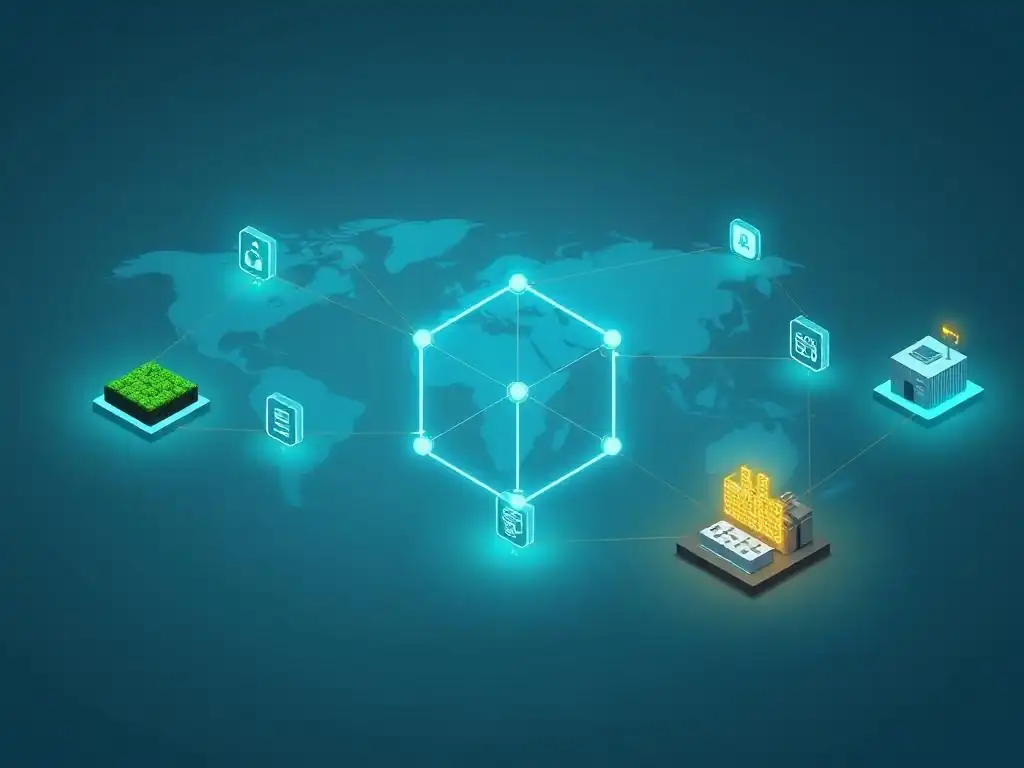
Tracking Food Safety and Origin
The food industry has been an early adopter of blockchain technology, driven by the critical need for safety and transparency. Initiatives like IBM Food Trust connect farmers, processors, distributors, and retailers on a single platform. Participants record data such as planting dates, use of fertilizers, harvesting details, processing information, and shipping routes directly onto the blockchain. This creates an end-to-end, verifiable history for food products.
In practice, this means that if a foodborne illness outbreak occurs, authorities can trace the contaminated product back to its source farm or processing facility in minutes, rather than the days or weeks it typically takes with traditional methods. This rapid traceability allows for targeted recalls, minimizing the scope of the affected products and protecting public health more effectively. This immediate and verifiable provenance is a paramount blockchain supply chain integrity benefit for the food sector.
Verifying Pharmaceutical Supply Chain Integrity
Ensuring the authenticity and safe handling of pharmaceuticals is literally a matter of life and death. The prevalence of counterfeit drugs, which the WHO estimates account for up to 10% of medical products in low and middle-income countries, poses a severe global health threat. Regulations like the US Drug Supply Chain Security Act (DSCSA) mandate enhanced traceability to combat counterfeiting and secure the supply chain.
Blockchain offers a robust solution by creating an immutable record for each drug package, tracking its unique identifier (serialization) from manufacturing through distribution to dispensing. Pharmaceutical companies and distributors are exploring blockchain platforms to record ownership transfers, temperature data during transit, and authentication requests. This allows pharmacies and consumers to verify the legitimacy of a product using a simple scan, significantly reducing the risk of counterfeit drugs entering the legitimate supply chain and providing a critical blockchain supply chain integrity benefit for patient safety.
Managing Luxury Goods and Preventing Counterfeiting
The luxury goods market is particularly vulnerable to counterfeiting, which erodes brand value and defrauds consumers. High-value items like designer handbags, watches, and jewelry are often targeted. Blockchain provides a powerful tool for establishing and verifying the authenticity and provenance of these goods.
Brands can assign a unique digital identity (often linked to a physical tag or QR code) to each item at the point of manufacture. Details about materials used, craftsmanship, and ownership history are recorded on the blockchain. When the item is sold or changes hands, the transaction is logged on the ledger. Consumers can scan the tag to access the item's verifiable history on the blockchain, confirming its authenticity and legitimate ownership path. This application provides a clear blockchain supply chain integrity benefit by protecting brand reputation and ensuring consumers receive genuine products.
Optimizing Logistics and Transportation Processes
Logistics and transportation involve complex coordination between shippers, carriers, ports, customs, and receivers. Manual processes, disparate systems, and lack of trust often lead to delays, disputes, and inefficiencies. Blockchain can streamline many of these processes by providing a shared, transparent platform for recording and verifying shipments, bills of lading, customs declarations, and payment terms.
For example, a blockchain-based platform can allow all parties involved in an international shipment to access and update the same digital freight documentation in real-time. Smart contracts can automate payments or release of goods based on predefined conditions being met and recorded on the blockchain. This reduces administrative overhead, accelerates customs clearance, and minimizes disputes over shipment status or condition. The resulting improvements in speed, accuracy, and cost are tangible blockchain supply chain integrity benefits for the logistics sector.
Overcoming Barriers to Blockchain Adoption in Supply Chains
Addressing Scalability and Interoperability Concerns
One of the primary technical challenges for widespread blockchain adoption in large-scale supply chains is scalability. Public blockchains like Bitcoin or Ethereum, while highly secure, can process a limited number of transactions per second, which may not be sufficient for the immense volume of data generated by global supply networks. While private or permissioned blockchains offer higher throughput, they may sacrifice some degree of decentralization.
Furthermore, achieving interoperability between different blockchain platforms and integrating blockchain solutions with existing legacy systems (like ERP or WMS) is complex. Supply chains often involve companies using diverse technologies. Addressing these issues requires continued development of faster, more efficient blockchain protocols and the creation of standards and middleware that enable seamless data exchange between different systems and blockchains. Overcoming these technical hurdles is crucial to fully realize the potential blockchain supply chain integrity benefits on a global scale.
Ensuring Data Privacy and Compliance with Regulations
While transparency is a core blockchain supply chain integrity benefit, businesses also need to protect sensitive commercial data. Not all information about a product's journey or manufacturing process is meant for every party in the supply chain. Ensuring data privacy within a transparent ledger requires careful design, often utilizing permissioned blockchains where access is restricted, or employing cryptographic techniques like zero-knowledge proofs to verify data without revealing the underlying details.
Additionally, compliance with various data protection regulations, such as GDPR, which grants individuals the right to erasure, presents a philosophical challenge to the concept of immutable data on a blockchain. While transaction records themselves are immutable, personal or sensitive data might need to be stored off-chain with hashes recorded on the blockchain, or through other architectural approaches that balance the integrity of the ledger with regulatory requirements. Navigating this complex landscape is essential for compliant blockchain supply chain integrity.
Fostering Collaboration and Standardization Among Participants
Implementing a blockchain solution requires collaboration among multiple, often competing, entities within a supply chain. All participants need to agree on the platform, the data standards, and the processes for recording information. This necessitates significant coordination, trust-building, and potentially changes to existing business workflows. Gaining buy-in from all stakeholders, from small suppliers to large enterprises, can be a significant organizational challenge.
The lack of universal standards for blockchain in supply chain data formats, protocols, and governance models also hinders widespread adoption. Different initiatives and platforms are emerging, which could lead to fragmentation. Fostering industry-wide collaboration to develop common standards is vital for ensuring interoperability and enabling network effects. Successful adoption depends not just on the technology itself, but on the collective willingness of supply chain partners to collaborate and standardize processes to unlock shared blockchain supply chain integrity benefits.
Measuring the Impact: Quantifying Blockchain Supply Chain Integrity Benefits
Reduction in Lead Times and Inventory Holding Costs
Quantifying the blockchain supply chain integrity benefits often involves measuring improvements in operational metrics. Enhanced visibility and automated processes enabled by blockchain can significantly reduce lead times – the time it takes for a product to move through the chain. Faster verification, reduced administrative delays, and improved coordination mean goods spend less time waiting at various nodes. For instance, a pilot project in maritime shipping reduced the time needed to process trade documentation by 50%, from days to hours.
Shorter, more predictable lead times directly impact inventory management. Companies can reduce safety stock levels previously held to buffer against uncertainty and delays. This leads to lower inventory holding costs, including warehousing, insurance, and capital tied up in stock. While specific figures vary greatly by industry and implementation scope, reductions in inventory costs ranging from 15% to 30% have been cited in studies exploring the impact of improved supply chain visibility and efficiency provided by blockchain.
Decreased Incidence of Counterfeit Products and Fraudulent Activities
A primary objective of implementing blockchain for supply chain integrity is to combat counterfeiting and fraud. Measuring success involves tracking the reduction in the number of counterfeit goods detected within the legitimate supply chain or a decrease in reported incidents of fraud related to product authenticity or origin. While precise global figures are hard to consolidate, industry-specific data provides insights.
In the pharmaceutical sector, pilot programs using blockchain-based track-and-trace systems have reported detecting counterfeit or diverted products with significantly higher efficiency and speed than traditional methods. For example, one study indicated a potential to reduce counterfeit drug incidents within controlled supply chains by over 90% in specific regions where traceability was mandated and implemented. Similarly, brands using blockchain for luxury goods authentication report a decrease in the number of counterfeit items returned or identified in secondary markets. These figures directly illustrate the critical blockchain supply chain integrity benefits in protecting consumers and brands.
Improved Data Accuracy and Audit Trail Completeness
The immutable nature of blockchain fundamentally improves data accuracy compared to systems reliant on manual entry or disparate, easily modifiable databases. Errors or intentional manipulations are significantly harder to introduce undetected. Measuring this benefit involves comparing the frequency of data discrepancies or reconciliation issues before and after blockchain implementation.
Furthermore, blockchain provides a complete, timestamped, and verifiable audit trail for every transaction and event recorded. This makes audits faster, less resource-intensive, and more reliable. Companies can measure the reduction in time and cost associated with audits, as well as the increased confidence in the completeness and accuracy of the audit trail. For regulated industries, the ability to provide regulators with an indisputable record of compliance steps, verified on the blockchain, is a major blockchain supply chain integrity benefit that streamlines reporting and reduces compliance risk.
The Future of Blockchain and Supply Chain Integrity
Emerging Trends and Innovations in Blockchain Technology
The field of blockchain technology is rapidly evolving, with new developments promising to enhance its capabilities for supply chain applications. Emerging trends include advancements in consensus mechanisms that offer higher transaction speeds and lower energy consumption than early proof-of-work systems. Layer 2 scaling solutions are being developed to handle massive volumes of micro-transactions off the main chain while retaining security guarantees.
Furthermore, innovations in privacy-preserving technologies like zero-knowledge proofs are becoming more practical, allowing verification of data compliance without revealing sensitive details, addressing key concerns around commercial confidentiality. Interoperability protocols and cross-chain communication standards are also maturing, aiming to connect different blockchain networks and facilitate seamless data flow across complex, multi-platform supply chains. These technological advancements are poised to unlock even greater blockchain supply chain integrity benefits in the coming years.
Integration with IoT and AI for Enhanced Visibility and Automation
The true power of blockchain in supply chains is magnified when integrated with other cutting-edge technologies like the Internet of Things (IoT) and Artificial Intelligence (AI). IoT devices – sensors, GPS trackers, RFID tags – can automatically collect real-time data about a product's condition (temperature, humidity), location, and status. This data can then be automatically fed into the blockchain, providing an objective, tamper-proof record without human intervention.
AI can analyze the vast amounts of data collected via IoT and recorded on the blockchain to identify patterns, predict potential issues (e.g., predict equipment failure based on usage data, forecast demand based on supply chain movements), and optimize routes or processes. Smart contracts can then use AI-driven insights to trigger automated actions recorded on the blockchain. This integration creates highly intelligent, automated, and verifiable supply chains, significantly enhancing visibility, efficiency, and the fundamental blockchain supply chain integrity benefits.
Blockchain's Role in Building More Resilient and Sustainable Supply Chains
Beyond tracking and efficiency, blockchain is increasingly seen as a tool for building more resilient and sustainable supply chains. By providing end-to-end visibility, companies can better identify alternative sourcing options during disruptions (like natural disasters or geopolitical events) by understanding their entire supplier network, not just tier-one suppliers. The immutable record can also help track and verify the ethical sourcing of materials, labor practices, and environmental compliance throughout the supply chain.
For instance, blockchain can be used to track carbon emissions associated with each stage of production and transportation, providing verifiable data for sustainability reporting. It can also ensure fair trade practices by automating payments to smallholder farmers upon verification of delivery and quality. By enabling verifiable transparency around social and environmental factors, blockchain contributes to building supply chains that are not only secure and efficient but also more ethical, environmentally conscious, and capable of withstanding future shocks, adding significant layers to the overall blockchain supply chain integrity benefits.
Frequently Asked Questions
How does blockchain technology enhance supply chain integrity?
Blockchain creates immutable records, meaning data cannot be altered after being recorded. This provides unbreakable trust and transparency in tracking goods from origin to consumer.
What are the primary benefits of using blockchain for supply chain management?
The main benefits include improved traceability, reduced counterfeiting, and enhanced efficiency through streamlined processes and automation. This improves Blockchain supply chain integrity benefits.
How can blockchain help combat counterfeiting in the supply chain?
Blockchain's tamper-proof nature makes it difficult to introduce fake products into the system. Every step is recorded and verifiable, creating a transparent audit trail that exposes fraudulent activities.
What role does regulation play in the adoption of blockchain for supply chains?
Clear regulation can foster trust and standardization, encouraging wider adoption. Uncertainty and inconsistent policies, however, can hinder implementation and limit its potential.
Beyond cryptocurrencies, what are some other enterprise applications of blockchain in supply chain management?
Besides tracking goods, blockchain can be used for smart contracts to automate payments, verifying certifications, and managing inventory with greater accuracy. This helps to ensure Blockchain supply chain integrity benefits.
Final Reflection: Forging a Future of Transparent Trade
The exploration of blockchain's potential to revolutionize supply chain integrity culminates in a powerful realization: the promise of verifiable truth is no longer a futuristic fantasy, but a tangible tool ready to reshape global commerce. From combating counterfeiting to ensuring ethical sourcing, the benefits of blockchain technology are poised to address some of the most pressing challenges facing modern supply chains, offering a pathway towards greater transparency and accountability.
The impact of immutable records on building trust is profound, extending beyond mere efficiency to fundamentally alter the relationship between producers, distributors, and consumers. This shift towards verifiable provenance resonates deeply, reminding us that true value lies not just in the product itself, but in the story behind it. Trust is built with consistency.
This quote underscores the core principle of blockchain's success: by consistently providing accurate and verifiable information, it fosters a level of trust previously unattainable in complex global supply chains.
Now, consider the implications of this newfound transparency in your own life. How can you, as a consumer or a business leader, demand greater accountability and contribute to a more ethical and sustainable future? Embrace the potential of blockchain to empower informed choices and drive positive change. Let us collectively strive to build supply chains that are not only efficient but also transparent, trustworthy, and ultimately, beneficial for all.
Seize Control: Fortify Your Supply Chain Now!
Thank you for exploring how blockchain technology can transform supply chain integrity. You've learned how immutable records can foster unwavering trust and enhance operational efficiency. Now, it's time to put that knowledge into practice.
Start by investigating a pilot project that uses blockchain to track a critical product within your supply chain. Focus on improving traceability and transparency to unlock greater efficiency.
Consider exploring open-source blockchain platforms designed for supply chain management. Experiment with different solutions to determine which best meets your specific needs.
Share this article with colleagues and participate in discussions about blockchain trends in supply chain management on our forum. Together, we can work toward a more transparent and trustworthy future.
What small change can you implement this week to incorporate blockchain principles into your supply chain processes and begin building trust today?
Leave a Reply