
Blockchain's Battle Against Fakes: Revolutionizing Supply Chain Authenticity


Welcome to Blockchain Trends, your compass in the rapidly evolving world of decentralized technology! Dive in to uncover how blockchain is reshaping industries beyond cryptocurrency. Are you ready to explore real-world applications?
This week, we're focusing on Blockchain supply chain authentication benefits, revealing how this powerful technology is battling counterfeit goods and building unprecedented trust. Discover the innovative solutions and strategic advantages that blockchain brings to securing and authenticating products from origin to consumer. Prepare to be amazed by the potential – and the challenges – that lie ahead. Let's unlock the future of verifiable supply chains!
- Introduction: The Increasing Demand for Ethical and Transparent Supply Chains
- Benefits of Blockchain for Ethical Supply Chain Management: A Detailed Analysis
- How Blockchain Promotes Ethical Sourcing: A Step-by-Step Process
- Real-World Applications of Blockchain for Ethical Supply Chain Management
- Addressing Challenges in Implementing Blockchain for Ethical Sourcing
- The Future of Blockchain in Ethical Supply Chain Management: Trends and Predictions
- Conclusion: The Transformative Potential of Blockchain for Ethical Sourcing
-
Frequently Asked Questions
- What are the core benefits of using blockchain for supply chain authentication?
- How does blockchain technology improve supply chain visibility?
- What role does decentralization play in ensuring the authenticity of products within a blockchain-based supply chain?
- What are some potential challenges in implementing blockchain solutions for supply chain authentication?
- How are blockchain-based solutions helping to combat the problem of counterfeit goods in specific industries?
- Final Reflection: Securing Trust in a Decentralized World
- Unveil the Power of Blockchain: Your Next Steps
Introduction: The Increasing Demand for Ethical and Transparent Supply Chains
Consumers and regulators worldwide are increasingly demanding greater transparency and ethical conduct throughout global supply chains. This shift is driven by a growing awareness of social and environmental issues, from labor exploitation and unsafe working conditions to deforestation and pollution. Companies are under pressure to not only produce goods but also demonstrate that they do so responsibly, ensuring fair treatment of workers, sustainable resource management, and minimal environmental impact. This rising consciousness is transforming purchasing decisions and corporate accountability standards.
This heightened scrutiny highlights a critical need for robust systems that can verify and authenticate the origins, processes, and impacts associated with products. Traditional methods of supply chain monitoring, often relying on manual audits, paper trails, and centralized databases, frequently fall short of providing the immutable and comprehensive record required for true transparency. The complexities of global networks, involving multiple intermediaries across different jurisdictions, create blind spots and opportunities for misrepresentation, making it difficult to definitively prove ethical sourcing and sustainability claims. Addressing these limitations is paramount for building trust and meeting stakeholder expectations.
The Rising Consumer Awareness of Ethical Sourcing and Sustainability
Consumer behavior is undergoing a significant transformation, with a growing segment prioritizing ethical and sustainable products. Studies consistently show that a substantial percentage of consumers are willing to pay more for products that are ethically sourced and environmentally friendly.
For instance, a 2023 survey indicated that over 60% of global consumers consider sustainability when making a purchase, and a similar proportion expects companies to take a stance on environmental and social issues. This awareness is fueled by increased access to information through social media and news, exposing issues like child labor in production or the environmental toll of manufacturing processes.
This trend is not limited to niche markets; it is becoming a mainstream expectation. Brands that can transparently demonstrate their commitment to ethical sourcing and sustainability gain a competitive advantage. Conversely, companies linked to unethical practices face significant reputational damage, boycotts, and financial losses. The demand for clear, verifiable information about a product's journey – from the source of raw materials to the final point of sale – is pushing businesses to adopt more rigorous and transparent supply chain practices. The benefits of Blockchain supply chain authentication become particularly relevant here, addressing this exact need for verifiable proof.
Limitations of Traditional Supply Chain Monitoring Methods
Traditional supply chain monitoring relies heavily on periodic audits, certifications, and fragmented data systems. While these methods provide some level of oversight, they suffer from inherent limitations. Audits are often snapshots in time, susceptible to manipulation, and can miss issues occurring between scheduled checks. Paper-based records are prone to loss, damage, or outright falsification. Centralized databases, while digital, can be siloed, making it difficult to share information across different parties in the supply chain, and are vulnerable to data breaches or tampering by a single entity.
Furthermore, verifying claims about complex attributes like fair labor practices or specific environmental impacts using traditional methods is challenging. A certificate might be issued, but tracking its validity and ensuring adherence to standards throughout the entire production process for every batch of goods is incredibly difficult. This lack of end-to-end visibility and the potential for data manipulation undermine trust and make it hard for companies to confidently assert ethical sourcing claims. The fragmented nature of data also prevents stakeholders, including consumers, from easily accessing and verifying the information themselves.
Blockchain as a Solution: Fostering Trust and Accountability
Blockchain technology offers a compelling solution to many of the challenges inherent in traditional supply chain monitoring. Its core characteristics – decentralization, immutability, transparency, and cryptographic security – are ideally suited for creating a trustworthy and accountable record of a product's journey. By creating a shared, tamper-proof ledger, blockchain can record every transaction and event along the supply chain, from the origin of raw materials to the final delivery.
This distributed ledger technology allows all authorized participants in the supply chain to access the same, consistent information. Once data is recorded on the blockchain, it cannot be altered or deleted, creating an immutable history. This inherent trustworthiness eliminates the need for intermediaries to verify data integrity and significantly reduces the potential for fraud or misrepresentation regarding ethical and sustainable practices. The benefits of Blockchain supply chain authentication lie precisely in this ability to establish a single source of truth that is verifiable by all parties.
Benefits of Blockchain for Ethical Supply Chain Management: A Detailed Analysis
Implementing blockchain technology in supply chains yields numerous benefits, particularly when focusing on ethical sourcing and sustainability. It fundamentally changes how data is recorded, shared, and trusted, leading to enhanced visibility, improved accountability, and greater stakeholder confidence. The inherent security and transparency of blockchain provide a robust foundation for verifying claims related to labor practices, environmental impact, and product origin, moving beyond simple compliance to proactive ethical management.
The verifiable nature of blockchain records empowers companies to make credible claims about their ethical practices, differentiating themselves in the market. It also allows consumers and regulators to independently verify these claims, fostering a new level of trust. From tracking specific batches of materials to monitoring compliance with fair wage agreements, blockchain provides the granular data needed for genuine accountability. The benefits of Blockchain supply chain authentication contribute directly to building more resilient, trustworthy, and ethically sound global trade networks.
Enhanced Traceability of Raw Materials and Components
One of the most significant benefits of Blockchain supply chain authentication is the unparalleled traceability it provides for raw materials and components. By recording the origin and movement of goods at each stage of the supply chain on an immutable ledger, companies can track materials from their source to the final product with high precision.
For example, in the conflict minerals sector, initiatives using blockchain can trace minerals like cobalt from specific mines, through refiners and manufacturers, to the final electronic device. This level of traceability helps ensure that materials are sourced responsibly and do not contribute to conflict or human rights abuses.
This granular traceability extends beyond just conflict minerals. In the food industry, blockchain can track produce from individual farms, recording details about growing conditions, pesticides used, and harvest dates. A pilot program by a major retailer demonstrated that using blockchain reduced the time to trace a product from farm to store from days or weeks to just seconds. This rapid traceability is crucial for verifying claims like "organic," "fair trade," or "ethically sourced," and it significantly improves the ability to conduct targeted recalls if issues arise, minimizing waste and protecting consumers.
Improved Transparency in Labor Practices and Working Conditions
Ensuring fair labor practices throughout complex global supply chains is a major challenge, often hampered by multiple layers of subcontractors and limited visibility into distant factories. Blockchain can improve transparency in this area by recording verified data points related to labor conditions. This could include recording payments made to workers (linked to verified identities or labor agreements), logging working hours, or documenting safety certifications for specific facilities. While privacy concerns require careful consideration, aggregated or anonymized data, or permissioned access, can provide valuable insights.
Several pilot programs and initiatives are exploring how blockchain can facilitate fair wage payments or verify ethical production certifications. For instance, a project in the apparel industry aimed to use blockchain to record proof of fair wage payments to garment workers, allowing brands and consumers to verify that workers at specific factories were compensated according to agreed-upon standards.
While still in early stages, the potential for blockchain to provide a verifiable, auditable trail of labor-related data offers a powerful tool for combating issues like forced labor and ensuring compliance with international labor standards, adding a critical layer to the benefits of Blockchain supply chain authentication.
Increased Accountability for Environmental Impact and Sustainability
Monitoring and verifying environmental claims, such as carbon footprint, sustainable resource use, or waste management, is another area where blockchain offers significant advantages. Environmental data, such as energy consumption at a factory, water usage, or emissions reports, can be recorded on the blockchain at various points in the supply chain. Combined with data from IoT sensors, this creates a near real-time, immutable record of environmental performance. This allows companies to track their progress towards sustainability goals and provides verifiable data for environmental certifications.
For example, a company committed to reducing its carbon footprint could record verified carbon offset purchases or energy efficiency improvements on the blockchain, linked to specific production batches. In the forestry industry, blockchain can be used to track timber from sustainably managed forests, verifying certifications like FSC (Forest Stewardship Council) throughout the supply chain. This level of verifiable data improves accountability for environmental impact, allowing stakeholders to trust sustainability claims and enabling more effective monitoring and enforcement of environmental regulations. The benefits of Blockchain supply chain authentication directly support corporate sustainability initiatives by providing trustworthy data.
Streamlined Auditing and Verification Processes through Blockchain
Traditional audits of supply chains are often time-consuming, expensive, and resource-intensive, requiring auditors to manually review vast amounts of documentation and visit multiple locations. Blockchain technology can significantly streamline these processes by providing auditors with instant access to an immutable, shared ledger containing all relevant transaction and event data. This reduces the need for extensive manual data collection and verification, as auditors can trust the integrity of the data recorded on the blockchain.
Smart contracts can also automate parts of the auditing process. For instance, a smart contract could automatically trigger an alert or flag a transaction if certain predefined ethical or sustainability criteria are not met (e.g., if a shipment is recorded from a location not certified for ethical sourcing). This proactive monitoring allows auditors to focus on investigating exceptions rather than sifting through mountains of data. The increased efficiency and reliability of auditing processes enabled by blockchain lower costs and improve the frequency and depth of verification, enhancing the overall benefits of Blockchain supply chain authentication for compliance and trust.
How Blockchain Promotes Ethical Sourcing: A Step-by-Step Process
Implementing blockchain for ethical sourcing involves several key steps, focusing on capturing data at the source and ensuring its integrity as goods move through the supply chain. The process leverages the blockchain's ability to create a shared, immutable record that is accessible to authorized parties. This step-by-step approach ensures that ethical and sustainability data is integrated into the core supply chain tracking mechanism, rather than being a separate, easily manipulated layer.
The workflow typically begins at the point where raw materials are sourced or goods are initially produced. Information relevant to ethical practices and sustainability is captured, verified, and recorded on the blockchain. As the goods change hands or undergo transformation (e.g., processing, manufacturing, transportation), subsequent data points related to these activities are added to the chain, creating a continuous, verifiable history. This process builds a comprehensive digital passport for each product or batch, detailing its journey and the conditions under which it was handled, significantly enhancing the benefits of Blockchain supply chain authentication.
Step 1: Recording Provenance and Origin of Goods on the Blockchain
The foundational step in promoting ethical sourcing with blockchain is accurately recording the provenance and origin of goods. This involves creating an initial digital record (often called a "digital twin" or "digital identity") for raw materials or products at their point of origin. This record includes essential details such as the location of sourcing (e.g., specific farm coordinates, mine ID), date of origin, initial quantity, and any relevant certifications (e.g., Fair Trade, organic, conflict-free).
This initial data is then cryptographically hashed and recorded as the first block in the blockchain chain for that specific batch or item. Subsequent transactions or movements of these goods are linked to this initial block. For example, when coffee beans are harvested by a certified farmer, their origin, weight, and Fair Trade certification ID ( FT-XYZ-789) are recorded. When these beans are sold to a cooperative, that transaction is added to the chain, referencing the initial record. This creates an unbroken, verifiable link from source to subsequent stages, establishing the true origin and initial ethical claims.
Step 2: Monitoring Labor Standards and Fair Trade Practices
As goods move through processing and manufacturing stages, data related to labor practices and fair trade compliance is captured and added to the blockchain. This could involve recording proof of payments to workers, verifying working hours against labor agreements, or confirming that specific production facilities meet certified labor standards (e.g., SA8000 certification ID SA-ABC-101). Smart contracts can be used here to automatically verify compliance with predefined rules, such as minimum wage payments or maximum working hours.
Data input can come from various sources, including direct input from verified facility managers, integration with payroll systems (with appropriate privacy safeguards), or audits whose results are recorded on the chain. The key is that once this data is validated and added to the blockchain, it becomes an immutable part of the product's history. This provides a transparent record that can be accessed by authorized parties, allowing brands, auditors, and potentially even consumers to verify that goods were produced under fair labor conditions, contributing significantly to the benefits of Blockchain supply chain authentication.
Step 3: Tracking Environmental Impact and Sustainable Practices
Environmental data is integrated into the blockchain record at relevant points in the supply chain. This includes information related to resource consumption, waste management, emissions, and adherence to sustainable practices. For example, a manufacturing plant might record its energy consumption per unit of production, water usage, or data from environmental monitoring sensors on the blockchain. If sustainable materials are used, their certification (e.g., recycled content percentage RC-95%) and origin tracking are also linked.
This data provides a verifiable record of the environmental footprint associated with the production of specific goods. It allows companies to track their progress towards sustainability goals with greater accuracy and provides credible data for environmental reporting and certifications. By making this data transparent (to authorized parties), it increases accountability for environmental impact throughout the supply chain. Combining blockchain with IoT devices for real-time environmental monitoring offers even greater potential for verifiable sustainability claims.
Step 4: Secure and Transparent Data Sharing with Consumers and Stakeholders
The final step involves leveraging the transparent and secure nature of the blockchain to share the collected data with relevant stakeholders, including consumers. Companies can provide access to select, relevant information from the blockchain via QR codes on product packaging, online portals, or dedicated apps. Scanning a QR code on a coffee bag, for instance, could allow a consumer to see the farm where the beans were grown, verify its Fair Trade certification, and even see approximated data about the journey the beans took.
This direct access to verifiable data empowers consumers to make informed purchasing decisions based on ethical and sustainable criteria. It also provides regulators, auditors, and investors with the transparency needed to assess a company's performance against its ethical commitments. The secure and immutable nature of the blockchain ensures that the data presented is trustworthy, building confidence in the brand's claims. This transparent data sharing is a core component of the benefits of Blockchain supply chain authentication, turning internal tracking into external trust.
Real-World Applications of Blockchain for Ethical Supply Chain Management
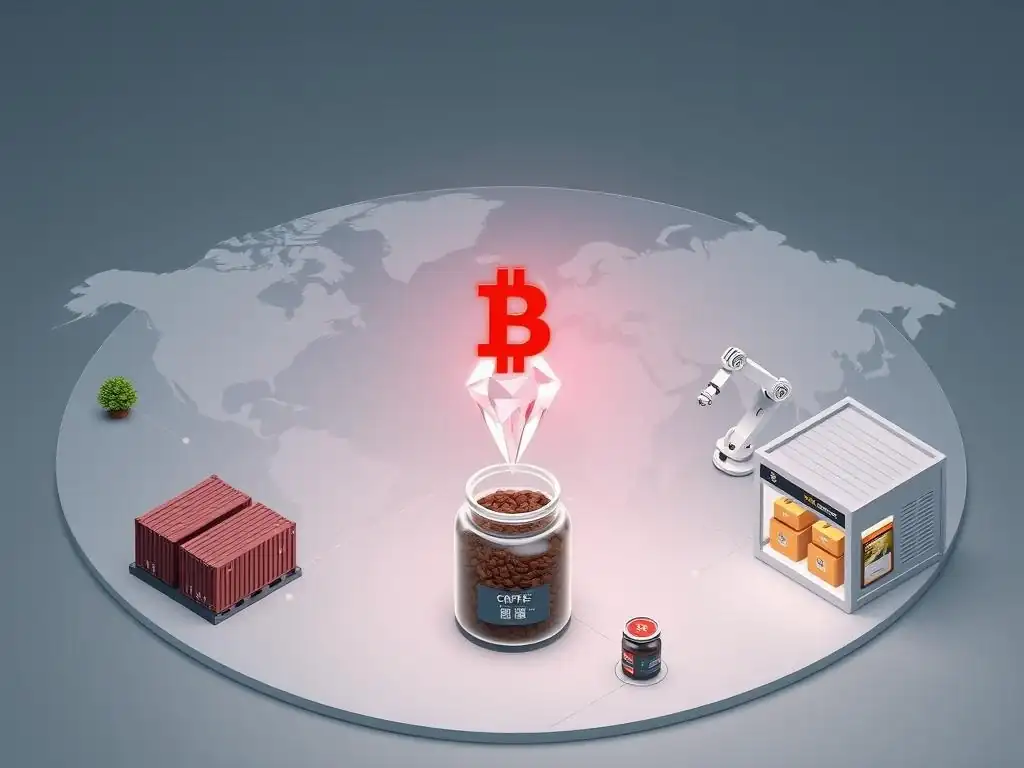
Blockchain technology is moving beyond pilot programs and is being implemented in various industries to address specific ethical sourcing challenges. These real-world applications demonstrate the practical benefits of using blockchain to enhance transparency, traceability, and accountability throughout complex supply networks. While large-scale adoption is still growing, these examples showcase the tangible impact blockchain can have on improving ethical practices and building consumer trust.
These case studies highlight how different industries are tailoring blockchain solutions to meet their unique needs, whether it's ensuring fair compensation for farmers, preventing the use of forced labor in manufacturing, or verifying the responsible extraction of raw materials. They underscore the versatility of blockchain as a tool for creating verifiable records of ethical conduct, reinforcing the diverse benefits of Blockchain supply chain authentication across different sectors.
Case Study 1: Coffee Industry - Ensuring Fair Trade Practices and Farmer Empowerment
The coffee industry supply chain is notoriously complex, involving millions of smallholder farmers, multiple intermediaries, and fluctuating market prices. Ensuring that farmers receive a fair price and that coffee is genuinely certified as "Fair Trade" or "ethically sourced" is a significant challenge. Several initiatives have implemented blockchain to improve transparency and empower farmers. For example, platforms allow coffee farmers to register their beans directly on the blockchain at the point of harvest, recording details like origin, weight, quality, and Fair Trade certification ID.
As the coffee moves through cooperatives, washing stations, exporters, roasters, and retailers, each transaction and process step is recorded on the blockchain. This creates an immutable ledger that tracks the beans' journey and verifies their origin and certification status.
Some platforms even facilitate direct payments to farmers via the blockchain, ensuring they receive their share of the premium paid for certified coffee. This level of transparency allows consumers to scan a QR code on their coffee bag and see the specific farm their coffee came from, verifying its ethical credentials and demonstrating the tangible benefits of Blockchain supply chain authentication for both producers and consumers.
Case Study 2: Apparel Industry - Tracking Garment Production and Combating Forced Labor
The global apparel supply chain is one of the most opaque, with production often spread across numerous factories and subcontractors, making it difficult to monitor working conditions and prevent issues like forced labor. Blockchain is being used to create more transparent and verifiable production records. Companies can record details about manufacturing facilities, labor certifications, and even anonymized data about working hours and wage payments on the blockchain for specific garment batches.
For instance, a project might involve tagging bales of fabric or batches of finished garments with unique identifiers linked to blockchain records. As these items move through cutting, sewing, finishing, and packaging stages, data points related to the facility, date, and labor compliance checks are added to the chain.
This provides brands with greater visibility into their extended supply chain and offers verifiable proof that goods were produced in facilities that adhere to ethical labor standards. While challenges remain in data collection at every single point, these initiatives demonstrate the potential for blockchain to significantly improve transparency in combating forced labor and other unethical practices, highlighting key benefits of Blockchain supply chain authentication.
Case Study 3: Mining Industry - Promoting Responsible Sourcing of Minerals and Metals
The sourcing of certain minerals and metals, such as cobalt, tin, tantalum, and tungsten (often referred to as 3TG or conflict minerals), is fraught with risks related to conflict financing, human rights abuses, and environmental damage. Tracking these materials from mine to product is crucial for ensuring responsible sourcing. Blockchain platforms are being developed and implemented to provide end-to-end traceability for these materials.
Miners or aggregators in responsible mining regions can register batches of minerals on a blockchain platform, recording details like origin (GPS coordinates of the mine), weight, and initial due diligence information. As the minerals are processed, refined, and incorporated into components and finished products (like electronics or electric vehicle batteries), each transfer of ownership and transformation step is recorded on the immutable ledger.
This chain of custody provides verifiable proof of origin and responsible sourcing throughout the complex value chain, allowing manufacturers and consumers to be more confident that the minerals in their products are ethically sourced. This application clearly showcases the benefits of Blockchain supply chain authentication in high-risk sectors.
Addressing Challenges in Implementing Blockchain for Ethical Sourcing
While the potential benefits of Blockchain supply chain authentication for ethical sourcing are significant, implementing these solutions is not without challenges. These hurdles range from technical issues like data standardization and interoperability to practical concerns around data accuracy, privacy, and the cost of adoption. Addressing these challenges is crucial for the successful and widespread implementation of blockchain for ethical supply chain management.
Overcoming these obstacles requires collaboration among stakeholders, investment in new technologies and processes, and careful consideration of data management and governance policies. Simply deploying a blockchain platform is not enough; it must be integrated into existing workflows and supported by robust data collection and verification mechanisms. Understanding and planning for these challenges is essential for unlocking the full benefits of Blockchain supply chain authentication.
Data Standardization and Interoperability Across Different Systems
One major challenge is the lack of universal data standards across different industries and even within the same supply chain. For blockchain to work effectively, data from various participants – farmers, manufacturers, logistics providers, auditors – must be captured and formatted in a consistent manner. Different companies use different enterprise resource planning (ERP) systems, tracking software, and data formats, making integration complex.
Achieving interoperability between different blockchain platforms or between blockchain systems and legacy IT infrastructure is also difficult. A supply chain might involve participants using different blockchain solutions or traditional databases. Creating seamless data flow requires developing common data models, APIs, and potentially middleware solutions. Without standardization and interoperability, the vision of a truly transparent, end-to-end supply chain record on the blockchain remains difficult to fully realize.
Ensuring Data Accuracy and Preventing Fraudulent Activities
Blockchain ensures data immutability – once data is on the chain, it cannot be changed. However, it does not automatically guarantee data accuracy at the point of entry. If inaccurate or fraudulent data is entered into the blockchain initially, it will remain there permanently ("garbage in, garbage out"). For ethical sourcing, this is a critical concern; a farmer could falsely claim a product is organic, or a factory could report incorrect labor hours.
Robust mechanisms are needed to verify data before it is recorded on the blockchain. This might involve combining blockchain with other technologies like IoT sensors (e.g., temperature sensors for cold chain integrity, GPS for location verification), third-party audits whose reports are hashed and recorded, or even photographic/video evidence. Establishing trusted data input points and verification protocols is essential to maintain the integrity and trustworthiness of the blockchain record and ensure the authenticity behind the benefits of Blockchain supply chain authentication.
Addressing Concerns about Data Privacy and Confidentiality
While transparency is a key benefit of blockchain, not all data in a supply chain is meant to be public. Companies have legitimate concerns about sharing commercially sensitive information, such as pricing, customer lists, or proprietary manufacturing processes, with competitors or the wider public. Balancing the need for transparency in ethical sourcing with the need for business confidentiality is a significant challenge.
Permissioned blockchains, where access to data is restricted to authorized participants, offer a solution. Data can be shared selectively based on predefined rules and roles. Techniques like zero-knowledge proofs can also allow parties to verify that a certain condition is met (e.g., a facility has a valid ethical certification) without revealing the underlying sensitive data (e.g., the specific details of the audit report). Carefully designing the blockchain architecture and data access policies is crucial to protect privacy while still enabling necessary transparency for ethical sourcing verification.
The Cost and Complexity of Blockchain Implementation
Implementing blockchain technology, especially in large, complex supply chains involving many different parties, can be costly and complex. It requires investment in new technology infrastructure, software development, integration with existing systems, and training for personnel. The cost of setting up and maintaining a blockchain network, including transaction fees on public blockchains or infrastructure costs on private/permissioned ones, can be substantial.
Getting all participants in a supply chain, particularly smaller players like individual farmers or small factories, to adopt new technology and processes can also be challenging. They may lack the technical expertise, resources, or incentive to participate. Overcoming this requires providing easy-to-use interfaces, demonstrating clear value propositions for all participants, and potentially offering support or subsidies for adoption. While the long-term benefits of Blockchain supply chain authentication can outweigh the initial costs, the upfront investment is a significant barrier for many organizations.
The Future of Blockchain in Ethical Supply Chain Management: Trends and Predictions
The application of blockchain technology in ethical supply chain management is still evolving, but several trends indicate its growing importance and future direction. As the technology matures and adoption increases, we can expect to see more sophisticated uses of blockchain capabilities, further enhancing transparency, automation, and collaboration across supply networks focused on ethical sourcing and sustainability.
These trends point towards a future where blockchain is not just a tool for tracking, but a foundational layer for automating compliance, integrating real-time data, and fostering greater trust and collaboration among all stakeholders. The continued development and integration of related technologies will amplify the benefits of Blockchain supply chain authentication, making ethical and sustainable trade practices more verifiable and widespread.
Increased Use of Smart Contracts for Automated Compliance
Smart contracts, self-executing contracts with the terms of the agreement directly written into code, are poised to play a much larger role in automating ethical compliance in supply chains. Instead of relying solely on manual checks or audits, smart contracts can automatically trigger actions or verify conditions based on data recorded on the blockchain.
For example, a smart contract could automatically release payment to a supplier only after verified data indicating adherence to fair wage standards or environmental regulations for a specific batch of goods is recorded on the chain. Another smart contract could automatically issue a non-compliance alert if data indicates a deviation from agreed-upon ethical sourcing criteria. This automation reduces the potential for human error or deliberate circumvention and streamlines the verification process, significantly enhancing the benefits of Blockchain supply chain authentication through programmable trust.
Integration with IoT Devices for Real-Time Monitoring of Environmental Conditions
The combination of blockchain with Internet of Things (IoT) devices will enable real-time, verifiable monitoring of environmental conditions throughout the supply chain. IoT sensors can collect data on factors like temperature, humidity, air quality, energy consumption, or water usage at factories, warehouses, or during transportation. This data can then be automatically fed into the blockchain, creating an immutable record of environmental parameters.
This integration allows for continuous monitoring of sustainability practices, providing more accurate and timely data than periodic reports. For instance, sensors in a processing plant could automatically record energy consumption per unit, providing real-time data for carbon footprint calculations recorded on the blockchain. This verifiable real-time data improves the accuracy of environmental claims and increases accountability, adding a powerful dimension to the benefits of Blockchain supply chain authentication for sustainability reporting.
Development of Industry-Specific Blockchain Platforms for Ethical Sourcing
As the adoption of blockchain for supply chains grows, we are likely to see the development of more industry-specific blockchain platforms tailored to the unique requirements and ethical challenges of different sectors. Platforms designed specifically for agriculture, apparel, mining, or pharmaceuticals can incorporate industry-specific data standards, regulatory requirements, and verification protocols.
These specialized platforms can address the nuances of ethical sourcing within a particular industry, facilitating easier integration for participants within that ecosystem. They can also foster collaboration among industry peers to establish common standards for ethical data reporting and verification. The focus on specific industry needs will make blockchain solutions more practical and scalable, accelerating the realization of the benefits of Blockchain supply chain authentication within different sectors.
Greater Collaboration and Data Sharing Among Stakeholders in the Supply Chain
Blockchain inherently promotes collaboration and data sharing by providing a shared, trusted ledger accessible to authorized parties. The future will likely see increased collaboration among diverse stakeholders – including companies, suppliers, auditors, NGOs, and even consumers – facilitated by blockchain platforms.
This collaboration can lead to the establishment of shared ethical standards, pooled resources for data verification, and more effective collective action to address systemic issues in supply chains. By providing a common, trustworthy platform for information exchange, blockchain can break down data silos and foster greater trust and cooperation among parties who might otherwise be reluctant to share sensitive information. This enhanced collaboration is a key factor in unlocking the full potential and benefits of Blockchain supply chain authentication for creating truly ethical and sustainable global trade.
Conclusion: The Transformative Potential of Blockchain for Ethical Sourcing
The challenges of ensuring ethical sourcing and transparency in global supply chains are significant, but blockchain technology offers a powerful and transformative solution. By providing an immutable, transparent, and decentralized ledger, blockchain fundamentally alters how data is recorded, verified, and shared throughout a product's journey. This creates a new paradigm for supply chain management, moving beyond fragmented systems and manual audits to a system built on verifiable trust and accountability.
Recap of the Benefits of Blockchain for Ethical Supply Chain Management
The core benefits of Blockchain supply chain authentication for ethical sourcing are clear: enhanced traceability from origin to consumer, improved transparency regarding labor practices and working conditions, increased accountability for environmental impact, and streamlined auditing processes. These advantages empower companies to build more resilient and trustworthy supply chains and enable consumers to make informed decisions based on credible information. The ability to verify claims related to provenance, production conditions, and sustainability through an immutable record is a game-changer for ethical trade.
The Creation of More Responsible and Sustainable Global Trade Practices
Ultimately, the application of blockchain in supply chains contributes to the creation of more responsible and sustainable global trade practices. By making ethical and environmental data verifiable and accessible, blockchain incentivizes companies to adhere to higher standards and provides the necessary infrastructure for monitoring and enforcement. It shifts the focus from simply making claims to providing verifiable proof, fostering a culture of genuine accountability throughout the supply network. This drives positive change that benefits workers, communities, and the environment.
Encouraging Widespread Adoption of Blockchain for Ethical Sourcing
While challenges remain, the demonstrated benefits of Blockchain supply chain authentication are encouraging widespread exploration and adoption. As implementation costs decrease, data standards improve, and successful case studies multiply, more companies are likely to leverage this technology. Collaboration across industries and the development of user-friendly platforms will be key to accelerating this adoption, ultimately paving the way for a future where ethical sourcing is not just an aspiration but a verifiable reality for products worldwide.
Frequently Asked Questions
What are the core benefits of using blockchain for supply chain authentication?
Blockchain provides immutable records and enhanced transparency, making it significantly harder to introduce counterfeit goods. This boosts consumer trust and reduces the risk of reputational damage for brands.
How does blockchain technology improve supply chain visibility?
Blockchain creates a shared and distributed ledger that allows all participants in the supply chain to track products in real-time. This end-to-end visibility helps identify bottlenecks and verify product origin.
What role does decentralization play in ensuring the authenticity of products within a blockchain-based supply chain?
Decentralization means no single entity controls the data, making it extremely difficult to tamper with the product history. This distributed trust is fundamental to preventing fraudulent activities.
What are some potential challenges in implementing blockchain solutions for supply chain authentication?
Challenges include the complexity of integrating blockchain with existing systems, scalability issues for large supply chains, and the need for industry-wide collaboration and standardization.
How are blockchain-based solutions helping to combat the problem of counterfeit goods in specific industries?
In pharmaceuticals, blockchain helps track drugs from manufacturer to patient, reducing the risk of counterfeit medications. In luxury goods, blockchain verifies the authenticity of high-value items, protecting consumers from fraud.
Final Reflection: Securing Trust in a Decentralized World
The journey through blockchain's potential to revolutionize supply chain authenticity reveals a profound truth: trust is the new currency. As we've explored the myriad benefits of blockchain supply chain authentication, from enhanced transparency to reduced counterfeiting, it becomes clear that this technology isn't just about efficiency; it's about rebuilding faith in the products we consume and the systems that deliver them. The rise of sophisticated counterfeiting techniques demands innovative solutions, and blockchain offers a powerful weapon in this ongoing battle against deception.
The impact of blockchain on supply chain integrity extends far beyond mere product verification. It's about empowering consumers, protecting brands, and fostering a more ethical and sustainable global marketplace. The ability to trace a product's journey from origin to consumer creates a powerful accountability mechanism, incentivizing responsible practices and discouraging illicit activities. As the great management thinker Peter Drucker once said, You can't manage what you don't measure.
Blockchain provides the measurement tools necessary to manage and improve supply chain integrity in unprecedented ways.
Now, consider the implications of this technology in your own life. How can you support businesses that prioritize transparency and authenticity? How can you leverage your purchasing power to demand greater accountability from the brands you trust? The future of supply chain authentication lies not just in the hands of technologists and corporations, but in the informed choices of each individual consumer. Embrace the power of knowledge, demand transparency, and become an active participant in building a more trustworthy and sustainable world.
Unveil the Power of Blockchain: Your Next Steps
Thank you for exploring how blockchain is transforming supply chain authenticity. You've gained valuable insights into combating counterfeits and the importance of verifiable data. Now, let's put that knowledge into action!
Here's how you can contribute to a more transparent and trustworthy future:
- Research blockchain-based solutions relevant to industries you're interested in. Look beyond the headlines and understand how these technologies are practically applied.
- Share this article with colleagues and friends to encourage meaningful conversations about supply chain integrity. Together, we can raise awareness!
- Consider initiating a blockchain pilot project at your workplace. Even a small test can demonstrate the potential for improved product traceability.
What blockchain applications are you most excited about, and how do you see them transforming the fight against counterfeit goods? Share your thoughts in the comments below!
Leave a Reply