
Nutritional Transparency: A Blockchain Case Study in Tracking Ingredients in the Food Manufacturing Supply Chain

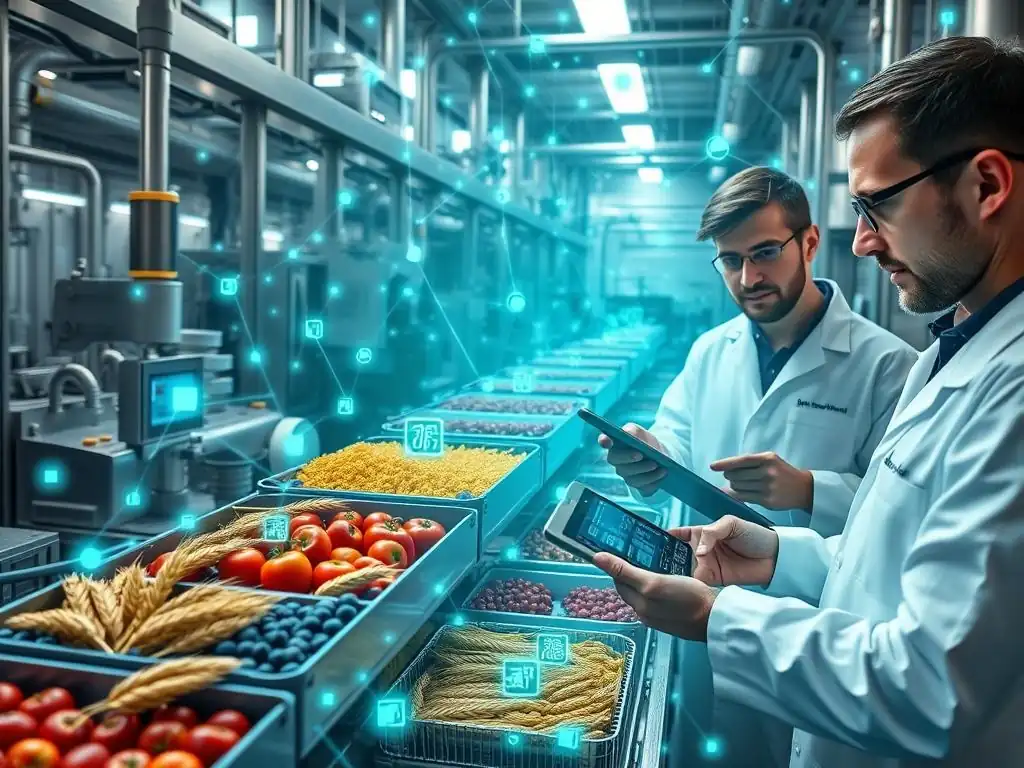
Welcome to Blockchain Trends, your gateway to understanding the evolving landscape of blockchain technology. Beyond the hype of cryptocurrencies, explore how this revolutionary technology is transforming industries. Intrigued by the idea of knowing exactly where your food comes from? Dive into our latest case study, "Nutritional Transparency," and discover how blockchain food supply chain solutions are ensuring authenticity and safety, revolutionizing traceability in the food manufacturing industry. Keep reading to unravel the complexities and unlock the potential of a truly transparent future.
Nutritional Transparency: A Blockchain Case Study in Tracking Ingredients in the Food Manufacturing Supply Chain
- Introduction: The Growing Demand for Transparency in Food Manufacturing
- The Problem: Challenges in Current Food Supply Chains
- Blockchain Technology: A Solution for Enhanced Food Transparency
- Case Study: Implementing Blockchain for Ingredient Tracking
- Implementation and Process: A Step-by-Step Guide
- Results and Benefits: Quantifiable Improvements in Transparency
- Challenges and Considerations for Blockchain Adoption in Food
- Future Trends: The Evolution of Blockchain in Food Traceability
- Conclusion: Blockchain as a Catalyst for a More Transparent and Trustworthy Food System
-
Frequently Asked Questions
- How can blockchain technology improve transparency in the food supply chain?
- What are the key benefits of using blockchain for food traceability?
- What challenges exist in implementing blockchain solutions for the food supply chain?
- What role does regulation play in the adoption of blockchain for the food industry?
- Beyond traceability, what other applications of blockchain exist in the food industry?
- Final Reflection: Empowering Consumers Through Transparency
- Empower Your Plate: Demand Food Transparency!
Introduction: The Growing Demand for Transparency in Food Manufacturing
Understanding Consumer Concerns Regarding Food Origins and Ingredients
Consumers today are increasingly demanding greater transparency about the food they consume. They want to know not just the nutritional content listed on the label, but also the origin of ingredients, how they were produced, and every step they took through the supply chain before reaching their plate.
This heightened scrutiny is driven by a variety of factors, including food safety scares, ethical considerations regarding sourcing (like labor practices or environmental impact), and a desire for healthier, less processed options. A 2022 study indicated that a significant majority of consumers, often over 70%, are willing to pay more for products from companies that provide complete transparency.
This demand extends beyond just the final product; it delves deep into the raw materials and components used in food manufacturing. Shoppers are concerned about allergens, GMO status, pesticide use, and animal welfare standards at the farm level.
Without clear, verifiable information about the journey of each ingredient – from the soil or farm to the manufacturing plant and then to the store – consumers often face a trust deficit. This lack of detailed insight makes it difficult for them to make informed decisions aligned with their values and dietary needs, fueling the push for more open and accessible information.
The Role of Technology in Enhancing Food Traceability
Technology plays a crucial role in meeting the escalating demand for traceability in the food industry. Traditional paper-based systems or isolated digital spreadsheets are often insufficient to track complex, global supply chains with the speed and accuracy required. Modern solutions, such as sophisticated databases, RFID tags, and QR codes, have improved tracking capabilities to some extent, allowing companies to follow products through certain stages. However, these systems frequently operate in silos, making it challenging to create a single, unified, and tamper-proof record of a product's journey.
The advent of distributed ledger technologies, particularly blockchain, offers a transformative approach to food traceability. By providing a shared, immutable, and transparent record of transactions and events throughout the supply chain, blockchain can connect disparate data points from multiple stakeholders – farmers, processors, manufacturers, distributors, and retailers. This creates an end-to-end view that was previously difficult or impossible to achieve. This technological shift enables companies to not only track ingredients but also to verify claims about sourcing, processing, and nutritional attributes with unprecedented reliability, thereby building stronger trust with consumers.
The Problem: Challenges in Current Food Supply Chains
Lack of Transparency and Traceability in Traditional Food Systems
Traditional food supply chains are notoriously complex, involving numerous intermediaries and disparate data systems. This inherent complexity leads to a significant lack of transparency and traceability. Information about ingredient origins, processing dates, quality checks, and handling conditions is often fragmented, residing in siloed databases managed by different entities. When an ingredient moves from a farm to a processor, then to a manufacturer, and finally to a distributor, the data associated with it may change hands multiple times, often losing detail or consistency along the way.
This opaqueness makes it incredibly difficult to trace an ingredient's full history quickly and reliably. For instance, pinpointing the exact farm source of a specific batch of corn used in a processed food item can be a painstaking process, potentially taking days or even weeks to sift through layers of paperwork and fragmented digital records. This delay and difficulty in tracing origins significantly hinder efforts to verify nutritional claims, sustainability practices, or respond effectively to safety issues.
Inefficiencies and Vulnerabilities in Ingredient Tracking
Current ingredient tracking methods often suffer from significant inefficiencies and vulnerabilities. Manual data entry is prone to human error, leading to inaccuracies in records. Furthermore, data held in centralized databases can be susceptible to manipulation or unauthorized alteration, undermining the integrity of the information. The lack of a shared, real-time view means that stakeholders often operate with outdated or incomplete information, leading to delays in logistics, inventory management, and quality control.
Consider a scenario where a specific ingredient is suspected of contamination. In a traditional system, identifying all affected products and tracing them back through the supply chain to the source requires contacting multiple parties, requesting data from various incompatible systems, and manually piecing together the information. This process is not only slow and costly but also vulnerable to gaps or inconsistencies in data, making it difficult to execute targeted recalls or confidently assure consumers that unaffected products are safe.
The Impact of Opaque Supply Chains on Food Safety and Consumer Trust
The lack of transparency and efficient traceability in food supply chains has direct and severe consequences for both food safety and consumer trust. When the origin and journey of ingredients are unclear, it becomes significantly harder to identify the source of contamination or adulteration quickly during a food safety incident.
This delay can lead to wider outbreaks, more extensive and costly product recalls, and increased risk to public health. The inability to isolate the problem effectively means that entire product lines or even categories might need to be recalled as a precautionary measure, leading to massive waste and financial losses.
Beyond safety, opaque supply chains erode consumer trust. When consumers cannot verify claims about product quality, sourcing ethics, or health attributes, they become skeptical. High-profile incidents involving mislabeled products, fraudulent claims about origin (e.g., "organic" or "local" produce that isn't), or widespread recalls due to untraceable contamination further damage confidence in food manufacturers and the system as a whole. Rebuilding this trust is challenging and requires demonstrating a commitment to verifiable transparency, which traditional systems struggle to provide.
Blockchain Technology: A Solution for Enhanced Food Transparency
How Blockchain Enables Immutable and Transparent Data Recording
Blockchain technology provides a revolutionary framework for recording and managing data in a way that is fundamentally more transparent and secure than traditional systems. At its core, a blockchain is a distributed ledger that records transactions (in this context, data points about an ingredient or product) in blocks. Once a block of transactions is validated and added to the chain, it is cryptographically linked to the previous block, creating an immutable chain of records. This means that data, once entered and verified, cannot be altered or deleted without consensus from the network participants, making it tamper-proof.
For the blockchain food supply chain, this immutability ensures that every piece of information recorded – from the farm where an ingredient was harvested, to the temperature during transport, to the processing facility it entered – remains a permanent and verifiable part of the product's history. Furthermore, because the ledger is distributed across multiple nodes in the network, there is no single point of failure or control, enhancing both security and transparency. Authorized participants can view the ledger, seeing the complete history of an ingredient, which fosters trust and accountability among all parties involved.
The Benefits of Blockchain for Food Supply Chain Management
Implementing blockchain in food supply chain management offers a multitude of benefits that address the inherent challenges of traditional systems. One primary benefit is significantly enhanced traceability. With a shared, immutable ledger, stakeholders can trace an ingredient or product backward to its origin or forward to its destination in seconds, compared to the hours or days it might take with legacy systems. This speed is critical during recalls or quality investigations.
Another key advantage is improved data integrity and security. The cryptographic nature of blockchain makes it extremely difficult to falsify records, ensuring that the information about ingredients, processing steps, and quality checks is reliable. This leads to increased confidence in the data shared among supply chain partners and with consumers. Additionally, blockchain can streamline processes by automating verification steps through smart contracts, potentially reducing administrative overhead and improving overall efficiency in the blockchain food supply chain.
Key Features of Blockchain for Food Traceability: Security, Immutability, and Transparency
The suitability of blockchain for food traceability stems from its core features: security, immutability, and transparency. Security is paramount; blockchain uses advanced cryptography to secure transactions and link blocks, protecting data from unauthorized access and tampering. Each transaction is verified by multiple participants in the network before being added, adding another layer of security.
Immutability means that once data is recorded on the blockchain, it cannot be changed or removed. This provides a reliable, verifiable history for every ingredient and product. If a record indicates that a batch of produce was harvested on a specific date and location, that information is permanently stored, preventing disputes or alterations later on.
Finally, transparency, while often configurable based on the specific blockchain implementation (e.g., public, private, or consortium), allows authorized parties within the network to view the ledger. This shared visibility across the blockchain food supply chain fosters collaboration and accountability, ensuring that all participants are working with the same, verified information, ultimately leading to greater nutritional transparency for the end consumer.
Case Study: Implementing Blockchain for Ingredient Tracking
Nestlé and Their Commitment to Nutritional Transparency
Nestlé, one of the world's largest food and beverage companies, has actively pursued initiatives to enhance transparency in its supply chains, particularly concerning ingredient sourcing and nutritional information. Recognizing the growing consumer demand for clarity, Nestlé has explored various technologies to provide verifiable data about their products. Their commitment to nutritional transparency involves not only accurate labeling but also providing consumers with confidence about the journey and quality of the ingredients used in their wide range of products.
As part of this commitment, Nestlé has engaged in pilot programs utilizing blockchain technology to track specific ingredients and product lines. These initiatives aim to demonstrate how an immutable, shared ledger can provide end-to-end visibility, from the raw material source through manufacturing, distribution, and finally to the consumer. By leveraging a blockchain food supply chain solution, Nestlé seeks to build greater trust with consumers by offering them direct, verifiable access to information about the origins and handling of the ingredients they are consuming.
The Blockchain Solution: Tracking Ingredients from Farm to Consumer
Nestlé has notably partnered with platforms like IBM Food Trust, a blockchain-based solution designed specifically for the food industry, to track ingredients. One prominent example involves tracking milk in New Zealand for their Anchor brand and later expanding to other products like Gerber baby food in the US. The solution works by creating a digital trail for the product and its key ingredients on the blockchain.
For the milk traceability project, data points recorded on the blockchain include details from the farm (e.g., location, milking date), processing information (e.g., pasteurization date, factory location), quality assurance checks, and distribution logistics. Each participant in the blockchain food supply chain network – from farmers to processors, quality controllers, and distributors – adds their relevant data to the shared ledger, creating a comprehensive and immutable history accessible to authorized parties.
Key Components of the Blockchain-Based Tracking System
The blockchain-based tracking system implemented by companies like Nestlé involves several key components working together to create end-to-end visibility.
- Network Participants: This includes all entities in the supply chain, such as farmers, cooperatives, milk collection points, processing plants, quality testing labs, packaging facilities, distribution centers, and potentially retailers. Each participant operates a node or interacts with the blockchain network.
- Data Capture Mechanisms: Data is captured at various points in the supply chain. This can involve manual entry via web or mobile interfaces, integration with existing enterprise resource planning (ERP) systems, or automated data capture from IoT devices (like temperature sensors during transport) or scanning systems (like QR codes or barcodes).
- Blockchain Ledger: The core of the system is the distributed, immutable ledger where all validated data transactions are recorded. This ledger serves as the single source of truth for the ingredient's journey.
- Smart Contracts: Automated agreements recorded on the blockchain can trigger actions or verify conditions. For example, a smart contract could automatically update the status of an ingredient once a quality test result (recorded on the blockchain) meets predefined criteria.
- User Interface (UI) / Application Layer: This is what participants and potentially consumers interact with. For consumers, this might be a mobile app or a website accessed via a QR code on the product packaging, allowing them to scan and view select information pulled from the blockchain regarding the product's origin and journey.
These components collectively create a verifiable, transparent, and efficient blockchain food supply chain, enabling detailed ingredient tracking and nutritional transparency.
Implementation and Process: A Step-by-Step Guide
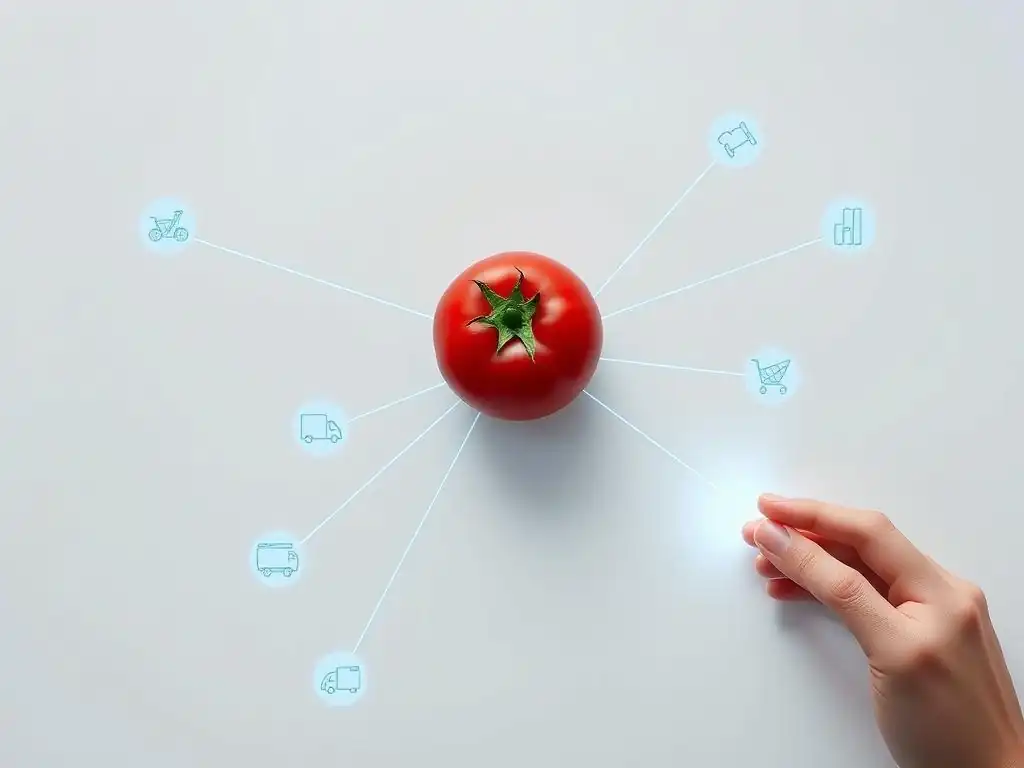
Step 1: Onboarding Suppliers and Data Input
The initial step in implementing a blockchain food supply chain solution for ingredient tracking involves onboarding all participating suppliers, from the primary producers (like farmers) to intermediate processors. This requires establishing clear protocols for data capture and entry. Suppliers are provided with access to the blockchain platform, often through a user-friendly interface or integrated system. They are responsible for accurately inputting key data points related to their specific role and the ingredients they handle.
For a dairy supply chain, this could include the farmer entering details about the farm location, milking dates, and quantity of milk produced. A collection point might record the volume received and initial quality checks. Processors would input data about pasteurization, separation, and batch creation. Ensuring data accuracy at this crucial entry point is paramount, as the integrity of the entire blockchain food supply chain record relies on the quality of the initial data. Training and clear guidelines are essential during this phase.
Step 2: Tracking Ingredients Through the Manufacturing Process
Once ingredients enter the manufacturing facility, the blockchain system continues to track their journey. This involves recording every significant step the ingredient undergoes within the plant. This could include details about which production line the ingredient is used on, the specific batch number of the final product, the date and time of manufacturing, and any internal quality control checks performed.
Integration with internal manufacturing execution systems (MES) or ERP systems can automate much of this data capture, reducing manual effort and potential errors. As ingredients are mixed, processed, and packaged, the blockchain records these transformations, linking the raw ingredient data to the finished product data. This creates a complete internal traceability record on the blockchain, bridging the gap between external supplier data and internal production data within the blockchain food supply chain.
Step 3: Verifying Data Integrity and Authenticity
A core function of the blockchain system is the verification of data integrity and authenticity at each step. As data is entered by participants, it is validated by the network according to predefined rules and consensus mechanisms. This ensures that the data is accurate and has not been tampered with. Smart contracts can also play a role here, automatically verifying if certain conditions are met before a transaction (data entry) is approved and added to the ledger.
For example, a smart contract might check if a supplier's certification is valid or if the temperature recorded during transport falls within acceptable limits. If the data meets the criteria, it is added to a block, cryptographically sealed, and linked to the chain. This continuous verification process across the distributed network provides a high degree of confidence in the authenticity and reliability of the information stored on the blockchain food supply chain ledger.
Step 4: Providing Consumers with Access to Ingredient Information
The final, consumer-facing step involves making relevant information from the blockchain accessible to the end-user. This is typically achieved through a simple interface, such as scanning a QR code printed on the product packaging using a smartphone app or website. The QR code is linked to the specific batch record on the blockchain.
When a consumer scans the code, they can view selected, permissioned data points about the product and its key ingredients. This might include the origin farm, processing dates, quality certifications, and a visual representation of the product's journey through the supply chain. This direct access to verifiable information empowers consumers, enhances nutritional transparency, and builds trust by allowing them to see the history of the food they are purchasing, directly from the blockchain food supply chain record.
Results and Benefits: Quantifiable Improvements in Transparency
Increased Consumer Trust and Brand Loyalty
One of the significant, albeit sometimes qualitative, benefits reported by companies implementing blockchain in their food supply chains is an increase in consumer trust. By providing verifiable, transparent information about ingredient origins and product journeys via an easily accessible interface (like a QR code), companies empower consumers and demonstrate a commitment to openness. Nestlé's pilots, for instance, have shown positive consumer engagement with the traceability feature for products like Gerber baby food.
Studies and company reports suggest that when consumers have access to this level of detail, their perception of the brand improves. A 2021 survey by the Food Marketing Institute and Nielsen found that transparency is a major driver of consumer trust in food retailers and brands. While quantifying the exact percentage increase in trust directly attributable to blockchain can be complex, anecdotal evidence and pilot program feedback indicate that offering blockchain-verified traceability positively influences consumer purchasing decisions and fosters stronger brand loyalty among those who value transparency.
Enhanced Food Safety and Reduced Recall Risks
Blockchain technology offers tangible improvements in food safety management, particularly in the speed and accuracy of recalls. In traditional systems, tracing a contaminated product back to its source can take days or weeks, leading to extensive, costly, and often overly broad recalls. A blockchain food supply chain, with its immutable and instantly traceable records, drastically reduces this time.
For example, during a recall event, authorized parties can query the blockchain ledger to pinpoint exactly which batches of product contain the suspect ingredient, where those batches were manufactured, and where they were distributed. This allows for highly targeted recalls, minimizing the scope, cost, and public health risk.
Pilots have demonstrated that tracing an item from store shelf back to its origin on a blockchain can take mere seconds or minutes, a dramatic improvement over the days required by legacy methods. This enhanced speed and precision directly contribute to improved food safety outcomes and significant cost savings during crisis management.
Improved Efficiency and Reduced Costs in Supply Chain Management
Beyond safety and trust, implementing a blockchain food supply chain can lead to notable improvements in operational efficiency and cost reduction. The shared, real-time nature of the blockchain ledger reduces reliance on manual data reconciliation and communication delays between supply chain partners. This streamlined data flow improves visibility for all participants, leading to better inventory management, reduced waste, and optimized logistics.
Furthermore, the automation capabilities offered by smart contracts can reduce administrative burdens. For instance, payments could be automatically triggered upon verification of delivery or quality checks recorded on the blockchain. While specific cost savings vary depending on the scale and complexity of the implementation, the reduction in time spent on manual tracing, dispute resolution, and the potential for more efficient recalls all contribute to a more cost-effective and agile supply chain operation.
Improved Traceability of Milk Products from Farm to Shelf
Nestlé's work on tracing milk products using blockchain provides a concrete example of improved traceability. Prior to using a blockchain food supply chain solution, tracking milk involved fragmented records across multiple farms, collection centers, processors, and distributors. Pinpointing the exact source farm for a specific carton of milk on a store shelf was a labor-intensive process.
With the blockchain implementation, data points like the farm ID, milking date, collection center details, processing plant batch number, and quality test results are recorded on the shared ledger. This creates a continuous, verifiable chain of custody. Scanning a product's QR code allows consumers or internal staff to access this history instantly. This granular, end-to-end visibility significantly improves the ability to verify the origin and journey of the milk, enhancing nutritional transparency and providing a level of detail previously unavailable to either the company or the consumer.
Challenges and Considerations for Blockchain Adoption in Food
Scalability and Interoperability Challenges
Despite its promise, adopting blockchain technology in the food industry faces significant challenges, particularly regarding scalability and interoperability. Global food supply chains are vast and complex, involving millions of transactions daily. Current blockchain platforms, especially public ones, can face limitations in processing this high volume of transactions quickly and affordably. While private or consortium blockchains offer better scalability for enterprise use, ensuring they can handle the sheer scale of data generated by a large food manufacturer across all its product lines remains a hurdle.
Interoperability is another major concern. The food industry is diverse, with many companies and existing systems. Different blockchain platforms or even different implementations of the same platform may struggle to communicate and share data seamlessly. For a true end-to-end blockchain food supply chain, different companies using different systems (both blockchain and legacy) need to be able to connect and exchange information reliably. Developing industry-wide standards and protocols for data sharing across different platforms is crucial but is still an ongoing effort.
Regulatory Compliance and Data Privacy Concerns
Navigating the complex landscape of regulatory compliance and data privacy is a critical consideration for blockchain adoption in the food sector. Regulations vary significantly across different countries and regions regarding food traceability, data retention, and data ownership. Implementing a global blockchain food supply chain requires adherence to diverse legal requirements, which can be challenging given the immutable nature of blockchain data. While data on the blockchain is secure, questions around the "right to be forgotten" under regulations like GDPR need careful consideration, potentially requiring off-chain storage for certain types of personal or sensitive data.
Furthermore, determining who owns the data recorded on the blockchain and who has permission to access it is complex. While transparency is a benefit, not all data can or should be public (e.g., proprietary manufacturing processes or sensitive business agreements). Designing a permissioned blockchain where data access is controlled is essential, but defining these access rules across a network of competing or collaborating entities adds another layer of complexity to the blockchain food supply chain implementation.
The Importance of Collaboration and Industry Standards
Successful implementation of a blockchain food supply chain solution hinges heavily on collaboration among all supply chain participants and the development of common industry standards. A blockchain's value increases with the number of participants contributing data, but getting competing businesses – from farmers to manufacturers and retailers – to agree on a shared platform and data standards requires significant effort and trust-building.
Developing and adopting common data formats, identifiers (for farms, products, locations), and protocols for how information is recorded and shared on the blockchain is essential for achieving true interoperability and creating a cohesive blockchain food supply chain. Initiatives like the IBM Food Trust aim to provide such a collaborative framework and set standards. Without widespread industry buy-in and a willingness to collaborate on shared infrastructure and data governance, the full potential of blockchain for food traceability and nutritional transparency cannot be realized.
Future Trends: The Evolution of Blockchain in Food Traceability
Advancements in Blockchain Technology for Supply Chain Optimization
The core technology underpinning blockchain is continually evolving, promising enhanced capabilities for supply chain optimization in the food sector. Future advancements are expected to address current limitations like scalability and transaction speed through innovations such as sharding, layer-2 solutions, and more efficient consensus mechanisms. These improvements will make it more feasible to track vast volumes of food transactions globally in real-time.
Furthermore, advancements in privacy-preserving technologies like zero-knowledge proofs could allow sensitive business data to be verified on the blockchain without revealing the underlying information. This would enable companies to share necessary verification data for traceability and safety without compromising competitive intelligence. These technological leaps will make the blockchain food supply chain more robust, efficient, and capable of handling the complexities of the modern global food system.
Integration with IoT and Other Technologies for Enhanced Tracking
The integration of blockchain with other cutting-edge technologies, particularly the Internet of Things (IoT), is set to revolutionize food traceability. IoT devices, such as sensors monitoring temperature, humidity, or location, can automatically collect data at various points in the supply chain (e.g., during transport or storage) and feed it directly onto the blockchain.
This automated data capture reduces reliance on manual entry, minimizes errors, and provides a continuous, real-time stream of verifiable information about the condition and location of food products. Combined with blockchain's immutable ledger, this creates an incredibly powerful system for monitoring product quality and safety throughout the blockchain food supply chain. Future integrations might also involve AI for analyzing the vast amounts of data collected, predicting potential issues, and optimizing logistics.
The Potential for Personalized Nutrition and Food Recommendations
Looking further ahead, the detailed and verifiable data captured on a blockchain food supply chain could pave the way for highly personalized nutrition and food recommendations. With granular information about the origin, processing, and specific attributes of ingredients and products recorded on the ledger, consumers could potentially access data relevant to their individual dietary needs, allergies, or preferences.
Imagine a future where a consumer's app, linked to their dietary profile, could scan a product's blockchain QR code and instantly verify if it meets specific criteria – for instance, confirming it's free from certain allergens based on verified production data, or tracing its ingredients back to farms adhering to specific sustainability standards. This level of personalized transparency, enabled by a robust blockchain food supply chain, could transform how consumers interact with food, moving beyond generic labeling to highly specific, verifiable information tailored to their health and ethical choices.
Conclusion: Blockchain as a Catalyst for a More Transparent and Trustworthy Food System
The Long-Term Impact of Blockchain on Food Manufacturing
The long-term impact of blockchain technology on food manufacturing is poised to be transformative, fundamentally altering how ingredients are sourced, tracked, and verified. By providing an immutable, transparent, and distributed ledger, blockchain addresses core inefficiencies and trust deficits inherent in traditional food supply chains. It moves the industry towards a model of verifiable truth, where claims about origin, quality, and processing are not just stated on a label but are backed by a secure, shared record accessible to authorized parties.
This shift will lead to more resilient supply chains, significantly faster and more targeted recall processes, and ultimately, a higher standard of food safety. As adoption grows and the technology matures, blockchain will become less of a novel innovation and more of a standard infrastructure layer for managing the complex flow of goods and information in the global food system. The blockchain food supply chain will redefine operational excellence and risk management for manufacturers.
Embracing Blockchain for a Healthier and More Sustainable Future
Embracing blockchain technology is not just about improving business efficiency; it's also about contributing to a healthier and more sustainable food future. Enhanced traceability allows companies and consumers to verify claims related to ethical sourcing, environmental practices (like water usage or carbon footprint at the farm level), and animal welfare. This transparency can drive demand for sustainably produced ingredients and hold suppliers accountable.
Furthermore, by enabling faster and more precise recalls, blockchain helps reduce food waste associated with broad, precautionary measures. The ability to track ingredients in detail also supports efforts towards reducing food fraud and adulteration, ensuring that consumers receive products that are genuinely what they claim to be, contributing to better public health outcomes. A robust blockchain food supply chain is an essential tool in building a food system that is not only safer and more efficient but also more aligned with global health and sustainability goals.
Call to Action: Encouraging Adoption of Blockchain for Food Supply Chain Visibility
The potential benefits of blockchain for enhancing nutritional transparency and overall food supply chain visibility are clear. To fully realize this potential, wider adoption across the food industry is necessary. This requires collaboration among all stakeholders – from small farmers and cooperatives to large manufacturers, distributors, retailers, and technology providers.
Industry players are encouraged to explore pilot programs, participate in consortiums like IBM Food Trust, and work towards establishing common data standards. Regulators can support this by providing clear guidelines and frameworks for using blockchain in food traceability. Consumers can continue to demand greater transparency, signaling to companies that investing in technologies like blockchain for a verifiable blockchain food supply chain is valued. By working together, the food industry can leverage blockchain to build a more trustworthy, safe, and transparent future for food manufacturing and consumption.
Frequently Asked Questions
How can blockchain technology improve transparency in the food supply chain?
Blockchain creates a shared, immutable ledger that records every transaction in the supply chain. This allows consumers to track ingredients from farm to fork, increasing trust and accountability.
What are the key benefits of using blockchain for food traceability?
Implementing blockchain helps with rapid recall management in cases of contamination. It also improves supply chain efficiency by providing real-time data on product movement and storage conditions.
What challenges exist in implementing blockchain solutions for the food supply chain?
Adoption can be slow due to the complexity of integrating with existing systems. Also, ensuring data accuracy and scalability across the entire chain can be difficult.
What role does regulation play in the adoption of blockchain for the food industry?
Clear regulatory frameworks are crucial for establishing trust and standardizing data formats. This will encourage wider adoption of blockchain solutions across the food sector.
Beyond traceability, what other applications of blockchain exist in the food industry?
Blockchain can facilitate smart contracts for automated payments and quality control. It can also be used for verifying organic certifications and preventing food fraud.
Final Reflection: Empowering Consumers Through Transparency
The journey of food from farm to table is often shrouded in mystery, but blockchain technology offers a powerful solution to illuminate this path. By creating an immutable and transparent record of every step in the food manufacturing supply chain, we can finally empower consumers with the knowledge they deserve about the origins and quality of their food. This isn't just about traceability; it's about building trust and fostering a healthier relationship between producers and consumers.
This shift towards nutritional transparency profoundly impacts the cultural landscape, moving us closer to a world where informed choices are the norm, not the exception. The ability to verify the authenticity and integrity of our food is not just a convenience, but a fundamental right. The future of food is traceability. Consumers want to know where their food comes from, how it was produced, and what it contains.
- Cathy Burns, CEO of the Produce Marketing Association. This quote encapsulates the growing demand for transparency and the potential of blockchain to meet this need.
As we look toward the future, let us embrace the potential of blockchain technology to revolutionize the food industry. Consider how you can advocate for greater transparency in your own community, supporting businesses that prioritize ethical and sustainable practices. The power to shape a more transparent and trustworthy food system lies within each of us. Let's use it wisely.
Empower Your Plate: Demand Food Transparency!
Thank you for exploring how blockchain technology can revolutionize ingredient tracking in the food industry. You've gained valuable insights into how this innovation can build trust and improve transparency across the supply chain. Now, it's time to take action.
Here’s how you can help create a more transparent and trustworthy food system:
- Find out where your food truly comes from. Support brands that prioritize transparency and traceability by choosing products with clear sourcing information or blockchain-backed labels.
- Share this article with friends and family. Help educate others about how blockchain can enhance food safety and accountability, empowering consumers everywhere.
- Support organizations advocating for greater transparency and ethical practices in the food industry. Even a small donation can contribute to meaningful change.
Next time you shop for groceries, which brand will you hold accountable for providing clear nutritional information and sourcing details? Share your thoughts in the comments below!
Leave a Reply