
Pharmaceutical Integrity: A Blockchain Case Study in Securing the Drug Supply Chain Against Tampering

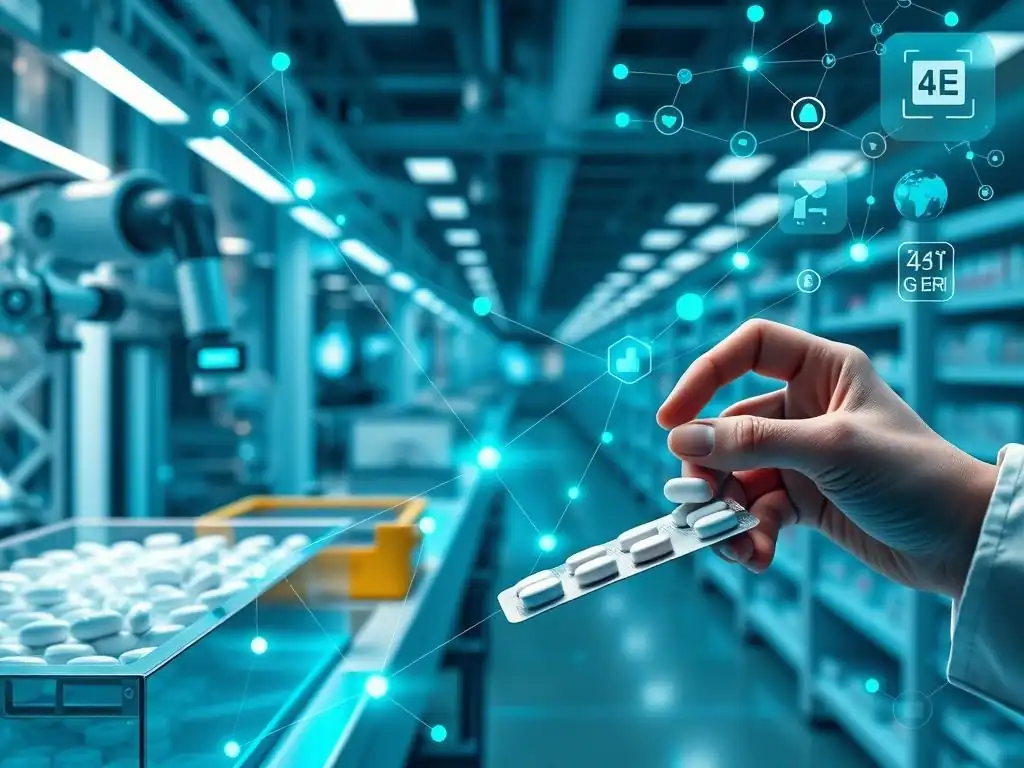
Welcome to Blockchain Trends, your go-to source for understanding the revolution beyond Bitcoin. In a world grappling with counterfeit pharmaceuticals, can blockchain offer a secure solution? Dive into our latest exploration of Blockchain drug supply chain security and discover how this transformative technology is being deployed to combat tampering, enhance transparency, and ultimately, save lives. What if the answer to pharmaceutical integrity lies within a decentralized ledger? Let's explore.
Pharmaceutical Integrity: A Blockchain Case Study in Securing the Drug Supply Chain Against Tampering
- Introduction: The Urgent Need for Blockchain Drug Supply Chain Security
- Understanding the Challenges in Pharmaceutical Supply Chain Management
- Blockchain for Pharmaceutical Supply Chain Security: A Case Study
- Implementing a Blockchain-Based Pharmaceutical Tracking System
- Key Features and Benefits of the Blockchain Solution
- Results and Impact: Quantifiable Improvements in Supply Chain Integrity
- Challenges and Considerations for Blockchain Adoption in Pharmaceuticals
- Future Trends in Blockchain and Pharmaceutical Supply Chains
- Conclusion: Blockchain's Transformative Potential for Drug Supply Chain Security
-
Frequently Asked Questions
- What are the primary benefits of using blockchain for drug supply chain security?
- How does blockchain technology help combat counterfeit drugs in the pharmaceutical supply chain?
- What challenges might pharmaceutical companies face when implementing blockchain solutions for supply chain security?
- What role does regulation play in the adoption of blockchain for drug supply chain security?
- Beyond security, what other potential applications of blockchain exist within the pharmaceutical industry?
- Final Reflection: Securing Health, Building Trust
- Revolutionize Drug Safety: Take Action Now!
Introduction: The Urgent Need for Blockchain Drug Supply Chain Security
The Growing Threat of Counterfeit and Tampered Pharmaceuticals
The global pharmaceutical industry faces a persistent and dangerous threat from counterfeit and tampered drugs. These illicit products pose a severe risk to public health, potentially containing incorrect dosages, harmful substances, or no active ingredients at all. The World Health Organization (WHO) estimates that up to 10% of medical products in low- and middle-income countries are substandard or falsified, representing a multi-billion dollar problem annually. This not only erodes patient trust but also undermines the integrity of legitimate manufacturers and distributors.
The proliferation of online pharmacies and increasingly sophisticated criminal networks further complicates efforts to combat this issue. Counterfeiters exploit vulnerabilities throughout the complex supply chain, making it difficult to distinguish genuine products from fakes. The consequences can be dire, ranging from ineffective treatments and worsened health outcomes to severe adverse reactions and even death. Enhancing blockchain drug supply chain security is paramount to protecting patients worldwide.
Why Traditional Supply Chains Are Vulnerable
Traditional pharmaceutical supply chains are inherently complex, often involving numerous intermediaries across different geographical locations. This fragmentation and reliance on disparate, often paper-based or siloed electronic systems create critical points of vulnerability. Information about a product's origin, handling, and chain of custody can be easily obscured, lost, or manipulated as it moves from manufacturer to patient.
Lack of real-time, end-to-end visibility means that identifying where and when a product might have been compromised is incredibly challenging. Verification processes are often manual, slow, and prone to errors or fraud. This opacity provides fertile ground for counterfeiters to inject fake products into the legitimate distribution channels, highlighting the urgent need for robust blockchain drug supply chain security measures that can provide an immutable and transparent record of every transaction and handling event.
Blockchain as a Solution: Enhancing Pharmaceutical Integrity
Blockchain technology offers a compelling solution to the challenges plaguing pharmaceutical supply chains. Its distributed, immutable ledger provides a single, shared source of truth for all participants, recording every transaction and movement of a drug product from its point of manufacture to dispensation. This inherent transparency and tamper-proof nature make it significantly harder for illicit products to infiltrate the supply chain undetected.
By creating an unalterable historical record, blockchain enables instant verification of a product's authenticity and journey. This enhanced visibility not only helps prevent counterfeiting and tampering but also streamlines recalls, improves inventory management, and ensures compliance with stringent regulatory requirements. Implementing blockchain drug supply chain security transforms a vulnerable, opaque system into a secure, transparent, and trustworthy network.
Understanding the Challenges in Pharmaceutical Supply Chain Management
Complexity and Fragmentation of the Pharmaceutical Supply Chain
The pharmaceutical supply chain is one of the most intricate in the world, involving manufacturers, raw material suppliers, packaging companies, wholesalers, distributors, pharmacies, hospitals, and third-party logistics providers. Each entity operates with its own systems, processes, and databases, often leading to a fragmented flow of information. A single drug product might pass through many hands and locations before reaching the end consumer.
This multi-layered structure makes coordination and data sharing difficult. Lack of interoperability between different stakeholders' systems creates information silos, hindering comprehensive oversight and tracking. The sheer volume of transactions and entities involved presents a significant challenge for maintaining integrity and ensuring that every step in the product's journey is accurately documented and verifiable, underscoring the need for innovative solutions like blockchain drug supply chain security.
Regulatory Compliance and Traceability Requirements
The pharmaceutical industry is subject to stringent regulations designed to ensure product safety, quality, and traceability. In the United States, the Drug Supply Chain Security Act (DSCSA) mandates enhanced tracing requirements for certain prescription drugs, requiring stakeholders to exchange transaction information, history, and statements at each change of ownership. By November 2023, the industry must implement an interoperable electronic system to trace products at the package level.
Meeting these complex and evolving regulatory demands places a significant burden on supply chain participants. Traditional methods of tracking often fall short of providing the granular, real-time traceability required. Demonstrating compliance during audits is also time-consuming and resource-intensive. A robust blockchain drug supply chain security solution can automate compliance checks and provide an easily auditable, immutable record, simplifying adherence to regulations like DSCSA.
The High Cost of Counterfeit Drugs and Supply Chain Disruptions
The financial impact of counterfeit drugs is substantial, estimated to cost the global pharmaceutical industry billions of dollars annually in lost sales, investigation costs, and damage to brand reputation. Beyond the direct financial loss, supply chain disruptions, whether caused by counterfeiting, theft, or logistical issues, can lead to drug shortages, impacting patient access to essential medicines.
Furthermore, the cost associated with managing complex, paper-based or legacy electronic tracking systems, conducting manual verifications, and handling product recalls adds significant overhead. Investing in advanced blockchain drug supply chain security can mitigate these costs by reducing counterfeit incidents, improving operational efficiency, and providing resilience against disruptions, ultimately protecting both the industry's bottom line and, more importantly, public health.
Blockchain for Pharmaceutical Supply Chain Security: A Case Study
MediLedger Network: A Collaborative Blockchain Solution
The MediLedger Network stands as a prominent real-world example of blockchain implementation for pharmaceutical supply chain security. Developed by Chronicled, this network brings together major pharmaceutical manufacturers, distributors, and other trading partners to address the requirements of the U.S. Drug Supply Chain Security Act (DSCSA). It focuses on enabling secure, interoperable data exchange and verification among participants.
The network is designed to facilitate key processes such as product verification, which allows pharmacies and distributors to quickly check the authenticity of a drug package before dispensing or accepting it. It also supports the exchange of serialized transaction data as required by DSCSA. This collaborative approach leverages blockchain's strengths to build trust and transparency across competing entities within the supply chain, demonstrating the practical application of blockchain drug supply chain security.
Objectives: Enhancing Security, Traceability, and Transparency for DSCSA Compliance
The primary objectives of the MediLedger Network are directly aligned with the core needs of pharmaceutical supply chain security and DSCSA compliance. The network aims to enhance the security of the supply chain by making it significantly harder to introduce counterfeit or illegitimate products. By providing a secure, shared ledger, it ensures that the history and ownership of each serialized product unit are accurately recorded and easily verifiable.
A key goal is to achieve granular traceability at the package level, enabling participants to track a drug's journey from manufacturer to dispenser in an interoperable electronic manner. This increased transparency builds confidence among stakeholders and provides regulators with the visibility needed to ensure patient safety. Ultimately, the network seeks to provide the foundational infrastructure for DSCSA compliance, specifically the 2023 interoperability requirements, by utilizing blockchain drug supply chain security principles.
Technology Stack: Hyperledger Fabric and GS1 Standards
The MediLedger Network is built on Hyperledger Fabric, a permissioned blockchain framework. Hyperledger Fabric is well-suited for enterprise use cases like supply chain management because it allows participants to be known and provides granular access control, ensuring data privacy and regulatory compliance. This is crucial in the highly regulated pharmaceutical industry where sensitive business information must be protected while maintaining traceability.
The network also leverages GS1 standards, which are globally recognized for supply chain identification and data exchange. This includes using Global Trade Item Numbers (GTINs) for product identification and Global Location Numbers (GLNs) for identifying trading partners and physical locations. Integrating GS1 standards with the blockchain ensures interoperability with existing industry practices and systems, facilitating seamless adoption and enhancing the effectiveness of blockchain drug supply chain security.
Implementing a Blockchain-Based Pharmaceutical Tracking System
Onboarding Stakeholders: Manufacturers, Distributors, and Pharmacies
Implementing a blockchain-based pharmaceutical tracking system like the MediLedger Network requires the active participation and onboarding of all key stakeholders in the supply chain. This includes major pharmaceutical manufacturers who serialize products, wholesale distributors who handle large volumes, and dispensers such as pharmacies and hospitals who receive and dispense drugs to patients. Each entity needs to connect to the network and integrate their internal systems.
The process typically involves technical setup to connect to the blockchain network nodes and configure data exchange interfaces. Crucially, it also involves extensive training and change management to ensure that personnel understand the new processes and the benefits of using the blockchain system for enhanced blockchain drug supply chain security. Gaining commitment and collaboration from diverse industry players is a significant undertaking but essential for the network's success and widespread adoption.
Data Integration: Connecting Existing Systems to the Blockchain
A critical technical challenge in implementing blockchain for pharmaceutical supply chains is integrating the blockchain network with existing legacy systems used by manufacturers, distributors, and pharmacies. These systems include Enterprise Resource Planning (ERP), Warehouse Management Systems (WMS), and other internal tracking databases. The blockchain platform needs to seamlessly receive data from these systems regarding product serialization, shipment, receipt, and disposition.
This integration is typically achieved through APIs (Application Programming Interfaces) or middleware that translates data from existing formats into a format compatible with the blockchain ledger. The goal is to automate the recording of key supply chain events onto the immutable ledger without requiring a complete overhaul of existing IT infrastructure. Successful data integration is fundamental to ensuring accurate, real-time visibility and leveraging the full potential of blockchain drug supply chain security.
Smart Contracts for Automated Verification and Compliance (DSCSA Verification Router Service)
Smart contracts play a pivotal role in automating critical processes within a blockchain drug supply chain security system, particularly for regulatory compliance. In the context of DSCSA, smart contracts are used to power the Verification Router Service (VRS). When a dispenser needs to verify the authenticity of a drug package's unique identifier (serialization data), their system sends a verification request.
The smart contract on the blockchain network can automatically route this request to the correct manufacturer (identified by the serialization data) and facilitate the verification process. The manufacturer's system responds via the network, and the smart contract can record the verification outcome on the ledger. This automated, secure, and auditable process significantly speeds up verification compared to manual methods and is a core component enabling interoperable blockchain drug supply chain security for DSCSA compliance.
Key Features and Benefits of the Blockchain Solution
End-to-End Traceability of Pharmaceutical Products
One of the most significant benefits of using blockchain for pharmaceutical supply chain security is achieving true end-to-end traceability. Every transaction, movement, and change of ownership for a specific serialized drug package is recorded on the immutable, distributed ledger. This creates a complete and transparent history from the point of manufacture through distribution channels all the way to the dispensing pharmacy or hospital.
Unlike traditional systems where data might be siloed or incomplete, the blockchain provides a single, verifiable source of truth accessible to authorized parties. This comprehensive record allows participants to pinpoint the exact location and status of a product at any given time and review its entire journey. This level of visibility is crucial for identifying potential points of compromise and ensuring the integrity of the pharmaceutical supply chain.
Enhanced Authentication and Anti-Counterfeiting Measures
Blockchain technology fundamentally enhances the ability to authenticate pharmaceutical products and combat counterfeiting. Because each legitimate product package is associated with a unique identifier recorded on the blockchain at the point of manufacture, any attempt to introduce a counterfeit with a duplicate or invalid identifier can be quickly detected during verification processes.
The immutability of the blockchain record means that the recorded history of a genuine product cannot be altered by counterfeiters. Verification requests sent via the network can confirm that the serialized identifier exists on the blockchain and is associated with the legitimate manufacturer and product details. This robust authentication mechanism is a cornerstone of effective blockchain drug supply chain security, directly hindering the proliferation of fake medicines.
Improved Data Security and Tamper-Proof Records
Data security is paramount in the pharmaceutical industry, and blockchain offers significant advantages. Data recorded on a blockchain is cryptographically secured and distributed across multiple nodes in the network. This decentralized nature makes it highly resistant to tampering or unauthorized alteration. Once a transaction is added to a block and confirmed, it is virtually impossible to change without the consensus of the network participants.
This tamper-proof characteristic ensures the integrity and reliability of the supply chain data. Unlike centralized databases that can be a single point of failure or vulnerable to malicious attacks, a blockchain provides a resilient and secure repository for critical tracking information. This enhanced data security is a core benefit of implementing blockchain drug supply chain security, protecting sensitive information while ensuring traceability.
Real-Time Monitoring and Alerting for Supply Chain Anomalies
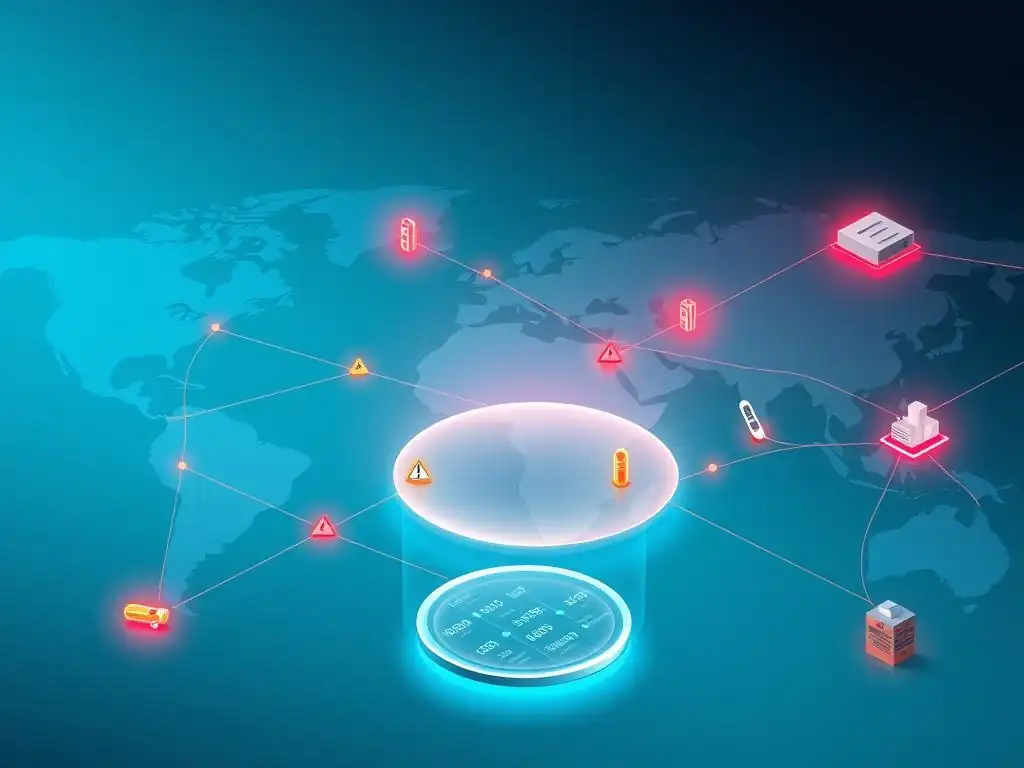
A well-implemented blockchain drug supply chain security system can provide near real-time visibility into the movement and status of pharmaceutical products. As products are scanned and transactions are recorded on the ledger, the system updates the shared record instantly. This allows authorized users to monitor the progress of shipments and verify receipts in real-time.
Furthermore, smart contracts can be programmed to trigger automated alerts when anomalies are detected. For example, if a product with a specific serial number appears in an unexpected location, if a verification request for a serial number fails, or if there is a delay in a shipment beyond a predefined threshold, the system can immediately notify relevant parties. This proactive monitoring helps identify potential issues, including theft or attempted infiltration by counterfeits, much faster than traditional methods.
Streamlined Regulatory Compliance and Auditing (DSCSA)
Complying with complex regulations like the DSCSA becomes significantly more streamlined with a blockchain-based system. The blockchain creates an automatically generated, comprehensive, and immutable audit trail of every product's journey and all related transactions. This record is readily accessible to authorized regulators and auditors, drastically reducing the time and effort required to demonstrate compliance.
The automated verification processes enabled by smart contracts, such as those used in the DSCSA Verification Router Service, directly fulfill key regulatory requirements for interoperable electronic tracing. Instead of manually gathering and reconciling data from disparate systems, auditors can access a single, trusted source of truth on the blockchain. This efficiency is a major advantage of leveraging blockchain drug supply chain security for regulatory adherence.
Results and Impact: Quantifiable Improvements in Supply Chain Integrity
Reduction in Counterfeit Drug Incidents
While specific, universally published statistics on the exact reduction in counterfeit incidents directly attributable to a single blockchain network like MediLedger are still emerging as the technology matures and adoption increases, the potential and mechanism for significant reduction are clear. By enabling instant, reliable verification of product authenticity at various points in the supply chain, particularly at the dispensing level, blockchain makes it exponentially harder for counterfeit products to reach patients undetected.
The implementation of the DSCSA Verification Router Service, powered by blockchain in networks like MediLedger, allows pharmacies and distributors to verify serialized products before they enter the legitimate supply stream or are dispensed. This capability acts as a powerful deterrent to counterfeiters, who rely on the inability of the system to distinguish fakes from genuine products. The inherent security and transparency provided by blockchain drug supply chain security systems are designed precisely to close the loopholes that enable counterfeiting.
Increased Transparency and Trust Among Stakeholders
A core impact of implementing blockchain in the pharmaceutical supply chain is the significant increase in transparency and trust among participating stakeholders. Traditionally, manufacturers, distributors, and pharmacies operate somewhat independently, with limited visibility into each other's operations beyond necessary transaction details. Information silos and a lack of shared, immutable records can lead to mistrust and disputes.
The blockchain provides a shared, immutable ledger that all authorized participants can access and contribute to. Every recorded event is visible to relevant parties, creating unprecedented transparency regarding product movement and handling. This shared source of truth eliminates data discrepancies and fosters greater trust and collaboration among trading partners, knowing that the information they rely on for blockchain drug supply chain security is accurate and tamper-proof.
Enhanced Efficiency in Supply Chain Operations
Beyond security, blockchain implementation can lead to enhanced efficiency in various supply chain operations. Automated processes, such as those managed by smart contracts for verification or transaction data exchange, reduce manual effort and paperwork. The real-time visibility provided by the blockchain allows for better inventory management, reducing waste and optimizing stock levels across the network.
Resolving discrepancies or investigating issues becomes much faster and less costly when all relevant transaction history is recorded on a single, accessible ledger. Streamlined compliance reporting and auditing also contribute to operational efficiency. By automating trust and providing clear, accessible data, blockchain drug supply chain security solutions enable smoother, faster, and more cost-effective supply chain management.
Improved Patient Safety and Confidence
Ultimately, the most critical impact of implementing blockchain drug supply chain security is the direct improvement in patient safety and confidence. By drastically reducing the likelihood of counterfeit or tampered drugs reaching the market, patients can have greater assurance that the medicines they receive are genuine, safe, and effective. This directly addresses the primary threat posed by illicit pharmaceutical products.
Knowing that drugs are being tracked through a secure, transparent, and verifiable system builds confidence in the healthcare system as a whole. This enhanced trust between patients, healthcare providers, and the pharmaceutical industry is invaluable. By ensuring the integrity of the drug supply chain, blockchain technology plays a vital role in protecting public health and well-being.
Challenges and Considerations for Blockchain Adoption in Pharmaceuticals
Scalability and Performance of Blockchain Networks
One significant challenge for widespread blockchain adoption in the pharmaceutical industry is ensuring the scalability and performance of the network. The sheer volume of transactions generated by tracking millions of individual drug packages daily across a global supply chain requires a system capable of handling a high throughput of data. Public blockchains can face congestion and high transaction fees, impacting efficiency.
Permissioned blockchains like Hyperledger Fabric, often used in enterprise settings for blockchain drug supply chain security, are designed for higher transaction speeds and lower costs compared to public chains. However, ensuring that the network can scale to accommodate potentially billions of serialized items and continuous transactions from numerous participants remains a key technical consideration that requires careful architecture design and ongoing optimization.
Data Privacy and Regulatory Compliance (GDPR, HIPAA)
While transparency is a benefit, ensuring data privacy is equally critical, especially given regulations like GDPR (General Data Protection Regulation) and HIPAA (Health Insurance Portability and Accountability Act). Pharmaceutical supply chain data can include commercially sensitive information (e.g., pricing, shipment volumes) and, indirectly, patient-related data if linked to dispensing events.
Permissioned blockchains help by restricting access to authorized participants, but careful design is needed to ensure that sensitive information is not exposed on the shared ledger beyond what is necessary for traceability and compliance. Techniques like data partitioning, hashing, or linking to off-chain data repositories can be employed to balance the need for transparency with privacy requirements. Navigating these complex data privacy regulations is crucial for successful blockchain drug supply chain security implementation.
Interoperability with Existing Pharmaceutical Systems
Integrating a new blockchain platform with the diverse and often legacy IT systems used by manufacturers, distributors, and dispensers presents a significant technical hurdle. These systems include ERP, WMS, serialization software, and pharmacy management systems, which may use different data formats and communication protocols.
Achieving seamless interoperability requires robust integration layers, potentially involving APIs, middleware, and standardized data formats (like GS1). Ensuring that data flows accurately and reliably between existing systems and the blockchain is essential for maintaining data integrity and operational efficiency. The success of blockchain drug supply chain security depends heavily on the ability to connect disparate systems effectively.
Overcoming Resistance to Change and Fostering Collaboration
Implementing a blockchain solution requires significant changes to established processes and workflows across multiple independent companies. Overcoming inertia and resistance to change among stakeholders is a major non-technical challenge. Participants may be hesitant to invest in new technology, share data, or adopt new ways of working.
Fostering collaboration and building consensus among competing entities is crucial for the network's success. This involves clearly communicating the benefits, addressing concerns about cost, data sharing, and control, and demonstrating the value proposition of enhanced blockchain drug supply chain security for all parties involved. A collaborative governance model for the blockchain network is often necessary to ensure buy-in and sustained participation.
Future Trends in Blockchain and Pharmaceutical Supply Chains
Integration with IoT Devices for Real-Time Monitoring
A key future trend in blockchain drug supply chain security is the integration of Internet of Things (IoT) devices. Sensors can be attached to pharmaceutical shipments to monitor conditions such as temperature, humidity, and location in real-time. This data can be securely recorded on the blockchain alongside ownership and transaction information, providing a more comprehensive and verifiable record of the product's journey and environmental conditions.
If a shipment deviates from required temperature ranges, for example, the IoT sensor records this data, which is then immutably stored on the blockchain. Smart contracts can be triggered by this data to automatically flag the shipment as potentially compromised or issue alerts. This integration provides granular, verifiable data on product handling, further enhancing the integrity and traceability provided by blockchain drug supply chain security.
The Role of AI and Machine Learning in Supply Chain Optimization
Artificial Intelligence (AI) and Machine Learning (ML) are poised to play a significant role in future blockchain-enabled pharmaceutical supply chains. With the vast amount of transparent, verifiable data collected on the blockchain, AI and ML algorithms can analyze patterns to identify potential risks, predict demand, optimize inventory levels, and detect anomalous activities indicative of fraud or tampering.
For instance, ML models can analyze transaction patterns on the blockchain to identify suspicious activities that deviate from normal behavior, alerting stakeholders to potential counterfeit attempts or theft. AI can also optimize logistics and routing based on real-time data from the blockchain and IoT devices. Combining the immutability of blockchain with the analytical power of AI/ML offers exciting possibilities for proactive risk management and optimization in blockchain drug supply chain security.
Exploring Permissioned vs. Permissionless Blockchain Solutions for Pharmaceutical Integrity
While most current enterprise applications like MediLedger utilize permissioned blockchains (where participation is restricted and identity is known) due to privacy and performance requirements, future trends may explore the potential for hybrid or even permissionless models for certain aspects of blockchain drug supply chain security. Permissionless chains offer maximum transparency and decentralization but face challenges with scalability, cost, and privacy for sensitive data.
Research and development may focus on finding ways to leverage the strengths of different blockchain architectures. For example, a permissioned chain could be used for core transaction data among known entities, while hashes or summary data could be anchored on a public, permissionless chain for broader public verification or trust. The optimal model for ensuring pharmaceutical integrity will continue to evolve as the technology matures and industry needs become clearer, driving the future of blockchain drug supply chain security.
Conclusion: Blockchain's Transformative Potential for Drug Supply Chain Security
Key Takeaways from the Pharmaceutical Blockchain Case Study
The case study of implementing blockchain for pharmaceutical supply chain security, exemplified by networks like MediLedger, highlights several key takeaways. Firstly, the pharmaceutical industry desperately needs enhanced security and traceability to combat the threat of counterfeit and tampered drugs. Traditional systems are insufficient due to fragmentation and lack of transparency.
Secondly, blockchain technology, particularly permissioned networks leveraging standards like GS1 and technologies like Hyperledger Fabric and smart contracts, offers a viable and powerful solution. It provides immutable, end-to-end traceability, enhances authentication, improves data security, enables real-time monitoring, and streamlines regulatory compliance, specifically addressing the requirements of DSCSA. This demonstrates the practical benefits of blockchain drug supply chain security.
The Future of Secure and Transparent Pharmaceutical Supply Chains
The future of pharmaceutical supply chains is undeniably moving towards greater security, transparency, and efficiency, with blockchain technology playing a foundational role. As regulatory mandates like DSCSA become fully enforced and technology matures, widespread adoption of blockchain-based tracking systems is anticipated. These systems will create a more trustworthy ecosystem where every drug package's journey is recorded and verifiable.
Future developments, including integration with IoT for condition monitoring and the application of AI/ML for predictive analysis and optimization, will further enhance the capabilities of these systems. The collaborative efforts seen in initiatives like the MediLedger Network demonstrate the industry's commitment to leveraging innovative technology for the collective good, shaping the future of blockchain drug supply chain security.
Blockchain: A Critical Tool for Combating Counterfeit Drugs and Protecting Public Health
Blockchain is not just a promising technology; it is becoming a critical tool in the fight against counterfeit drugs and for protecting public health. By providing an unprecedented level of security, traceability, and transparency throughout the complex pharmaceutical supply chain, it directly addresses the vulnerabilities exploited by criminals. The immutable ledger ensures that the integrity of drug products can be verified at every step, from manufacturing to patient.
As adoption grows and networks expand, blockchain drug supply chain security will significantly reduce the flow of illicit medicines, build greater trust among stakeholders, and ultimately ensure that patients receive safe and effective treatments. The case for implementing blockchain solutions in the pharmaceutical industry is compelling, positioning it as an essential element in safeguarding the global medicine supply.
Frequently Asked Questions
What are the primary benefits of using blockchain for drug supply chain security?
The main benefits include enhanced traceability of pharmaceuticals, improved anti-counterfeiting measures, and increased transparency throughout the supply chain. This ultimately protects consumers and builds trust.
How does blockchain technology help combat counterfeit drugs in the pharmaceutical supply chain?
Blockchain creates an immutable record of each drug's journey, making it difficult for counterfeiters to introduce fake products. Each transaction is verified and securely stored, ensuring data integrity.
What challenges might pharmaceutical companies face when implementing blockchain solutions for supply chain security?
Challenges include integration with existing systems, the need for industry-wide collaboration, and ensuring data privacy while maintaining transparency. Overcoming these hurdles is crucial for successful adoption.
What role does regulation play in the adoption of blockchain for drug supply chain security?
Clear and consistent regulatory frameworks are essential to provide guidance and standardization for blockchain implementations. This fosters trust and encourages broader adoption within the pharmaceutical industry.
Beyond security, what other potential applications of blockchain exist within the pharmaceutical industry?
Besides supply chain security, blockchain can be used for clinical trial data management, patient data security, and streamlining insurance claims processing, offering a wide range of possibilities.
Final Reflection: Securing Health, Building Trust
The journey through the intricacies of blockchain technology and its application to pharmaceutical integrity reveals a profound truth: the security of our drug supply chain is intrinsically linked to the health and well-being of our society. The vulnerabilities exposed by traditional systems demand innovative solutions, and blockchain offers a powerful framework for ensuring authenticity and preventing the devastating consequences of drug tampering.
The impact of this technology extends far beyond mere efficiency; it fosters trust. Knowing that the medications we rely on are verifiably authentic and untampered is crucial for patient confidence and public health. Trust is the glue of life. It's the most essential ingredient in effective communication. It's the foundational principle that holds all relationships.
- Stephen Covey. This quote underscores the fundamental need for trust, which blockchain-enabled supply chains can help restore and maintain within the pharmaceutical industry.
As we look to the future, let us not underestimate the transformative potential of blockchain in safeguarding our health. Consider how you can advocate for the adoption of these technologies, support initiatives that prioritize pharmaceutical integrity, and demand transparency in the medications you consume. The power to shape a safer, more trustworthy healthcare landscape lies within each of us.
Revolutionize Drug Safety: Take Action Now!
Thank you for exploring how blockchain technology is enhancing the security of the pharmaceutical supply chain. You've seen how it can lead to a safer, more transparent system for ensuring drug integrity. Are you ready to contribute to this positive change?
Here are some ways you can make a difference:
- Advocate for the adoption of blockchain-based tracking solutions at your local pharmacy or healthcare facility. Your support can help build a more secure supply chain.
- Discover innovative initiatives in blockchain and pharmaceuticals, such as open-source projects focused on detecting counterfeit drugs.
- Share this article with colleagues and join the conversation on social media using #BlockchainPharma to raise awareness about maintaining pharmaceutical integrity.
What is one small step you can take today to help protect the integrity of our pharmaceutical supply chain through blockchain technology?
Leave a Reply